
11 Easy Trellis Ideas To Build Before Vines Take Off
Vines grow fast once the weather warms, so it helps to have a simple trellis ready before they start reaching. A good support keeps leaves off the ground, makes picking easier, and saves space in small beds. These easy ideas use common materials and basic tools so you can build one in an afternoon and plant with confidence.
This post may contain affiliate links, which helps keep this content free. Please read our disclosure for more info.
Cattle Panel Arch Trellis for a Garden Path
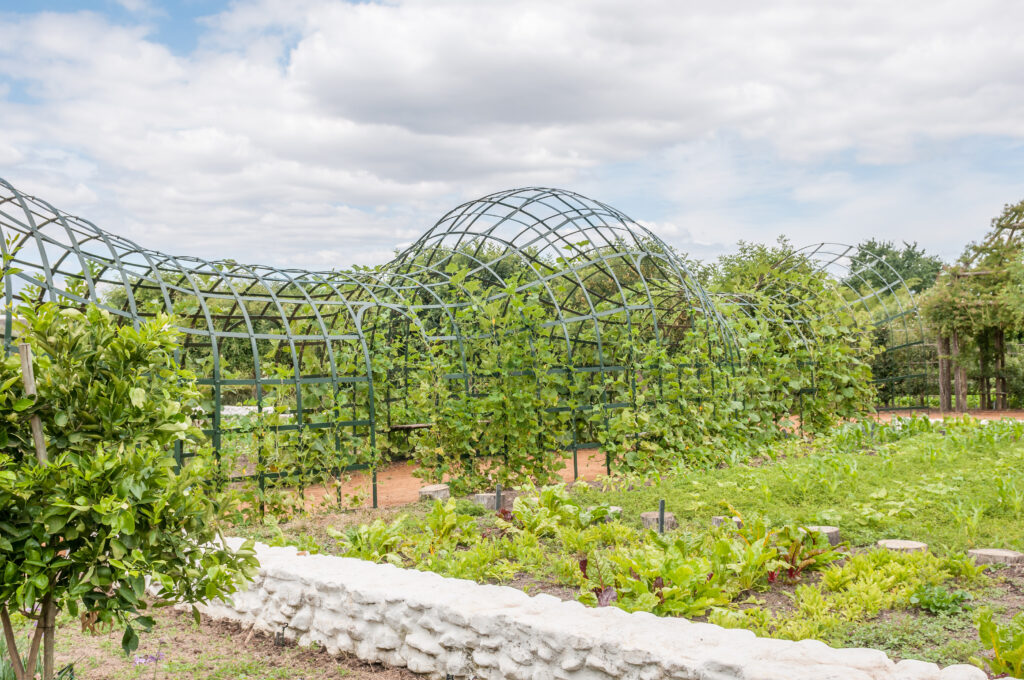
A cattle panel arch makes a sturdy tunnel that vines can climb from both sides, and it also turns a plain walkway into a shaded little passage. Set two strong posts on each side of the path, then bend the panel into an arch and secure it with heavy zip ties or fence clips. Keep the arch tall enough for comfortable walking, around 6 to 7 feet, and leave enough width for a wheelbarrow if you use one. This style works especially well for pole beans, peas, flowering vines, and even small-fruited squash if you train them early.
For stability, drive the posts deep and check that the panel ends sit tight against the posts instead of floating above the soil. If your ground is soft, add a short brace board between posts on each side so the arch does not lean after a windy week. Start guiding the vines upward when they are about 8 to 12 inches tall, and use soft ties that do not pinch stems. Harvesting is easy because pods and flowers tend to hang down through the grid, right at eye level.
Simple Bamboo Teepee Trellis with Twine Lashings
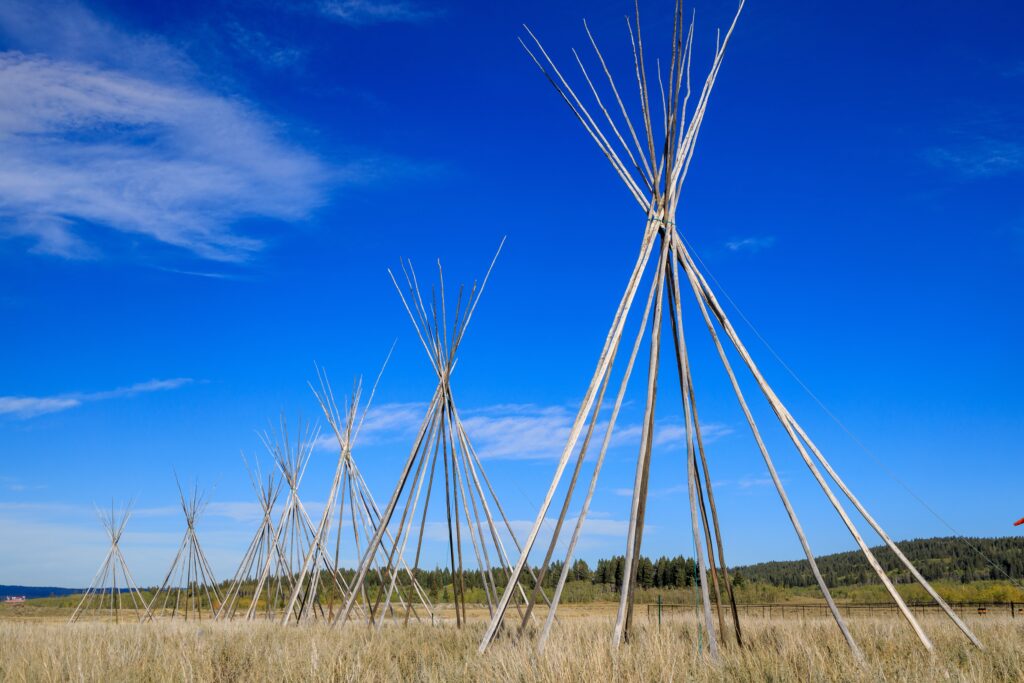
A bamboo teepee is quick, light, and easy to tuck into a corner bed, which is handy if you only grow a few vines. Push 5 to 8 bamboo poles into the soil in a circle, then bring the tops together and tie them with garden twine in a tight wrap. The poles should go at least 8 to 12 inches into the ground so the teepee stays steady once leaves fill in. Beans and peas climb naturally on bamboo, and kids usually like how it looks like a little hideout as it fills.
If bamboo is thin, add one or two rings of twine around the outside about halfway up to keep the legs from splaying out. You can also weave extra twine between poles to give tendrils more grab points, especially for peas. Place plants evenly around the base, and leave a small open spot for watering so you can reach the soil. When the season ends, cut the twine, pull the poles, and store them dry for next year.
Tomato Cage Tower Trellis for Small Vines
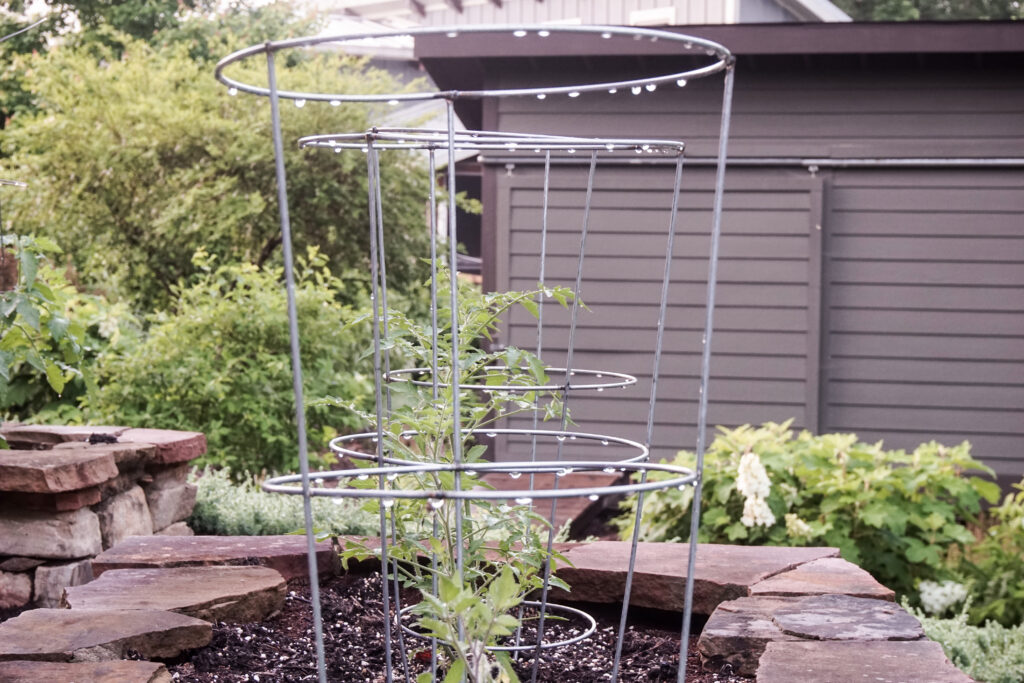
Tomato cages can work as a fast trellis for lighter vines when you want something you can set down and start using right away. Turn the cage so the wide ring is on the ground, then push the legs deep and firm the soil around them. Short climbing varieties of cucumbers, small melons, and compact squash can be trained onto the cage if you start early and keep growth centered. In a tight bed, the cage keeps plants upright and makes it easier to spot fruit before it hides under leaves.
To keep the cage from tipping, anchor it with one sturdy stake tied to the side, especially once the vine gets heavy after rain. If your cage is the flimsy kind, wrap the outside with a few loops of twine to make a tighter grid that holds stems in place. As vines climb, nudge new growth inward and tie it loosely so it does not flop out and snap. For heavier fruit, use old T shirts or mesh produce bags to make slings that hold the weight against the wires.
A Frame Ladder Trellis Made from Two Boards
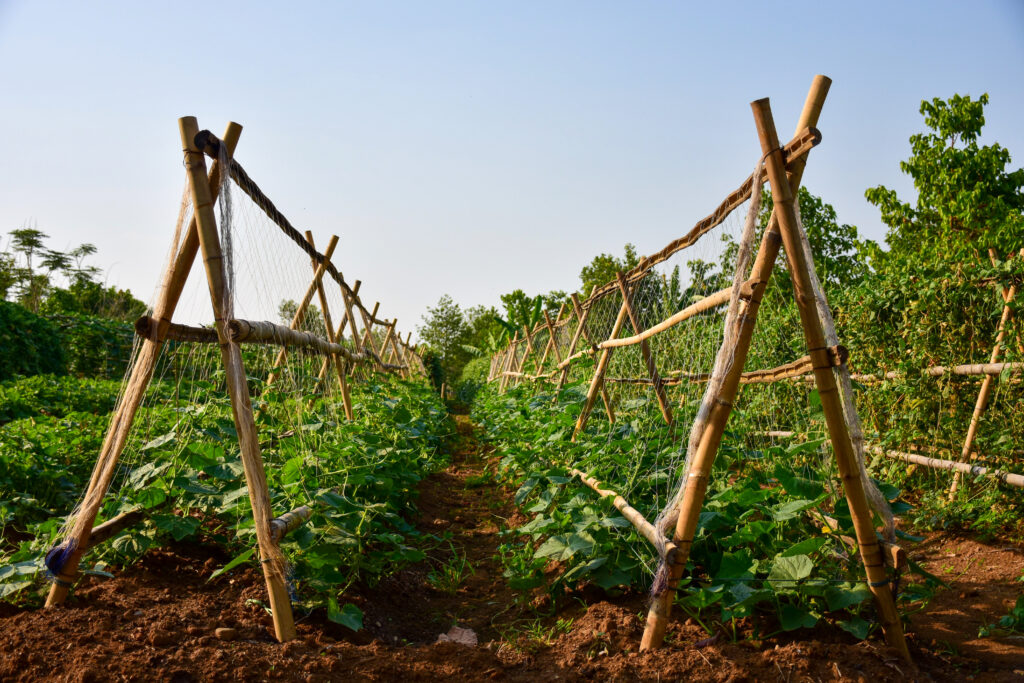
An A frame ladder trellis is a simple shape that stands on its own and gives vines two slanted sides to climb. Cut two long boards for the legs, then connect them at the top with screws and add cross rungs every 8 to 12 inches. You can keep it narrow for peas and beans, or make it wider for cucumbers so air moves through the leaves. It is a good pick if you want something that folds and stores flat at the end of the season.
For extra strength, add a small brace board across the bottom on each side so the legs do not slide outward. If you like a cleaner look, sand rough edges and seal the wood so it holds up through rain and watering. Plant on both sides and guide vines up the rungs so they spread evenly instead of piling in one spot. Picking is comfortable because fruit and pods hang along the outer edges, not down in the middle of the bed.
String Trellis from an Overhead Beam to Ground Staples
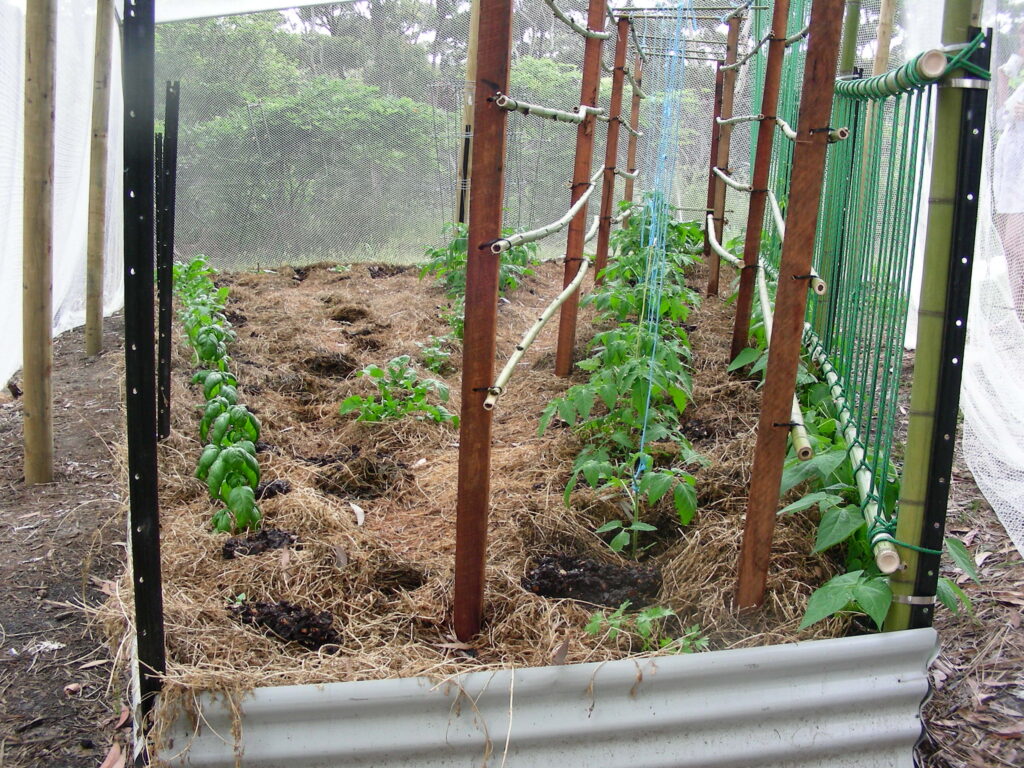
A string trellis is one of the quickest ways to give vines a tall climb, and it costs almost nothing if you already have twine. Attach twine to an overhead beam, pergola, or sturdy horizontal bar, then run each line down to a landscape staple or small ground stake. Keep strings spaced about 6 to 10 inches apart, so each plant has its own lane and leaves do not tangle too tightly. This setup is great for peas, runner beans, and climbing flowers like morning glories.
Use a strong, weather friendly twine that does not snap when it gets wet, and knot it well so it does not slip under tension. When vines are small, wrap the tips around the string once or twice so they start climbing in the right direction. Check the ground anchors after a windy day, because a loose staple can pull out and drop an entire line. For easy cleanup, cut the twine at the top after the season and roll it up, leaving the dried vines to fall away.
Pallet Trellis Stood Upright and Staked Deep
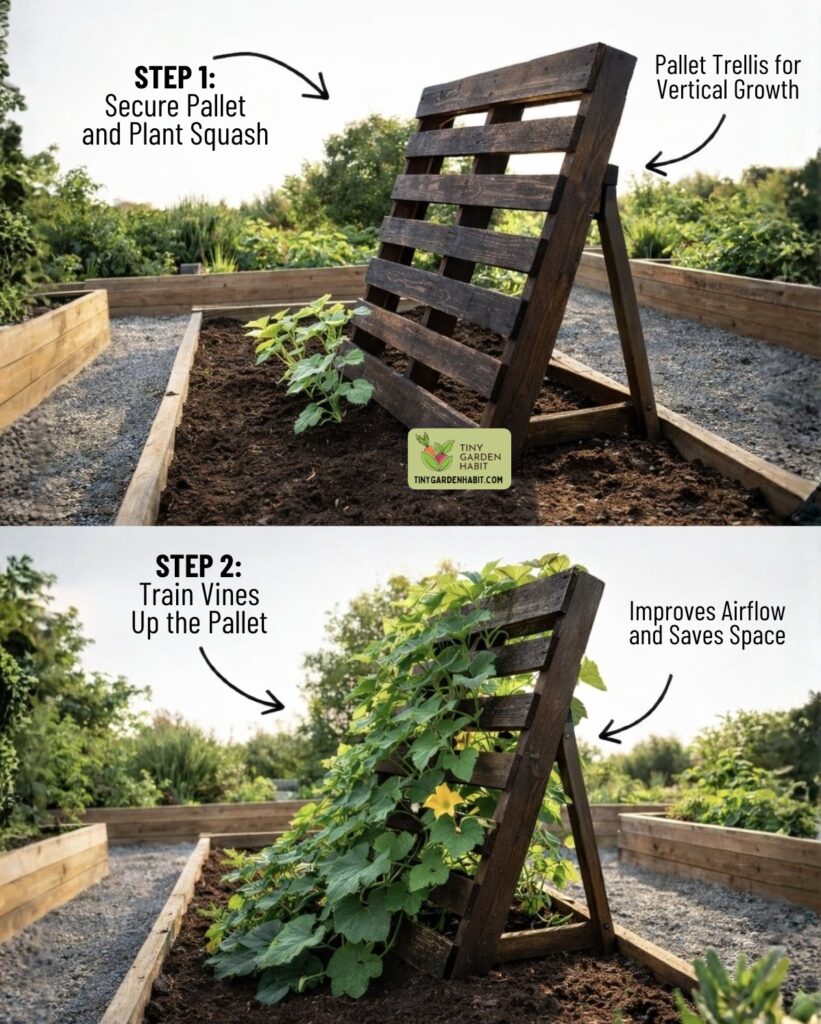
A pallet trellis works well if you can get a solid pallet that is clean and free of odd stains, since it gives you a ready made grid with slats. Stand the pallet upright and stake it on both sides, or tie it to two posts for a sturdier setup. The gaps between slats give vines places to tuck stems, and the wood also blocks some wind in exposed beds. Beans and peas do well here, and small cucumbers can work if you keep growth spread out.
Make sure the pallet does not wobble, because a loaded vine can act like a sail and tip the whole thing over. If the slat spacing is wide, weave twine across the face to create extra grab points for tendrils. Plant about 6 to 10 inches from the base so roots have room, and mulch lightly to keep soil from splashing onto leaves. When the season is done, lean the pallet in a dry spot so it does not rot in wet grass.
Branch and Stick Teepee Trellis from Yard Prunings
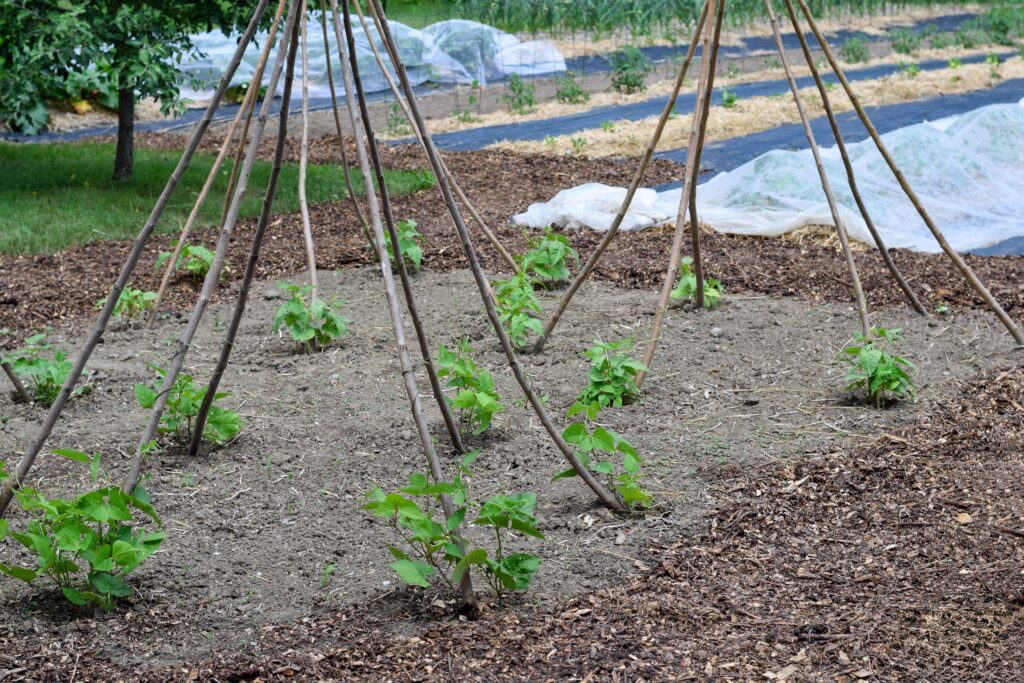
If you have pruned branches from shrubs or small trees, you can turn them into a rustic teepee that costs nothing and blends into a natural garden look. Choose straight sticks of similar length, then push them into the soil and tie the tops together with twine. Mix in a few thinner branches crisscrossed between the main sticks, and vines will find plenty of places to grab. This is a fun option for kids because it feels like building a fort, and it looks charming once flowers start climbing.
Pick branches that are sturdy and not crumbly, since brittle wood can snap once it dries out in the sun. If the sticks are uneven, place the thickest ones where the wind hits hardest and keep the teepee slightly wider at the base. Plant vines around the outside and guide them up early so growth does not sprawl across the ground. As the branches dry, tighten the tie at the top if it loosens, and add one more wrap of twine if needed.
Repurposed Bed Frame Trellis with Metal Springs
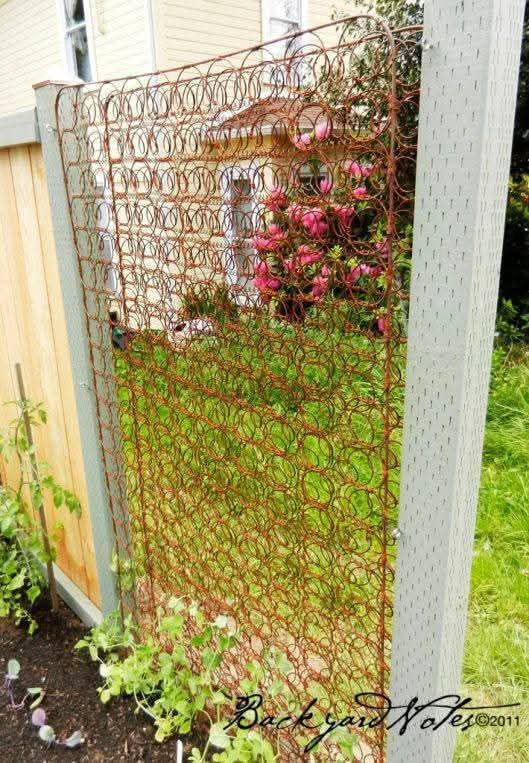
Old metal bed frames can make a surprisingly tough trellis, and the metal usually lasts for years outside if it is not already rusted through. Stand the frame upright and anchor it with posts or stakes, then use the built in bars or springs as climbing points. The height is perfect for beans and flowering vines, and it can also hold cucumbers if you keep the vines tied in and tidy. This is also a good option if you like a vintage garden look without buying anything new.
Check the frame for sharp edges, then file or tape any rough spots where you might brush your arm while picking. If the frame is narrow, angle it slightly back and add two side stakes so it does not topple forward under weight. Plant vines 8 to 12 inches away so roots are not crowded right against the metal, and water deeply so the base does not dry out. When growth starts climbing, use soft ties at a few points so stems do not whip around in wind.
Closet Rod and Garden Twine Grid Trellis
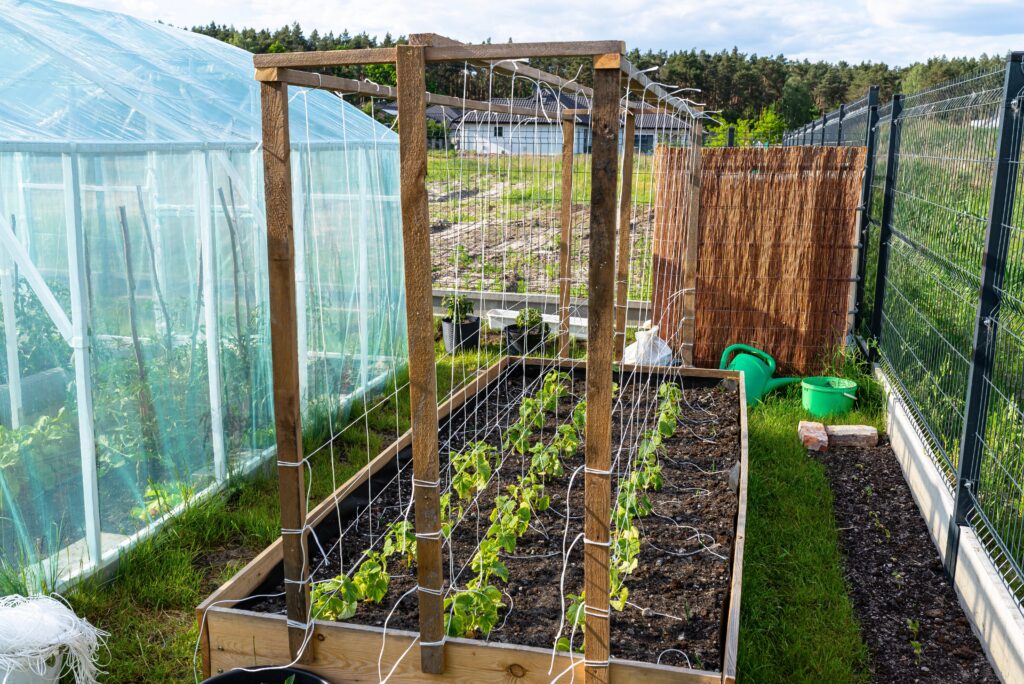
A closet rod trellis is a simple way to create a neat, straight top bar for twine, especially if you like a clean look in the garden. Set two posts, attach a sturdy rod across the top, then tie lengths of twine down to ground stakes to form a grid. You can also add horizontal twine every 10 to 12 inches to create more handholds for tendrils. Peas, beans, and climbing flowers do well here, and it is easy to adjust spacing as plants grow.
Choose a rod that will not sag, since wet twine and leafy vines can add more weight than you expect. If the rod is metal, check that it does not spin, because twisting can loosen knots over time. Plant in a line below the grid, then train each vine to one or two strings so it stays tidy and easy to harvest. Cleanup is quick since you can cut the twine at the top, pull the stakes, and bundle everything in one go.
Upcycled Wooden Window Frame Trellis with Added Wire
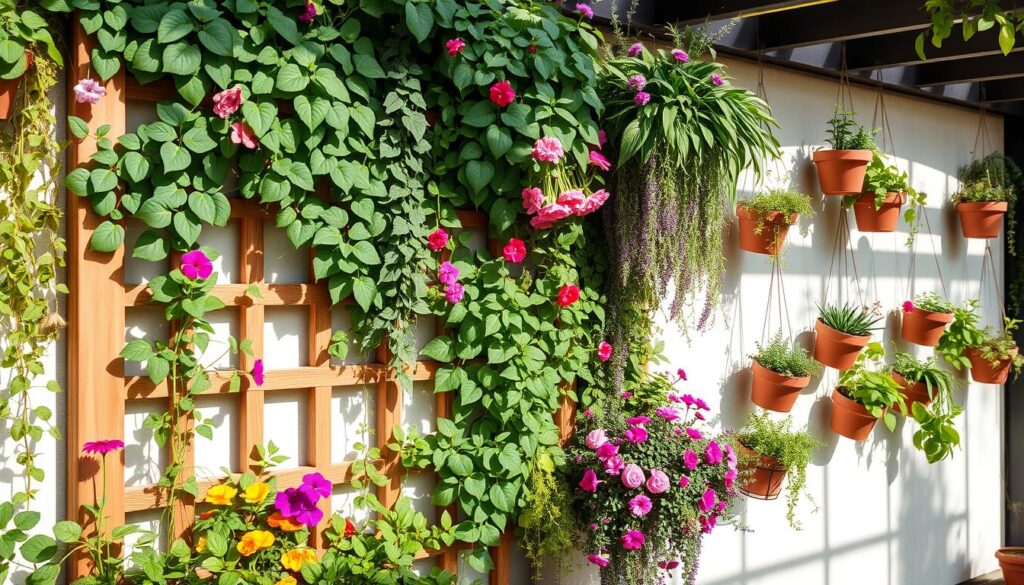
An old window frame can become a sweet little trellis, especially in small beds or containers where you want something that looks nice. Remove any remaining glass, then staple wire mesh or chicken wire across the opening to give vines places to climb. Lean it slightly back and anchor it with stakes, or screw it to two short posts for a more stable setup. It is a great fit for peas, small beans, and lighter flowering vines that do not need heavy duty support.
Use exterior screws or staples so the hardware does not rust out right away, and check that the wood is not soft or rotting. If the frame is painted, avoid sanding it aggressively unless you know the paint is safe, and keep it away from spots where kids might chew on it. Plant close enough that tendrils can reach the wire, about 4 to 6 inches from the base, then guide new growth upward. When the season ends, the frame looks cute even empty, so some people leave it in place as garden decor.
Cedar Lattice Panel Trellis Screwed to Simple Posts
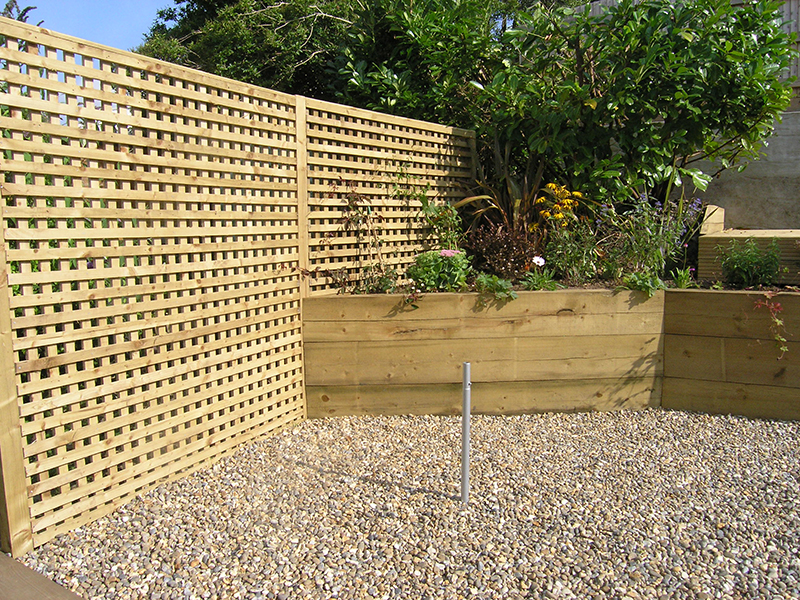
A cedar lattice panel gives vines a classic look, and cedar holds up well outdoors even with regular watering nearby. Screw the panel to two posts, leaving a little space behind it so air can move and leaves dry faster after rain. The crisscross pattern offers lots of contact points for tendrils, which makes climbing easy without constant tying. It looks tidy along a fence line or at the back of a bed, and it works for cucumbers, peas, beans, and many flowering vines.
Make sure the posts are solid, because lattice catches wind once it is covered in leaves. If you want it taller, stack two panels and add a middle rail behind them so the seam does not flex. Plant a few inches away from the base so water reaches roots without pooling against the wood. As vines climb, spread them across the lattice so light reaches more leaves, and you will get better airflow and easier picking.
This article originally appeared on Avocadu.