
13 Beginner-Friendly Herbs to Plant This Spring
Starting a garden this spring? Herbs are a great option for beginners looking to add some greenery to their space. They’re easy to grow and can thrive with just a little attention. Herbs like basil, mint, and parsley can bring both beauty and flavor to your garden.
This post may contain affiliate links, which helps keep this content free. Please read our disclosure for more info.
Basil
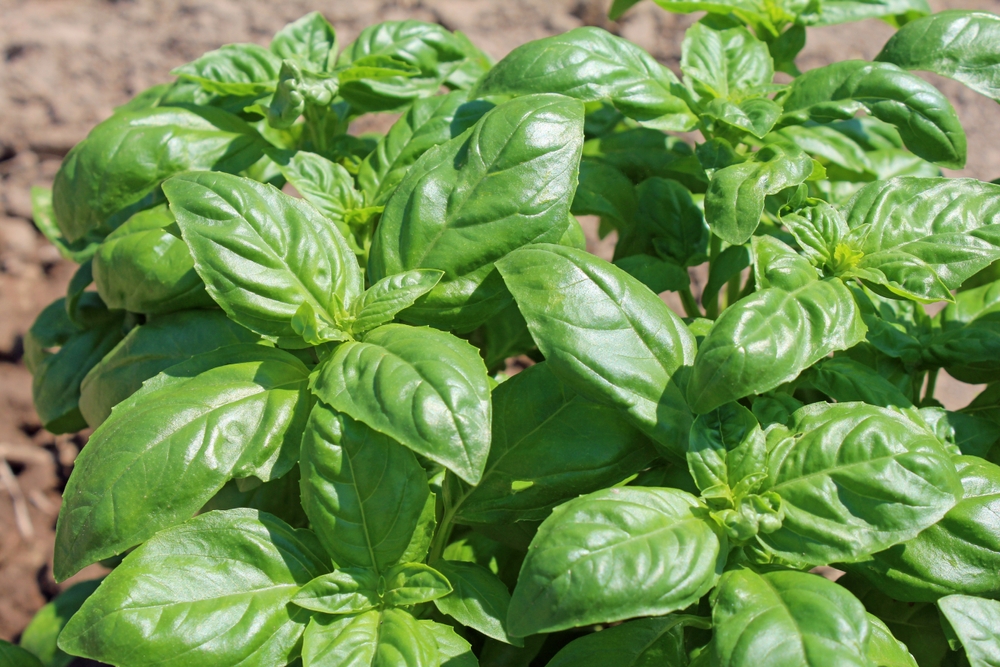
Basil is one of the most popular herbs to grow, and it’s perfect for beginners. Known for its fragrant, aromatic leaves, basil thrives in warm weather and requires plenty of sunlight. It’s great for adding flavor to dishes like pasta, salads, and pizzas, making it a kitchen essential. Basil grows quickly and can be easily grown in pots or directly in the ground, making it an ideal herb for small spaces.
To grow basil, start by planting it in well-draining soil with good exposure to sunlight. Keep it watered, but make sure not to overwater, as basil prefers slightly dry conditions between waterings. Pinching back the leaves regularly encourages bushier growth. In about 6-8 weeks, you will be able to start harvesting leaves for your meals.
Mint
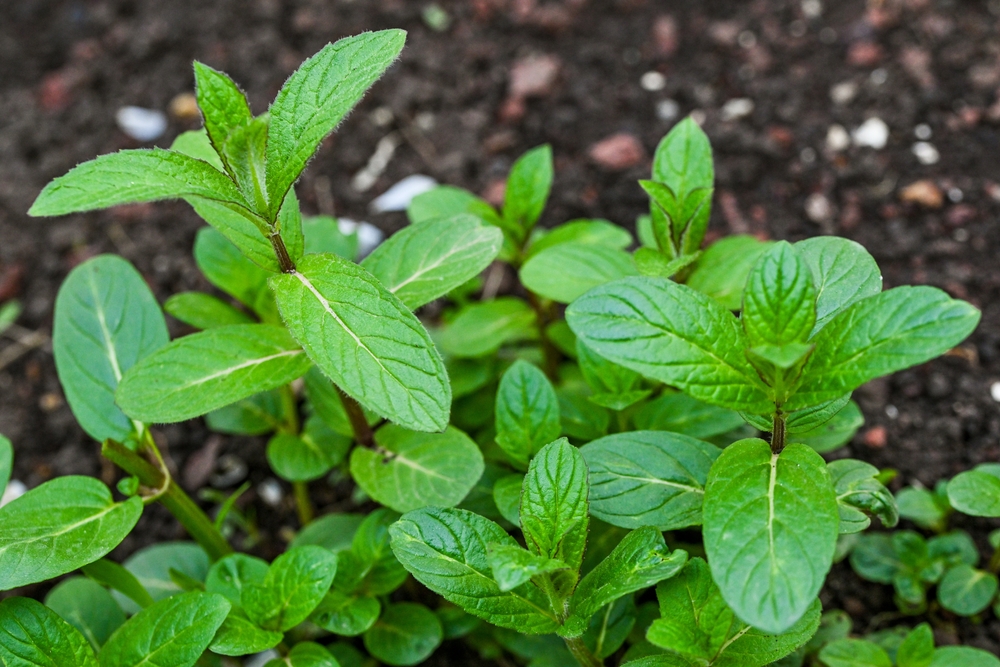
Mint is a versatile herb that’s perfect for beginners and thrives in most climates. It has a refreshing, slightly sweet aroma and is widely used in drinks, desserts, and savory dishes. Mint is also a hardy herb that can tolerate different soil types and is known to grow quickly, spreading vigorously. It’s an excellent herb to have on hand for making tea, adding to fruit salads, or garnishing your dishes.
One thing to keep in mind when planting mint is that it tends to spread rapidly. To keep it from overtaking your garden, it’s best to plant mint in containers or confined spaces. It grows well in both sun and partial shade, and it doesn’t need excessive attention once established. Regular harvesting will keep the mint plant healthy and prevent it from flowering, which can reduce the flavor of the leaves.
Parsley
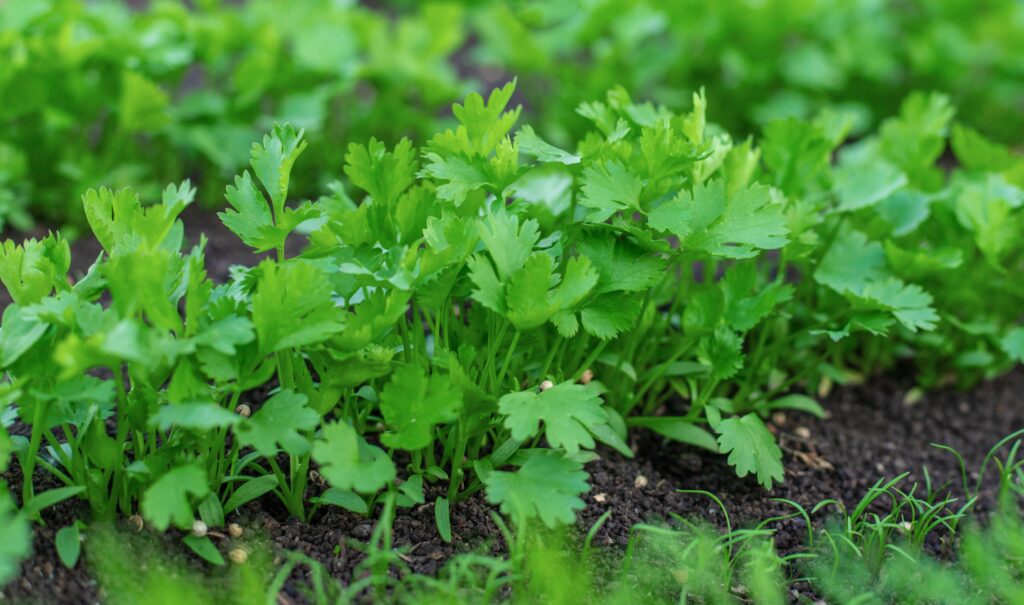
Parsley is a mild yet flavorful herb that’s great for beginners, offering both culinary and health benefits. It’s packed with vitamins and antioxidants, making it a nutritious addition to your garden. Parsley can grow in most climates and soil types, and it’s often used in a variety of dishes like soups, salads, and garnishes. It is an excellent herb to grow for those new to gardening because it is low-maintenance and forgiving.
To plant parsley, choose a sunny or partially shaded spot and keep the soil moist but not waterlogged. Parsley grows well in containers or in the ground and typically germinates slowly, so be patient. Once the plant matures, you can start snipping the leaves as needed. The more you cut, the bushier the plant will grow, ensuring a steady supply of fresh parsley throughout the season.
Cilantro
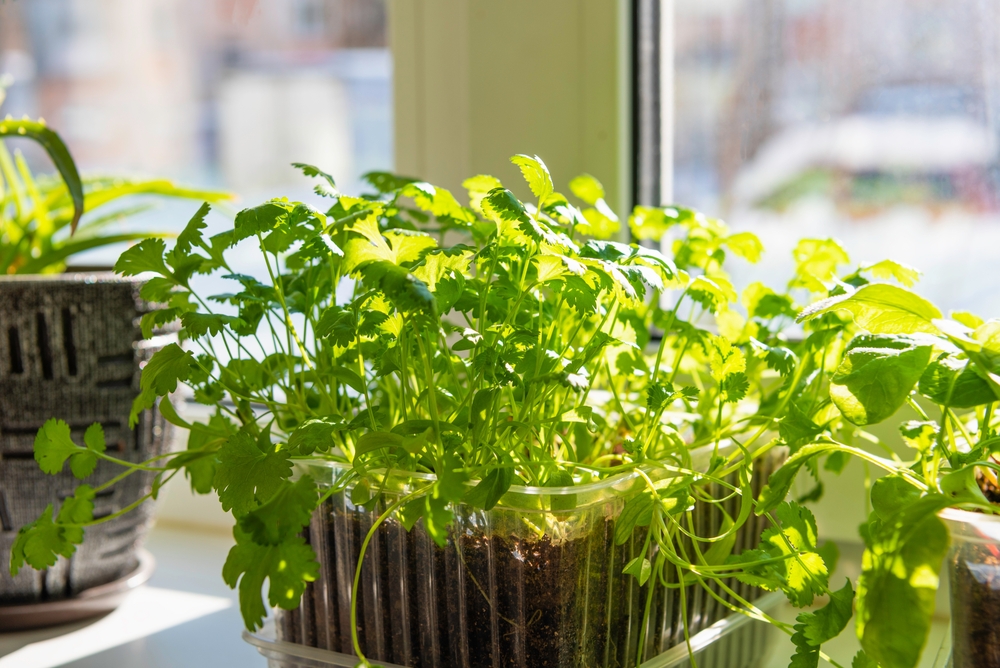
Cilantro is a flavorful herb that grows easily and quickly, making it perfect for beginner gardeners. This herb is used in a wide range of dishes, especially in Latin and Asian cuisine, adding a bright, citrusy flavor to salsas, salads, and curries. Cilantro is also known for its attractive, feathery leaves that add a touch of beauty to any garden. It’s a hardy herb that can grow in both containers and garden beds with minimal effort.
Cilantro prefers well-drained soil and needs full sunlight to thrive. It’s best to water the plant regularly, but make sure the soil does not become soggy. Since cilantro tends to bolt quickly in hot weather, it is advisable to plant it in early spring or during the cooler months of the year. You can harvest the leaves as they grow, but remember, once it bolts, the leaves will lose their flavor.
Thyme
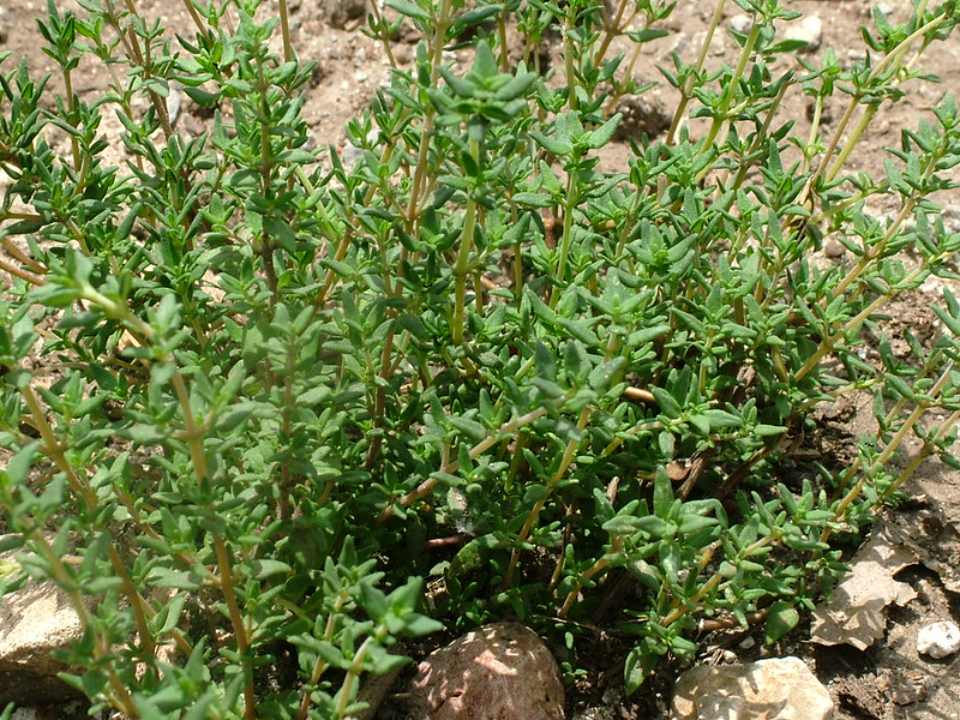
Thyme is a hardy, flavorful herb that’s ideal for beginners looking to add a savory touch to their cooking. It has small, fragrant leaves and is often used in roasted dishes, soups, and sauces. Thyme can tolerate a variety of growing conditions and is drought-resistant, which makes it an easy herb to maintain. Its subtle, earthy flavor complements both meat and vegetable dishes and is a must-have for any home chef.
Plant thyme in well-drained soil in a sunny location, as it thrives in bright conditions. This herb does not require a lot of water, so be careful not to overwater it. Once established, thyme is quite low-maintenance and will grow for several seasons. Prune it back occasionally to keep it bushy and healthy, and you’ll have fresh thyme to use for months.
Oregano
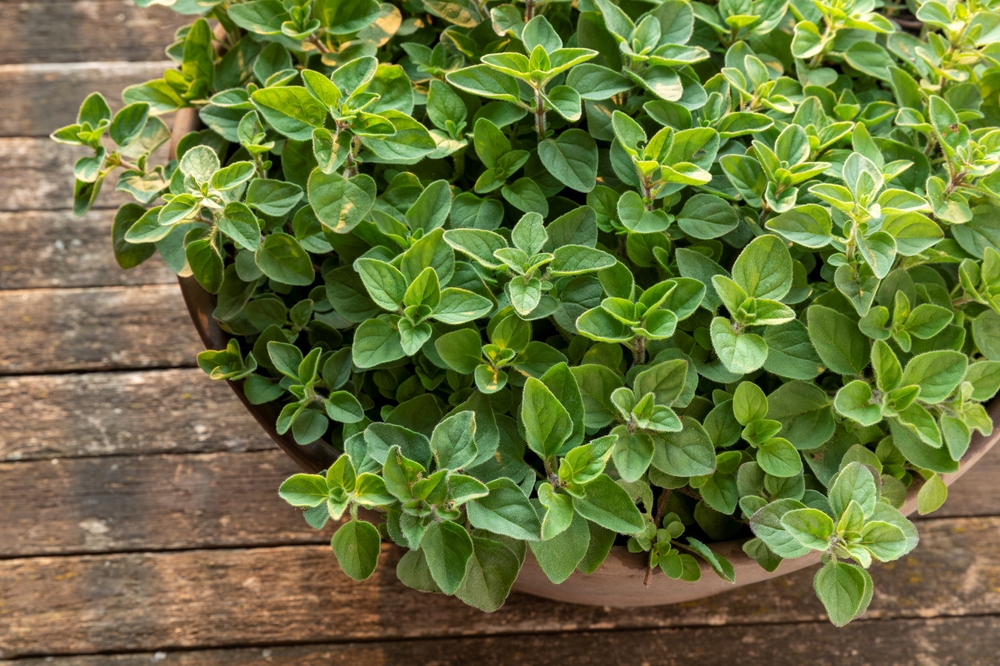
Oregano is an herb that grows well in warm weather and is perfect for beginners due to its hardy nature. It’s commonly used in Mediterranean and Italian cooking, making it a staple for pizza, pasta, and marinara sauce. Oregano is a perennial herb, which means it will continue to grow year after year once it’s established. It thrives in a variety of soil types and can be grown both in the garden and in containers.
Plant oregano in well-drained, slightly sandy soil and place it in a sunny spot. It requires minimal watering once established, making it a low-maintenance herb to grow. Oregano grows well in dry conditions and prefers to be slightly on the dry side rather than overly watered. Regular pruning will help it remain bushy and produce more leaves for your meals.
Chives
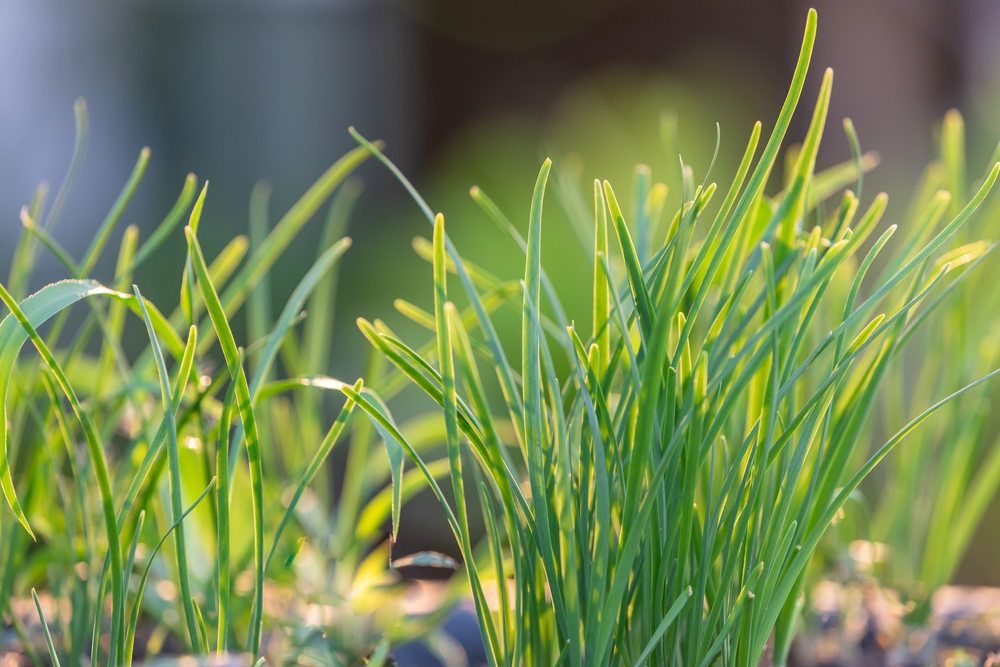
Chives are an easy-to-grow herb that adds a mild, onion-like flavor to dishes such as salads, soups, and eggs. This herb has long, slender green leaves that grow in clumps, making it an attractive addition to any garden. Chives are great for beginners because they are incredibly low-maintenance and can be grown in a variety of climates. They also come back every year, making them a great investment for your garden.
To grow chives, plant them in well-draining soil and place them in an area that gets at least 6 hours of sunlight a day. They prefer a slightly moist environment but can tolerate dry spells once established. Chives grow best when regularly cut back, as this encourages new growth. Harvest the leaves as needed by snipping them with scissors, and you’ll be able to enjoy fresh chives all season long.
Rosemary
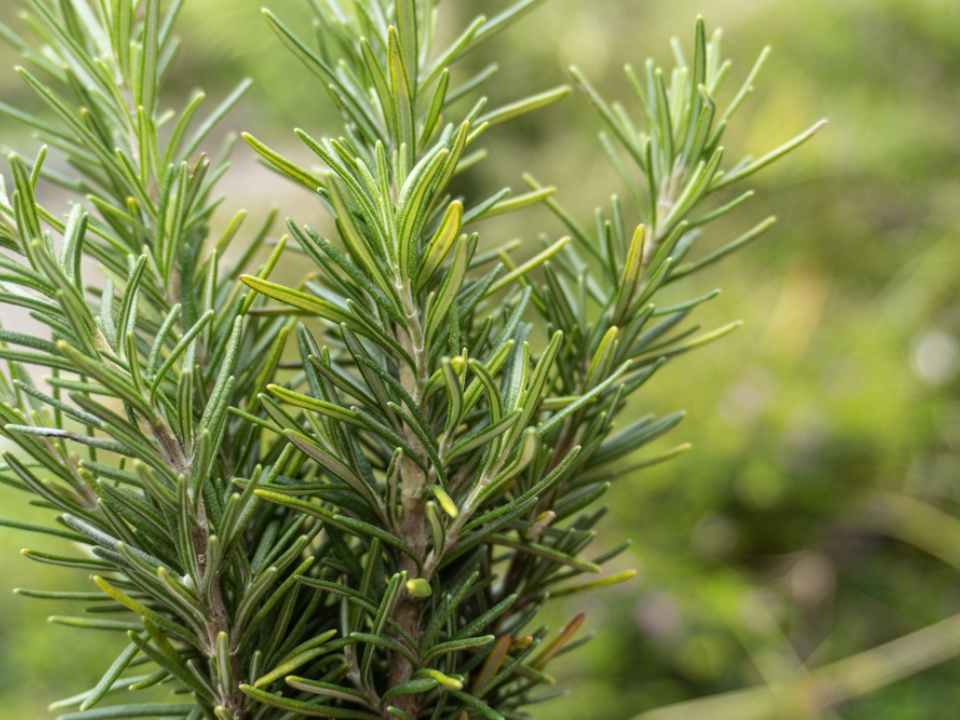
Rosemary is a fragrant herb that’s easy to grow and adds a delightful scent to your garden. It’s a Mediterranean herb that thrives in warm climates and is often used in roasted meats, stews, and bread. Rosemary is a low-maintenance plant that’s perfect for beginner gardeners, especially those looking to grow a hardy perennial herb. It’s also drought-tolerant and can grow well in containers or in the ground.
Plant rosemary in well-drained, sandy soil in a location with full sunlight. This herb does not require frequent watering, as it prefers drier conditions. Once established, rosemary can last for years and will continue to grow with minimal care. Prune it back to encourage a bushier plant and remove any dead branches to keep it looking tidy.
Sage
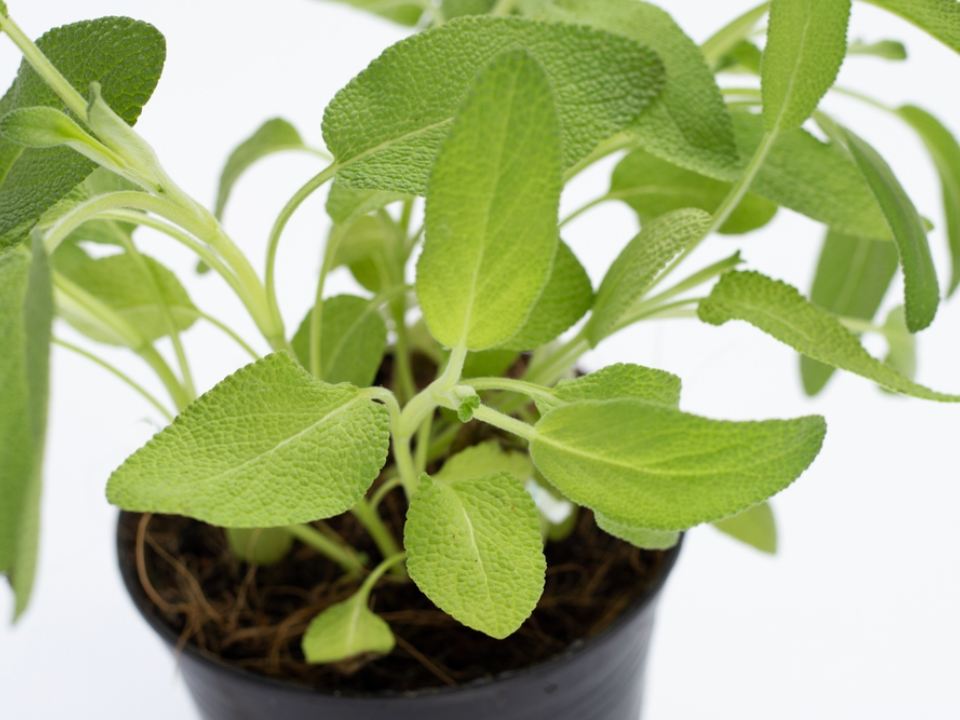
Sage is a beautiful and flavorful herb that’s perfect for new gardeners looking to add some variety to their herb collection. Known for its soft, silvery-green leaves, sage has a slightly peppery, savory taste that works well in stuffing, meats, and roasted vegetables. Sage is a hardy perennial that grows well in both warm and cooler climates, making it a versatile addition to any garden. It’s relatively low-maintenance once established, requiring minimal care throughout the season.
Plant sage in well-draining soil and choose a spot that receives full sunlight. This herb prefers dry to moderately moist conditions, so it’s important to avoid overwatering it. Regularly trimming back the plant helps to promote new growth and keeps it bushy. Sage grows best when you cut back the leaves throughout the season, allowing for a continuous harvest.
Lemon Balm
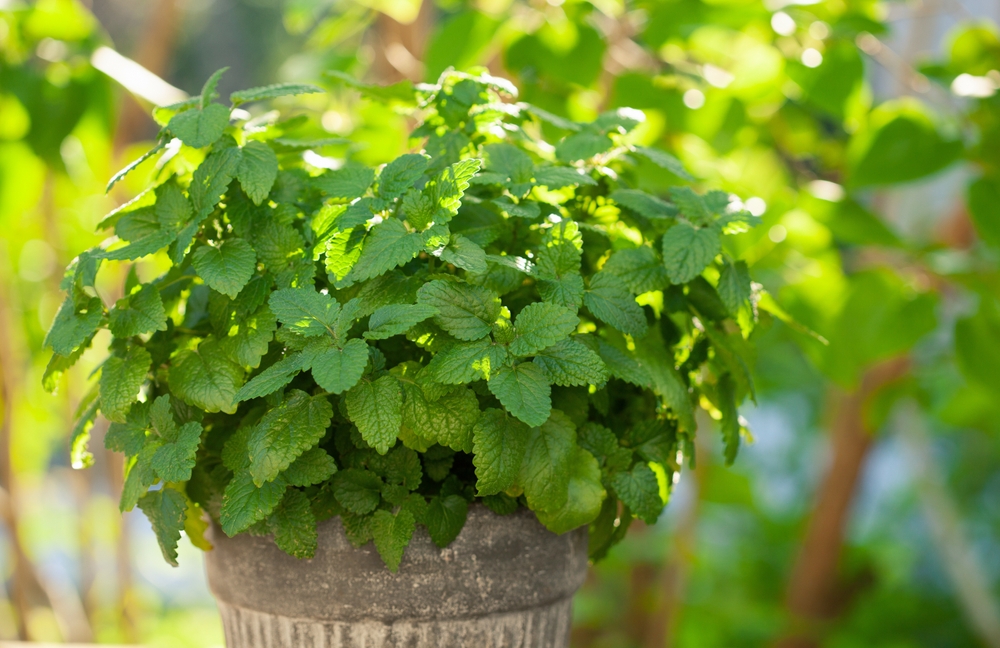
Lemon balm is a fragrant herb with a refreshing lemon scent and taste. It’s often used in teas, salads, and even desserts for its mild, citrusy flavor. This herb grows quickly and is very easy to care for, making it a great option for beginner gardeners. Lemon balm thrives in both full sun and partial shade, and it spreads readily, so it’s important to plant it in a controlled space or container.
To grow lemon balm, plant it in moist, well-drained soil and ensure it has access to plenty of sunlight. Water regularly, but avoid soaking the plant. Lemon balm is hardy and can be harvested multiple times throughout the season, with new growth emerging quickly. You can dry the leaves for use in herbal teas or use them fresh in your recipes.
Tarragon
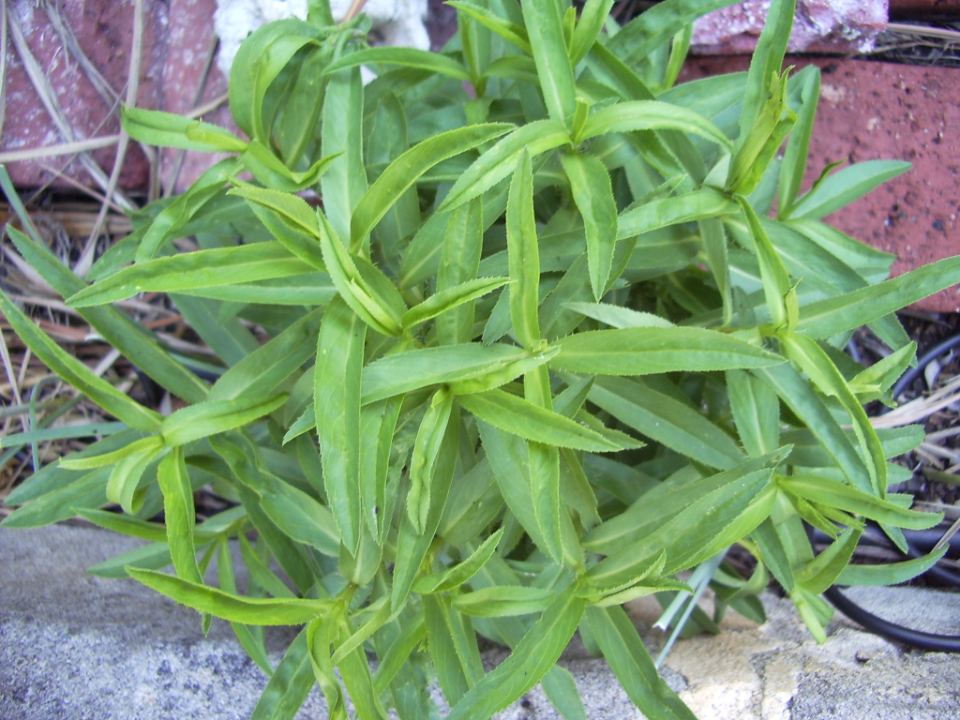
Tarragon is an aromatic herb known for its distinctive flavor, often used in French cuisine. It has long, narrow leaves with a slightly bittersweet, licorice-like taste that complements chicken, fish, and vinaigrettes. Tarragon is a perennial herb that grows well in warm, sunny conditions and doesn’t require much care once established. It’s an excellent choice for beginner gardeners looking for a unique herb to add to their culinary collection.
Plant tarragon in a sunny spot with well-drained soil, and make sure the plant has enough space to grow. It’s best to water the plant regularly, but make sure the soil doesn’t stay too soggy. Tarragon is a hardy herb that doesn’t need much attention other than occasional pruning to prevent it from becoming leggy. Harvest the leaves as needed, and use them fresh or dried in your cooking.
Fennel
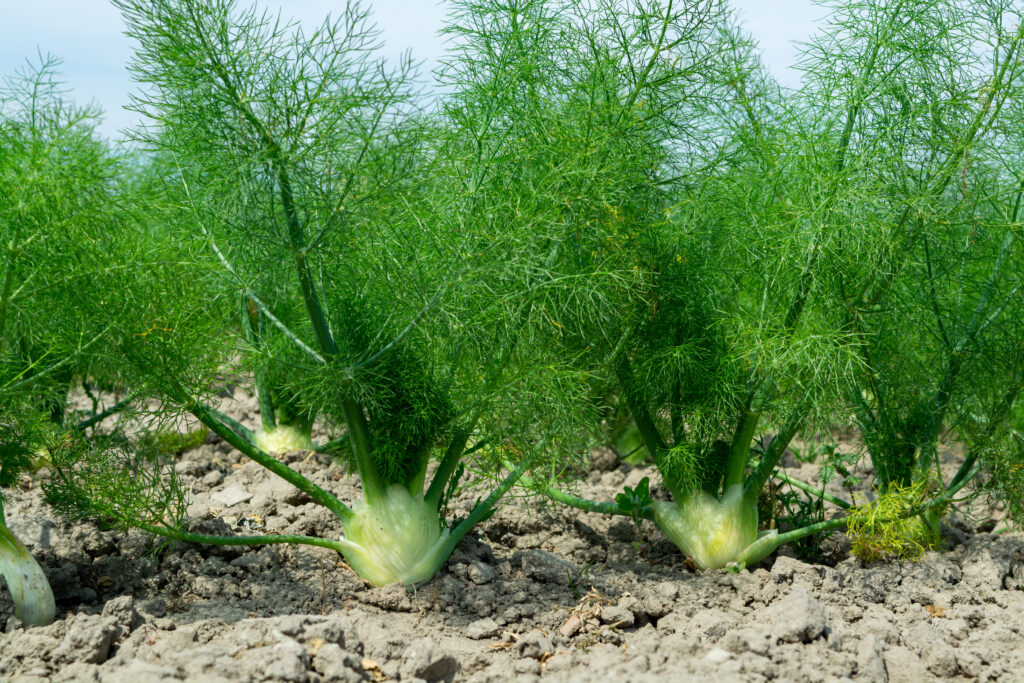
Fennel is a versatile herb that offers both culinary and medicinal uses, making it perfect for beginner gardeners. Known for its feathery fronds and bulbous base, fennel has a mild licorice flavor and is often used in salads, soups, and seafood dishes. It grows quickly and can be harvested at various stages, depending on whether you’re using the fronds or the bulb. Fennel is also a beautiful plant, with its yellow flowers attracting pollinators like bees.
To grow fennel, plant it in well-drained soil with full sunlight. It thrives in moderately moist conditions but should not be overwatered. Fennel requires plenty of space to grow, so plant it in an area where it can spread out. Once mature, fennel is ready for harvesting and can be used fresh in your dishes or dried for later use.
Chervil
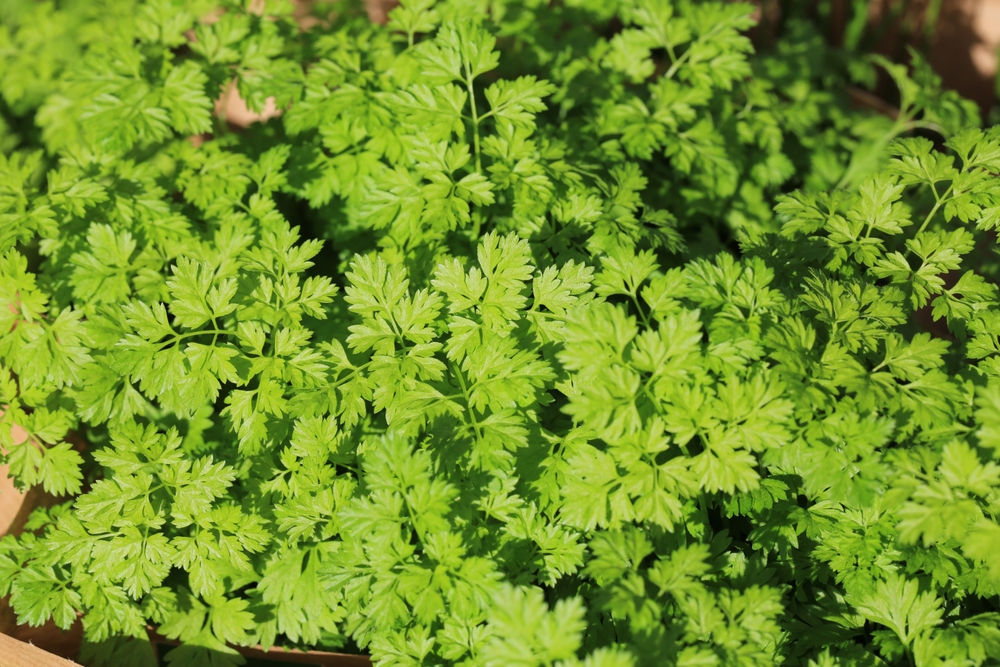
Chervil is a delicate herb with a mild flavor that’s often compared to parsley with a hint of anise. It’s ideal for beginners due to its easy growth and minimal care requirements. Chervil is commonly used in French cuisine, where it adds a fresh, slightly peppery taste to sauces, soups, and salads. It’s a cool-season herb that grows well in spring and early summer, making it perfect for early planting.
Plant chervil in cool, moist soil with partial to full sunlight. This herb prefers damp conditions, so be sure to water it regularly, but avoid letting the soil get too soggy. Chervil grows best in mild temperatures and can struggle in the heat of summer. Harvest the tender leaves as needed, and use them fresh to enjoy their light, refreshing flavor.
This article originally appeared on Avocadu.