
13 Spring Flowers That Bloom Beautifully in Early March
Early March often brings the first real signs that the garden is waking up again. Small flowers begin pushing through cool soil while many trees still stand bare. These early blooms add color to beds, borders, and containers after a long stretch of gray days. If you are ready to welcome spring back into the garden, these flowers are a wonderful place to start.
This post may contain affiliate links, which helps keep this content free. Please read our disclosure for more info.
Snowdrops
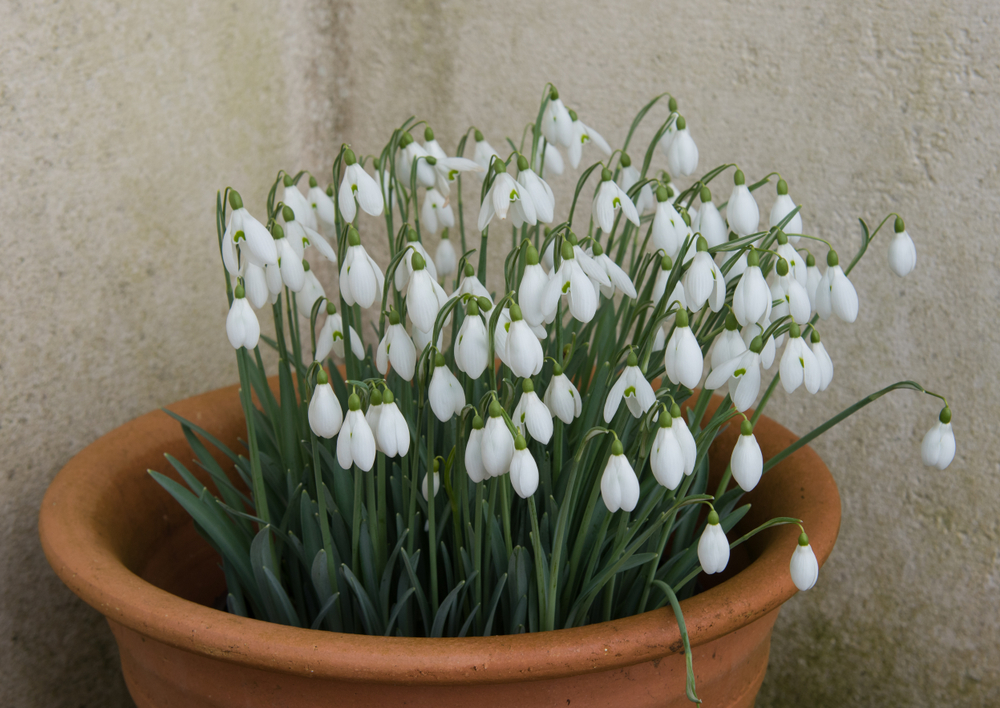
Snowdrops often appear while the garden still carries the quiet feeling of late winter. Their delicate white flowers hang gently from thin stems and sway lightly in cool March breezes. Gardeners often notice them pushing through the soil even when the ground still feels cold during early mornings. These small blooms bring a soft brightness to garden beds and signal that the growing season is slowly returning.
Snowdrops grow from small bulbs that are usually planted during autumn before the soil cools too much. They prefer soil that drains well and areas that receive sunlight during early spring before tree leaves appear. Many gardeners plant them beneath deciduous trees where sunlight reaches the ground in March. Over time, the bulbs multiply and create graceful drifts of white flowers that appear again every spring.
Crocus
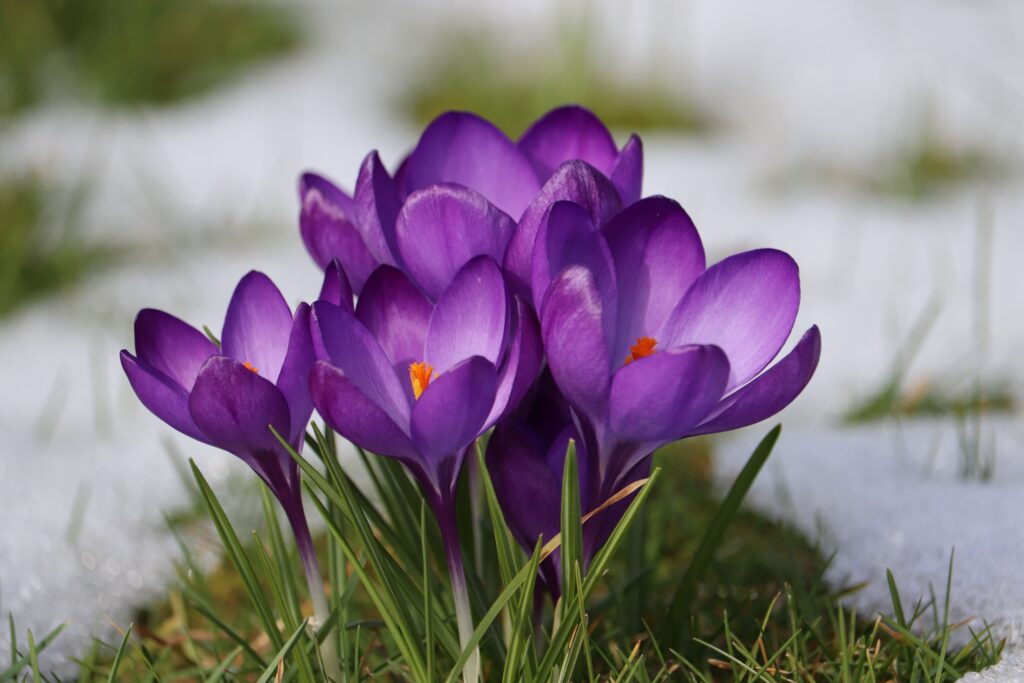
Crocus flowers are among the most cheerful sights in early March gardens. Their cup shaped blossoms appear in purple, yellow, and white shades that brighten the soil after winter. On sunny days, the petals open wide toward the light and create a lively splash of color across garden beds. These flowers often appear in clusters and can even grow through short grass in lawns.
Crocus grows from bulbs that should be planted in autumn several inches beneath the soil surface. They grow best in locations that receive plenty of sunlight during early spring. Gardeners often plant them along pathways, beneath trees, or across open garden spaces. Once planted, they return year after year and gradually spread into colorful patches.
Winter Aconite
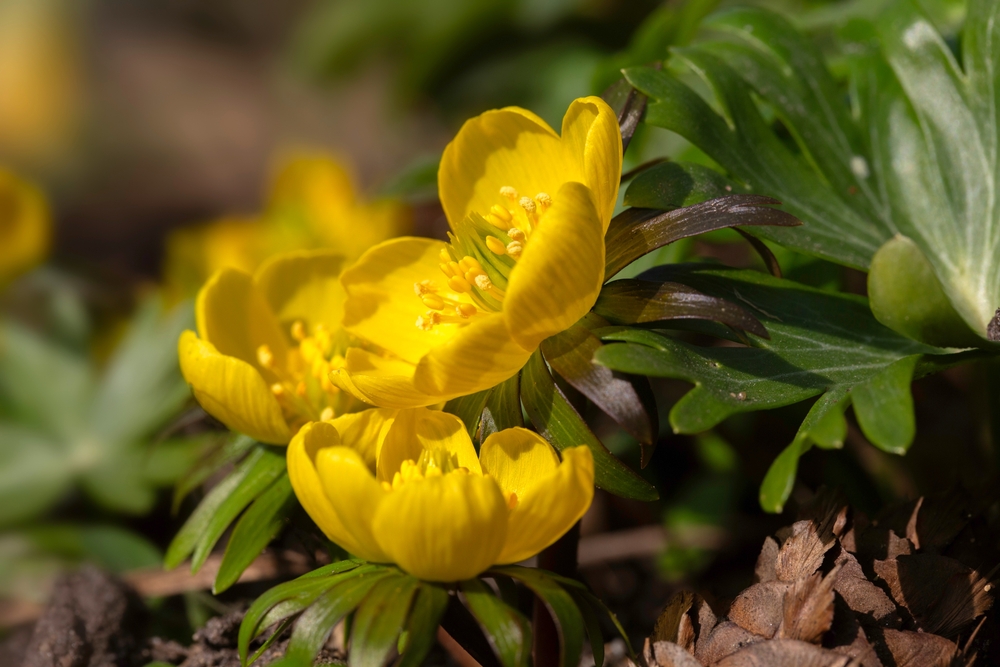
Winter aconite produces bright yellow flowers that appear very early in the season. The blooms sit close to the ground and resemble small golden cups surrounded by leafy green collars. Their color stands out clearly against bare soil and faded winter foliage. Gardeners appreciate how these flowers appear when very little else is blooming.
Winter aconite grows from small tubers that are planted during autumn. The plants prefer soil that remains lightly moist during early spring while temperatures remain cool. They grow comfortably beneath trees where sunlight reaches the ground before leaves develop. As the plants settle into the garden, they often spread slowly and form sunny patches of yellow flowers.
Hellebores
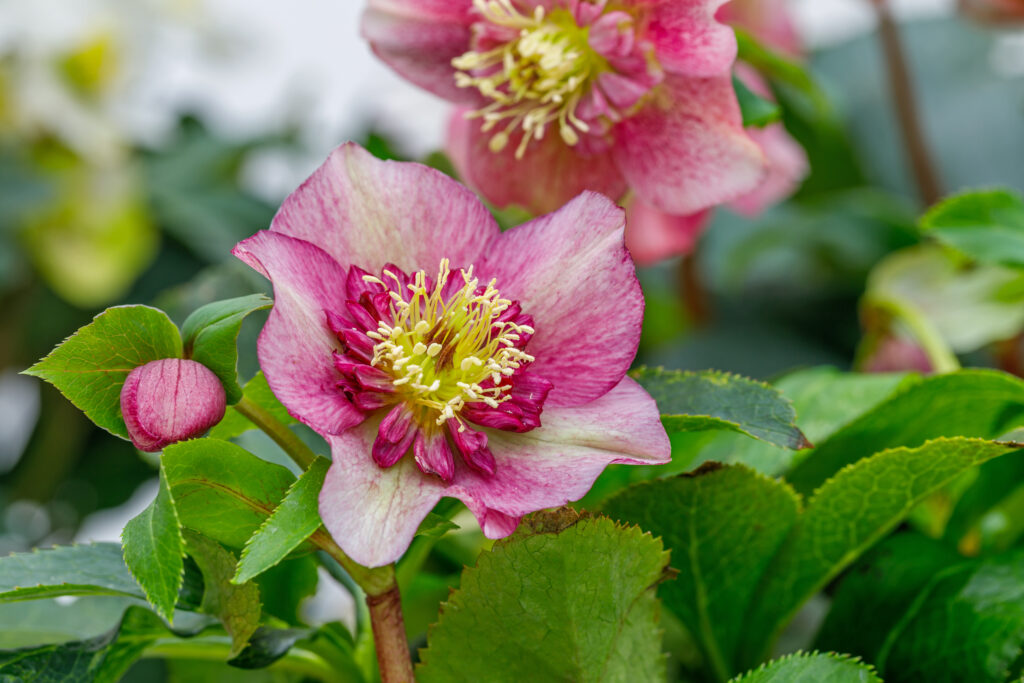
Hellebores begin blooming during late winter and continue through early March. Their nodding flowers appear in shades of soft pink, creamy white, deep purple, and pale green. Thick, leathery leaves remain attractive throughout the year and provide steady greenery in garden beds. These flowers often appear while frost still forms on the ground during chilly mornings.
Hellebores grow best in areas with partial shade and soil that drains well. Gardeners often plant them beneath trees or beside garden paths where their unusual flowers can be seen up close. Once planted, they grow into full clumps that return each year with dependable blooms. They require little attention once settled and can remain in the same place for many seasons.
Glory of the Snow
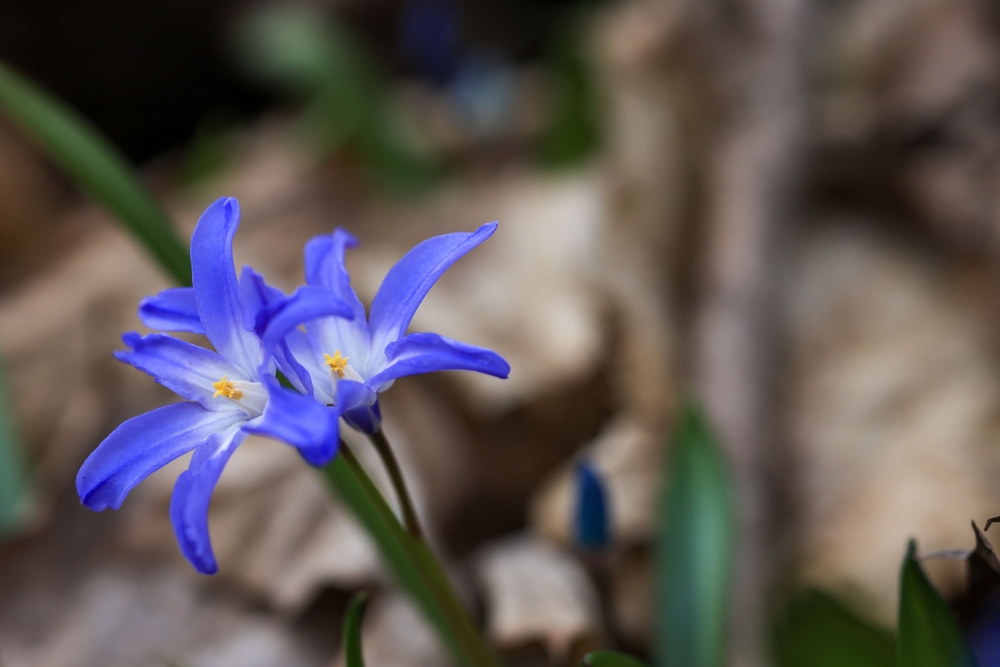
Glory of the snow produces delicate star-shaped flowers that appear during the earliest days of March. The blossoms often display soft blue petals with pale centers that glow gently in the morning light. When planted in groups, these small flowers create a wide carpet of color that spreads across the soil. Gardeners often notice them appearing just as the last signs of winter begin fading from the garden.
These plants grow from small bulbs that are usually planted during autumn, while the soil is still easy to work. They grow comfortably in areas that receive sunlight during early spring before larger plants begin shading the ground. Many gardeners place them beneath deciduous trees or near the edges of garden beds where their color can be seen clearly. Over time, the bulbs multiply slowly and form beautiful patches that return each spring with reliable blooms.
Pasque Flower
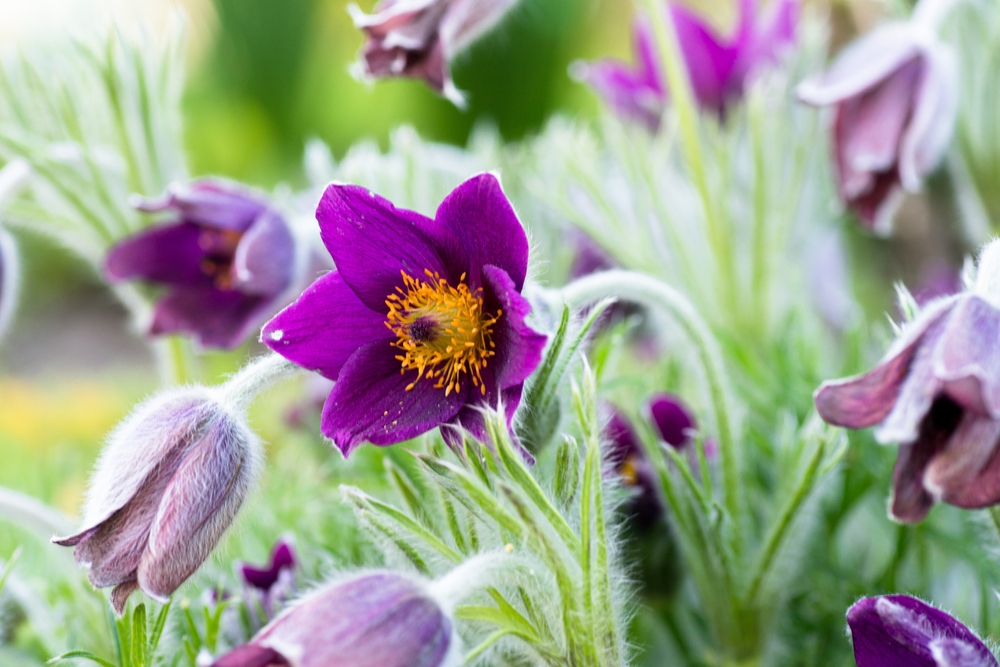
Pasque flower is one of the earliest perennials to bloom as spring settles into the garden. The soft purple flowers rise above fuzzy leaves that give the plant a gentle and slightly silvery appearance. Each bloom opens widely on sunny days and brings a rich splash of color to early garden beds. These flowers often appear before many other perennials begin sending up new growth.
Pasque flowers grow best in sunny areas where the soil drains easily and does not stay overly wet. Gardeners often plant them in rock gardens or along dry slopes where the roots remain comfortable. Once planted, the plants prefer to stay in the same place without being moved. After flowering, they produce feathery seed heads that remain decorative and interesting for several weeks.
Siberian Squill
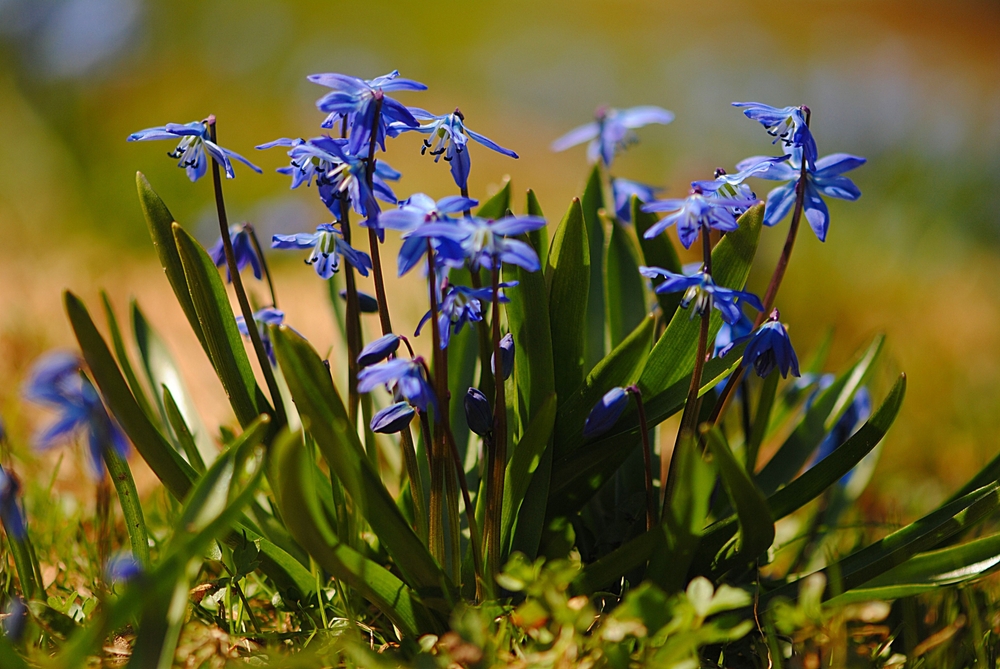
Siberian squill brings vivid blue color to gardens during the early weeks of March. The small bell shaped flowers appear in clusters and create a striking carpet across the soil. Their deep blue shade stands out beautifully against the pale tones that often remain in early spring gardens. Many gardeners plant large groups so the flowers create a sweeping wave of color.
These plants grow from bulbs that are planted during autumn several inches beneath the soil surface. Siberian squill grows comfortably in lawns, beneath trees, or along the edges of garden beds where sunlight reaches the ground during early spring. The plants return year after year and gradually spread across the soil as the bulbs multiply. This steady return of blue blooms makes them a dependable favorite among gardeners.
Primrose
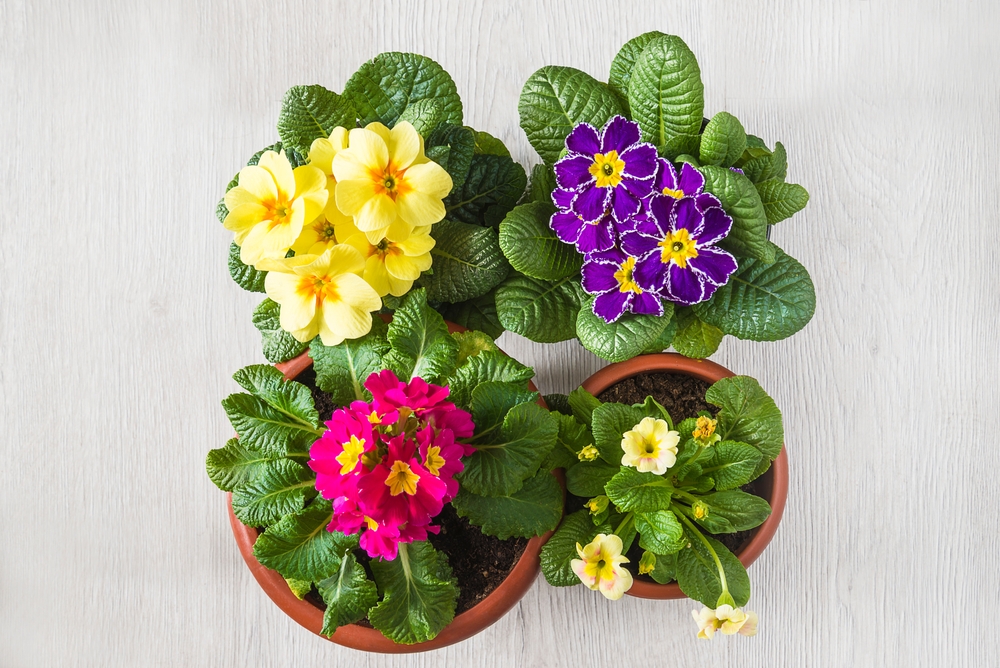
Primrose flowers brighten early spring gardens with cheerful clusters of soft color. Their blooms appear in shades of yellow, pink, purple, and red that stand out against fresh green leaves. The flowers form neat groups that look lively along garden borders and shaded beds. Many gardeners enjoy seeing primroses bloom while cool temperatures still linger in March.
Primroses grow best in soil that remains lightly moist and rich with organic matter. They prefer areas with partial shade where the sunlight stays gentle throughout the day. Gardeners often plant them near pathways, patios, or along the edges of garden beds where their colors can be appreciated easily. With steady moisture and occasional feeding, the plants return each spring with healthy blooms.
Grape Hyacinth
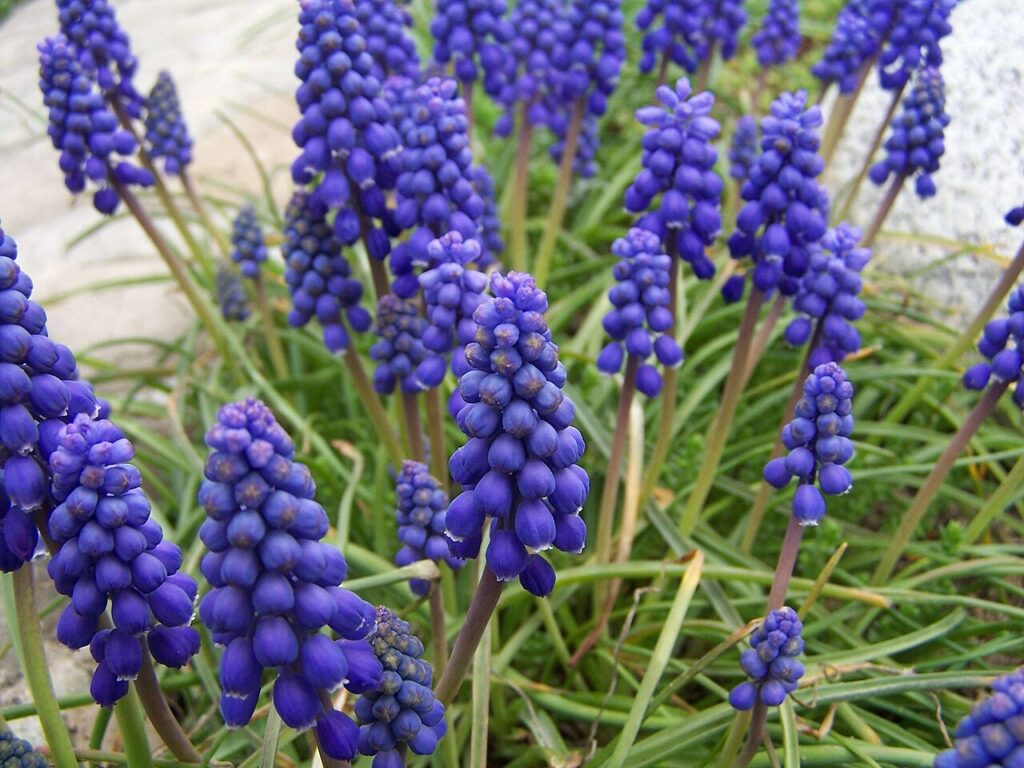
Grape hyacinth produces dense clusters of tiny blue flowers that resemble small bunches of grapes. The flower spikes rise neatly above narrow green leaves and bring strong color to early spring gardens. These blooms often appear during March and remain attractive for several weeks. Their deep blue color pairs beautifully with many other early flowering bulbs.
The bulbs should be planted in autumn a few inches beneath the soil surface. Grape hyacinth grows best in areas that receive steady sunlight during early spring before taller plants begin shading the area. Over time, the bulbs spread and form wider patches of flowers throughout the garden. Many gardeners plant them beside crocus or tulips so the colors appear together in early spring.
Hyacinths
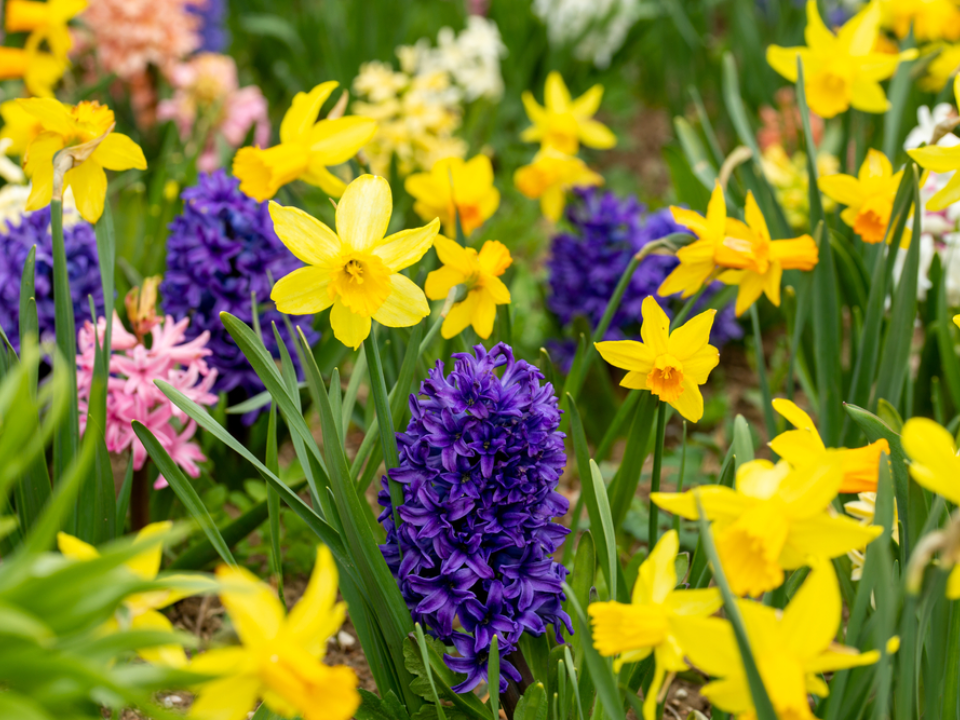
Hyacinths are well known for their rich fragrance and colorful early spring blooms. Each sturdy stem carries a dense cluster of small blossoms that appear in shades of purple, blue, pink, and white. Their scent often drifts through the garden during calm March afternoons. These flowers bring both color and fragrance to garden beds just as spring begins.
Hyacinth bulbs should be planted during autumn while the soil remains workable. They grow best in areas that receive sunlight during early spring and soil that drains well after watering or rain. Gardeners often place them near walkways, entrances, or patios where their scent can be enjoyed easily. After flowering, the leaves should remain until they fade naturally so the bulbs remain healthy.
Anemone Blanda
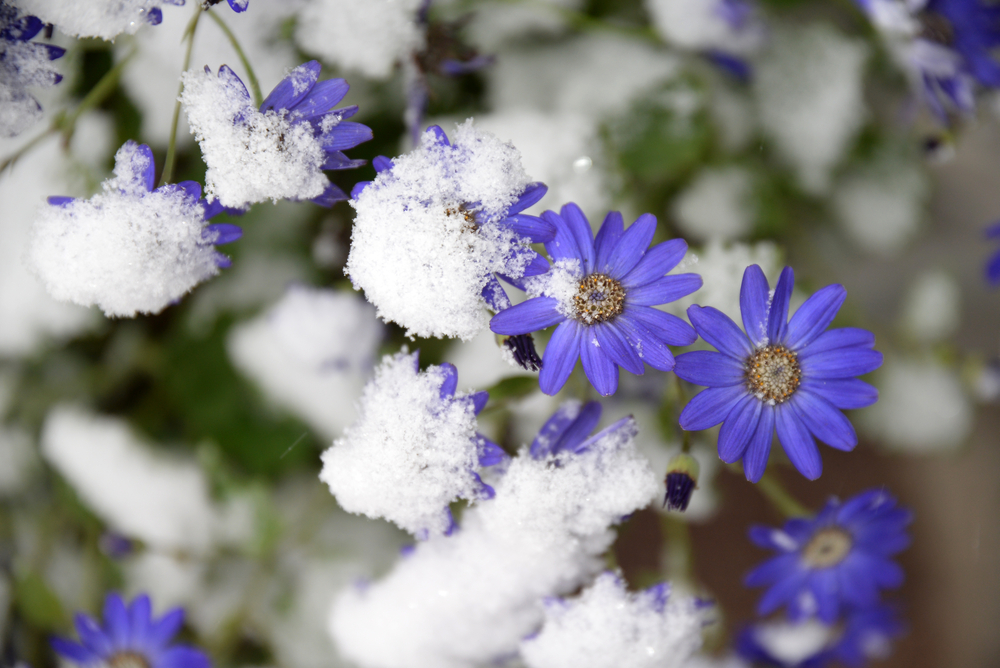
Anemone blanda produces charming daisy like flowers that appear during the early part of spring. The blossoms open in shades of blue, pink, and white above soft fern like leaves. When planted in groups, the flowers create a gentle spread of color across garden beds. Their open petals catch sunlight beautifully during mild March days.
These plants grow from small tubers that are planted during autumn before winter arrives. They grow comfortably in sunny areas or in spots that receive light shade. Gardeners often plant them in rock gardens, along pathways, or beneath trees where they can spread gradually. Once established, the plants return each spring and slowly form wider patches of blooms.
Candytuft
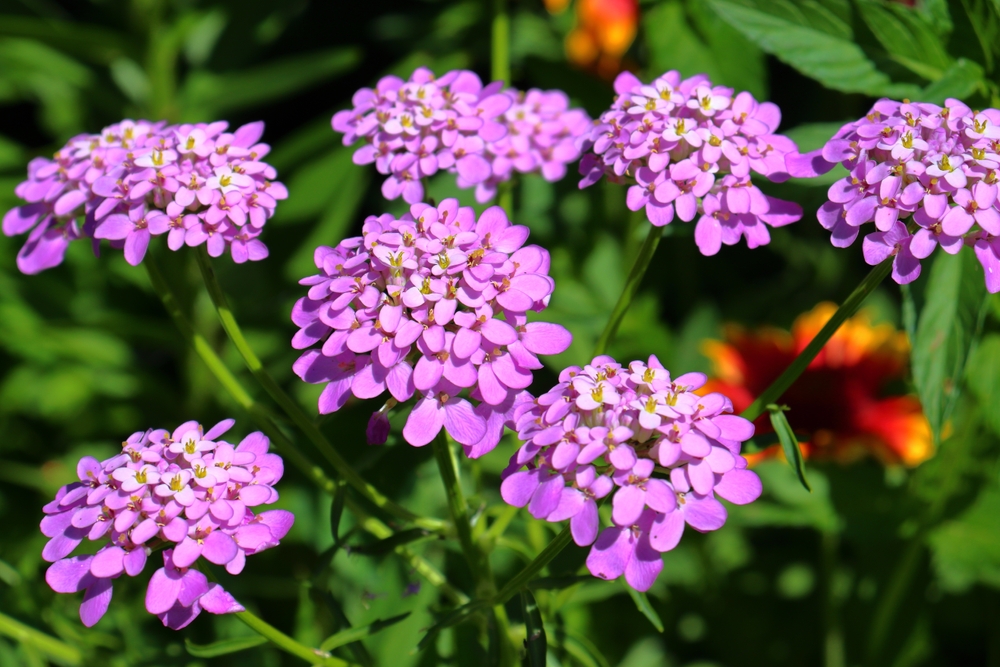
Candytuft produces clusters of bright white flowers that appear during the early weeks of spring. The blossoms form dense mounds that spread gently across the soil surface. Their clean white color contrasts nicely with fresh green leaves and early spring foliage. These flowers often bloom through much of March and brighten garden borders.
Candytuft grows best in sunny locations where the soil drains easily after watering or rain. Gardeners often plant it along stone walls, pathways, or the front edges of garden beds. The plant remains low to the ground, which makes it useful for edging borders. Light trimming after the flowers fade helps maintain its neat shape.
Lungwort
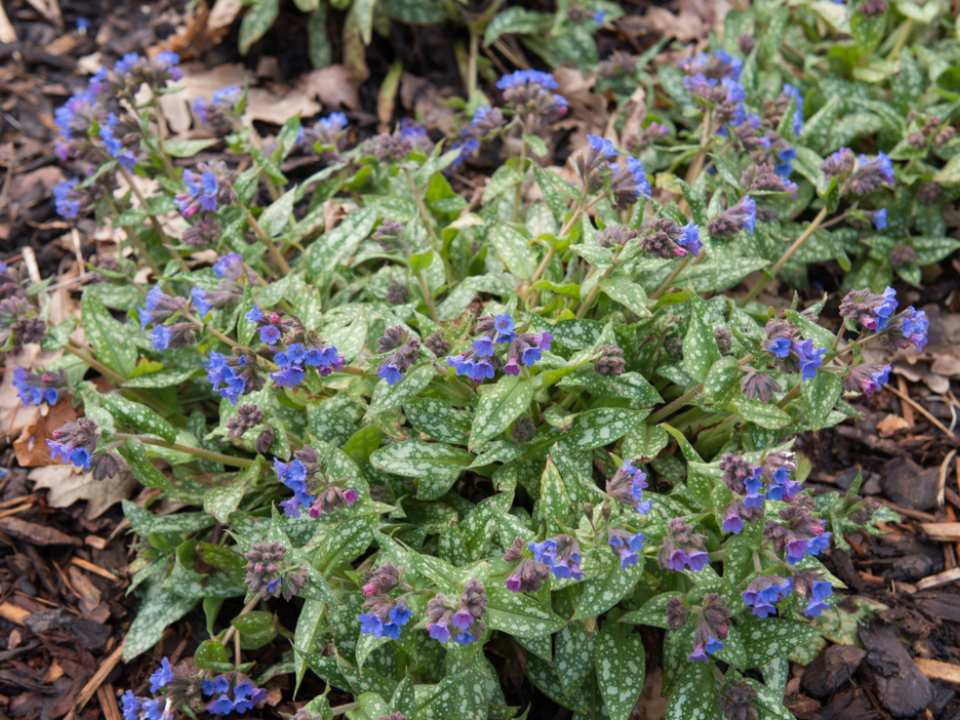
Lungwort begins flowering during the cool days of early spring. The plants produce clusters of pink and blue flowers that appear above leaves marked with silver spots. These patterned leaves remain attractive long after the flowers fade and continue adding interest to the garden. Many gardeners appreciate how lungwort brightens shaded spaces.
Lungwort grows comfortably in partial shade where the soil stays lightly moist through the growing season. It fits well beneath trees or along shaded garden borders where sunlight is gentle. Over time, the plant slowly forms wider clumps that return each spring. Its early flowers bring soft color to areas where many other plants grow slowly.
This article originally appeared on Avocadu.