
15 Easy-to-Grow Vegetables for Your March Garden
March is a great time to get back outside and start planting again. Many vegetables grow well in the cool days that come with early spring. A few simple choices can help a garden get off to a strong start. If you are thinking about adding fresh food to your garden beds, this is a good place to begin.
This post may contain affiliate links, which helps keep this content free. Please read our disclosure for more info.
Spinach
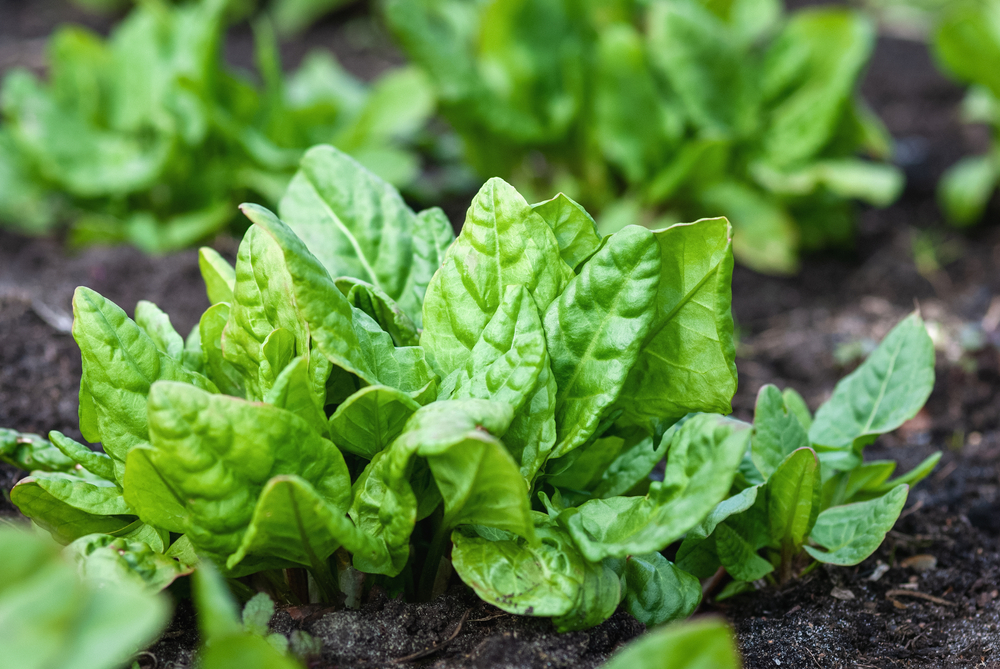
Spinach is one of the easiest vegetables to grow during the cool stretch of early spring. The seeds germinate well in soil that is still cool, which makes March a reliable planting time in many regions. Gardeners often plant spinach early so the plants can mature before warmer weather arrives. The leaves grow quickly once the plants settle into the garden and daylight becomes longer.
Plant spinach seeds about half an inch deep in loose soil and keep the area evenly moist while the seeds sprout. Thin the young plants so each one has a little space to spread out and develop larger leaves. Many gardeners harvest the outer leaves first so the plant continues producing fresh growth for several weeks. Spinach works well in salads, soups, and simple sautéed dishes, making it a useful early crop.
Radishes
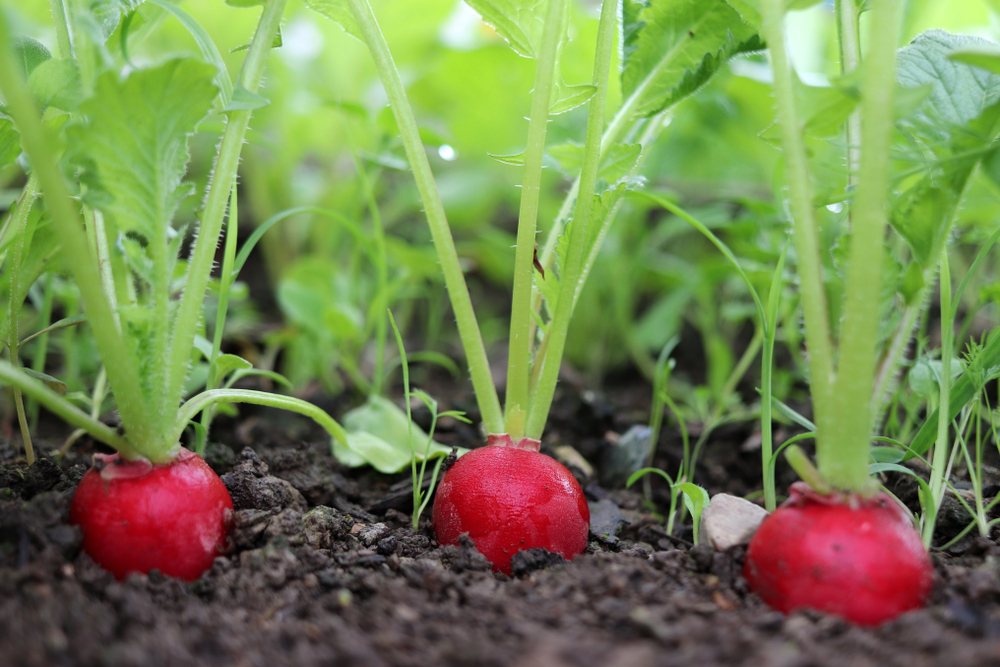
Radishes are a favorite among gardeners who enjoy fast results in the garden. These roots grow quickly and often reach harvest size within a few weeks after planting. March weather helps the roots stay crisp and mild rather than overly spicy. Their quick growth makes them a great choice for beginners.
Sow radish seeds directly in the soil about half an inch deep and space them a few inches apart. Thin the seedlings once they appear so the roots have enough room to develop properly. Keep the soil evenly moist so the roots do not become tough or woody. Many gardeners plant small batches every week to keep fresh radishes coming through the season.
Lettuce
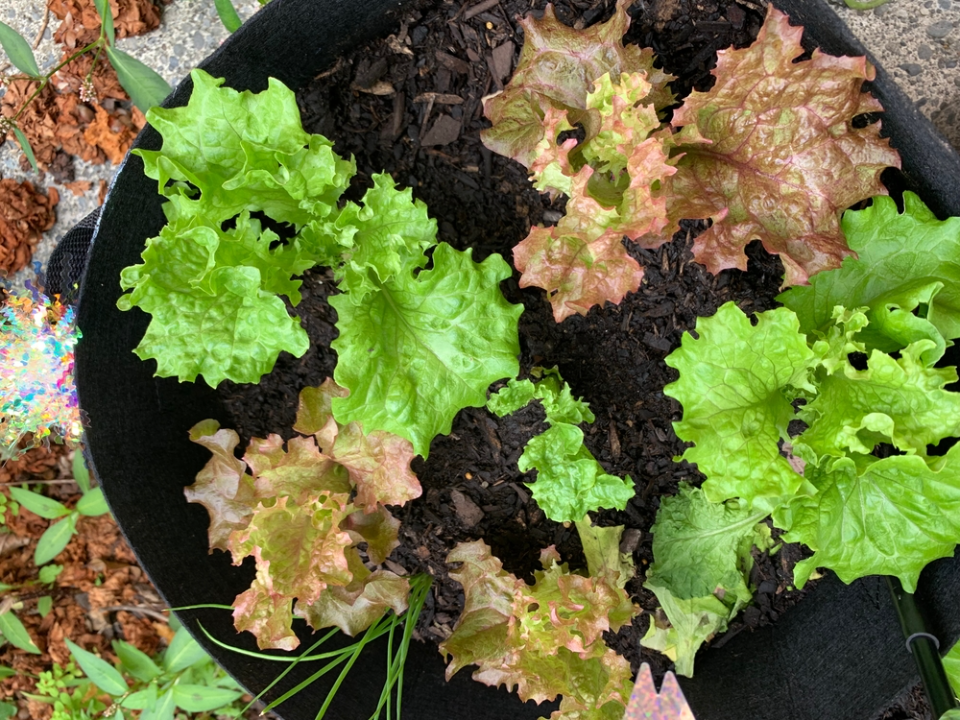
Lettuce grows very well during the gentle temperatures of early spring, which makes March an ideal time to start planting. Seeds sprout quickly in moist soil, and the young plants often establish themselves within a short period of time. Many gardeners prefer loose leaf varieties because they allow repeated harvesting without pulling up the entire plant. The cooler weather of early spring keeps the leaves tender, mild, and pleasant for fresh salads.
Plant lettuce seeds close to the soil surface and cover them with a very light layer of soil so sunlight and warmth can reach the seeds. Once the seedlings reach a few inches in height, thin them so each plant has enough space to develop broader leaves. Harvest the outer leaves first while leaving the center of the plant untouched, so it continues growing. With steady watering and mild temperatures, lettuce can keep producing fresh leaves for several weeks.
Peas
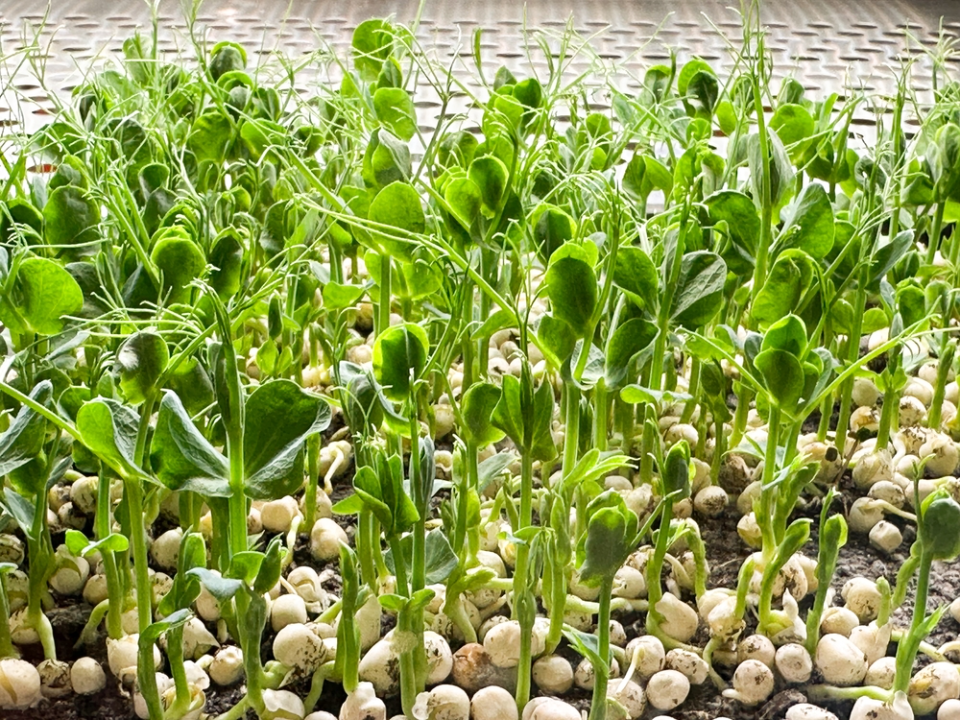
Peas are a classic choice for early spring gardens because they grow well in cool soil and mild temperatures. The seeds germinate reliably during March, and the young plants grow steadily even when nights remain chilly. Pea vines eventually climb upward and produce sweet pods that many gardeners enjoy eating fresh from the garden. Early planting allows the plants to develop before warmer temperatures arrive later in the season.
Plant pea seeds about one inch deep and space them a few inches apart in rows so the roots have room to develop. Provide a small trellis, fence, or simple support structure so the vines can climb upward as they grow. Keep the soil lightly moist during the growing period so the plants remain healthy and productive. Harvest the pods once they become full and bright green for the best flavor.
Carrots
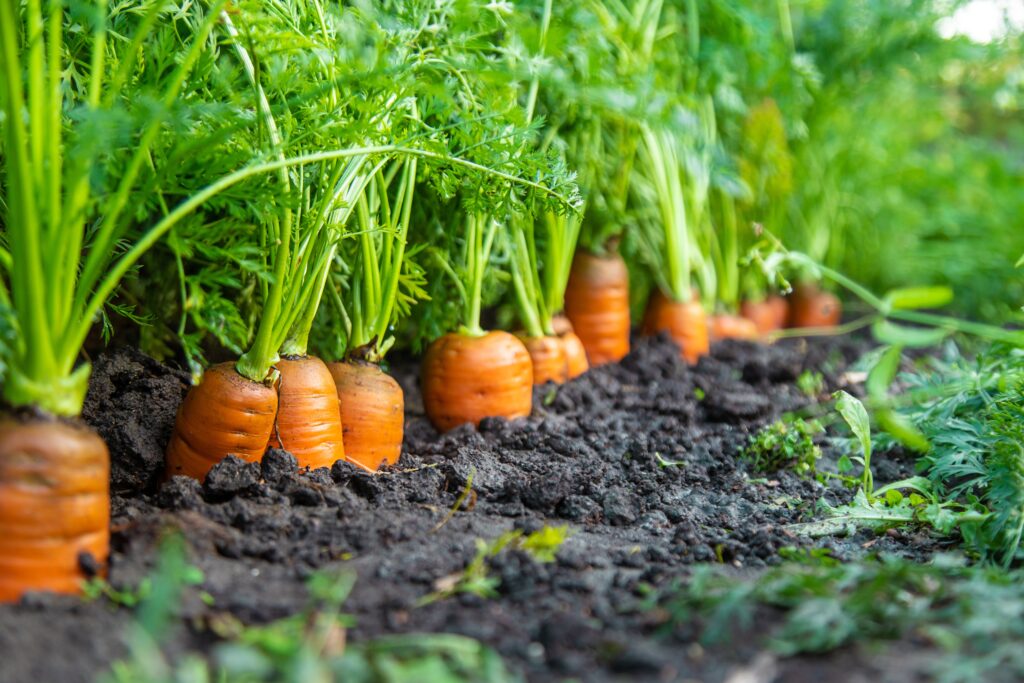
Carrots require patience, but they grow very well when planted early in the season. March planting allows the seeds to germinate during the cooler part of spring, which carrots generally prefer. The roots grow straight and smooth when the soil is loose and free from stones or compacted areas. Their natural sweetness often improves when they mature slowly in mild weather.
Plant carrot seeds shallowly and cover them with a thin layer of soil so they can still receive warmth from the sun. Keep the soil consistently moist because carrot seeds take longer to sprout than many other vegetables. Once the seedlings reach a few inches tall, thin them carefully so each root has space to grow underground. Harvest the carrots once the tops begin to show at the soil surface and the roots reach a good size.
Kale
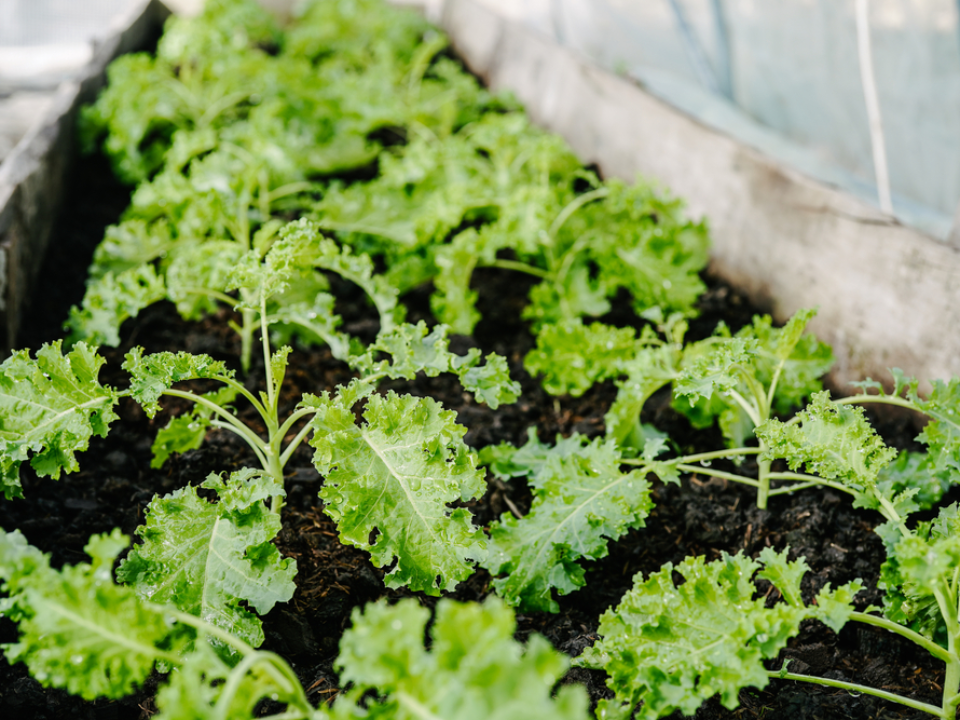
Kale grows well during the cool days of early spring and produces sturdy leafy plants that are easy to care for. The plants tolerate chilly nights and often develop sweeter flavor after periods of cool weather. Many gardeners value kale because it continues producing leaves for a long stretch of the growing season. The large textured leaves are useful in many simple meals and cooked dishes.
Plant kale seeds about half an inch deep in garden beds or begin with young seedlings if available. Space the plants about a foot apart so the leaves have room to expand as the plant grows larger. Harvest the lower leaves first while allowing the center of the plant to continue growing upward. Regular harvesting encourages the plant to keep producing fresh leaves for many weeks.
Swiss Chard
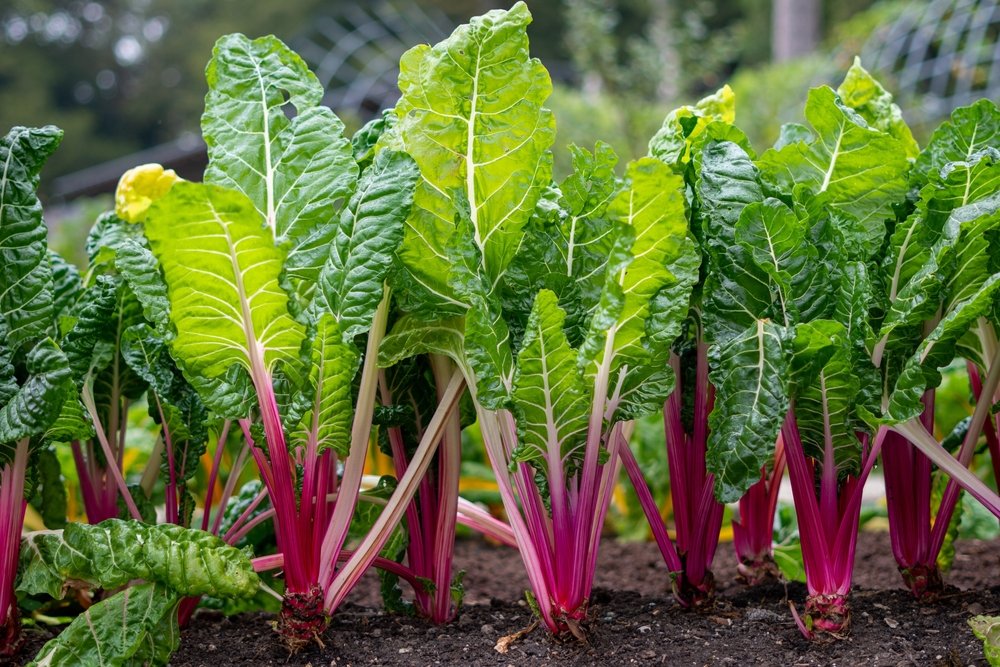
Swiss chard grows quickly and brings bright color to garden beds with stems that range from red and yellow to soft pink. The leafy tops grow steadily through spring and can be harvested many times without removing the entire plant. March planting allows the roots to establish while temperatures remain mild. Many gardeners enjoy using both the colorful stems and the tender leaves in the kitchen.
Plant the seeds about half an inch deep in moist soil and thin the seedlings after they sprout. Allow enough space between plants so the leaves can spread as they mature. Harvest the outer leaves first while leaving the center of the plant intact so it keeps growing. With regular watering, Swiss chard can produce fresh leaves for a long period of time.
Arugula
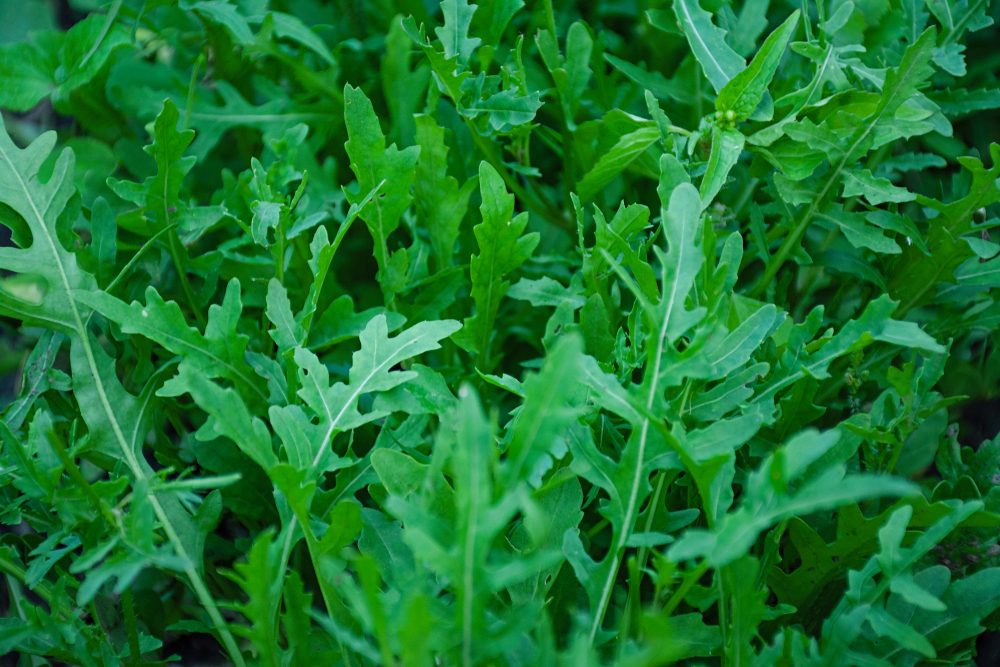
Arugula is one of the quickest leafy vegetables to grow in a spring garden. The plants grow well during the cooler stretch of March and often mature faster than many other salad greens. Gardeners appreciate its peppery flavor, which adds a little bite to salads, sandwiches, and simple meals. The plants stay compact and grow easily in garden beds, raised beds, or even containers placed in sunny spots. Early planting often leads to tender leaves with balanced flavor before warmer weather arrives.
Sow arugula seeds lightly across the soil surface and cover them with a thin layer of soil. Keep the soil evenly moist so the seeds germinate and young plants grow without stress. Harvest the leaves once they reach a few inches tall, which keeps the flavor mild and pleasant for fresh salads. Many gardeners plant small batches every couple of weeks so fresh leaves continue through the season. With steady planting, arugula can remain a steady source of greens through much of spring.
Beets
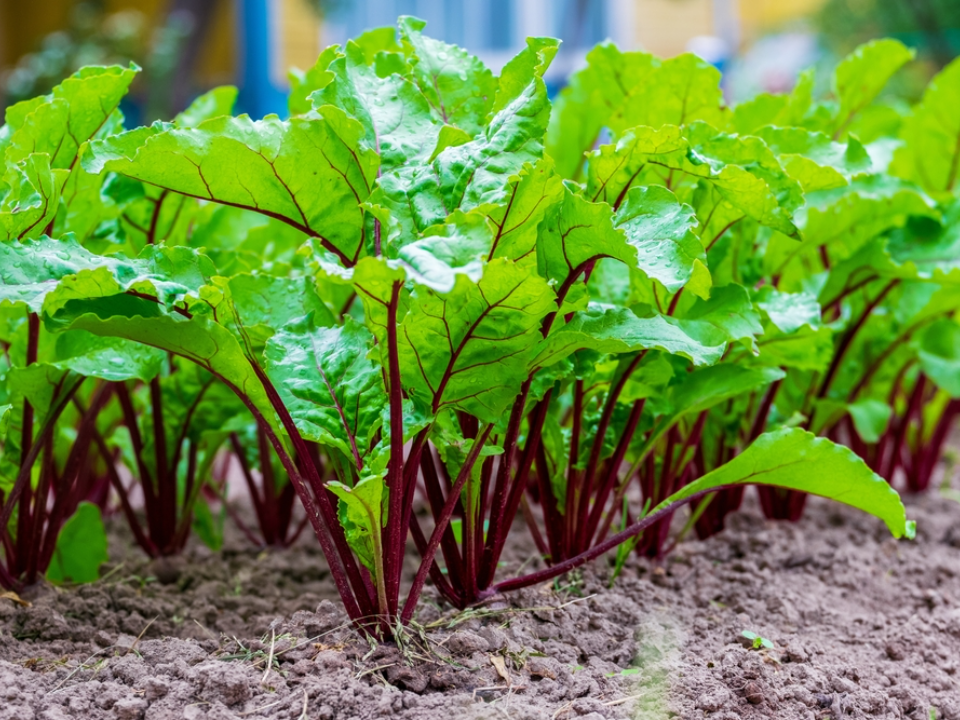
Beets are dependable vegetables that grow well during the cooler conditions of early spring. They are valued because both the leafy tops and the roots can be harvested and used in the kitchen. The young greens appear first and can be picked early while the round roots slowly develop below the soil. March planting allows the plants to grow steadily before the heat of late spring arrives. The result is often sweeter roots and tender greens that are easy to prepare in many dishes.
Plant beet seeds about one inch deep and space them a few inches apart in garden rows. Thin the seedlings once they appear so each root has enough room to develop properly beneath the soil. Keep the soil evenly moist while the plants grow so the roots develop good texture and flavor. Many gardeners begin harvesting beet greens while the roots are still forming. Once the roots reach a few inches across, they are ready to be lifted from the soil.
Green Onions
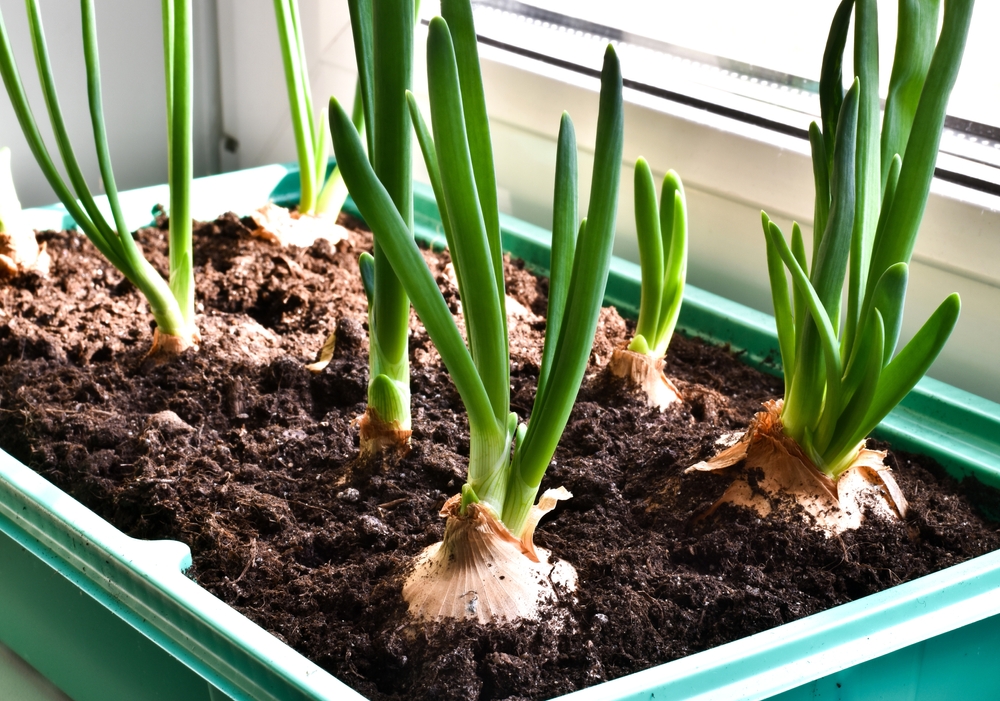
Green onions are simple vegetables that fit easily into almost any garden space. They tolerate cool weather well and grow steadily during the mild conditions of early spring. The slender green stems develop quickly and can be harvested at several stages depending on preference. Many gardeners plant them along the edges of garden beds or between other vegetables to make good use of space. Their mild flavor makes them useful in salads, soups, and many everyday dishes.
Plant the seeds about half an inch deep in rows or small clusters across the garden bed. Thin the young plants once they begin growing taller so each one has enough room to develop stronger stems. Keep the soil lightly moist through regular watering, especially during dry stretches of weather. Harvest the stems once they reach a usable size and the green tops look full. With continued planting, green onions can provide a steady harvest through much of spring.
Turnips
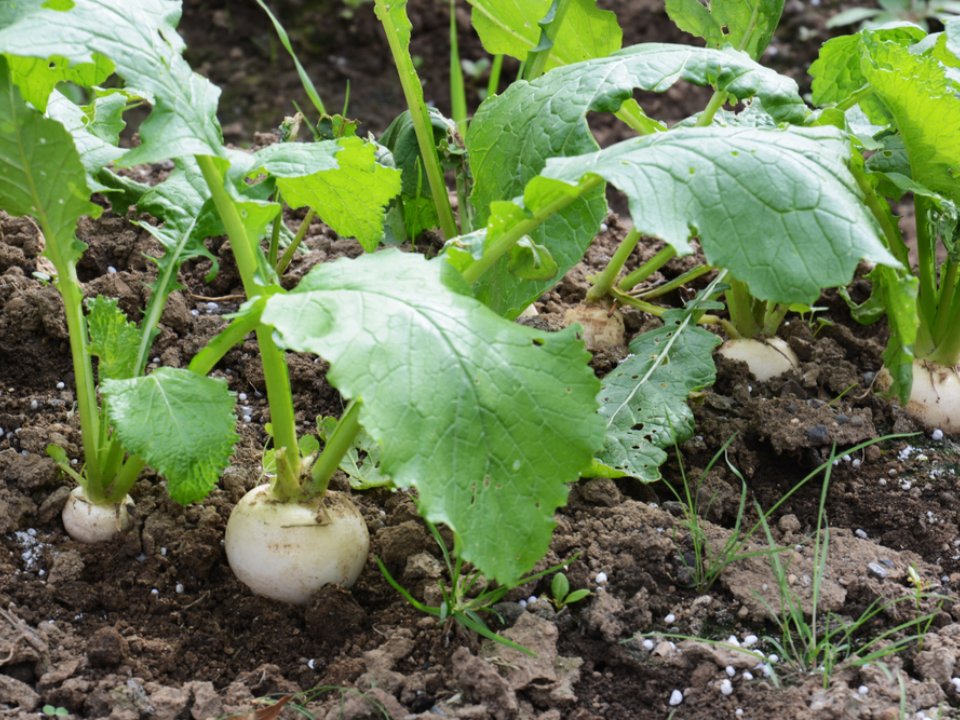
Turnips grow quickly and are well-suited to early spring gardens. The plants produce both leafy greens and round roots that are useful in many meals. March planting allows the roots to develop while temperatures remain cool and comfortable for growth. These conditions often lead to mild flavor and tender texture in the harvested roots. Gardeners appreciate turnips because they grow quickly and provide two types of harvest from one plant.
Sow the seeds about half an inch deep and space them a few inches apart in garden rows. Thin the seedlings once they grow a few inches tall so the roots have room to form below the soil. Keep the soil evenly moist during the growing period so the roots develop properly. Harvest the leafy tops as needed while the plants continue growing underground. The roots are ready to harvest once they reach a few inches across and feel firm in the soil.
Bok Choy
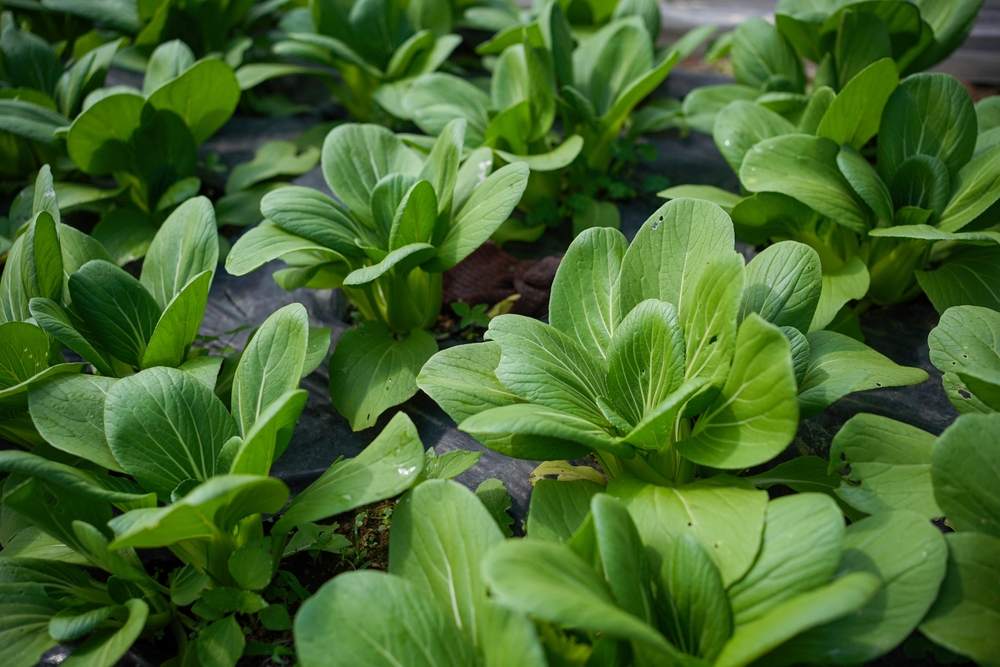
Bok choy is a cool-season vegetable that grows well during the mild conditions of early spring. The plants form clusters of crisp stems and smooth green leaves that are widely used in cooking. March planting allows the plants to establish themselves before temperatures become warmer. The stems stay tender, and the leaves grow quickly during this cooler period. Many gardeners enjoy growing bok choy because it matures fairly quickly.
Plant the seeds shallowly in loose soil and keep the bed lightly moist while the plants grow. Thin the seedlings once they reach a few inches tall so each plant has enough room to develop. Water regularly so the soil remains slightly moist throughout the growing period. Harvest the plants when the stems become firm and the leaves are fully developed. Bok choy works well in soups, stir-fry meals, and simple vegetable dishes.
Mustard Greens
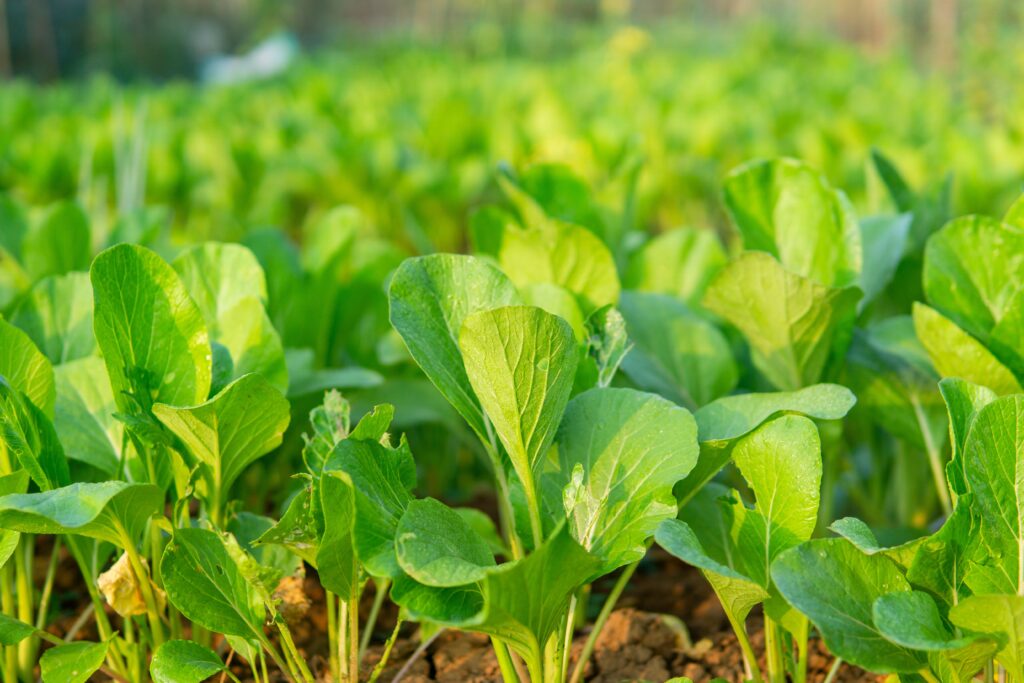
Mustard greens grow quickly in cool weather and are well-suited for March gardens. The leafy plants develop fast once they become established in the soil. Their flavor is stronger than many other greens, which gives meals a little extra character. Gardeners often harvest the leaves when they are young because the flavor is milder at that stage. The plants grow quickly and can provide repeated harvests.
Plant seeds directly in the garden and cover them lightly with soil. Thin the seedlings once they grow a few inches tall so the plants have room to spread. Keep the soil lightly moist so the leaves continue developing steadily. Harvest the outer leaves first while allowing the plant to continue growing. With regular picking, mustard greens continue producing fresh leaves.
Collard Greens
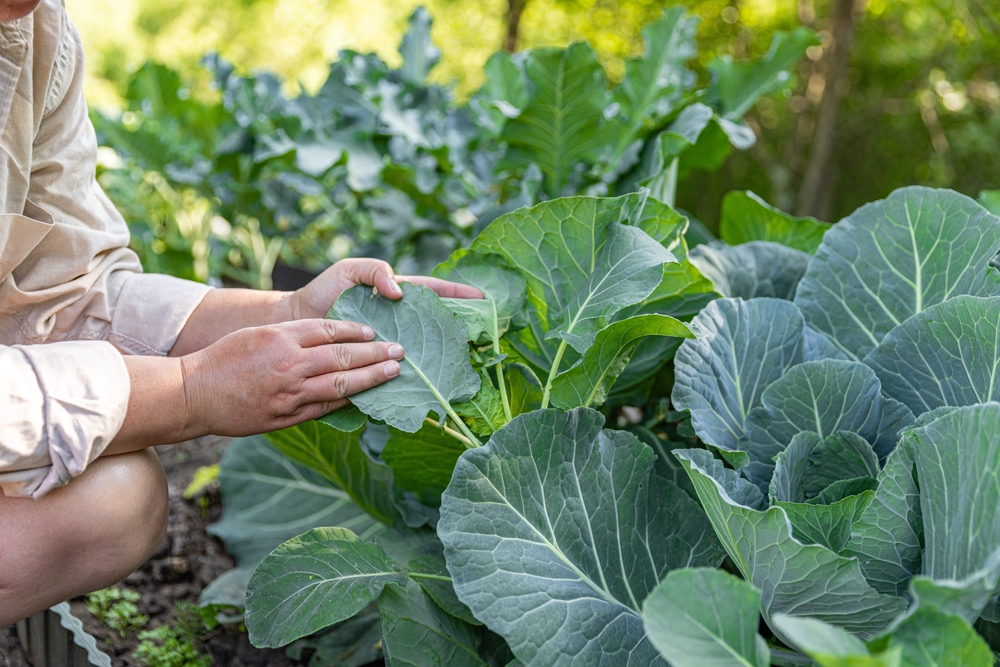
Collard greens grow slowly at first but become very productive once the plants settle into the garden. These sturdy plants tolerate cool weather and grow well during early spring. Their large leaves are commonly used in cooked dishes and hearty meals. Many gardeners appreciate their steady harvest once the plants mature. With regular care, collard greens can remain productive for a long stretch of the season.
Plant the seeds about half an inch deep and space the plants about a foot apart in garden beds. Keep the soil evenly moist so the roots develop well and the plants grow strong leaves. Harvest the lower leaves once they reach a good size, while leaving the center of the plant growing. Continued harvesting encourages the plant to produce additional leaves. The plants often remain productive through much of the growing season.
Parsley
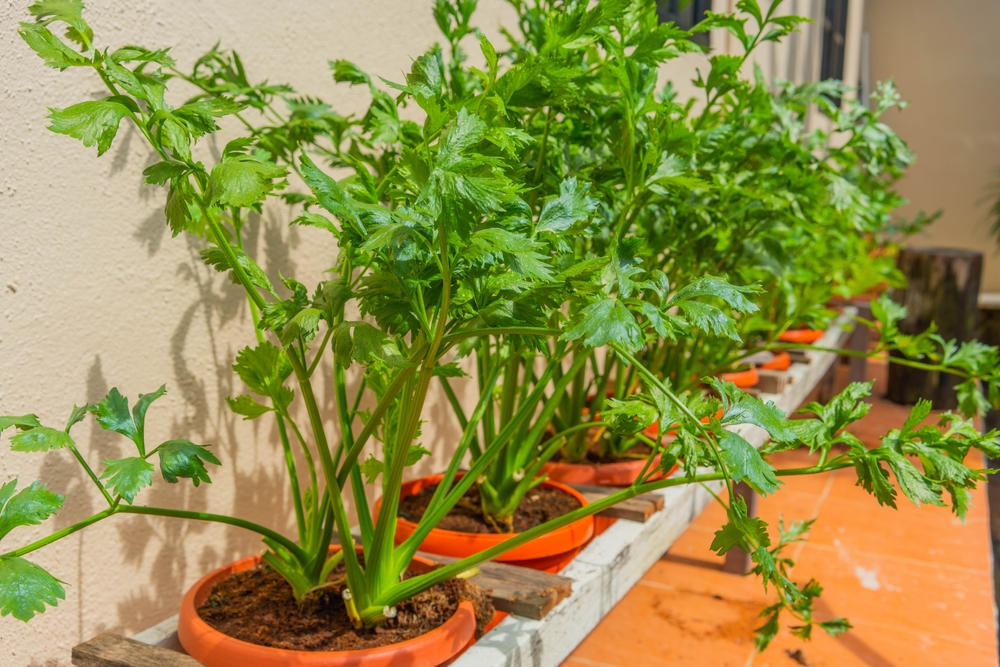
Parsley is an easy herb that grows well when planted early in the season. March planting allows the roots to settle into the soil while temperatures remain mild. The leafy tops grow slowly at first and then begin producing more steadily as the plant matures. Many gardeners grow parsley near garden edges, pathways, or in containers. Its fresh flavor makes it useful in many everyday meals.
Plant the seeds shallowly in moist soil and keep the area lightly watered while the seeds sprout. Parsley seeds take a little longer to germinate than many vegetables, so patience is helpful. Thin the seedlings once the young plants begin to grow so each one has space to develop. Harvest the outer stems while leaving the center of the plant intact. With steady harvesting, parsley can continue producing fresh leaves for many weeks.
This article originally appeared on Avocadu.