
10 Vegetable Varieties That Handle Cool Nights In Early March
Early March often brings a mix of sunshine and chilly evenings. While some plants prefer steady warmth, certain vegetables are comfortable in cooler conditions. These varieties keep growing even when nighttime temperatures dip. Planting them now can help gardens wake up earlier in the season.
This post may contain affiliate links, which helps keep this content free. Please read our disclosure for more info.
Lacinato Kale
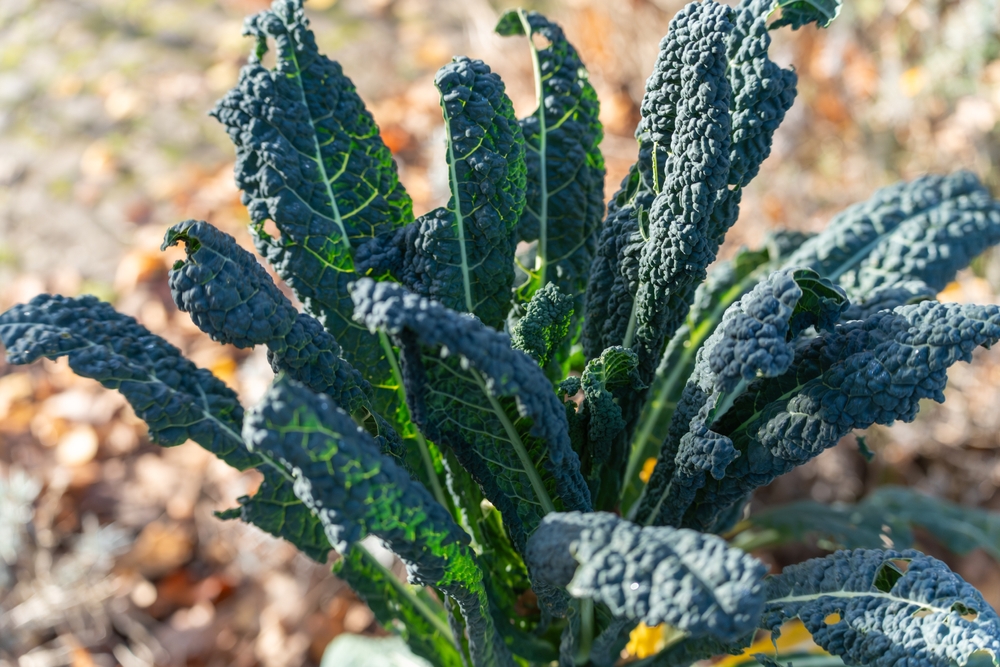
Lacinato kale, often called dinosaur kale or Tuscan kale, is one of the most dependable vegetables to grow when early March still brings chilly evenings. The plant produces long, dark blue-green leaves with a slightly pebbled surface that stand upright and holds its shape well. Gardeners appreciate this variety because it settles into cool soil without slowing down its early growth. Even when night temperatures drop, the leaves continue forming steadily and remain healthy through shifting spring weather.
Cool conditions often improve the taste of Lacinato kale, giving the leaves a mild sweetness that pairs well with soups, sautés, and roasted dishes. Seeds can be planted directly in garden beds once the soil becomes workable in early spring. As the plants grow, outer leaves can be harvested first while the center continues producing new growth. With steady moisture and good spacing between plants, Lacinato kale can provide a steady supply of greens well into the warmer weeks of spring.
Sugar Snap Peas
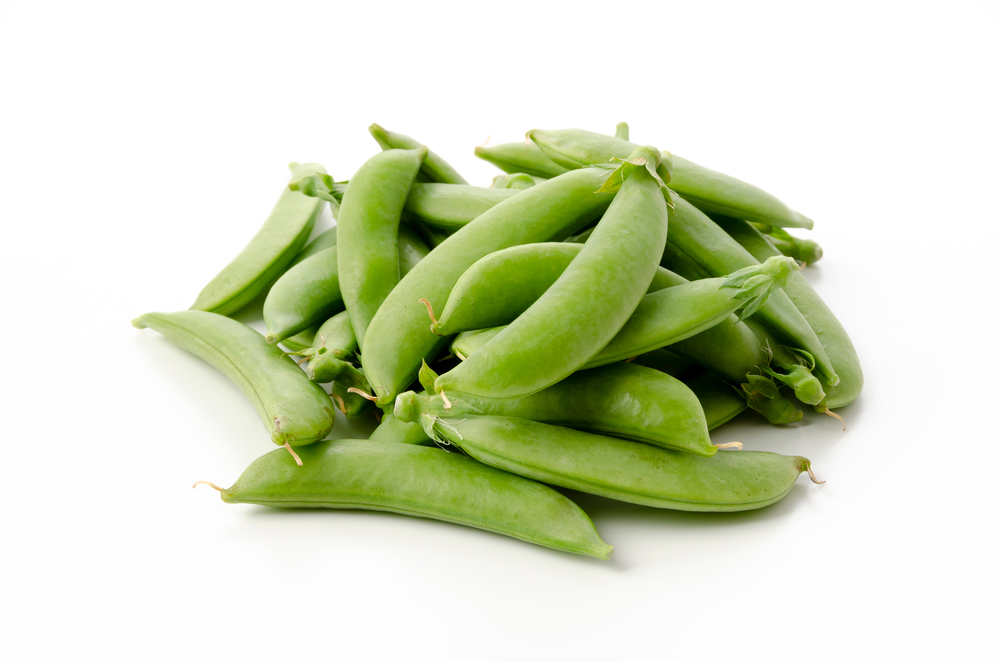
Sugar snap peas are a classic early garden crop because their vines enjoy the cooler temperatures of early spring. These peas grow quickly once planted, sending slender vines upward that soon begin wrapping around nearby supports. Many gardeners place a simple trellis or fence behind the plants so the vines can climb as they grow taller. Even when nighttime temperatures dip, the plants continue forming leaves and tendrils without much trouble.
As the vines mature, crisp green pods begin forming along the stems and are ready to harvest when they feel full and firm. Sugar snap peas are known for their sweet flavor and crunchy texture, making them popular for snacking right in the garden. Harvesting pods regularly encourages the plant to keep producing new flowers and additional peas. With early planting and steady watering, these vines often provide a generous harvest before warmer late spring temperatures arrive.
Red Russian Kale
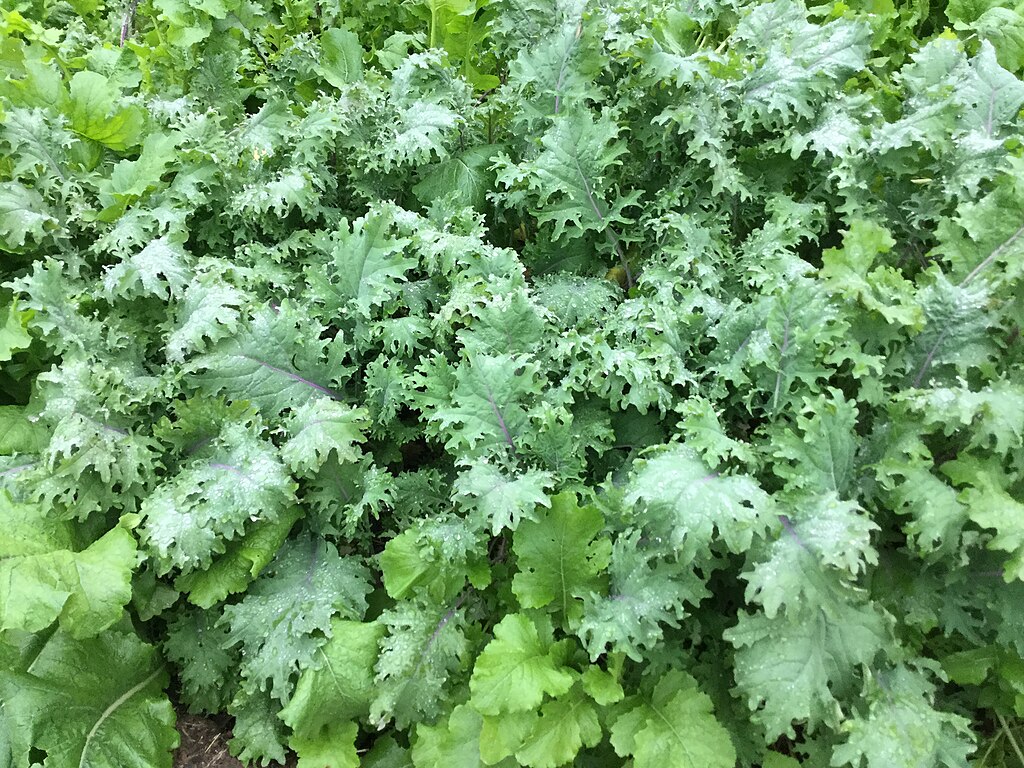
Red Russian kale stands out in the garden with its blue green leaves and purplish stems that bring color to early spring beds. This variety grows comfortably in cooler weather and tends to develop quickly once seedlings settle into the soil. The leaves have a slightly frilled edge and a softer texture compared with other kale types. Because of this, the leaves are often used fresh in salads or lightly cooked.
Gardeners often plant Red Russian kale early in the season since it tolerates chilly nights without slowing its growth. Seeds germinate well in soil that is still cool, which makes early March planting possible in many regions. The leaves can be picked when young for tender greens or allowed to grow larger for cooking. As long as moisture stays steady and plants receive enough sunlight, this kale continues producing fresh leaves throughout much of the spring.
Nantes Carrots
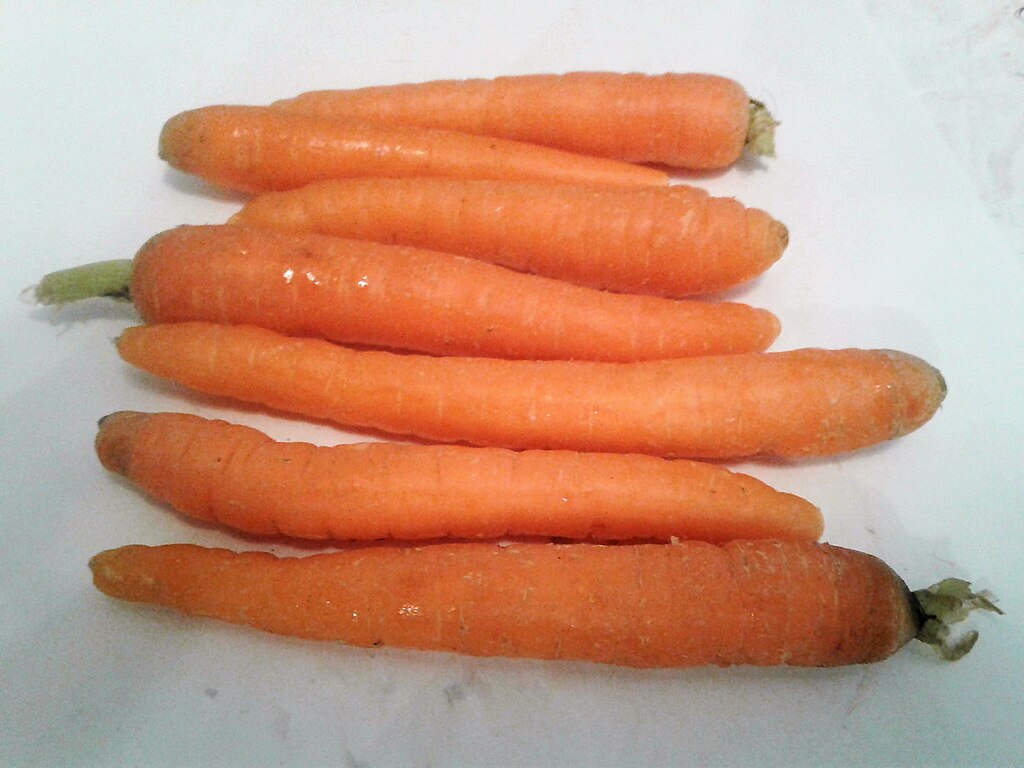
Nantes carrots are widely appreciated for their smooth texture and naturally sweet flavor. This variety develops straight cylindrical roots that grow evenly in loose garden soil. Early spring planting works well because the seeds germinate in cool soil and the roots develop gradually beneath the surface. While the green tops appear delicate above ground, the roots grow steadily below.
Carrots planted in early March often benefit from the slower pace of spring growth. The cooler conditions help the roots develop a firm yet tender texture. Gardeners usually thin the seedlings once they sprout so that each plant has enough space to grow properly. With patience and consistent moisture in the soil, Nantes carrots mature into crisp, flavorful roots ready for harvest later in the season.
Buttercrunch Lettuce
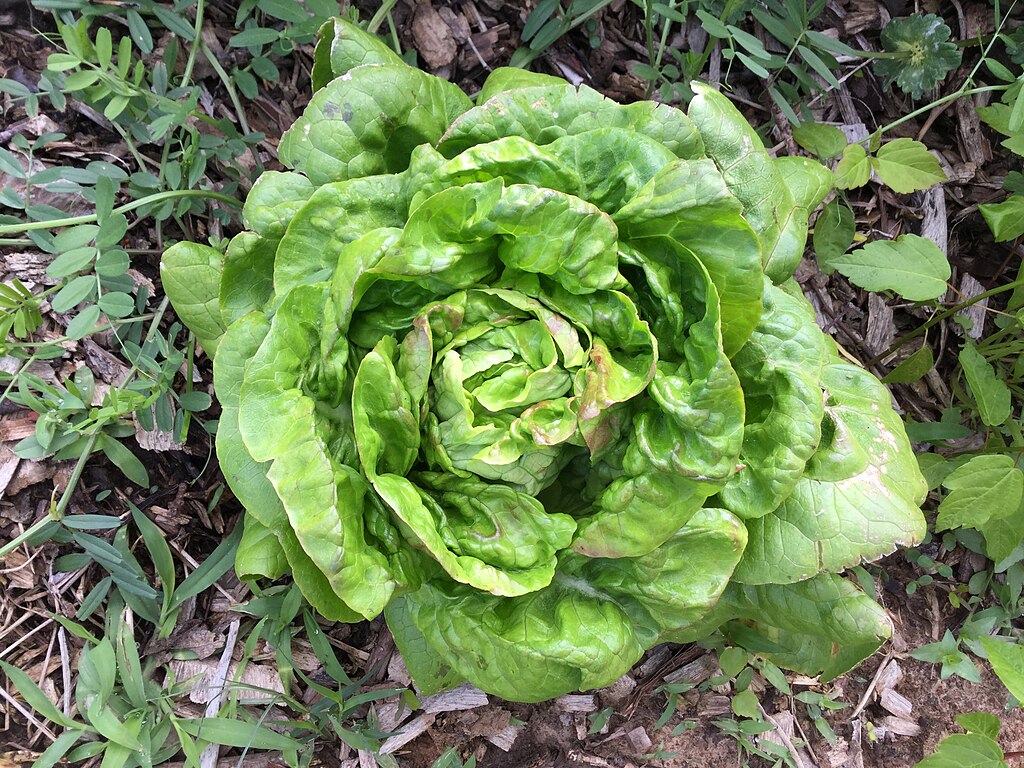
Buttercrunch lettuce is known for its soft leaves and compact heads that grow comfortably during the cooler weeks of early spring. The leaves form gentle layers that remain tender and slightly sweet when grown in mild weather. Because this lettuce handles cooler nights well, gardeners often plant it early to enjoy fresh greens before the garden fills with summer crops. Its manageable size also makes it easy to grow in raised beds or small garden spaces.
Seeds sprout quickly once planted in moist soil, and young plants begin forming loose heads within a short time. Gardeners can harvest entire heads or simply pick individual leaves as they mature. Regular picking encourages the plant to continue producing fresh growth. With steady watering and moderate sunlight, Buttercrunch lettuce remains productive throughout the early part of the spring season.
Cherry Belle Radishes
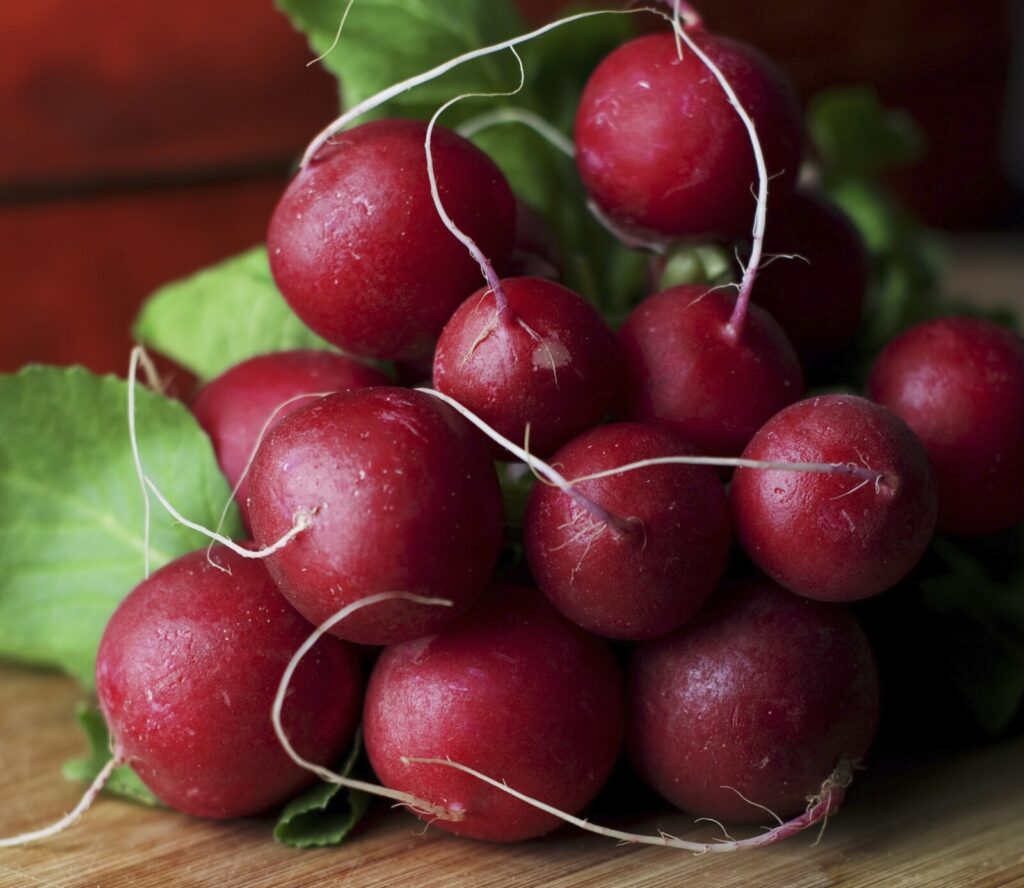
Cherry Belle radishes are one of the quickest vegetables to grow during the cool stretch of early spring. The small red roots develop rapidly beneath the soil while leafy green tops grow above ground. Because they mature so quickly, many gardeners plant them early and enjoy a harvest within just a few weeks. Their bright color and crisp texture make them easy to spot when they are ready to pull from the soil.
Radish seeds germinate easily in cool soil, making early March planting very practical. The plants grow rapidly and usually require little care beyond steady moisture and loose soil. Harvesting them while still small keeps the texture crisp and the flavor mild. Gardeners often plant new seeds every week or two to keep a steady supply of fresh radishes through early spring.
Southern Giant Mustard Greens
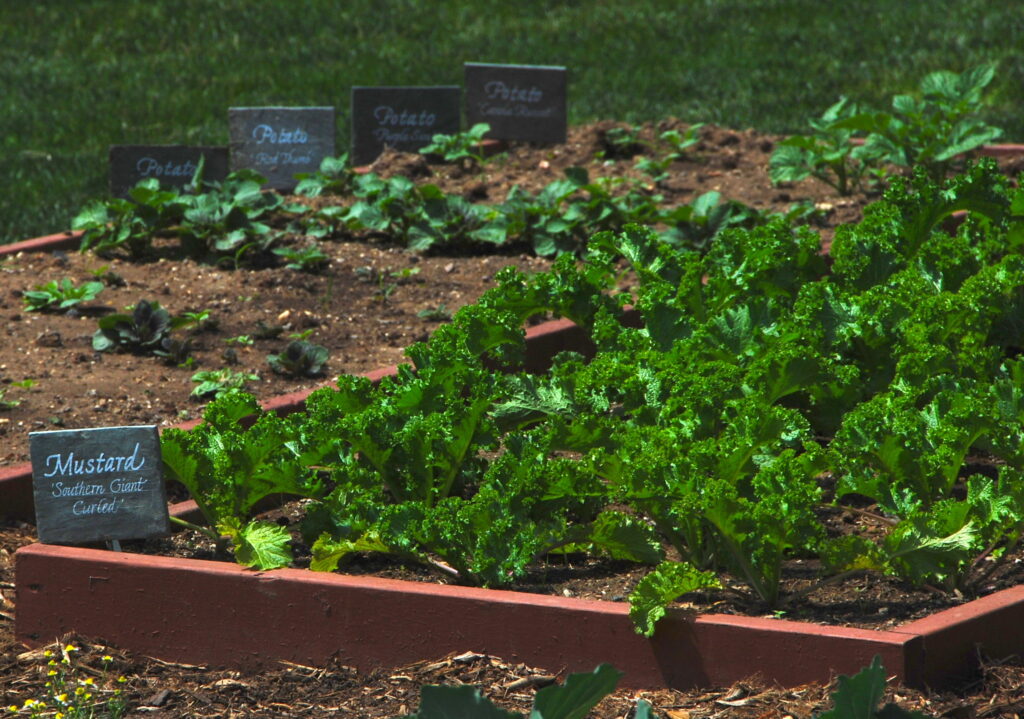
Southern Giant mustard greens grow quickly during the cooler part of the season and bring a lively flavor to early spring gardens. The plants develop large leafy greens with gently ruffled edges. These leaves grow quickly once the seedlings establish themselves in the soil. Many gardeners plant mustard greens early while the weather remains mild.
Seeds sprout easily in cool soil, and young leaves appear within a short time. The leaves can be harvested when small for salads or allowed to grow larger for cooking. Cooler conditions keep the flavor balanced and pleasant. With steady moisture and sunlight, Southern Giant mustard greens continue producing throughout early spring.
Bright Lights Swiss Chard
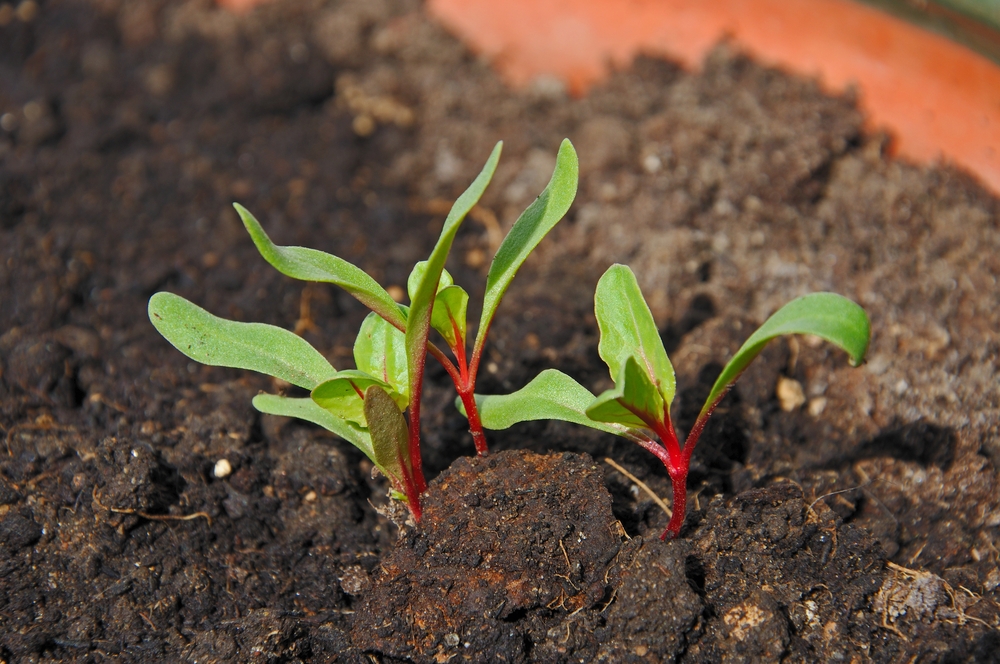
Bright Lights Swiss chard is known for its colorful stems that range from golden yellow to deep red. The plants produce wide leafy greens that grow steadily even when early spring nights remain cool. This variety brings both color and productivity to the garden during the early part of the season. Gardeners often plant it early because the plants tolerate cooler temperatures well.
Seeds can be planted once the soil becomes workable in early spring. As the plants grow, outer leaves can be harvested while the center continues producing fresh growth. The stems remain tender and colorful throughout the growing period. With regular harvesting and steady watering, Bright Lights Swiss chard can remain productive for several weeks.
Hakurei Turnips
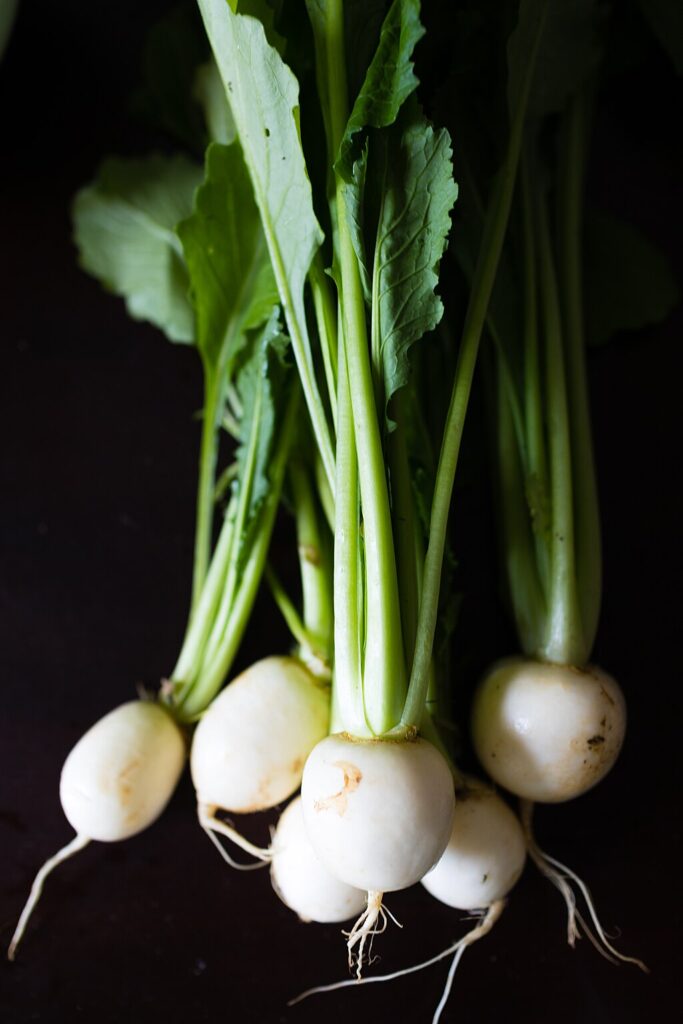
Hakurei turnips are known for their smooth white roots and mild flavor that sets them apart from stronger turnip varieties. This Japanese variety grows quickly and handles cooler soil conditions with ease. The round roots develop just beneath the surface while leafy greens grow above ground. Many gardeners enjoy harvesting both the roots and the greens from the same plant.
Seeds germinate well in cool soil, making early March planting a good choice for this crop. The roots develop quickly and often reach harvest size within about a month. Pulling them while still young keeps their texture tender and slightly sweet. The leafy tops can also be cooked or used fresh in salads.
Arugula Rocket
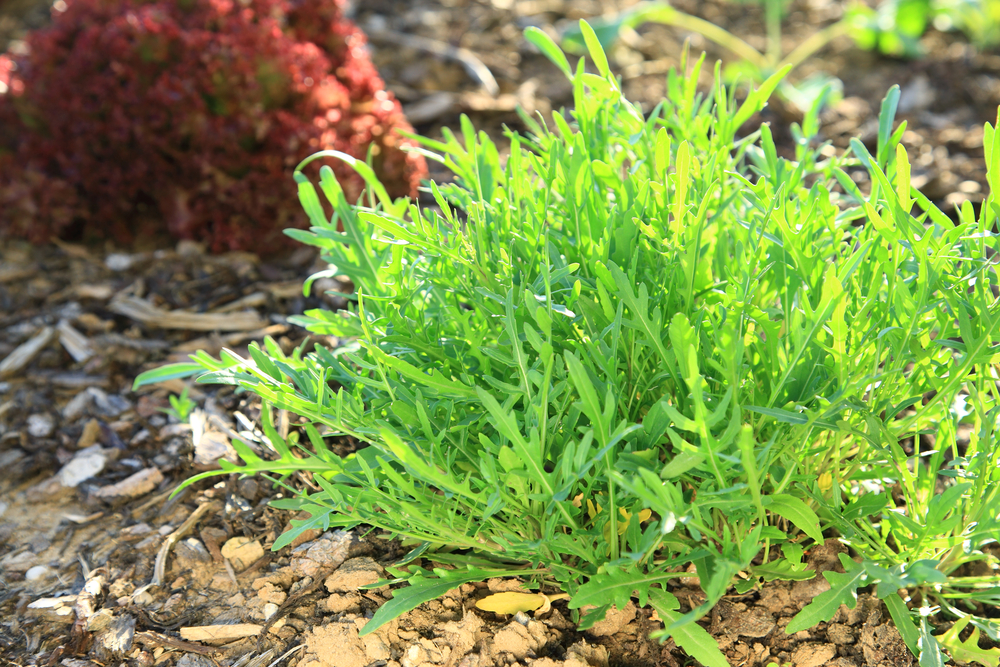
Arugula, commonly known as rocket, grows quickly in cool spring weather and produces leafy greens with a peppery taste. The plants form clusters of narrow leaves that grow rapidly once the seedlings settle into the soil. Because it grows so quickly, arugula is often one of the first greens harvested each season. Gardeners appreciate how well it performs during the cool stretch of early spring.
Seeds germinate easily in moist soil, and young leaves begin appearing within days. Harvesting can begin when the leaves are small and tender. Cutting the outer leaves allows the center of the plant to keep producing new growth. With steady watering and mild temperatures, arugula continues providing fresh greens throughout early spring.
This article originally appeared on Avocadu.