
12 Organic Pest-Resistant Plants for a Healthy March Start
Starting your garden with pest-resistant plants is a great way to ensure healthy growth while minimizing the need for chemicals. By choosing the right plants, you can naturally repel insects and attract beneficial pollinators to your garden. Whether you’re growing vegetables, herbs, or flowers, incorporating pest-resistant plants into your garden not only helps protect your crops but also promotes a thriving ecosystem.
This post may contain affiliate links, which helps keep this content free. Please read our disclosure for more info.
Marigolds
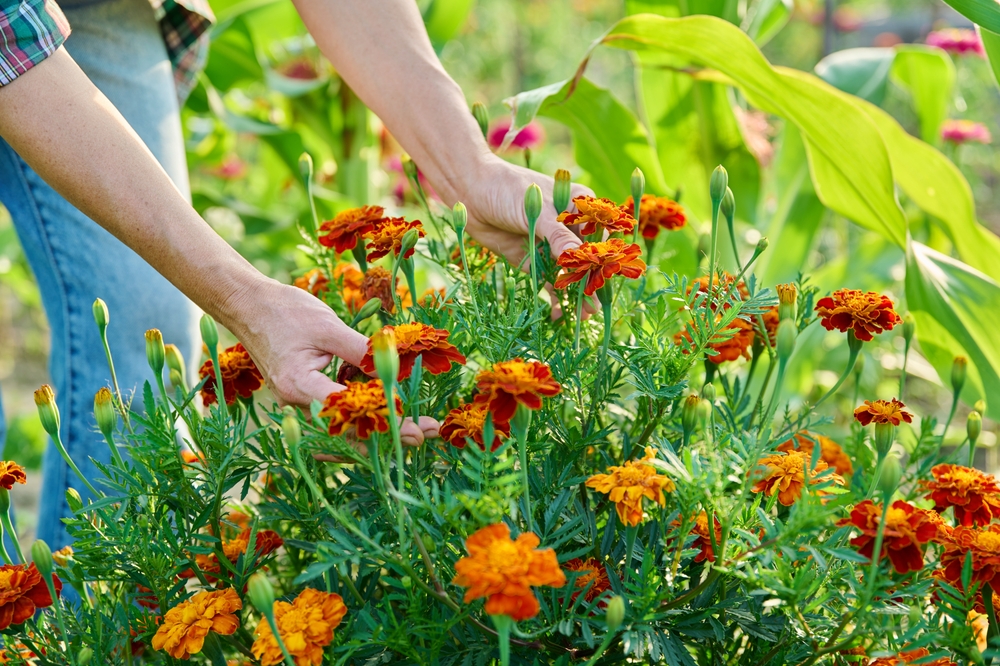
Marigolds are known for their vibrant orange and yellow blooms, but they are just as celebrated for their ability to naturally repel pests. These plants are especially effective in deterring aphids, nematodes, and other common garden insects due to the strong scent of their flowers. Their pungent fragrance disrupts the sensory mechanisms of many pests, making them less likely to approach. Marigolds are an excellent addition to any organic garden, particularly when planted alongside vegetables like tomatoes and peppers, as they help protect these plants from insect damage.
Besides their pest-repellent properties, marigolds are incredibly easy to grow and thrive in a range of garden environments. They flourish in full sunlight and well-draining soil, making them an ideal choice for gardeners looking to start their organic gardens in March. The plants also have a fast growth rate, providing quick results for gardeners eager to see their garden flourish. By planting marigolds early in the season, gardeners can create a protective barrier that minimizes the need for chemical pesticides.
Lavender
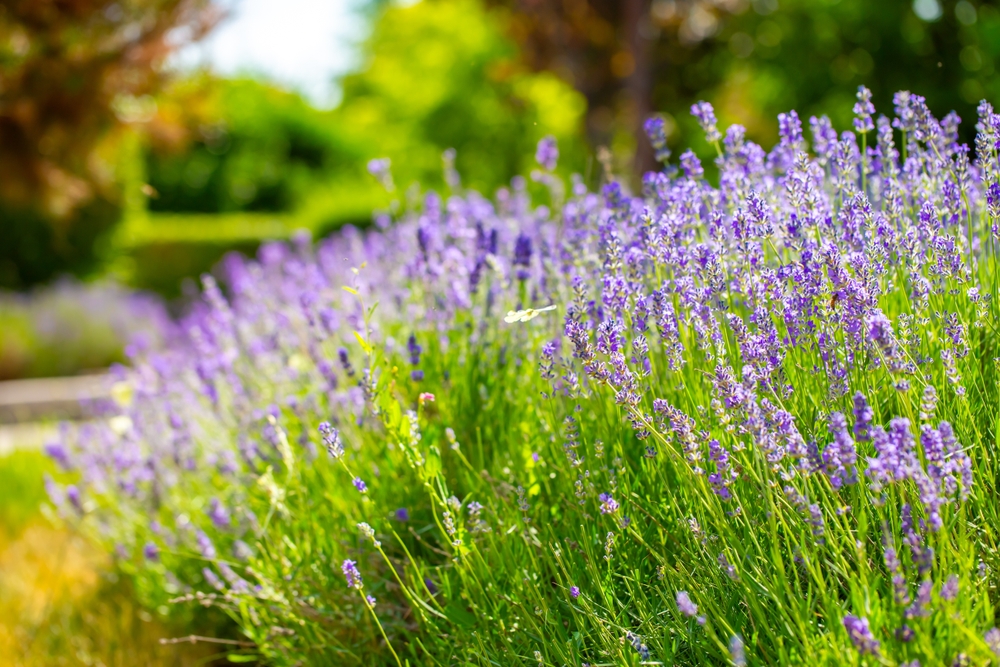
Lavender is not just a beloved aromatic herb; it also serves as a fantastic pest-repellent in an organic garden. Known for its strong fragrance, lavender effectively deters a variety of insects, including mosquitoes, moths, and flies. Its aroma confuses and repels these pests, making it a natural alternative to chemical insecticides. Lavender’s calming scent not only enhances the garden atmosphere but also attracts beneficial pollinators like bees and butterflies, which are essential for the health of the garden ecosystem.
In addition to its pest-resistant qualities, lavender is a hardy perennial that thrives in well-drained, sandy soil and requires minimal care once established. It’s an ideal plant for gardeners starting their organic gardens in March, as it tolerates cooler spring temperatures and full sun. Lavender also provides the added benefit of being drought-tolerant, making it a low-maintenance option for gardeners who want to conserve water and avoid frequent irrigation. The beauty and utility of lavender make it a must-have for anyone looking to start an organic garden with natural pest resistance.
Basil
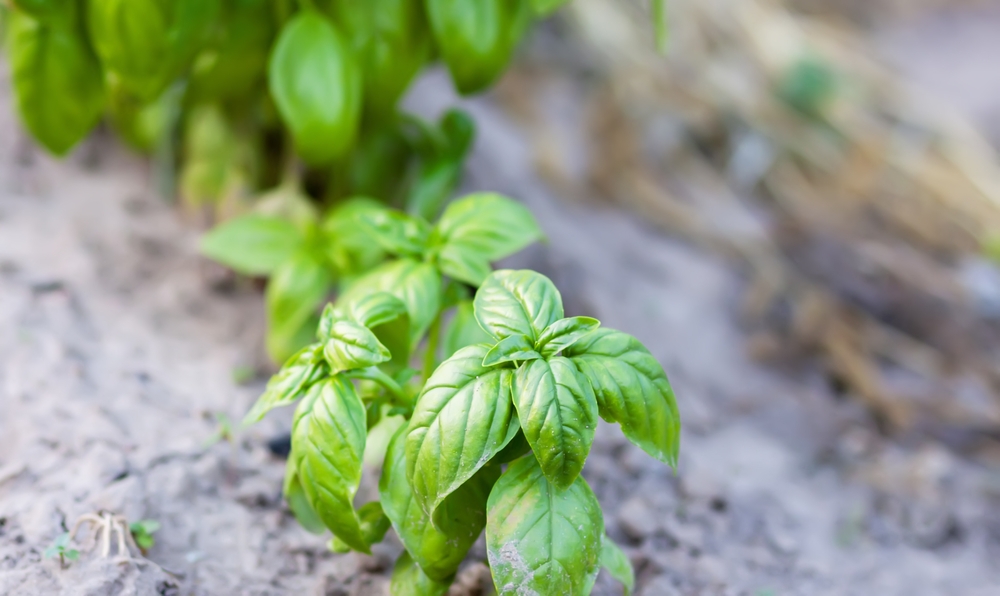
Basil is a versatile herb that not only enhances the flavor of various dishes but also serves as a powerful pest deterrent in the garden. Its strong scent naturally repels insects like mosquitoes, aphids, and whiteflies, which often target garden vegetables. By planting basil near crops such as tomatoes and peppers, gardeners can reduce the chances of these pests causing damage. Furthermore, basil is an excellent companion plant, as it helps attract pollinators and other beneficial insects that contribute to the health of the garden.
Basil is a warm-season herb that thrives in well-draining, fertile soil and plenty of sunlight. Starting basil in March allows for an early spring harvest, which can then be used fresh or preserved for later use. This herb is easy to grow from seed and grows quickly, making it an ideal choice for those starting their organic garden with pest-resistant plants. Additionally, basil’s ability to deter pests without the need for chemical treatments makes it a key player in maintaining a healthy, organic garden.
Mint
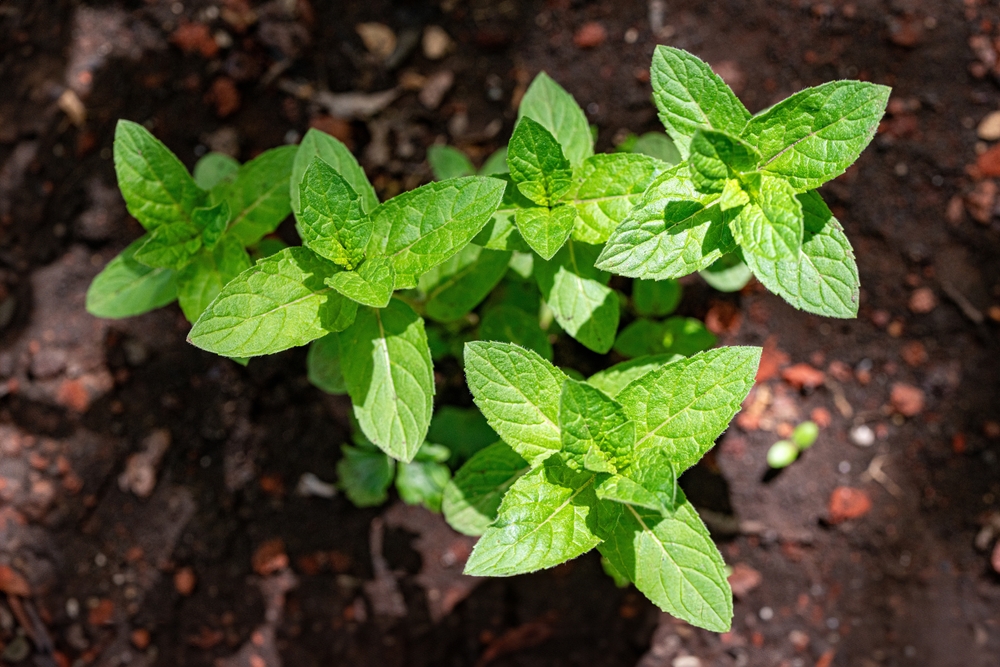
Mint is another aromatic herb that provides natural pest resistance. Its strong fragrance is highly effective at repelling insects like ants, aphids, and mosquitoes. Mint’s ability to deter pests comes from the oils in its leaves, which create an unpleasant environment for pests while attracting beneficial insects like ladybugs and hoverflies. By planting mint around the perimeter of the garden or in containers, gardeners can create a natural barrier that prevents pests from invading other plants.
One of the greatest benefits of mint is its adaptability. It grows well in various climates and can be planted in both containers and garden beds. Mint thrives in moist, well-drained soil and requires partial to full sunlight, making it suitable for gardeners starting their organic garden in early spring. Since mint spreads quickly, it’s often best to plant it in containers to prevent it from overtaking the garden. With its pest-repellent properties and easy growth, mint is a must-have herb for any organic garden.
Nasturtiums
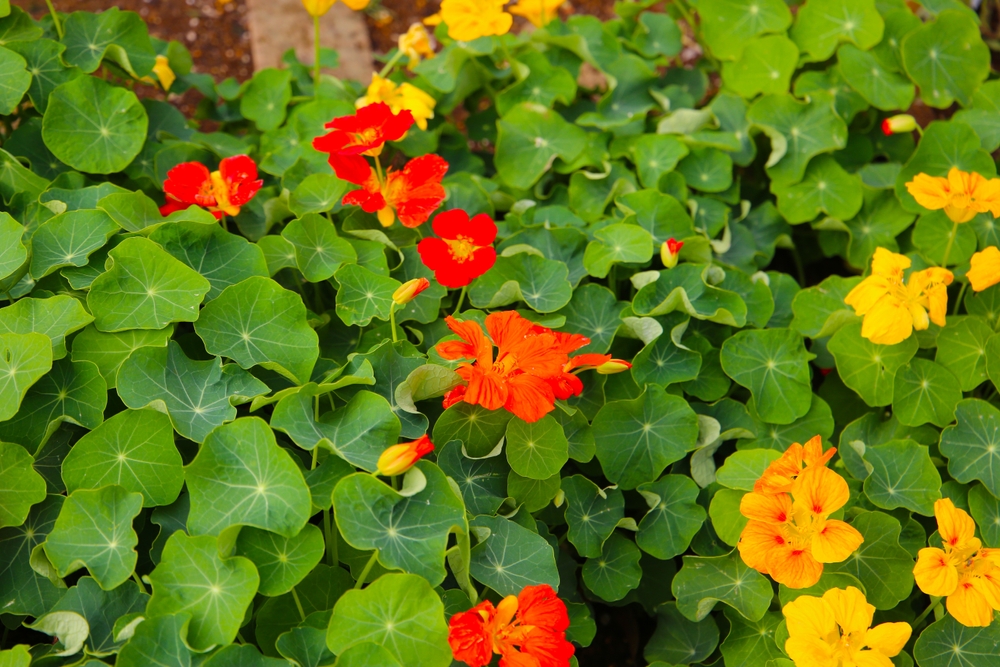
Nasturtiums are not only beautiful, with their vibrant red, orange, and yellow flowers, but they are also highly effective at keeping pests away. These plants naturally repel aphids, whiteflies, and squash bugs, making them a great addition to vegetable gardens. Nasturtiums have a unique way of protecting nearby plants: while the pests are attracted to the nasturtium’s leaves and flowers, they tend to stay away from surrounding crops. This is particularly beneficial when growing vegetables like cucumbers, tomatoes, and beans.
Nasturtiums are fast-growing annuals that are perfect for gardeners starting in March. They thrive in poor to moderately rich soil, requiring little attention beyond basic watering and sunlight. These plants can be easily grown from seeds, which is ideal for getting a head start on the growing season. Their ability to deter pests while adding color and interest to the garden makes nasturtiums a valuable asset to any organic garden.
Garlic
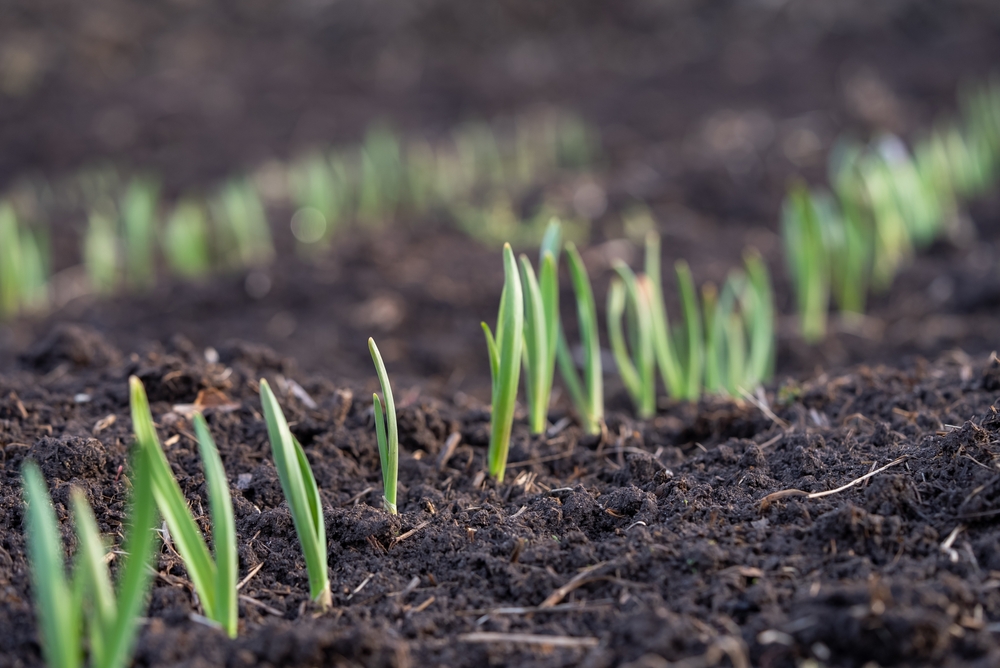
Garlic is well-known for its culinary uses, but it is also a powerful pest-repellent in the garden. The sulfur compounds in garlic are known to deter a variety of insects, including aphids, mosquitoes, and caterpillars. Planting garlic near vegetables like tomatoes, peppers, and carrots can help protect these crops from insect pests while also providing a natural fungicide to reduce the risk of fungal diseases. Garlic is particularly effective against pests that can damage a garden early in the season, making it an excellent choice for March planting.
Garlic is a hardy plant that thrives in well-drained soil with good sunlight. It is easy to grow and requires little maintenance once established. Garlic grows best in the cooler months, so planting it in March allows it to develop before the heat of summer sets in. With its pest-repelling properties and easy-to-grow nature, garlic is a practical and valuable addition to any organic garden, especially when starting early in the spring.
Chives
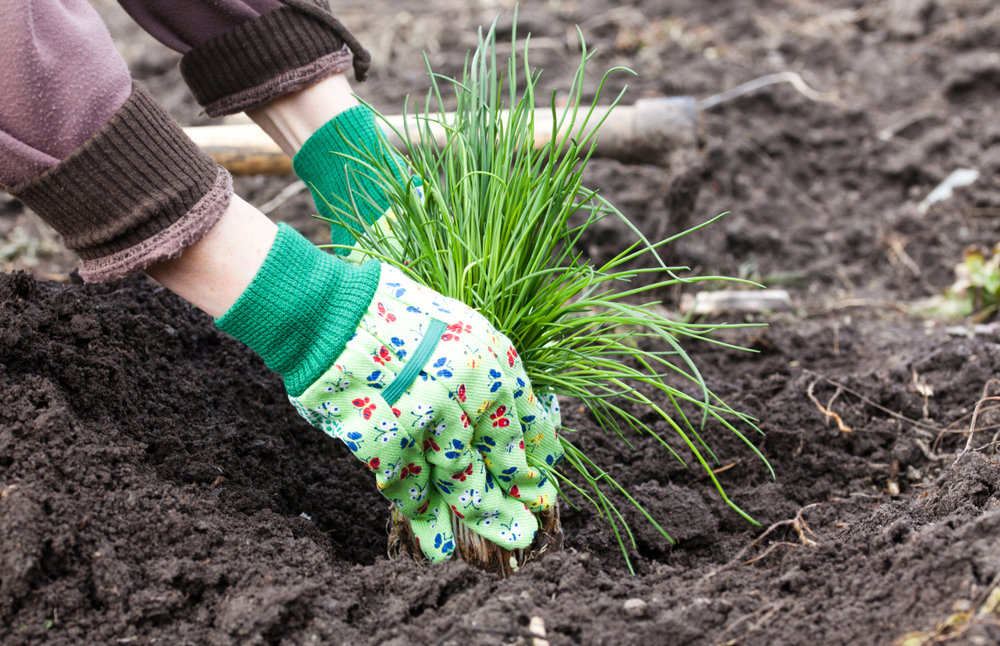
Chives are another herb that is both pest-resistant and beneficial for the garden. The strong onion-like smell of chives repels pests such as aphids, cabbage worms, and carrot flies. These pests are deterred by the scent of the chives, which makes them less likely to attack nearby plants. Chives are particularly helpful when planted near vegetables like carrots, tomatoes, and lettuce, as they protect these plants from common garden pests while also adding flavor to dishes.
Chives are easy to grow and thrive in well-drained soil with plenty of sunlight. Starting chives in March allows gardeners to enjoy fresh herbs early in the season. These plants are perennial, meaning they will come back year after year, providing long-lasting benefits in the garden. Their pest-repelling properties and low-maintenance needs make chives an excellent addition to any organic garden.
Rosemary
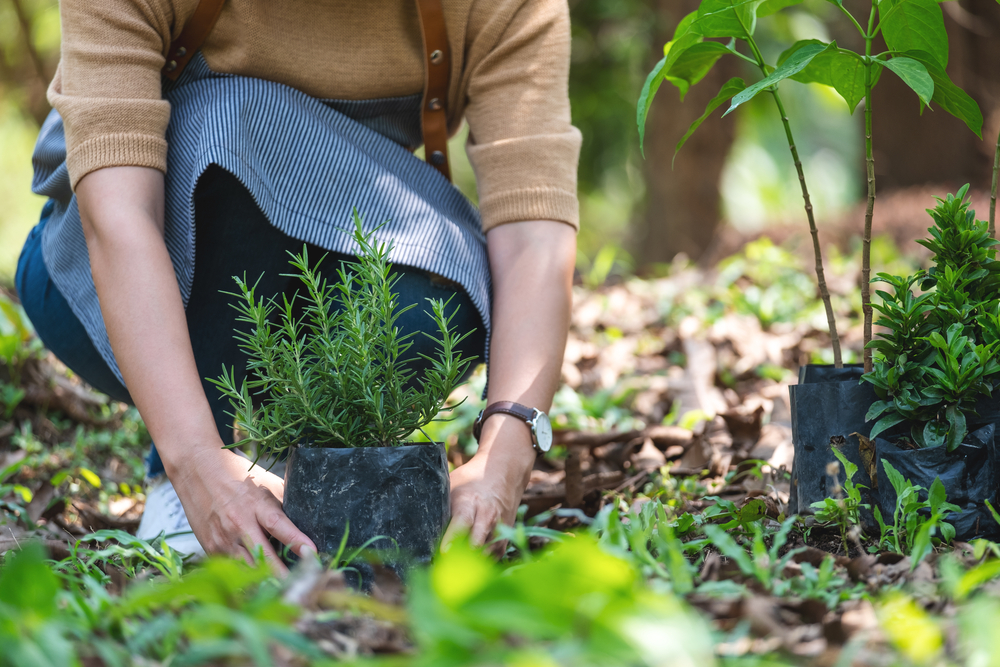
Rosemary is a woody herb known for its fragrant, needle-like leaves. In addition to its culinary uses, rosemary is a natural pest repellent, particularly against mosquitoes and moths. Its strong scent helps mask the aroma of nearby plants, making them less attractive to pests. Rosemary is a great addition to an organic garden, especially when planted near vegetables like cabbage, beans, and carrots, as it helps keep harmful insects at bay while attracting beneficial pollinators like bees.
Rosemary thrives in well-drained soil and requires full sunlight to grow. It is a hardy plant that can withstand both heat and drought, making it ideal for gardeners starting in March. Rosemary is also a perennial herb, meaning it will continue to grow year after year with minimal maintenance. With its pest-resistant qualities and aromatic properties, rosemary is an excellent choice for creating a healthy, organic garden.
Thyme
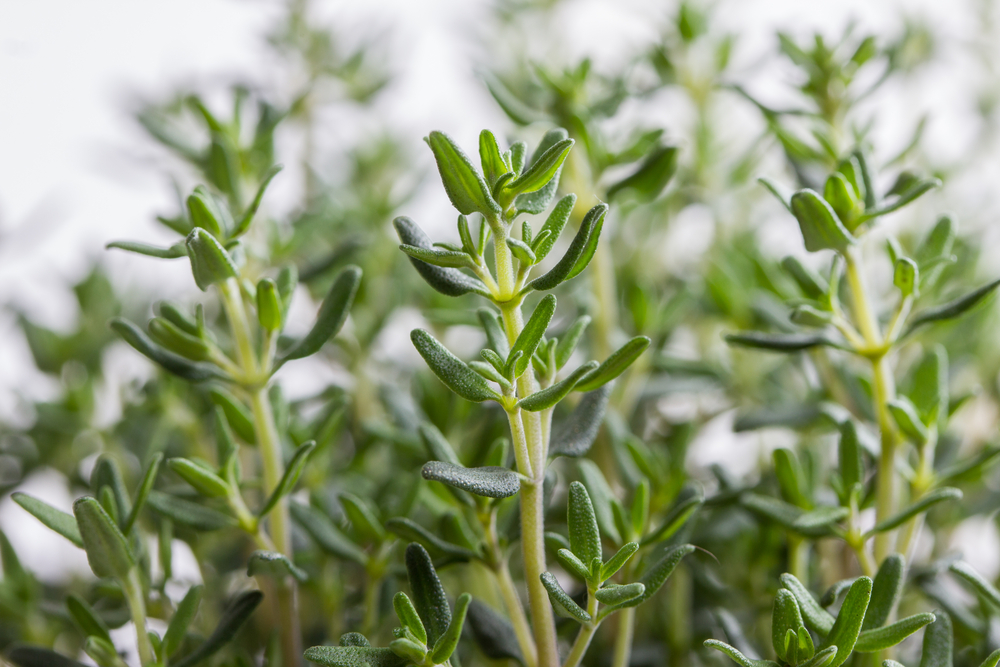
Thyme is an herb that provides multiple benefits to an organic garden, including pest resistance. The strong, aromatic oils in thyme repel pests like cabbage worms, whiteflies, and aphids, while also attracting pollinators such as bees and butterflies. Thyme can be planted near vegetables such as tomatoes, cabbage, and spinach to protect them from insect pests. Its small, delicate flowers and fragrant leaves make it a versatile and attractive addition to the garden.
Thyme is easy to grow, requiring well-drained soil and plenty of sunlight. It is a hardy herb that can withstand dry conditions once established, making it a great choice for gardeners looking for low-maintenance plants. Thyme also grows well in containers, making it suitable for small garden spaces or patios. Its pest-repelling properties and ability to thrive in various conditions make thyme an excellent plant for an organic garden.
Tansy
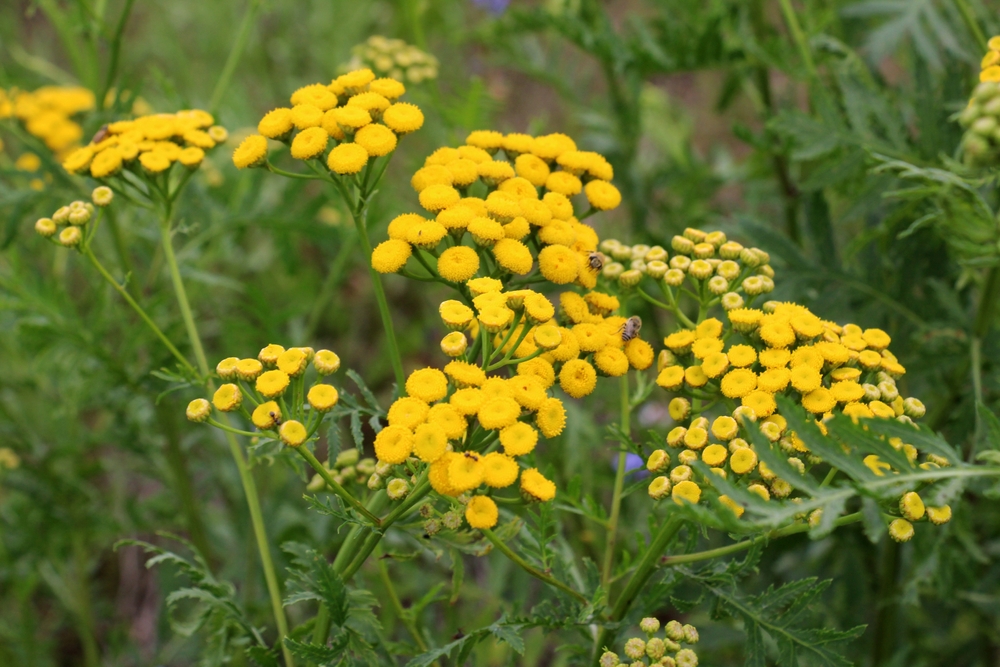
Tansy is a perennial herb that has been used for centuries to repel pests in the garden. Its strong scent and compound chemicals act as a natural deterrent to insects like ants, flies, and mosquitoes. Tansy is particularly effective at keeping pests away from nearby vegetables and flowers. This herb is commonly planted around the edges of gardens or near crops that are susceptible to insect damage.
Tansy thrives in full sun and well-drained soil, making it an ideal choice for early-season planting in March. While it may spread quickly, tansy is easy to control with regular pruning. This hardy plant not only helps protect your garden from pests but also adds ornamental value with its bright yellow flowers. For gardeners seeking an organic solution to pest control, tansy is a reliable and effective option.
Sage
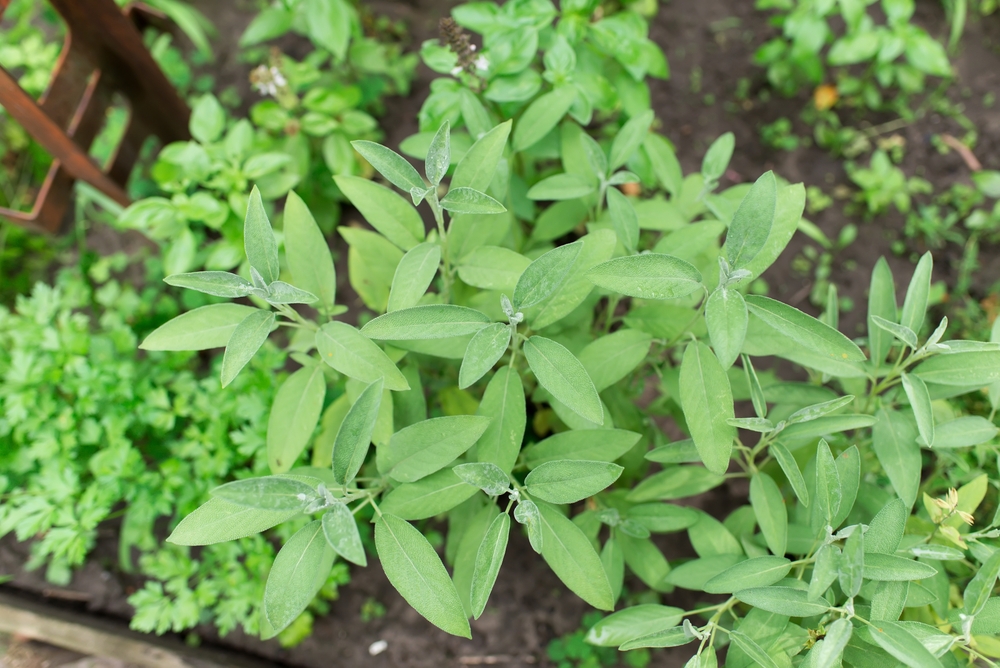
Sage is an aromatic herb that repels a variety of pests, including aphids, cabbage moths, and carrot flies. Its strong scent makes it a natural deterrent for these pests, helping to protect nearby vegetables and flowers. Sage is especially effective when planted near crops like cabbage, beans, and carrots, as it prevents these pests from causing damage. In addition to its pest-repellent qualities, sage is a beautiful herb that adds texture and interest to the garden.
Sage is easy to grow, requiring well-drained soil and full sunlight. It is a hardy perennial herb that can survive through the winter months, providing a consistent source of fresh leaves for cooking. Starting sage in March allows for a productive growing season, as this herb is one of the earliest to thrive in spring. Sage’s pest-repelling properties, combined with its culinary and ornamental value, make it an excellent choice for an organic garden.
Borage
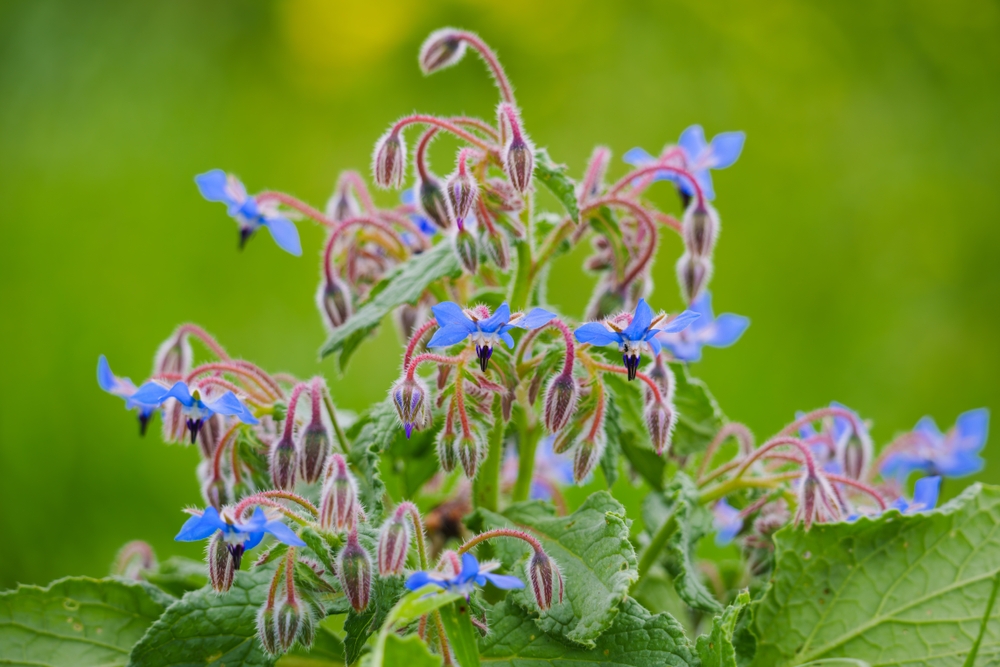
Borage is an herb known for its vibrant blue flowers and pest-repellent qualities. Its strong scent helps keep insects like aphids, tomato hornworms, and cabbage worms away from nearby plants. Borage is particularly beneficial when planted next to tomatoes, strawberries, and squash, as it protects these crops from common pests. The flowers of borage also attract pollinators, which are essential for the overall health of the garden.
Borage grows well in well-drained soil with full sunlight. It is an easy herb to grow from seed and thrives in the early spring months. Borage is also known for its ability to improve the flavor of nearby crops, particularly strawberries and tomatoes. Its pest-repellent properties and ability to support beneficial insects make borage a valuable addition to any organic garden.
This article originally appeared on Avocadu.