
13 Eco-Friendly Destinations Promoting Sustainable Family Travel
Looking for family-friendly travel destinations that prioritize sustainability? From lush rainforests to pristine beaches, many eco-conscious spots around the world are focusing on reducing environmental impact. These destinations emphasize the importance of renewable energy, wildlife conservation, and supporting local communities. Whether you’re exploring green cities or embarking on wildlife safaris, these locations offer meaningful travel experiences while helping protect the planet for future generations.
This post may contain affiliate links, which helps keep this content free. Please read our disclosure for more info.
Costa Rica – Cloud Forests and Eco-Lodges
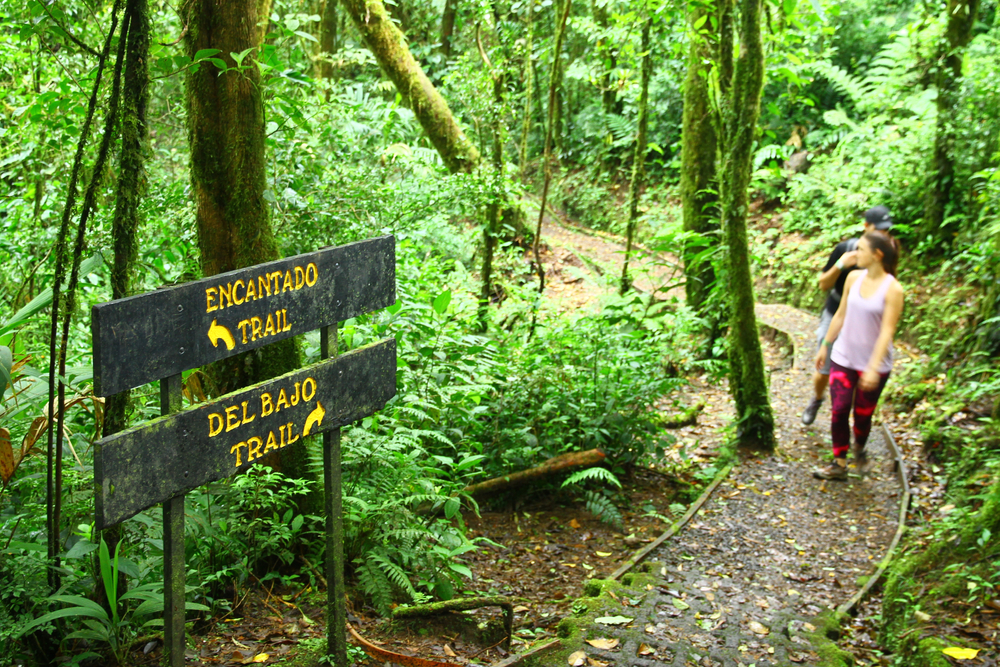
Costa Rica is a pioneer in eco-tourism, making it one of the top destinations for families seeking sustainable travel. The country’s dedication to preserving its biodiversity is evident in its cloud forests and eco-lodges, where visitors can enjoy nature while minimizing their environmental footprint. Costa Rica promotes renewable energy through initiatives like wind and solar power, helping reduce its reliance on fossil fuels. Families can explore the Monteverde Cloud Forest or stay in eco-friendly accommodations that prioritize sustainable practices like water conservation and waste management. By supporting local communities and eco-friendly businesses, Costa Rica provides a responsible travel experience while educating visitors on conservation.
The country’s efforts to protect wildlife are exemplified in its national parks and protected areas. Visitors can engage in activities such as bird watching or wildlife safaris, with a focus on respecting the natural habitats of endangered species. The eco-lodges in Costa Rica have a minimal environmental impact, using local materials and offering farm-to-table dining that supports the region’s agriculture. This eco-friendly approach helps protect the environment and supports the livelihood of local communities, making Costa Rica an ideal destination for families interested in sustainable travel.
Slovenia – Green Cities and Sustainable Practices
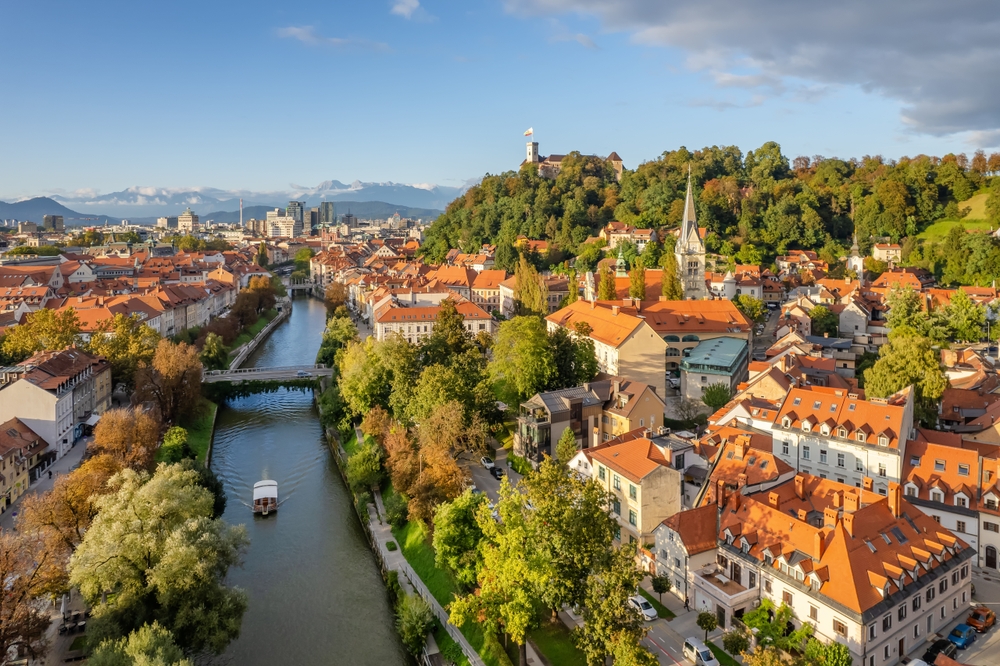
Slovenia stands out as a model for sustainable urban development in Europe. Cities like Ljubljana are at the forefront of green initiatives, with a strong emphasis on reducing waste, increasing green spaces, and promoting renewable energy. The capital city, Ljubljana, has been recognized as a green capital of Europe for its commitment to sustainability. Families can explore car-free zones, enjoy green parks, and visit eco-friendly restaurants and attractions. The city also encourages the use of public transportation and cycling, making it easy for families to get around without contributing to pollution.
In addition to its green cities, Slovenia’s countryside offers opportunities to experience nature in an eco-conscious way. The country boasts numerous eco-resorts and farm stays, where guests can learn about sustainable farming practices and enjoy organic food produced on-site. Slovenia’s commitment to reducing plastic waste and promoting eco-friendly products helps maintain its pristine natural beauty, making it an excellent choice for families looking to experience both urban sustainability and rural eco-tourism.
Palau – Marine Sanctuary and Ocean Conservation
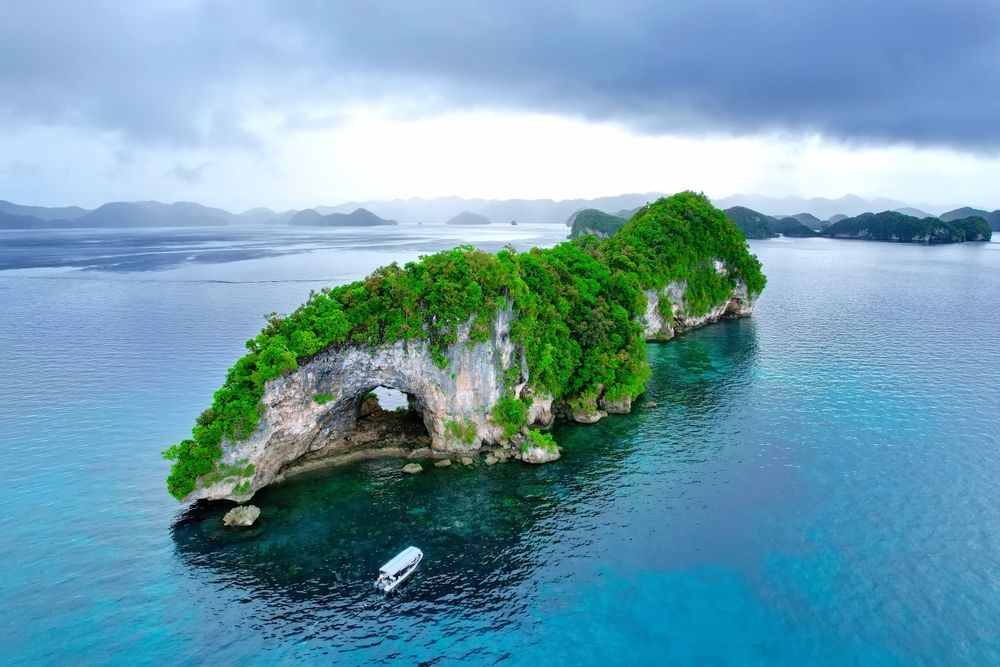
Palau is a small island nation in the Pacific Ocean, renowned for its commitment to marine conservation and environmental sustainability. The Palau National Marine Sanctuary covers over 80% of the country’s waters, providing safe havens for marine life while limiting overfishing and pollution. This sanctuary is one of the largest marine protected areas in the world, ensuring that families can enjoy crystal-clear waters and vibrant coral reefs while promoting conservation efforts. Palau is a great destination for families interested in learning about marine ecosystems and the importance of ocean conservation.
The country has also implemented strict regulations on plastic waste, banning single-use plastics to protect its delicate ecosystems. Visitors to Palau can support local communities by choosing eco-friendly tours and accommodations that prioritize sustainability. By visiting Palau, families help support the nation’s ongoing conservation efforts, ensuring that future generations will be able to enjoy its natural beauty as well.
Rwanda – Conservation-Focused Adventures

Rwanda is increasingly recognized for its dedication to conservation, particularly in protecting endangered species like the mountain gorilla. Families can visit Volcanoes National Park, where they can take part in gorilla trekking, an activity that directly contributes to the protection and preservation of these animals. Revenue from the trekking permits goes toward funding conservation projects and supporting local communities. Rwanda’s commitment to eco-tourism extends to its efforts to reduce deforestation and promote reforestation, helping to preserve the country’s biodiversity for future generations.
In addition to wildlife conservation, Rwanda also focuses on sustainable development by encouraging green energy solutions and waste management practices. The government has prioritized renewable energy sources, and many eco-lodges in the country incorporate solar power and energy-efficient systems. Families can enjoy eco-friendly accommodations and support local conservation initiatives while learning about the importance of protecting the planet’s wildlife and natural resources.
Philippines – Palawan and Siargao
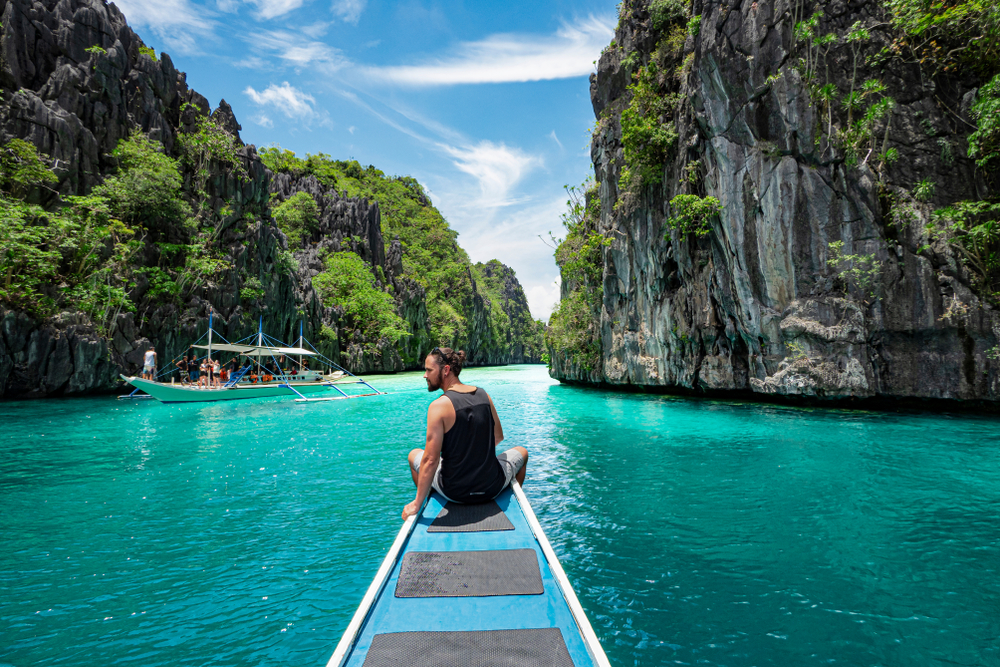
The Philippines offers some of the most beautiful and sustainable travel experiences, particularly on the islands of Palawan and Siargao. Palawan is home to stunning marine environments and pristine beaches, and the region emphasizes sustainable tourism practices to protect its natural resources. Eco-resorts and accommodations in Palawan are built with local materials and run on renewable energy, while efforts are made to reduce plastic use and manage waste responsibly. Families visiting Palawan can explore the famous Underground River or visit Tubbataha Reefs Natural Park, a UNESCO World Heritage Site known for its diverse marine life.
Siargao, often considered the surfing capital of the Philippines, also focuses on sustainable practices, with many resorts and surf schools supporting eco-friendly initiatives. The island has embraced solar energy and organic farming to reduce its environmental impact. Families visiting Siargao can enjoy surfing, island-hopping, and immersing themselves in the vibrant local culture, all while supporting a community dedicated to protecting its natural beauty and promoting sustainable development.
Iceland – Geothermal Energy and Eco-Friendly Tours
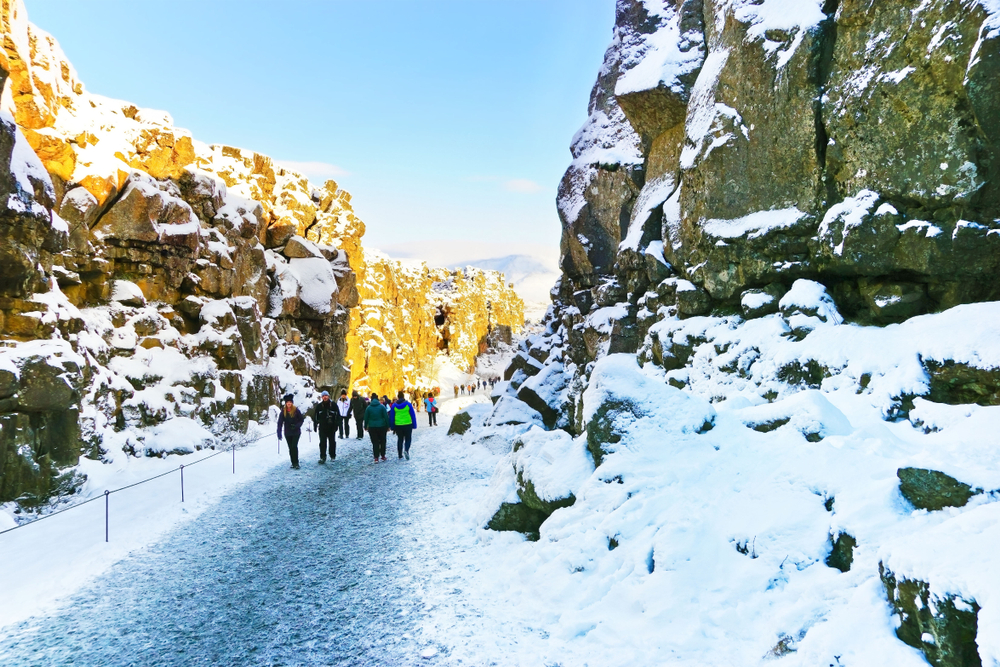
Iceland is a leading example of how to integrate sustainability with natural resources. The country’s abundant geothermal energy is used to heat homes, generate electricity, and power hot springs, making it one of the most eco-conscious countries in the world. Families can enjoy geothermal spas like the Blue Lagoon or visit the geothermal areas around Reykjavik, where the energy is harnessed in environmentally friendly ways. Iceland’s commitment to renewable energy extends to its transportation system, with an increasing number of electric vehicles on the roads.
In addition to its energy initiatives, Iceland promotes eco-tourism through responsible travel practices and the protection of its landscapes. National parks like Thingvellir and Vatnajökull offer guided tours focused on environmental education, where families can learn about glacial formations and volcanic activity. Iceland’s focus on sustainability is evident in its efforts to limit plastic use, protect wildlife, and preserve its unique natural beauty.
Kenya – Wildlife Conservation and Community Involvement

Kenya is a prime destination for families who want to engage in eco-friendly travel while experiencing the beauty of Africa’s wildlife. National parks such as the Maasai Mara and Amboseli focus on wildlife conservation, offering opportunities for families to go on safaris while supporting sustainable tourism. Profits from park fees are reinvested into conservation projects, helping protect endangered species like elephants and lions. The country’s eco-lodges and tented camps are built with sustainability in mind, using locally sourced materials and offering experiences that promote environmental awareness.
Kenya’s commitment to community involvement is also a key part of its eco-tourism strategy. Many local communities are directly involved in conservation efforts, such as anti-poaching initiatives and wildlife monitoring programs. Families visiting Kenya can take part in cultural exchanges and eco-friendly tours that support both wildlife preservation and the local economy, ensuring that travel benefits the environment and the people living in these regions.
New Zealand – Green Adventures and Sustainable Practices

New Zealand has long been known for its commitment to sustainability, and the country continues to set an example in eco-friendly travel. Visitors can explore the country’s lush landscapes, from the Fiordland National Park to Rotorua’s geothermal areas, all while minimizing their environmental impact. New Zealand’s use of renewable energy, such as hydroelectric and wind power, helps reduce its carbon footprint, and many accommodations are built to be energy-efficient. Families can also take part in eco-tourism activities like wildlife watching, where guides emphasize responsible practices and conservation.
In addition to its environmental efforts, New Zealand promotes local culture and sustainability by supporting indigenous Māori communities. Many eco-friendly tours are led by Māori guides who share their knowledge of the land and its ecosystems. By visiting New Zealand, families help support the country’s commitment to preserving both its natural environment and its cultural heritage.
Norway – Sustainable Cities and Eco-Friendly Travel
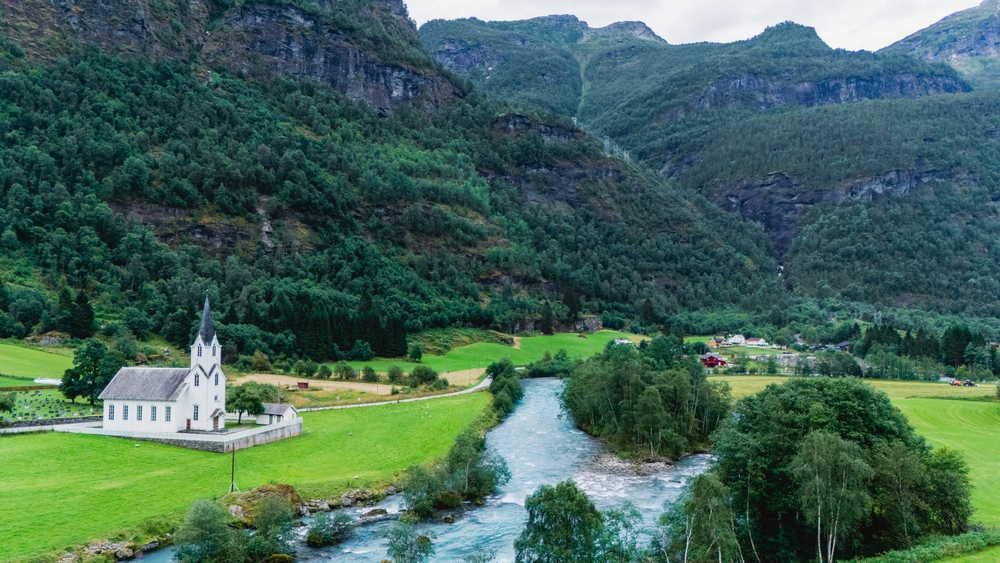
Norway is another European leader in sustainability, with cities like Oslo and Bergen offering eco-friendly accommodations and activities. The country has made significant strides in reducing its carbon emissions, with a strong focus on renewable energy sources like hydropower and wind energy. Families can explore Norway’s many national parks and fjords, with an emphasis on responsible travel practices such as reducing waste, using public transport, and minimizing plastic consumption. The use of electric vehicles is also on the rise, making it easier for families to get around sustainably.
Norway’s commitment to sustainability extends beyond its cities to its rural areas, where eco-lodges and farms promote organic farming and sustainable forestry. Visitors can enjoy farm stays, learn about local agricultural practices, and sample organic produce grown with minimal environmental impact. Norway’s clean energy initiatives and focus on eco-tourism help protect its pristine landscapes, ensuring they remain preserved for future generations.
Bhutan – Carbon-Negative Nation and Eco-Tourism

Bhutan is known for its commitment to environmental sustainability, which includes its goal to remain carbon-negative. The country has a unique approach to development, prioritizing Gross National Happiness over economic growth and ensuring that environmental conservation is at the forefront of all decisions. Bhutan’s forests, which cover more than 70% of the country, act as carbon sinks, absorbing more carbon dioxide than the country emits. Families visiting Bhutan can enjoy nature treks, cultural experiences, and eco-friendly accommodations that minimize environmental impact.
Bhutan also promotes sustainable farming and renewable energy projects, with many rural areas benefiting from hydropower. The country’s eco-tourism policies help preserve its natural and cultural heritage, making it an ideal destination for families looking to travel responsibly. By visiting Bhutan, families contribute to the preservation of its unique environment and support the country’s ongoing efforts to protect the planet.
Sweden – Green Innovation and Eco-Friendly Villages

Sweden is another top eco-friendly destination known for its sustainable living practices. The country promotes green innovation through its commitment to reducing carbon emissions and increasing the use of renewable energy sources. Stockholm, a city known for its environmental consciousness, features green buildings and waste-to-energy systems that help reduce its environmental footprint. Families can visit eco-villages and participate in sustainable farming workshops, learning about organic food production and reducing waste.
In addition to sustainable city living, Sweden’s vast wilderness areas offer opportunities for eco-tourism and wildlife conservation. Visitors can enjoy outdoor activities like hiking and canoeing, all while supporting eco-friendly lodges that prioritize sustainability. Sweden’s focus on green living and renewable energy helps ensure that future generations can continue to enjoy its natural beauty.
Australia – Reef Conservation and Wildlife Protection
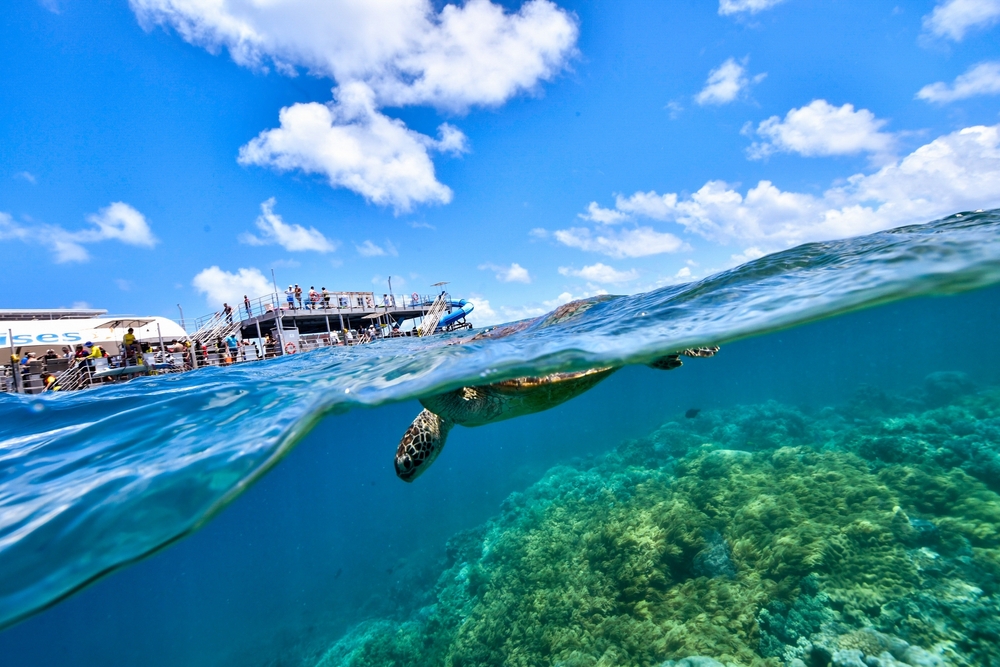
Australia offers numerous eco-friendly travel opportunities, particularly in its focus on preserving the Great Barrier Reef and its diverse wildlife. The reef, a UNESCO World Heritage Site, is at the heart of Australia’s conservation efforts, with numerous eco-tourism companies offering reef tours that focus on education and sustainability. Families can participate in reef conservation programs, where they can learn about coral health and marine life protection, all while enjoying the breathtaking beauty of the underwater world.
Australia’s commitment to protecting its native wildlife is also evident in its wildlife sanctuaries and national parks. Many of these areas are focused on the recovery of endangered species and habitat restoration. By visiting Australia’s eco-friendly resorts and participating in wildlife conservation programs, families help support these critical efforts while enjoying a sustainable travel experience.
Canada – National Parks and Green Initiatives

Canada is home to some of the world’s most pristine national parks, many of which focus on conservation and sustainable travel. Banff and Jasper, located in the Canadian Rockies, are prime examples of how eco-tourism can protect natural landscapes while providing a rich travel experience. Families can explore hiking trails, wildlife viewing spots, and eco-lodges that prioritize sustainability. The country also emphasizes the use of renewable energy and waste reduction across its parks and outdoor attractions.
Canada’s commitment to green initiatives is also reflected in its urban centers, where cities like Vancouver and Toronto are focusing on sustainable urban planning and energy-efficient public transportation. Families visiting these cities can enjoy car-free zones, bike paths, and eco-friendly accommodations that reduce environmental impact while promoting local culture. Canada’s blend of natural conservation and urban sustainability makes it an excellent destination for responsible travelers.
This article originally appeared on Avocadu.