
15 Murano Glass and Art Glass Pieces Collectors Search For
Murano glass and other art glass pieces can be small, colorful, and surprisingly easy to spot once you know what to look for. This list covers the styles and maker names collectors often search for when they want something with strong color, clean shape, and a clear link to mid-century and Italian studio work.
This post may contain affiliate links, which helps keep this content free. Please read our disclosure for more info.
Venini Fazzoletto Vase
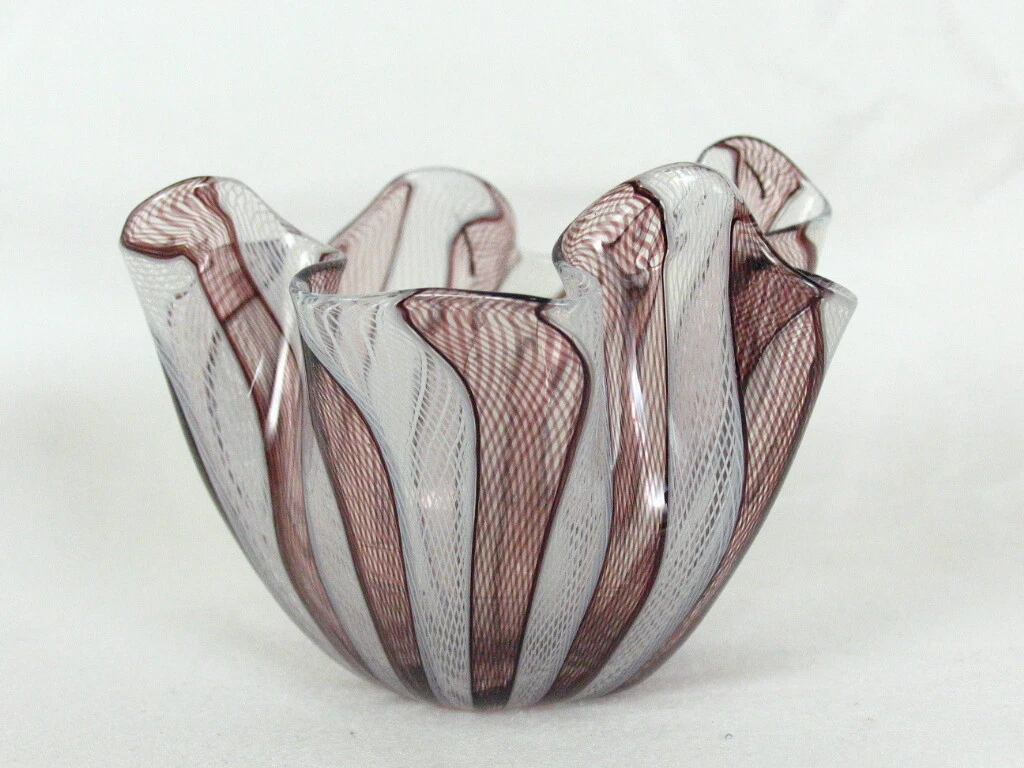
A Fazzoletto vase looks like soft fabric caught mid-sway, even though it is solid glass. The folded rim usually pinches and flares, which gives it that handkerchief look collectors love. Many are small enough for a shelf, yet they still feel dramatic because the edge moves like a wave. Color and clarity matter a lot, so people often compare the way light passes through the folds.
When you shop for one, check the rim for tiny chips since the thin edge can take a hit. A Venini mark can appear as an acid stamp, a label, or a signature, depending on the era and the piece. Older examples often bring stronger interest, especially if the shape feels balanced and the folds look clean rather than sloppy. If the listing calls it Murano but has thick, clunky folds, it is worth slowing down and looking closer.
Venini Monofiori Vase
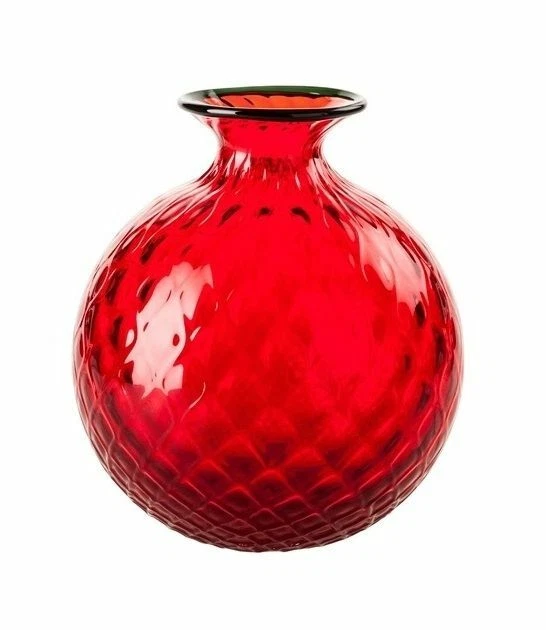
A Monofiori is a single flower vase with a simple silhouette that does not fight the stem. The best ones feel minimal, with a clean lip and a well-proportioned base that sits steady. Collectors like them because they fit modern spaces and still show off rich color. Some have subtle bubbles or slight surface movement that gives them life without looking messy.
Look at the opening and neck for wear, since a tight mouth can hide small bruises. Marks vary, so a missing signature does not automatically mean it is wrong, but it does mean you should judge quality carefully. Color names and series can affect pricing, and unusual tones can draw more attention. A good photo of the base helps, because the finishing tells you a lot about the studio level.
Venini Incalmo Vase
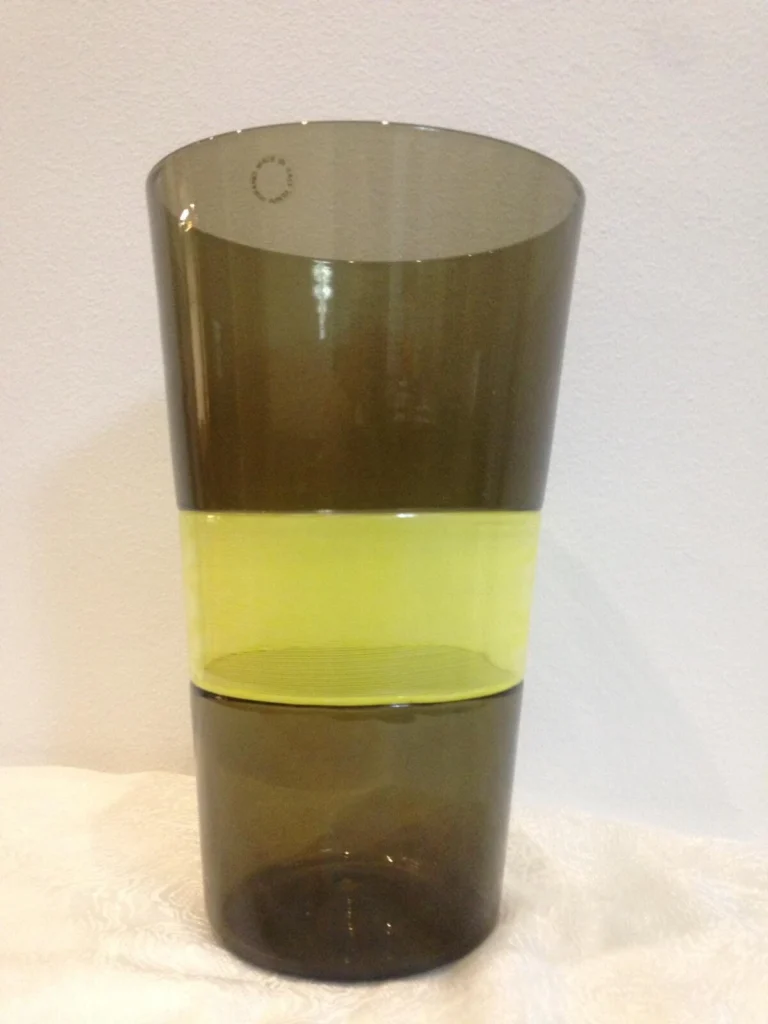
Incalmo pieces show crisp horizontal bands where two colors meet, and that seam is the whole point. When done well, the join looks clean and level, almost like a perfectly stacked layer cake in glass. Collectors chase these because the technique is hard to pull off without visible wobble. Even simple shapes feel special when the color line is sharp and steady.
Check the band line closely in photos, since a crooked join can mean lower quality or a later decorative piece. Surface scratches show more easily on the larger fields of color, so tilt the piece in light if you can. Venini examples may have labels or stamps, and paperwork can help when a seller is vague. Size also matters, because larger Incalmo work takes more control and often draws stronger prices.
Venini Battuto Glass Vase
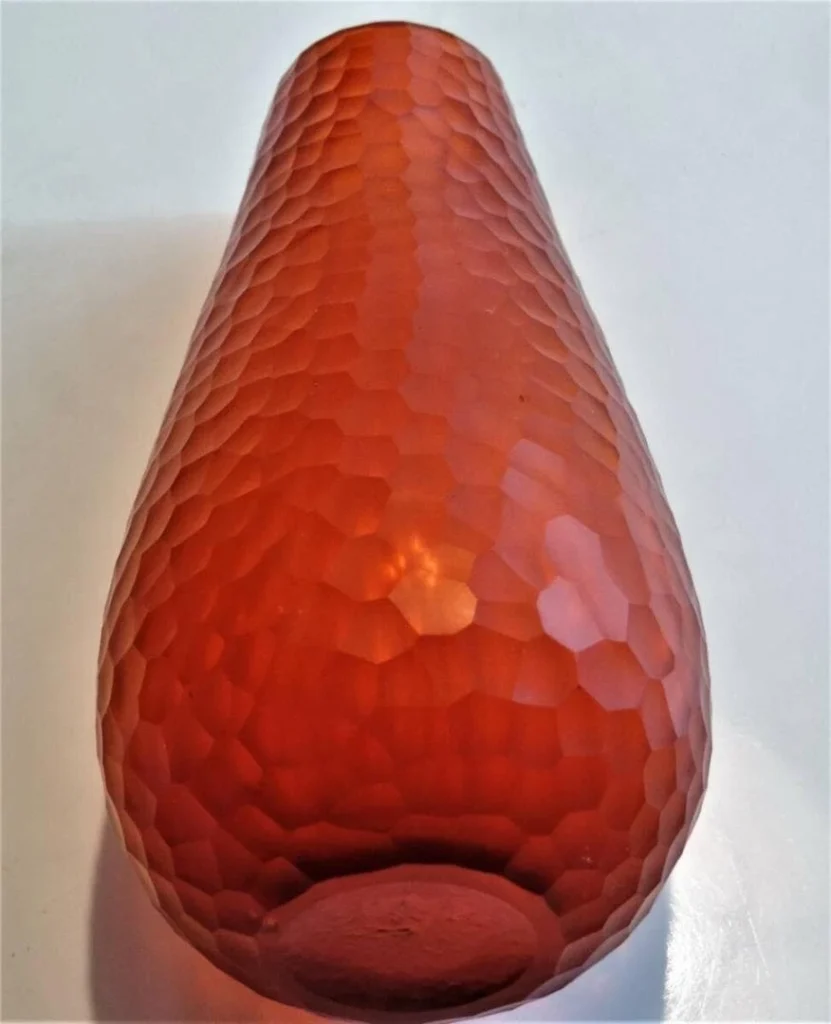
Battuto glass has a pebbled texture that looks like it was gently hammered, but it still feels refined in the hand. The surface catches light in tiny points, which makes even plain colors look lively. Collectors like it because it reads both modern and vintage, depending on the shape. It also hides fingerprints better than smooth glass, which is a small bonus in real life.
Run your fingers lightly over the texture and check for flat spots where the pattern looks dull or worn. Chips along the rim can blend into the texture, so a careful inspection is important. Some pieces carry a Venini mark, while others rely on shape, color, and finishing for identification. If the texture looks too sharp and jagged, it may be a different factory style being sold under the Murano label.
Barovier and Toso Rostrato Vase
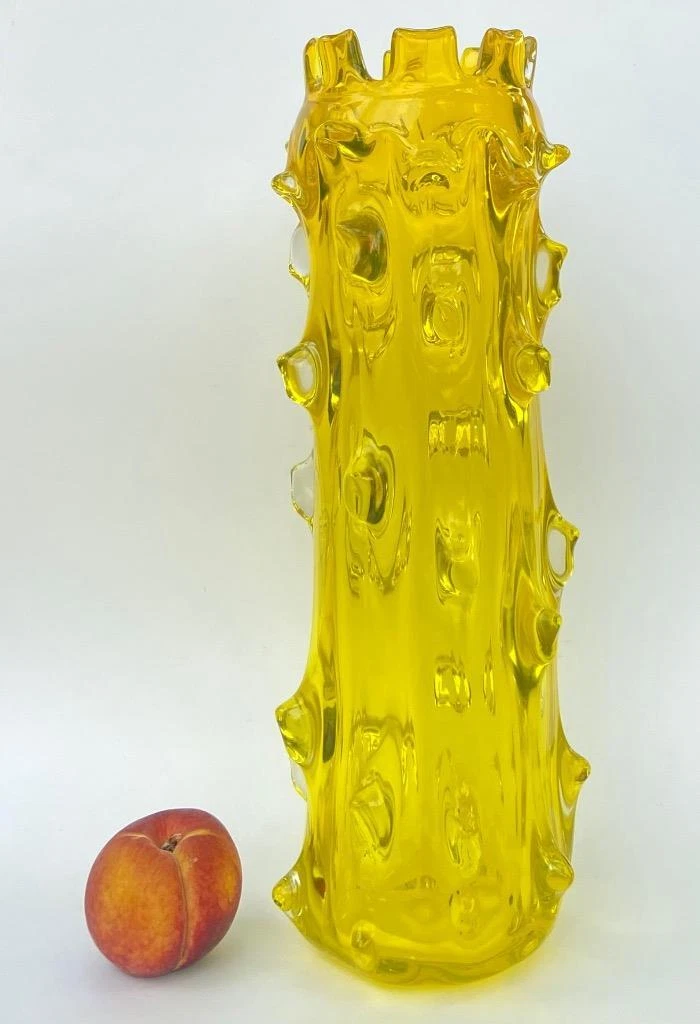
Rostrato pieces have raised spikes or ridges that feel like a frozen burst, and the look is instantly recognizable. The pattern is controlled and rhythmic on better examples, not random or lumpy. Collectors often go for strong colors, but clear and pale tones can also look stunning because the texture throws shadows. These vases photograph well, which helps them stay popular in the resale market.
Because the surface sticks out, these can pick up tiny nicks on the tips, so look for clean points in close-up photos. A label or etched mark can help, yet many buyers still lean on the overall quality and known shapes. Heavier weight and neat finishing on the base can point to a higher-end piece. If the spikes look molded and too uniform, it may be a modern imitation rather than a studio-made example.
Barovier and Toso Zanfirico Vase
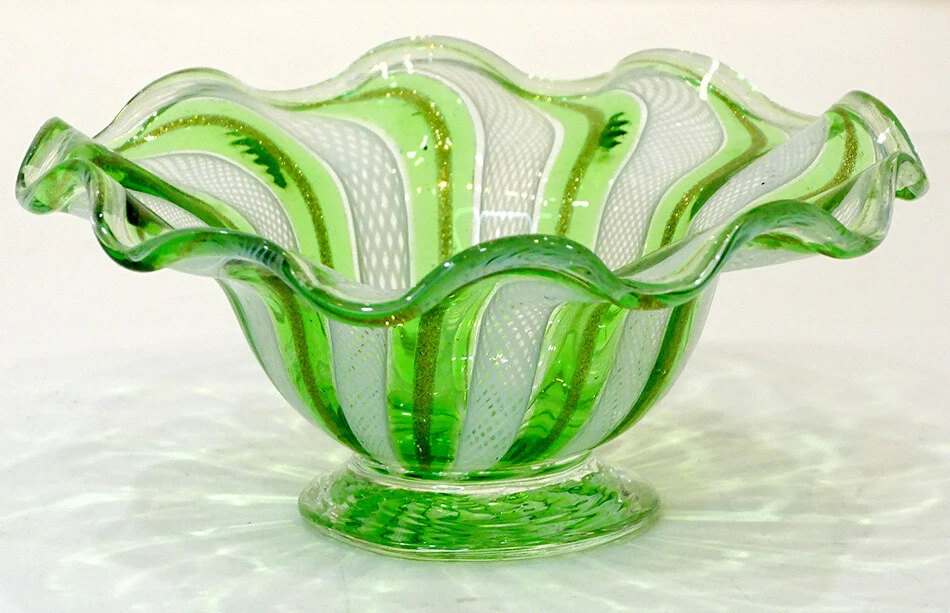
Zanfirico is all about cane work, with twisting ribbons that form lace-like patterns inside the glass. When it is done well, the lines feel even and intentional, and the pattern looks crisp from different angles. Collectors like these because the technique has history and the visual effect stays strong across many shapes. Some pieces mix colors in the canes, while others keep it classic with white or pale strands.
Hold it to the light and see if the cane pattern stays clean without muddy areas or trapped debris. The rim and base should look well finished, since sloppy grinding can be a red flag. Labels can fall off over time, so the build quality matters more than a missing sticker. If the design looks printed or sits only on the surface, it is not the real cane-work look collectors expect.
Seguso Vetri d’Arte Sommerso Vase
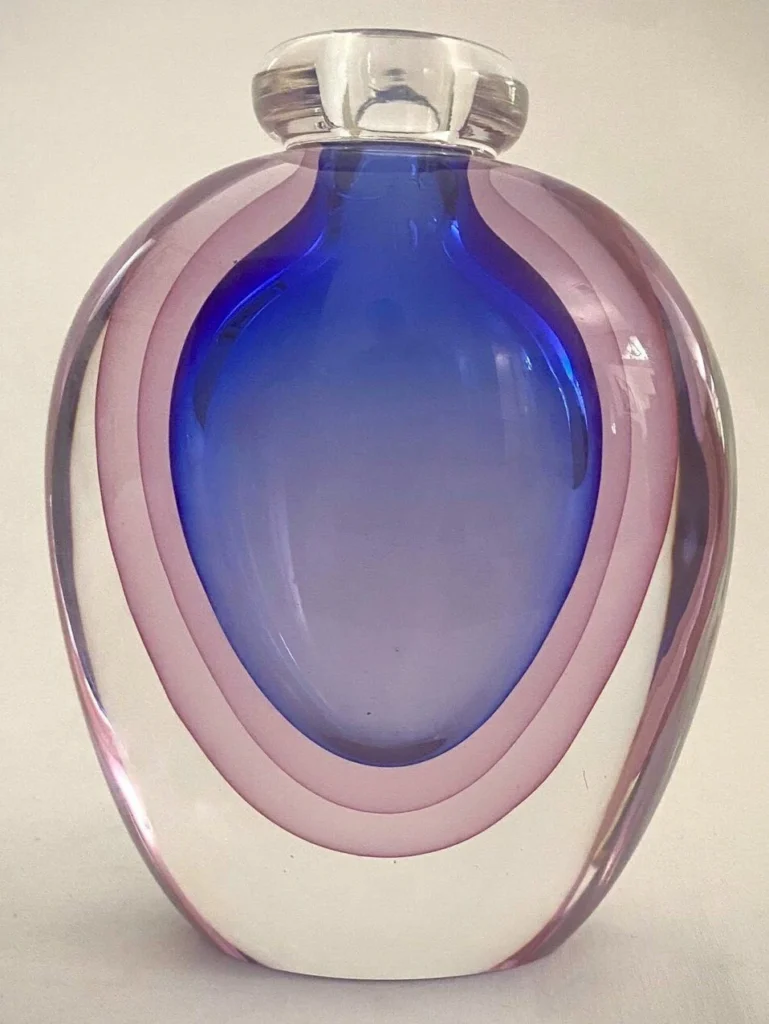
Sommerso pieces have layers of color that look like they are suspended inside clear glass. The edges of each layer often appear as clean geometric blocks or soft, rounded shapes, depending on the design. Collectors like the depth effect, especially when the colors create a strong contrast. Many examples fit the mid-century mood, so they sit nicely next to teak, chrome, and vintage ceramics.
Check for clarity in the clear layer, since haze and heavy scratching can dull the whole look. The base should feel smooth and well ground, not rough or sharp. Seguso marks can appear in different forms, but plenty of pieces are identified by form and color layering rather than a signature. Be cautious with listings that use Sommerso as a buzzword for any thick, colored glass without real layered structure.
Archimede Seguso Biomorphic Sculptural Bowl
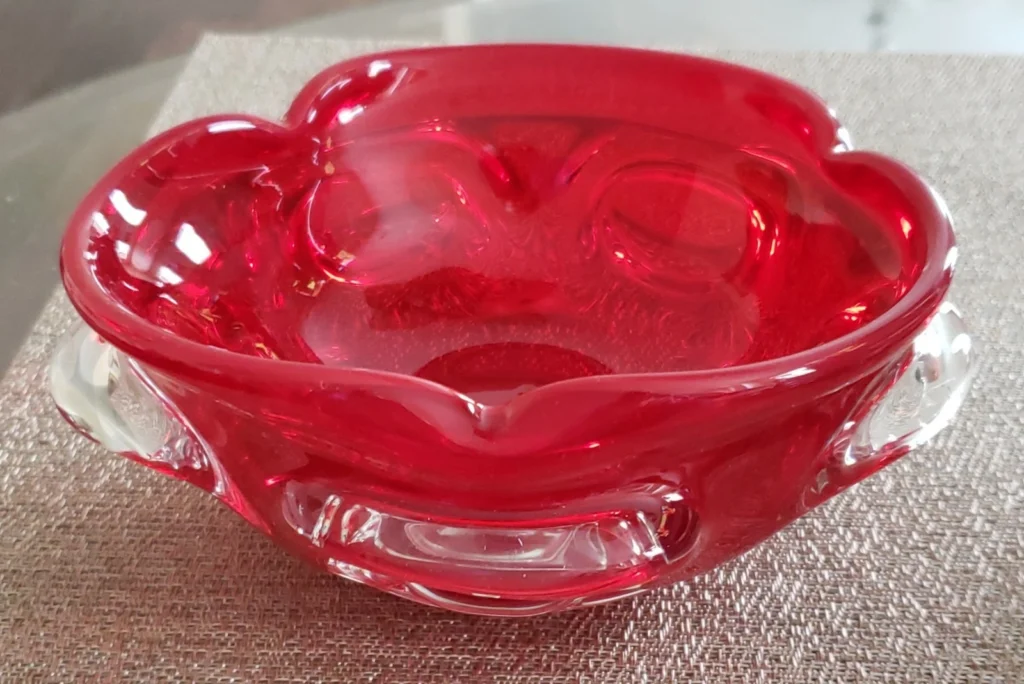
Biomorphic bowls often have flowing, organic outlines, like a soft shape pulled by the hand into motion. They can be simple in color, yet the form carries the drama because the rim rises and dips in a natural way. Collectors like these as centerpieces because they look sculptural even when empty. A good one feels balanced, with weight that sits steady instead of rocking.
Look closely at the rim, since an uneven edge is normal but damage should not be. The underside can show careful finishing, and that detail can separate studio work from tourist pieces. Some are signed, while others are sold on shape recognition and known production style. If the piece looks very thin and fragile, ask for a photo of the base, because thicker, well-finished glass often holds value better.
Murano Glass Bullicante Vase
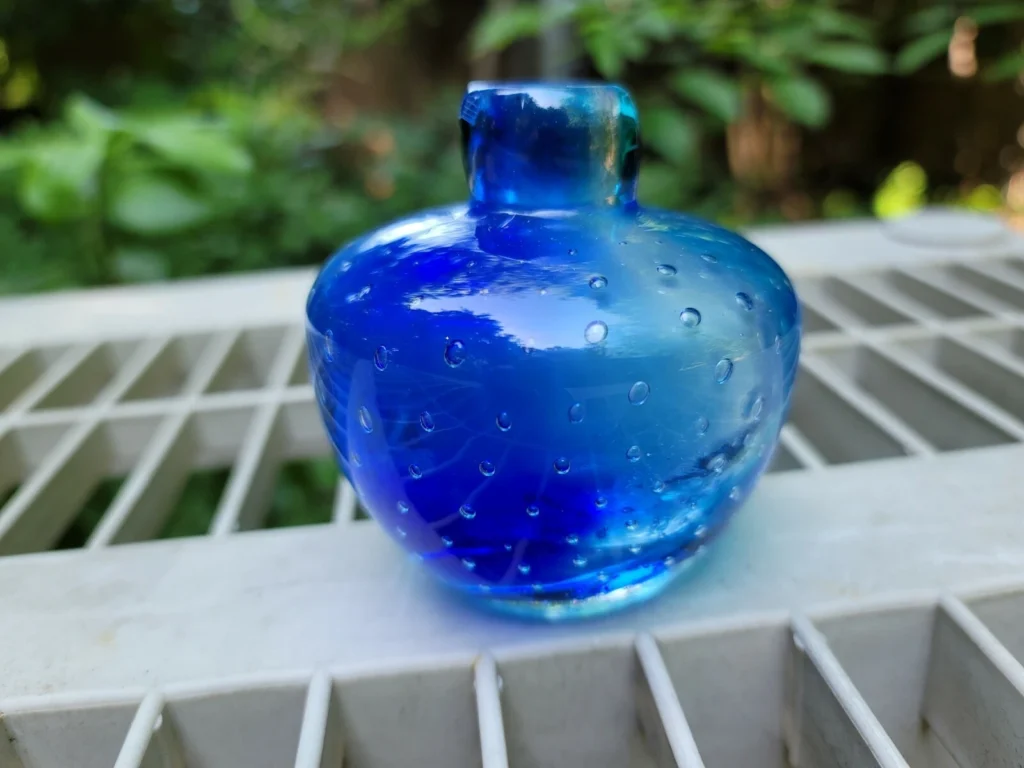
Bullicante glass features controlled bubbles arranged in patterns, often in rows or grids. The bubbles should look intentional and fairly consistent, not random like ordinary trapped air. Collectors like this style because it feels playful while still looking clean and modern. Colors can range from clear to jewel tones, and clear examples can show the bubble work best.
Check the bubble pattern from multiple angles, since some pieces look great from one side but uneven from another. A smooth, well-finished base is a strong sign, because many lower-grade pieces have rough pontil marks. Listings sometimes label any bubbled glass as Bullicante, so it helps to know that true Bullicante usually looks planned. Small chips can hide near bubble clusters at the rim, so zoom in before you buy.
Murano Glass Pulegoso Vase

Pulegoso glass has a crackled, bubbly texture throughout, often with a slightly hazy look that feels atmospheric. It was popular in modern Italian design, and collectors like the way it softens bright color. Some pieces look almost foamy inside, which gives them a casual, artsy vibe on a shelf. The surface may be smoother than it looks, since the effect is often inside the glass.
Because the texture can hide flaws, check for rim damage and base bruises with careful photos. Color is a big driver here, and unusual shades can draw more interest. Many pieces are unsigned, so shape, weight, and finishing become the main clues. If it looks like simple crackle on the surface only, it may be a different technique being sold under a familiar name.
Alfredo Barbini Fish Sculpture
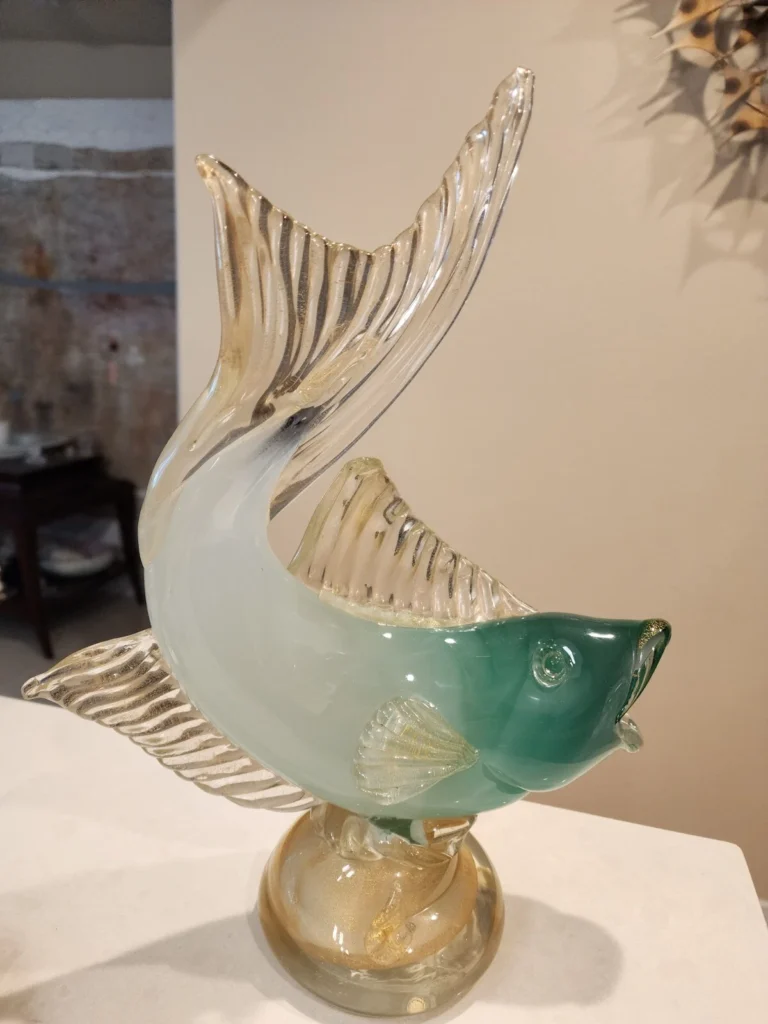
Barbini fish sculptures are heavy, glossy, and full of personality, often with bright color and clean shaping. Collectors like them because they feel like small art objects, not just souvenirs. A well-made one has clear fins, smooth curves, and a good sense of movement. Some have controlled bubbles or internal color fades that add depth.
Look for a signature or label, though not every example will have one still attached. Check the tail and fin edges for small chips, since those points often take the first hit. Weight matters, because thin, light pieces can be lower-grade look-alikes. If the eyes and details look painted on in a rough way, it may not be the level collectors are after.
Dino Martens Aureliano Toso Tessuto Vase
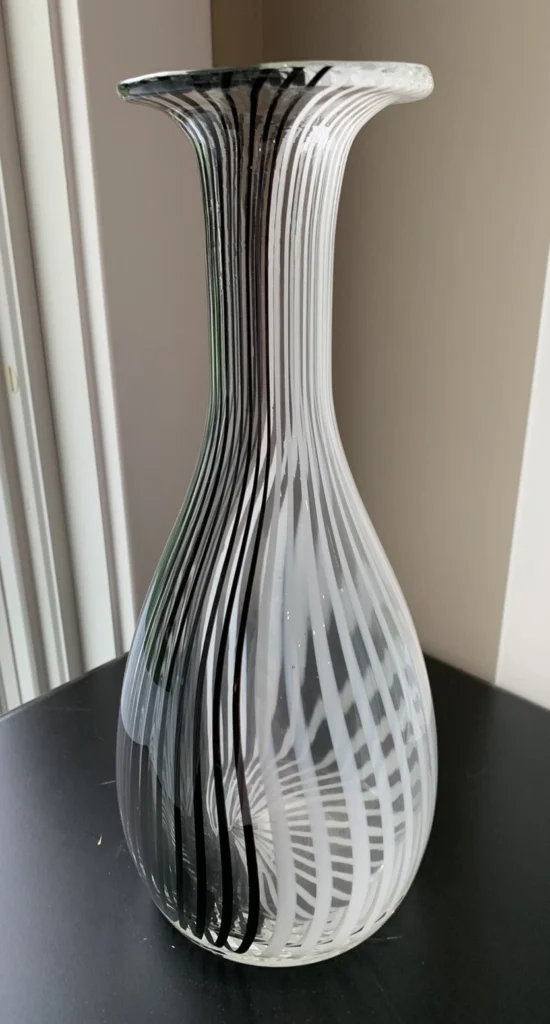
Tessuto pieces use tiny squares of cane that form a woven look, almost like fabric under glass. Martens designs can feel lively, with color combinations that pop without looking chaotic. Collectors chase these because the cane work takes time and the patterns are easy to spot across a room. Some shapes are classic vases, while others are more experimental with angled sides.
Check the pattern for crisp little squares rather than smeared blocks, since sharp definition is part of the appeal. Rim and base finishing should look neat, because rough grinding can drag down value. Martens pieces may be signed or labeled, but many buyers also rely on known series and trusted sellers. If the colors look flat and printed, it is worth being cautious, since true cane work has depth.
Carlo Scarpa for Venini Pennellate Vase
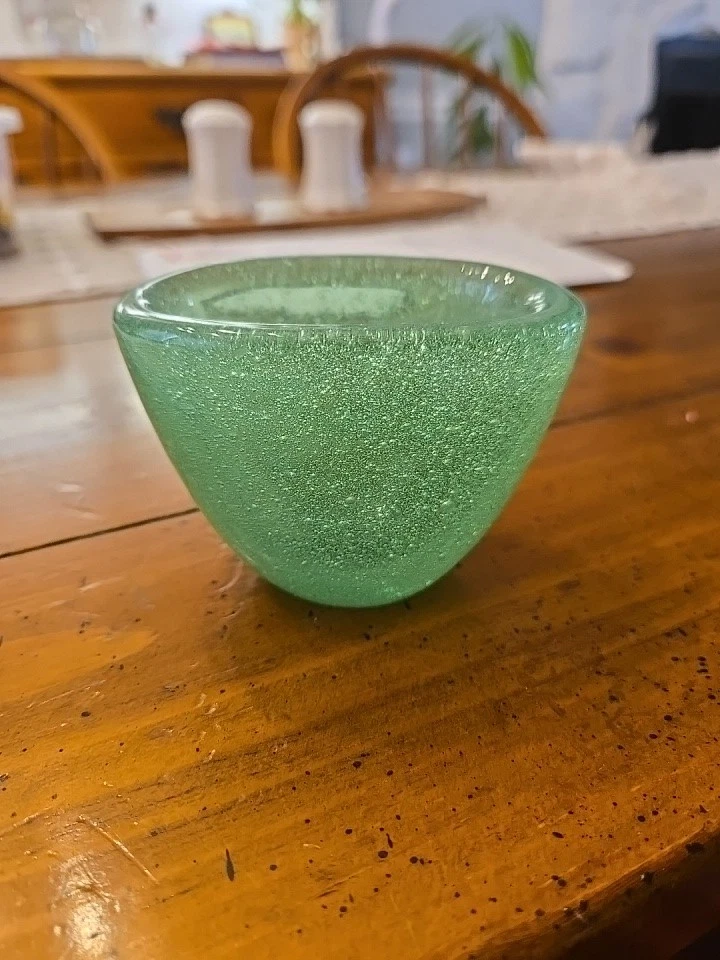
Pennellate means brushstrokes, and these pieces often show bold streaks of color that look painted into the glass. Scarpa designs can feel controlled and artistic at the same time, which is why collectors keep searching for them. The best examples show clean transitions, with color that seems to move without turning muddy. Shapes are often elegant, so the pattern and silhouette work together.
Look for good documentation when possible, since Scarpa attribution can bring higher prices and also attracts mislabeling. Venini marks can appear as a stamp or label, though older pieces can be unmarked. Condition matters a lot because scratches can interrupt the streak effect quickly. If the listing feels vague about maker and era, ask for base photos and any label remnants before buying.
Fratelli Toso Millefiori Bowl
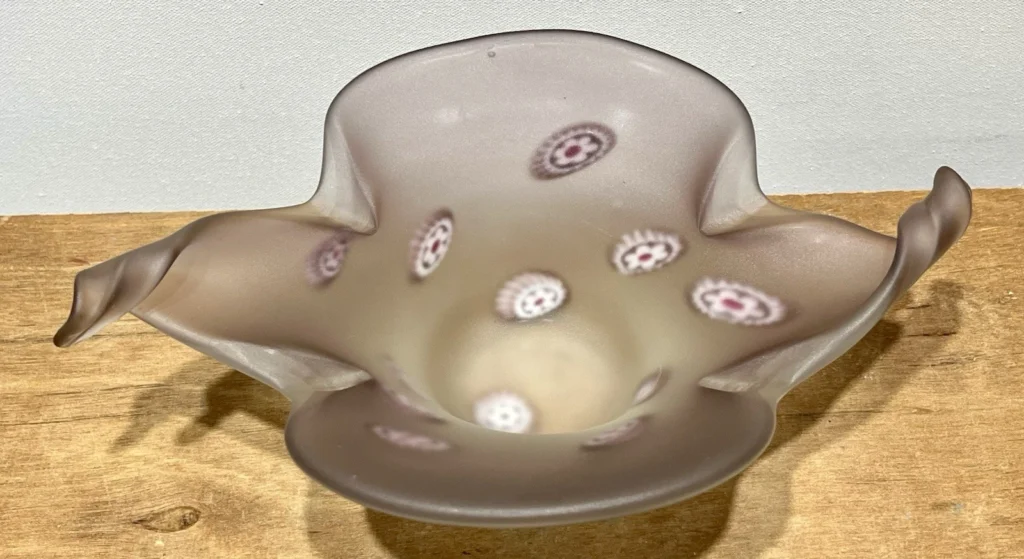
Millefiori bowls feature tiny flower-like cane slices that create a confetti pattern under clear glass. The cane slices should look crisp, with visible detail rather than blurry blobs. Collectors like these because they read cheerful and classic, and they work in many home styles. Some bowls are shallow and wide, while others are deeper and feel more like a centerpiece.
Check the rim carefully since chips can be easy to miss against the busy pattern. A clean, polished base is a good sign, especially if the piece is heavier and feels well made. Many are sold with labels that can be lost, so pattern quality and overall build help you judge. If the flowers look printed or too perfectly repeated, it may be a modern decorative piece rather than cane-work glass.
Ercole Barovier Art Deco Vase
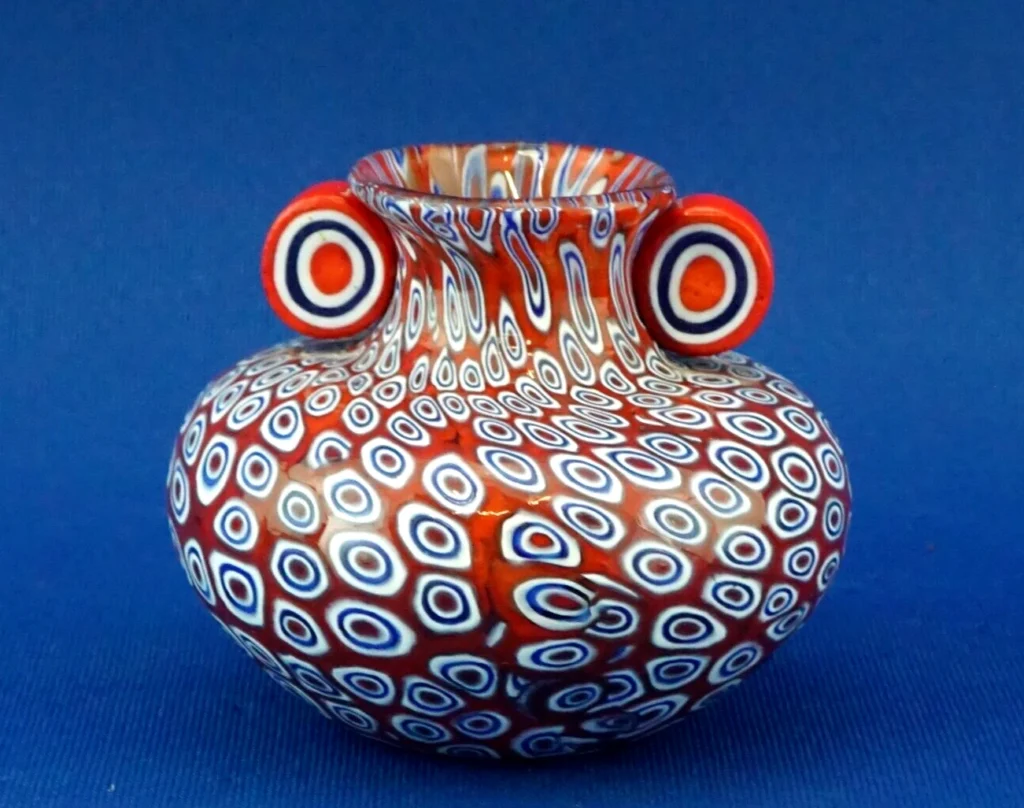
Art Deco Murano pieces often lean on strong geometry, rich color, and a sense of glamour without extra fuss. Barovier examples can show thick walls, neat symmetry, and finishes that feel intentional. Collectors like them because they connect to a clear design era and look striking on a shelf. Even smaller vases can feel substantial because the glass is often weighty.
Look for signs of careful polishing on the rim and base, since rough finishing can suggest a lower tier piece. Condition is key because chips and scratches stand out on clean Deco lines. Marks vary, and some pieces are identified by shape and known patterns rather than a clear signature. If a seller calls it Deco but the form looks overly curvy and modern, it may be a later style borrowing the name.
This article originally appeared on Avocadu.