
15 Store Brand Staples That Cook Like Name Brand
Store brand basics can cook and bake just as reliably as the name brand versions, so you can stock your pantry without paying extra for the label. This list focuses on the everyday ingredients that behave the way you expect when you are making dinner, baking, or meal prepping for the week. If you know what to grab, you can save money without changing how your food turns out.
This post may contain affiliate links, which helps keep this content free. Please read our disclosure for more info.
Store Brand All Purpose Flour
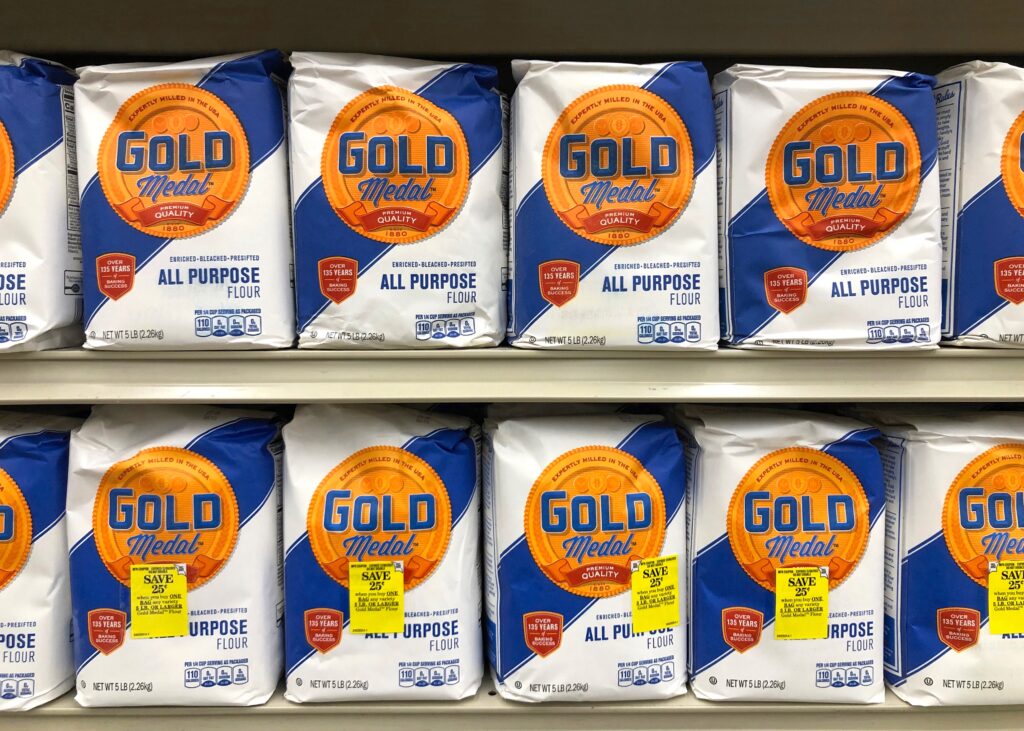
Store brand all purpose flour works for most everyday baking, from pancakes to banana bread to quick biscuits. If your recipe calls for measuring by cups, level it off and you will get steady results that feel familiar. For cookies, chilling the dough still matters more than the label on the bag. When you are breading chicken or thickening a stew, this flour behaves the same way in the pan.
If you bake often, keep a second bag in the freezer so it stays fresh and does not pick up pantry smells. For cakes that need a softer crumb, you can swap in cake flour, but for most home baking this one is enough. Stir the flour in the bag before scooping if it has been sitting, since it can settle a bit. When something turns out a little dense, it is usually from overmixing, not the flour brand.
Store Brand Granulated Sugar
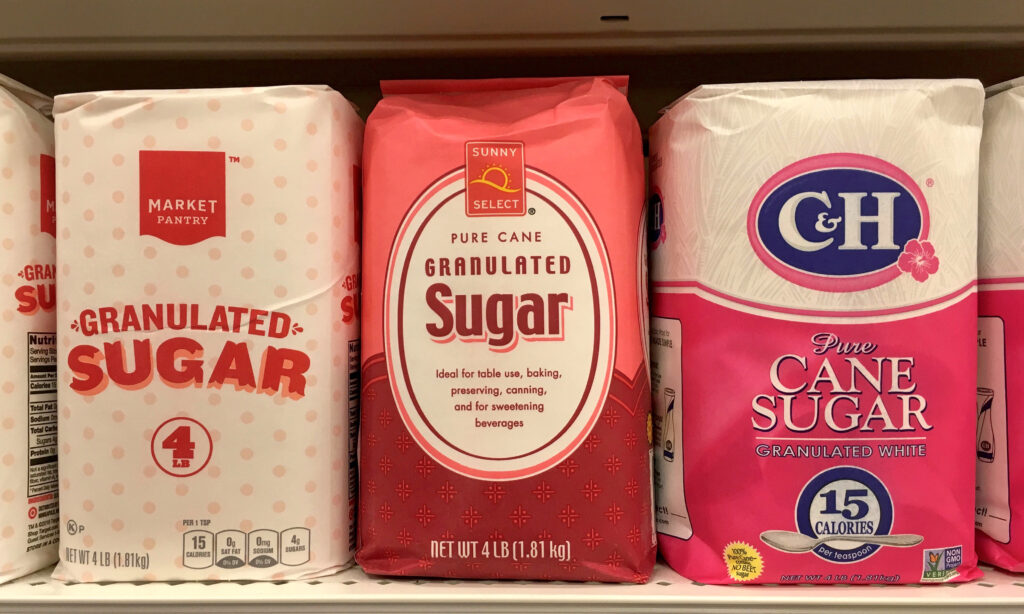
Store brand granulated sugar dissolves smoothly in batters, hot drinks, and simple syrups. In cookies, it helps with spread and crisp edges, and you will not notice a difference in taste. For whipped egg whites, add the sugar gradually so it melts in and keeps the foam glossy. If you are making a quick berry sauce, it melts fast once the fruit starts to bubble.
Keep it in an airtight container if your kitchen runs humid, since sugar can clump over time. When you are creaming butter and sugar, let the mixer run long enough to get that pale, fluffy look. For homemade lemonade or iced tea, warm a little water first to dissolve the sugar, then chill. If you want extra sparkle on muffins, sprinkle a pinch on top before baking.
Store Brand Brown Sugar
Store brand brown sugar brings the same soft chew and warm flavor to cookies, quick breads, and barbecue sauces. Pack it firmly in the measuring cup so you do not end up short, since that changes moisture fast. In oatmeal or sweet potatoes, it melts down into a smooth glaze without any fuss. If it feels a little dry, it will still bake fine once it hits the heat.
To keep it soft, tuck a slice of bread in the container or use a small clay sugar saver. When it hardens, microwave a bowlful with a damp paper towel for about 15 to 20 seconds and it loosens right up. Brown sugar also helps sauces thicken slightly as it simmers, which is handy for stir fry nights. If you are out, you can stir a little molasses into white sugar and keep cooking.
Store Brand Baking Powder
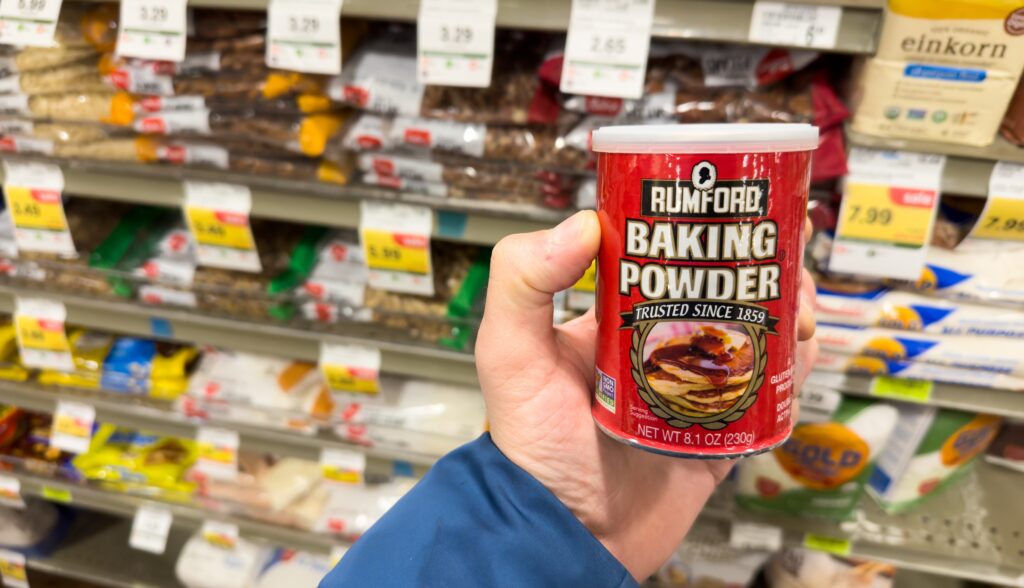
Store brand baking powder gives lift to muffins, pancakes, and biscuits as long as it is fresh. You will see the same quick rise when the batter hits heat, especially in the first few minutes of baking. For pancakes, do not overmix, since lumps are fine and a thick batter rises better. If your baked goods come out flat, check the date on the can before blaming the recipe.
Store it in a cool, dry spot and close the lid tight, because moisture can weaken it. You can test it by stirring a little into hot water, and it should fizz right away. When a recipe uses both baking powder and baking soda, it is usually balancing lift with flavor and browning. If you bake only once in a while, buy the smaller container so it stays active longer.
Store Brand Baking Soda
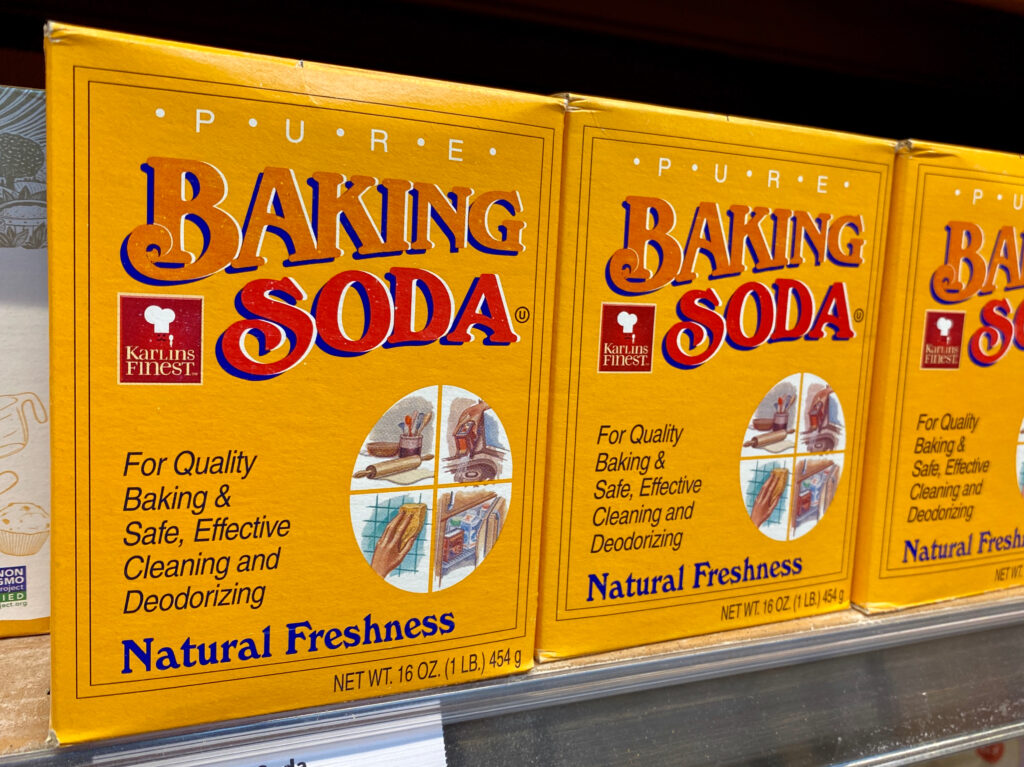
Store brand baking soda is a workhorse for cookies, banana bread, and quick breads with acidic ingredients like yogurt or buttermilk. It reacts fast, so once you mix the batter you should bake it sooner rather than later. In chocolate recipes, it can deepen the color and mellow the sharpness of cocoa. It also helps brown foods like roasted veggies when you use it in tiny amounts in a marinade.
Keep the box sealed or pour it into a jar, since it can absorb odors if it sits open. If your cookies taste a little soapy, that is usually from using too much, not from the store brand. Baking soda is also handy for cleaning, but use a different box for that so your food stays fresh. When you are unsure, measure carefully and level the spoon, because a little goes a long way.
Store Brand Cornstarch
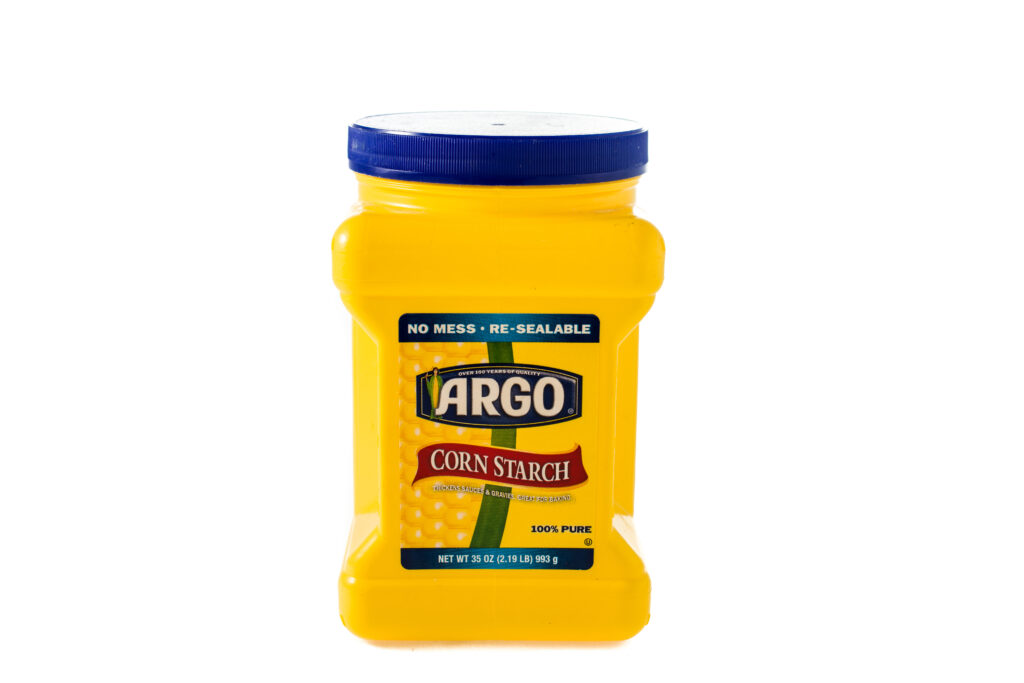
Store brand cornstarch thickens sauces and soups just like the name brand boxes do. Mix it with cold water first to make a smooth slurry, then whisk it into the hot liquid. In stir fry sauce, it gives that glossy, clingy finish that makes dinner feel like takeout. For cookies, a spoonful can make the texture a little softer and more tender.
Do not boil a cornstarch thickened sauce too hard for too long, since it can thin out again. If you are thickening a fruit filling, let it bubble gently so the starch cooks and loses any raw taste. Cornstarch also helps keep shredded cheese from clumping when you toss a pinch in, which is useful for casseroles. When you run out, arrowroot can work too, but cornstarch is usually the easiest pantry pick.
Store Brand Old Fashioned Oats
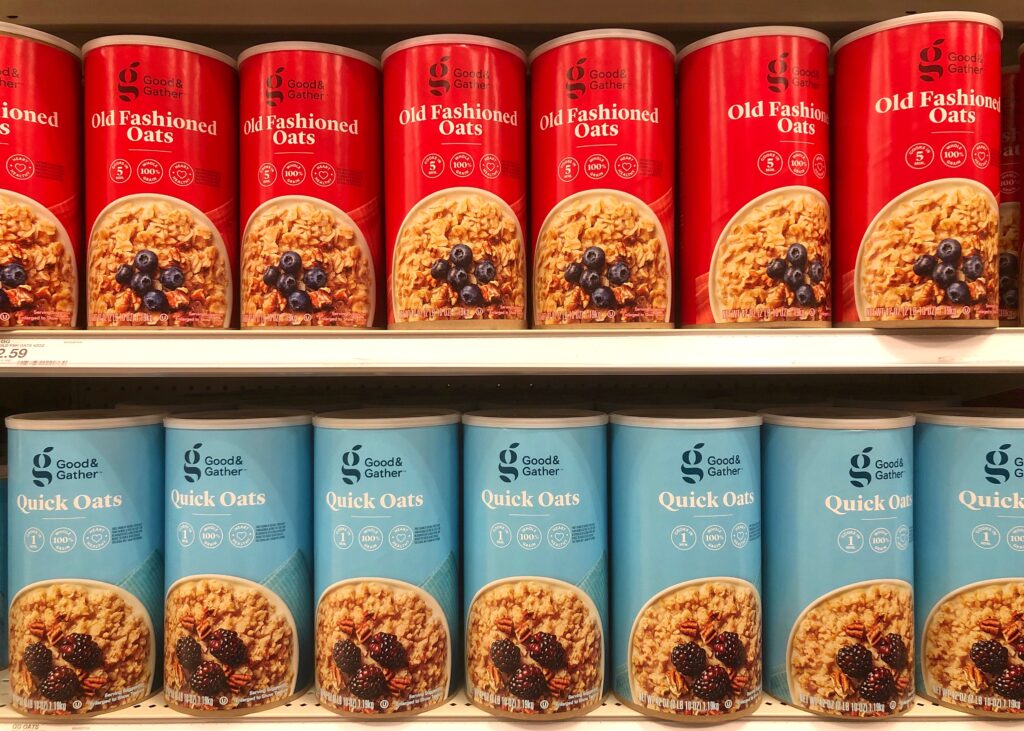
Store brand old fashioned oats cook into creamy oatmeal and they bake into chewy cookies with the same familiar bite. For breakfast, simmer them a few minutes longer if you like them softer, or keep it short for more texture. They also hold up well in baked oat bars and granola because the flakes stay sturdy. If you toast them in a dry pan first, they smell nutty and taste richer.
Store oats in a sealed container, especially if you live somewhere warm, since they can pick up smells. For overnight oats, let them sit at least four hours so they soften fully. Oats can also stretch meatloaf or veggie burgers, and they help everything stay together. When you want quick blending for smoothies, pulse them into oat flour and use it the same day.
Store Brand Long Grain Rice
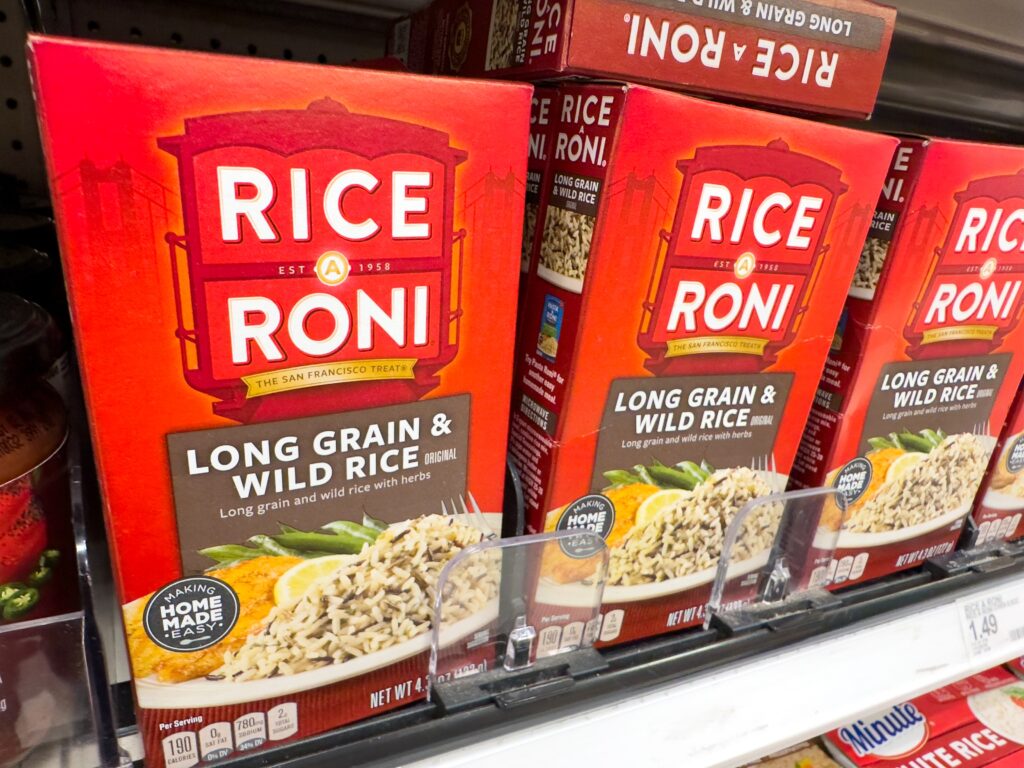
Store brand long grain rice cooks up fluffy and separate when you rinse it first and keep the lid on. It works for weeknight bowls, stir fries, and simple chicken and rice dinners. For the best texture, toast it in a little oil for a minute before adding water or broth. If you are meal prepping, it reheats well with a splash of water and a quick stir.
Use a 2 to 1 water to rice ratio for many brands, but check the bag since it can vary slightly. Let it rest off the heat for 10 minutes, then fluff with a fork, and it will not get gummy. Rice also does great in soups, but add it near the end so it does not soak up all the broth. If it sticks, lower the heat next time, because gentle simmering makes the biggest difference.
Store Brand Pasta
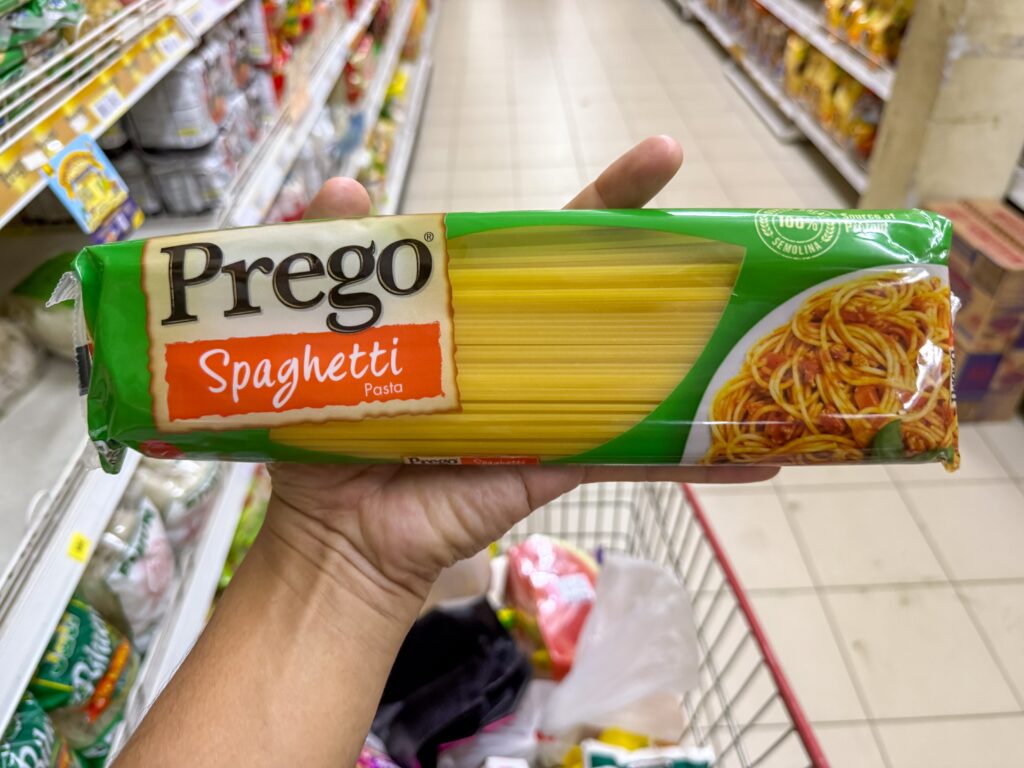
Store brand pasta holds its shape and cooks evenly as long as you salt the water and do not overcook it. For simple dinners, the texture is all about timing, so start tasting a minute before the box says it is done. Short shapes like penne and rotini catch sauce well, which makes them great for picky eaters. If you are making baked pasta, undercook it slightly so it stays firm in the oven.
Use a big pot of water so the noodles have room to move and do not clump. Save a mug of pasta water before draining, since that starchy water helps sauce cling better. For pasta salad, rinse quickly after draining so it cools and does not keep cooking. When you are stocking up, grab a few shapes so you can match the noodle to the sauce.
Store Brand Canned Tomatoes
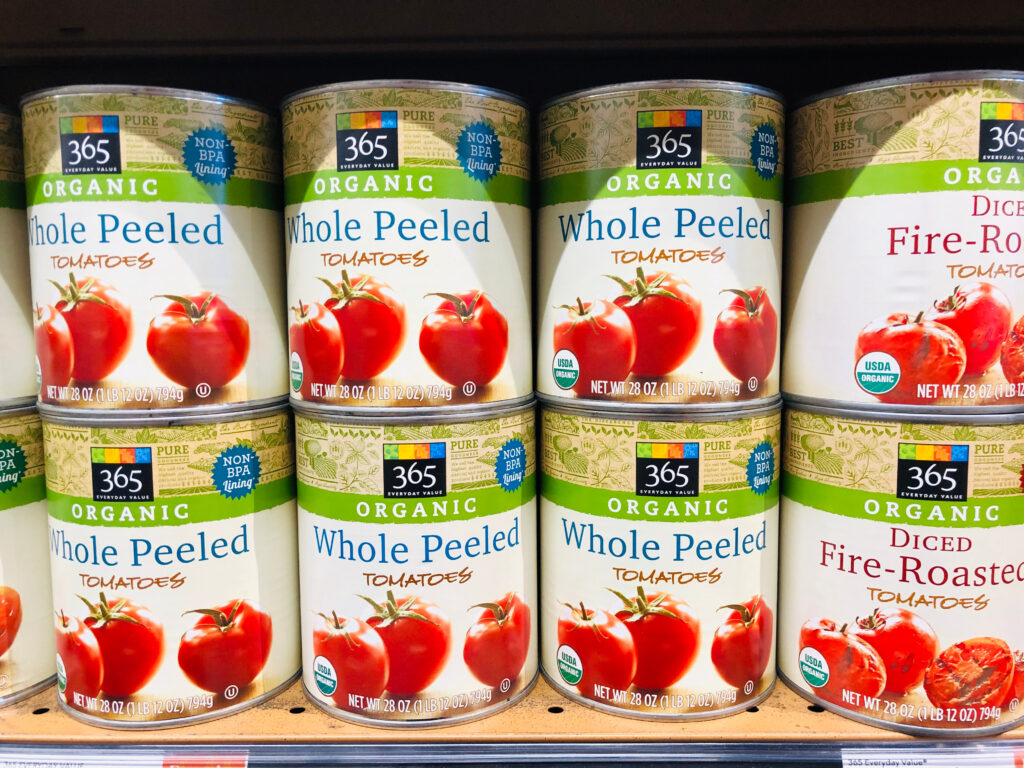
Store brand canned tomatoes are a staple for chili, pasta sauce, and quick soups, and they usually taste just as bright once they simmer. If you find a can that is a little acidic, a small pinch of sugar or a knob of butter can smooth it out. Crushed tomatoes make an easy base, while diced tomatoes keep more texture for chunky sauces. For pizza sauce, you can blend them with garlic, salt, and herbs and call it done.
Look for labels that say whole peeled tomatoes if you want the best texture for slow sauce. If the tomatoes seem watery, simmer uncovered to thicken and deepen the flavor. A splash of vinegar or lemon at the end can wake up a pot that tastes flat, especially in winter. Once opened, store leftovers in a glass jar in the fridge and use within a few days.
Store Brand Chicken Broth
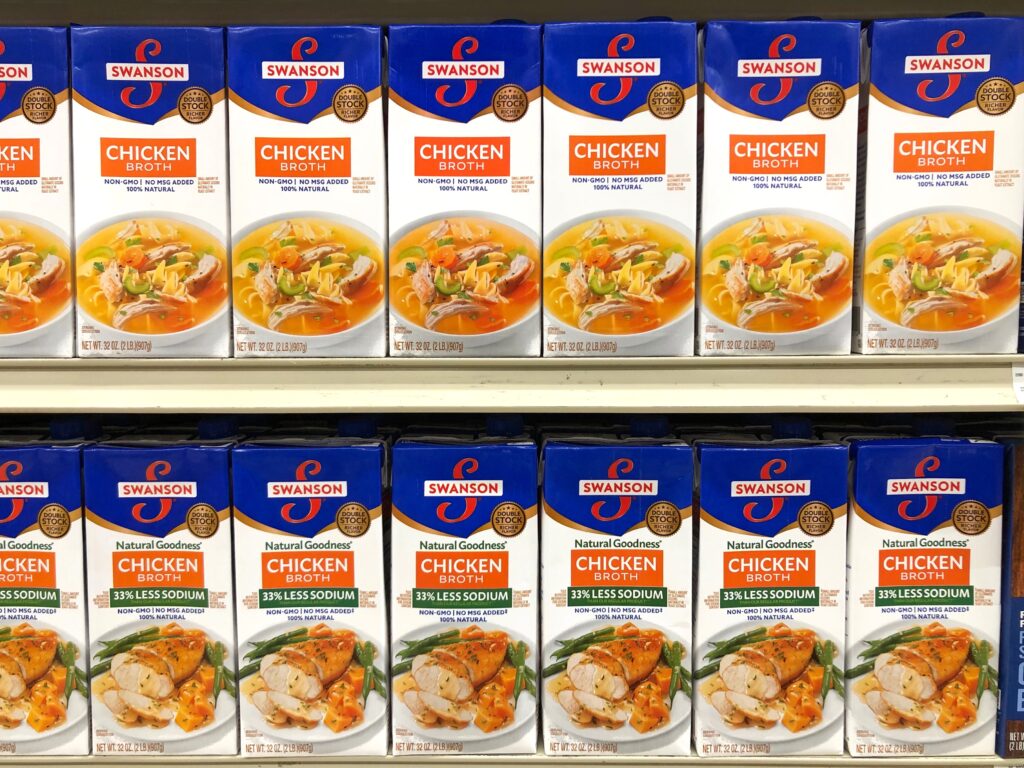
Store brand chicken broth is perfect for cooking rice, making soups, and adding flavor to mashed potatoes. If it tastes a bit mild, you can reduce it for a few minutes or add a pinch of salt to bring it forward. It works well for deglazing a pan after cooking chicken, since it lifts the browned bits quickly. For kids, it keeps sauces and gravies tasting familiar without being heavy.
Check the sodium level before you season, because some cartons are already salty. Broth also freezes well in ice cube trays, so you can pop out small amounts when you need a quick splash. When you are making soup, add broth in stages so you can control thickness as the ingredients cook down. If you want a richer taste, stir in a little butter at the end and it feels more like homemade stock.
Store Brand Frozen Mixed Vegetables
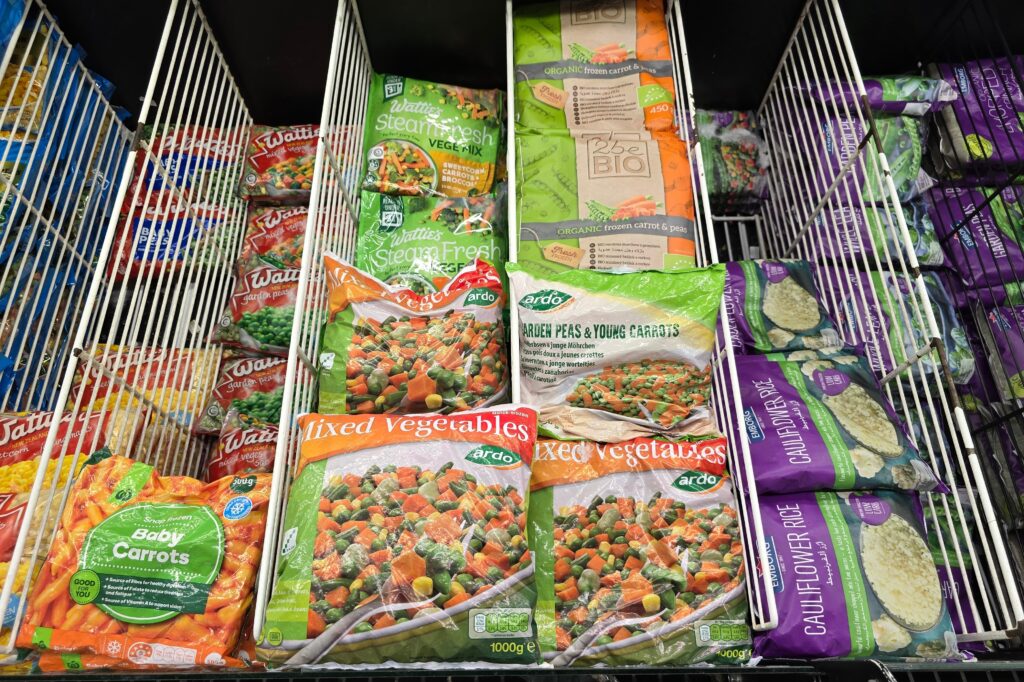
Store brand frozen mixed vegetables are one of the easiest ways to add color and crunch to weeknight meals. They work well in fried rice, chicken pot pie filling, and simple noodle soups. Since they are already chopped, you can pour them straight into the pan and get dinner moving fast. For the best texture, cook them quickly on higher heat so they stay bright instead of turning mushy.
If you are roasting them, spread them out and use a hot sheet pan so they brown instead of steaming. Stir them into macaroni and cheese to sneak in veggies without a big fuss. They also make a quick side with butter and a pinch of salt, especially when you are low on fresh produce. Keep a few bags on hand, because they save you on nights when you do not want to chop anything.
Store Brand Shredded Cheese
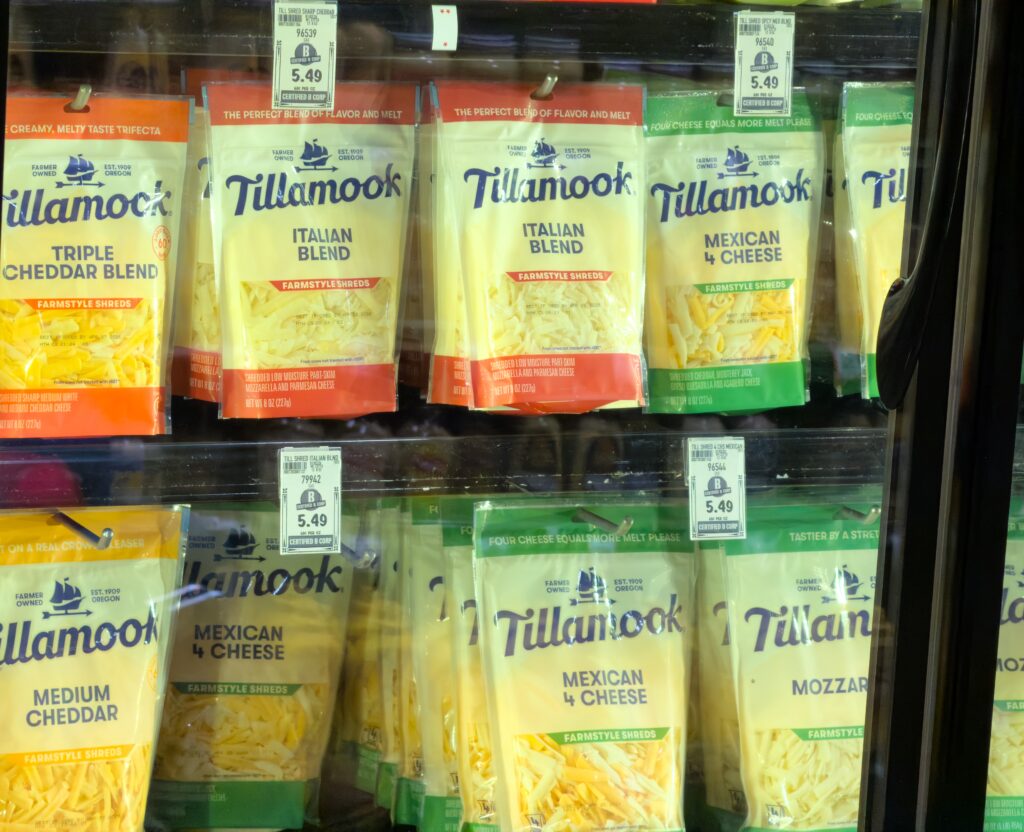
Store brand shredded cheese melts well for tacos, quesadillas, casseroles, and quick baked potatoes. For a smoother melt, add it gradually and keep the heat low so it does not separate. Pre shredded cheese often has a light coating to prevent clumping, and it still works fine in most recipes. If you want the meltiest results for sauces, shredding a block yourself usually helps more than changing brands.
Store it sealed and use a clean hand or spoon so it lasts longer in the fridge. Mix two cheeses, like cheddar and mozzarella, for better stretch and flavor in baked dishes. In omelets, add it near the end so it melts without getting rubbery. If you notice the bag getting dry, toss it into soups or casseroles where it melts into the dish anyway.
Store Brand Butter or Unsalted Butter Sticks
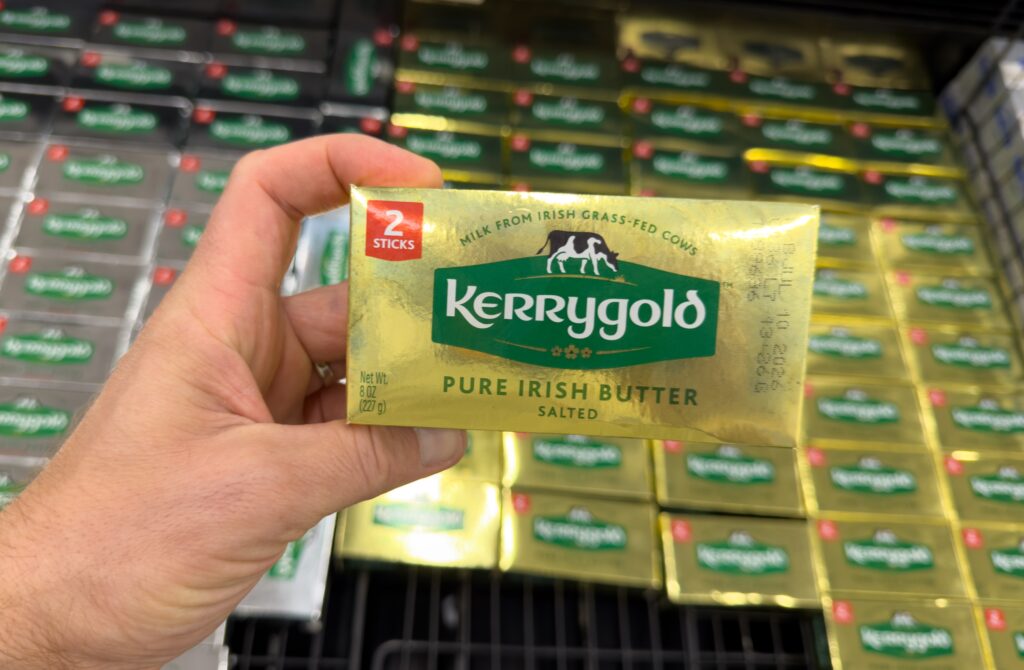
Store brand butter browns, melts, and bakes just like name brand sticks in cookies, cakes, and skillet dinners. Unsalted butter gives you more control, so you can season as you go and keep flavors steady. When you are creaming butter for baking, let it sit at room temperature so it mixes smoothly with sugar. For sautéing, a little butter plus a little oil keeps it from burning too fast.
Butter also makes vegetables taste better fast, especially with a quick squeeze of lemon. If you are baking pie crust, keep it cold and cut it in well, because temperature matters more than the label. You can freeze extra sticks and they thaw quickly in the fridge overnight. When a recipe needs melted butter, cool it slightly first so it does not scramble eggs in the batter.
Store Brand Olive Oil
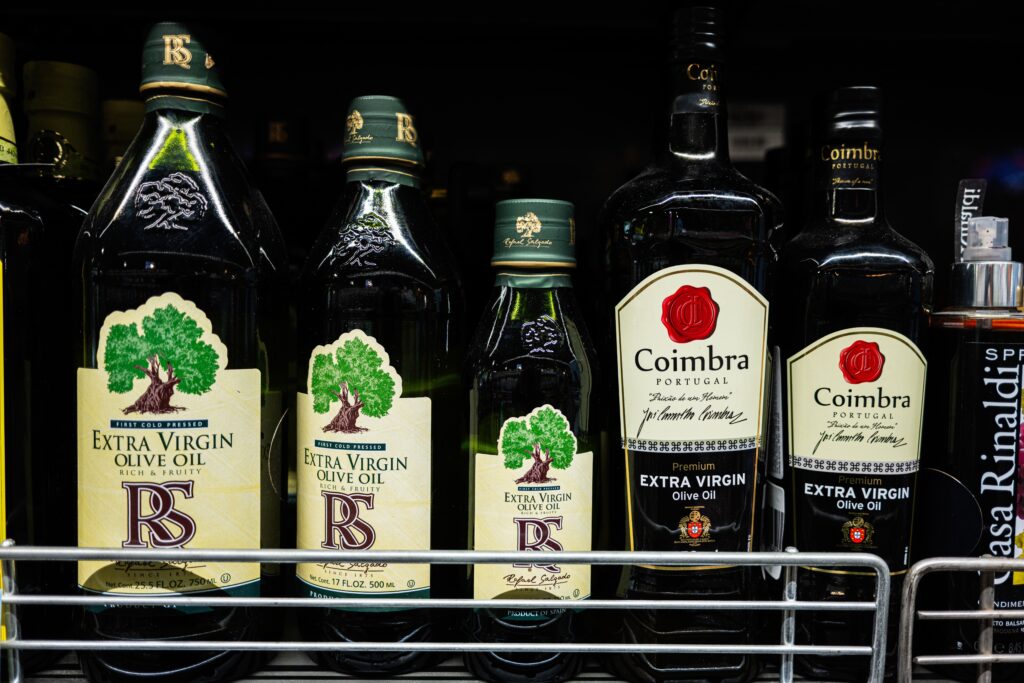
Store brand olive oil works for roasting vegetables, cooking eggs, and making simple dressings. For sautéing, use medium heat and keep an eye on the pan, since olive oil can smoke if it gets too hot. It is also great for marinades, because it carries garlic and herbs across meat and veggies. If you use it for a quick pasta finish, a drizzle adds a nice silky feel without much effort.
Look for extra virgin for salads and finishing, and regular olive oil for higher heat cooking. Keep the bottle away from the stove if possible, since heat and light can make it taste stale. A pinch of salt and a splash of vinegar turns it into an instant dressing that works on almost anything. When you find one you like, write the date on the bottle so you remember to use it up while it still tastes fresh.
This article originally appeared on Avocadu.