
11 Indoor Seedling Problems That Show Up In Early March And Fixes
As the days get longer, early March is the perfect time to check on your indoor seedlings. Some common problems start to crop up this time of year, like weak stems or faded leaves. The good news is that most of these problems have simple fixes. Let’s explore how to address these issues and keep your seedlings growing strong.
This post may contain affiliate links, which helps keep this content free. Please read our disclosure for more info.
Yellowing Leaves from Overwatering
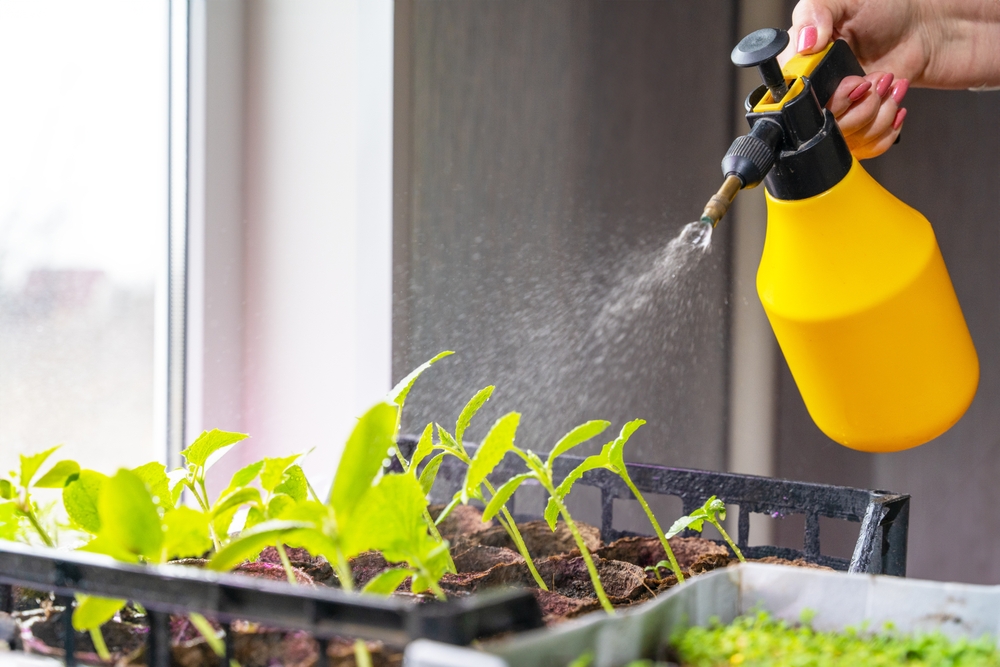
Overwatering is one of the most common problems that seedling owners face. When seedlings receive too much water, the roots become waterlogged, leading to yellowing leaves and root rot. In March, as the temperature rises, it’s easy to forget that seedlings still need less water during the early stages of growth. If you notice your seedlings’ leaves turning yellow, it’s time to check the moisture level of the soil.
The best fix for overwatering is to let the soil dry out before watering again. Be sure the pot has good drainage to allow excess water to escape. Reduce watering frequency during the early spring months and always check the moisture with your finger before adding water. With time and attention, your seedlings should regain their vibrant color.
Leggy Seedlings from Insufficient Light
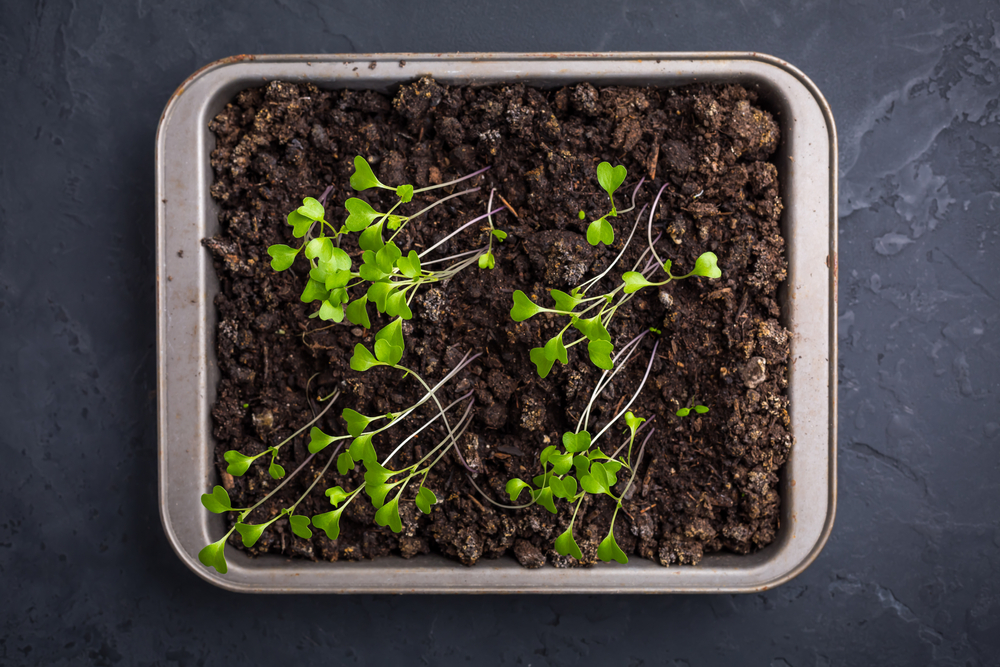
In March, seedlings may become leggy or stretch out toward a light source. This is typically due to insufficient light, which causes them to elongate in search of more. Indoor seedlings may also suffer from light that’s too weak or indirect, especially if they are placed far from windows. As the days grow longer, it is important to provide them with more direct light to prevent this issue.
To correct leggy growth, move your seedlings closer to a brighter window or provide supplemental grow lights. Ensure your seedlings get at least 10-14 hours of light each day. You can also rotate your seedlings regularly to ensure they grow evenly. Adjusting their position can help them become more compact and healthy.
Root Bound Seedlings

Root-bound seedlings occur when their roots outgrow the space in their pots, leading to a cramped environment that restricts growth. This is often the case when seedlings are left in small pots for too long, especially in early spring. If your seedlings are growing slowly or the soil seems compacted, it could be because their roots have nowhere to go. Their growth will be stunted until they are given more room.
To fix root-bound seedlings, gently remove them from their pots and examine the roots. If the roots have started circling around the pot, cut them back slightly to promote new growth. Repot your seedlings into a larger container with fresh, well-draining soil. This will give the roots the space they need to expand and flourish.
Drooping Seedlings from Underwatering

Underwatering can cause seedlings to droop, especially when they do not get enough moisture to support their growth. As March weather fluctuates, it can be difficult to maintain consistent watering routines, and seedlings may dry out quickly if they’re not getting enough water. If your seedlings appear wilted or limp, it’s a clear sign that they need more water.
To fix this issue, water your seedlings thoroughly until the soil is evenly moist, but not soggy. Make sure the water drains well from the bottom of the pot. It’s important to maintain a regular watering schedule, but be cautious not to overwater, as that can lead to other problems. With consistent care, your seedlings will perk up and continue to grow strong.
Brown Leaf Tips from Low Humidity
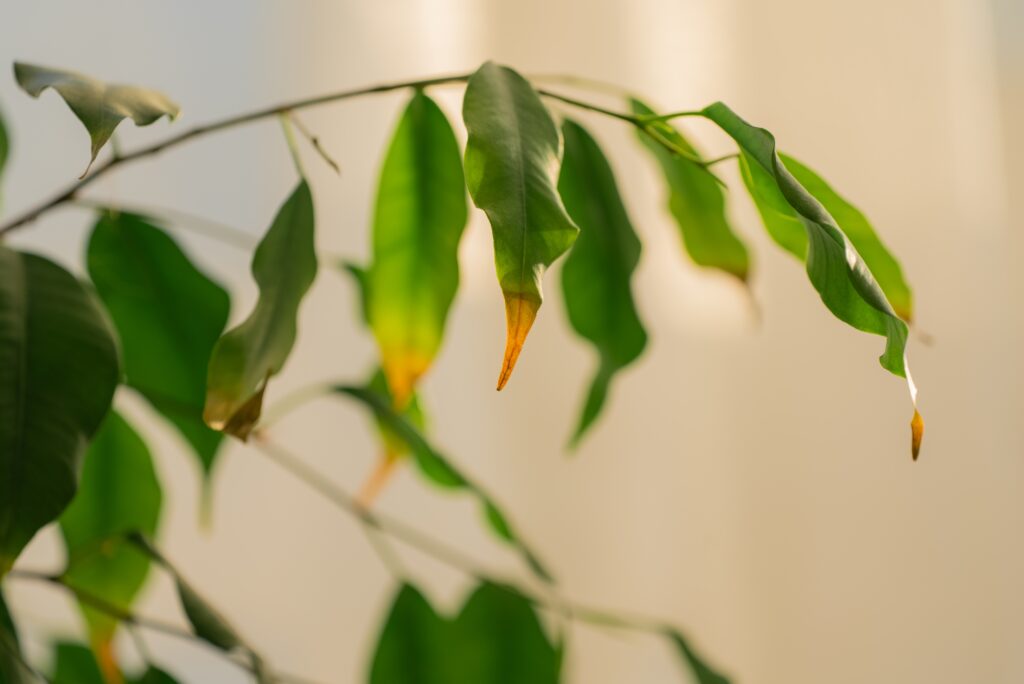
Indoor seedlings often struggle with low humidity levels, especially as the weather begins to warm up in March. When the air is dry, the tips of the leaves can turn brown, and the plants can suffer from stress. This issue is particularly common in areas with forced heat or during periods of low rainfall. If you notice your seedlings’ leaves starting to brown, it could be due to low humidity.
To increase humidity, consider using a humidifier near your seedlings or placing a tray of water and pebbles beneath them. Misting the leaves lightly with water can also help increase moisture in the air. Additionally, grouping your plants together can create a more humid microenvironment. With these changes, your seedlings will be more comfortable in drier conditions.
Nutrient Deficiency
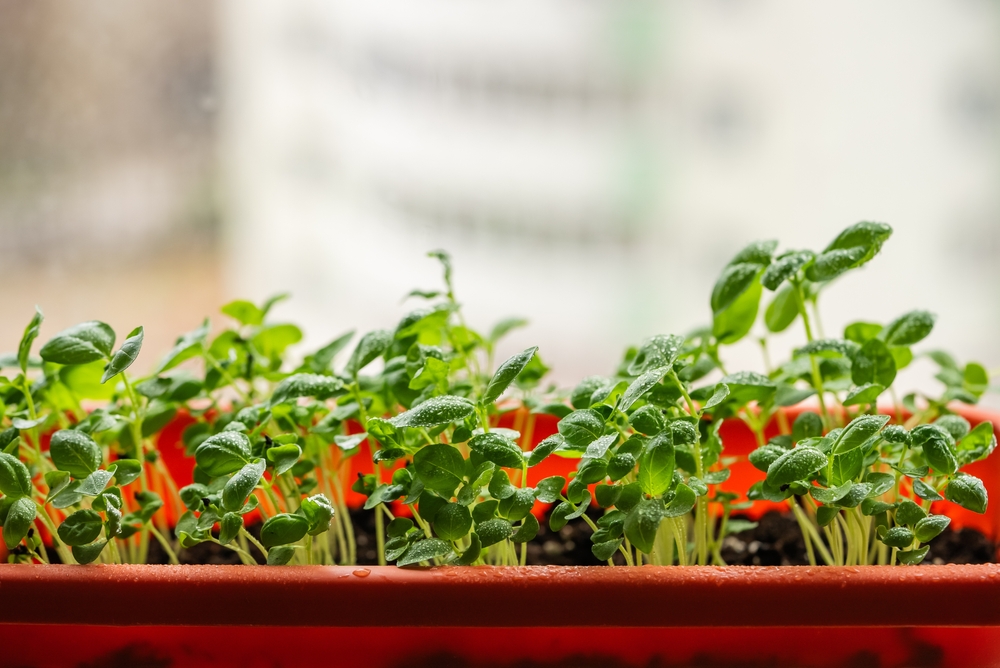
Nutrient deficiencies can cause various symptoms in seedlings, such as pale or discolored leaves and stunted growth. In early March, seedlings that have been growing for a few weeks may begin showing signs of lacking key nutrients like nitrogen, phosphorus, or potassium. If your seedlings seem unhealthy despite proper watering and light, a nutrient imbalance may be to blame.
To address this, apply a balanced, water-soluble fertilizer designed for seedlings. Follow the instructions carefully to avoid overfeeding, which can lead to further problems. It’s also important to choose a fertilizer that contains micronutrients like iron and magnesium, which are essential for healthy growth. By replenishing the nutrients, you will help your seedlings thrive.
Pests Invading Your Seedlings
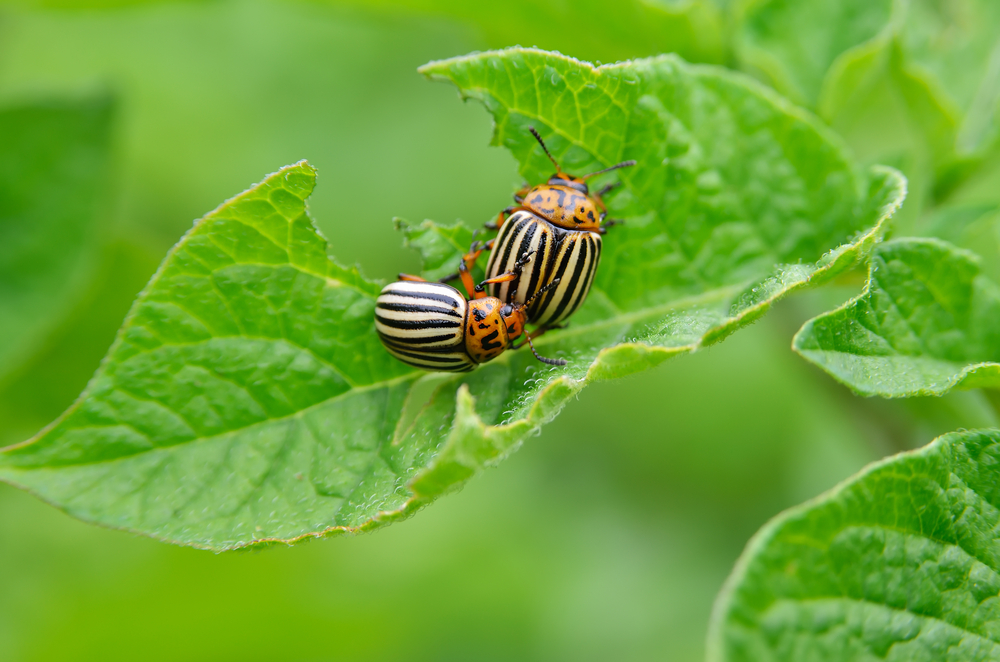
Pests can be a problem for seedlings in early March as the temperatures rise and the environment becomes more favorable for insects. Common pests like aphids, spider mites, and whiteflies can damage seedlings by sucking sap from the leaves or stems. These pests can stunt growth or even kill your plants if left untreated.
To control pests, regularly inspect your seedlings for signs of infestations. A mild solution of soapy water can be used to gently wash off insects from the leaves and stems. Alternatively, natural predators like ladybugs can help control pest populations. If the infestation is severe, consider using an organic insecticide to protect your plants.
Overcrowded Seedlings
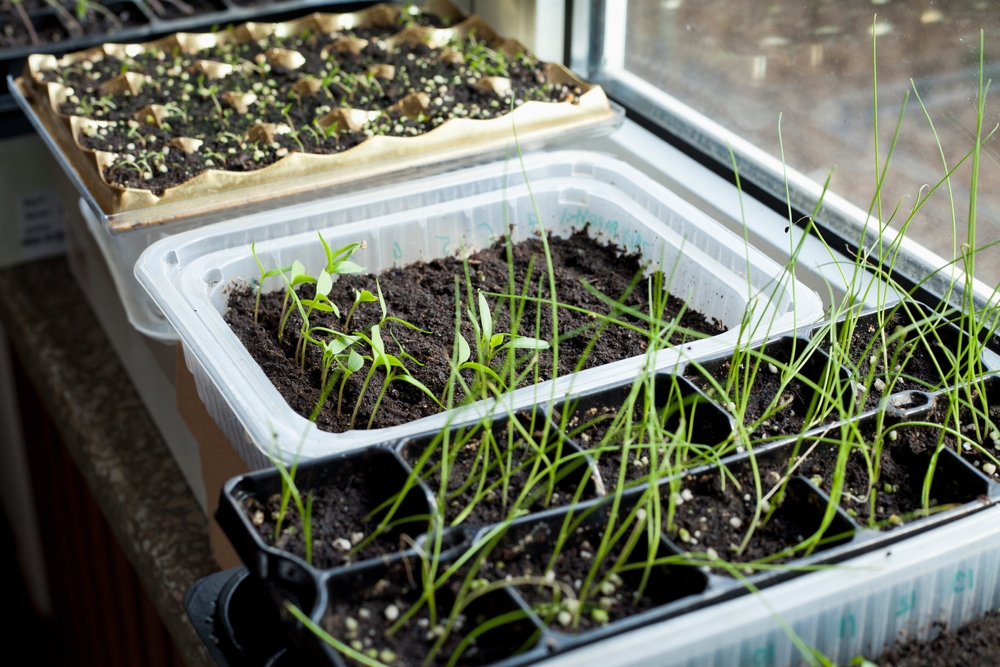
When seedlings are planted too close together, they compete for light, water, and nutrients, which can stunt their growth. This issue often arises when too many seeds are planted in a single pot or tray. Overcrowding can cause seedlings to become leggy and weak, making them more susceptible to disease and pests. In March, as seedlings start to grow, you may notice them struggling due to lack of space.
To fix overcrowding, thin out the weaker seedlings and transplant the stronger ones into larger pots. Give each plant enough space to allow air circulation around its leaves. This will help prevent the spread of diseases and encourage healthy root development. By providing each seedling with more room, you’ll ensure a healthier growth environment.
Transplant Shock
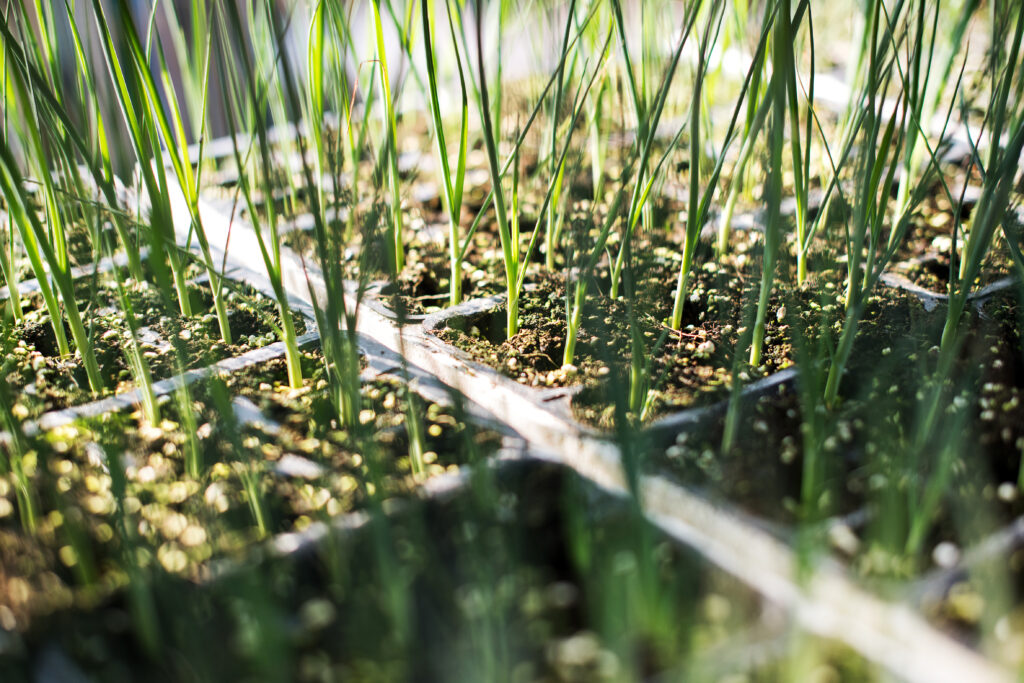
Transplant shock occurs when seedlings are moved to a new location, whether that’s a larger pot or a different environment. This is common in early March when gardeners begin repotting their seedlings in preparation for warmer weather. The stress of being moved can cause seedlings to droop, wilt, or stop growing altogether. This problem often arises if the seedlings are not properly hardened off before transplanting.
To minimize transplant shock, be sure to gradually acclimate your seedlings to their new environment. Start by placing them outside for a few hours a day, gradually increasing their exposure to outdoor conditions. When transplanting into a new pot, make sure the soil is fresh and nutrient-rich, and handle the seedlings carefully. With patience and proper care, your seedlings will bounce back quickly from transplant shock.
Root Rot from Poor Drainage
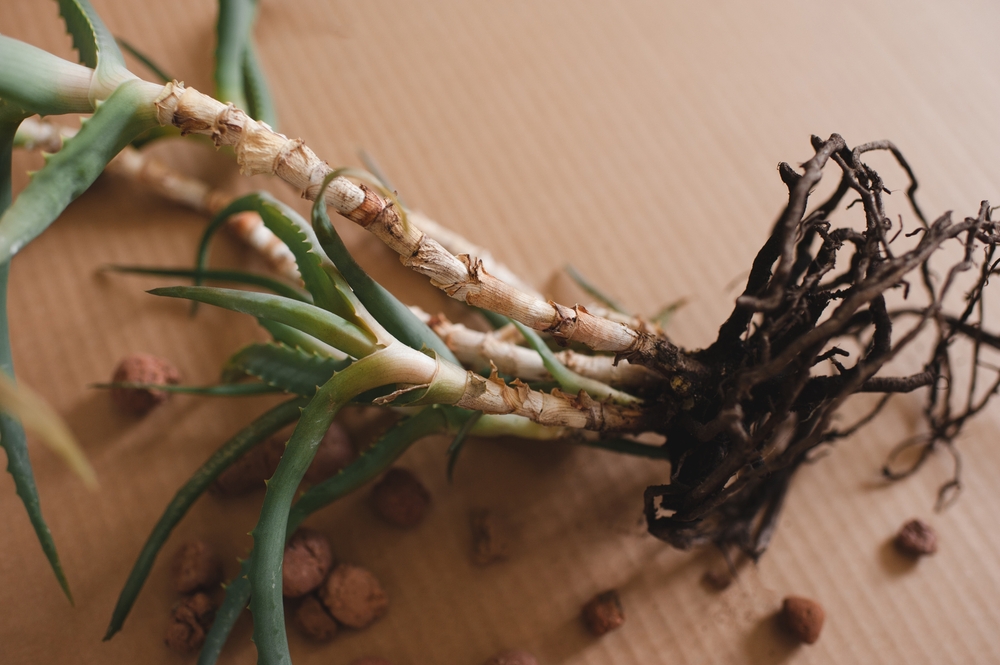
Root rot is a serious issue that can occur when seedlings are planted in containers with poor drainage. In March, as you begin moving your seedlings into larger pots, it’s important to make sure the pots have drainage holes. Without proper drainage, excess water will pool at the bottom of the pot, leading to root rot, which causes roots to decay and the plant to die.
To prevent root rot, always use containers with drainage holes and ensure the soil is well-draining. You can also add perlite or sand to the soil mix to improve drainage. If you notice a foul smell or blackened roots, it’s time to repot your seedlings in fresh, dry soil. By ensuring proper drainage, you’ll help your seedlings thrive in their new environment.
Poor Air Circulation

Lack of air circulation can lead to weak, leggy seedlings that struggle to grow. Early March is a time when indoor environments can become stagnant, especially when windows are closed to keep out the cold. Without proper airflow, seedlings are more likely to suffer from fungal diseases or inadequate growth.
To solve this problem, make sure your seedlings are placed in a well-ventilated area. You can use a small fan to circulate the air around your plants or simply open a window occasionally to refresh the indoor air. If possible, group plants together to create a natural air exchange. Good airflow helps prevent the buildup of moisture that could lead to mold or mildew.
This article originally appeared on Avocadu.