
15 Old Silver and Silverplate Pieces Worth Checking for Hallmarks
Old silver and silverplate pieces can hide a lot of clues in tiny stamps and symbols. A quick look for hallmarks can tell you who made an item, where it came from, and sometimes when it was produced. This list covers a handful of common pieces that are worth flipping over and checking before you pass them by.
This post may contain affiliate links, which helps keep this content free. Please read our disclosure for more info.
Victorian Silverplate Serving Tray
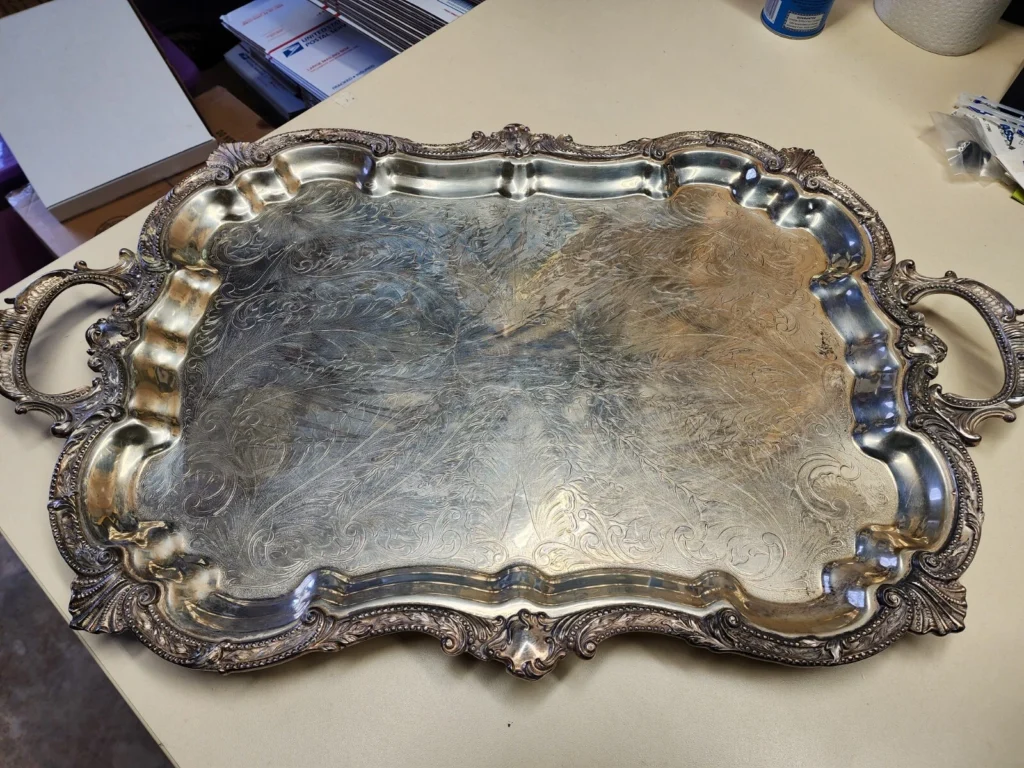
A big Victorian silverplate tray is usually worth flipping over because makers often stamped full names, city marks, and pattern numbers on the back. Look along the rim, near a handle base, or close to the foot ring since those are common spots for marks. These trays can feel heavy for their size, and that weight can hint at better plating and a sturdier base metal. If the surface shows fine scratching and soft shine instead of mirror gloss, it often still cleans up nicely without looking overly new.
When you spot a crest or monogram, check whether it is engraved into the metal or just part of the pattern. Many trays were wedding gifts, so initials are common and do not always hurt value if the piece is attractive. Watch for peeling plate at the high points like the center well and the outer edge, since that can be hard to live with. A gently worn tray with clear stamps can be a better buy than a perfect one with no readable markings.
Edwardian Silverplate Tea Set
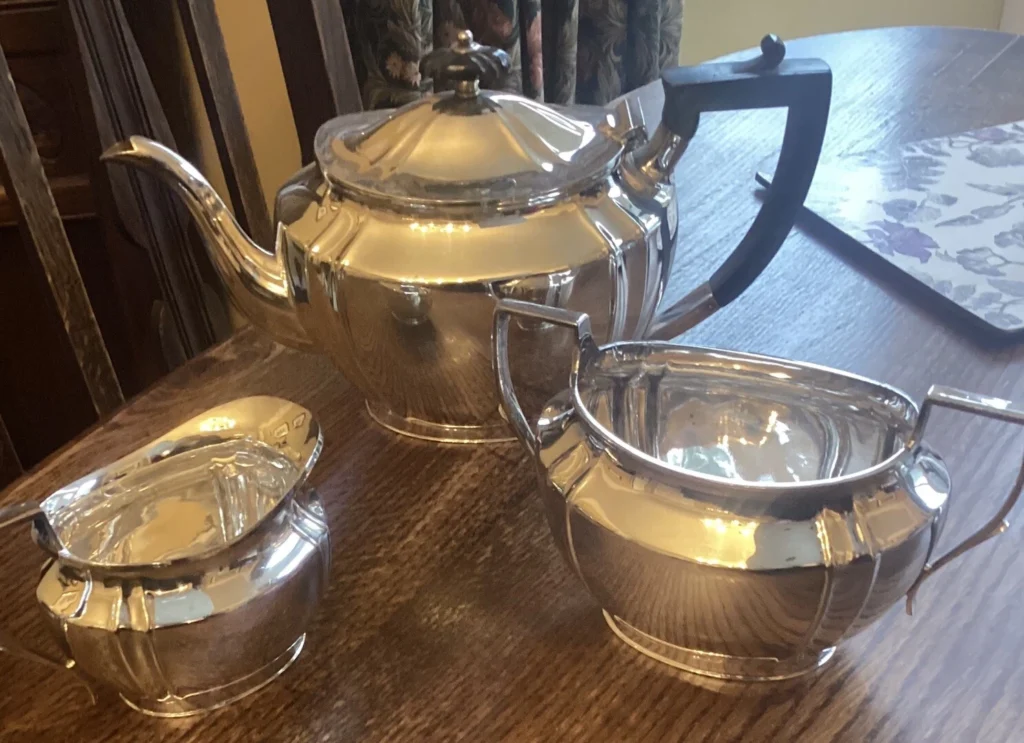
Edwardian tea sets tend to have multiple pieces, and each one may carry a slightly different stamp, so it pays to check every pot and lid. Look under the teapot, sugar bowl, creamer, and tray because marks can be missing on one part but clear on another. Many sets have registration numbers, pattern codes, or a maker name plus a symbol, and those details can help you match stray pieces later. The nicer sets often have crisp edges and tight-fitting lids that do not wobble when you lift them.
Feel the handles and finials, since bone, wood, and early heat-resistant materials can show up, and those details can help date a set. If a piece is dented, do a quick check that the lid still seats properly and the spout is not pinched shut. Light tarnish is normal and usually not a problem, but dull gray patches might point to worn plating around the hand-contact areas. If the stamps include a hotel or steamship name, that can be a fun bonus and sometimes adds interest for collectors.
Art Nouveau Silverplate Cake Stand
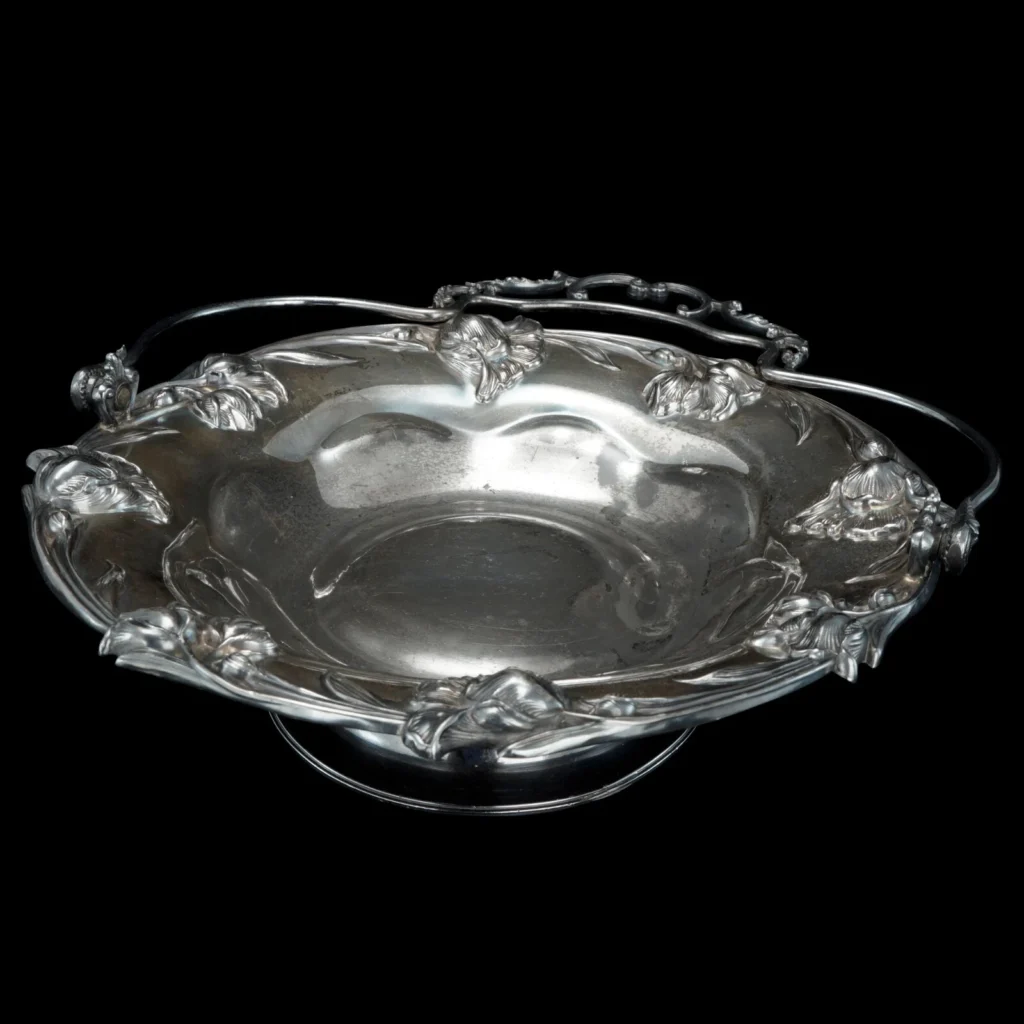
Art Nouveau cake stands often have flowing lines, flowers, and whiplash curves, and those fancy designs can hide hallmarks in unexpected places. Check under the base, around the stem, and even under a removable plate if the top lifts off. Some stands have a separate glass insert or a plate that sits into a silverplate gallery, so you may have marks on the metal and a separate mark on the glass. The best examples feel stable and do not rock when you press lightly on the edge.
Look closely at the raised details, since worn plating tends to show first on leaves, petals, and scrollwork. If the stand has a twist-off stem, make sure it tightens smoothly and does not cross-thread, because loose parts can be annoying on display. Hairline cracks in a solder seam can happen on older stems, so a quick peek where the stem meets the base is worth it. A clear maker stamp paired with a strong, clean design is usually what makes these stand out.
Art Deco Silverplate Cocktail Shaker
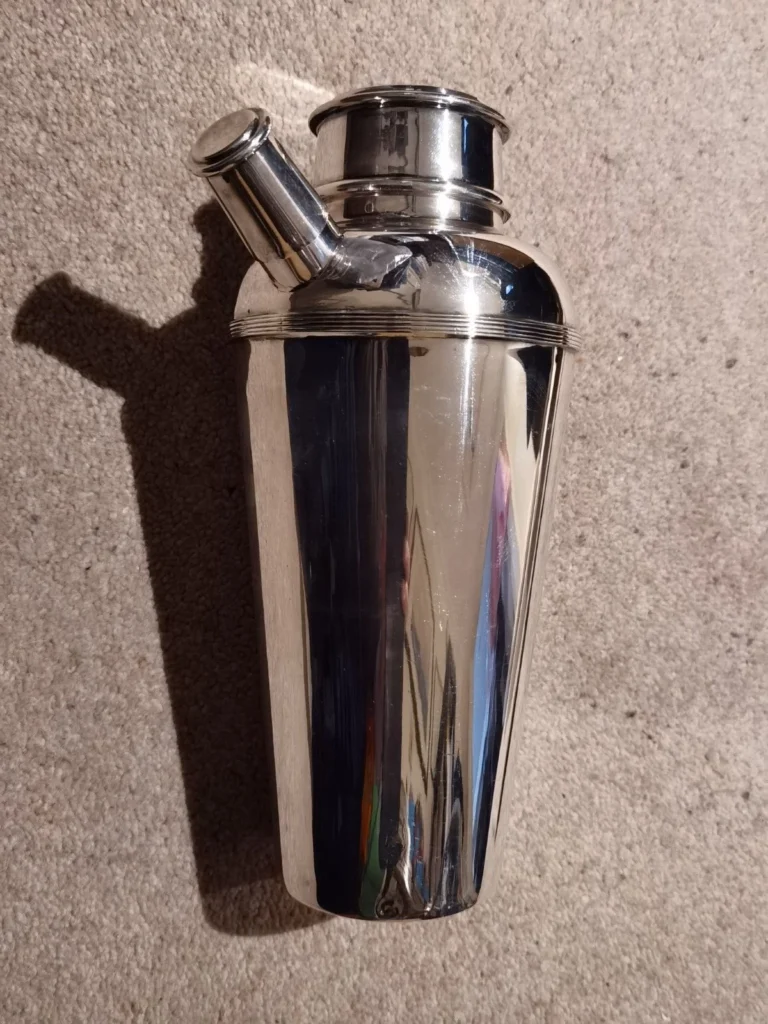
Art Deco shakers are fun because they often have clean geometry, stepped shapes, and bold silhouettes, and makers tended to mark them clearly. Flip the shaker and check the underside, then check the cap and strainer section too because marks can appear on multiple parts. Many sets were sold with matching cups or a tray, and those extras may carry the clearest stamp if the shaker base is worn. A good shaker should screw together smoothly and feel snug without grinding.
Open it and look for old dried residue, since that is common and usually cleans out with patience, warm water, and mild soap. If the plating is thin at the top edge or the cap, you may see warm brass tones peeking through where hands touched it most. Check for dents on the body, because even small ones can throw off the look of a clean Deco silhouette. If you find a maker name plus a model number, write it down, since it can help you track matching pieces later.
Mid Century Silverplate Coffee Service
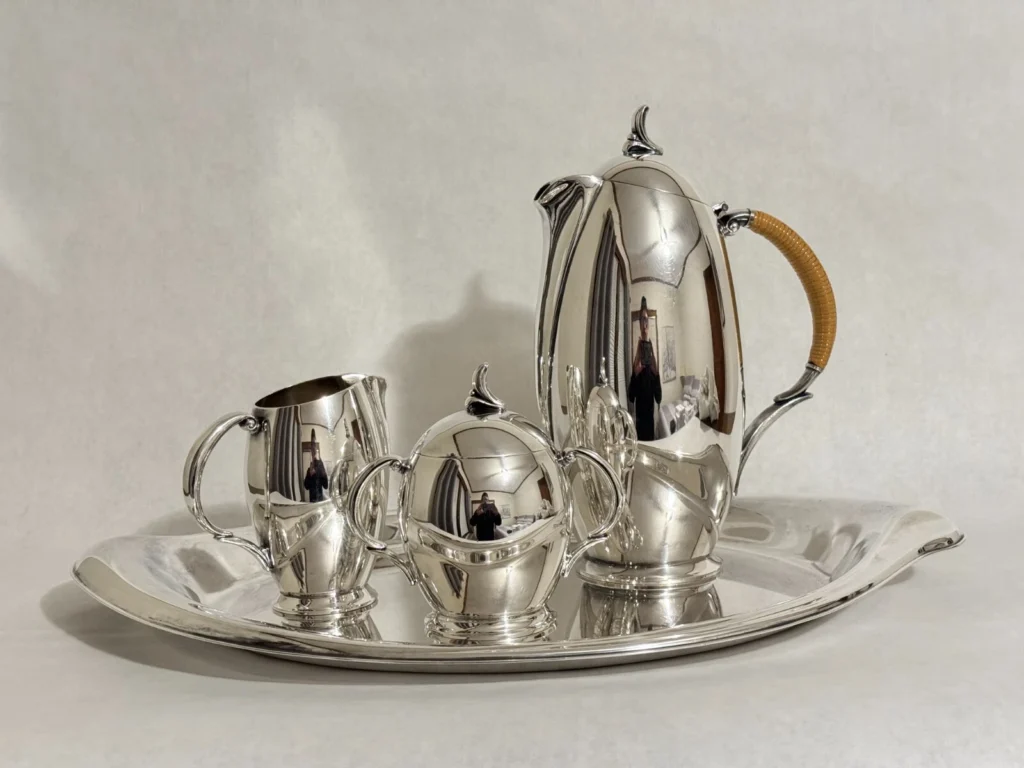
Mid century silverplate coffee services often have long, simple lines and minimal decoration, which makes condition and maker marks extra important. Look under the coffee pot, creamer, sugar, and tray for stamps that list the company, country, and sometimes the plating grade. Some modern-looking sets are actually earlier than you think, so the mark style can help narrow the time period. A heavier pot with a solid base and a lid that closes neatly usually feels more useable and less flimsy.
Check the handle material, because plastic can crack and wood can dry out, especially near the heat points. If the pot has a hinged lid, open and close it a few times to see if it binds or sits crooked. Mid century pieces often show plating wear on sharp corners and spouts, so scan those areas in good light. Even a slightly worn set can look great on a shelf if the shape is strong and the stamp is easy to read.
Silverplate Egg Coddler Set
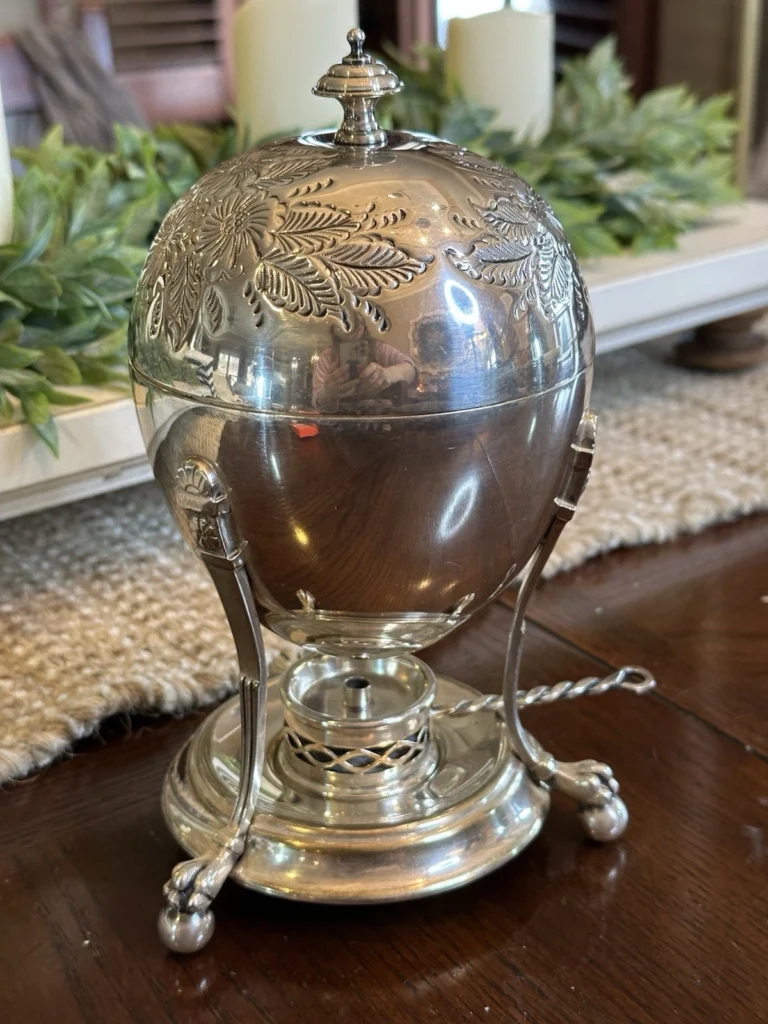
Silverplate egg coddlers can be small and easy to overlook, but the marks are often clear because makers stamped the bases and sometimes the lids. Check the underside of each cup and the inside of any silverplate holder or rack that came with the set. Many coddlers were used hard, so it is common to see discoloration, light pitting, or a dull finish from repeated heat and washing. The nicer ones still have clean threads and lids that tighten without slipping.
Make sure any liners or inserts are present, since some sets used porcelain or glass interiors that can get separated over the years. If a lid is stuck, do not force it in a shop, but you can look for stress lines or bends that hint at damage. Sets with matching stamps across all pieces are more satisfying to collect, so compare marks from cup to cup. A complete set with a rack can look charming on display even if you never plan to cook with it.
Silverplate Chafing Dish
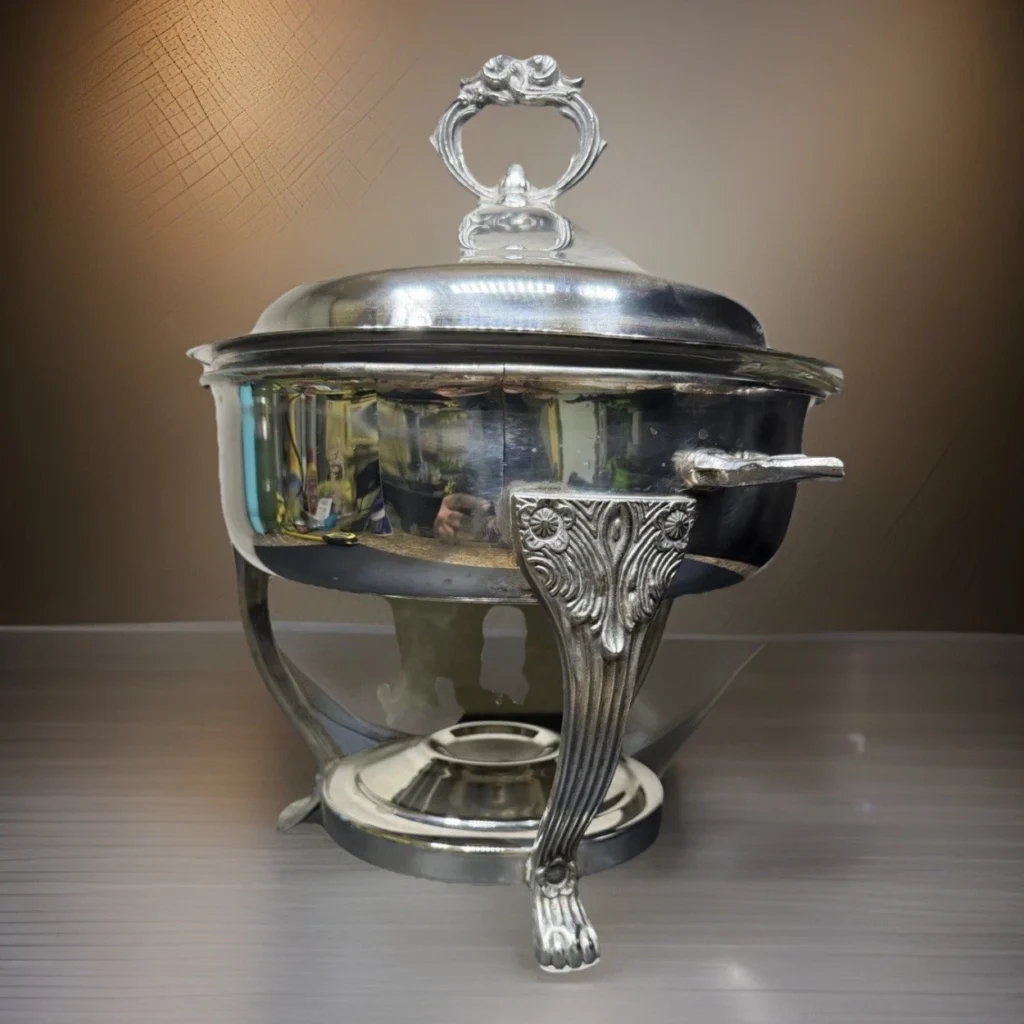
A silverplate chafing dish is a good hallmark candidate because it typically has several parts, and at least one part usually carries a strong stamp. Look under the main base, along the frame, and on the underside of the insert pan, plus any burner or stand piece. Some older dishes have a separate liner or a ceramic insert, so check both the metal and the insert for maker clues. The most common wear shows up on the rim where the lid sits and on the handles where people lifted it.
If the chafing dish has a burner, inspect it for dents and check that any cap or snuffer still fits. Missing parts are common, so a quick count of what is there can keep you from buying a project you did not want. Light surface tarnish is fine, but deep dark spotting can mean the plating is thin in those areas. When you find a clear maker stamp and the dish feels solid, it can be a surprisingly good pickup.
Silverplate Covered Vegetable Dish
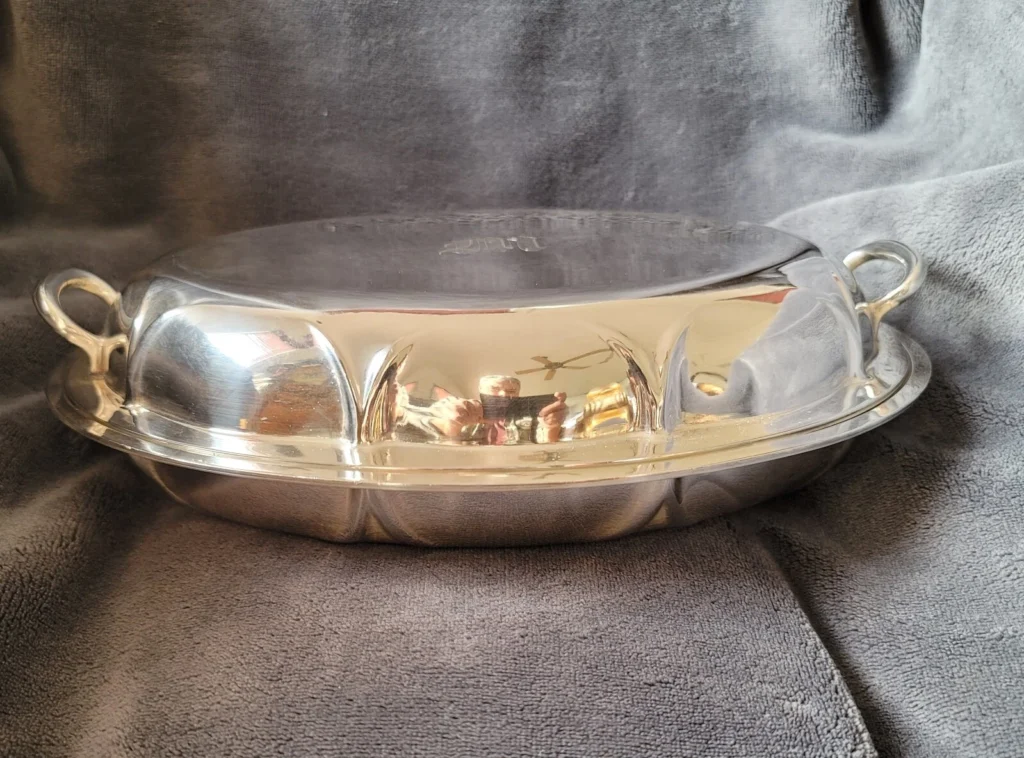
Covered vegetable dishes often look similar at first glance, but hallmarks can reveal the maker, pattern line, and sometimes the original intended set. Check under the dish, under the lid, and near the handle attachments, because some companies stamped multiple spots. A well-made piece has a lid that seats evenly and does not slide around when you lift it by the handle. The underside can show whether it lived on a hot buffet line, since heat can discolor metal over time.
Look at the inside surface for scratches from serving spoons, which is normal, and check for any flaking plate around the rim. If you see a faint coppery or yellow tone at the high points, that is a sign the plate is wearing, but it might still display well. Pattern names or numbers can help you match pieces later, so take a photo of the stamp if you can. Even with a small monogram, these can be useful on a table and look nice paired with other serving pieces.
Silverplate Butter Dish With Lid
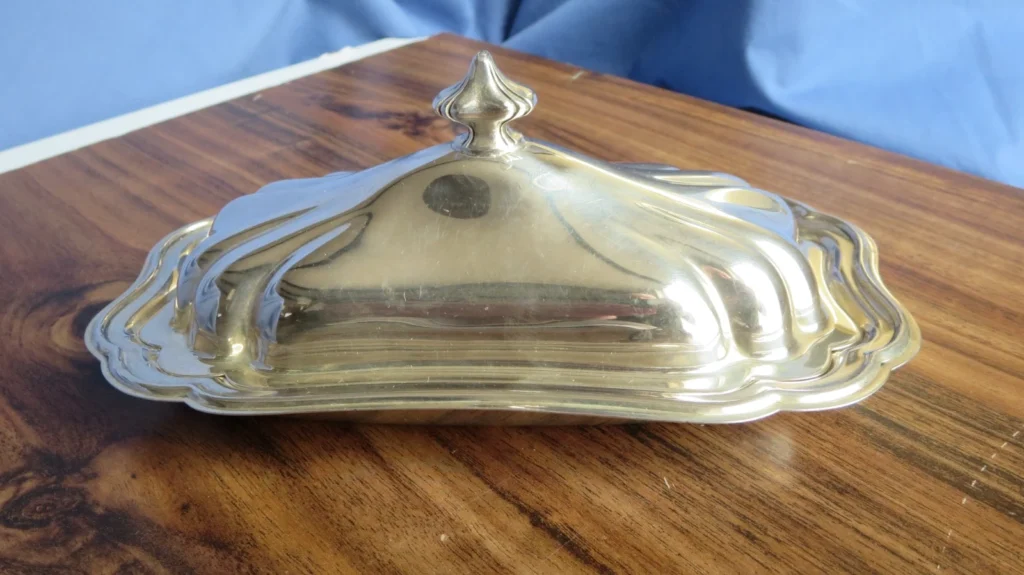
Butter dishes are great to check because they are small, common, and often marked clearly on the base. Flip it over and look for a maker name, symbol, or a plating designation, then check the underside of the lid as well. Many butter dishes have a glass insert, and those can crack or go missing, so confirm what the piece is supposed to include. A clean edge and a lid that sits straight make a big difference in how it looks on a counter.
Look for wear on the inner rim where the lid rubs, since that contact point can show thin plating. If the lid has a knob, check it for looseness and check for hairline splits if it is attached with a screw. Some butter dishes were part of hotel service sets, and those can have interesting stamps that feel a bit different from home pieces. When you find one with crisp marks and minimal wobble, it is an easy grab.
Silverplate Sugar Bowl and Creamer Set
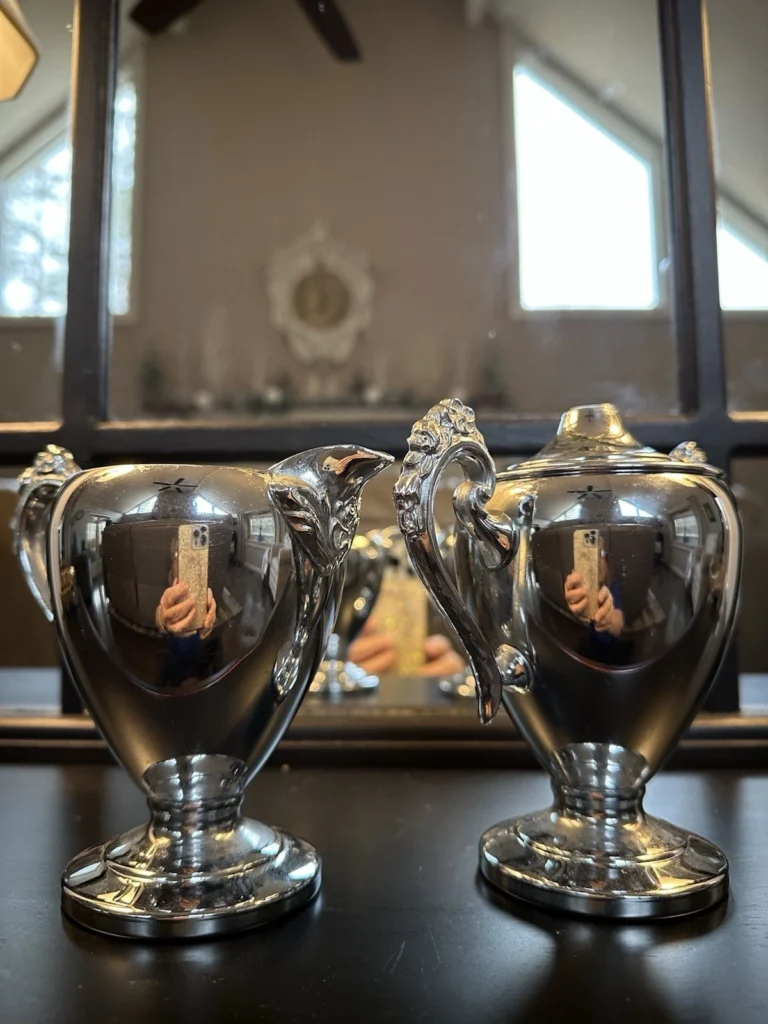
Sugar and creamer sets are classic thrift store finds, and they are often stamped on the bottom in a way that is easy to read. Check both pieces because sometimes the creamer has the clearer mark, especially if the sugar bowl saw more polishing. These sets can be surprisingly varied, from fancy scroll designs to simple shapes, so the maker stamp helps you figure out what you are looking at. If there is a matching tray, check it too, because trays sometimes show a different stamp or a pattern number.
Look at the spout edge on the creamer, since worn plating often shows there first from wiping and pouring. If the sugar bowl has a lid, check that it fits snugly and that the finial is not bent. A bit of tarnish is normal, but dark crust around seams can mean trapped grime, so decide if you want a cleaning project. A matched set with consistent stamps usually looks more collected and less random on a shelf.
Silverplate Bread Basket
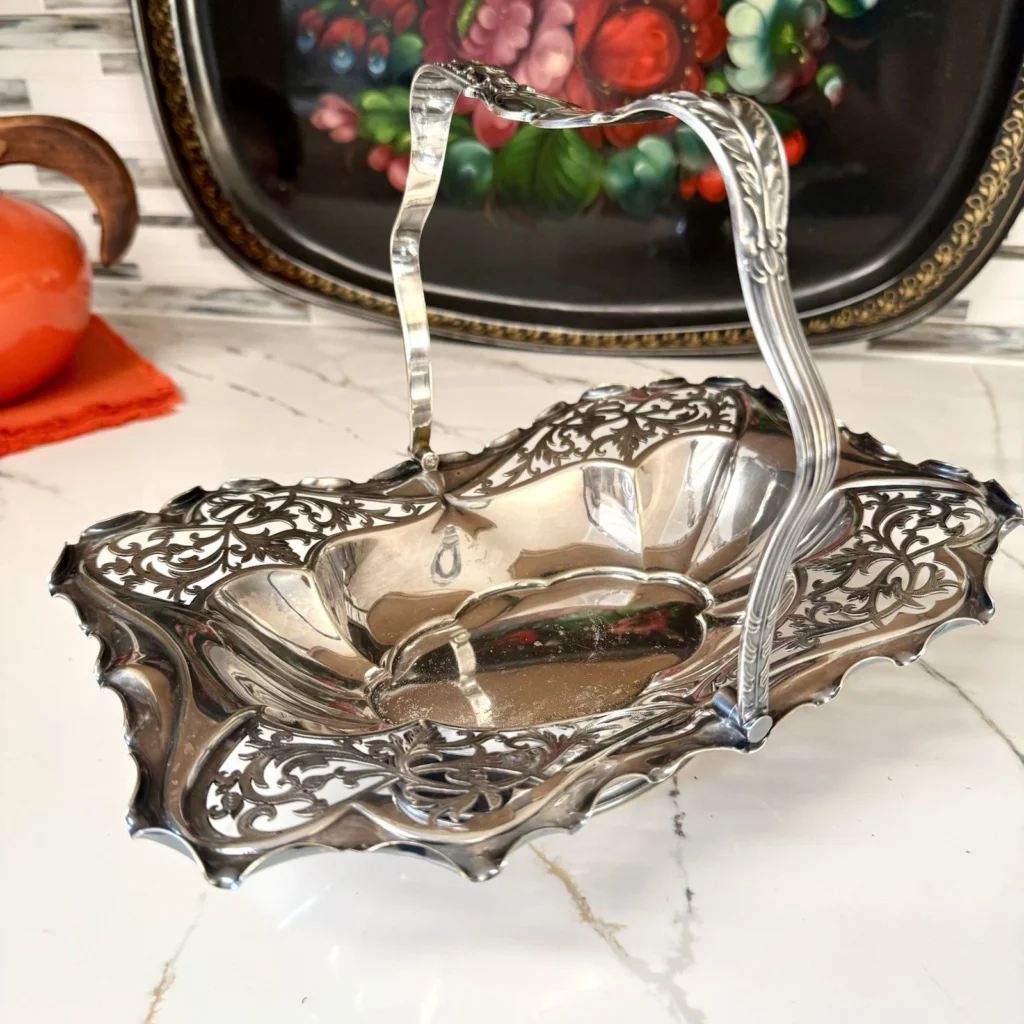
Silverplate bread baskets often have pierced sides or woven-style frames, and those details can hide marks along the base or on a small plaque area. Turn it over and check the center of the bottom, then check any attached feet or the underside of the handles. Because these pieces have lots of edges, they can show plate wear along the rims and raised parts, so look for brass tones peeking through. A basket that feels rigid and does not flex much usually holds up better over time.
If the basket has a liner, check the liner size and shape because replacements can be annoying to find. Pierced designs can trap dust and tarnish, so run a fingertip along the cutouts to see how much grime is sitting in there. A gentle cleaning can make a big difference, but heavy polishing can round off crisp details, so go easy if you plan to shine it up. Clear stamps plus an attractive pierced pattern are usually what makes one worth buying.
Silverplate Candlesticks Pair
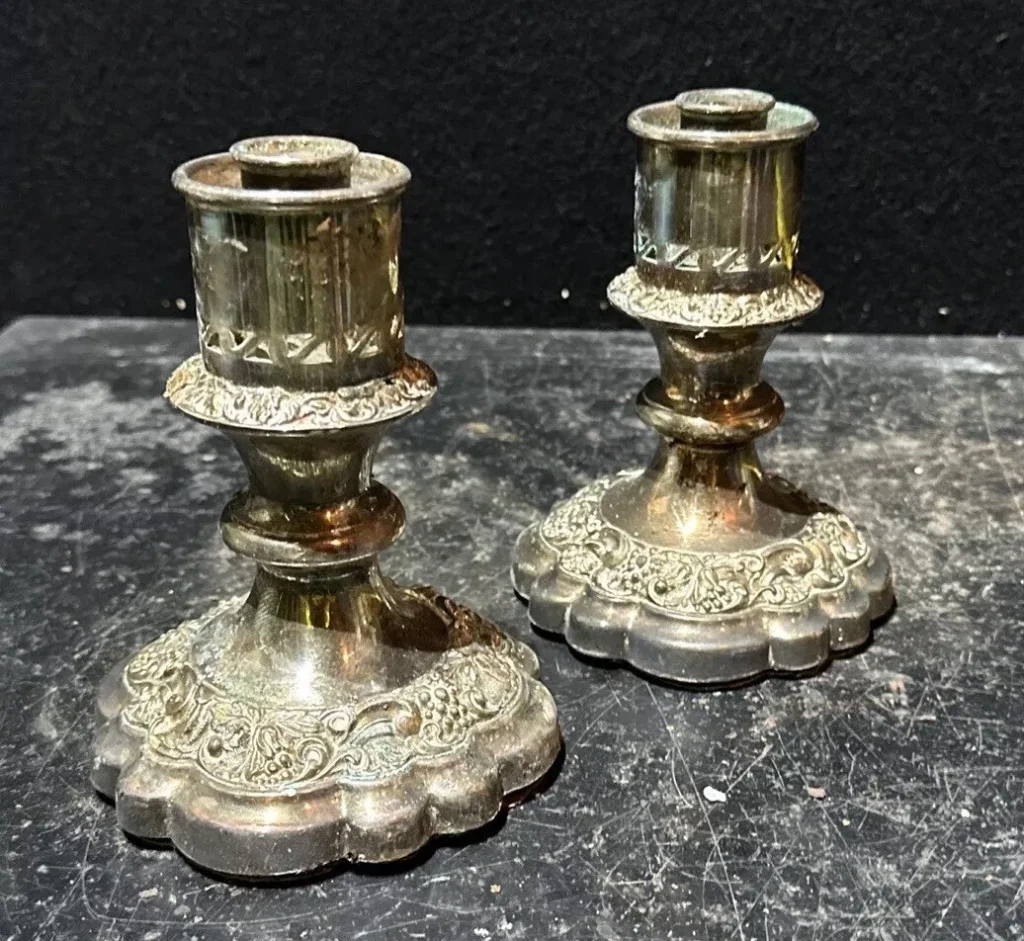
Silverplate candlesticks are a smart hallmark check because bases often carry a maker stamp, a number, or a country mark. Look under the felt or fabric on the bottom, since stamps are sometimes hidden there, and be ready for the felt to be missing on older ones. Many candlesticks are filled with plaster or cement for weight, so do a gentle shake to see if anything rattles inside. A matched pair with the same stamp and similar wear is usually more appealing than two singles.
Check the top candle cups for dents and warping, because that area takes the most heat and wax drips. If the sticks have detachable bobeches, make sure they are included, since missing drip trays are common. Plate wear often shows on the edges and the raised pattern around the base, so scan those spots in bright light. If the maker name is readable and the pair stands straight, they can be a great shelf piece.
Silverplate Gravy Boat With Underplate
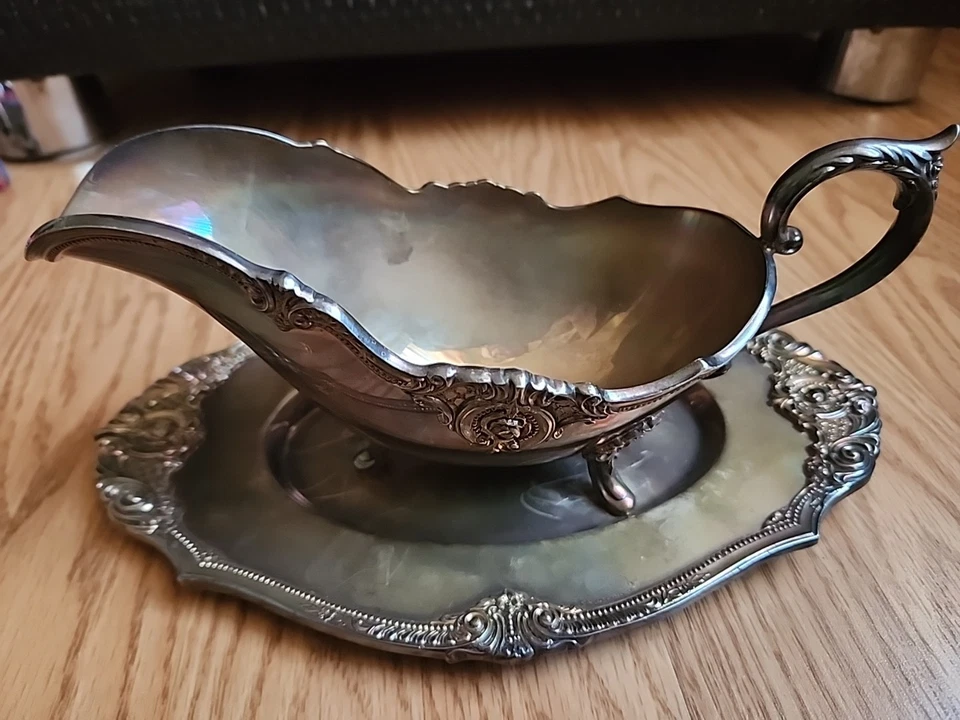
Gravy boats and underplates are often marked separately, so you can get two chances to find a clear stamp. Flip the underplate first, then check the bottom of the boat, plus the underside of the handle area where stamps sometimes appear. These pieces can show wear from repeated washing, especially on the lip where gravy was poured and wiped clean. A good set sits securely with the boat centered on the underplate without sliding around.
Look for fine cracks at any joints, especially where the handle meets the body, since older pieces can develop stress there. If the underplate has deep utensil marks, it might have been used as a spoon rest, and that is common for serving pieces. Pattern numbers can help you match the boat to other items like a vegetable dish or platter, so take note if you see them. Even with mild wear, a gravy set can look charming on a holiday table.
Silverplate Flatware Set With Chest
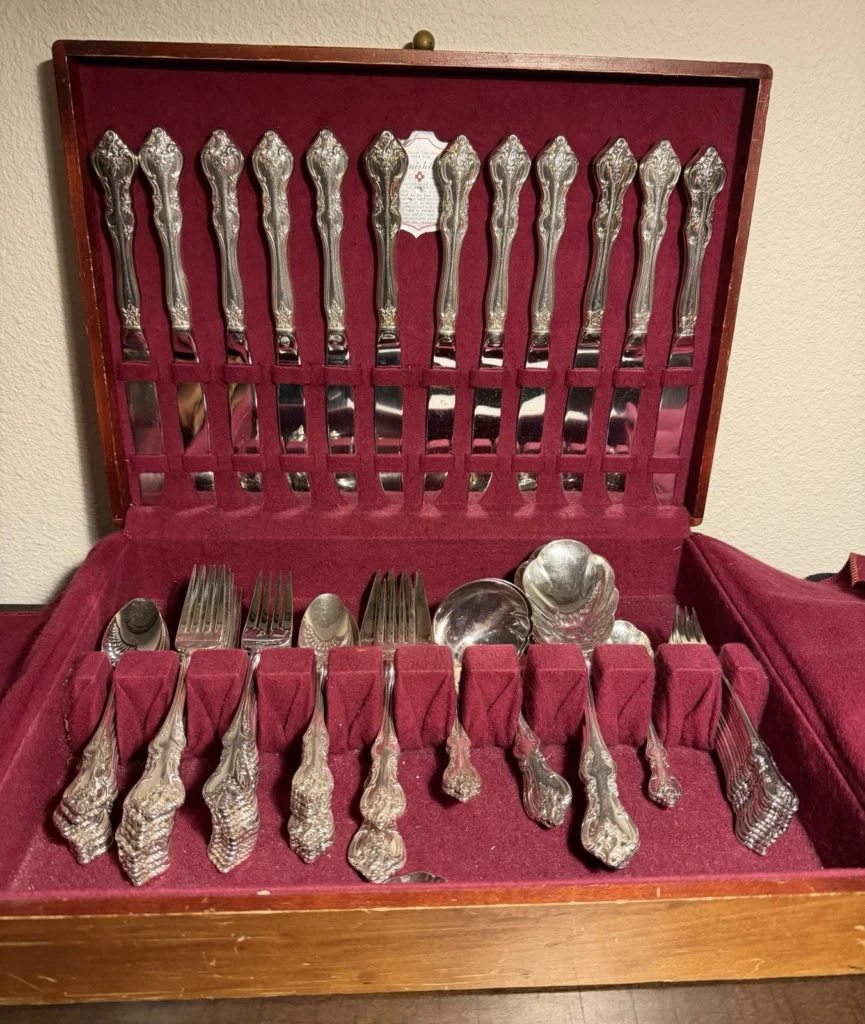
Silverplate flatware sets are full of hallmark clues because each utensil often has a stamp on the back of the handle. Check a few different pieces in the set, since forks and spoons sometimes carry clearer marks than knives. Look for maker names, pattern names, and plating designations, and watch for mismatched pieces that slipped into the chest over time. The case itself can also help date the set, especially if it has a retailer label or a printed pattern card.
Inspect the tines and bowl edges for thin plating, since those high-contact areas wear down first with real use. If you see dark lines along edges, it can be base metal showing through, which matters more if you plan to eat with it. For collectors, consistency is key, so a complete set with matching stamps usually matters more than a random assortment. A well-marked set can be a fun research project, especially when the pattern name is still legible.
Sterling Silver Souvenir Spoon Collection
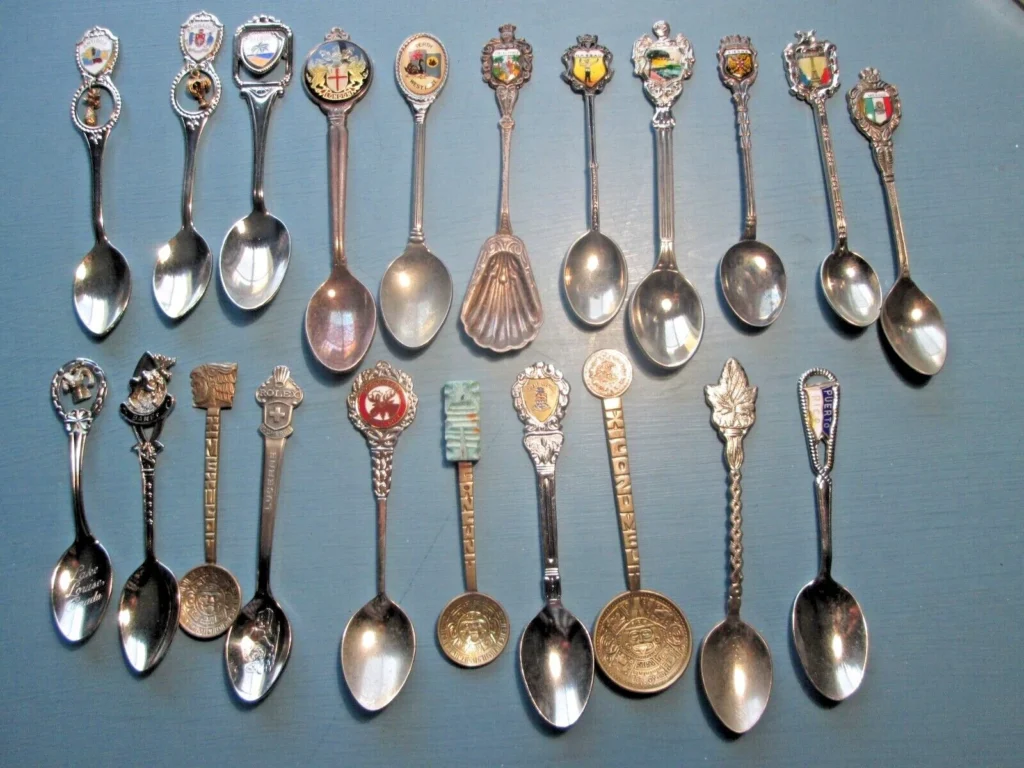
Sterling souvenir spoons are a classic hallmark hunt because most carry clear stamps like sterling, 925, and a maker mark. Check the back of the handle near the bowl, and also check the underside of any decorative finial since marks can hide in small spaces. The charm of these spoons is often in the details, like tiny landmarks, state seals, or scenes, and those details can hint at where they came from. Even when the design is worn, a clear stamp can still make the spoon worth a closer look.
Watch for plated souvenir spoons mixed into a group, since many look similar at a glance but do not have sterling marks. If you are buying a handful at once, compare weight and color, because sterling often has a different feel than thin plate. Bent handles are common and sometimes fixable, but cracks are harder to deal with, so check near the neck where stress happens. A small collection with varied locations can be an easy display, and it is also a simple way to practice reading maker marks.
This article originally appeared on Avocadu.