
12 Keystone Species That Changed an Ecosystem After Returning
Keystone species play an important role in the balance of ecosystems. When these species are reintroduced, they often bring unexpected changes to their environment. Their return can trigger shifts in the food chain and influence plant and animal populations. Understanding how these species affect ecosystems can help us better protect and manage biodiversity. Keep reading to discover some fascinating examples of their impact.
This post may contain affiliate links, which helps keep this content free. Please read our disclosure for more info.
Sea Otters in the Pacific Ocean

Sea otters were nearly driven to extinction by hunting in the 19th and early 20th centuries. Their return to the kelp forests of the Pacific Ocean has had a remarkable impact on marine ecosystems. Otters feed on sea urchins, which are known to devastate kelp forests by consuming the algae. With otters back in the ecosystem, the urchin population was controlled, allowing kelp forests to regenerate and support other marine life.
Kelp forests are critical habitats for many species, including fish, crabs, and other invertebrates. By maintaining these forests, otters play a crucial role in sustaining biodiversity in coastal areas. Their presence also helps prevent coastal erosion, as kelp provides natural protection against waves. The return of sea otters has proven to be an essential factor in the recovery of marine ecosystems along the Pacific coast.
Beavers in North America
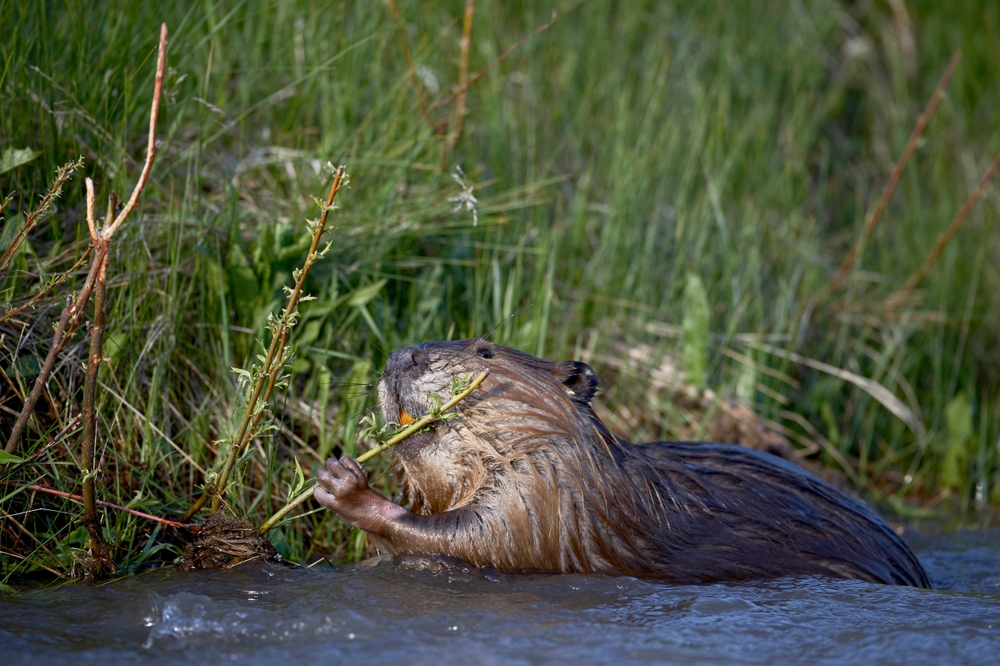
Beavers have long been known for their ability to transform landscapes with their dams and lodges. Their return to North America has had a profound effect on wetland ecosystems. Beavers create ponds by damming rivers, which in turn provides habitat for a variety of species, including birds, amphibians, and fish. Their activity helps maintain wetlands, which are vital for water filtration and flood prevention.
Beavers also contribute to biodiversity by influencing the composition of plant and tree species. Their dams slow down the flow of water, allowing sediment to settle and creating a more stable environment. This can improve water quality for other organisms. The return of beavers to certain regions has helped revitalize ecosystems and restore natural hydrological processes.
Grizzly Bears in the Greater Yellowstone Ecosystem
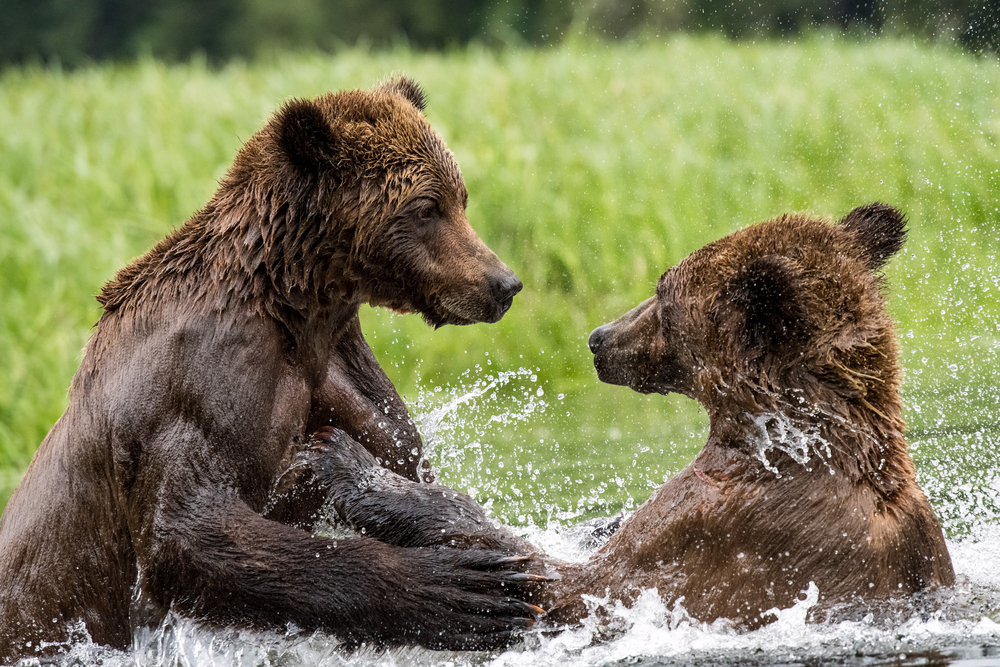
Grizzly bears were once widespread across North America, but their populations significantly declined due to hunting and habitat loss. Their return to the Greater Yellowstone Ecosystem has been vital for maintaining ecological balance. As omnivores, grizzlies feed on a variety of plants, animals, and fish, which helps control the populations of other species. Their foraging behavior also impacts the dispersal of seeds and the health of plant communities.
The presence of grizzly bears has also affected the behaviors of other species, like elk and deer. These animals avoid areas frequented by grizzlies, allowing vegetation to thrive in those regions. Grizzlies also scavenge carcasses, providing food for smaller predators like wolves and coyotes. Their return has contributed to the overall health and complexity of the ecosystem in Yellowstone.
Grey Wolves in the United Kingdom
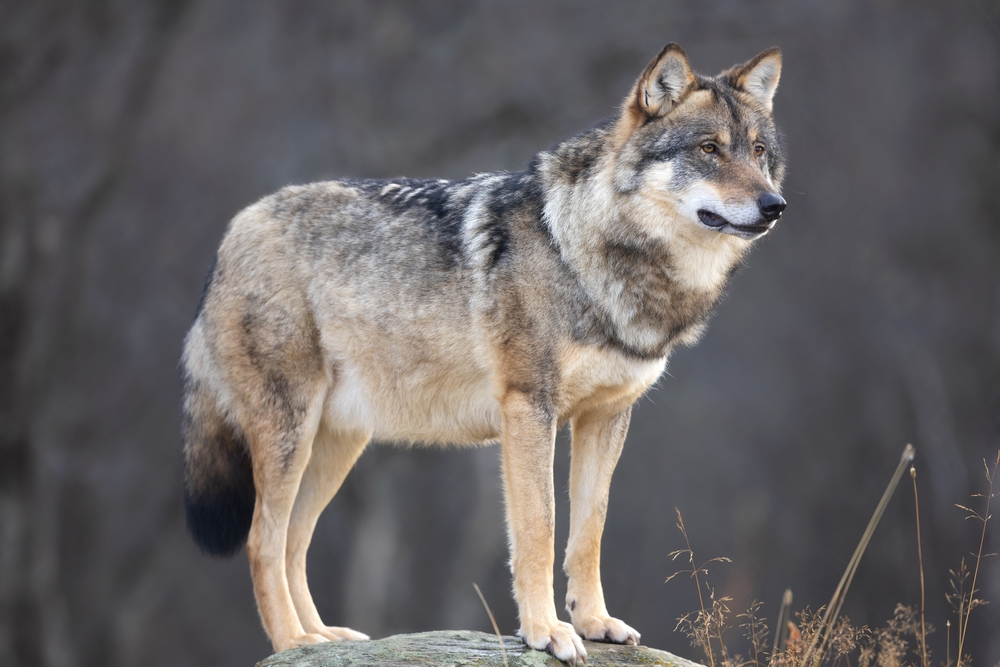
Although grey wolves were once native to the United Kingdom, they were eradicated centuries ago. However, there has been increasing interest in reintroducing them to certain areas, such as Scotland. Wolves would play a similar role as they do in other regions, controlling populations of deer and preventing overgrazing. This would lead to the regeneration of woodlands and the growth of native plant species that have been suppressed by deer browsing.
The return of wolves would also have positive effects on other species, such as smaller mammals and birds. By regulating the numbers of deer, wolves would allow more plant and shrub species to thrive, providing better habitats for these smaller creatures. The idea of reintroducing wolves to the UK has sparked ongoing debate, but the potential ecological benefits are clear. Reintroducing this keystone species could have long-term positive impacts on the local environment.
Bison in the American Prairie
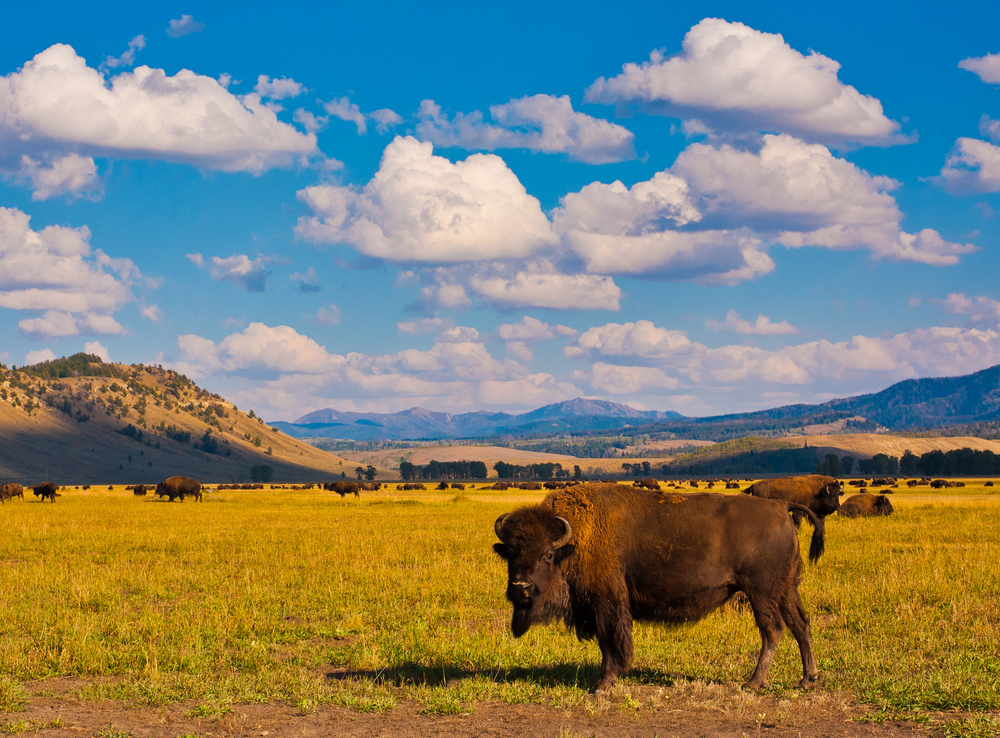
Once widespread across North America, bison were nearly driven to extinction in the 19th century due to overhunting and habitat destruction. The reintroduction of bison to the American prairie has had a transformative impact on grassland ecosystems. Bison are known to graze on grasses, which helps maintain the health of the prairie and prevents overgrowth. Their grazing also creates patches of bare soil, allowing for the growth of a variety of plant species.
Bison play a crucial role in supporting a wide range of other species, such as prairie dogs, birds, and insects. Their large herds also create disturbances in the landscape, which can encourage the growth of new vegetation. As a result, the return of bison has helped restore biodiversity and promote the health of the prairie ecosystem. Their reintroduction has been an important step in preserving one of America’s most iconic landscapes.
Tigers in India
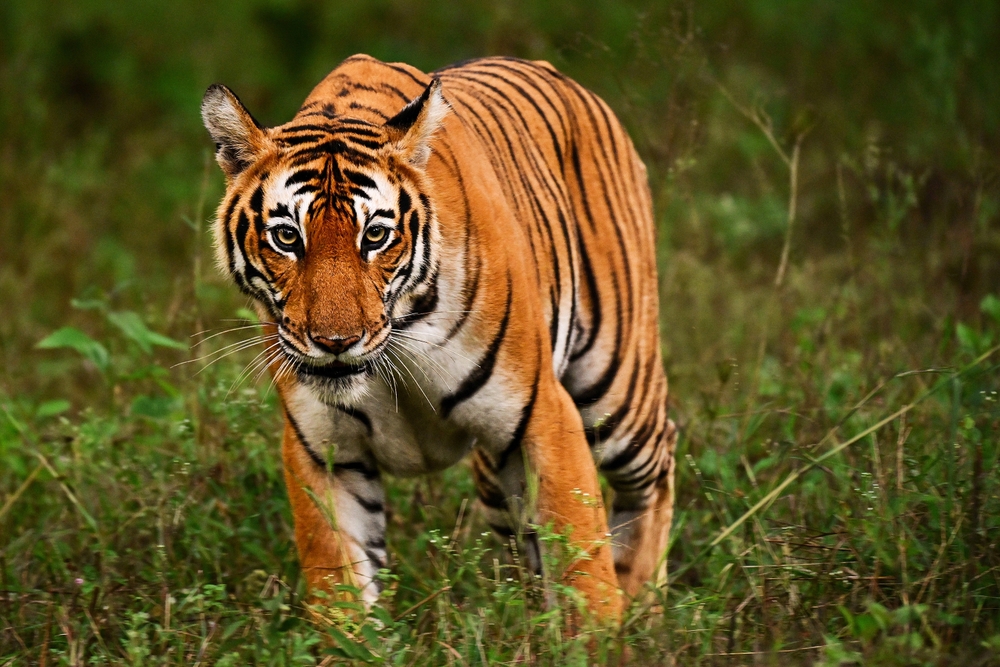
Tigers once roamed across vast areas of India, but habitat loss and poaching led to a drastic decline in their numbers. The return of tigers to protected reserves has had significant impacts on local ecosystems. As apex predators, tigers help regulate populations of herbivores, preventing overgrazing of vegetation. This allows plant species to thrive and supports the broader biodiversity of the area.
Tigers also play an important role in controlling the populations of smaller carnivores, which helps maintain a balance within the food chain. Their presence has positively affected other species, such as wild boar, deer, and smaller predators. The return of tigers to India is a critical part of ongoing conservation efforts, ensuring the long-term health of ecosystems in the country’s protected areas.
Elephants in Africa
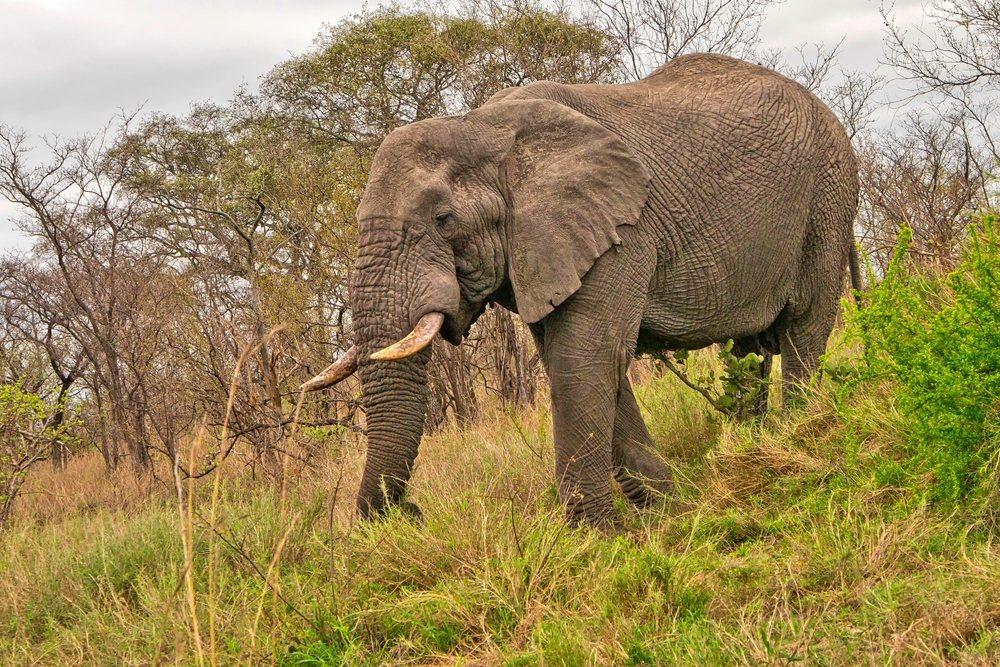
African elephants are often referred to as “ecosystem engineers” due to their ability to shape the environment. Their return to certain areas has resulted in significant changes to local ecosystems. Elephants are known to modify their habitat by uprooting trees, creating water holes, and clearing paths through dense vegetation. These activities benefit many other species, including smaller mammals, birds, and plants.
Elephants’ ability to maintain open spaces helps prevent the encroachment of invasive species and promotes the growth of native vegetation. Their movements also assist in seed dispersal, ensuring the continued regeneration of plant species. The return of elephants to certain regions has helped maintain the balance of Africa’s savannah and forest ecosystems. Their role in shaping the environment is vital for sustaining biodiversity in these areas.
Wolves in the Scottish Highlands
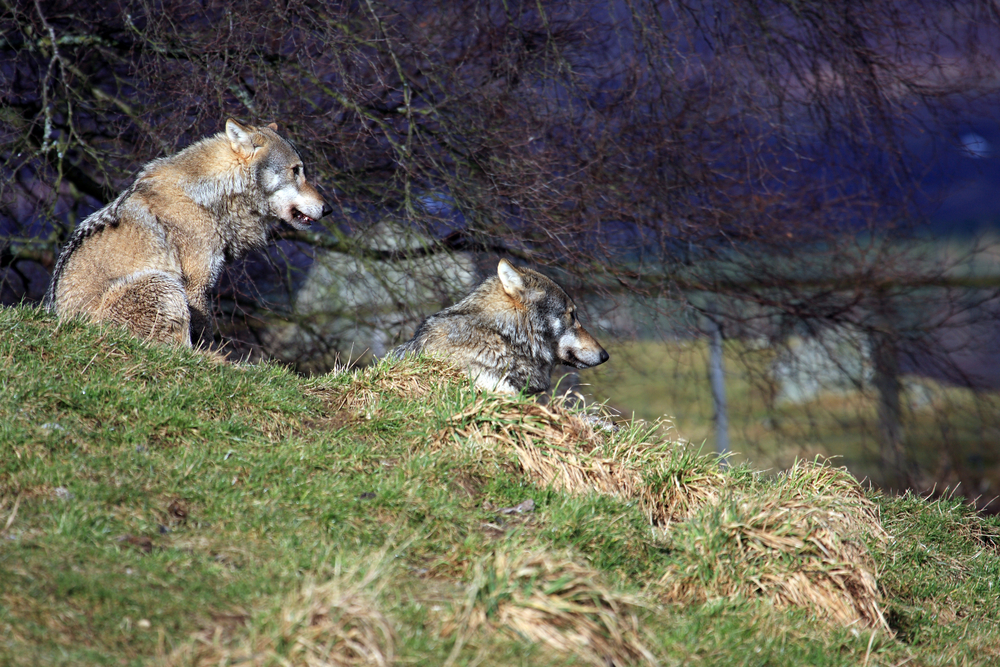
The idea of reintroducing wolves to the Scottish Highlands has gained attention in recent years. Wolves once roamed across Scotland but were wiped out over 300 years ago. Their return would help regulate the populations of deer, which have been damaging the landscape by overgrazing. This would allow plant life, such as shrubs and trees, to regenerate and restore balance to the ecosystem.
Wolves could also indirectly benefit other wildlife species, as the reduction in deer numbers would improve the conditions for smaller mammals and birds. By reintroducing wolves, Scotland’s natural habitats could experience a revival, bringing back species that had been suppressed. The potential return of wolves has been seen as a key opportunity for environmental restoration in the Highlands.
Brown Bears in Alaska
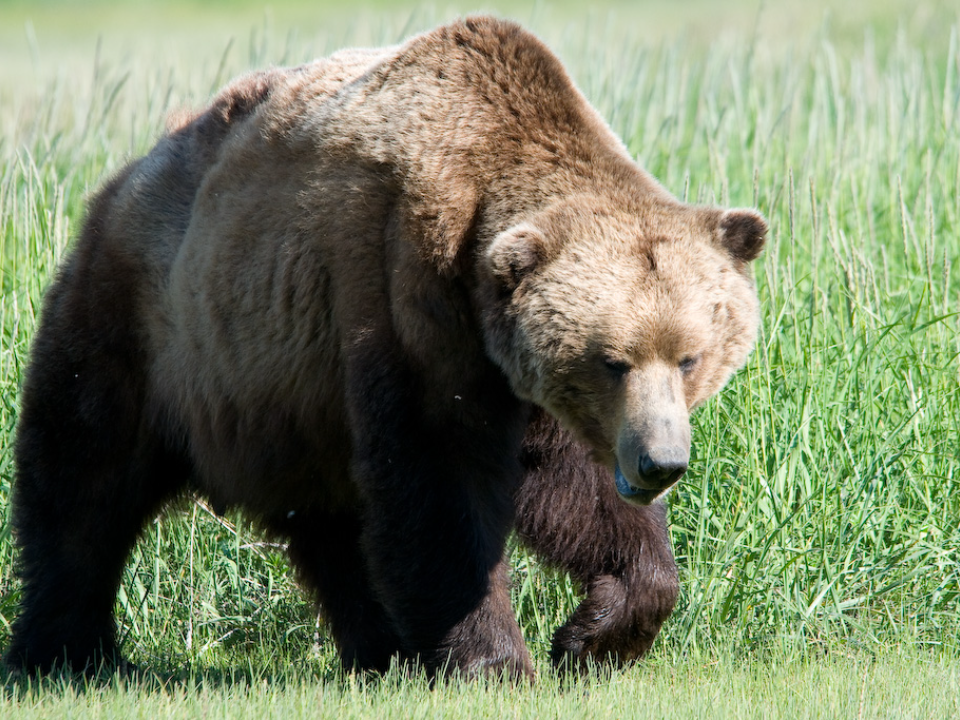
Brown bears are essential to the ecosystems of Alaska’s wildlands, where they play a vital role in maintaining balance. Their return to certain areas of the state has allowed the environment to recover in various ways. Brown bears are known to forage for berries, roots, and fish, which has direct effects on plant and animal populations. Their presence helps control the numbers of smaller predators, which has positive implications for the broader ecosystem.
Brown bears also contribute to nutrient cycling through the fish they catch. By spreading nutrients throughout the ecosystem, they support the growth of various plant species and maintain the health of the soil. The return of these powerful creatures to their natural habitats in Alaska has been beneficial for the environment. They continue to be one of the most iconic and influential species in the state.
Arctic Foxes in the Arctic Circle
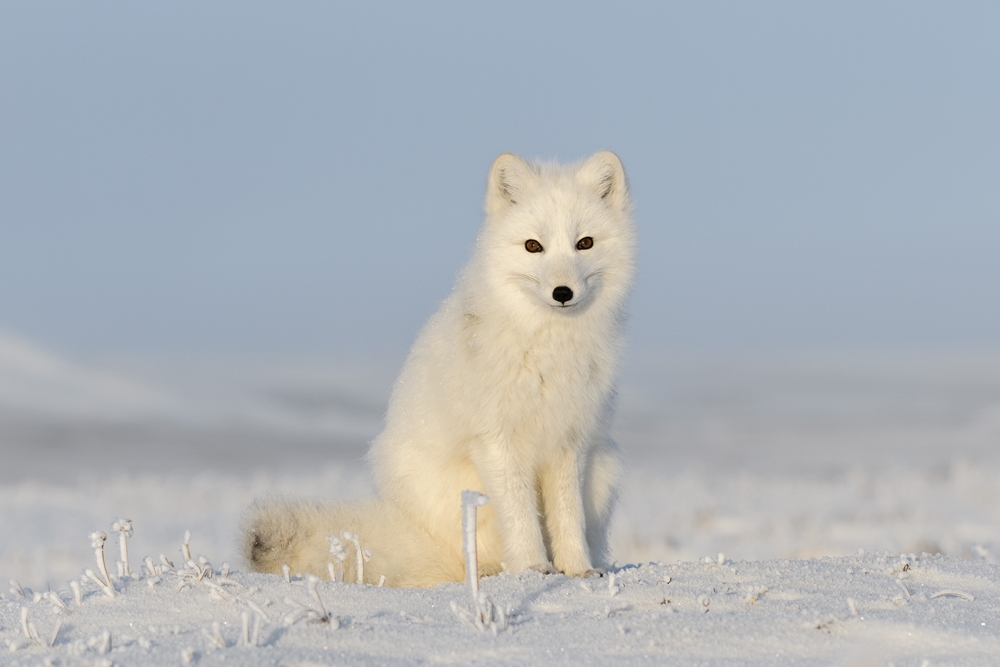
The Arctic fox has long been an important species in the Arctic Circle, and their reintroduction to certain areas has sparked hope for ecological recovery. As a predator and scavenger, the Arctic fox helps maintain the balance of the ecosystem by controlling populations of smaller mammals. Their presence also impacts the populations of birds and invertebrates, ensuring that no single species dominates the ecosystem.
In addition to their role as predators, Arctic foxes are also important for dispersing seeds and helping to regenerate vegetation. Their return to the Arctic Circle has led to healthier ecosystems, supporting both plant and animal species. The Arctic fox is a key species in the region, and their presence ensures the continued vitality of the environment.
Pronghorn Antelope in the American West
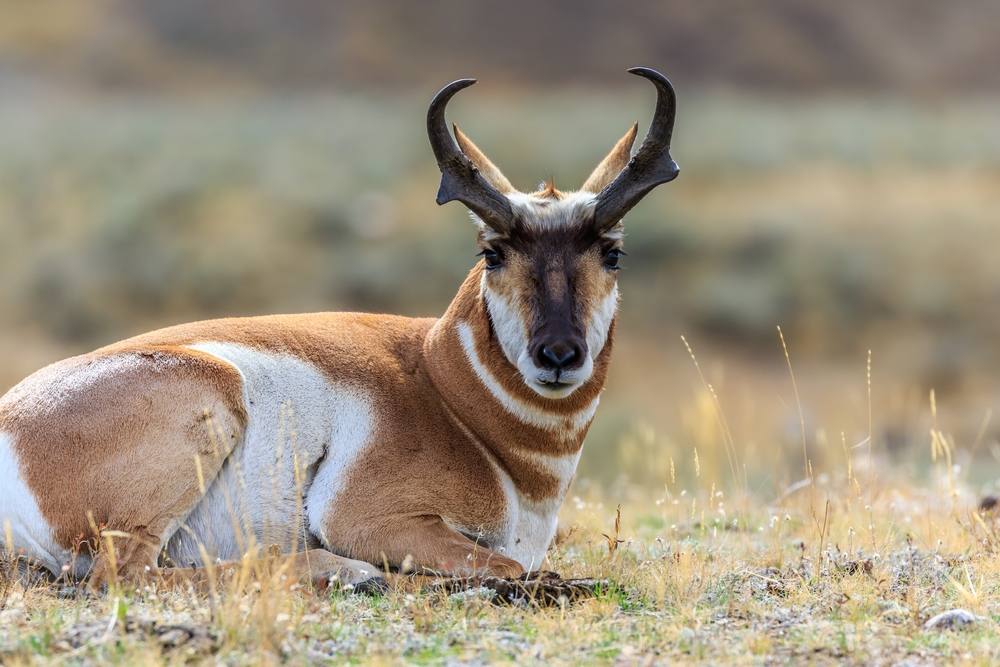
Pronghorn antelope are one of North America’s most iconic species, and their return to the American West has had significant ecological benefits. These antelopes are known for their speed, which allows them to evade predators and maintain balanced populations. By grazing on grasses and shrubs, pronghorn help manage vegetation growth, which has positive effects on the landscape. Their return also provides food for predators, including coyotes and golden eagles.
Pronghorn antelope play a key role in maintaining the health of grasslands, ensuring that overgrowth does not hinder the growth of native plants. Their presence also supports a diverse range of other species, creating a balanced ecosystem. The reintroduction of pronghorn antelope to the American West has contributed to the restoration of the region’s natural landscapes. Their return is crucial for the health of the ecosystem as a whole.
Snow Leopards in the Himalayas
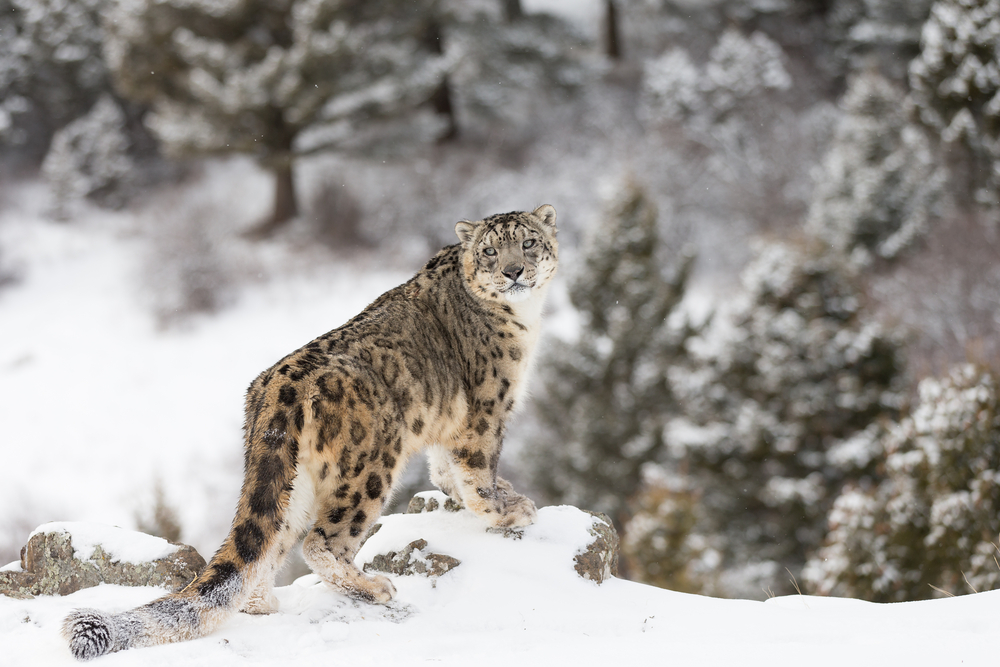
Snow leopards are rare and elusive predators that once roamed across the Himalayan region. The reintroduction of snow leopards has been a significant step in restoring balance to these mountainous ecosystems. As apex predators, snow leopards help control the populations of herbivores like blue sheep and ibex, which can overgraze vegetation. Their presence ensures the survival of plant species, which provides sustenance for other wildlife.
Snow leopards also help regulate populations of smaller carnivores, such as foxes and martens, preventing them from overhunting prey. By keeping the balance of predator and prey in check, snow leopards contribute to the overall health of the ecosystem. Their return to the Himalayas has been an important success for conservation efforts in the region. These iconic creatures continue to be a symbol of the wilderness in this area.
This article originally appeared on Avocadu.