
12 Coral Reefs Showing Signs of Recovery in Certain Areas
Some reefs are starting to show small wins, even with warming seas and ongoing stress. You might see it in fresh coral patches, more young corals, or fish returning to feed and shelter. These changes take time, and they can reverse if conditions worsen again. Stick around and explore reefs where recovery has begun to show itself.
This post may contain affiliate links, which helps keep this content free. Please read our disclosure for more info.
Great Barrier Reef, Central region near Townsville and the Whitsundays, Australia
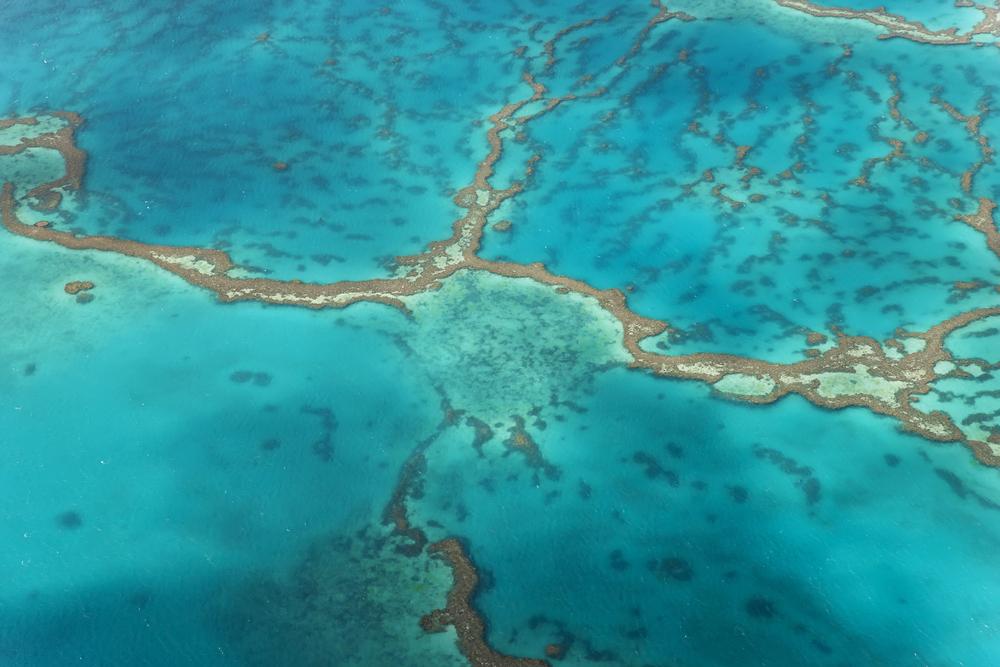
After several hard years, parts of the central Great Barrier Reef have recorded stretches where coral cover has held steady or risen between disturbance years. Fast growing branching corals can rebound quickly when heat stress eases and storm damage is limited. Local water quality work and fishing rules in some zones can also reduce added pressure on recovering corals. The result is a patchwork where some reefs look worn while nearby sites show fresh growth.
What you often see in these improving pockets is more young coral on hard surfaces and fewer bare rubble fields. Reef fish numbers can look stronger as shelter returns, especially around coral heads and bommies. Scientists and managers still treat these gains as fragile because a single hot summer can reverse progress. Even so, these central areas are often pointed to when people talk about recovery happening in certain places, not everywhere at once.
Raja Ampat, West Papua, Indonesia
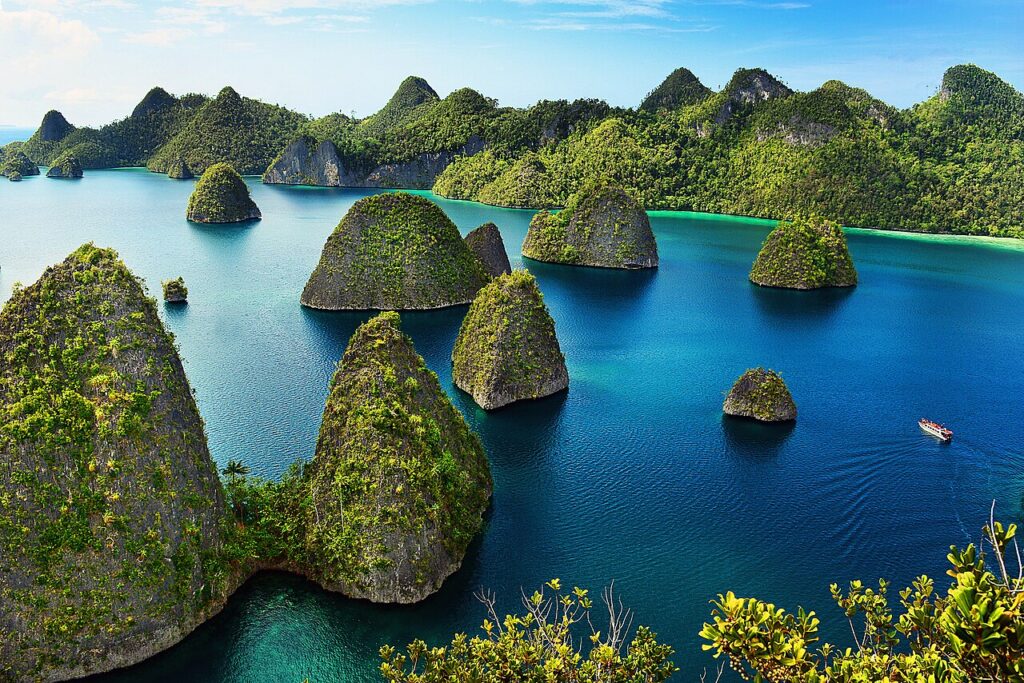
Raja Ampat is often described as a place where many reefs have stayed in better shape than other regions nearby. Strong currents and deep channels can keep water moving, which may reduce heat buildup at some sites. Because coral communities there are highly diverse, damage in one spot can be followed by regrowth from nearby healthy areas. In certain bays and passages, divers report thick coral gardens and active fish life that suggest strong natural rebound.
In parts of Raja Ampat, recovery shows up as dense coral cover across slopes plus plenty of small corals filling in gaps. Herbivorous fish also matter because they keep algae from smothering young coral. Local protection and community-backed rules in several areas have reduced destructive fishing practices that break coral structure. The takeaway is that not every reef is untouched, yet many locations still show encouraging stability and rebound.
Cabo Pulmo National Park, Baja California Sur, Mexico
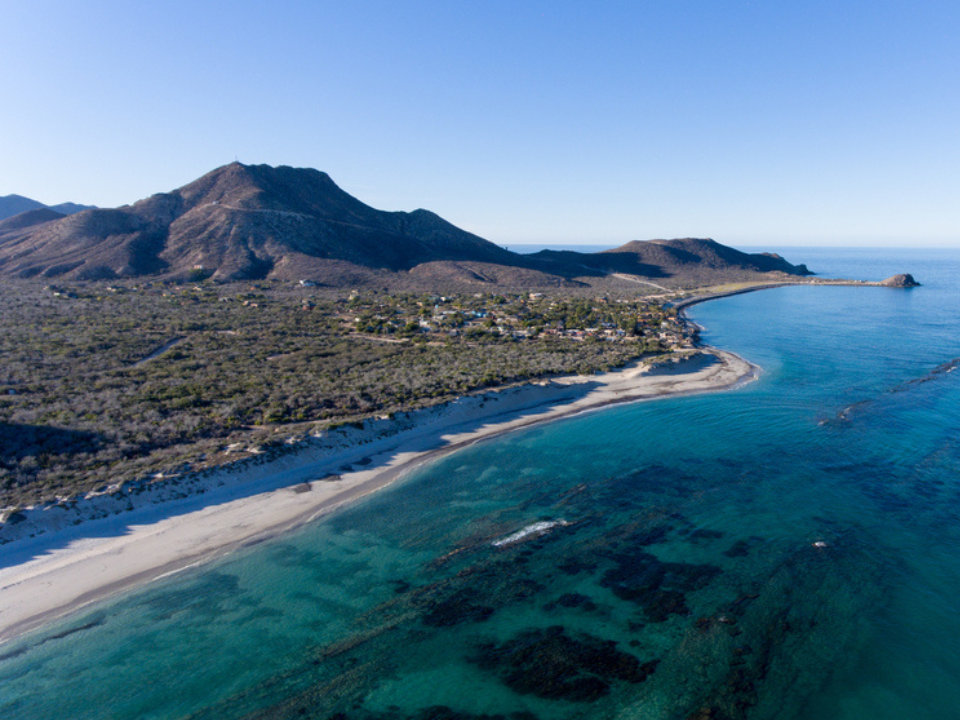
Cabo Pulmo stands out because protection led to a clear rebound in reef fish and a healthier food web. With less fishing pressure inside the park, larger fish returned and reef activity became more visible. That livelier fish community can play a role in keeping algae in check, which helps coral recruits. In several sections, the reef area has looked fuller and more active compared with the heavily used coastline nearby.
Signs of recovery here often include more schooling fish, larger predators, and coral patches that are not as smothered by algae. The reef is native to the Gulf of California region, where conditions can swing between warm and cool seasons. Local enforcement and community buy-in are often credited for making the protection real, not just a paper rule. Even with climate risks, Cabo Pulmo is commonly cited as a place where a reef system improved after protection.
Tubbataha Reefs Natural Park, Sulu Sea, Philippines
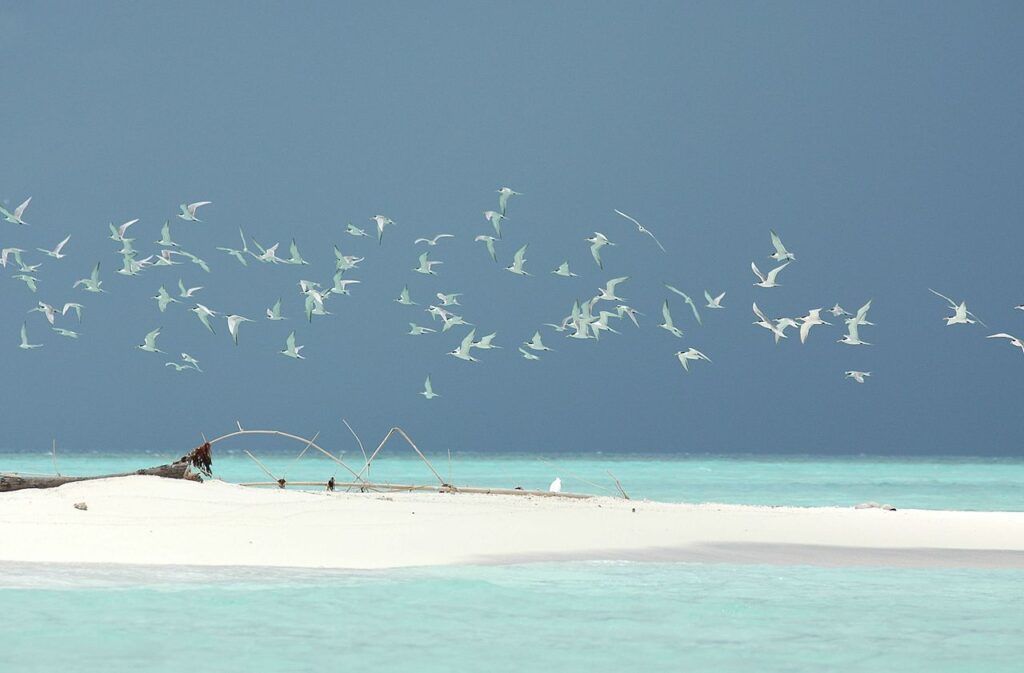
Far offshore in the Sulu Sea, Tubbataha benefits from isolation and strict patrols that limit direct damage. Because there are no permanent settlements on the reefs, everyday pressures like sewage runoff and constant boat traffic are lower than in many reef areas. When storms or bleaching events hit, recovery can happen when the reef is not also dealing with heavy local impacts. Many surveys describe strong coral cover in multiple zones, even if some shallow spots take hits from typhoons.
Recovery signals in Tubbataha often show up as healthy reef slopes, active fish communities, and coral colonies rebuilding after storm breakage. The reefs are native to the central Philippines and sit in a region shaped by seasonal weather and occasional strong cyclones. Rangers focus on stopping illegal fishing and anchoring damage, which keeps the reef framework intact for regrowth. While it is not immune to heat stress, it is widely viewed as one of the better-protected reef areas in the country.
Apo Island Marine Reserve, Negros Oriental, Philippines
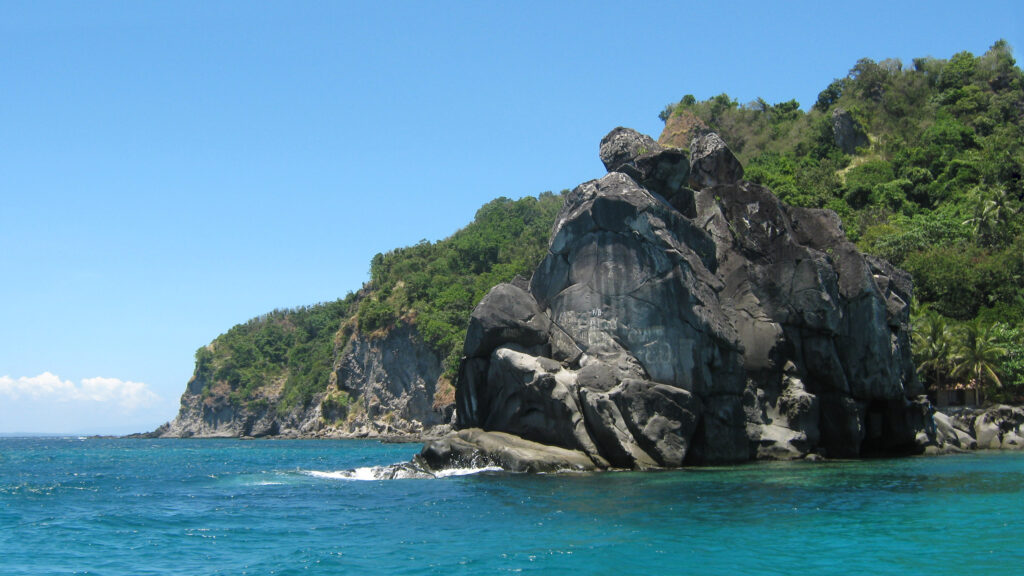
Apo Island is known for long-running community-led protection that helped reef life rebound after periods of damage. The marine reserve limits fishing in key zones, giving corals and fish time to recover without constant removal. Over the years, the reef has been monitored enough that changes in coral cover and fish life have been documented across sites. In several areas, the reef has shown strong regrowth after bleaching events and storms.
You can often spot recovery here through thicker coral patches, more reef fish close to shore, and clearer structure on the reef slope. Apo is native to the central Visayas and sits near other reef systems that can provide larvae for reseeding damaged areas. Local tourism also plays a role because it gives the community a reason to keep the reef healthy. The main point is that the recovery is strongest in protected sections, while nearby unprotected areas can look more worn.
Belize, Turneffe Atoll, Caribbean Sea
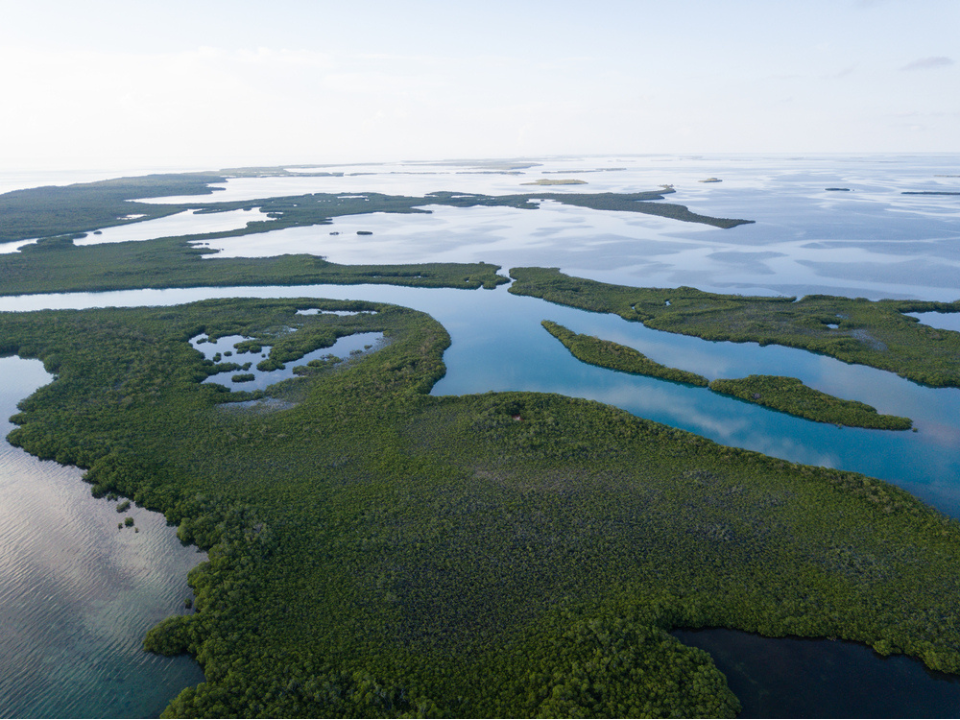
Turneffe Atoll is part of Belize’s reef system and includes lagoons, mangroves, and reef edges that support coral and fish life. In certain managed zones, coral gardening and careful site protection have been used to help damaged patches recover. Some areas show more living coral on once broken sections, especially where disease pressure is lower and storms have been less severe. The atoll layout also creates varied conditions, so some sites rebound faster than others.
Recovery signs often include more live coral on shallow spur and groove areas and better habitat for reef fish and juveniles. Turneffe is native to Belize waters and sits inside the wider Mesoamerican Reef region. Local rules on fishing and anchoring can reduce direct breakage, which matters for delicate branching corals. Even with warming seas, it is often mentioned as a place where targeted work has helped certain areas improve.
Bonaire National Marine Park, Caribbean Netherlands
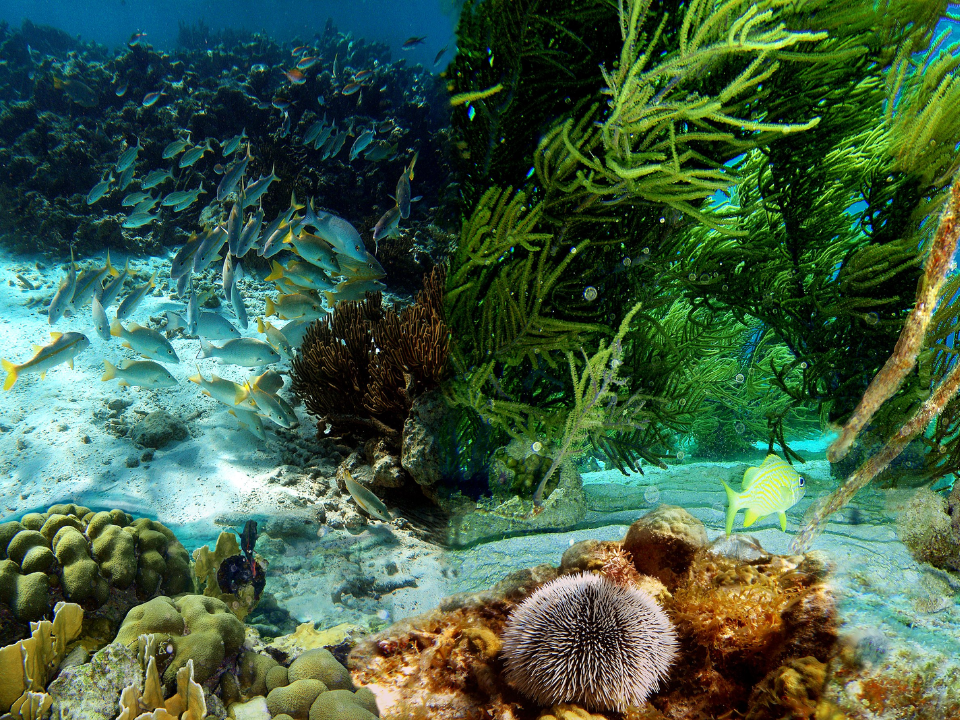
Bonaire is often highlighted for long-standing marine park rules that limit fishing and reduce direct reef damage in many areas. Some sites have shown better coral condition than many other Caribbean locations, which can look like recovery when compared across time. Reef slopes with good water clarity and steady grazing by herbivores can allow young corals to survive. While the whole island does not move in one direction, certain dive sites show strong coral presence and healthy structure.
On reefs showing improvement, you may notice more intact coral heads, fewer large algae mats, and plenty of small fish using the reef for cover. Bonaire’s reefs are native to the southern Caribbean and influenced by trade winds and generally clear water. Local rules around anchoring and coastal development can matter because sediment and physical damage slow coral rebound. Even with regional disease and heat stress, Bonaire is often treated as a place where many areas have held up well.
Kaneohe Bay, Oahu, Hawaii, United States
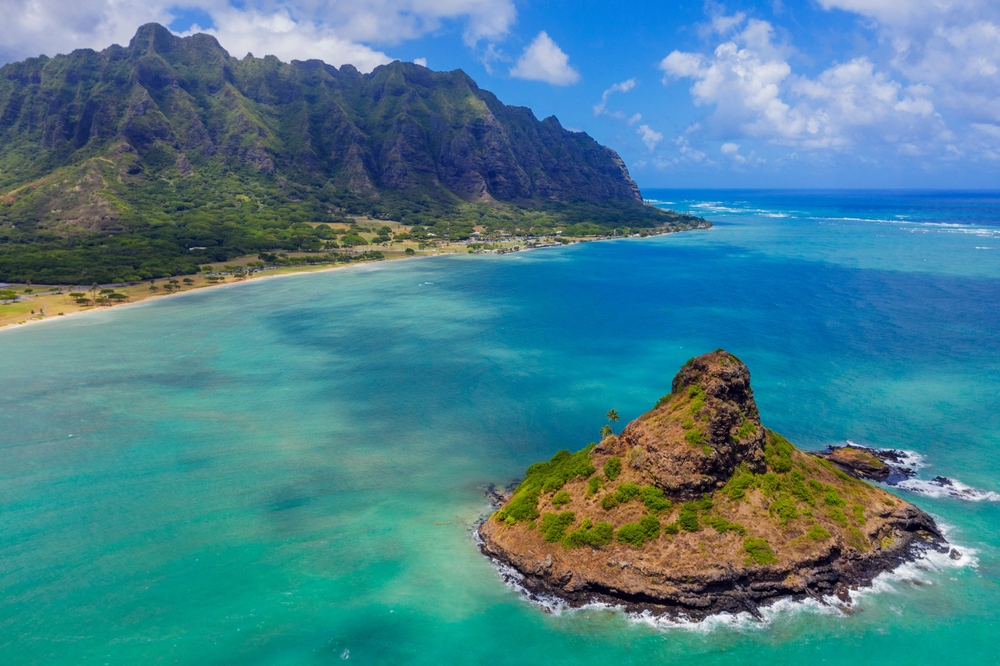
Kaneohe Bay is a case where local water quality changes helped reefs rebound in parts of the bay. After major pollution issues were reduced, coral communities in some areas recovered and expanded. The bay still faces pressures, yet it shows how fixing local conditions can give corals a better chance. Certain patch reefs have shown strong coral presence compared with their past low points.
In places where recovery has been noted, you may see more living coral cover and less smothering by sediments and algae. These reefs are native to the Hawaiian Islands and sit in a sheltered bay with varied water flow. Local actions tied to wastewater and runoff can influence whether coral recruits survive. The lesson is that reef recovery can be linked to community-level changes, not only ocean temperature.
Seychelles, parts of the inner islands, such as around Mahe and nearby reefs, in the Indian Ocean
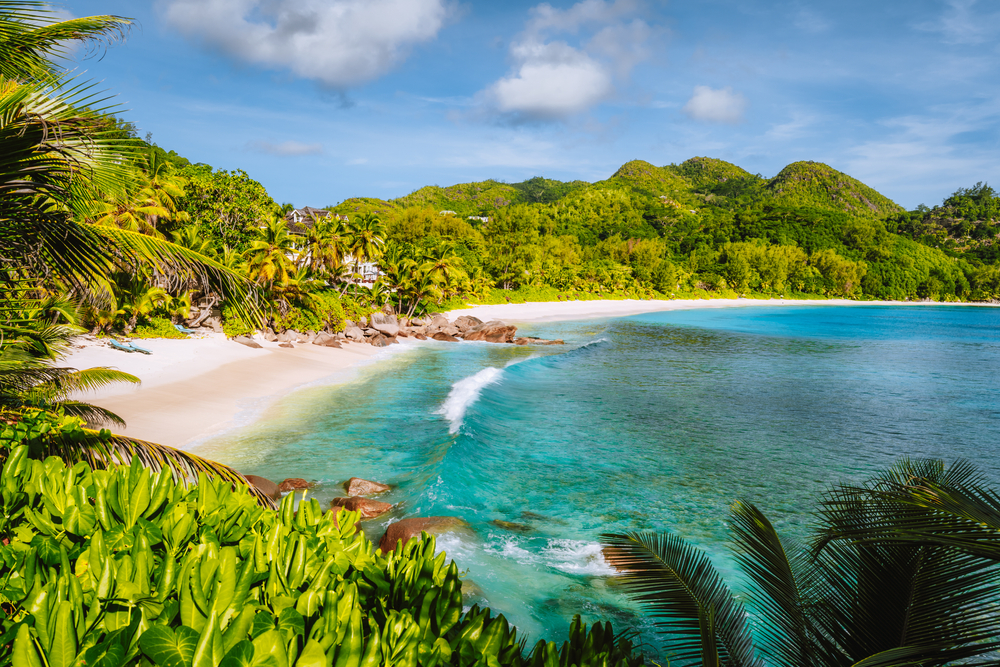
Seychelles reefs were hit hard by past bleaching, yet some sites later showed coral return as conditions improved. Recovery has been reported as coral cover rising in certain areas after earlier losses. Reef structure and fish grazing can shape how fast coral regrowth happens from one reef to the next. The improvement is not uniform, but some reefs have moved from algae-heavy stretches back toward coral-dominated patches.
What you can notice in recovering Seychelles sites is more young corals on hardground and more branching colonies in sheltered spots. These reefs are native to the western Indian Ocean and face both heat stress and strong storm seasons. Local protection in marine parks and community-backed rules can reduce direct impacts like overfishing that shift the balance toward algae. The story often highlights that recovery can happen, yet it depends heavily on local conditions and the timing of heat events.
Palau, Rock Islands, Southern Lagoon, Micronesia
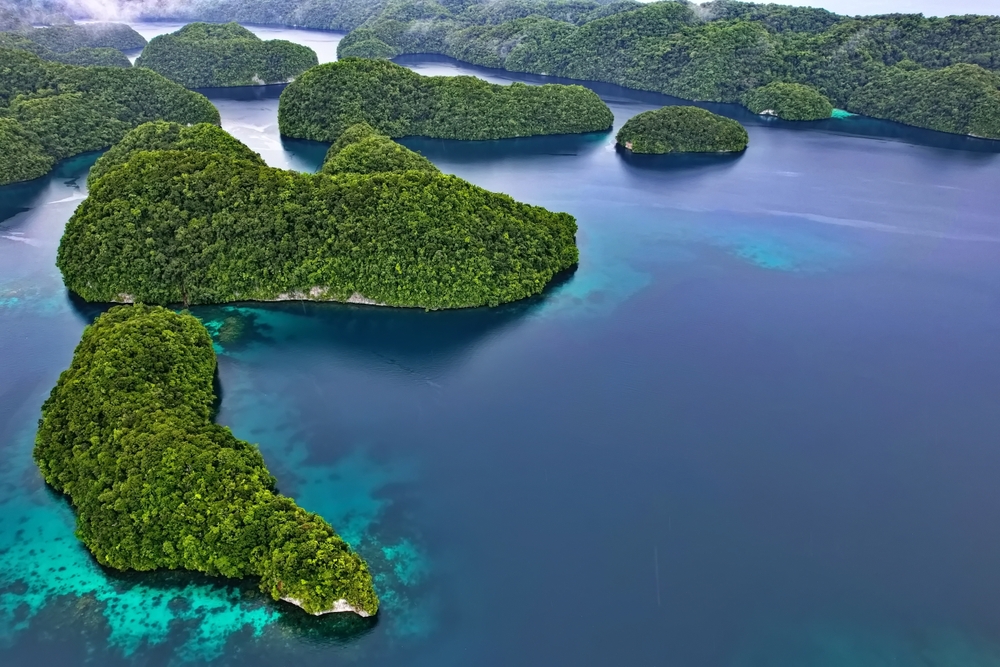
Palau’s Rock Islands lagoon includes many reefs that are influenced by complex currents and sheltered waters. Some areas have shown strong coral communities that rebound after disturbance, including sites known for heat-tolerant corals. Protection rules and local management have helped limit direct damage in many popular spots. In certain reef pockets, coral cover and reef fish activity remain noticeably strong.
Recovery signs here can include abundant coral growth on slopes and bommies, plus lots of juvenile fish using the reef for shelter. The reefs are native to Palau in western Micronesia, where reef habitats range from sheltered lagoons to outer walls. Local controls on fishing and tourism pressure can help coral regrowth by keeping the reef structure intact. Even so, managers still watch heat stress closely because it can change the picture fast.
Pulau Bidong, Terengganu, Malaysia
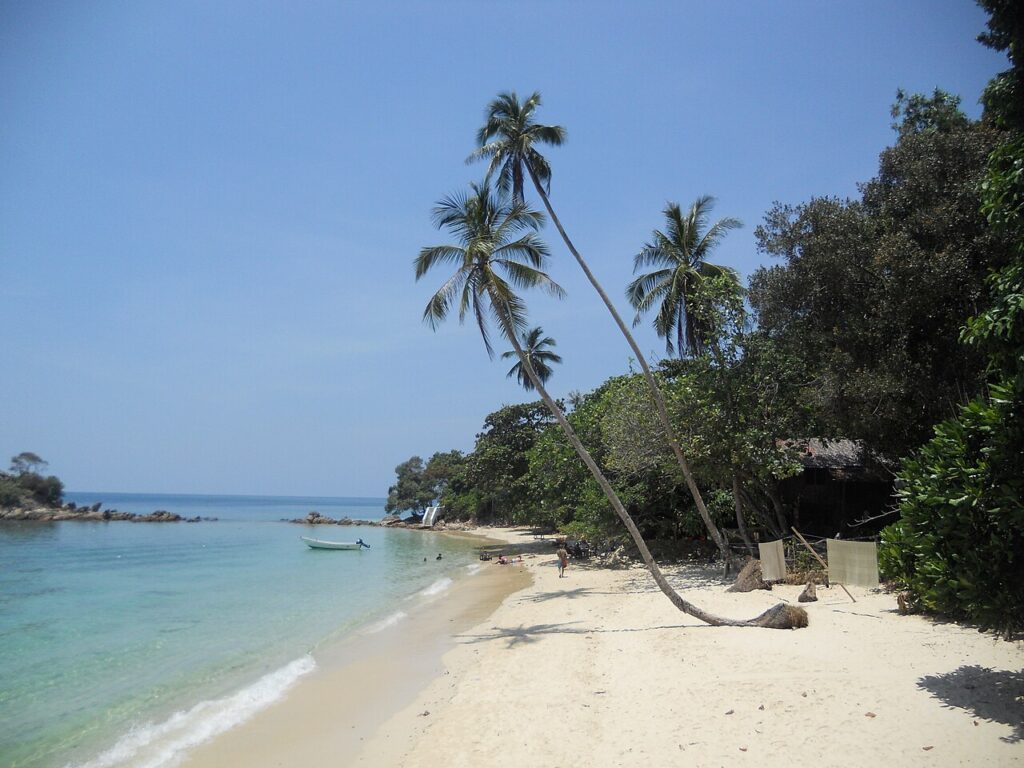
Pulau Bidong has been studied for how coral communities can rebound after major storms. In some monitored periods, live coral cover increased again after earlier declines, showing regrowth in damaged areas. Recovery can be supported when rubble fields stabilize, and coral recruits can settle on firm surfaces. The island setting also creates sheltered and exposed sides, which can lead to different recovery speeds.
What recovery looks like here can include rising live coral cover and fewer dead coral patches across the monitored reef zones. The reefs are native to the east coast of Peninsular Malaysia in the South China Sea. Local impacts such as anchor damage and heavy visitation can slow regrowth, so management often focuses on reducing direct breakage. Even with storm risk, the monitored rebound shows that some reefs can regrow when conditions line up.
Moorea, Society Islands, French Polynesia
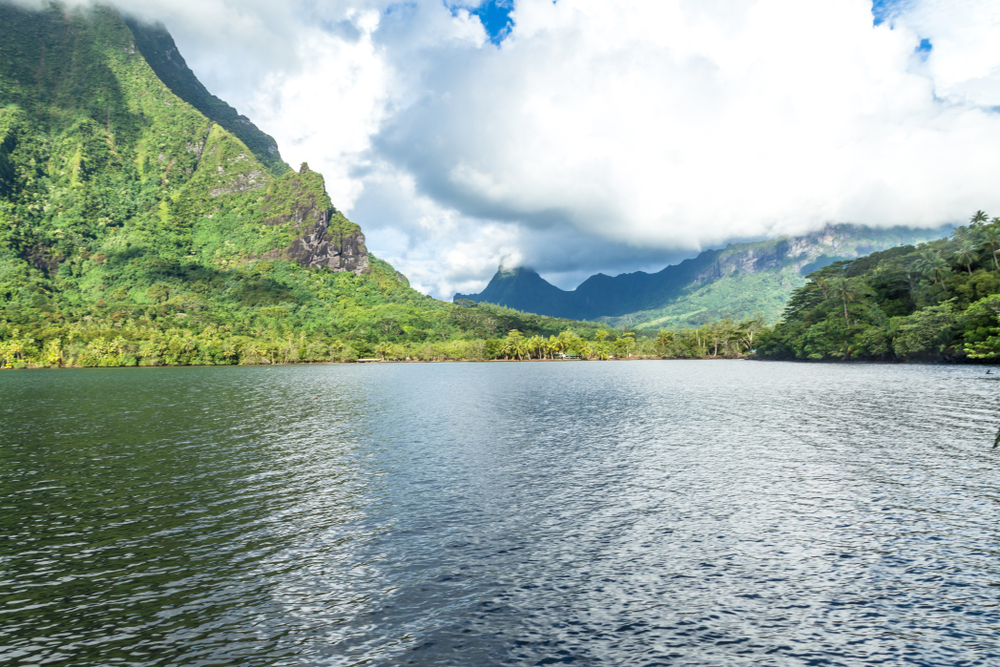
Moorea is often used as an example of a reef that can rebound quickly after major damage when recruitment is strong. After events like cyclones and crown-of-thorns outbreaks, some reef slopes regained coral cover over time. That kind of rebound depends on a steady supply of coral larvae and suitable surfaces for settlement. Certain areas on the island have shown strong recovery patterns documented across long-term monitoring.
When recovery is underway, you may see fast-growing corals filling gaps and rebuilding the reef’s three-dimensional structure. These reefs are native to French Polynesia and sit in warm Pacific waters influenced by seasonal change and occasional extreme events. Fish grazing helps by limiting algae growth that can crowd out young coral. The story from Moorea often reminds people that recovery can be real, yet it depends on both local conditions and the timing of the next disturbance.
This article originally appeared on Avocadu.