
13 Early March Watering Rules For Unpredictable Weather
Early March can keep gardeners guessing with sudden temperature changes and scattered rain. These swings affect how quickly soil dries out around roots. Some beds may stay damp for days, while others dry faster under a warm afternoon sun. Taking a moment to look closely at your garden can make a big difference before watering. Keep going to learn a few steady watering habits that work well during this time of year.
This post may contain affiliate links, which helps keep this content free. Please read our disclosure for more info.
Check Soil Moisture Before Watering
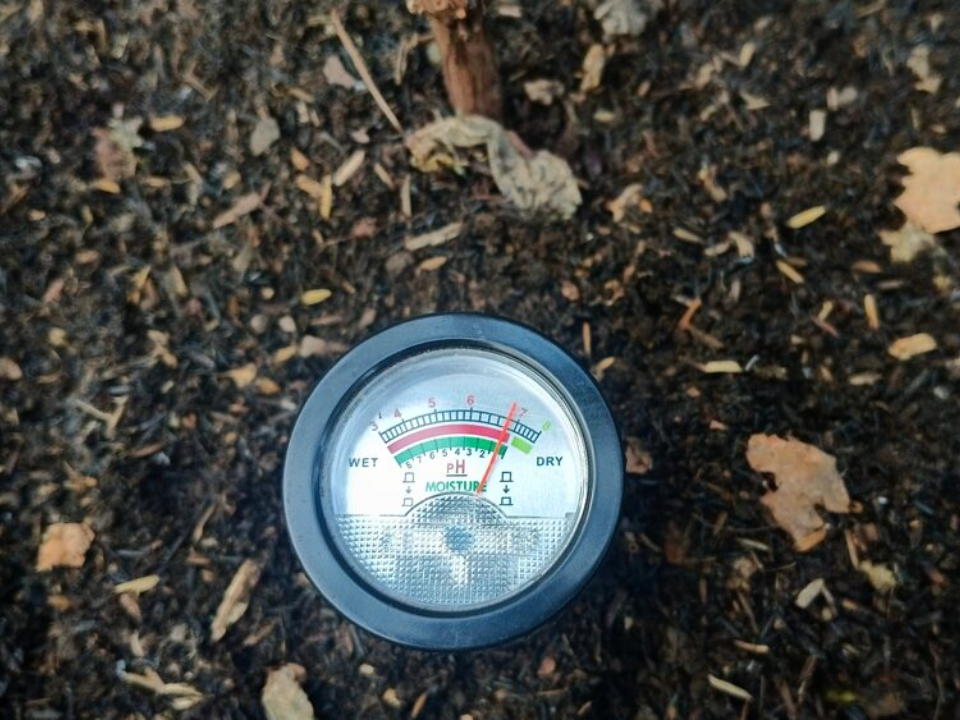
Early March weather can mislead gardeners because the soil surface often dries faster than the deeper layers below. A bed may appear dusty on top even though the root zone still holds plenty of moisture from recent rain or cool nights. Before watering, press a finger a few inches into the soil or use a small hand trowel to check the moisture level beneath the surface. If the soil feels cool and slightly damp, plants are usually comfortable and do not need water yet.
Taking a moment to check the soil prevents excess watering during weeks when temperatures shift quickly. Cool spring conditions slow evaporation, which means moisture often stays in the ground longer than expected. Roots benefit from slightly drying soil because it encourages them to grow deeper in search of water. Over time, this habit leads to stronger plants that handle sudden weather changes much better.
Water During the Warmest Part of the Day

Timing makes a noticeable difference when watering during early spring. Cold nights are still common in March, and watering late in the evening can leave the soil wet for too long. Midday watering allows plants to absorb moisture while the soil is gradually warming under the sun. The gentle warmth helps water move more evenly through the root zone.
Another advantage of watering during warmer hours is that plant leaves dry more quickly. Damp foliage that stays wet overnight sometimes leads to fungal issues in cool weather. When water evaporates naturally during the day, the garden remains healthier overall. This small adjustment in timing often improves plant health during unpredictable spring weeks.
Watch the Weather Forecast Closely

Spring weather patterns can change quickly from bright sunshine to sudden rain showers. Checking the forecast before watering can save both time and water. A steady rain often provides deeper moisture than a quick watering session. Allowing nature to supply the water also benefits the soil structure.
After rainfall, soil may remain moist for several days depending on temperature and sunlight. It helps to wait and check the soil again before adding more water. Windy days can dry soil faster than calm conditions, so observing the weather helps guide watering decisions. This simple habit keeps plants comfortable without drowning their roots.
Water Slowly and Let Soil Absorb It
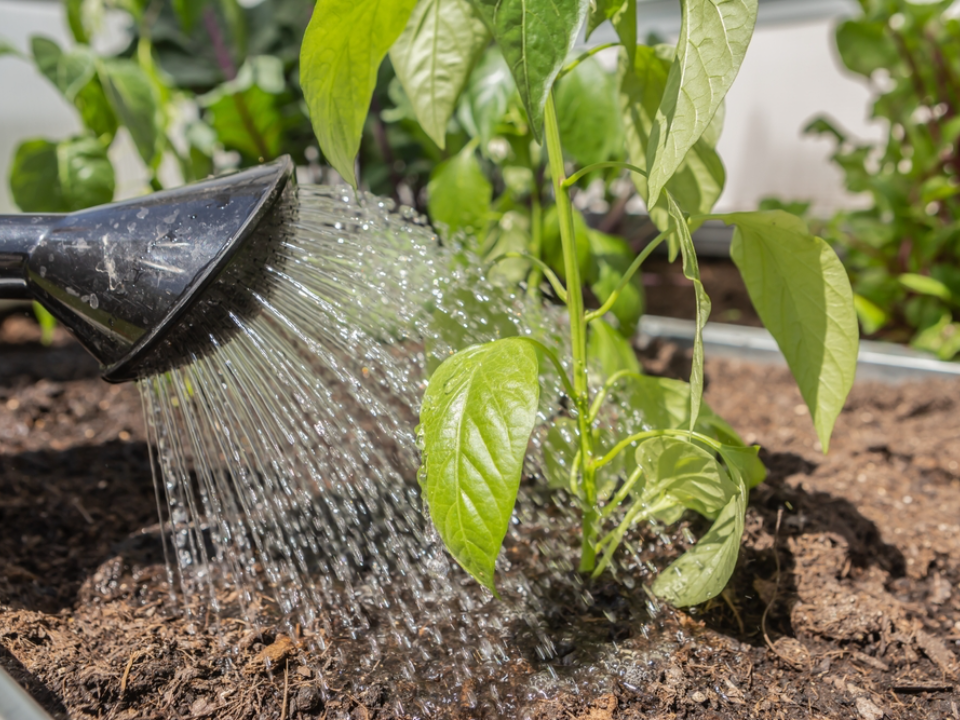
Rushing through watering often causes water to run across the surface instead of soaking into the soil. Early spring soil may still feel firm after months of cooler weather, which makes it harder for water to penetrate quickly. Applying water slowly gives the soil time to absorb moisture gradually and evenly. This allows the water to travel deeper into the ground, where plant roots can reach it. Slow watering also helps prevent runoff that carries nutrients away from the garden bed.
Slow watering also prevents puddles from forming around plant stems. When water spreads gently across the bed, it sinks evenly into the ground rather than collecting in one spot. Roots receive steady moisture instead of sudden flooding that can disturb delicate soil structure. Over time, this method helps plants grow stronger root systems beneath the surface. Gardens that are watered patiently often show steadier growth through the changing weather of early spring.
Focus on the Root Zone
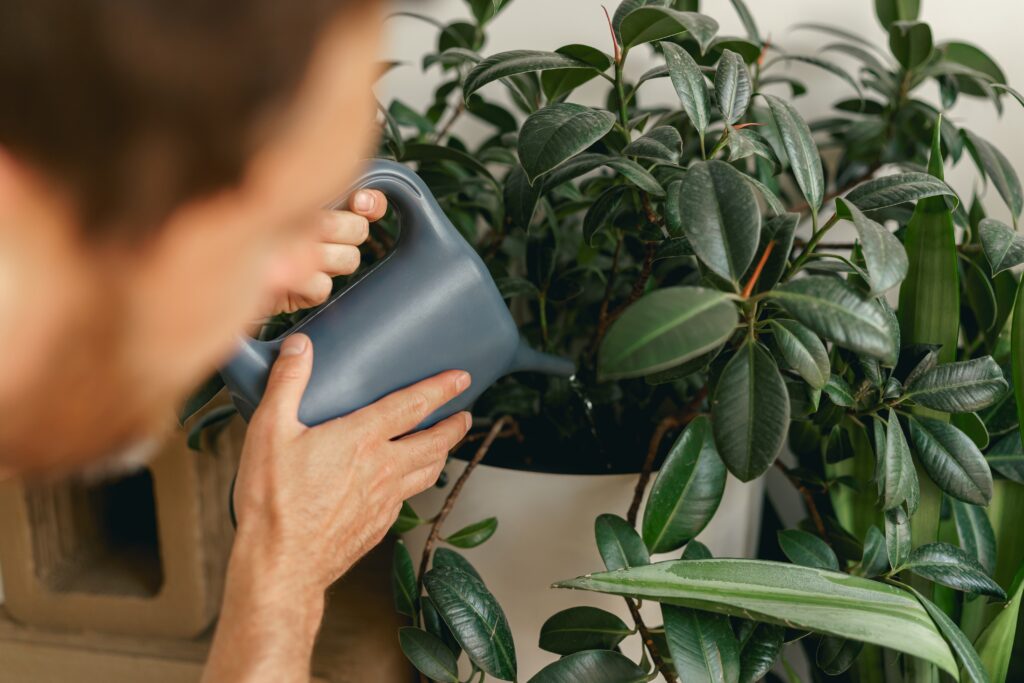
Many gardeners instinctively spray water across the entire plant, though the roots are where moisture matters most. Roots gather water and nutrients that support the growth of stems, leaves, and flowers throughout the season. Directing water toward the soil at the base of the plant allows roots to absorb moisture more effectively. This practice also reduces wasted water that may evaporate from leaf surfaces. Concentrating on the root zone gives plants the moisture they actually need.
Keeping leaves dry during cool weather can also help prevent disease problems. When water remains on leaves for long periods, fungal issues sometimes appear during damp spring weeks. Watering the soil instead allows plants to stay hydrated without creating those conditions. The surrounding soil absorbs the moisture slowly and sends it toward the roots. Over time, this habit leads to healthier plants and stronger growth across the garden.
Use Mulch to Hold Moisture
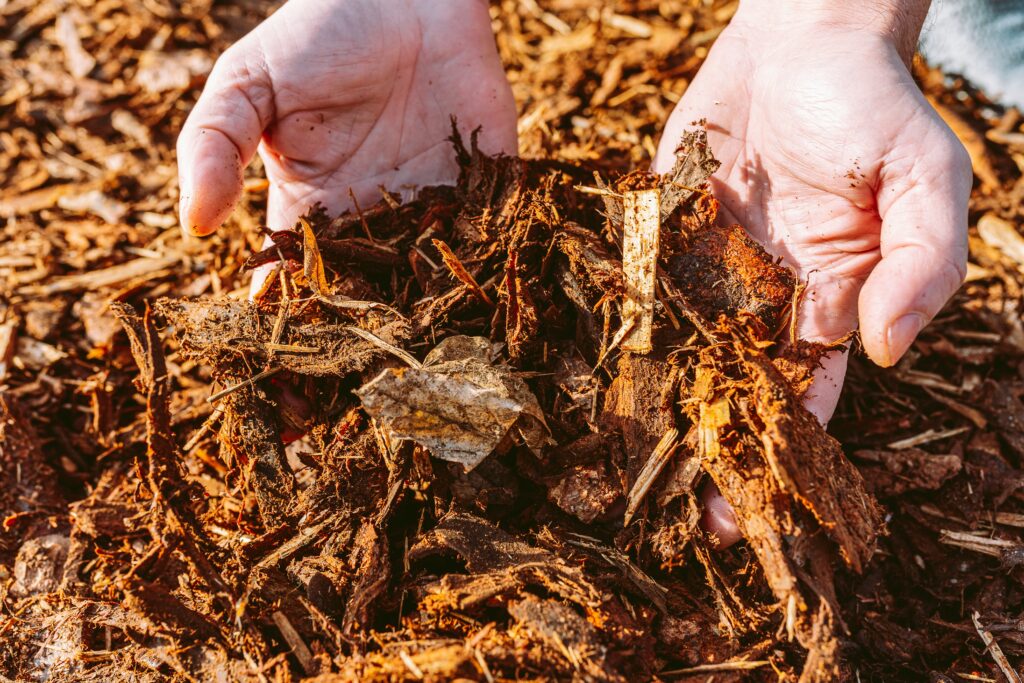
Mulch plays an important role in early spring gardens. A thin layer of shredded bark, compost, or dry leaves helps protect the soil surface from sudden weather changes. It slows evaporation during sunny afternoons and reduces moisture loss between watering sessions. Mulch also softens the impact of rain and helps prevent soil from washing away. These small benefits make a noticeable difference in garden beds during unpredictable spring weeks.
Mulch also improves the soil gradually as it breaks down through the season. Organic material mixes into the soil and adds valuable nutrients that plants can use. The added layer keeps soil temperatures more stable during chilly nights and mild afternoons. Garden beds with mulch often require less frequent watering because moisture remains in place longer. Many gardeners notice healthier soil and stronger plant growth once mulch becomes part of their routine.
Adjust Watering After Rain
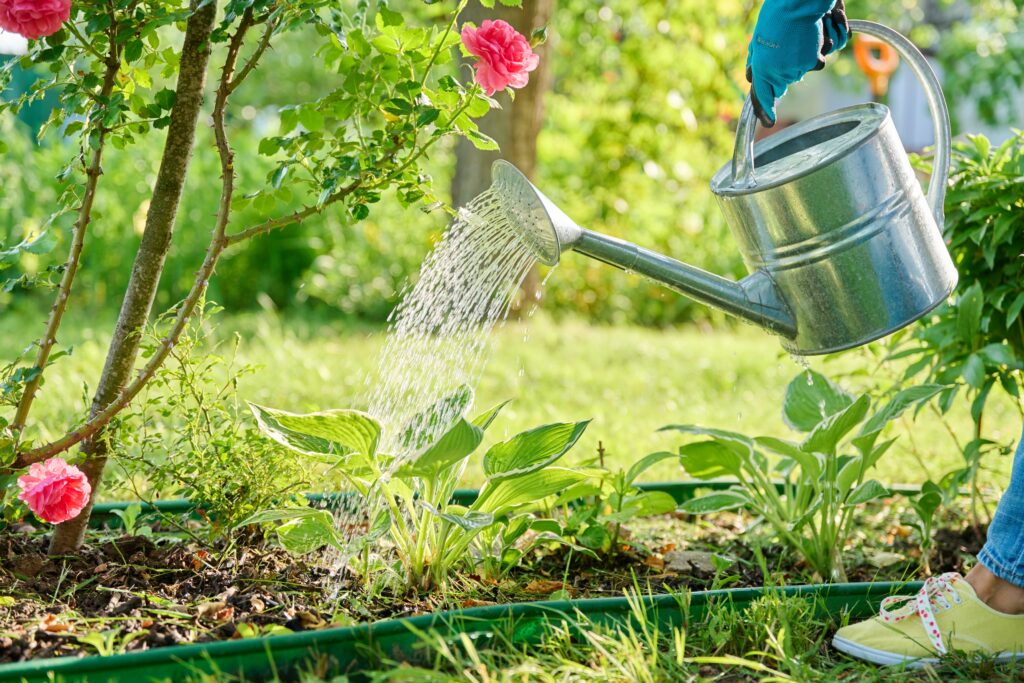
Rainfall can quickly change how much water plants need in early March. A steady rain may soak several inches into the soil and provide moisture for many days. Before watering again, it helps to check the soil to see how much moisture remains below the surface. Sometimes the top layer dries while the deeper soil stays comfortably damp. Taking a moment to check conditions prevents unnecessary watering.
Too much water can crowd out the air pockets that roots need to breathe. Roots depend on both moisture and oxygen to remain healthy and active. Allowing the soil to dry slightly between watering sessions keeps this balance in place. Plants usually grow better when the soil stays evenly moist rather than constantly saturated. This approach supports stronger roots and steady early spring growth.
Pay Attention to Containers
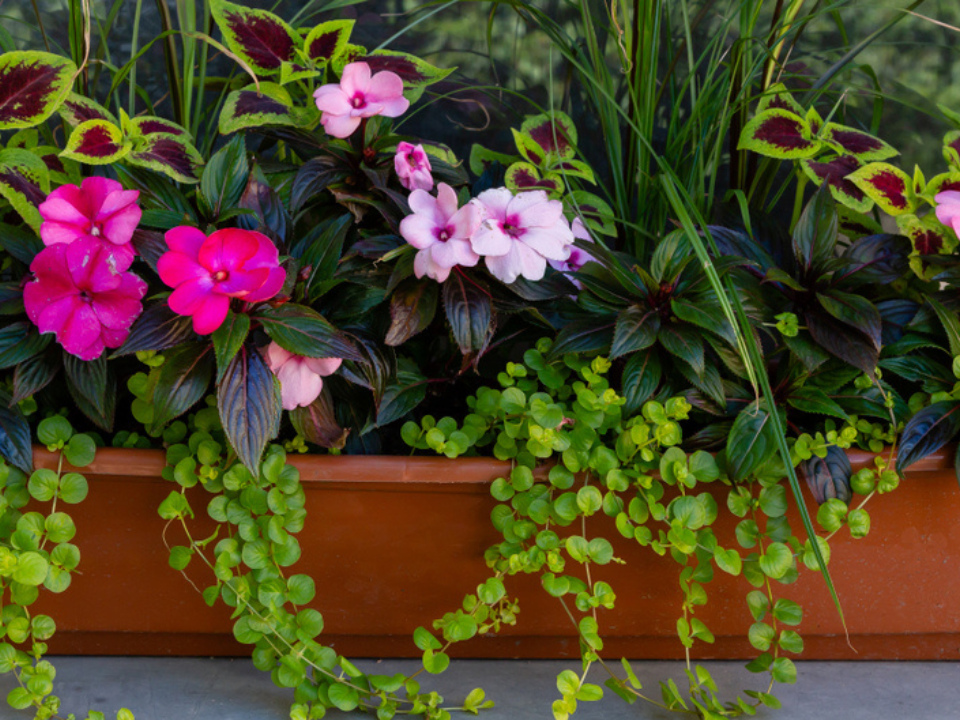
Container plants often require different care than those growing in garden beds. Pots dry faster because the soil is surrounded by air and exposed to changing temperatures. Even during cool weather, sunlight can warm containers and cause moisture to evaporate quickly. For this reason, it helps to check the container soil frequently during early March. A quick look or touch can reveal when the plant needs water.
Rain can also affect containers differently depending on the type of pot being used. Some containers drain quickly while others hold water for longer periods. Clay pots often lose moisture faster than plastic or glazed containers. Checking drainage holes and soil texture helps prevent either dryness or excess moisture. Consistent attention keeps container plants healthy as the season slowly warms.
Water Newly Planted Plants Carefully
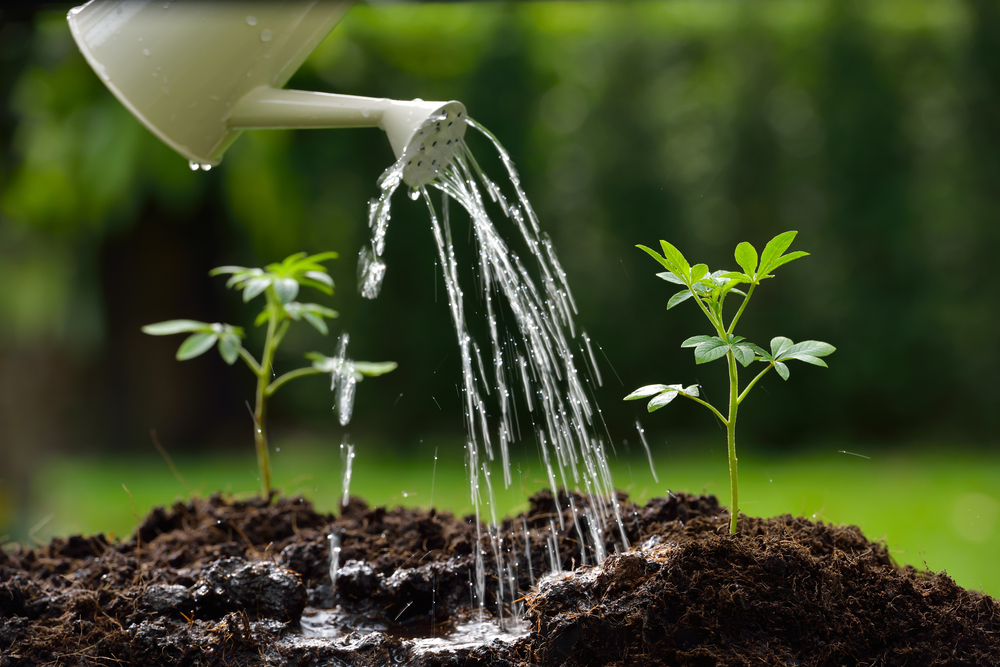
Plants that were recently placed in the garden need extra attention during early spring. Their roots are still spreading into the surrounding soil and adjusting to the new environment. Light watering helps settle the soil around the roots and removes air pockets. Consistent moisture supports the early stages of root development. With proper care, new plants become established more quickly.
Young plants are often more sensitive to wind, sun, and sudden temperature changes. The soil around them can dry faster than expected on mild afternoons. Checking these plants regularly helps prevent stress during unpredictable weather. Once their roots extend deeper into the ground, they become more stable. Careful watering during the early weeks helps them grow stronger.
Use Gentle Water Pressure
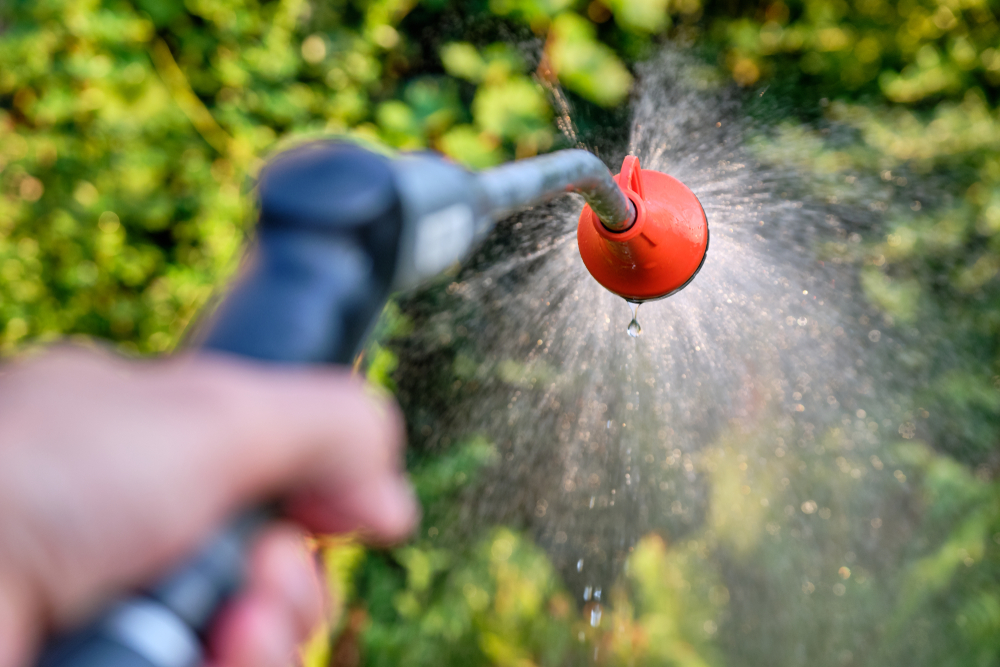
Strong streams of water can disturb the soil and expose delicate roots. Early spring plants are often tender as they begin producing fresh growth. A watering can, or a hose with a soft spray, works better during this stage. Gentle watering keeps the soil structure intact around plant stems. This allows roots to remain protected beneath the surface.
Gentle watering also spreads moisture evenly across the garden bed. Instead of splashing away, the water slowly settles into the soil. This gradual absorption gives roots time to take in the moisture they need. Soil remains firm and stable rather than washed away. Plants respond well to this calm and careful watering approach.
Water Trees and Shrubs Deeply
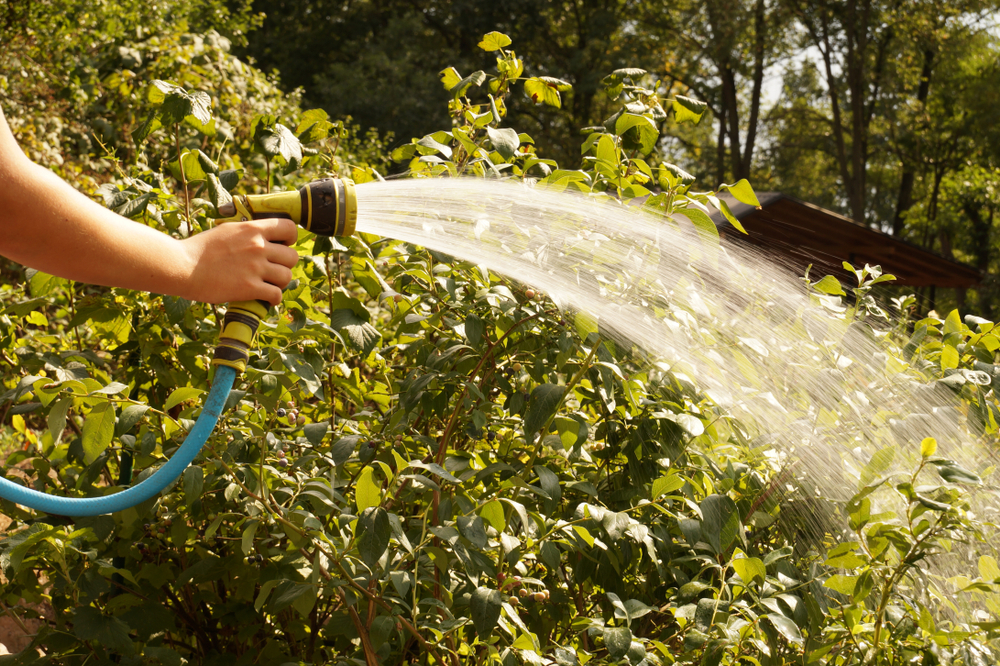
Trees and shrubs begin drawing moisture from the soil long before leaves fully appear. Their roots remain active underground while the branches above still appear quiet. Deep watering around the base helps supply the moisture needed for early spring growth. A slow soak allows water to travel deeper into the soil where larger roots are located. This supports steady growth as the season progresses.
Young trees benefit especially from deep watering during this period. Their root systems are still expanding outward into the surrounding soil. Moisture that reaches deeper layers encourages those roots to spread and anchor the plant firmly. This process strengthens the tree over time. Careful watering early in the season supports long-term health.
Look for Signs from the Plants
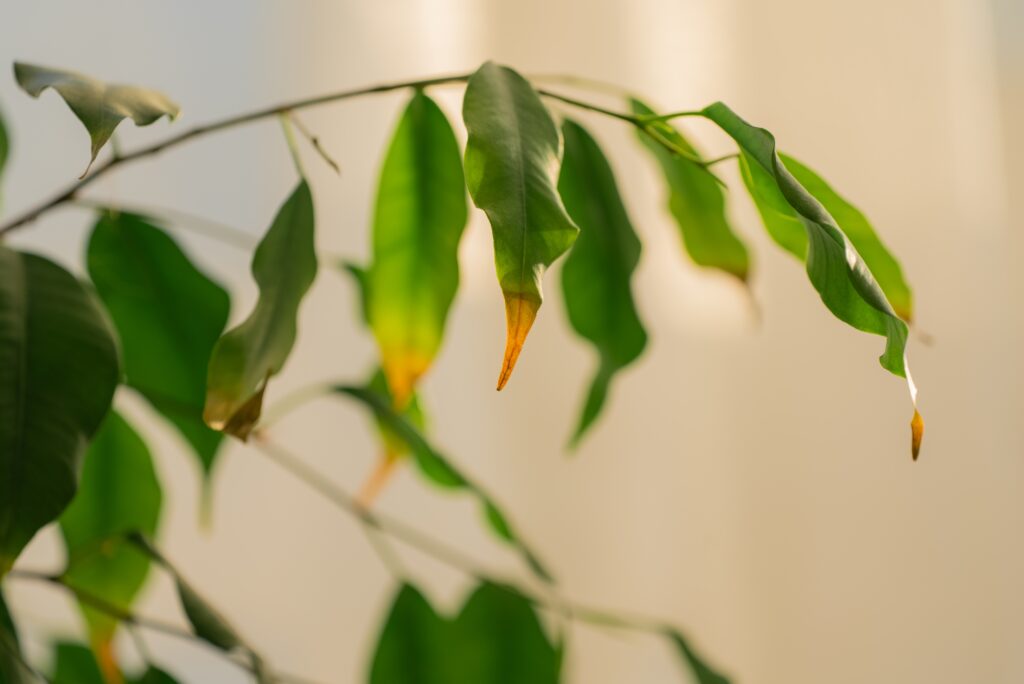
Plants often reveal when they need water through small changes in appearance. Leaves may droop slightly or appear dull when moisture levels fall. Observing these signals helps gardeners respond before plants experience serious stress. Checking the soil confirms whether watering is truly necessary. Over time, these signs become easier to recognize.
Healthy plants usually display firm leaves and steady color. When soil moisture remains balanced, plants continue growing without interruption. Paying attention to plant behavior can guide watering decisions more accurately than a fixed schedule. Every garden responds differently to weather conditions. Careful observation helps gardeners adjust watering with confidence.
Keep a Simple Watering Routine
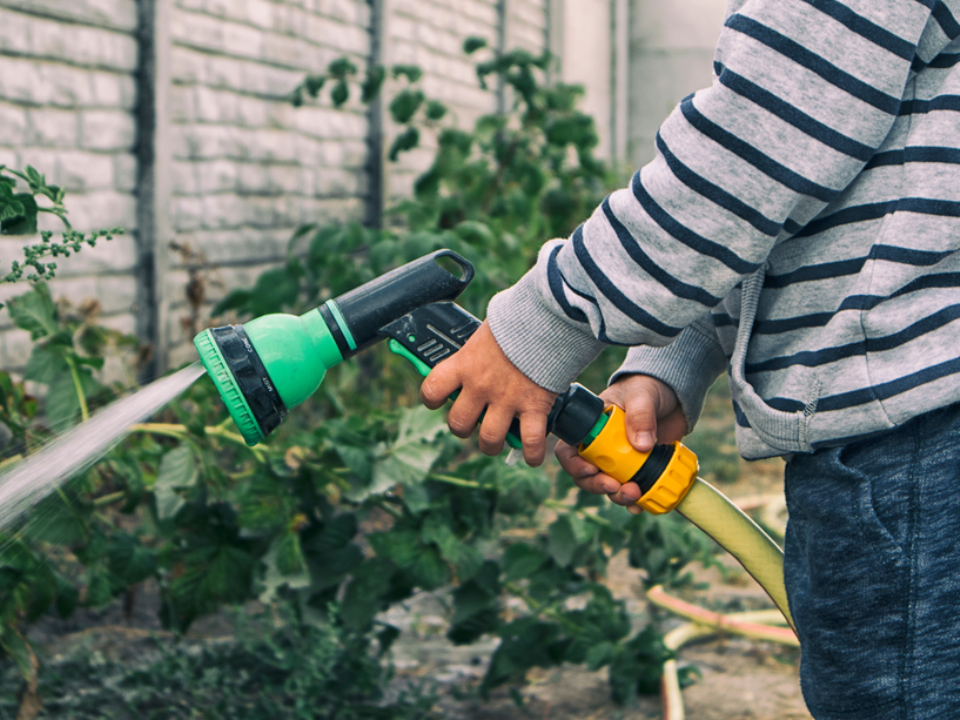
Unpredictable spring weather can make watering decisions feel confusing for many gardeners. Establishing a simple routine helps bring consistency to the garden. Checking soil moisture, observing plants, and watching the weather forecast creates a reliable pattern. These small habits reduce the chance of watering too often or too little. Over time, they make garden care easier.
Each garden develops its own rhythm depending on soil type and sunlight. Some beds dry quickly while others hold moisture longer. Learning how each part of the garden behaves helps guide watering decisions. Experience builds confidence with every season. With patience and observation, early March watering becomes much easier to manage.
This article originally appeared on Avocadu.