
15 Places Where Reintroductions Worked and Wildlife Now Thrives
Reintroductions are never simple, yet many have ended with real results you can see on the ground. Years of planning, monitoring, and local support can turn an empty habitat into a living one again. Some projects even changed how people think about living alongside wildlife. Let us start with a few places where the story turned in a hopeful direction.
This post may contain affiliate links, which helps keep this content free. Please read our disclosure for more info.
Yellowstone National Park, United States
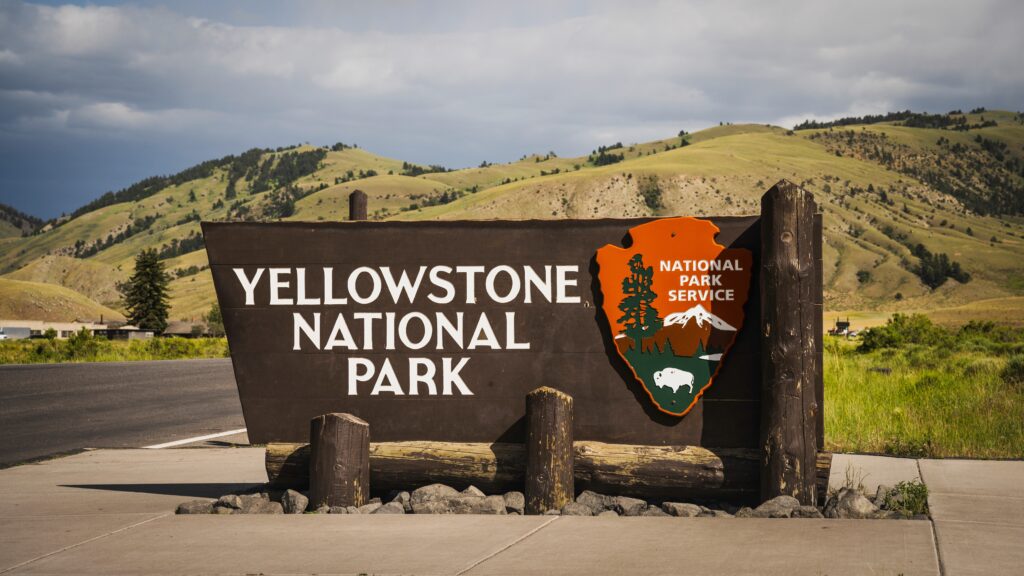
Back in the mid 1990s, wolves returned to Yellowstone after decades without a resident pack. Their presence changed how elk moved and fed across valleys and river corridors. With less constant browsing pressure, some willows and young aspens had a better chance to grow. That plant recovery helped create better cover and food for other wildlife in the same areas.
Along many river bottoms, the shift in grazing patterns supported thicker streamside vegetation over time. Healthier shrubs and trees can cool water, hold banks together, and add habitat for birds and insects. People also track how the change ripples to scavengers that rely on carcasses during winter. If you want a clear example of a comeback that touched an entire ecosystem, start here.
Al Wusta Wildlife Reserve, Oman
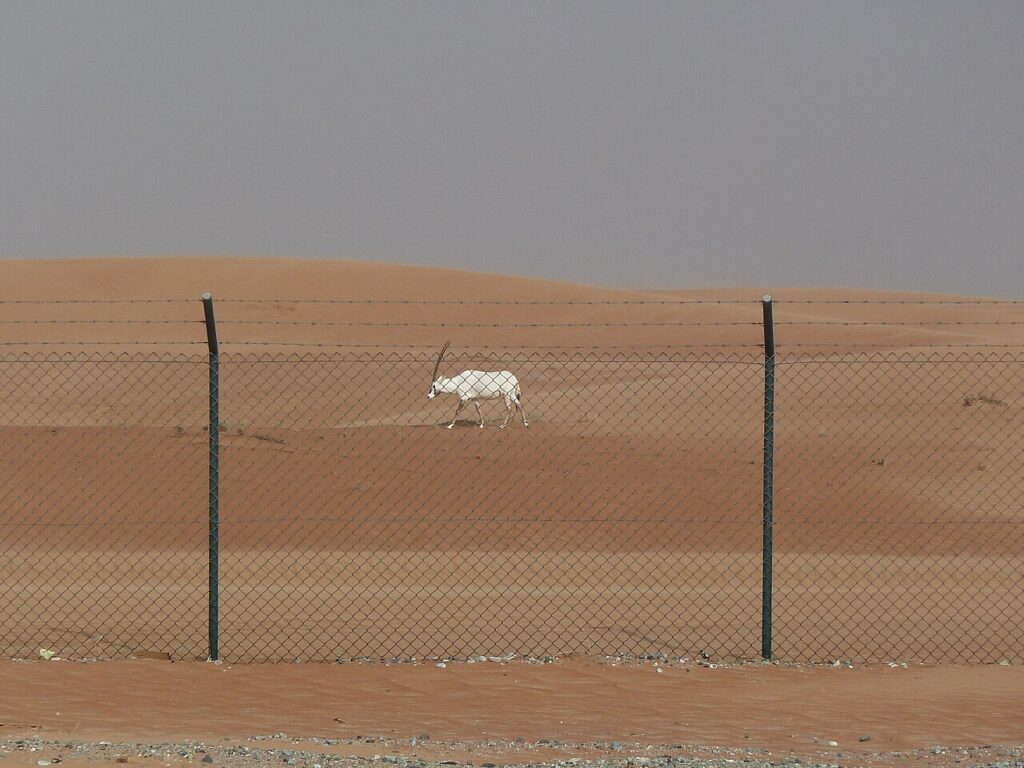
In Oman’s desert reserve, Arabian oryx returned after being wiped out in the wild. Early releases focused on animals bred in protected settings so they could handle harsh conditions. Rangers and researchers followed the herd closely to learn where it fed, drank, and sheltered from heat. Over time, births in the wild became the clearest marker that the return was working.
Across the protected sands, steady patrols reduced hunting pressure and gave the herd room to settle into seasonal routines. Drought years tested the animals, so managers watched body condition and movement patterns closely. The project also depended on careful choices about when and where to release new groups. Keep reading, and you will see how similar planning helped other species in very different habitats.
Guadiana Valley and other sites across Spain and Portugal
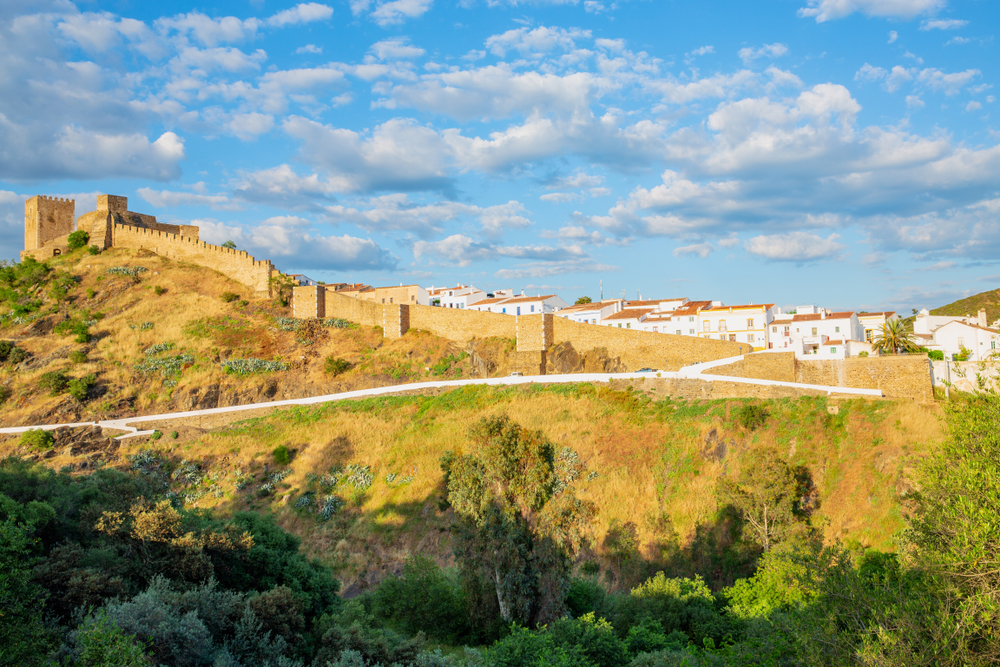
Few comebacks in Europe feel as dramatic as the return of the Iberian lynx. Reintroduced lynx were placed in areas with strong rabbit numbers and safe cover for hunting. Teams tracked them to confirm that they found territories and paired up. As new litters appeared, the return started to look less like an experiment and more like a stable recovery.
Across multiple release sites, new breeding groups formed in places that had not seen lynx for years. Road risk and disease still matter, so projects focus on safer crossings and stable prey. Habitat work often includes improving scrub cover and reducing dangerous gaps between hunting grounds. If you like big cat stories with real results behind them, this one is worth your time.
Chilterns, England
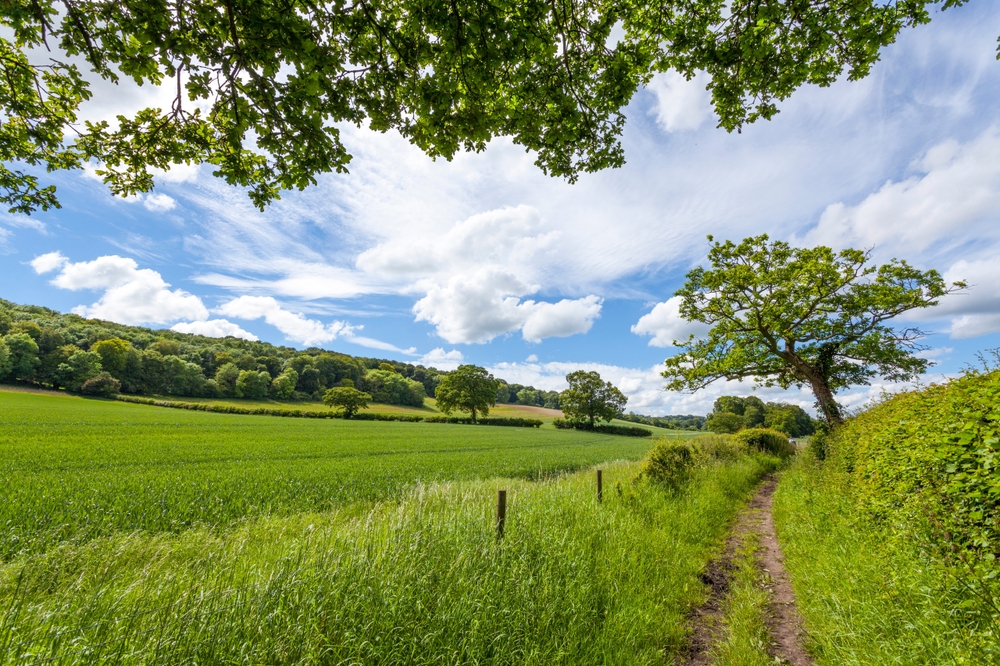
After decades of absence, red kites returned to the Chilterns through a carefully planned reintroduction. The releases were followed by close monitoring of nesting success and survival. As pairs formed and raised young, sightings became more common in towns and countryside alike. Today, the bird is part of daily life in many areas where it once seemed impossible to see.
Over the following years, the recovery spread beyond one region and became a wider UK success story. Kites now breed in multiple areas, which lowers the risk from a single local setback. Public reporting and monitoring helped researchers track where birds settled and where threats remained. If you want a feel-good wildlife story that still involves real field work, this is it.
Grand Canyon region, United States
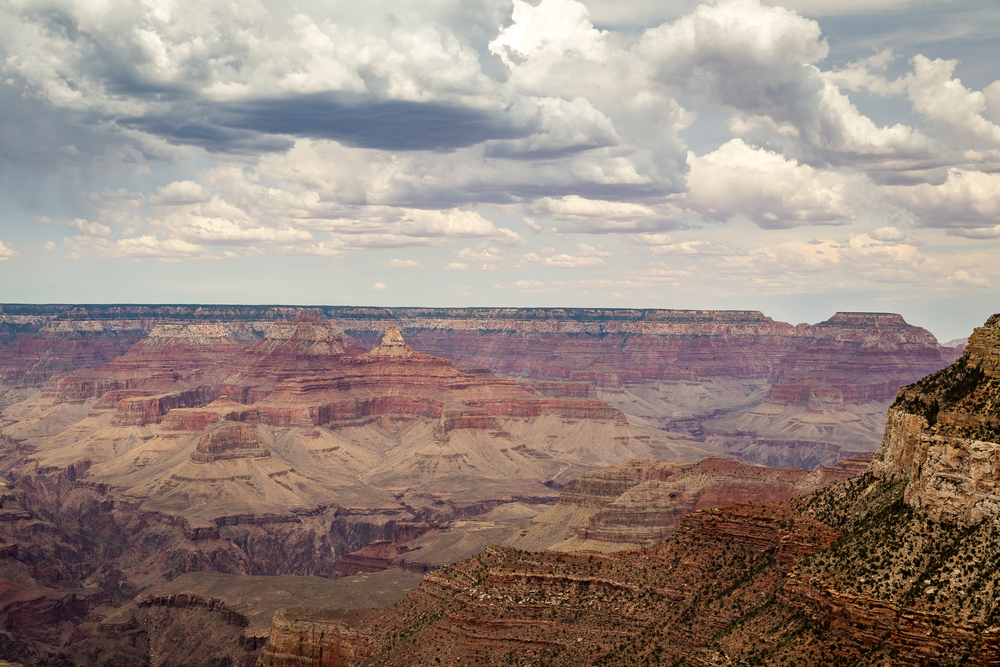
High above canyon rims, California condors now glide again after a long recovery effort. Releases in the Southwest rebuilt a wild flying population from captive-bred birds. Managers used tracking to locate feeding areas, roost sites, and risky zones. The return matters because condors are large scavengers that help recycle carrion across wide open landscapes.
During the late 1980s, the species disappeared from the wild, so any modern sighting is the result of decades of work. Ongoing efforts target threats like lead exposure and other hazards tied to scavenging. Field teams also watch nesting attempts and survival rates to understand what helps the birds persist. If you want a story that mixes big goals with careful day-to-day monitoring, this is a strong pick.
Meeteetse area, Wyoming, United States
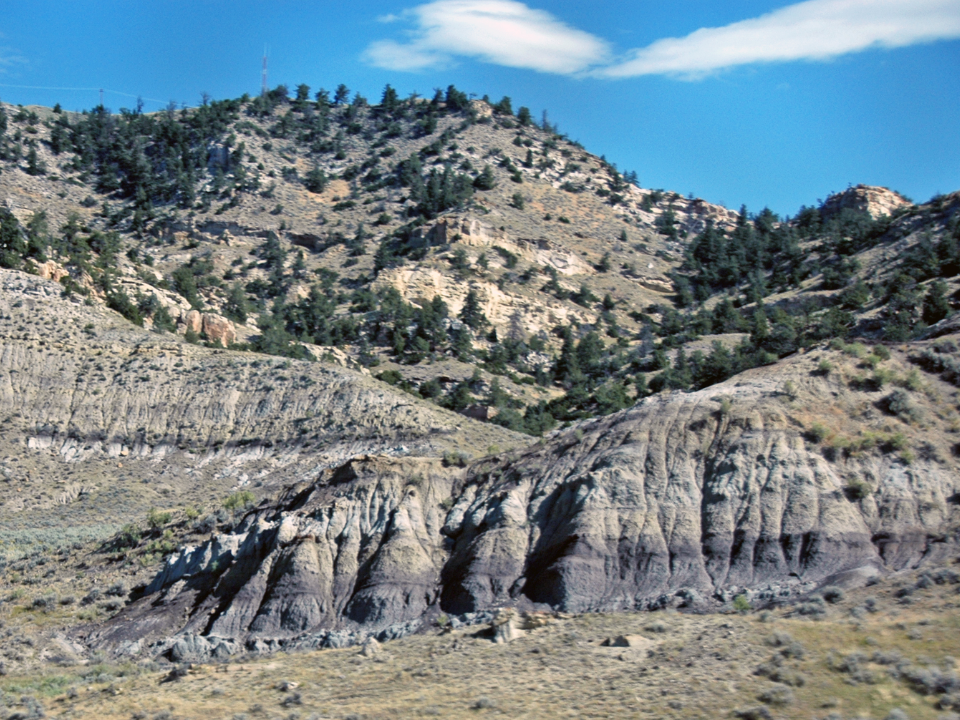
Once a tiny surviving group was found, black-footed ferrets became the focus of a major comeback effort. Captive breeding produced animals that could be released back onto the prairie dog habitat near Meeteetse. Releases marked a return to an area where ferrets had been absent for decades. Because they depend on prairie dogs for food and burrows, the site choice matters as much as the ferret itself.
Out on the prairie at night, crews check burrow systems, track survival, and look for signs of wild-born kits. Disease control is a big part of the work, since plague can hit prairie dogs and ferrets hard. When young ferrets show up without a human release, it signals that the habitat can support a real life cycle again. If you want an example where habitat and prey were the whole story, this one fits.
Hustai National Park, Mongolia
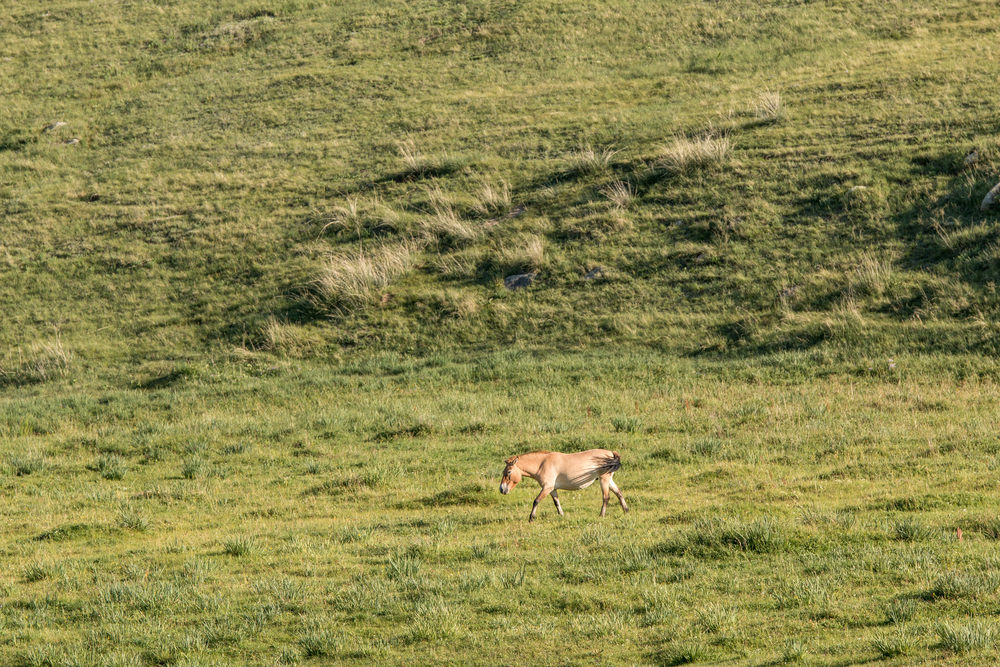
On Mongolia’s steppe, Przewalski’s horse returned through releases of animals bred in captivity. The park offered space where herds could roam, graze, and form natural social groups. Over the years, foals born in the wild showed that the animals were adjusting to local conditions. The return also carries cultural meaning, since the horse is known locally as takhi.
After the first herds settled, researchers watched how the horses used water sources and winter shelter areas. Harsh winters and dry years still test survival, so managers watch body condition and range use carefully. The long view matters because a few bad seasons can undo early gains. If you enjoy stories that mix ecology with local history, keep this one in mind.
Knapdale Forest and the River Tay catchment, Scotland
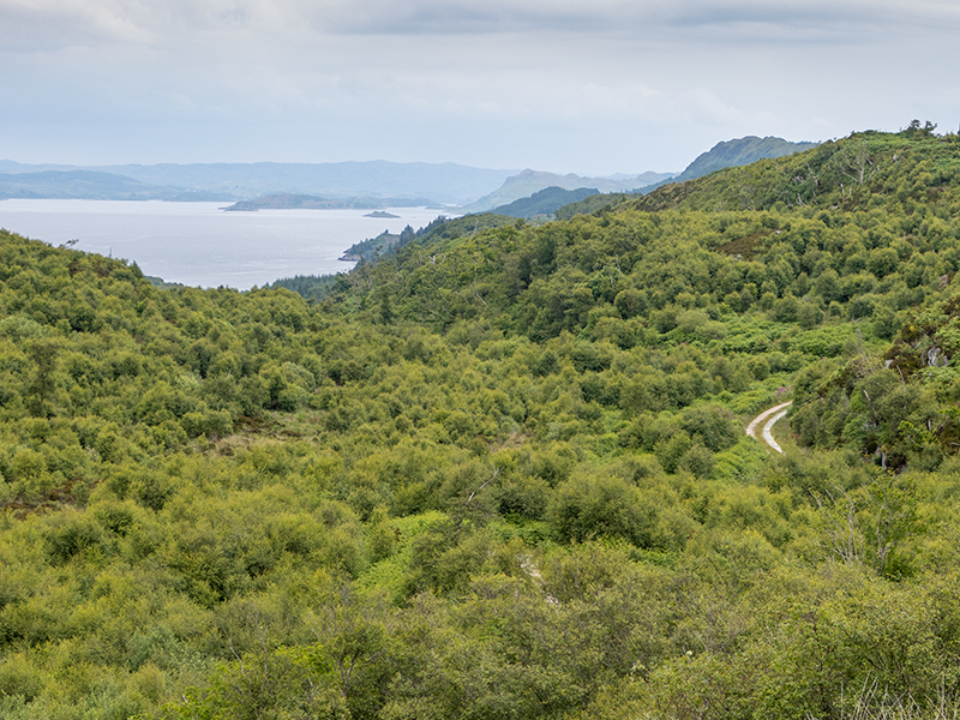
In Scotland, Eurasian beavers came back through a trial reintroduction that tracked their movement and dam building. Once beavers settled, they began shaping small wetlands and slowing water in side channels. That new wet habitat can support amphibians, insects, fish, and water birds. The change is visible in the way ponds and channels form around their activity.
Because officials reviewed the results and allowed the animals to remain, the story did not end as a short experiment. Land managers still work through conflicts, since dams can affect farms and some fisheries. Even so, the return has become a well-known example of a native animal changing habitat in ways many species can use. If you like wildlife stories where the habitat itself shifts, this is a great one.
Isle of Mull and other parts of Scotland
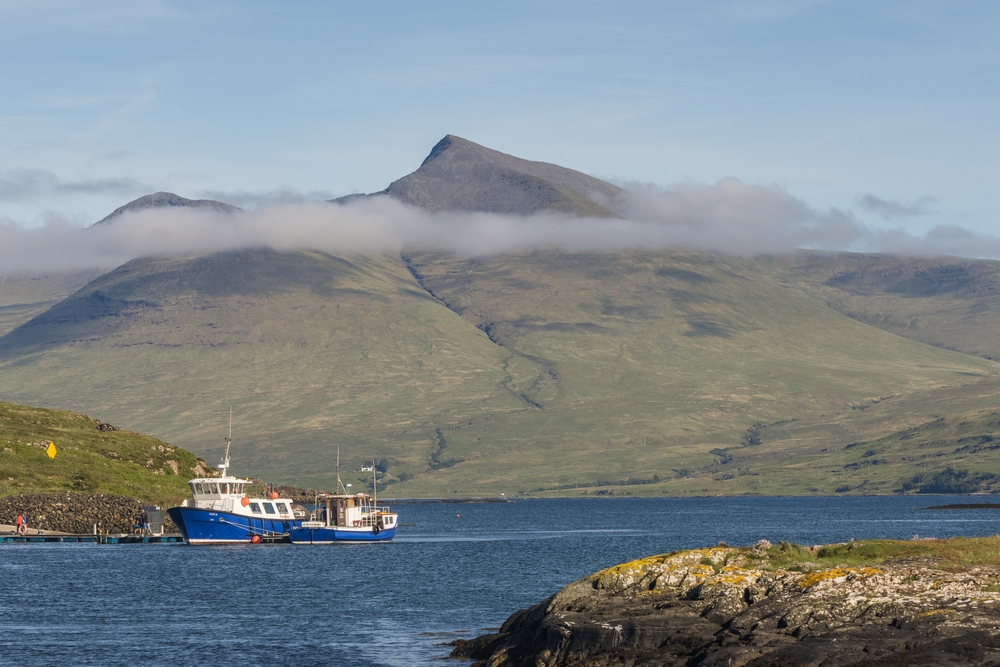
Along sea lochs and rugged coasts, white-tailed eagles returned through releases that rebuilt a breeding population. Coastal cliffs, islands, and quiet shorelines provide hunting grounds and nest sites with less disturbance. As pairs formed, nesting success helped the population grow and spread. For many visitors, seeing one glide over water is now a real possibility.
Over time, more birds meant more territories, which helped the population spread into new areas. Eagles can create conflict where livestock is present, so local programs often include monitoring and response plans. Even with those tensions, the species now breeds again in places where it had been gone for generations. If you want a reintroduction tied closely to public interest and tourism, this is a strong example.
Swiss Alps, Switzerland
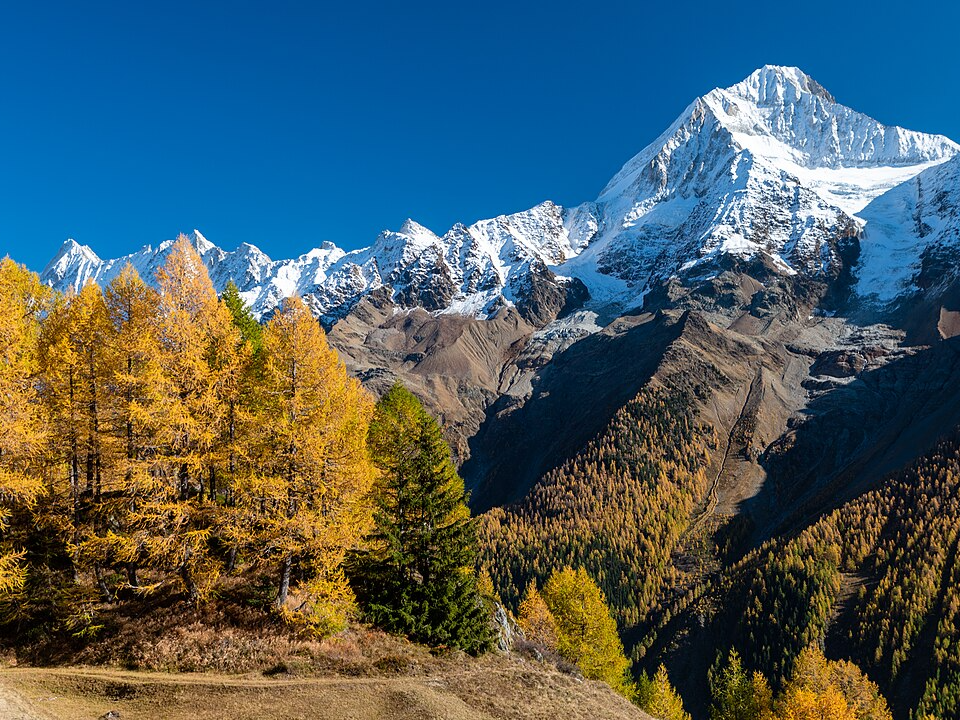
Long before modern conservation became common, Alpine ibex began returning to the Swiss Alps through protection and reintroductions. Mountain refuges and strict rules helped a small surviving group become the source for new populations. Released ibex moved into steep terrain where they could escape predators and heavy human pressure. Their return is easy to spot in the high country that once had none.
Across several ranges, the ibex story shows what can happen when a species is given time and a safe habitat. Researchers still watch genetics and connectivity, since many populations trace back to a small source group. Managers also track population health because tough winters can hit mountain animals hard. If you like mountain wildlife, this one is hard to beat.
Olympic Peninsula, Washington, United States

Off the Washington coast, sea otters returned after translocations from Alaska in the late 1960s and early 1970s. Once established, the population began growing and spreading along the nearshore kelp zone. Otters can shape coastal ecosystems by feeding on sea urchins and other invertebrates. Their presence is often links to healthier kelp forests that shelter fish and many small species.
Years of surveys show where groups formed and how the population changed along the coast. Growth over many decades points to a stable establishment rather than a short-lived presence. Managers still watch how otters interact with shellfish fisheries and shifting ocean conditions. If you enjoy marine stories where one animal can change the food web, this is a classic case.
Shenandoah National Park and the Central Appalachians, United States
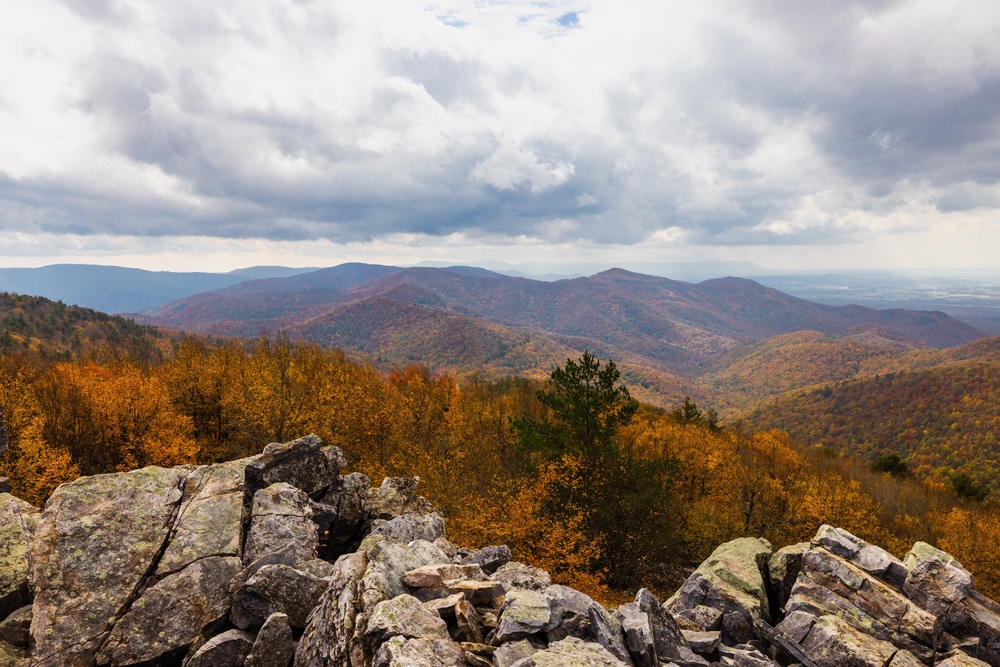
Rather than waiting for natural return, teams brought peregrine falcons back using a release method called hacking. Young birds were raised in protected boxes on cliffs or tall structures until they could fly and hunt. Over time, returning adults claimed territories and began nesting on suitable ledges. Seeing a peregrine dive over a ridge now feels normal in places where breeding pairs once vanished.
In the Appalachian region, monitoring continues because local conditions can change nest success from year to year. Managers watch for disturbance near nest sites and also track hazards tied to developed areas. The ongoing work shows that reintroductions can continue long after the first releases. If you want a bird comeback with a clear fieldwork story, start here.
Tarcu Mountains, Romania
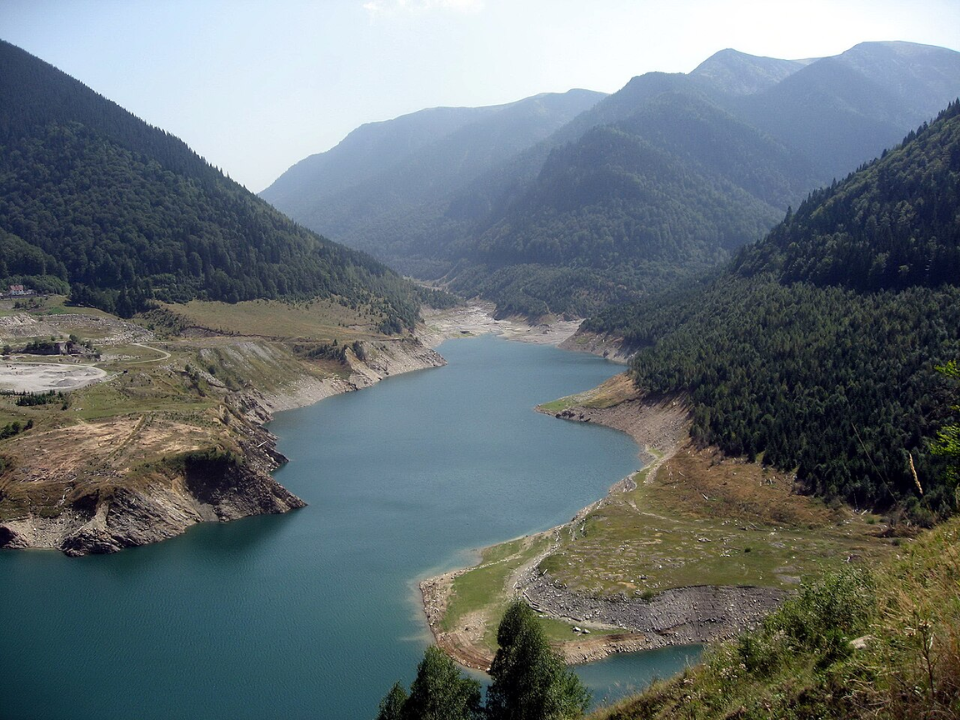
In the Southern Carpathians, European bison returned through translocations that rebuilt a free roaming herd. The area offers forest edges, open grasslands, and space for large animals to move and graze. As the herd grew, bison began shaping vegetation through grazing and trampling, which can create a patchwork of habitats. Their return also brought new attention to a region that many people outside Romania barely knew.
As numbers climbed, local teams focused on conflict prevention, since bison can wander into fields. Communities worked through crop damage concerns and learned how to respond safely when animals are nearby. Reproduction in the wild is a key sign that the herd is settling into the landscape. If you want a modern European example that is still developing, this one is worth following.
The Alps across France, Italy, and Austria
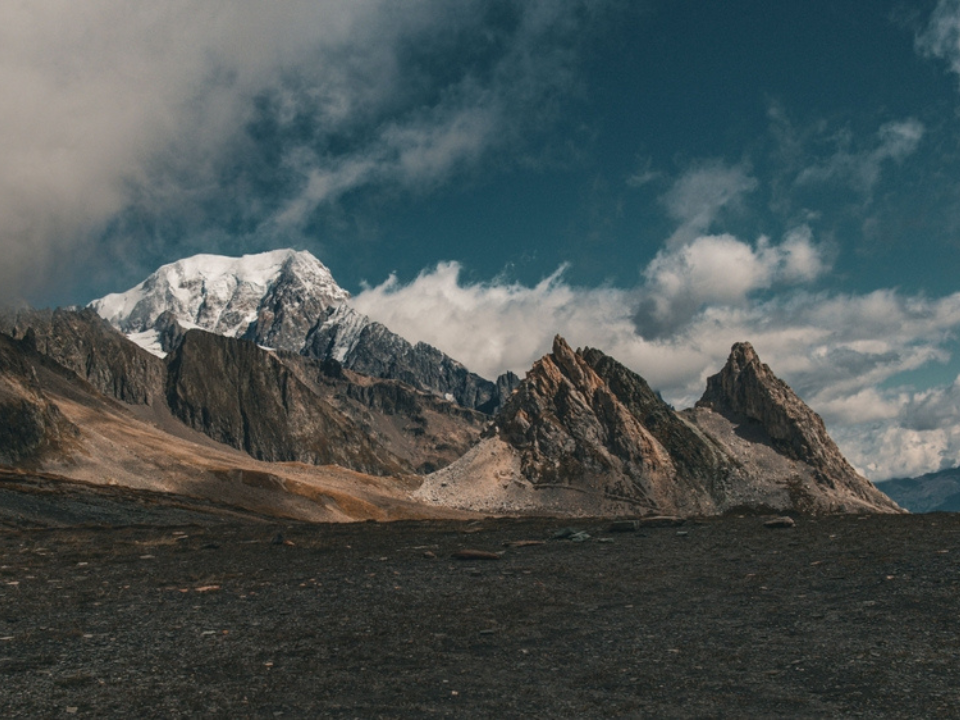
Across the alpine arc, bearded vultures returned through a long-running reintroduction program that released captive-bred birds. Young birds were placed in mountain sites where they could fledge with minimal human contact. As survivors matured, breeding pairs formed and began raising chicks in the wild. Many hikers now recognize this bird as part of the alpine sky again.
Over decades, repeated releases and careful tracking helped the population spread into multiple mountain ranges. Managers still watch survival and dispersal, since some areas do better than others. Even so, breeding success across the region shows the return is holding. If you want a bird story where patience paid off, this is it.
Louisiana wetlands, United States
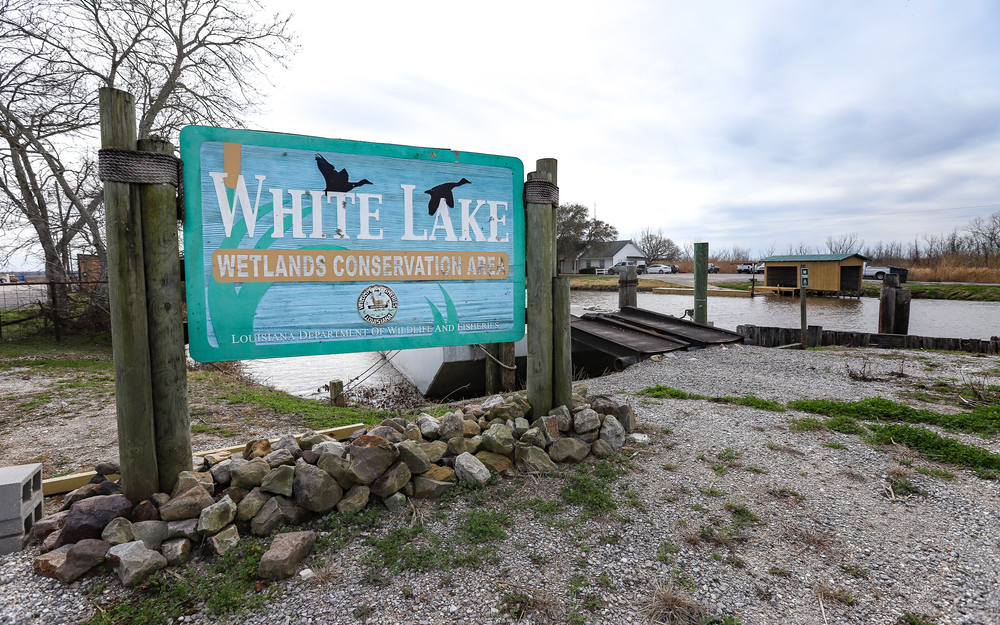
In Louisiana, whooping cranes returned through a reintroduction effort that released young birds and tracked them closely. Wetlands and open marsh provide feeding areas and space to roost away from heavy disturbance. Over time, some wild hatched chicks fledged, which is one of the clearest signs that the project can produce new generations. The work also depends on public awareness, since illegal shooting and disturbance can undo years of progress.
Year by year, biologists follow survival, nesting attempts, and where cranes spend different seasons. Tracking data helps show where threats appear, including collisions and risky human activity near key habitats. The project has faced setbacks, yet it still represents a place where reintroduced cranes are living on the landscape right now. If you want a story that shows both wins and hard lessons, this one fits.
This article originally appeared on Avocadu.