
12 Forests That Regrew After Fires and Brought Back Native Birds
Forest fires can change a landscape in a matter of hours. What follows is often a long period of recovery as plants grow and wildlife returns. Birds are among the most visible signs that the forest is healing. They settle into young trees and begin filling the air with familiar calls. Let us explore forests where birds came back after fire reshaped the land.
This post may contain affiliate links, which helps keep this content free. Please read our disclosure for more info.
Yellowstone National Park Forests, United States
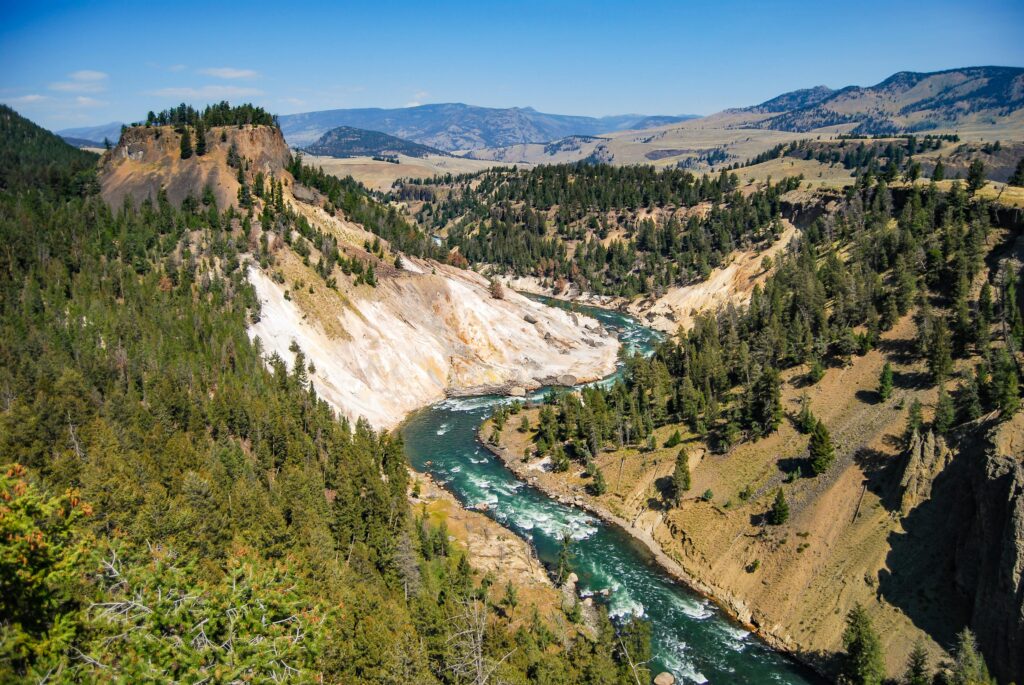
The summer fires of 1988 burned nearly 800,000 acres across Yellowstone National Park, leaving behind wide stretches of blackened forest that looked lifeless at first glance. Many visitors believed the famous lodgepole pine forests would take generations to recover. Over time, however, the park began showing signs of recovery as pine seedlings sprouted across the burned ground. These young trees gradually formed thick stands that reshaped the landscape. Today, large sections of Yellowstone look green again, showing how natural recovery can reshape a fire scar.
Birdlife returned alongside the growing forest and helped bring sound back to areas that once felt silent. Black-backed woodpeckers were among the earliest birds seen in the burned zones because they feed on insects found in charred tree trunks. As shrubs and young pines grew taller, mountain bluebirds and dark-eyed juncos began nesting across open meadows and recovering woodland. Later, species such as warblers and nuthatches followed as the forest canopy grew thicker. The returning birds helped restore balance to the ecosystem while showing how wildlife adapts after fire.
Los Padres National Forest, United States
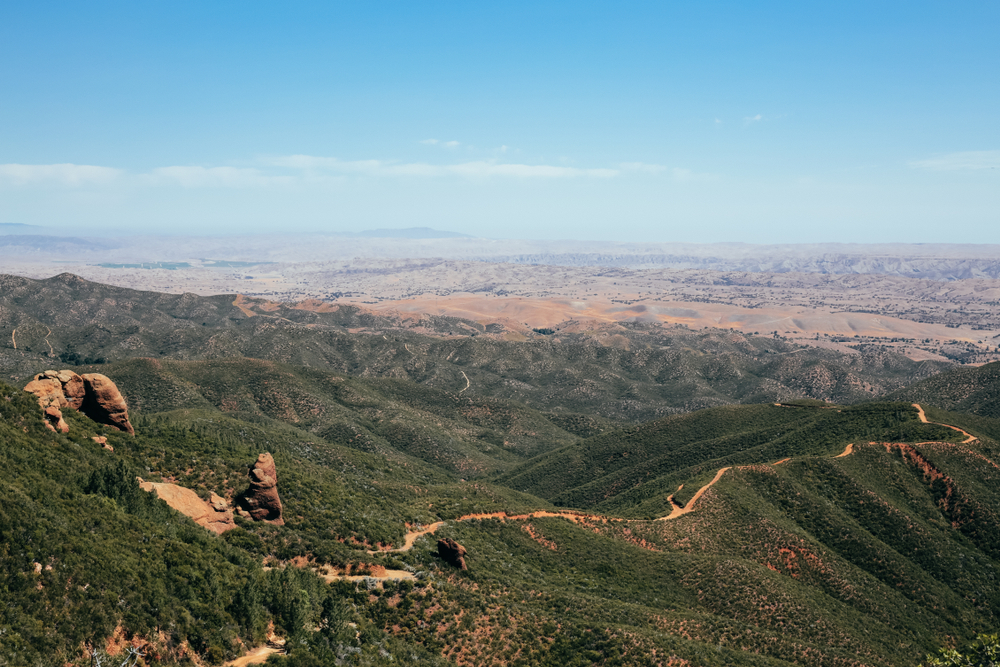
Los Padres National Forest stretches along the central coast of California and has experienced several major fires over the years. Some of these fires burned large sections of chaparral and oak woodland. At first, the hillsides appeared bare and dusty after the flames passed. Within a few seasons, however, native plants such as sage, manzanita, and young oak trees began spreading across the slopes. These plants slowly rebuilt the habitat that birds rely on.
Birdlife responded quickly to these changes in the recovering forest. California quail were among the early species returning to feed among shrubs and open ground. Acorn woodpeckers followed as oak trees began growing again and producing acorns. Western scrub jays also moved back into areas where the woodland started filling out. Over time, the returning vegetation supported a healthy mix of bird species.
Coconino National Forest, United States
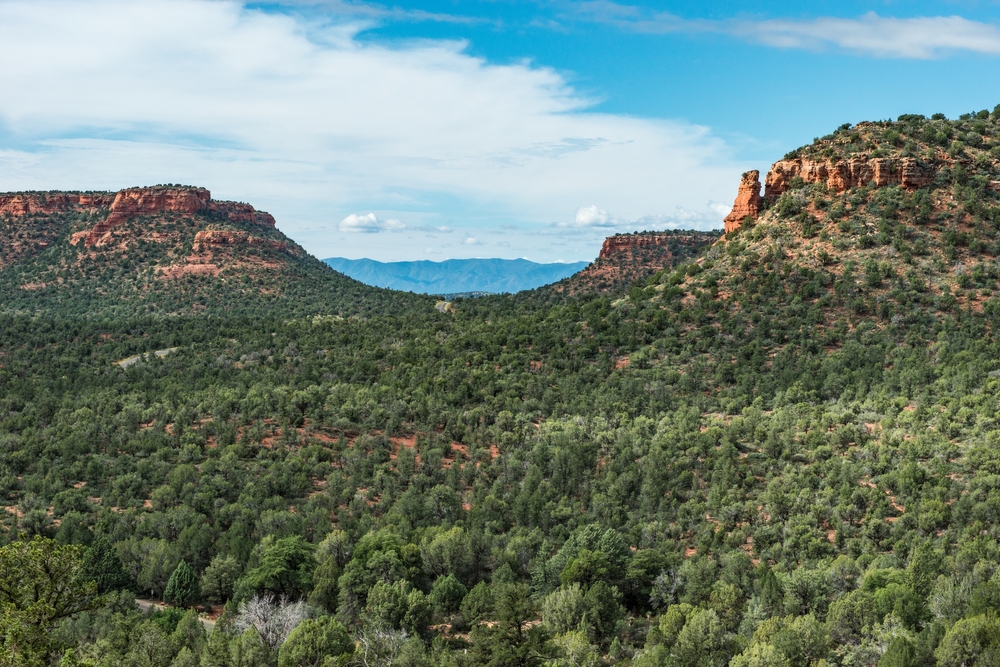
The Coconino National Forest in northern Arizona has faced several fires during the past few decades. Many of these fires burned through dense ponderosa pine stands that had grown thick after many years without natural fire. When the flames passed, the forest floor received more sunlight than before. This allowed grasses, wildflowers, and young pine trees to grow across open ground. The landscape gradually shifted from dense forest into a mix of open woodland and younger trees.
Bird species responded quickly to the new conditions created by the fires. Western bluebirds were among the birds seen nesting in open pine forests that formed after the burn. Northern flickers also appeared in areas with dead trees that provide nesting cavities. As the young trees grew taller, species such as pygmy nuthatches and chickadees began returning. The forest now supports a wide range of birds across different stages of regrowth.
Great Smoky Mountains Forests, United States
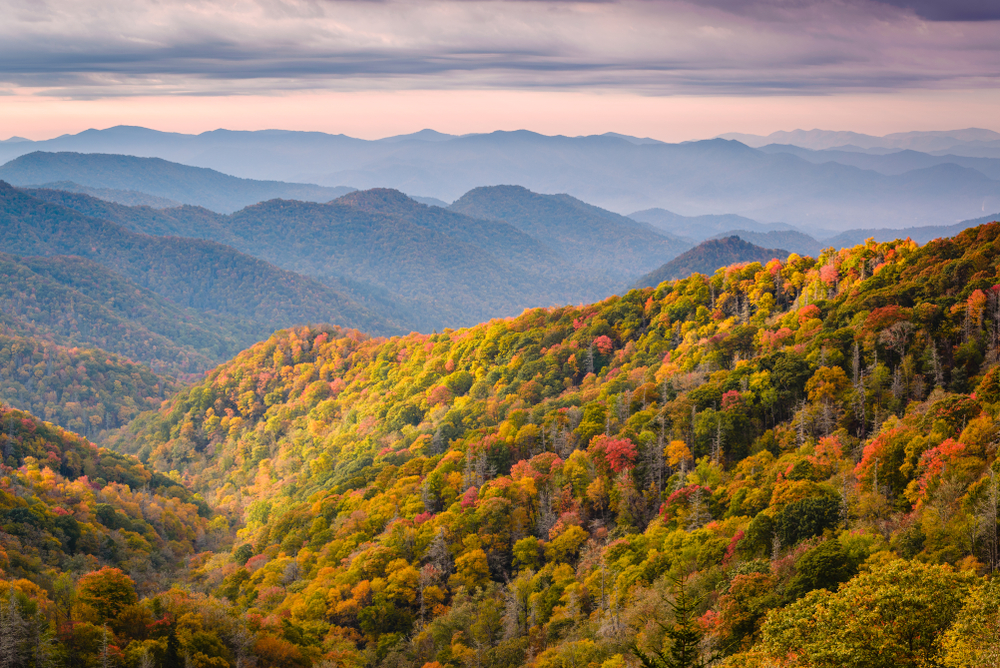
Wildfires reached parts of the Great Smoky Mountains in 2016, particularly in areas near Gatlinburg in Tennessee. These fires burned sections of hardwood forest that covered steep mountain slopes. After the flames passed, many areas looked stripped of their dense vegetation. Over time, however, young saplings and shrubs began growing across the forest floor. These plants slowly rebuilt the forest structure.
Birdlife returned as the recovering forest began producing food and shelter again. Wood thrushes were among the birds heard singing in shaded valleys as vegetation returned. Scarlet tanagers also appeared during the warmer months as insects became plentiful. Pileated woodpeckers continued using burned trees that still stood tall in the forest. The gradual return of these birds showed how the ecosystem was recovering.
Sierra Nevada Forests, United States
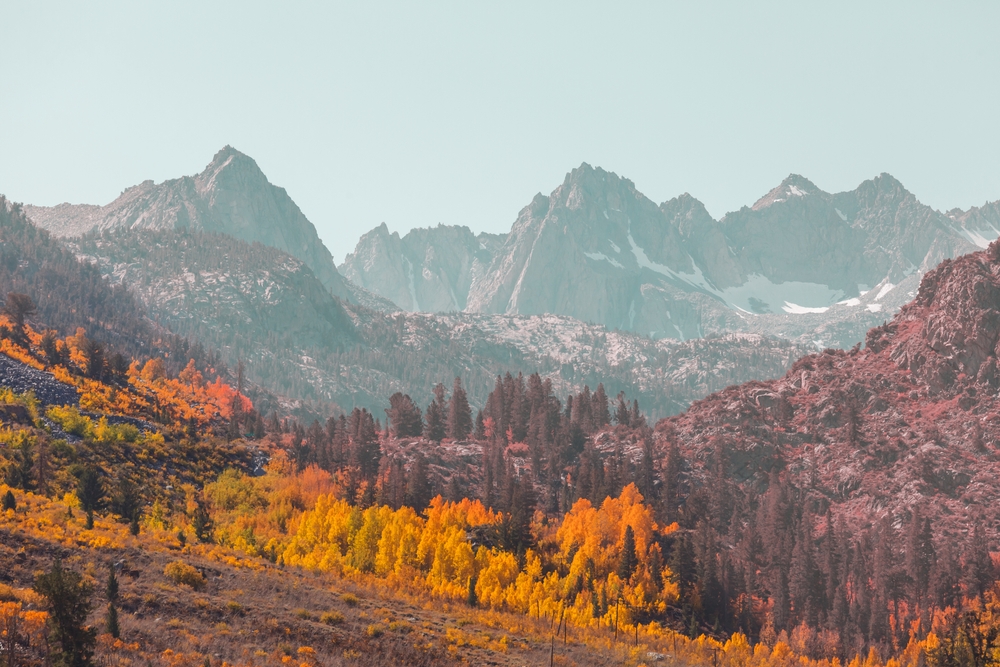
The Sierra Nevada mountains in California have experienced several large fires over recent decades. These fires have affected pine and fir forests that stretch across high mountain slopes. After the fires passed, the landscape changed dramatically as sunlight reached the forest floor. This allowed new plants and young trees to grow where dense forest once stood. The recovering areas slowly developed new layers of vegetation.
Bird species quickly took advantage of these conditions. Black backed woodpeckers often appear in recently burned forests because they feed on insects found inside dead wood. As young trees grow, mountain chickadees and warblers move back into the forest. These birds benefit from the insects and seeds found among recovering vegetation. Over time, the forest becomes home to many different bird species again.
Bandelier National Monument Forests, United States
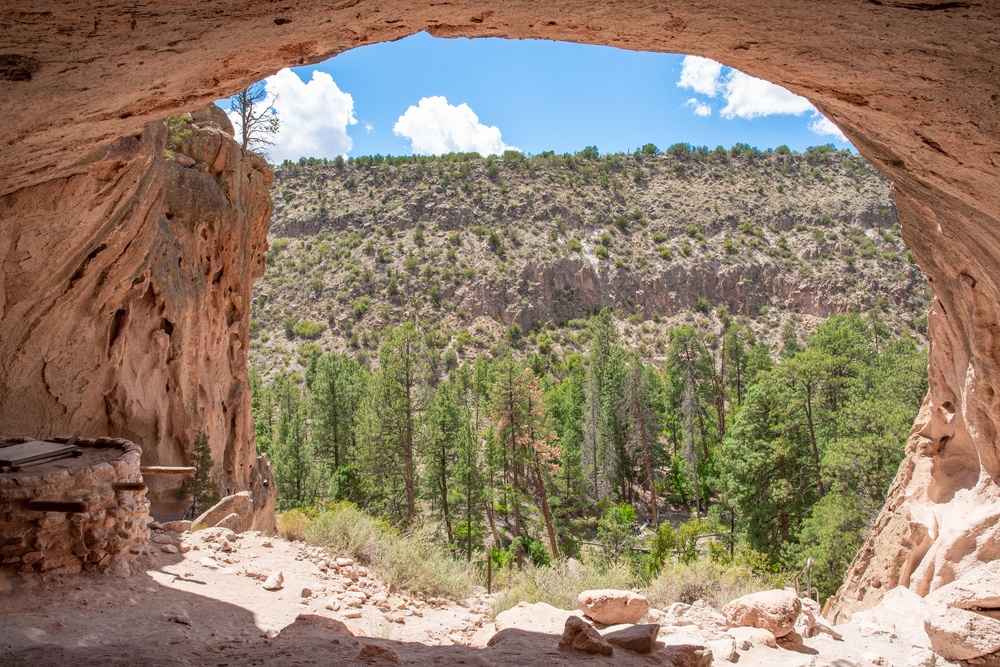
Bandelier National Monument in New Mexico has experienced several fires during recent decades. These fires burned parts of the ponderosa pine forest that surrounds the region’s famous canyon cliffs. After the flames passed, grasses and young pine trees slowly began growing across the landscape. The forest gradually started recovering as plants returned to the slopes and valleys. Visitors could once again see green patches spreading across the burned ground.
Birds soon returned to the recovering forest. Western tanagers and Steller’s jays were spotted moving through the young trees and open woodland. Red-tailed hawks also returned to hunt above the canyon landscape. The mix of open ground and growing forest created space for many bird species. As the trees grow taller each year, more birds continue returning.
Canadian Boreal Forest, Canada
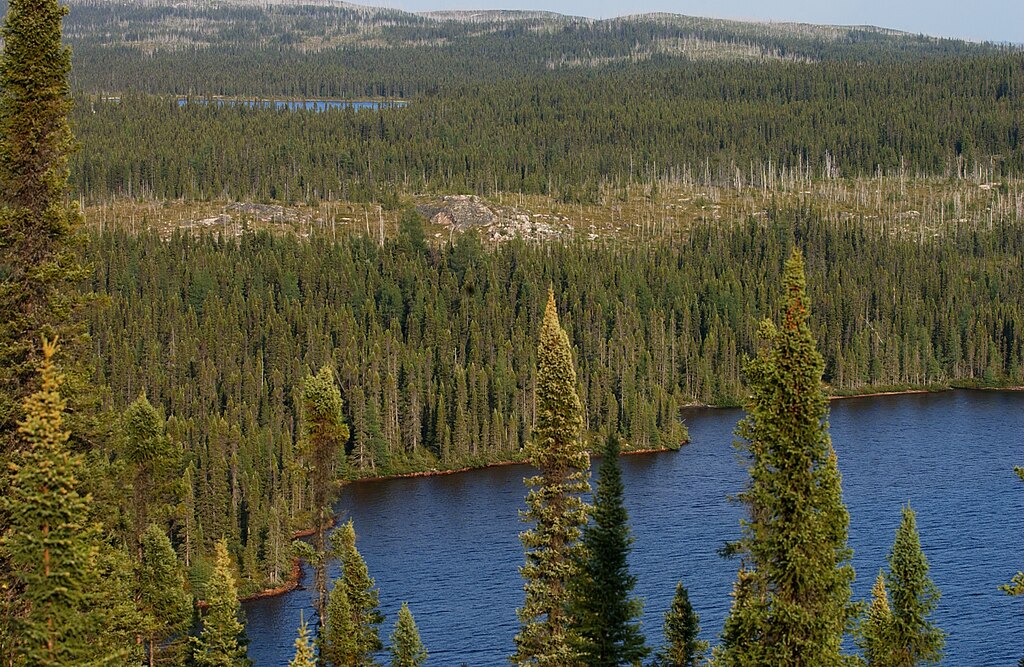
The boreal forest stretches across a huge band of northern Canada and is shaped by natural fire cycles that have taken place for thousands of years. Lightning storms often spark fires during dry summer periods, burning sections of spruce, fir, and pine woodland. While these events can look destructive at first, the landscape is built to recover through time. Certain tree species even rely on heat from fire to open their cones and release seeds onto the forest floor. Within a few growing seasons, fresh seedlings begin filling the ground that once appeared black and empty.
Birdlife closely follows this cycle of loss and recovery across the boreal forest. Black backed woodpeckers are among the earliest birds to appear because burned trees contain large numbers of insects beneath the bark. As shrubs and young conifers grow, species such as warblers, sparrows, and thrushes begin nesting in the new vegetation. Lakes and wetlands within the forest attract waterfowl and shorebirds that benefit from the changing habitat. Over time, the forest becomes a lively place again as birds settle into the growing woodland.
Blue Mountains Forests, Australia
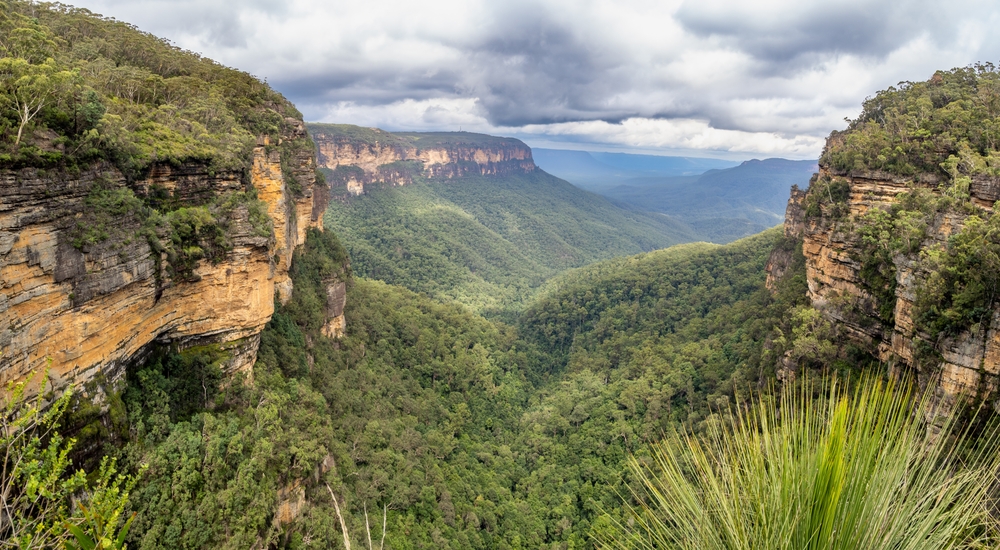
The Blue Mountains west of Sydney experienced widespread bushfires during the severe fire season of 2019 and 2020. Vast areas of eucalyptus forest burned across deep valleys and sandstone cliffs that form the rugged landscape. In the months that followed, many people were surprised to see green shoots growing from blackened tree trunks. Eucalyptus trees contain protected buds beneath their bark that allow them to produce new leaves after fire. Gradually the hillsides regained color as fresh foliage spread across the forest.
Birdlife began returning as the forest showed signs of recovery. Superb lyrebirds were seen scratching through the forest floor searching for insects among fallen leaves and soil. Rosellas and cockatoos appeared among regrowing trees where seeds and blossoms became available again. Honeyeaters followed flowering eucalyptus branches that provided nectar. These birds brought movement and sound back to forests that had once fallen quiet after the fires.
Amazon Rainforest Burned Edges, Brazil
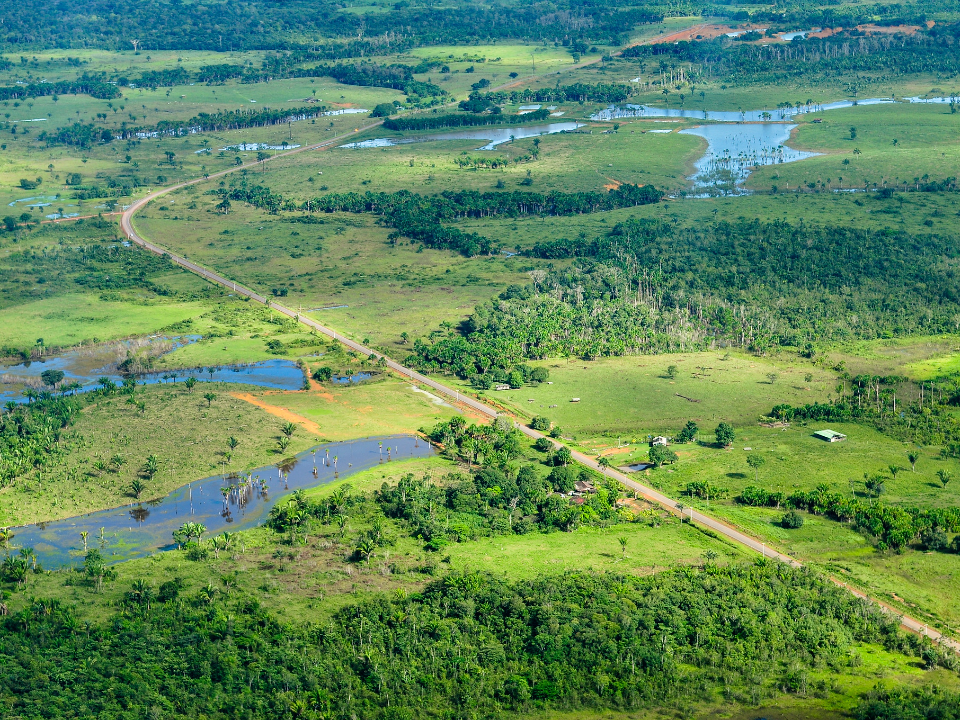
Fires sometimes affect the outer edges of the Amazon rainforest where farmland meets dense tropical woodland. These areas may burn during dry periods when vegetation becomes easier to ignite. If the land is left undisturbed afterward, native plants begin filling the open ground over time. Fast growing shrubs and young trees start rebuilding the forest edge. Gradually, the canopy closes again as taller trees return to the recovering area.
Birds often return quickly to these regrowing sections of rainforest. Tanagers and flycatchers move through the young trees, feeding on insects that gather among the vegetation. Fruit-bearing plants attract species such as toucans and parrots that rely on seeds and berries. The mix of open ground and fresh plant growth creates many feeding opportunities for birds. As the forest thickens again, even more species begin nesting within the recovering canopy.
Santa Monica Mountains Forest, United States
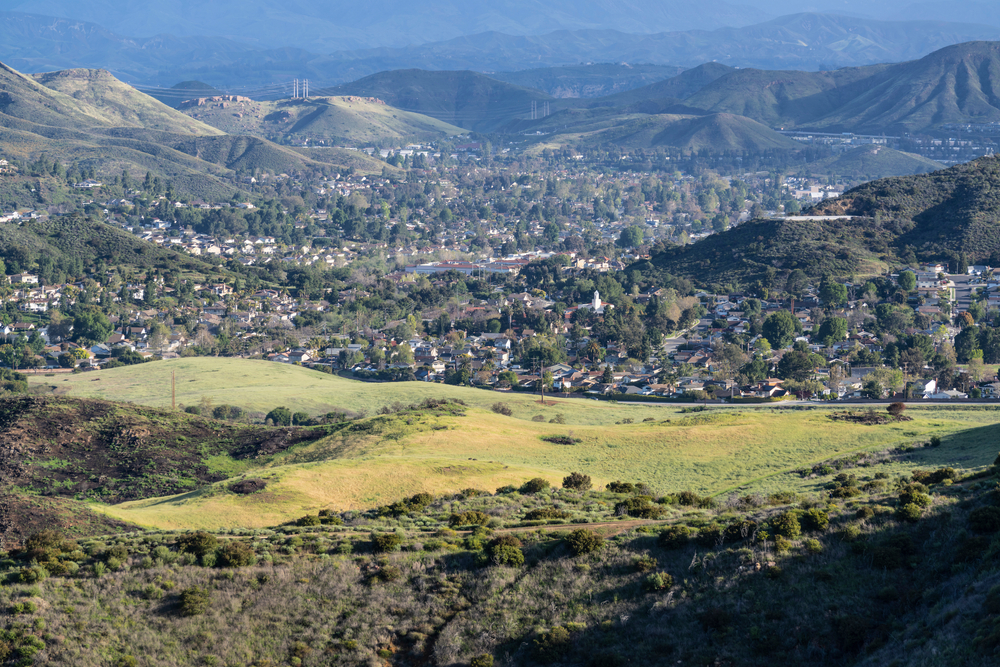
The Santa Monica Mountains along the coast of southern California have experienced repeated wildfires through the years. Chaparral shrubs and scattered oak woodland dominate much of the landscape. After a fire passes, green shoots often appear within weeks as native plants respond to rainfall and sunlight. Seeds that were buried in the soil begin growing across the hillsides. Over time, the slopes return to their familiar mix of shrubs, grasses, and young trees.
Birdlife returns alongside this fresh vegetation. California towhees forage among the ground cover where seeds and insects become plentiful again. Wrentits move quietly through dense shrubs that grow thick after a burn. Red tailed hawks circle above the valleys where open terrain makes hunting easier. These birds help restore life to mountains that once appeared scorched and empty.
Mediterranean Pine Forests, Spain
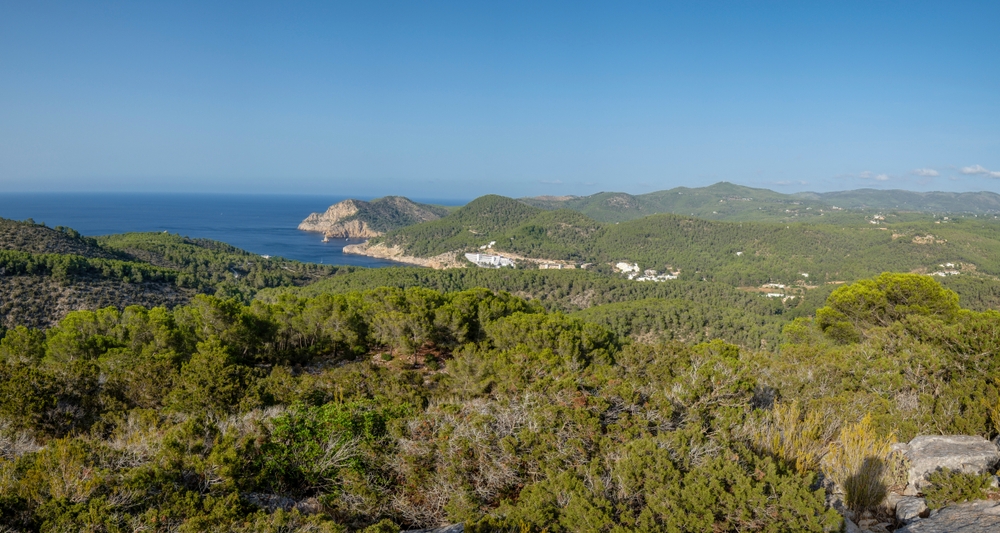
Mediterranean pine forests across Spain sometimes face fires during long dry summers. These events can burn sections of hillside woodland that stretch across rocky terrain. After the flames pass, pine seedlings begin appearing across the slopes along with hardy shrubs. Rainfall and sunlight slowly help rebuild the forest cover. Over the years, the young trees grow tall enough to form a new canopy.
Bird species return during different stages of this recovery. Hoopoes are often seen searching the ground for insects among open patches of soil and grass. Sardinian warblers move through thick shrubs that form after fire. As the pine trees grow taller, woodland birds begin nesting in the branches. Eventually, the forest supports a lively mix of birdlife again.
Kruger National Park Woodlands, South Africa
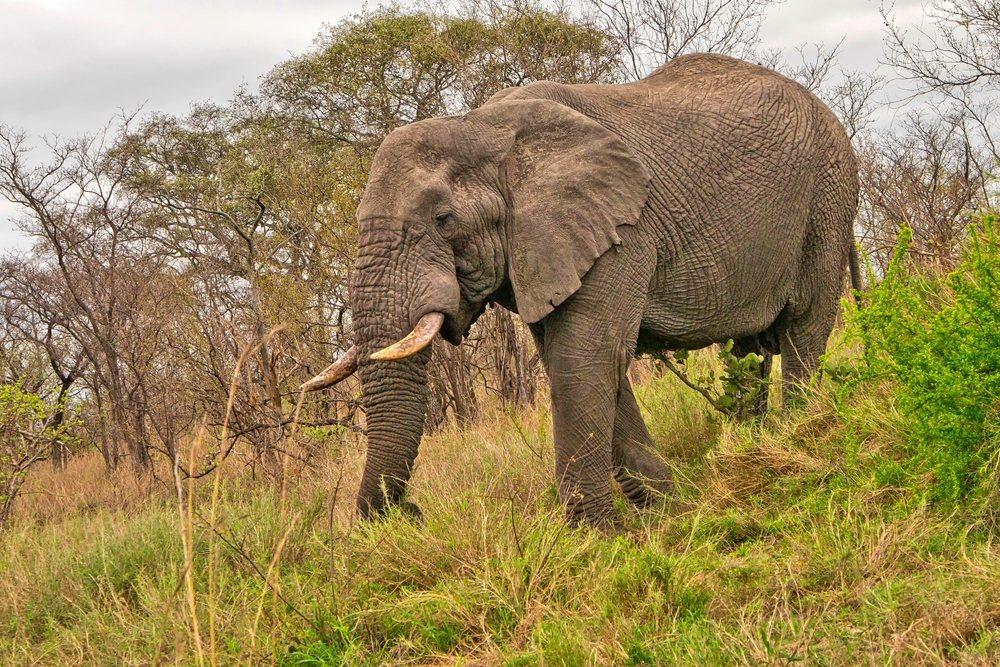
Kruger National Park in South Africa includes large areas of woodland and savanna that regularly experience seasonal fires. These fires remove dry grasses and fallen branches that build up during the dry season. When rain arrives, fresh vegetation spreads quickly across the landscape. Trees such as marula and acacia often recover well after fire moves through the area. The returning plant life draws wildlife back into the recovering woodland.
Birds respond quickly to these changing conditions. Lilac-breasted rollers perch on branches overlooking open ground where insects are easy to spot. Hornbills search the soil and tree bark for beetles and other small creatures. Bee eaters appear in areas where flying insects gather in warm air. These birds help bring movement and color back to the woodland that once appeared burned and quiet.
This article originally appeared on Avocadu.