
15 Predators That Returned and Balanced Local Wildlife Again
In many regions, predators were pushed out for decades, and the ripple effects still lingered. When protections, habitat recovery, or careful reintroduction happened, some predators began showing up again. With that in mind, these stories show why predator presence often matters for overall wildlife health. Scroll on and see which species made a difference after coming back.
This post may contain affiliate links, which helps keep this content free. Please read our disclosure for more info.
Gray Wolf in Yellowstone National Park
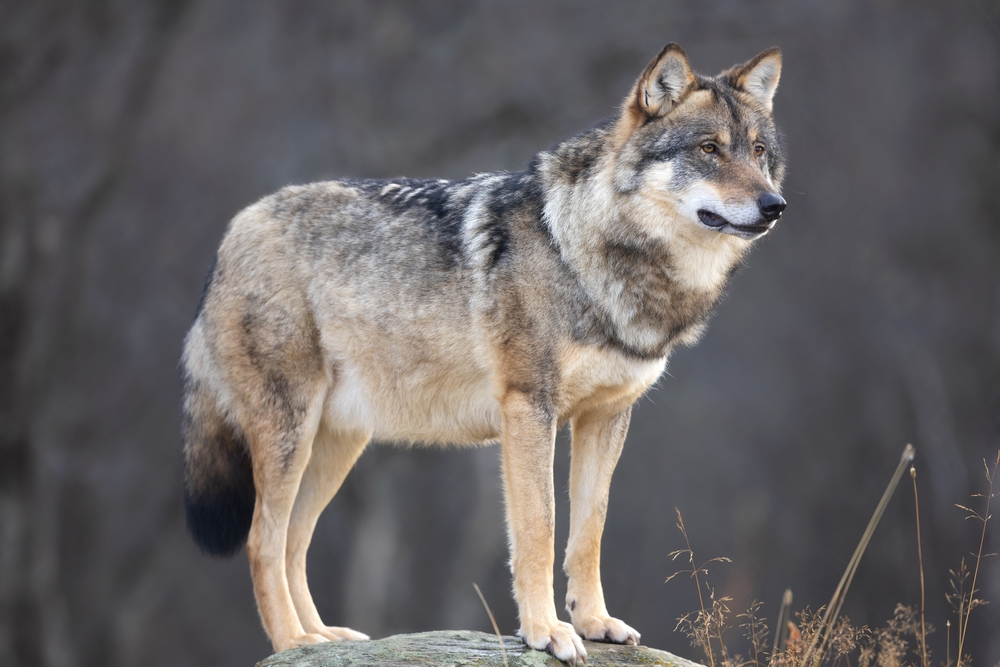
Gray wolves returned to Yellowstone after decades of absence, and their presence changed how elk used open valleys and river edges. When elk stopped lingering in the same spots, some overbrowsed areas had more time to recover. That shift helped young trees and streamside plants survive in places where they had been eaten down. The changes also supported more habitat variety for birds and small animals.
Pack hunting is what gray wolves are best known for, and it lets them take large prey like elk. Predation pressure can lower prey numbers in some areas and also change how prey move through the day. Those movement changes can spread through the system and affect plants, insects, and the animals that depend on them. In daily life, wolves also scavenge, which can feed other wildlife and reduce waste in the landscape.
Mexican Gray Wolf in Arizona and New Mexico
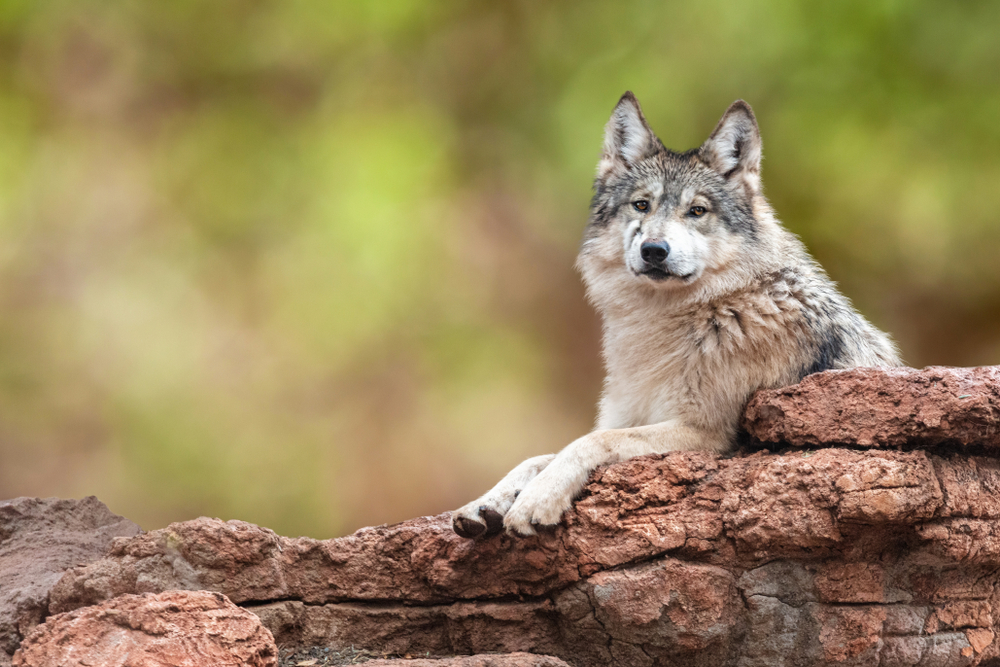
Mexican gray wolves returned to parts of the Southwest through careful releases and ongoing protection. Their presence reintroduced a missing predator that can influence deer and elk numbers over time. In areas where packs hold territory, prey often spread out more instead of grazing heavily in one place. That can ease pressure on local vegetation and help habitats recover in patches.
Smaller than many other gray wolves, this subspecies is known for family group living and coordinated hunting. Elk are an important prey, with deer and smaller animals taken as well. Wolves can also affect other predators by changing where they hunt and how they use the same ground. Long-term recovery depends on connected habitat, reduced conflict, and stable breeding success.
Sea Otter in Kelp Forest Coasts
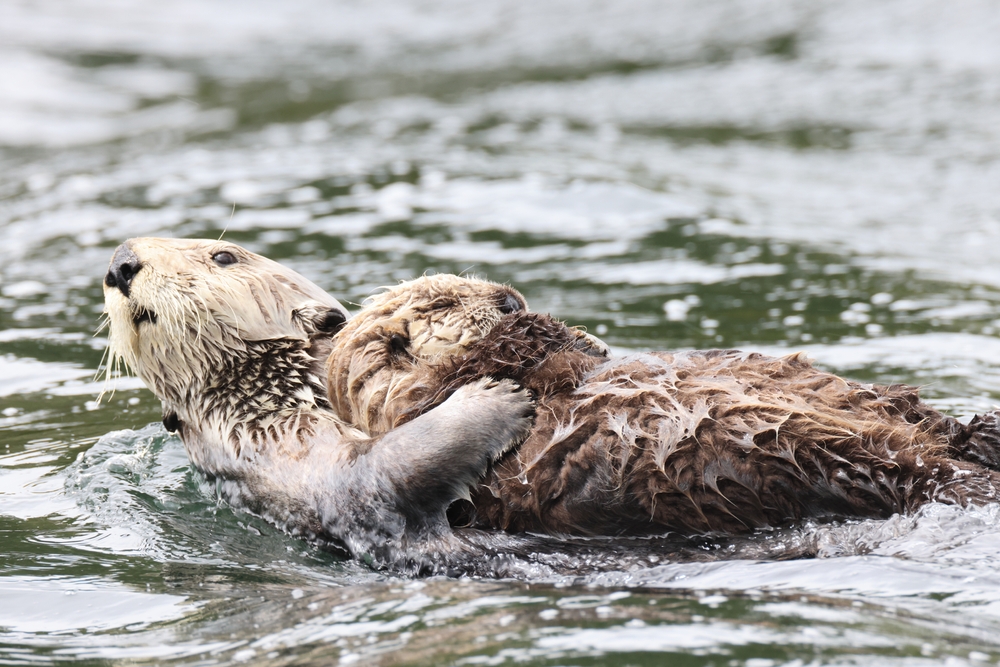
Sea otters returned to several coastal areas where they had been reduced by historical hunting. When otters recover, they often eat more sea urchins, which can reduce urchin damage to kelp. With fewer urchins mowing kelp down, kelp forests can rebound and provide shelter for many fish and invertebrates. That habitat shift can support a richer coastal food web.
A strong appetite for urchins is what sea otters are most known for in kelp regions. Their feeding can keep kelp standing, which creates cover for young fish and feeding areas for many species. Kelp also helps calm wave energy, which can change shoreline conditions in subtle ways. Recovery can differ by region because ocean conditions and prey availability vary a lot.
Iberian Lynx in Spain and Portugal
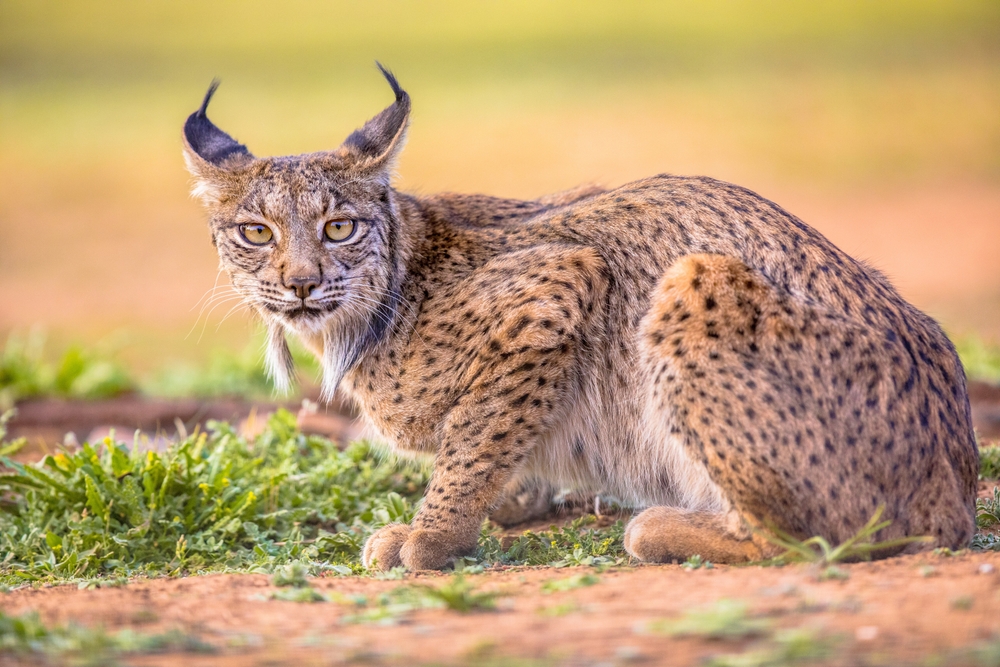
The Iberian lynx returned to more parts of its range after intensive conservation work. As numbers rose, it restored a native cat predator to landscapes where it had nearly vanished. The return can influence prey levels and how smaller predators behave in the same habitat. Local balance can improve when the predator community becomes more complete again.
Specializing in rabbits is one of the main traits of the Iberian lynx. When rabbits are available, lynx can raise more kittens and spread into nearby areas. Where rabbits drop due to drought or disease, lynx face a harder time and may shift territories. Road crossings remain a big danger, so safe habitat links matter a lot.
Eurasian Lynx in Switzerland

Eurasian lynx returned to parts of Switzerland through reintroduction efforts after a long absence. As they settled into forests and mountain regions, they brought back a missing predator role. Their hunting can influence how deer and chamois use slopes and wooded cover. That can reduce heavy browsing in some areas and support forest regeneration.
Ambush hunting is what Eurasian lynx do best, using cover and patience rather than long chases. Roe deer are a common prey in many regions, with chamois also taken depending on the terrain. By targeting vulnerable or exposed individuals, lynx can influence herd structure across seasons. Continued success relies on safe movement corridors and low human-caused mortality.
European Pine Marten in the United Kingdom and Ireland
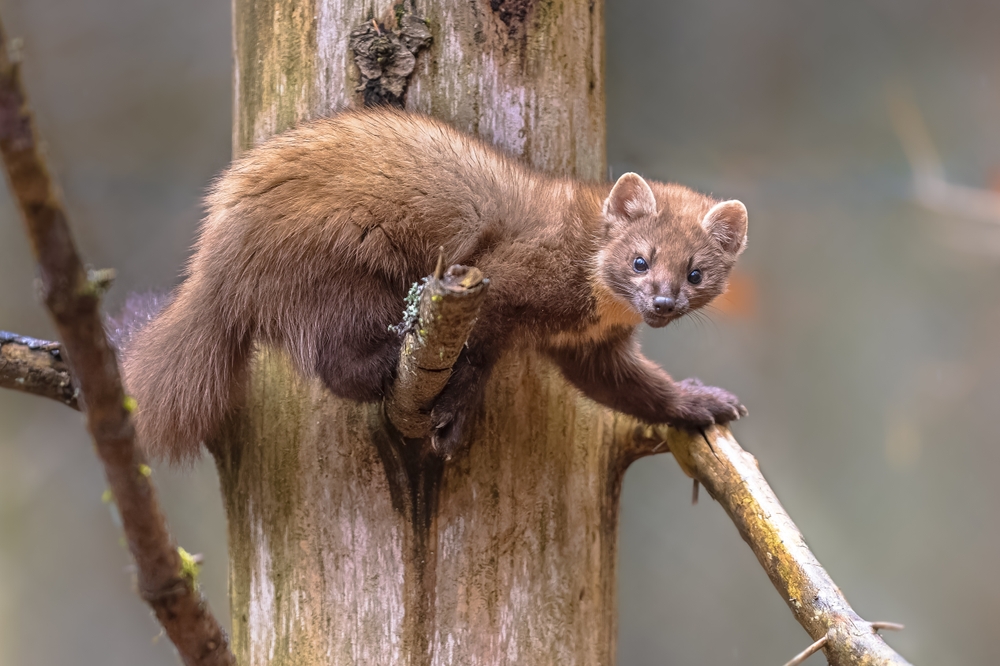
Pine martens have been returning in parts of the British Isles after historical persecution and habitat loss. Their return could alter how small mammals and birds fare in woodlands. In some places, pine marten presence has been linked with reduced gray squirrel pressure. That can help native red squirrels in areas where both species compete.
An agile tree climber, the pine marten is known for hunting birds, eggs, small mammals, and squirrels. It also eats berries and insects, so its diet shifts with the season. By preying on certain competitors, it can change which species dominate a forest patch. Woodland quality and connected cover are important for stable populations.
White-tailed Eagle in Scotland

White-tailed eagles returned to Scotland through reintroduction after being lost from the region. Their presence restored a large coastal raptor that feeds across shorelines, islands, and nearby inland waters. As the population grew, eagles again became part of local predator and scavenger networks. That can affect how seabirds, waterfowl, and carrion feeders use the same spaces.
Often called sea eagles, they are known for their huge wings and strong flight over open water. They hunt fish and birds, and they also scavenge when carcasses are available. That mix can influence prey behavior and add competition for other scavengers. Stable nesting sites and low poisoning risk remain key needs.
Peregrine Falcon in North America
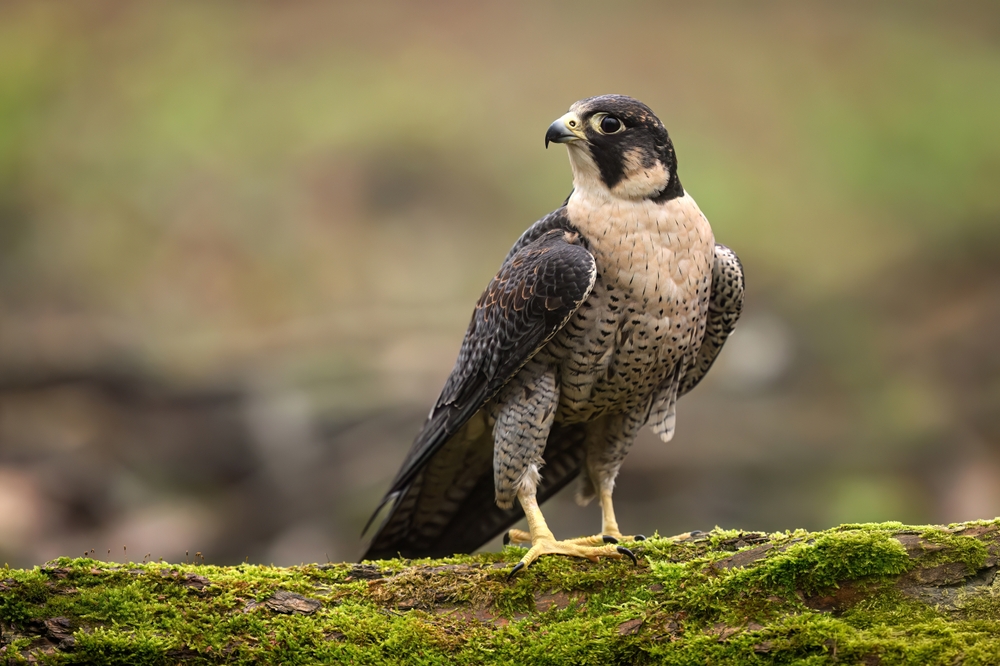
Peregrine falcons returned strongly after major declines tied to chemical pollution and eggshell thinning. Their recovery brought back a fast bird predator that shapes local bird communities. In many cities, they nest on tall buildings and hunt pigeons and other birds. That return restored a natural check on abundant urban prey.
High-speed dives are what peregrines are most known for, and those strikes can be decisive. They hunt birds in flight and often pick prey that is slower or less alert. As they returned, they influenced where prey birds gather and how they move around open spaces. Continued stability depends on clean environments and safe nesting areas.
Bald Eagle in the Lower 48 United States
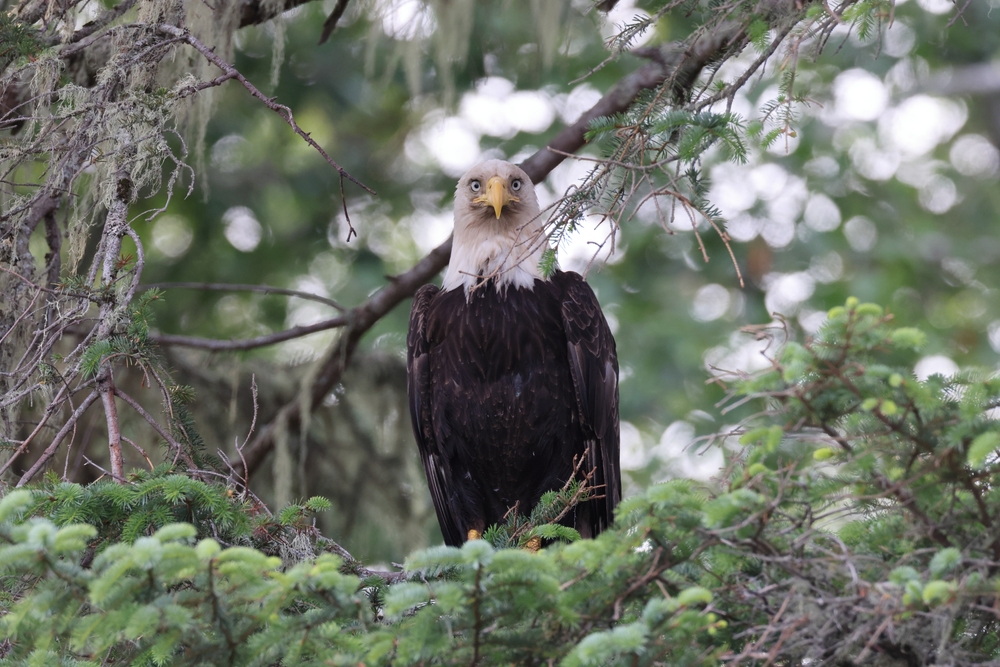
Bald eagles returned across much of the Lower 48 after protections and cleaner conditions allowed numbers to rise. Their comeback restored a large number of predators and scavengers to many rivers, lakes, and coasts. With more eagles present, fish and waterbird communities again faced a top-level hunter in many areas. Eagle scavenging can also affect carcass use by other wildlife.
Fish catching is a well-known bald eagle behavior, though they also take waterfowl and small mammals. They will scavenge readily, especially in colder seasons when food is concentrated. Because they nest in large trees near water, shoreline habitat, and limited disturbance matters. Human activity near nests can still cause problems, so buffer areas help.
American Crocodile in Florida
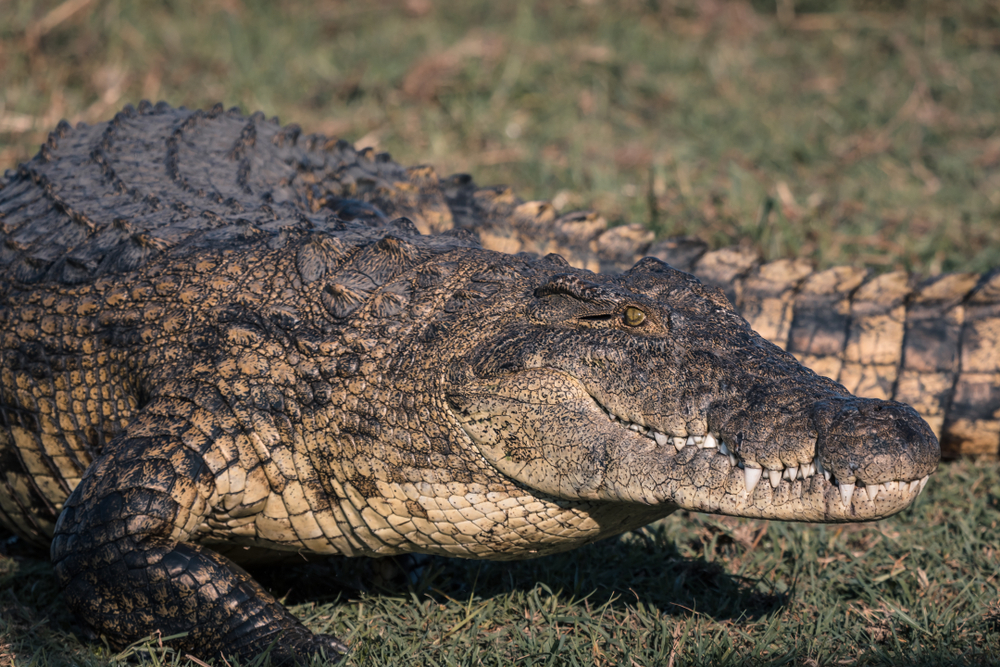
American crocodiles have increased in Florida through protection and habitat work in coastal areas. Their return restored a large predator to mangroves, estuaries, and brackish shorelines. That presence can influence fish and other prey behavior in shallow coastal waters. It can also add stability to local food webs by bringing back a long-missing predator.
Living in brackish and coastal waters is what sets the American crocodile apart from many similar reptiles. They feed on fish and other animals they can catch near shorelines and channels. Nesting sites need protection, since disturbance and flooding can reduce hatchling survival. Coexistence practices matter where people live close to crocodile habitats.
Osprey in North American Waters
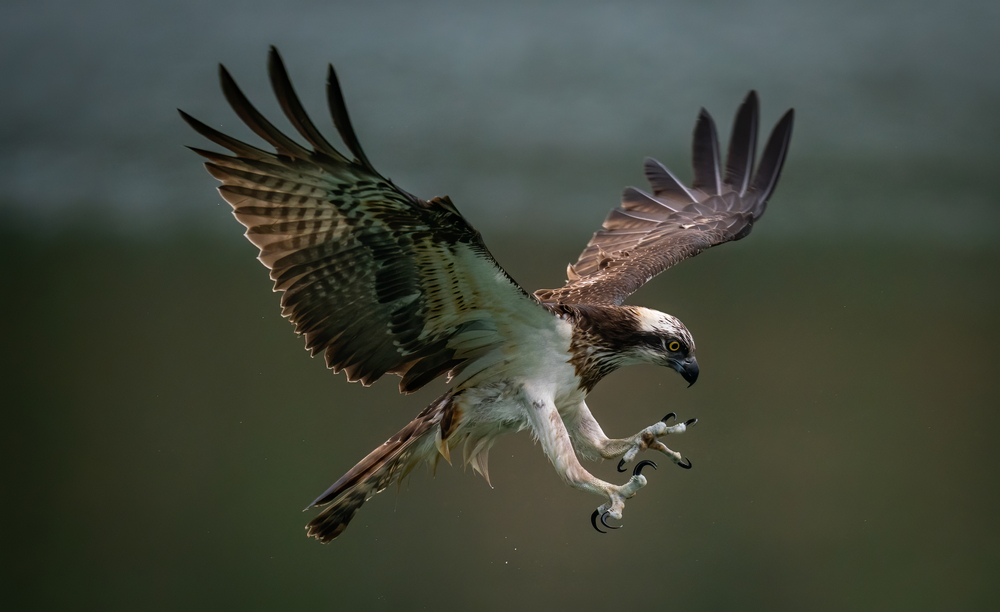
Ospreys returned in many areas as water quality and fish habitat improved after earlier declines. Their return brought back a fish-focused raptor that can shape nearshore and river food webs. When nesting pairs settle, they often become a visible sign of healthy waterways. The return can influence local fish use of shallow waters because hunting pressure increases.
A hovering search followed by a feet-first dive is what ospreys are known for. They mainly take fish close to the surface, often selecting slower or more exposed individuals. Many areas use nest platforms, which can help pairs nest safely and raise chicks. Shifts in fish populations can still affect breeding success from year to year.
North American River Otter in Reintroduction Areas
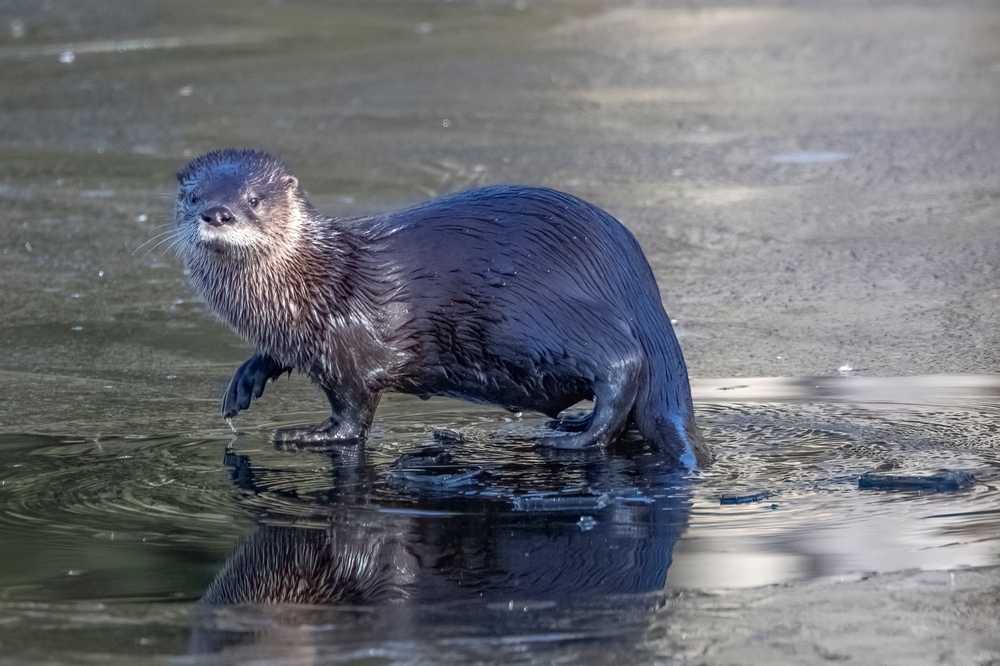
River otters returned to many waterways through reintroduction and habitat recovery. Their presence restored a predator that feeds on fish, crayfish, and amphibians. As otters settle, they can change prey behavior, especially in small rivers and wetlands. In some regions, their return has also been treated as a sign of improving water conditions.
Playful behavior is what people notice first, but river otters are active hunters. They often target slower fish and can focus on prey concentrated in shallow pools. Because they need connected waterways, habitat corridors matter for spreading into new areas. Stable banks, clean water, and safe den sites support long-term success.
Florida Panther in South Florida
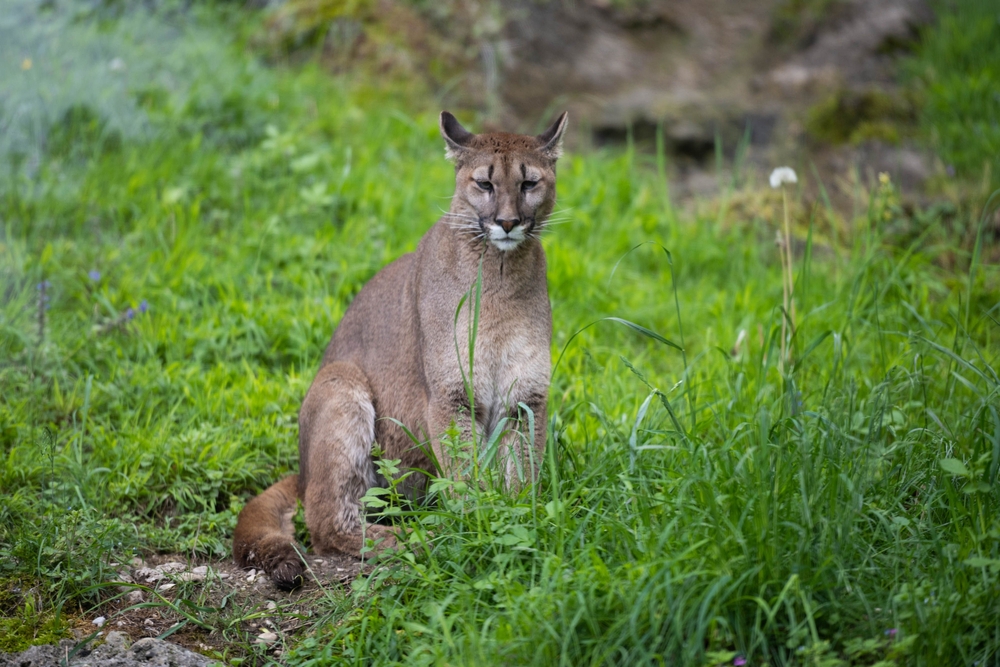
Florida panthers persisted and increased through protection and major management actions aimed at survival. Their role as the top land predator in the region influences deer and hog movement across habitats. Where panthers roam, prey often avoid certain cover types and feeding areas, which can change grazing patterns. That can affect vegetation and also shift how other predators hunt.
A wide-ranging big cat, the panther is known for solitary hunting and large territories. White-tailed deer are a major prey, with feral hogs and smaller animals taken as well. Road crossings are a constant risk, and habitat loss can isolate groups. Safe corridors and reduced vehicle strikes remain crucial for stability.
American Alligator in the Southeastern United States
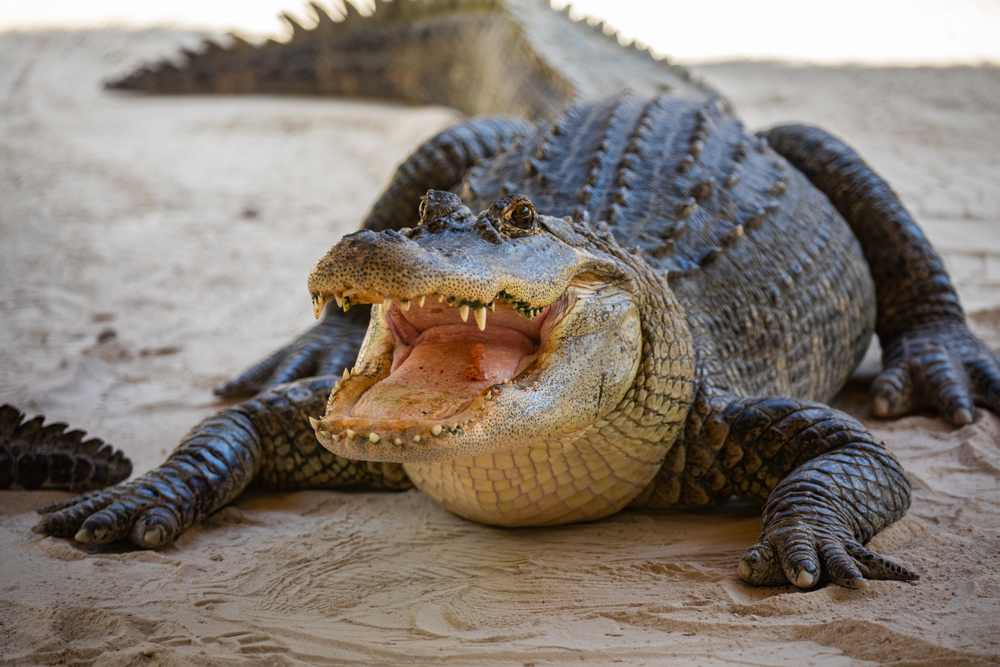
American alligators returned strongly in many wetlands after severe historical declines. Their presence restored a major predator that shapes fish, turtle, and bird communities in marshes and swamps. Alligators also influence wetland structure through nesting and digging activity. In some places, their water holes can hold water longer during dry periods.
Ambush hunting is a key alligator trait, with prey taken at the water edge or in shallow water. Fish, birds, and mammals can all be part of the diet depending on season and habitat. By changing where prey animals linger, alligators can influence daily movement patterns near shorelines. Continued success depends on wetland habitat and careful management of harvest and conflict.
Red Wolf in Eastern North Carolina
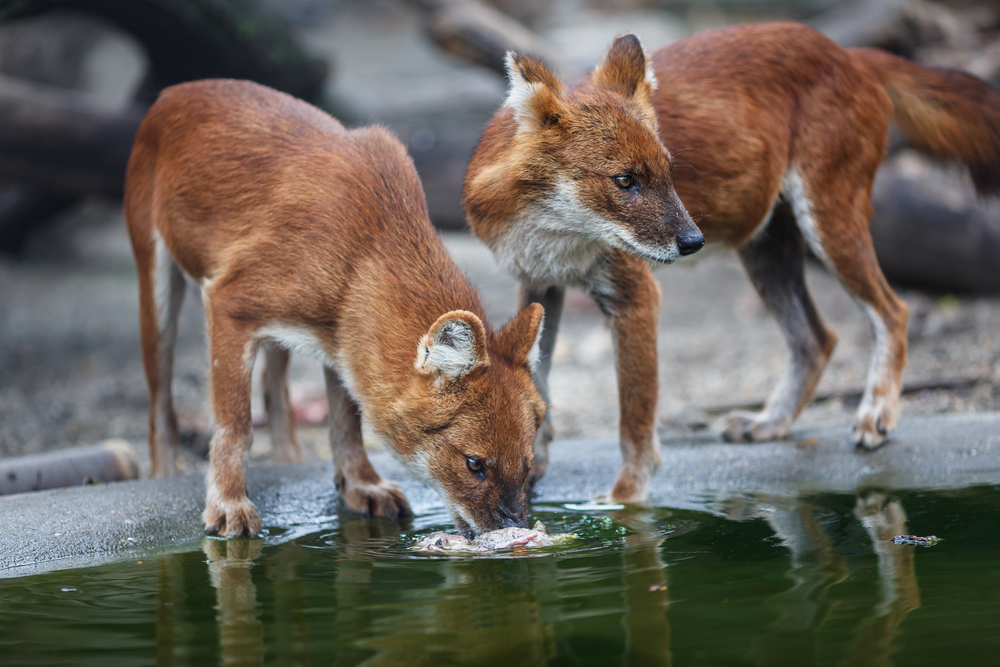
Red wolves returned to the wild in parts of eastern North Carolina through reintroduction efforts. When they persist, they can reduce the dominance of mid-sized predators in the same landscape. That can change the pressure on small mammals and ground-nesting birds. The return shows how a top predator can influence multiple layers of an ecosystem at once.
A medium-sized canid, the red wolf is known for hunting deer as well as smaller prey. It also faces unique challenges from hybridization with coyotes and human-caused deaths. Those pressures can reduce stability even when the habitat is suitable. Continued recovery depends on protection, careful management, and community support in the release region.
This article originally appeared on Avocadu.