
13 Antique Pocket Knives Collectors Identify by Tang Stamps
Collectors of antique pocket knives often start by turning the knife on its side to look for a tiny line of letters near the base of the blade. A tang stamp works like the maker’s signature pressed into steel and it can tell you who made the knife, where it came from, and sometimes roughly when it left the factory. Once you learn to read these marks, you start to see patterns in brands, towns, and time periods, and old knives begin to feel less like random finds and more like pieces of a bigger story.
This post may contain affiliate links, which helps keep this content free. Please read our disclosure for more info.
W R Case and Sons Tested XX Bone Jack Knife
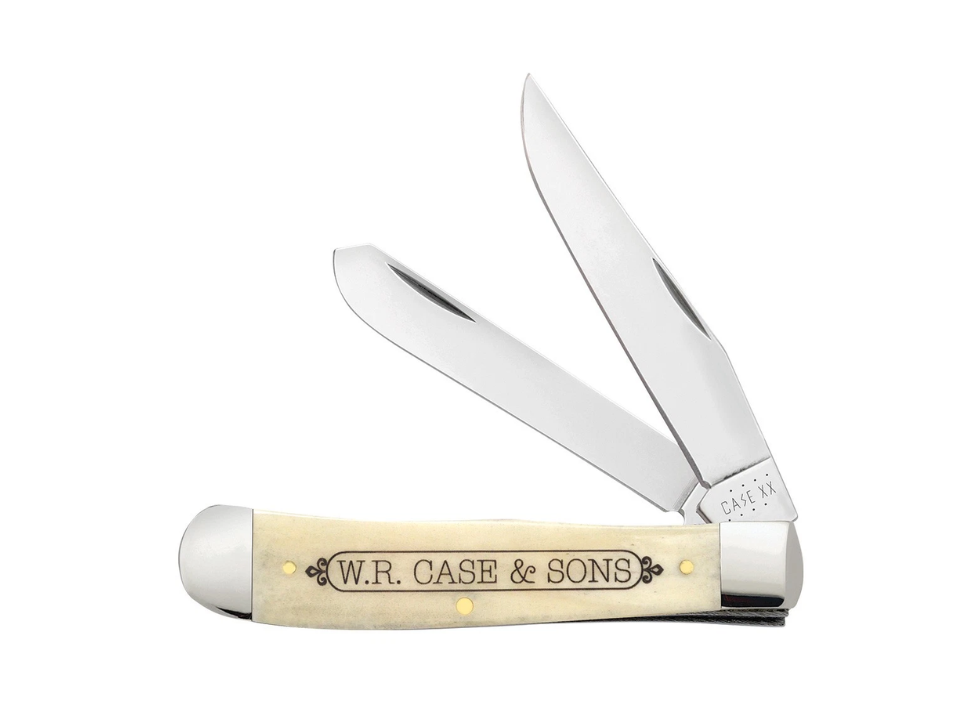
Collectors often look for the classic W R Case and Sons Tested XX tang stamp when they handle early twentieth century pocketknives. This stamp usually appears in small block letters with the word XX mark, and it helps date many knives to the period before World War II. The knives from this era often use jigged bone handles with warm brown or amber tones, which gain character through years of use and pocket carry.
Collectors pay close attention to how strong the springs feel and how firmly the blades snap open and shut, since that hints at how hard the knife worked during its life. A solid Tested XX jack knife with original handles and full blades often brings around $200 to $400, while scarce patterns in near mint condition can reach $600 or more. Truly exceptional examples with original boxes and strong etches may move toward the higher side of that range at specialty auctions.
Remington UMC R1063 Knife Circle Tang Stamps
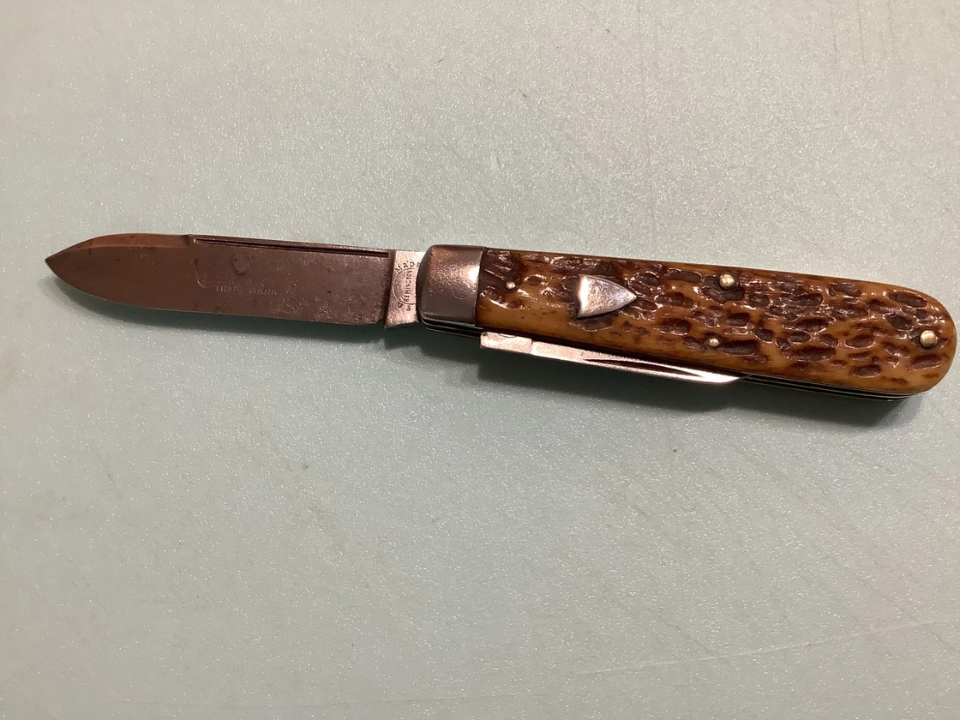
The Remington UMC bullet knife is famous among knife enthusiasts, and the tang stamp plays a central role in identifying genuine early pieces. Many desirable examples carry a circle tang stamp that reads Remington UMC with Made in USA beneath it, which ties the knife to the company period between the late 1920s and early 1930s. These knives usually feature a bullet shield set into jigged bone or sometimes genuine stag handles, a detail that draws the eye immediately. Blade grinds tend to be clean and balanced, giving the knife a capable cutting profile for outdoor and everyday use in its time.
When evaluating one, collectors study how deeply the tang stamp remains struck, whether the bullet shield has been disturbed, and how much metal loss shows along the blade. Light carry marks and gentle patina do not hurt value much, while replaced handles, loose shields, or heavy sharpening can reduce interest. Well preserved Remington bullet knives with clear circle tang stamps often sell in the $300 to $700 range depending on pattern and condition. Scarce patterns or near mint examples can bring $800 or more when two or more collectors compete for the same knife.
New York Knife Company Hammer Brand Jack Knife
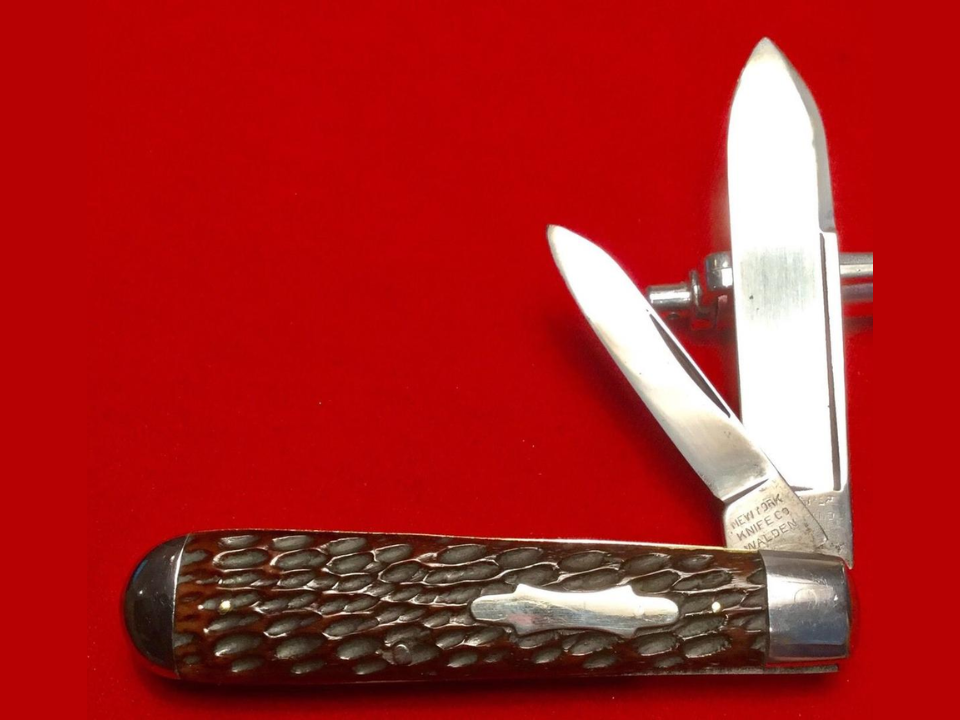
The New York Knife Company produced some of the earliest American pocket knives that collectors still chase today, and their Hammer Brand tang stamp provides a clear clue. The stamp usually shows the words Hammer Brand and New York Knife Co or Walden. This design helps separate original New York Knife products from later Hammer Brand knives sold under different ownership.
You will often see fine nickel silver bolsters and well cut handle jigging that give the knife a refined look even after a century of use. Many collectors run a finger across the tang stamp and shield, feeling for depth and crispness that signal an unpolished surface. Sound original knives with legible Hammer Brand tang stamps commonly trade in the $150 to $350 range.
Cattaraugus Cutlery Company Little Valley Pen Knife
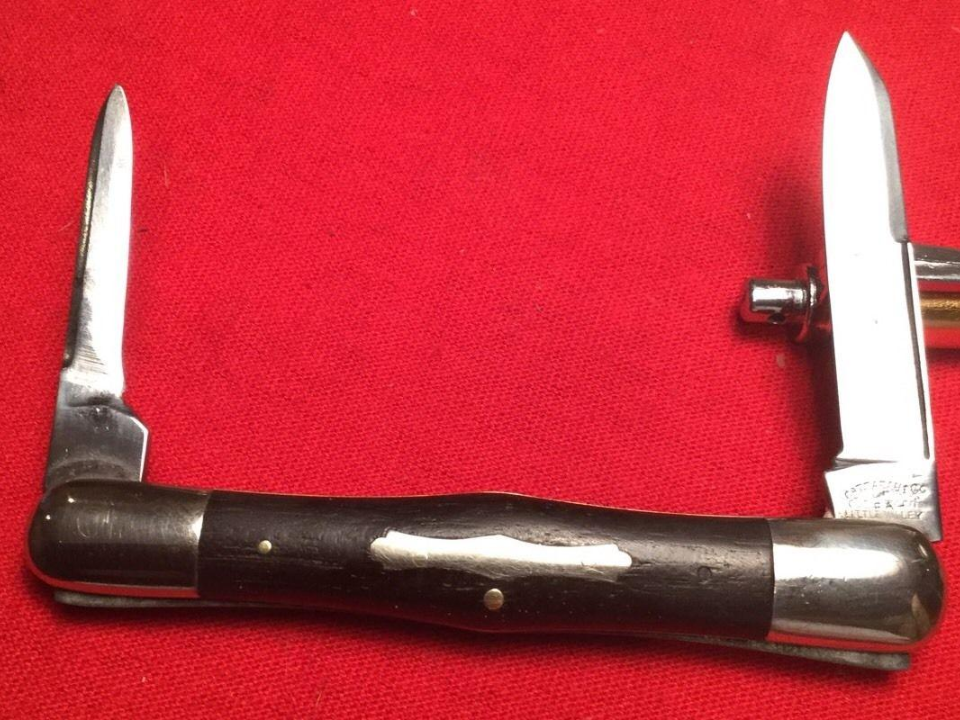
Cattaraugus Cutlery Company knives from Little Valley, New York carry a tang stamp that reads Cattaraugus Cutlery Co with Little Valley NY beneath or around it, and this mark signals a knife from a respected early maker. The firm supplied heavy work knives as well as fine pen patterns, and many collectors prize the delicate two blade pen knives for pockets and watch pockets.
The tang stamp often shows light serif lettering that helps date the piece, and slight variations in font and layout can point to certain decades. When collectors study one of these knives, they watch for cracks in fragile pearl or celluloid and examine blade tips to see whether the knife still closes cleanly without peeking. A clean Cattaraugus Little Valley pen knife with strong tang stamp and tight action often falls in the $125 to $275 range.
Schrade Cut Co Walden New York Stockman Knife
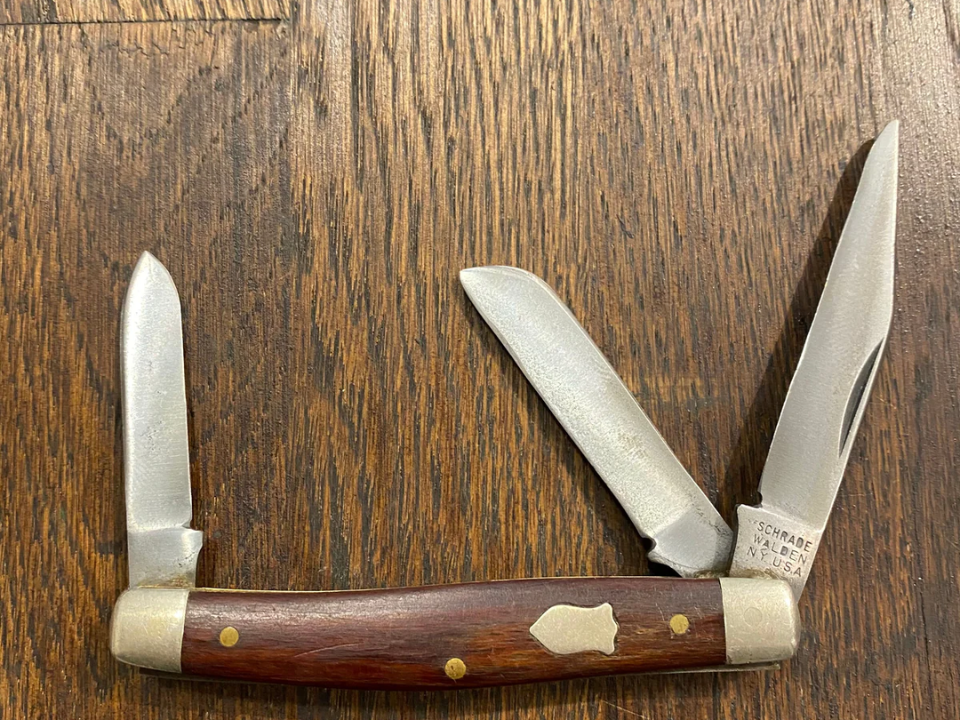
Before the Schrade name became associated with more modern production, the company issued knives marked Schrade Cut Co over Walden NY, and these tang stamps attract collectors focused on early twentieth century cutlery. A classic example is the three blade stockman pattern with peach seed jigged bone handles and nickel silver bolsters. The tang stamp on these knives tends to use narrow block letters, and slight differences in spacing can help advanced collectors sort early and later runs.
Many examples show a graceful serpentine frame, with blades that include a clip main, a sheepfoot, and a spey or pen blade for varied cutting tasks. When judging one, collectors watch for strong spring tension, proud or sunken pins, and whether old oil and pocket lint have been cleaned away properly. Wear on the jigging, heavy blade loss, or replaced parts can greatly affect desirability. Well-kept Schrade Cut Co Walden stockman knives with full blades and attractive bone often bring between $175 and $350.
Camillus Cutlery Company World War Two Military Utility Knife
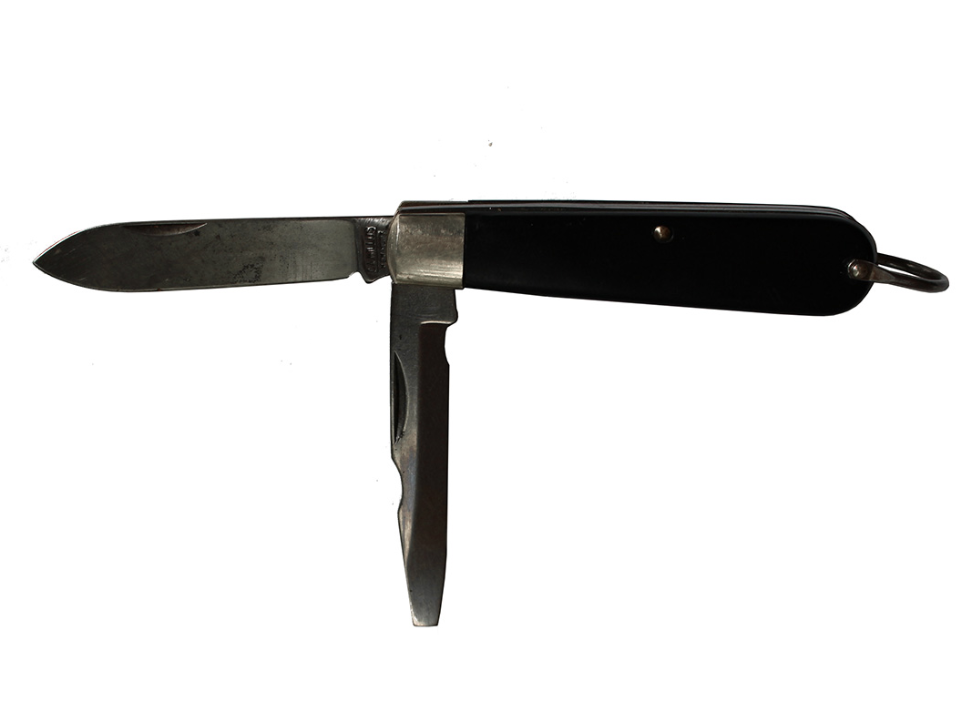
Camillus Cutlery Company supplied many pocketknives to the United States military, and specific tang stamps help identify wartime production. A common and collectible pattern is the World War Two era four blade utility knife with jigged or smooth handles and steel liners. The tang stamp on these knives often reads Camillus New York USA or a similar variation, sometimes paired with military contract markings on the reverse side.
These knives saw heavy field use, so honest wear on blades, screwdriver tips, and can opener edges is very common. Collectors look closely at the tang stamp depth, the presence of correct military features, and whether the knife still carries original handles rather than later replacements. Slight play in blades is accepted if action remains reasonably firm, but broken springs or bent tools hold values down. Wartime Camillus utility knives in sound, original condition often sell in the $75 to $175 range.
Boker Tree Brand Solingen Germany Jack Knife
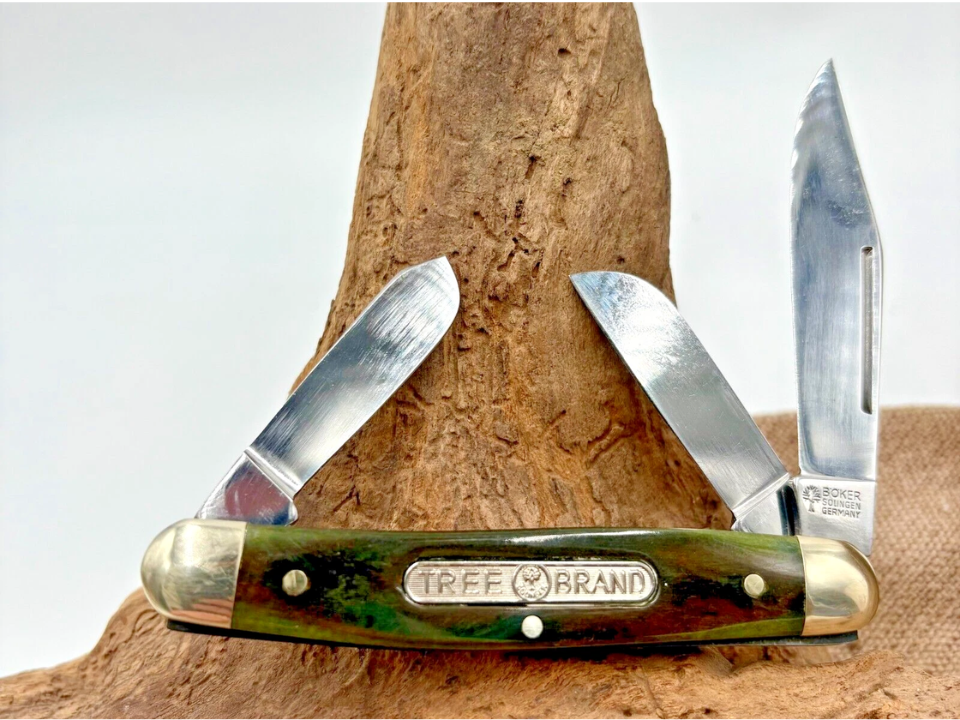
The Boker Tree Brand tang stamp is one of the most recognizable marks in traditional pocketknives, and early Solingen Germany examples draw steady interest. The classic stamp shows the tree logo above or beside the Boker name, often with Solingen or Germany underneath depending on export requirements of that era. Collectors learn to distinguish pre World War II, postwar, and later production by reading small differences in the layout and wording of the tang mark.
Early jack knives with carbon steel blades and jigged bone handles often show fine fit where bolster, liner, and handle meet. The blades usually carry long nail pulls and gentle distal taper, details that give an older Boker a graceful look when open. When studying one, collectors check snap strength, handle condition, and whether any cracks extend from pins toward the edge. Older Boker Tree Brand jack knives with clear pre- war tang stamps and honest light wear often bring around $120 to $250.
Queen Cutlery Titusville Pennsylvania Queen Steel Stockman
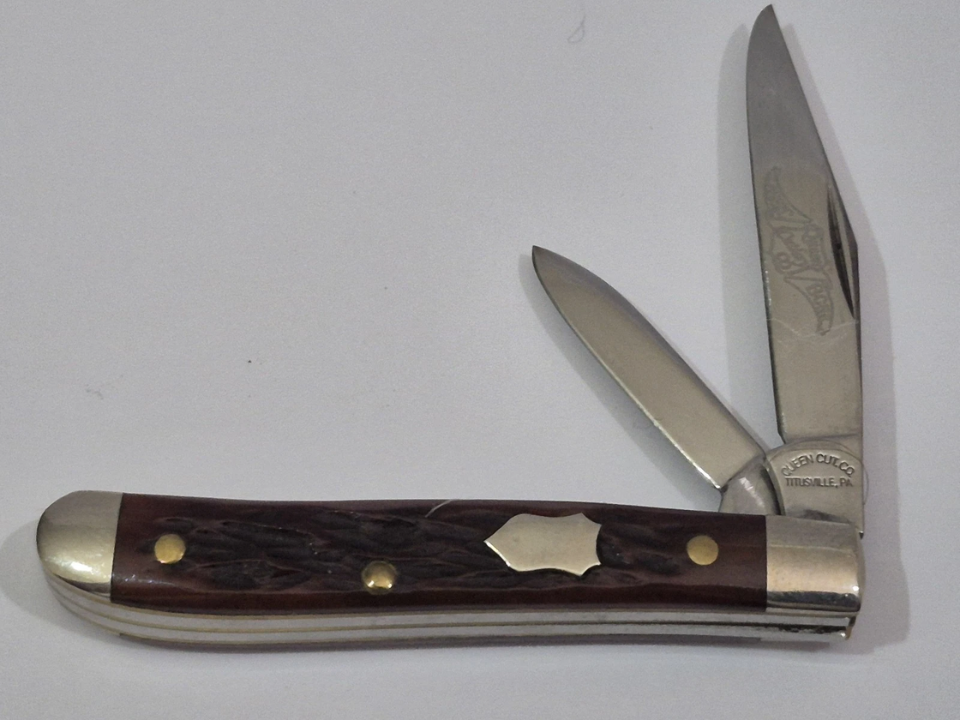
Queen Cutlery from Titusville, Pennsylvania used several tang stamps, and the Queen Steel marking is a key sign of mid twentieth century production. Many collectors focus on the stockman pattern that pairs this tang stamp with attractive winterbottom jigged bone or early Delrin handles. The tang stamp often shows Queen Steel, and the style of lettering helps narrow down the period of manufacture.
Blades on these knives come in carbon or stainless steels, and collectors debate which they enjoy more, but both can take a fine cutting edge with proper care. Handle jigging on older Queen knives tends to have a deep, wavy pattern that feels distinctive when you run a fingertip across it. Typical prices for Queen Steel stockman knives with intact handles and full blades fall between $90 and $200.
Imperial Providence Rhode Island Shell Handle Jack Knife
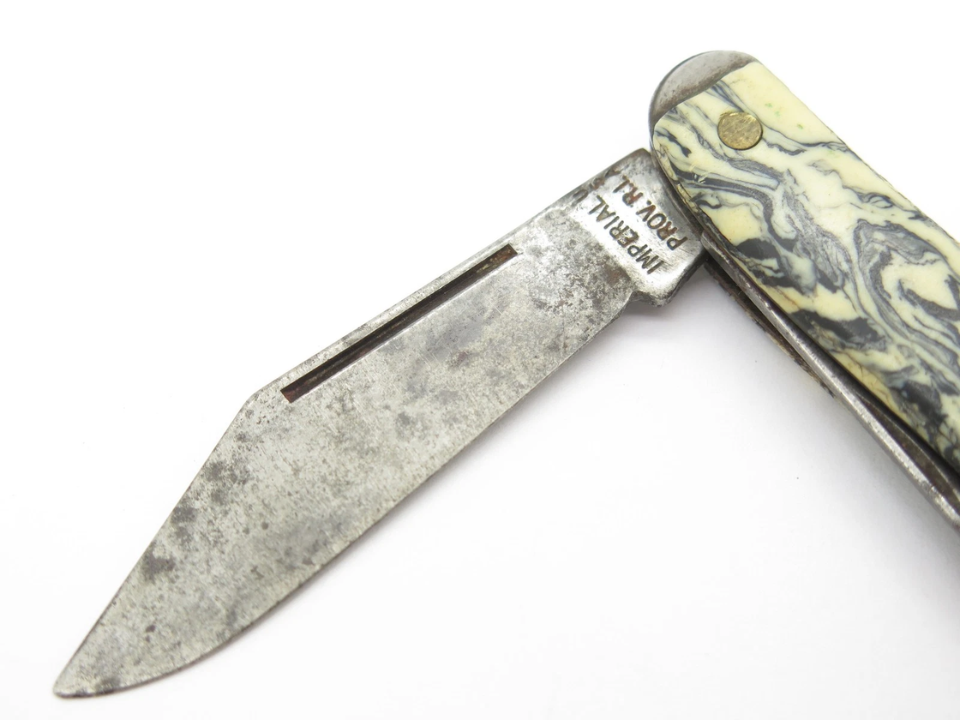
Imperial knives from Providence, Rhode Island occupied the affordable end of the pocket knife world, yet early shell handle examples have become collectible in their own right. The tang stamp often reads Imperial Prov RI or Imperial Prov USA, and careful collectors study small differences in spacing and punctuation that separate earlier and later factories. These knives typically use stamped shell handles over a frame, with bright metal sides formed to mimic traditional bolsters and scales.
While they were inexpensive working knives in their day, surviving examples in clean condition provide a glimpse into mid-century tool design and manufacturing methods. Collectors who chase these knives inspect the shell edges for splits and check whether the handle shells still fit tightly against the frame. Common Imperial shell handle jacks in decent, carry worn condition often sell for $25 to $60.
Hibbard Spencer Bartlett OVB Equal End Jack Knife
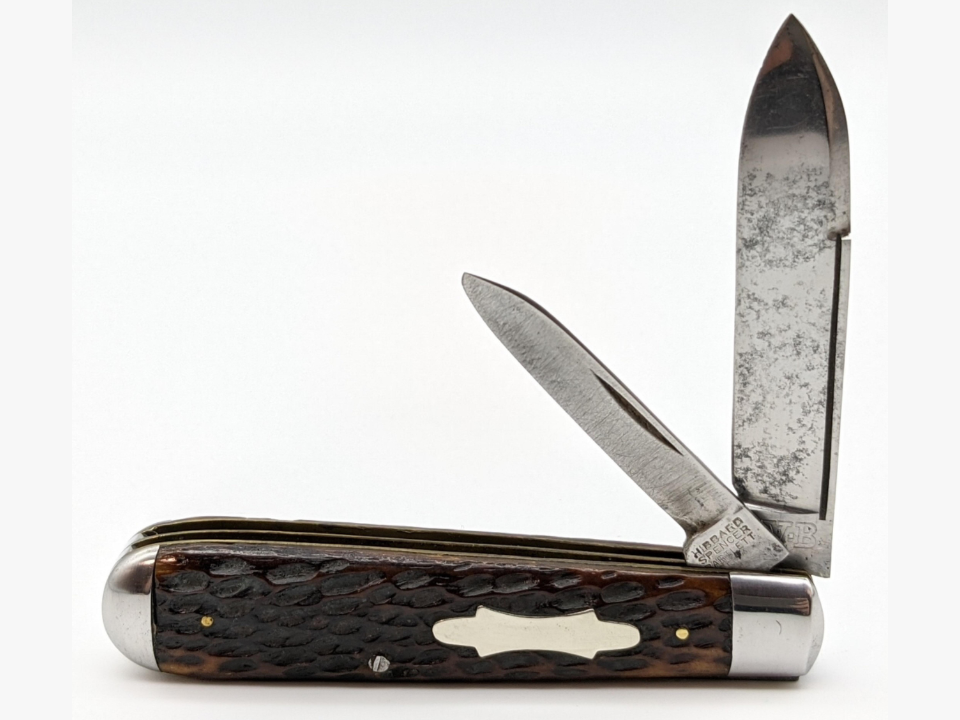
Hibbard Spencer Bartlett sold hardware and cutlery, and their OVB tang stamp remains an important clue for collectors today. The stamp often reads Hibbard Spencer Bartlett over OVB, which stands for Our Very Best, sometimes with an added USA marking below. These knives were usually made by strong factories of the day and then sold through the hardware company, so handle materials range from jigged bone to wood and celluloid.
The knives often show slim patterns such as equal end jack knives and stock patterns that slip easily into a pocket. When judging one, collectors pay attention to blade length, snap, and whether any cracks run from pins through the handle toward the edges. Many OVB marked pocketknives sell in the $125 to $275 range, while scarce patterns or knives with near unused blades can reach $300 to $450 in strong sales.
Ulster Knife Company Pearl Pen Knife
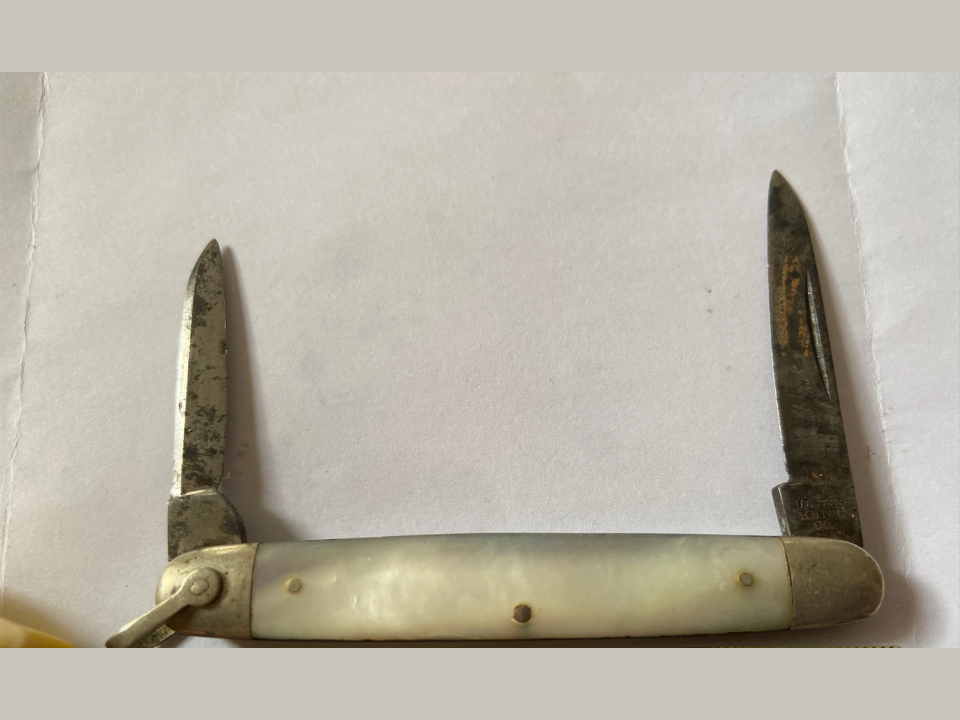
Ulster Knife Company from New York produced many fine pocket knives, and its tang stamp helps collectors sort patterns from different periods. A classic example is a delicate pearl pen knife with Ulster Knife Co stamped in small block letters on the tang. These knives often carry two slim blades, a primary spear or clip and a smaller pen blade, both set into gleaming mother of pearl or other dressy handle material.
The tang stamp can appear lightly struck, so collectors value knives where the letters remain crisp and easy to read. Because pearl is fragile, cracks around pins or along the edges are common, and pieces with clean, intact scales draw strong interest. Collectors also watch for blade snap, straight closing, and signs of heavy polishing that may have thinned the tang stamp. Typical Ulster pearl pen knives with light wear and readable marks often trade in the $100 to $225 range.
Union Cutlery Olean New York Marked Jack Knife
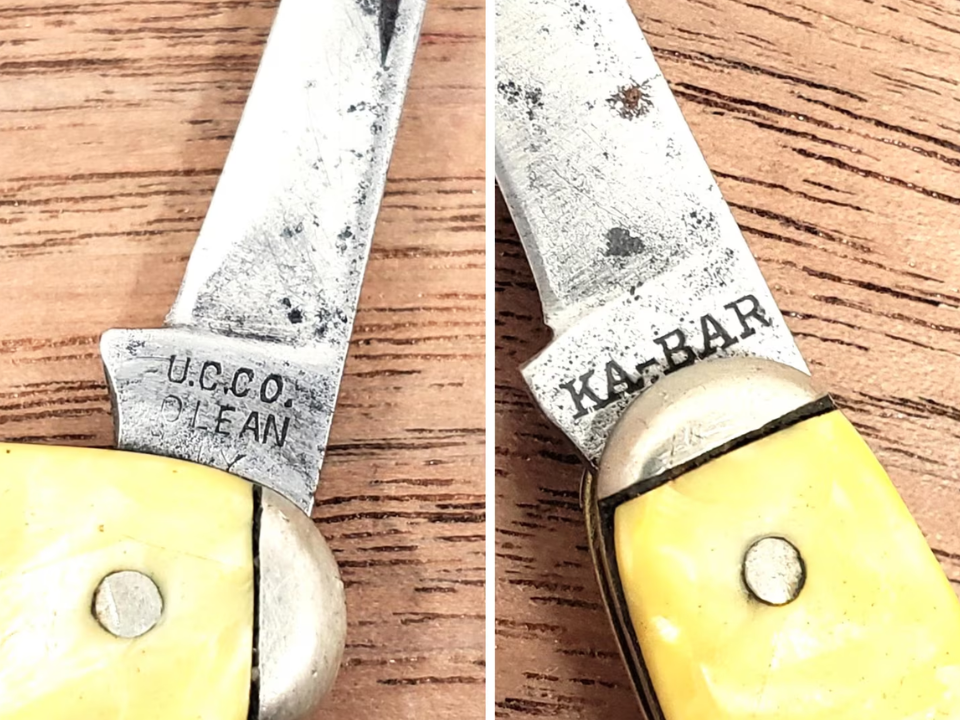
Before the Ka Bar name took center stage, the company used the Union Cut Co or Union Cutlery tang stamp with Olean NY placed beneath, and these marks signal an earlier period of production. A classic pocket example is a sturdy jack knife with jigged bone handles and the Union Cut Co tang stamp on the primary blade. The letters often appear in strong block or serif form, and slight differences in their layout can help date the knife closer to its original production window.
These knives were designed as working tools, so many surviving pieces show honest pocket wear on bolsters and handles. Collectors look for full blades with clean swedges, solid backspring action, and handles that show age but no deep cracks or missing chunks. Light patina on carbon steel is accepted, while heavy rust or deep pitting, especially near the tang stamp, can reduce desirability. Union Cutlery jack knives with good blades and intact bone commonly bring $175 to $325.
Joseph Rodgers and Sons Sheffield Pearl Wharncliffe Pen Knife
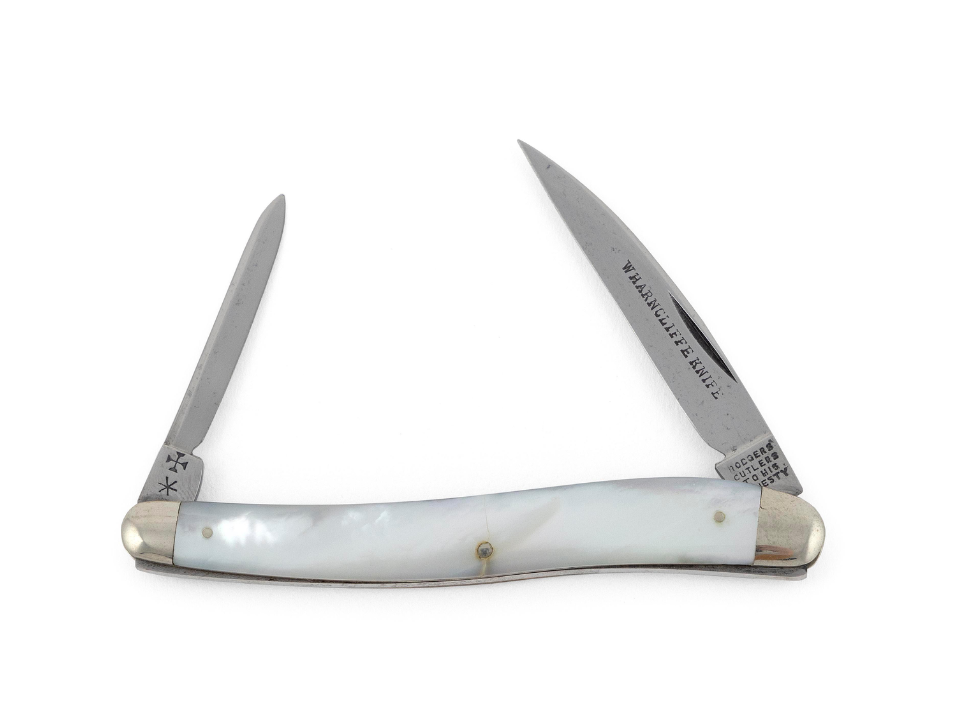
Joseph Rodgers and Sons of Sheffield, England produced fine pocketknives for many years, and the tang stamp with the star and cross symbol is a key sign of authenticity. A popular collectible pattern is the Wharncliffe pen knife, where a straight edged primary blade sits alongside a smaller secondary blade in a slim frame. These knives often feature mother of pearl or high-grade bone handles that show careful fit to nickel silver bolsters and end caps.
When examining one, collectors watch for hairline cracks in pearl, blade rubbing when closed, and signs of reshaping at the tips from heavy sharpening. Light pocket wear and gentle patina on the blades are common and acceptable, but heavy corrosion or poorly done repairs can lower value. Many Joseph Rodgers pearl Wharncliffe pen knives in respectable condition sell from about $200 to $400.
This article originally appeared on Avocadu.