
15 Skincare Products Dermatologists Usually Recommend for Dry Sensitive Skin
Dry, sensitive skin usually does best with a small routine that focuses on gentle cleansing, steady moisture, and daily sun protection. The products in this list are the kinds dermatologists often point to because they are made to support the skin barrier and avoid common irritants. Use it as a simple starting place, then patch test and add new items one at a time.
This post may contain affiliate links, which helps keep this content free. Please read our disclosure for more info.
CeraVe Hydrating Facial Cleanser
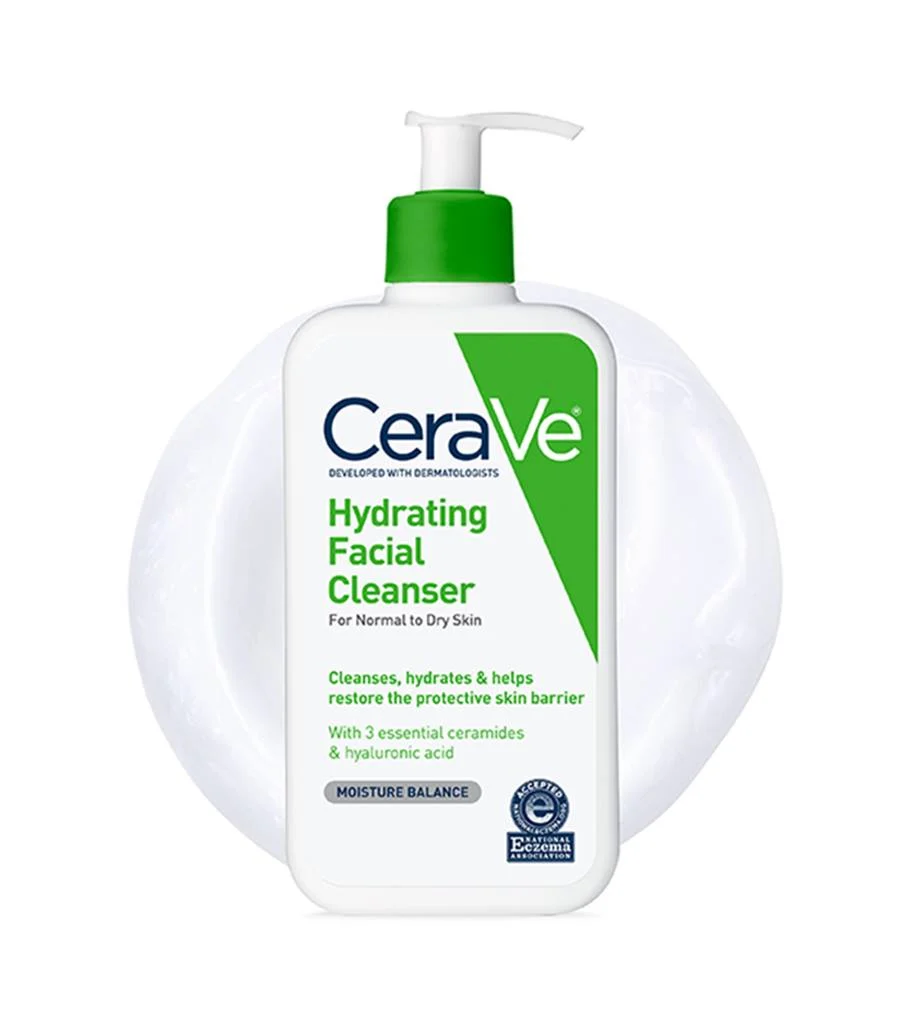
This is a creamy, non-foaming cleanser that feels more like a light lotion than a soap, which is why dry, sensitive skin often tolerates it well. It rinses off cleanly but does not leave that tight, squeaky feeling that can show up after harsher washes. Many people like it for mornings because it removes overnight sweat and skincare without stripping. If you wear heavier makeup, you can still use it as a second cleanse after a balm or micellar water.
Massage a nickel-sized amount onto damp skin for about 30 to 60 seconds, then rinse with lukewarm water. If your face gets red easily, skip hot water and rough washcloths, since both can add irritation fast. Pat dry and put moisturizer on right away while your skin still feels slightly damp. On very dry days, you can even rinse with water in the morning and save this cleanser for night.
La Roche-Posay Toleriane Hydrating Gentle Cleanser
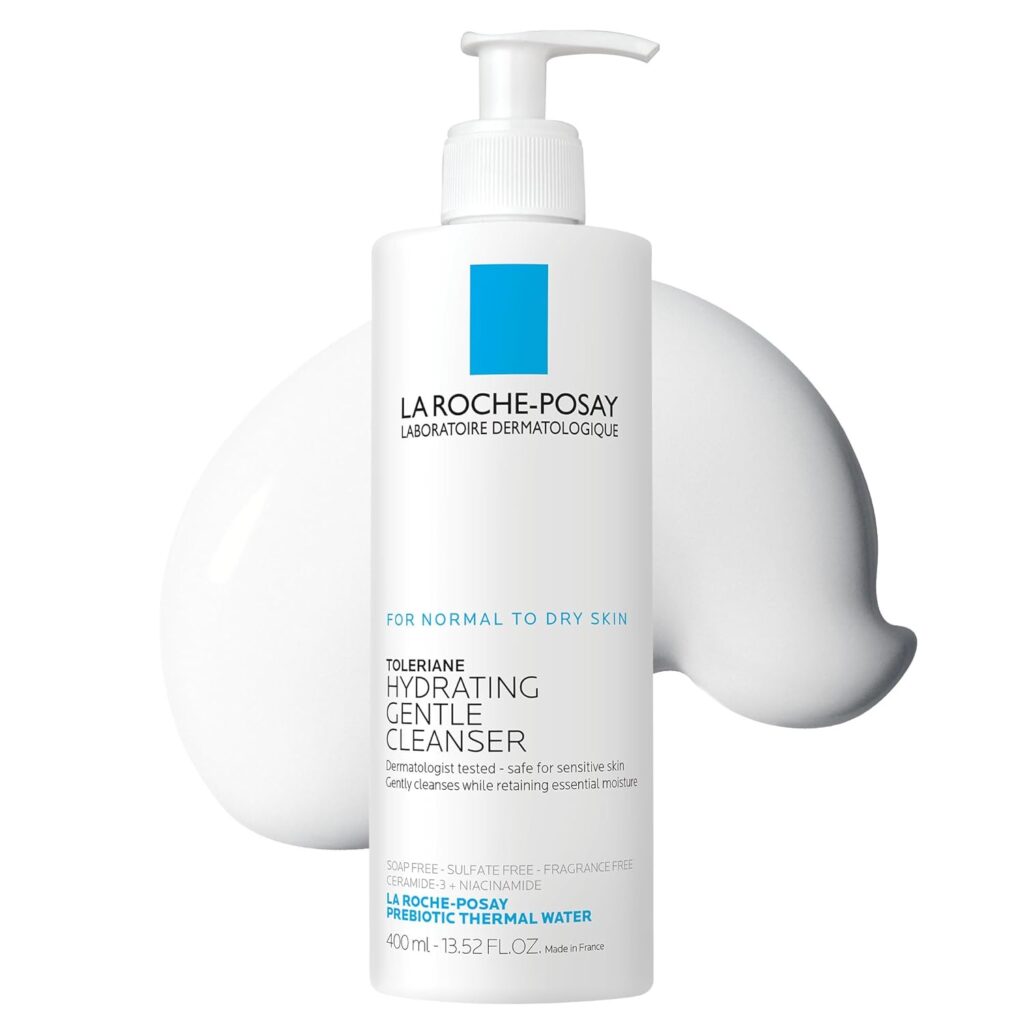
This one has a soft, milky texture that glides over skin and feels calming during flare-ups. It is popular for people who get stinging from cleansers because it is meant to be gentle and non-stripping. The rinse is comfortable and leaves a light, moisturized feel instead of a squeak. If your cheeks are the first place to react, this cleanser is often a safer pick than foaming options.
Use one to two pumps on damp skin and keep your pressure light, almost like you are smoothing it on rather than scrubbing. If your skin is very reactive, rinse quickly and avoid standing with cleanser on your face for too long. Follow with a plain moisturizer and keep the rest of your routine simple until things calm down. If you are dealing with dryness around the nose, take a few extra seconds to rinse gently in that area so residue does not collect.
Vanicream Gentle Facial Cleanser
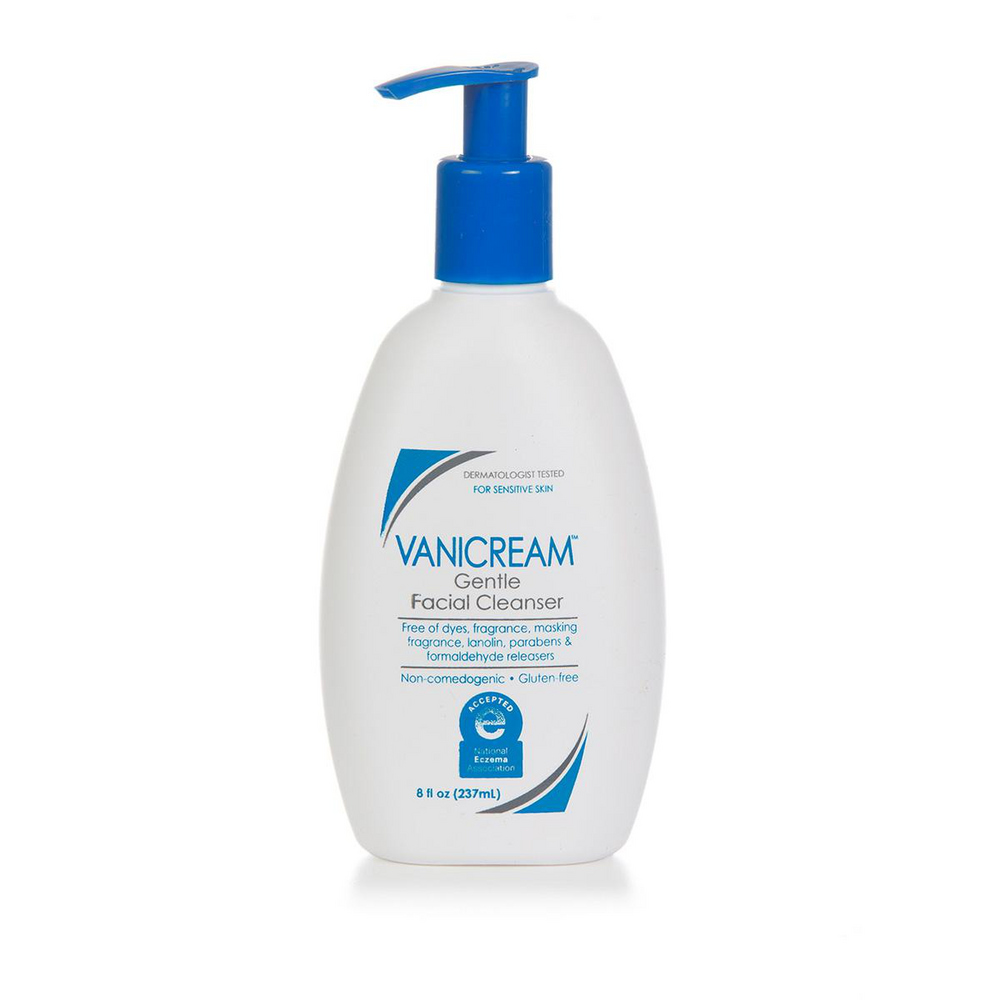
Vanicream is known for simple formulas, and this cleanser follows that same idea, which is helpful when you are trying to avoid triggers. It lathers lightly but still feels mild, so it can clean sunscreen and daily grime without leaving your face tight. People with eczema-prone skin often like how predictable it is from day to day. It is also a solid option if fragrance tends to cause burning or itchiness for you.
Start with a small amount, about the size of a dime, then add a bit more water to build a gentle lather. Keep your cleanse short and easy, since long washing sessions can dry skin out more than you think. After rinsing, pat your skin dry and moisturize right away to lock in comfort. If you are switching to this from a stronger cleanser, give your skin a week or two to settle before judging results.
Cetaphil Gentle Skin Cleanser
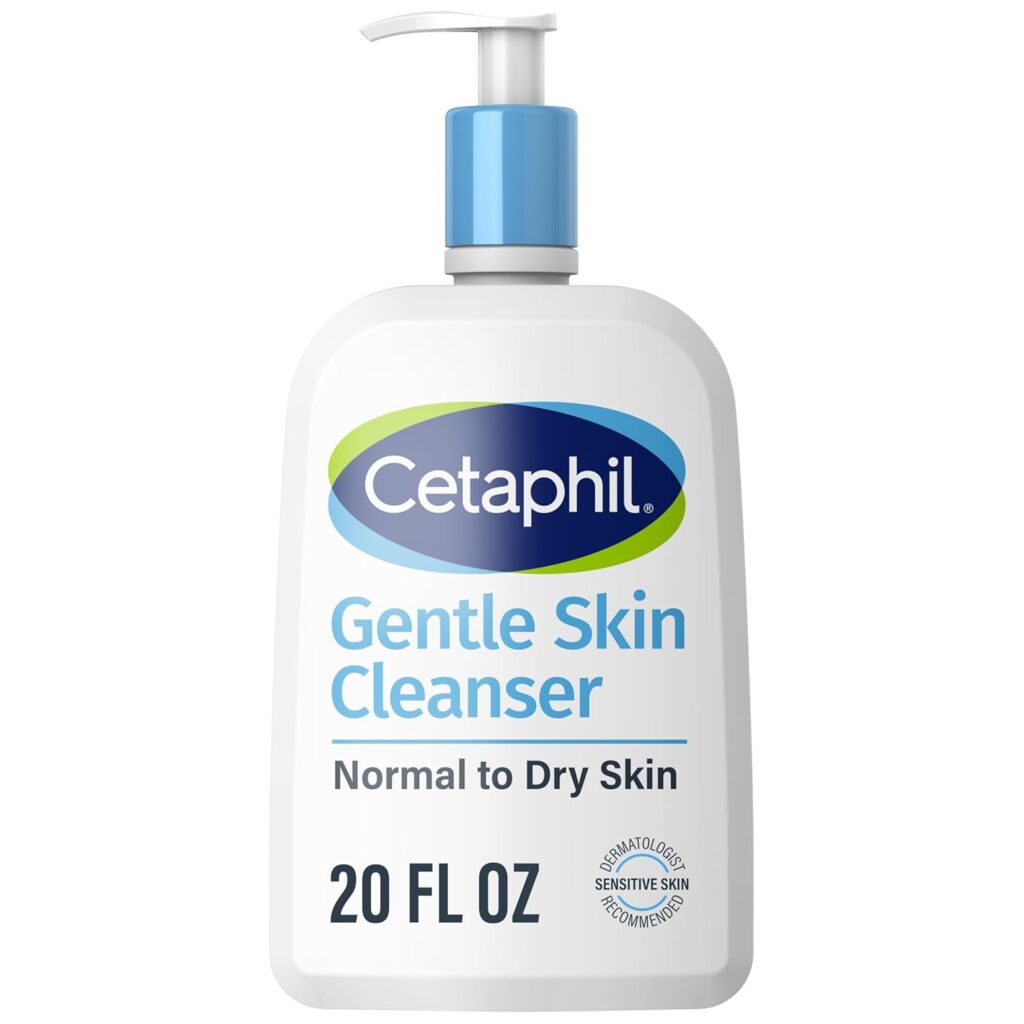
This is a classic drugstore cleanser that many people use when their skin is feeling fragile or overwashed. It has a creamy slip that makes it easy to spread, and it can be rinsed off or gently wiped away if water is irritating. The finish is soft rather than squeaky, which helps when you are already dry. It is often used during seasons when indoor heat makes skin feel rough and tight.
Try using a quarter-sized amount on damp skin, then rinse well with lukewarm water. If you do the no-rinse method, use a soft cotton pad and avoid rubbing, since friction can make redness linger. Follow with moisturizer while your skin is still slightly damp so it seals in hydration. If you wear makeup, consider a separate remover first so you do not need to scrub.
CeraVe Moisturizing Cream

This is a thick, cushiony cream that works well when your skin feels rough, tight, or flaky, especially on cheeks and around the mouth. It spreads easily but still feels protective, which is useful when your barrier is not happy. Many people keep it on hand because it can be used on both face and body without a lot of fuss. It is also a good “reset” moisturizer when you want something simple for a few weeks.
Apply a generous layer after cleansing, and do not be shy about using more on the driest areas. If you get pilling with sunscreen, let this cream sit for a few minutes before moving to the next step. At night, you can layer a thin ointment on top in spot areas if you wake up feeling dry. If you are acne-prone, start with a smaller amount on the face and see how your skin responds.
Vanicream Moisturizing Cream
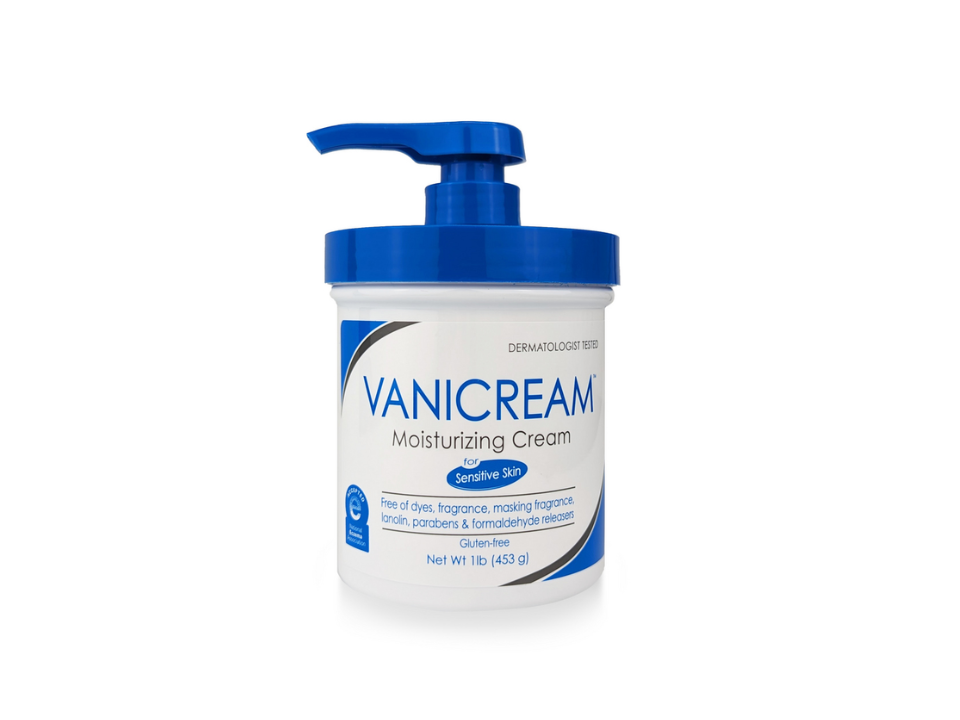
Vanicream Moisturizing Cream is a no-frills, thick moisturizer that is often used for very sensitive or eczema-prone skin. The texture is rich and protective without feeling overly greasy once it settles. Because it is so straightforward, it can be a good option when your skin reacts to “extra” ingredients. It is also handy for dry patches on hands, neck, and around the eyes.
Put it on right after bathing or washing your face so it traps water in the skin. If you are using it on the face, warm a small amount between your fingers first so it spreads more smoothly. For rough elbows or cracked knuckles, apply a thicker layer and cover with cotton gloves overnight. If your skin is flaring, keep the rest of your routine plain so you can tell what is helping.
La Roche-Posay Toleriane Dermallergo Moisturizer
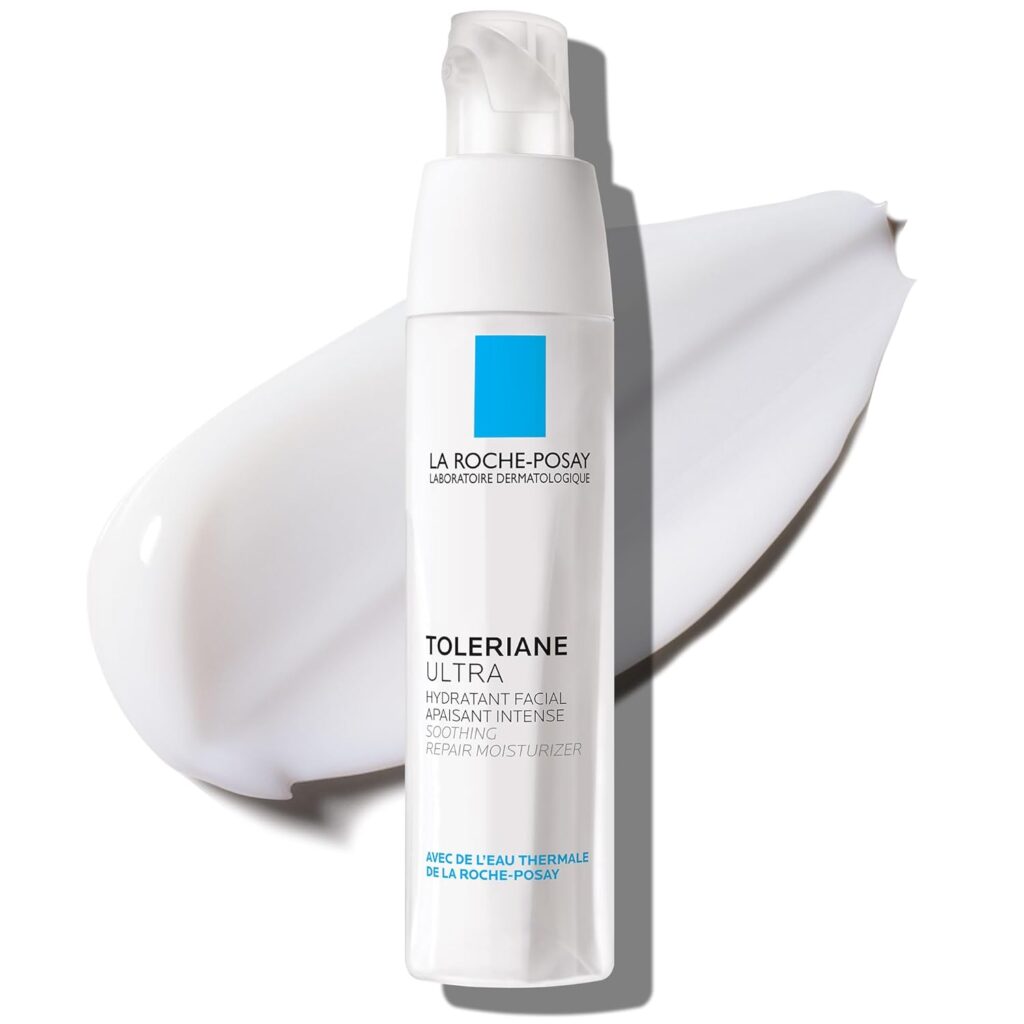
This moisturizer is often chosen when skin stings easily because it is made with sensitive, reactive skin in mind. The texture feels soothing and lightweight at first, but it still gives a comfortable, protected finish. It can be a nice middle ground if heavy creams feel suffocating, yet lotions do not feel like enough. Many people like it for daytime because it sits well under sunscreen and makeup.
Use one to two pumps and press it into your skin rather than rubbing quickly. If your face gets flushed, take a minute and apply it in thin layers, adding more only where you need it. Give it a few minutes before sunscreen so everything settles nicely. When your skin is extra irritated, keep your actives on pause and use this as your main daily moisturizer.
Avène XeraCalm A.D Lipid-Replenishing Cream
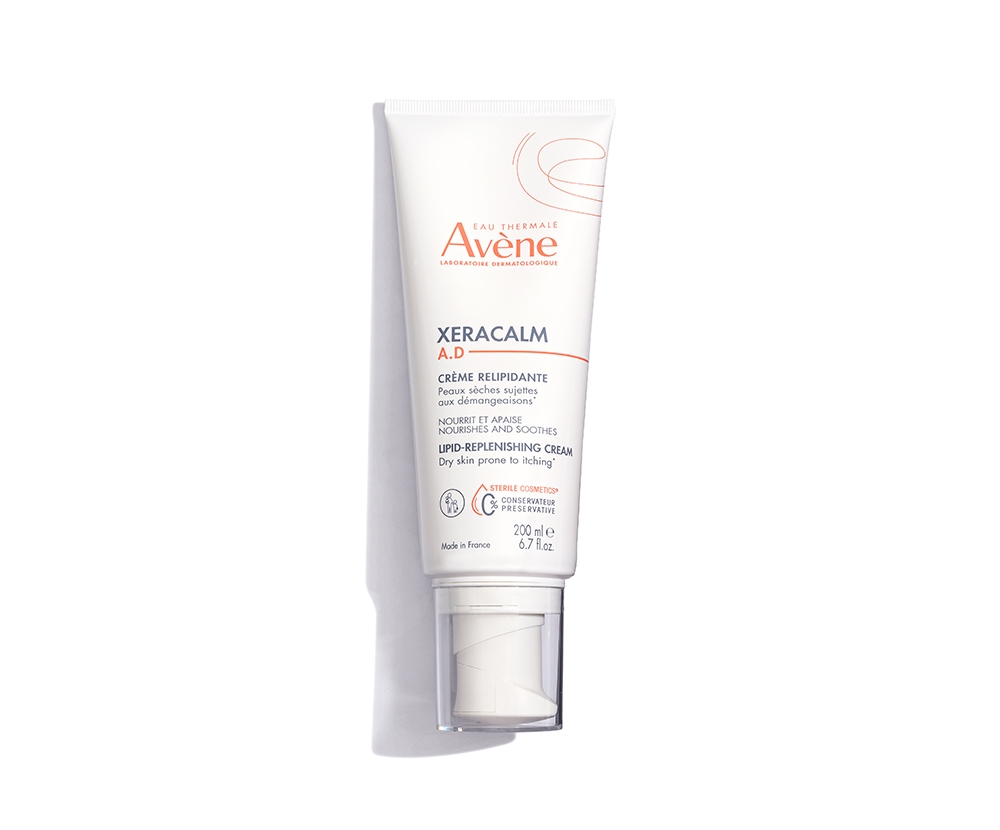
This is a richer cream that is commonly used for very dry, itchy, or eczema-prone skin, including on the face for some people. It feels comforting and helps calm that tight, scratchy sensation that can pop up during flare-ups. Because it is meant to support very dry skin, it can be especially helpful in winter or in dry indoor air. It also works well on the body, which makes it easy to keep your routine simple.
Apply it after cleansing or showering, focusing on areas that get rough first, like cheeks, neck, and hands. If you are trying it on your face for the first time, start with nighttime use so you can see how your skin feels by morning. For itchy patches, use a thicker layer and avoid rubbing, since friction can make things worse fast. If you are using prescription treatments for eczema, ask your clinician how to time them with this cream.
Eucerin Advanced Repair Cream
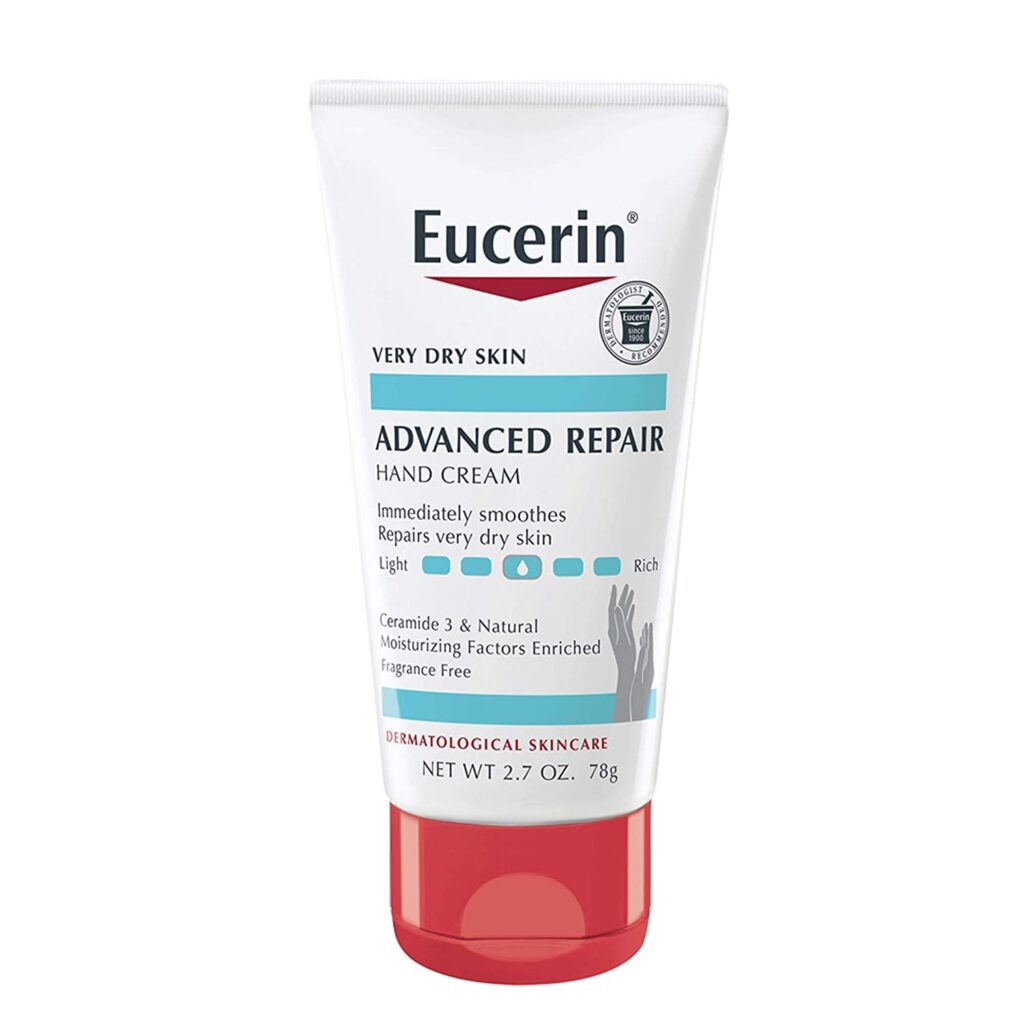
This cream is popular for body dryness, especially when skin feels rough and tight from head to toe. It has a thicker feel and is often used on arms, legs, and hands where dry skin can look ashy or feel bumpy. Many people like it because it soaks in better than you would expect for a rich cream. It is a practical pick if you want something that can live by the sink and actually get used daily.
Use it right after a shower while your skin is still slightly damp, since that helps it spread and absorb evenly. On very dry areas like shins or elbows, apply a second thin layer after the first one sinks in. If your skin stings easily, patch test first, since some repair creams can feel tingly on irritated skin. Keep a travel-size in your bag if handwashing dries your hands out quickly.
La Roche-Posay Cicaplast Baume B5
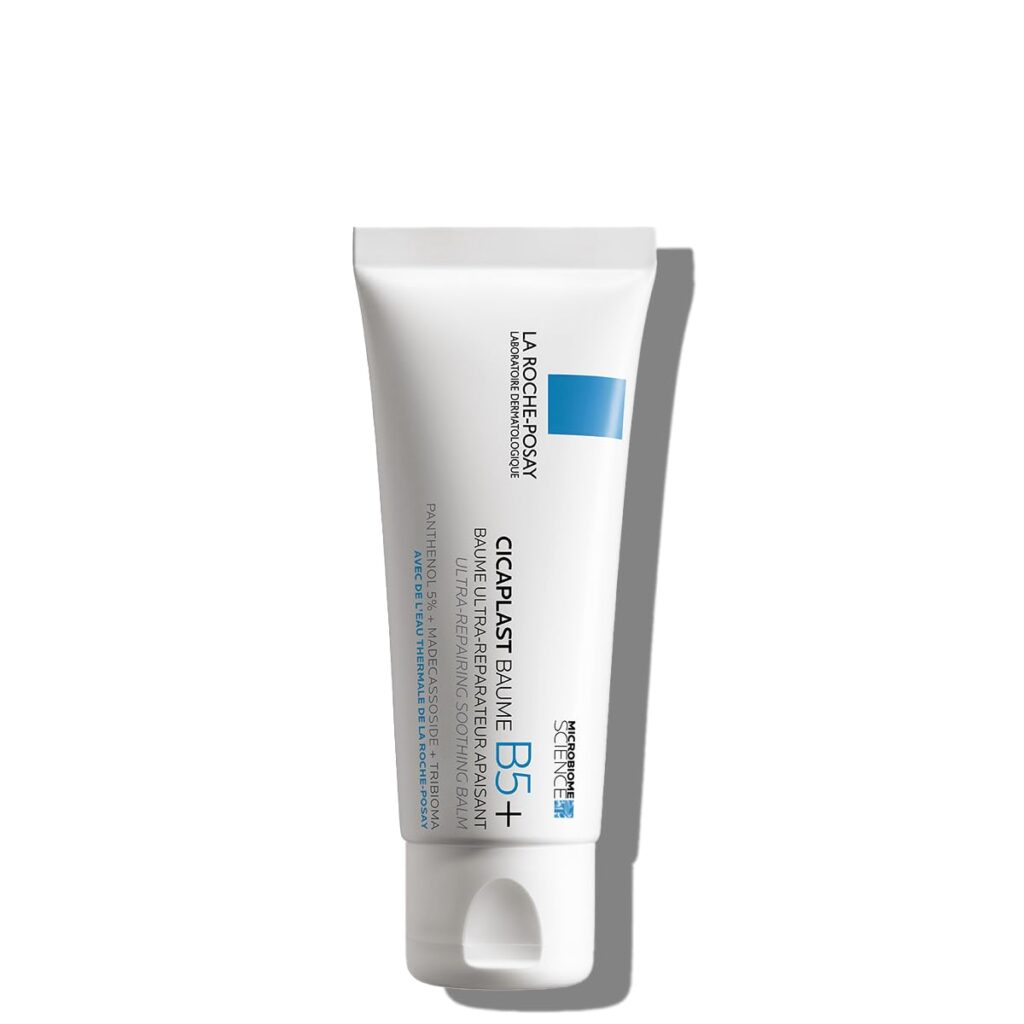
This is the kind of balm people reach for when skin feels irritated, windburned, or overly dry in one specific area. The texture is thicker than a lotion, and it leaves a protective layer that can help calm down rough patches. It is often used after overdoing exfoliation or during seasonal dryness when the corners of the mouth and nose get sore. Many people also like it as a nighttime spot layer because it stays put.
Use a pea-sized amount and spread it gently over the areas that feel stressed rather than coating your whole face at first. If you are dealing with flaky spots, apply it after your regular moisturizer so it acts like a soft seal on top. It can also be helpful on hands after frequent washing, especially around knuckles. If you are sensitive, patch test because even gentle balms can feel different on irritated skin.
Aquaphor Healing Ointment
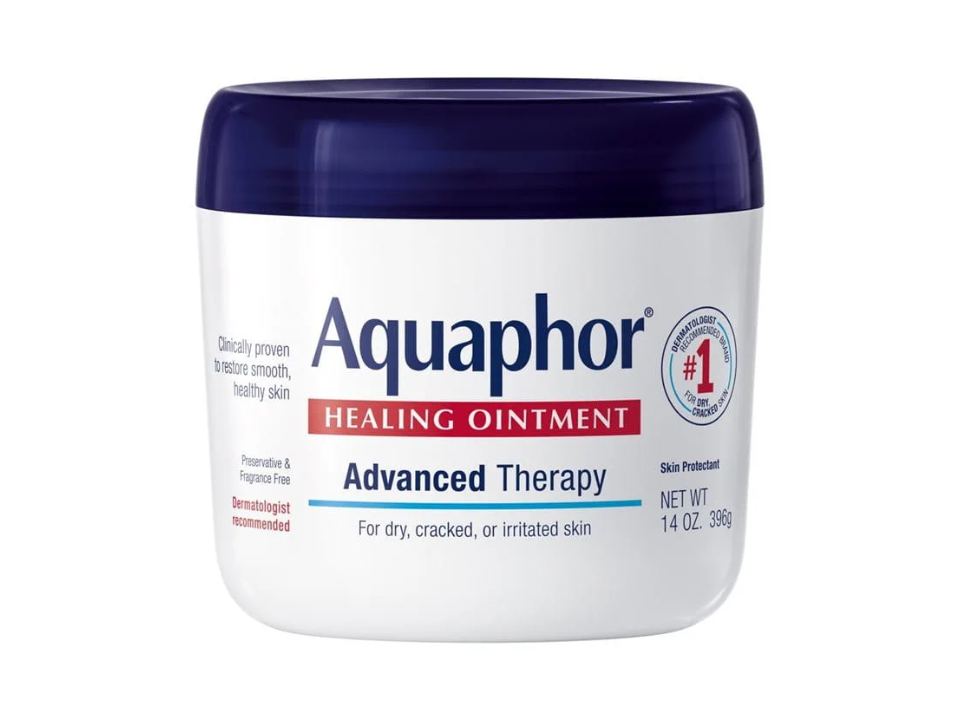
Aquaphor is a classic ointment that works like a barrier layer, which is helpful when skin is dry, cracked, or chafed. It is not a typical moisturizer on its own, but it does a great job sealing in moisture you already put on. Many people use it for lips, around the nose during colds, and for small dry patches that keep flaking. It is also useful when you want a simple, protective layer in harsh weather.
Apply it as the last step at night, especially on lips, around the nostrils, or on any cracked spots. Use a small amount, since a thin layer usually works better than a thick coating that feels sticky. If you are acne-prone, keep it off areas where you break out easily and use it only where you are dry. During the day, it can be helpful on cuticles or hands, then you can wipe off any extra.
Vaseline Original Healing Jelly
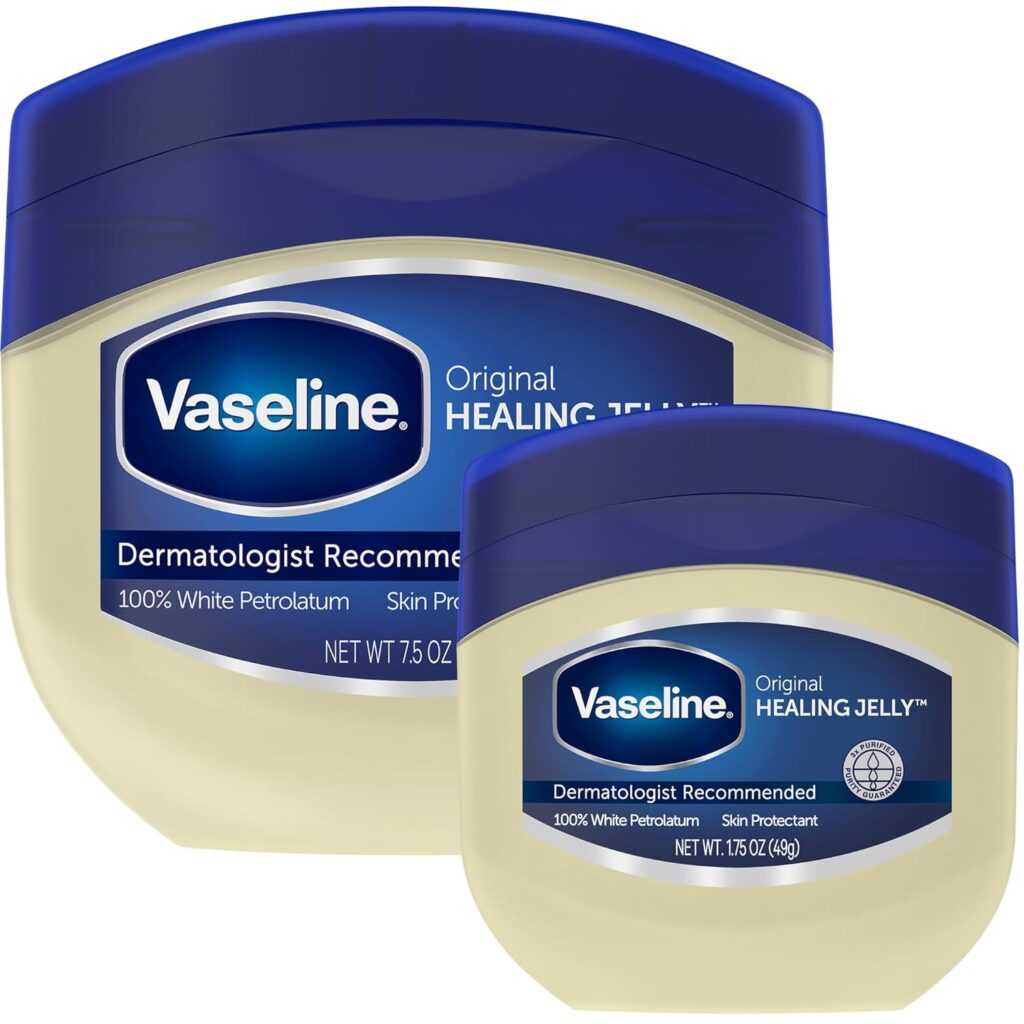
Vaseline is another simple occlusive option that is great for locking moisture in when skin is painfully dry. It is especially helpful when your lips crack or when the skin around your mouth gets rough from cold air. Because the formula is so basic, it is a go-to for people who react to a lot of ingredients. It also tends to be affordable and easy to find, which makes it easy to keep it in multiple places at home.
Use it after applying a moisturizer, since it works best as a top layer rather than a first step. A tiny amount goes a long way, so start with less than you think you need. For lips, apply before bed and again after brushing your teeth in the morning if you get that dry, tight feeling. If you are using it on hands, put it on over lotion and wear cotton gloves for a simple overnight treatment.
CeraVe Healing Ointment
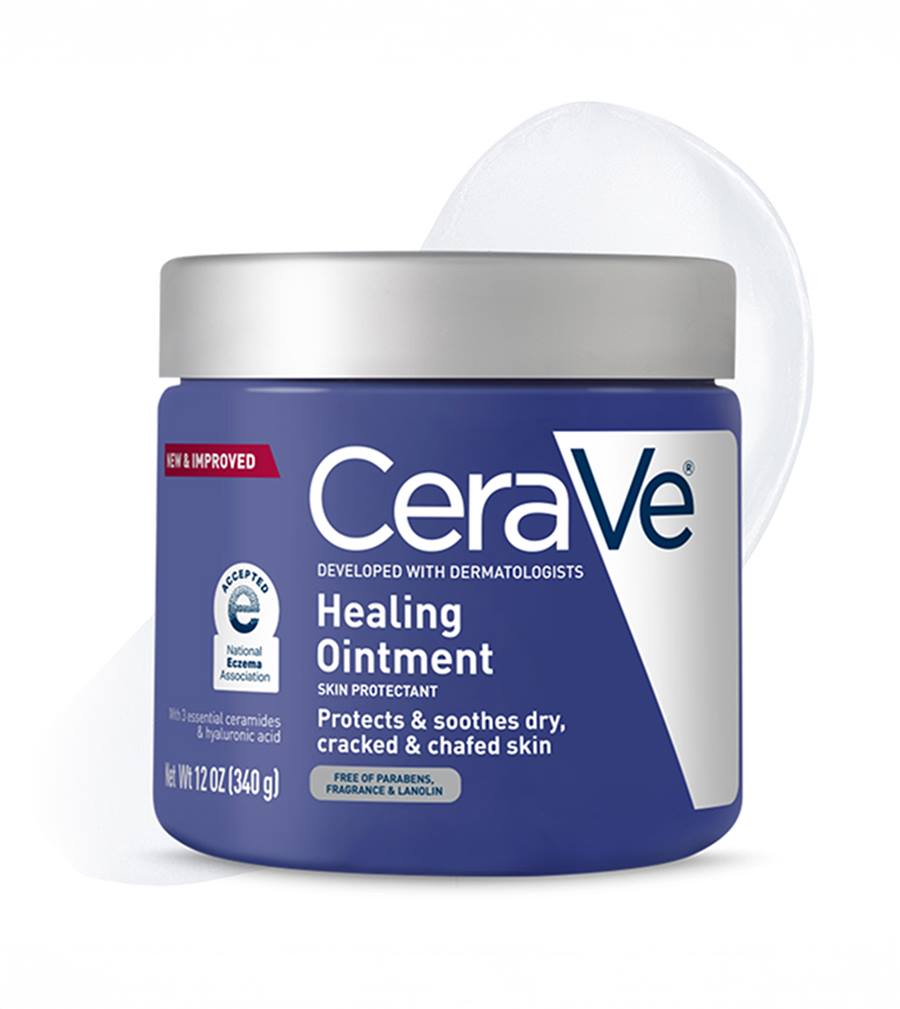
This ointment is similar in purpose to Aquaphor and Vaseline, but many people like it because it feels a bit more like a skincare hybrid. It works well for sealing in moisture on dry spots, and it is often used on hands, lips, and irritated patches. The texture is thick and protective, so it is useful when you want to stop moisture from evaporating overnight. It can also be a good choice after you have been outside in cold wind or dry air.
Apply it as your last step, focusing on small areas that need extra protection. If your skin is very dry, put your moisturizer on first, wait a minute, then add a thin layer of this on top. Use it on lips before bed, and try it on cuticles if they split easily. If you are prone to clogged pores, keep it as a spot product rather than spreading it over your whole face.
EltaMD UV Clear Broad-Spectrum SPF 46
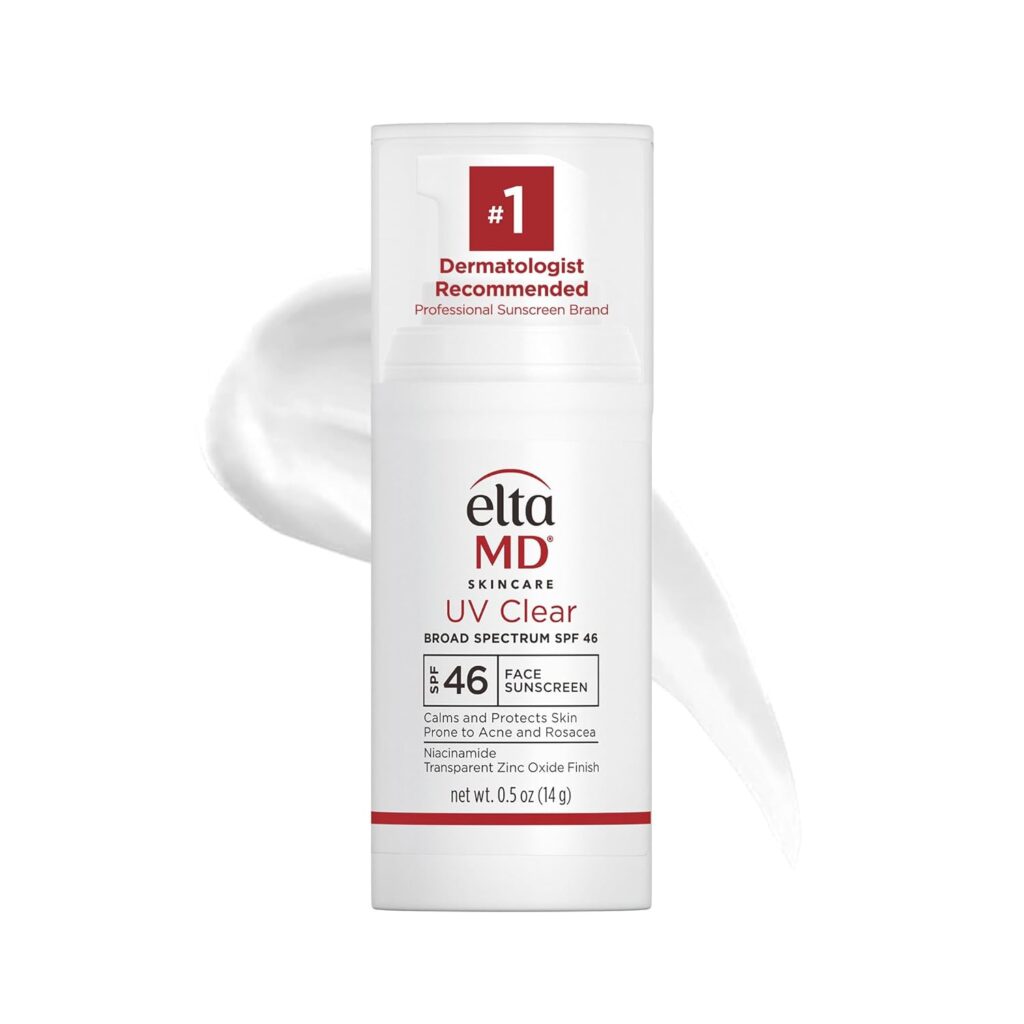
Sunscreen is a big part of keeping sensitive skin calm, since sun exposure can worsen redness and dryness over time. UV Clear is popular because it tends to feel light, layers well, and works for many people who are prone to irritation. It is often used by people who deal with sensitivity plus breakouts, since it does not feel heavy or greasy. If you skip sunscreen because most formulas sting, this is one that many people try first.
Apply about two finger lengths to the face and neck, then give it a minute to settle before makeup. If your skin is very dry, put moisturizer underneath so you do not feel tight as the day goes on. Reapply every two hours if you are outside, and do not forget the ears and the back of the neck. If you are sensitive to chemical filters, patch test first since reactions can vary from person to person.
La Roche-Posay Anthelios Mineral Sunscreen SPF 50
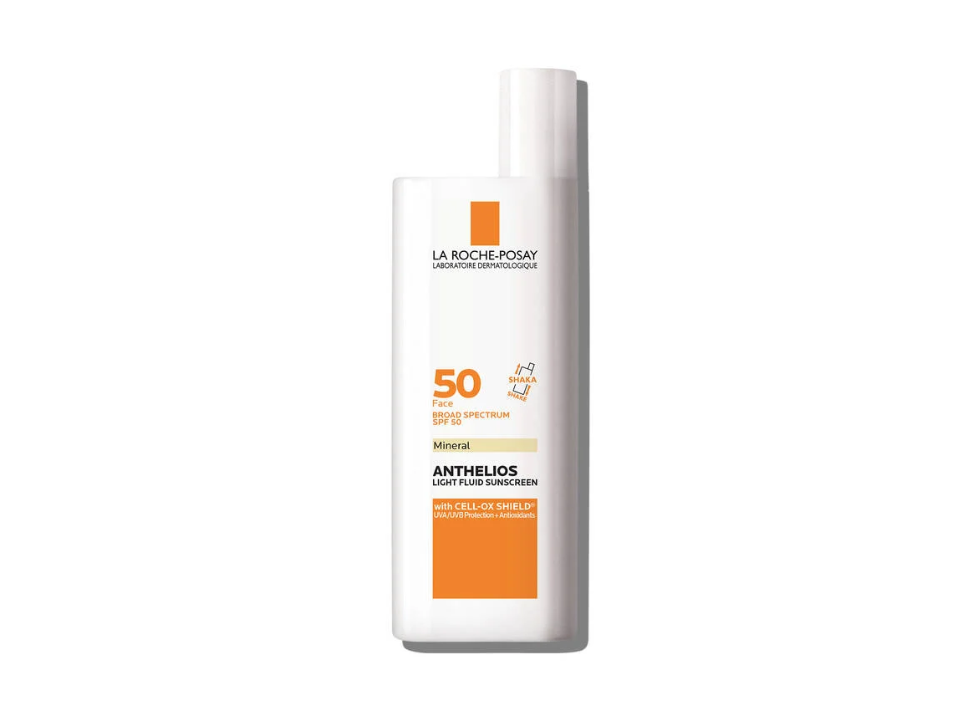
Mineral sunscreen is often a safer bet for sensitive skin because it tends to be less stingy around the eyes. Anthelios Mineral is known for strong sun protection and a comfortable feel compared to many thicker mineral formulas. It is a good choice for beach days, outdoor sports, or long walks when you want a dependable layer on your skin. If you get redness easily, mineral sunscreen can also help because it sits on top of the skin instead of absorbing in the same way.
Use a generous amount and blend slowly so you get even coverage without rubbing too hard. If you notice a white cast, apply in two thin layers and give each layer a moment to settle. Reapply after swimming or heavy sweating, and keep a small bottle in your bag for touch-ups. If your skin is very dry, pairing it with a richer moisturizer underneath can make it feel more comfortable all day.
This article originally appeared on Avocadu.