
15 Antique Brooches and Pins That Collectors Look For by Style Era
Antique brooches and pins are small pieces, but they can say a lot about the era they came from and the taste of the person who wore them. This list breaks down popular styles collectors tend to watch for, grouped by time period so it’s easier to spot what you are looking at. If you are shopping, sorting an old jewelry box, or just learning the differences, these quick notes will help you know what stands out.
This post may contain affiliate links, which helps keep this content free. Please read our disclosure for more info.
Georgian Paste and Foiled-Back Brooches
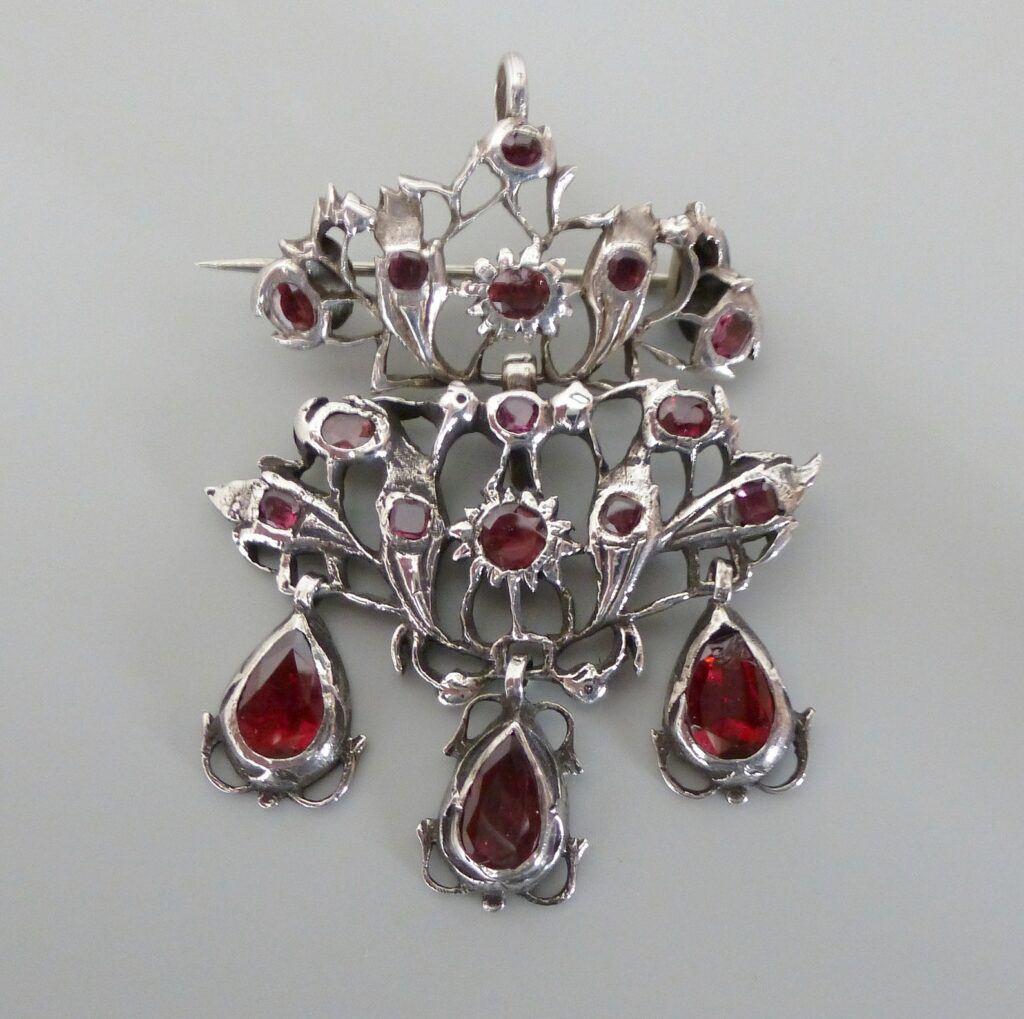
Georgian paste pieces often use hand-cut glass stones that were meant to sparkle like diamonds in candlelight. Many are set in closed-back settings with foil behind the stones, so the shine can look warm and deep rather than icy. You will see simple clusters, starbursts, and oval centers surrounded by smaller stones, usually in silver-topped gold or early silver settings. Because the backs are closed, these brooches should never be soaked, since moisture can darken the foil and dull the look fast.
When you turn one over, expect a chunky build, slightly uneven stone cuts, and a pin that looks older than modern safety clasps. The stones can show wear at the edges, and that is normal, but a lot of cloudy stones or missing foil can change the whole effect. Look for signs the settings have not been replaced, since later repairs sometimes swap in brighter modern stones that look out of place. If you find one with most stones matching in color and glow, it usually reads as a better kept example.
Georgian Mourning Brooches With Hairwork
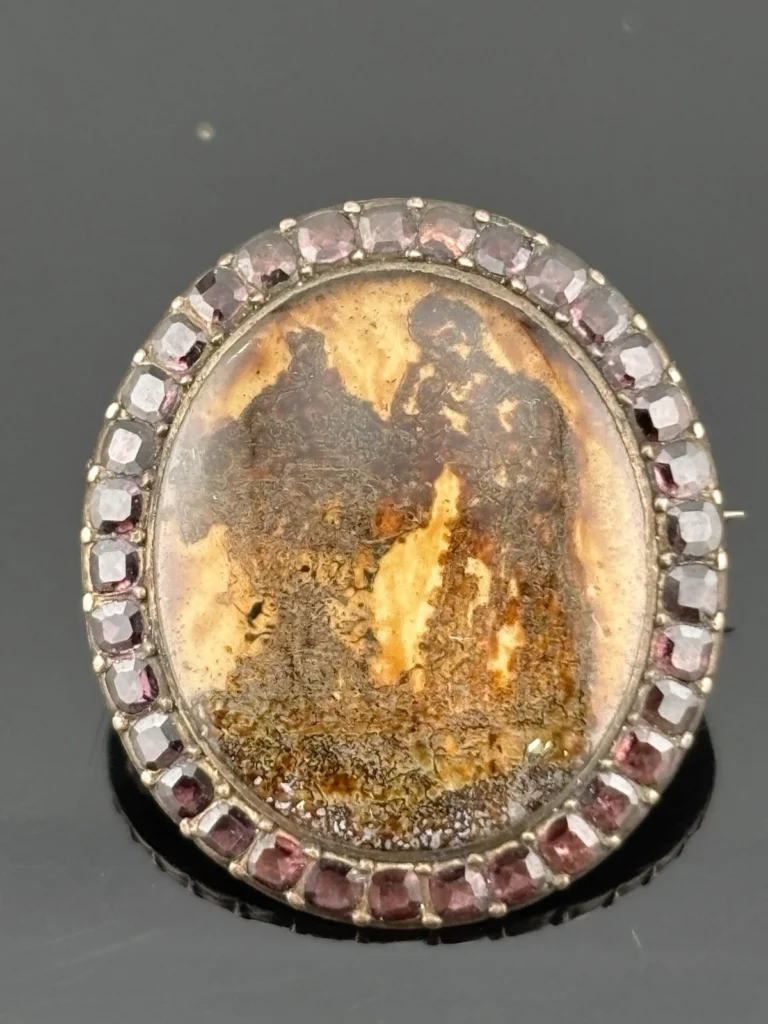
Georgian mourning brooches are often tied to grief rituals, so they tend to feel personal and carefully made. Many include woven hairwork under glass, sometimes arranged in braids, loops, or tiny plaits that form a pattern. You might also see initials, dates, or small symbols like urns and weeping willows worked into the design. The frames can be gold, pinchbeck, or silver, and the overall look is usually quiet and dark.
Check the back and edges, because the glass compartment should sit snugly with no gaps or rattling. Hairwork can dry out and shift over time, so a neat pattern that still looks intentional is a good sign. It helps when the inscription is still readable, since that adds a real story and can make the piece feel more complete. If the brooch still has its original pin and hinge, it often feels sturdier and more authentic in the hand.
Early Victorian Seed Pearl Memorial Pins
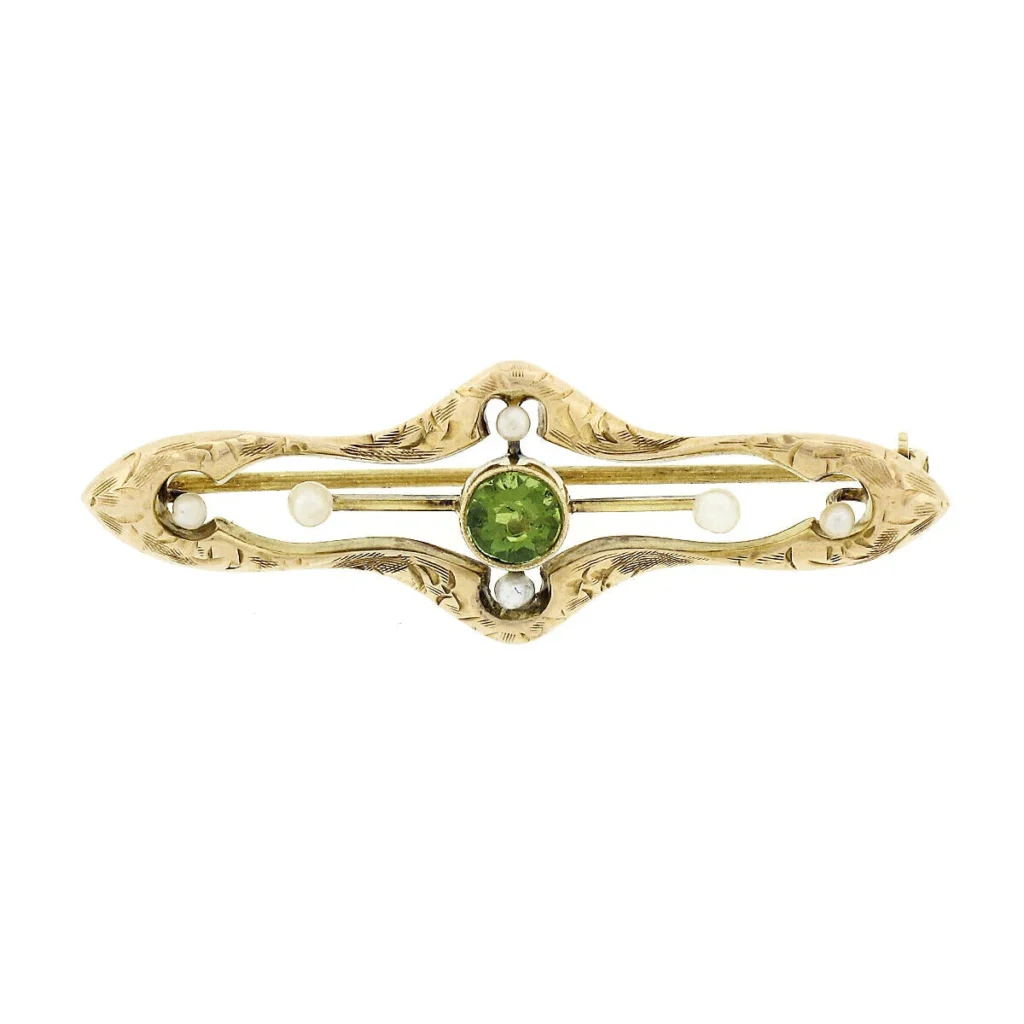
Early Victorian seed pearl pins often show up as mourning or sentimental jewelry, usually in soft, creamy tones. The tiny pearls are set close together in rows, flowers, or halos around a center locket panel. A lot of them have a woven hair or miniature behind glass in the middle, even if the pearls grab your attention first. Since these pearls are delicate, you will often see a few missing, but large gaps can make the design look uneven.
Run your eye along the pearl rows and look for matching size and color, because mismatched replacements can stand out. The settings are typically gold, and you might notice fine beading, engraved lines, or small leaf shapes around the edges. A strong piece will have pearls that still sit high and round rather than flattened from wear. If the pin hardware looks heavily modern, it may have been altered, and that can affect collector interest.
Victorian Micro Mosaic Brooches
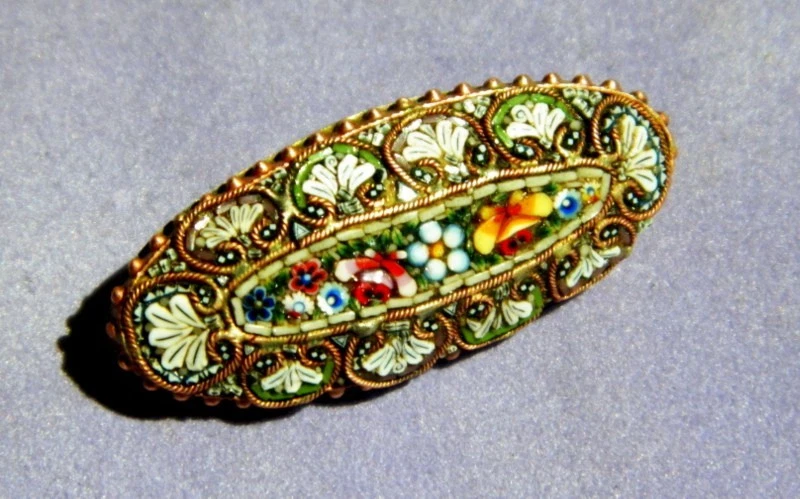
Victorian micro mosaics are made from tiny cut tiles, called tesserae, that create pictures like flowers, birds, or famous landmarks. Up close, the best ones look almost like a painting because the pieces are so small and tightly fit. Many were made in Italy and brought home as travel souvenirs, which is why you see scenes of Rome, St Peter’s, and ancient ruins. The frames can be gold, gilt, or sometimes silver, and the front often sits slightly domed.
Look closely for cracks and missing tiles, because repairs can be hard to blend in. A clean surface with sharp detail usually means the mosaic was not heavily knocked around over the years. Some pieces have a black ground that makes the colors pop, while others use softer cream backgrounds that feel more delicate. If the image reads clearly from arm’s length, that is often a clue you are looking at a higher quality example.
Victorian Scottish Agate Pebble Brooches
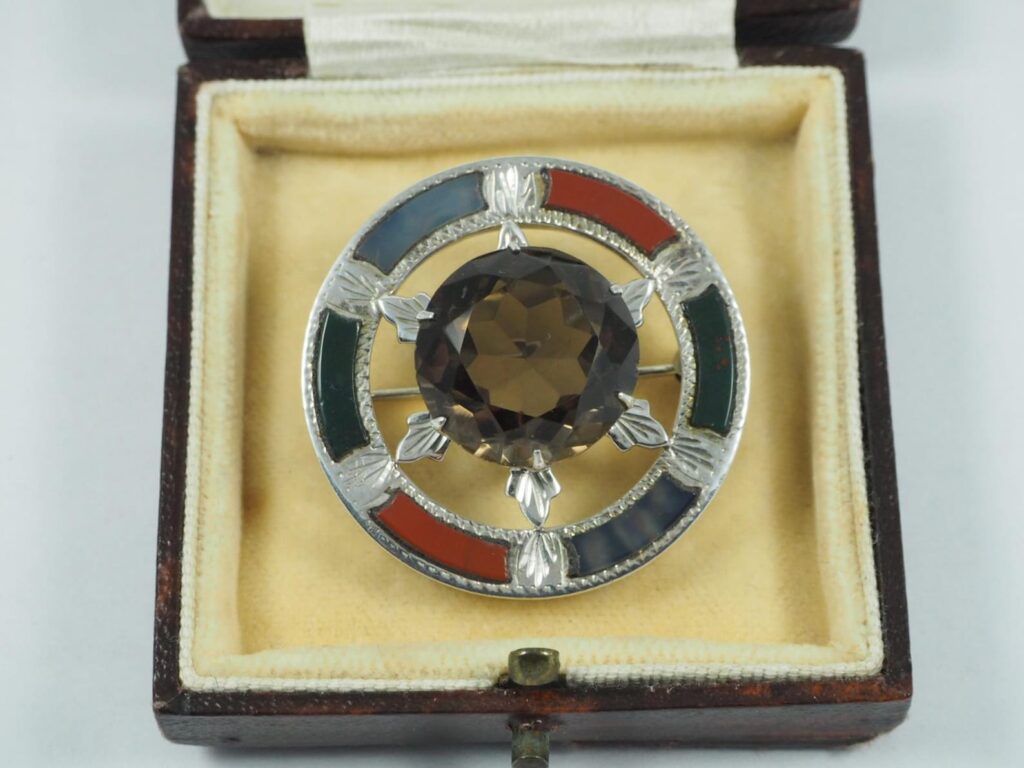
Scottish agate brooches, sometimes called pebble brooches, are all about the stones and the bold color blocks. You will often see banded agate, jasper, bloodstone, or cairngorm glass set into circles, ovals, or star shapes. Many are in silver or silver plate, and the stones tend to be polished smooth with a slightly domed top. The look is sturdy and outdoorsy, which fits their popularity in the Victorian era.
Pay attention to whether all stones are present and sit level, since loose settings are common in older examples. The backs often show simple construction, and the pins can be thick with an older style C clasp. Stones can get small chips at the edges, especially on corners, so mild wear is not surprising. Pieces with strong color contrast and tight stone fit usually look better on, even with simple clothes.
Victorian Etruscan Revival Style Pins
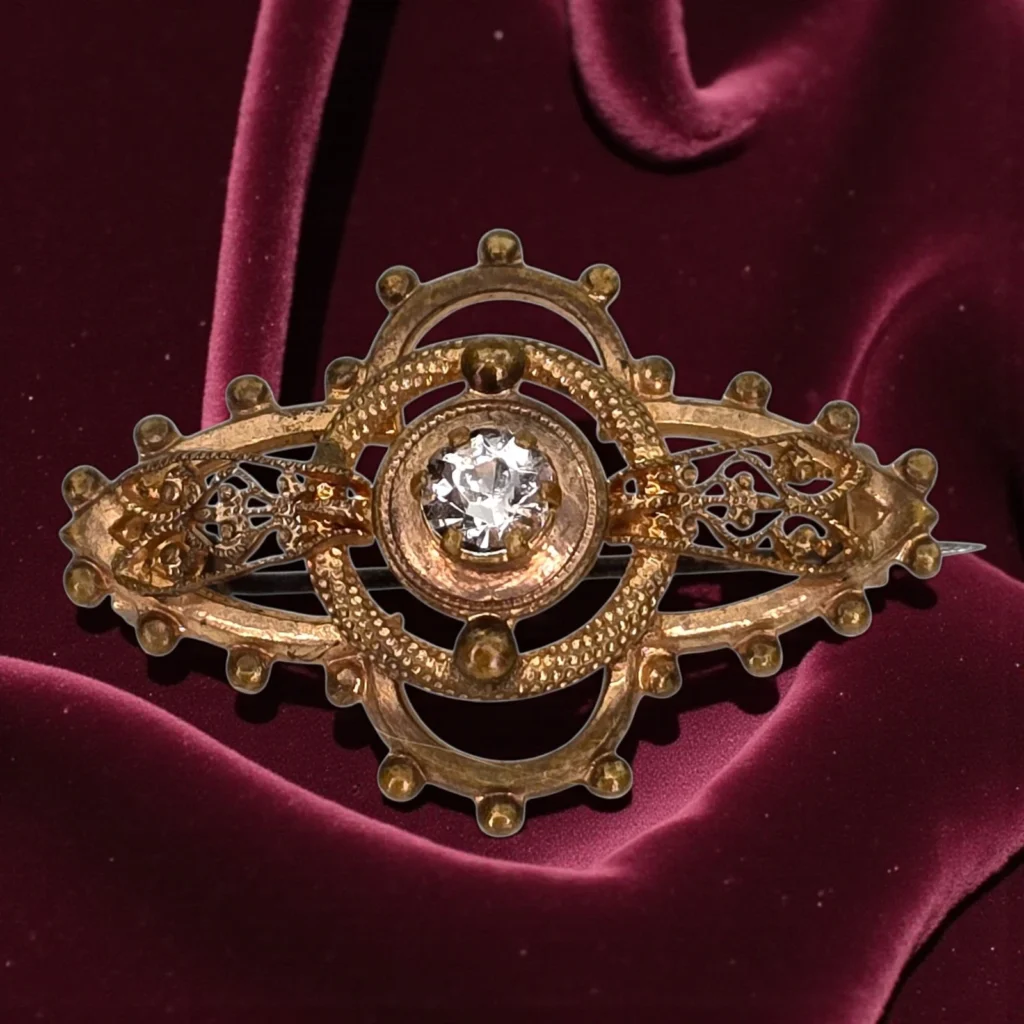
Etruscan Revival pins mimic ancient gold work, so they often feature tiny bead patterns, rope borders, and raised textures. Many examples use granulation and filigree-like details that look very fine even when the piece is small. You might spot classical motifs like amphora shapes, shields, or little panels that look like they belong on a museum piece. The gold can be rich yellow, and sometimes it is a lower karat that still wears beautifully.
Look for crisp detail in the tiny beadwork, since soft, smudged texture can signal heavy wear or later copies. Some pieces include a locket compartment or a hidden panel, which collectors tend to find fun. If the pin is signed by a known maker, it can add extra interest, but plenty of unmarked pieces are still worth attention. A pin that feels light but not flimsy, with clean edges and solid hinge points, is often a good find.
Victorian Cameo Brooches in Shell or Lava
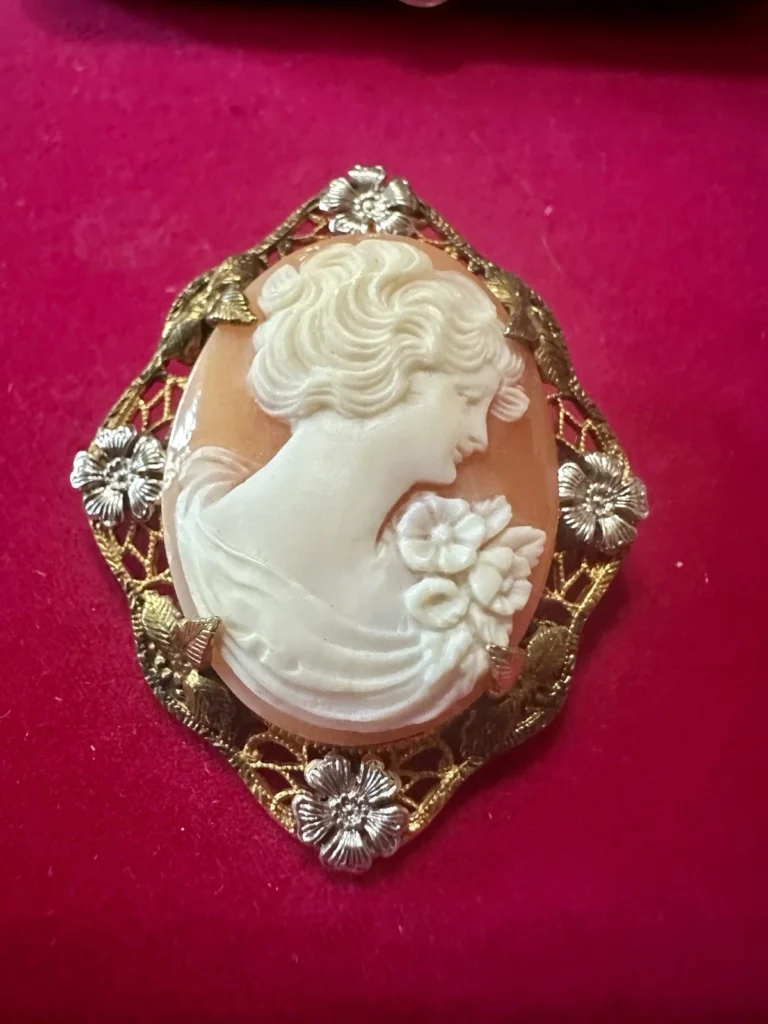
Victorian cameo brooches are easy to spot because they usually feature a profile portrait carved in relief. Shell cameos tend to have warm peach and cream layers, while lava cameos often look matte and brown with a more earthy feel. A well carved cameo shows clean facial features, detailed hair, and a smooth background that makes the portrait stand out. Many are set in gold or rolled gold frames, sometimes with a simple rope edge or small prongs.
Turn the brooch slightly in the light and you can often see tool marks or carving lines, especially on older pieces. Shell can crack if dropped, so check the edges and the nose area, which are common weak spots. Lava is porous and can chip, but it also has a distinctive texture that collectors like when it is intact. If the portrait looks sharp and balanced, the cameo usually reads as higher quality, even without a fancy setting.
Art Nouveau Enamel and Sinuous Nature Motif Brooches
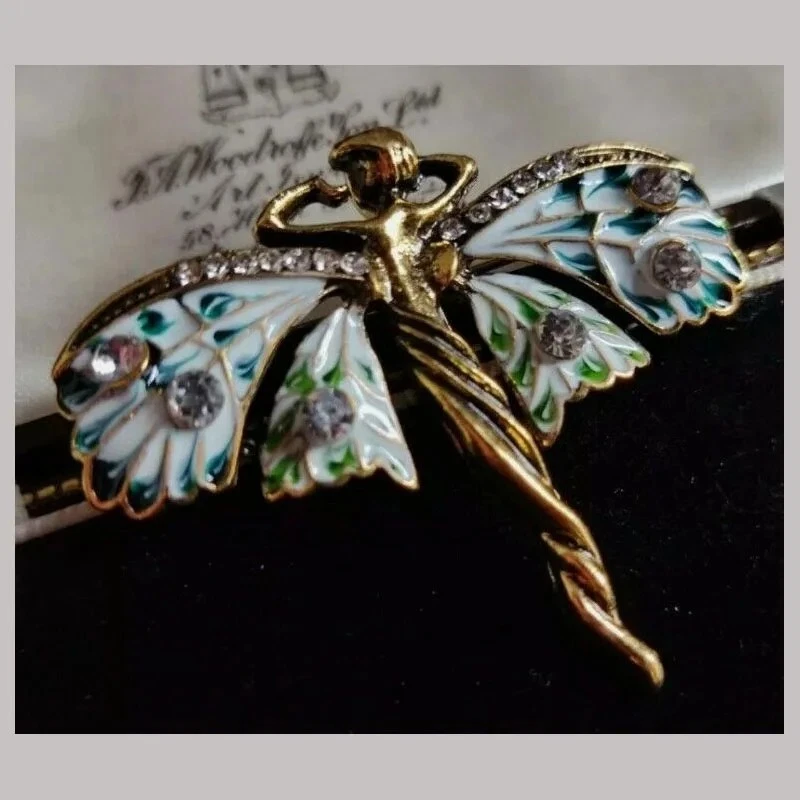
Art Nouveau brooches usually lean into flowing lines, flowers, insects, and dreamy, curved shapes. Enamel is common, and you might see soft greens, blues, and purples worked into petals or wings. Some designs include women’s faces, long hair, and natural elements all blended together in one piece. These brooches often feel more like a small sculpture than a simple accessory.
Check enamel surfaces for cracks, chips, and areas where color looks thin, since repairs can be obvious. The metal is often gold, gilt, or brass, and you may see mixed materials like glass, pearls, or small stones. If the lines feel graceful and the enamel looks even, it tends to wear beautifully and draw attention without trying too hard. Signed examples can be especially collectible, but an unsigned brooch with strong design still holds plenty of appeal.
Edwardian Platinum and Diamond Bar Pins
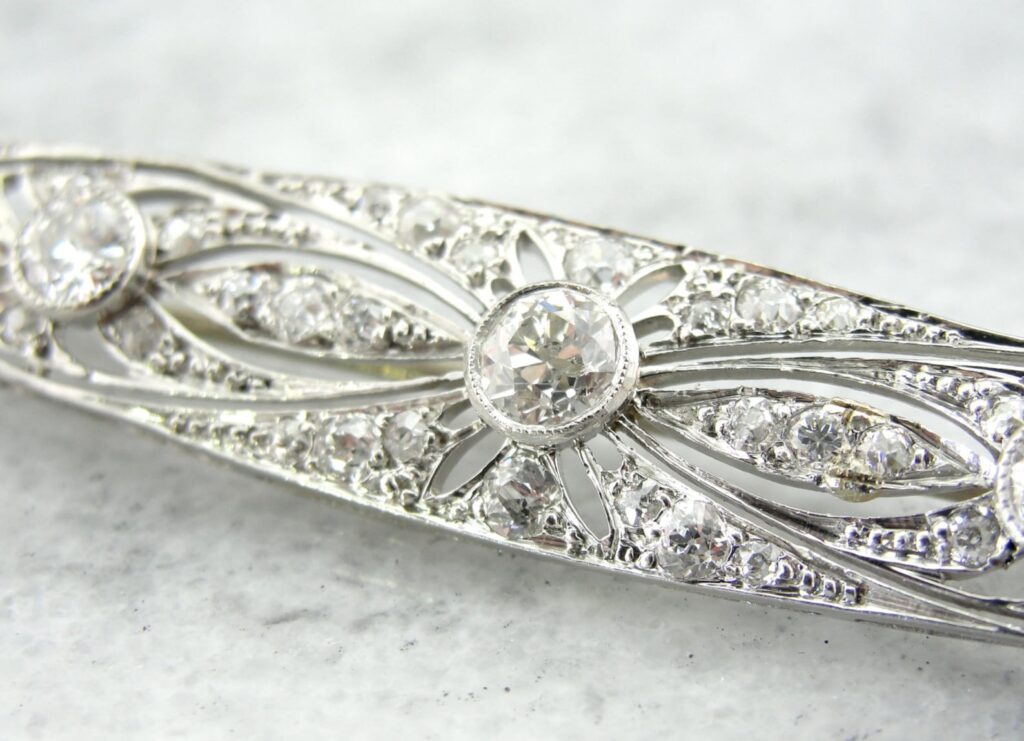
Edwardian bar pins are slim and refined, often made to sit neatly on a collar or lapel. Platinum was popular because it allowed delicate settings that still held diamonds securely, so you will see airy openwork and tiny milgrain edges. Many feature old-cut diamonds in a line, a bow shape, or a small center motif like a leaf or star. The overall look is crisp and light, which makes these pins surprisingly easy to wear today.
Inspect the underside and clasp, because long thin pins can bend if they were handled roughly. A good one will feel straight and balanced, with stones that sit evenly in their settings. Diamonds from this era can have a softer sparkle than modern cuts, and that is part of the charm. If the pin has its original safety catch or a well done period clasp, it can feel more complete to collectors.
Arts and Crafts Hammered Silver and Cabochon Stone Brooches
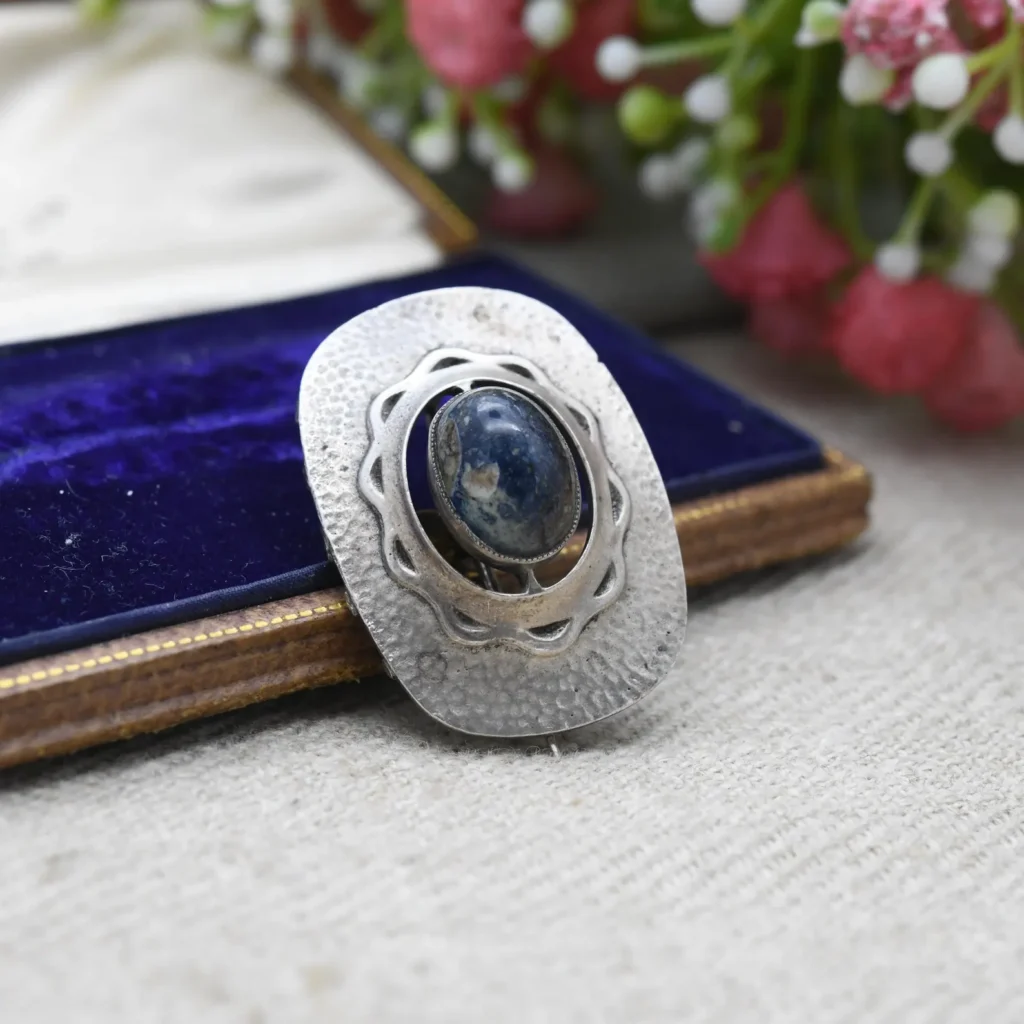
Arts and Crafts brooches tend to look handmade, with hammered silver surfaces and simple, sturdy shapes. Cabochon stones like moonstone, amethyst, turquoise, or garnet are common, often set in thick bezels. Instead of perfect symmetry, you may see a slightly off-center layout that gives it character. These pieces often feel honest and wearable, like they were made to be used and not just stored.
Look for signs of hand work, such as tiny hammer marks, irregular solder lines, and a pin that feels solid. Stones should sit securely, since loose cabochons can shift and scratch. Some brooches are marked with maker initials or small hallmarks, and that can help with dating and value. Even unmarked pieces can be very collectible if the design has strong proportions and the stone color looks rich.
Art Deco Geometric Brooches in Onyx, Rock Crystal, or Rhinestones
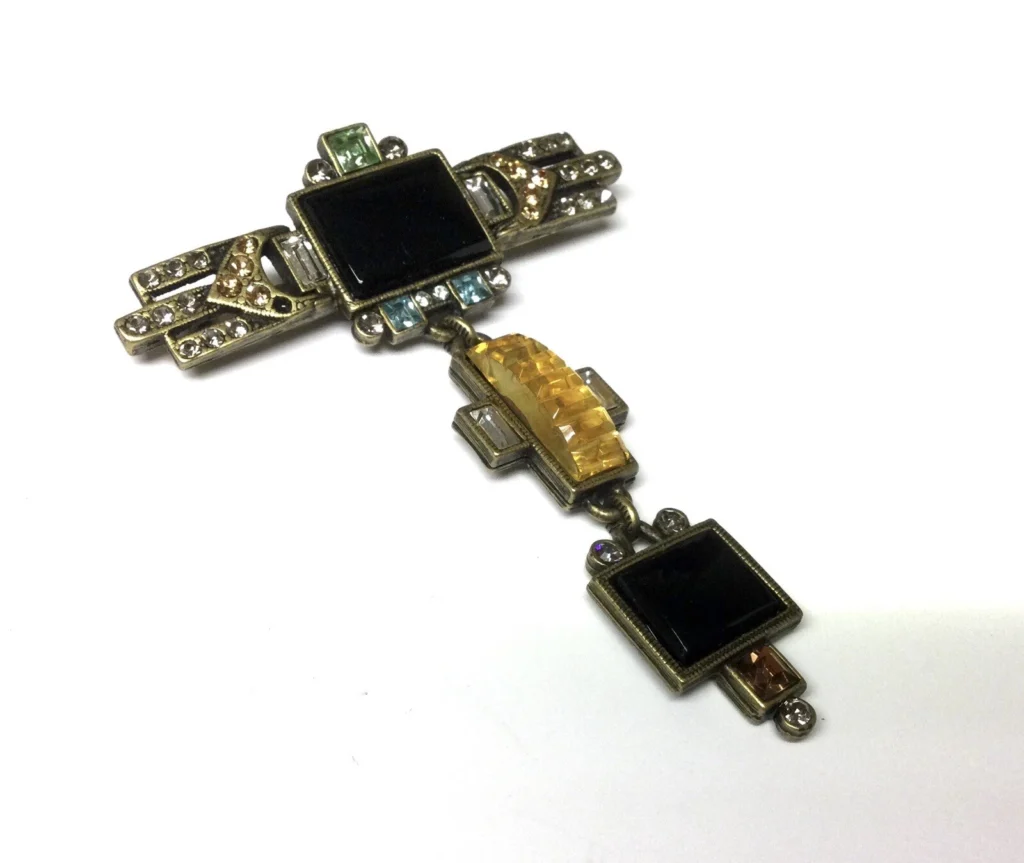
Art Deco brooches are all about clean geometry, contrast, and bold shapes. You will see rectangles, stepped forms, fan shapes, and sharp lines, often in black and clear materials like onyx and rock crystal. Rhinestones were used widely, and many pieces still look striking because the designs are so graphic. Some are made in platinum and diamond, while others are in costume materials that still hold collector interest.
Check for crisp edges and tight settings, since chipped stones or loose rhinestones can make the lines look messy. A lot of Deco pins have strong symmetry, so missing elements are easier to spot right away. The backs can tell a story too, because older construction often looks heavier with more visible metalwork. If the piece looks clean from a distance and still has that sharp outline, it usually wears well on a coat or sweater.
Retro 1940s Bow, Spray, and Scroll Brooches
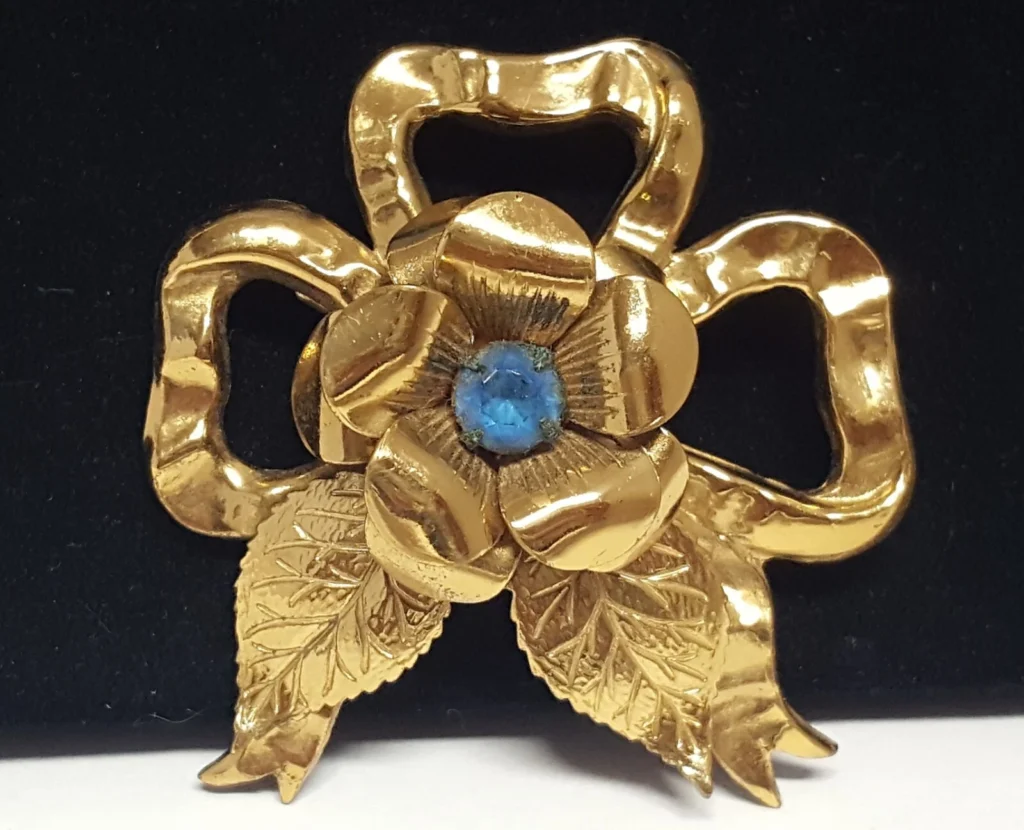
Retro era brooches from the 1940s often feel big, confident, and a little playful. Common shapes include bows, ribbons, sprays of flowers, and scrolling metal that looks almost like fabric. Yellow and rose gold were popular, and you will see ribbed textures and chunky forms that reflect the style of the time. Many were made to stand out on a suit jacket or dress, so they often have strong presence even without stones.
Look for good condition in the metal finish, since deep scratches can flatten the ribbed texture. Some include rubies, aquamarines, or small diamonds, but plenty are all about the gold work itself. The pins are usually sturdy with strong hinges, which helps because these pieces have more weight. If the design feels balanced and sits flat when held, it tends to look better when worn.
Mid-Century Modern Abstract Sterling Brooches
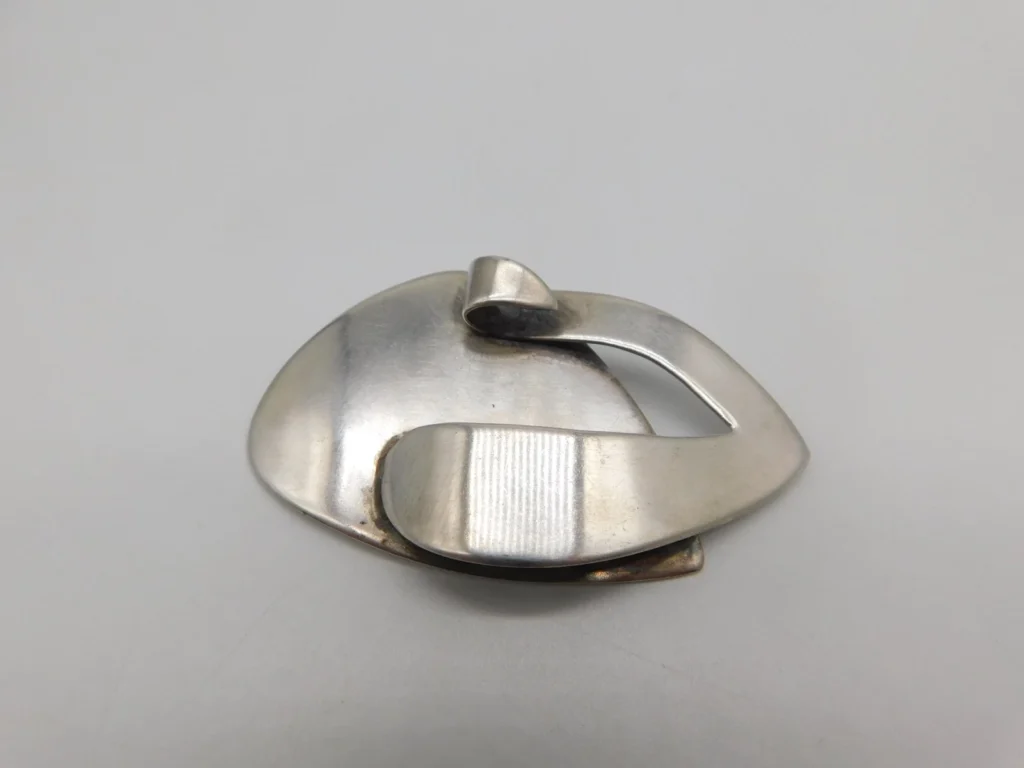
Mid-century modern sterling brooches often lean into abstract shapes, clean lines, and a sculptural feel. You might see sweeping curves, leaf-like forms, or open circles that look simple but intentional. Many were made in the 1950s and 1960s, and you will often find maker marks on the back, especially from studio jewelers. The silver may be matte, brushed, or lightly hammered, which gives it texture without stones.
Check for clear hallmarks like sterling stamps and maker signatures, since those can matter a lot for collectors. The pin mechanisms are usually more modern than Victorian pieces, but they should still feel tight and secure. A little patina is normal and often preferred, since it gives depth to the silver. If you like wearable vintage, these are easy to style with casual tops, jackets, and even denim.
1950s Rhinestone Statement Brooches
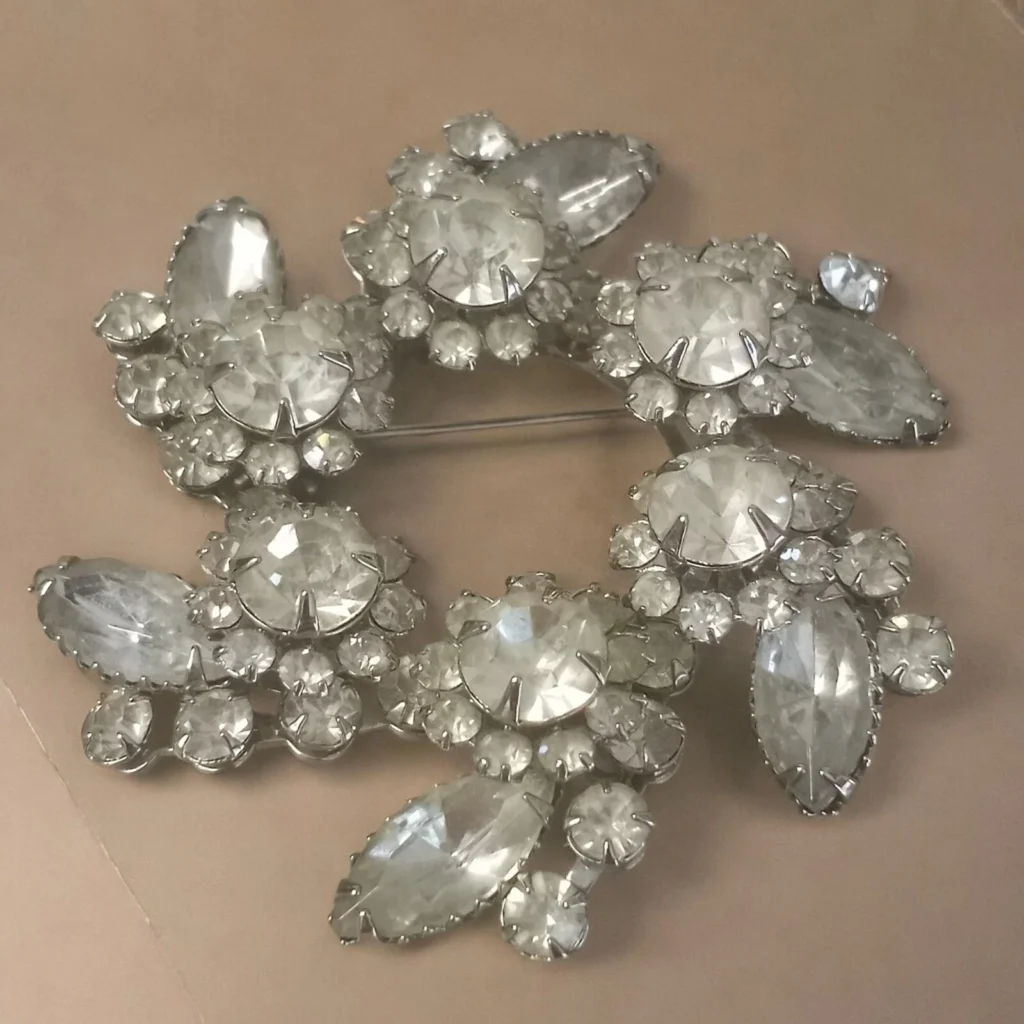
1950s rhinestone brooches are often bright and fun, with big floral sprays, starbursts, and layered clusters. Many use clear stones, but you also see pastel colors, aurora borealis finishes, and mixed shapes like navettes and rounds. The best ones still throw a lot of sparkle because the stones are well set and the plating has held up. These were often worn on dresses and coats, so a lot survive with some wear on the back.
Flip the piece over and look for missing stones, darkened glue, or prongs that no longer grip. Matching stones matter, since odd replacements can look dull or the wrong shade in daylight. Some makers are widely collected, and a signature on the back can add interest, but plenty of unmarked pieces are still worth owning. If the rhinestones still look clear and the metal has not turned rough, the brooch will usually photograph well and wear nicely.
1960s Mod Enamel and Lucite Pins
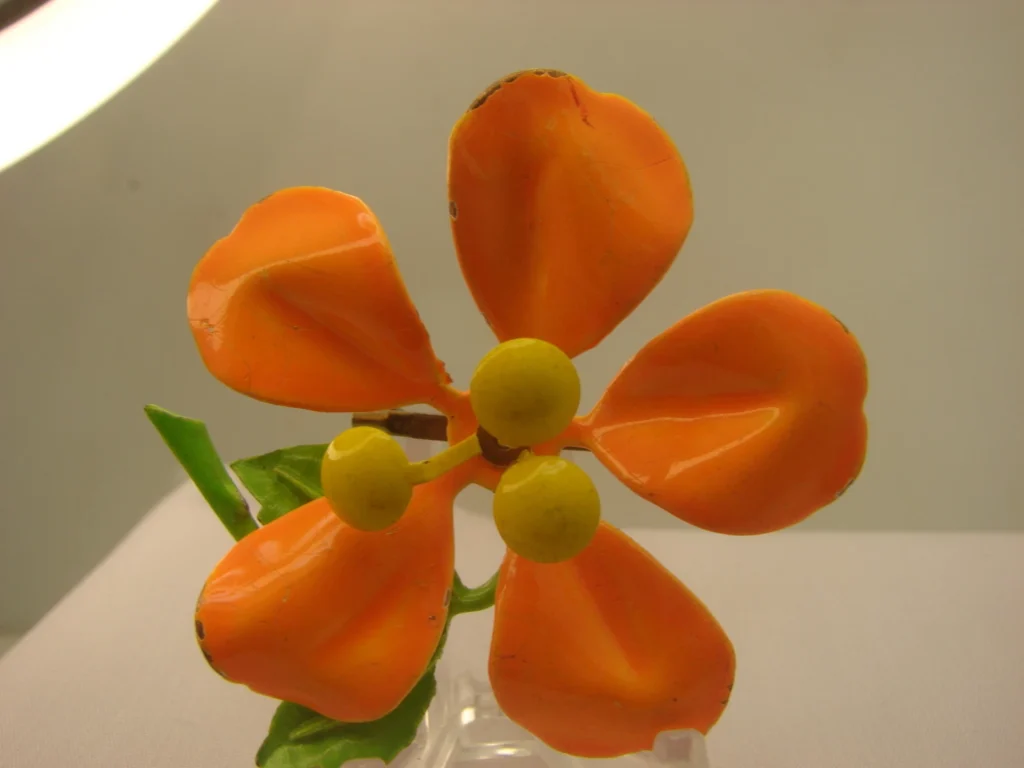
1960s mod pins lean into bright color, simple shapes, and materials that feel cheerful and graphic. Enamel blocks, high gloss finishes, and lucite in bold forms like circles, flowers, and geometric panels are common. Many were costume pieces, but they capture the look of the era so well that collectors still chase them. You can spot them easily because they often feel lighter and more playful than earlier brooch styles.
Condition is important because enamel can chip and lucite can scratch, especially along edges. Look for strong color with no cloudy patches, since sun and heat can change some plastics over time. The backs often have simple pin hardware, so make sure the clasp still holds tight. If the design still looks crisp and the colors feel lively, it can be a fun piece that adds personality without looking fussy.
This article originally appeared on Avocadu.