Early March is a great time to tidy up patio and porch containers after winter. A quick refresh can mean new soil on top, a few cool weather plants, and simple touches that look good from the curb. These ideas keep things easy while making your outdoor space feel ready for spring.
This post may contain affiliate links, which helps keep this content free. Please read ourdisclosure for more info.
Cool Season Planter Reset With Pansies And Dusty Miller
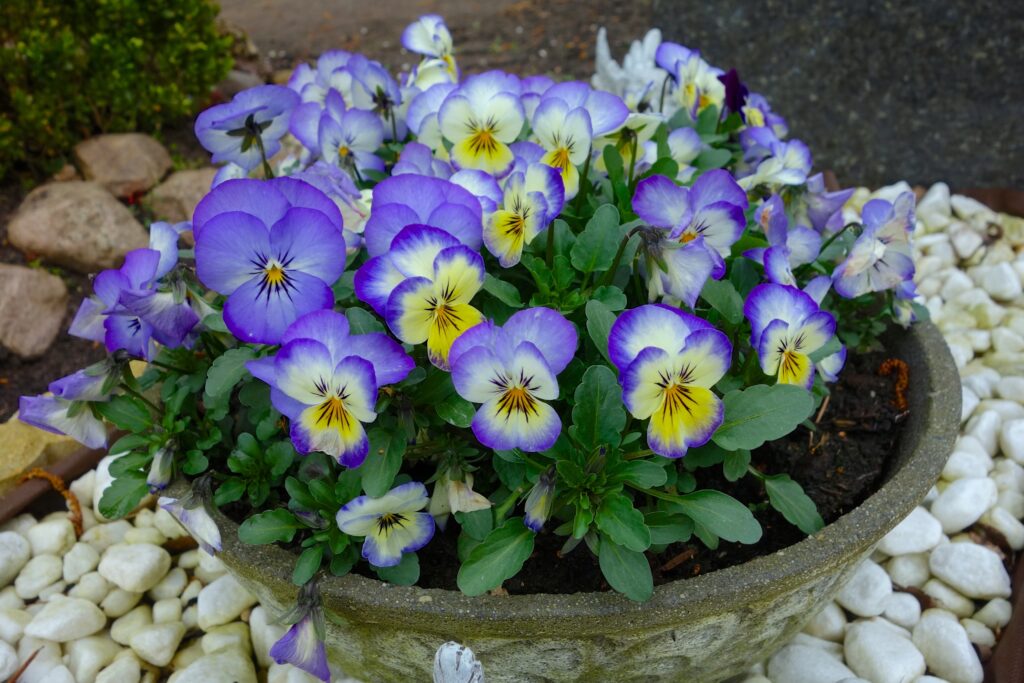
Start by pulling out tired stems and any soggy leaves left from winter. Scoop off the top inch or two of potting mix and replace it with new mix plus a handful of compost. Tuck pansies around the rim so the flowers spill outward where you can see them from the door. Add dusty miller in the center for that soft silver look that handles chilly nights well.
Water the pot deeply once, then let the surface dry a bit before the next drink. If nights are still dipping near freezing, slide the container against the house wall for a little shelter. Pinch off faded pansy blooms so the plant keeps putting energy into new buds. A thin layer of mulch on top also keeps soil from splashing onto the flowers.
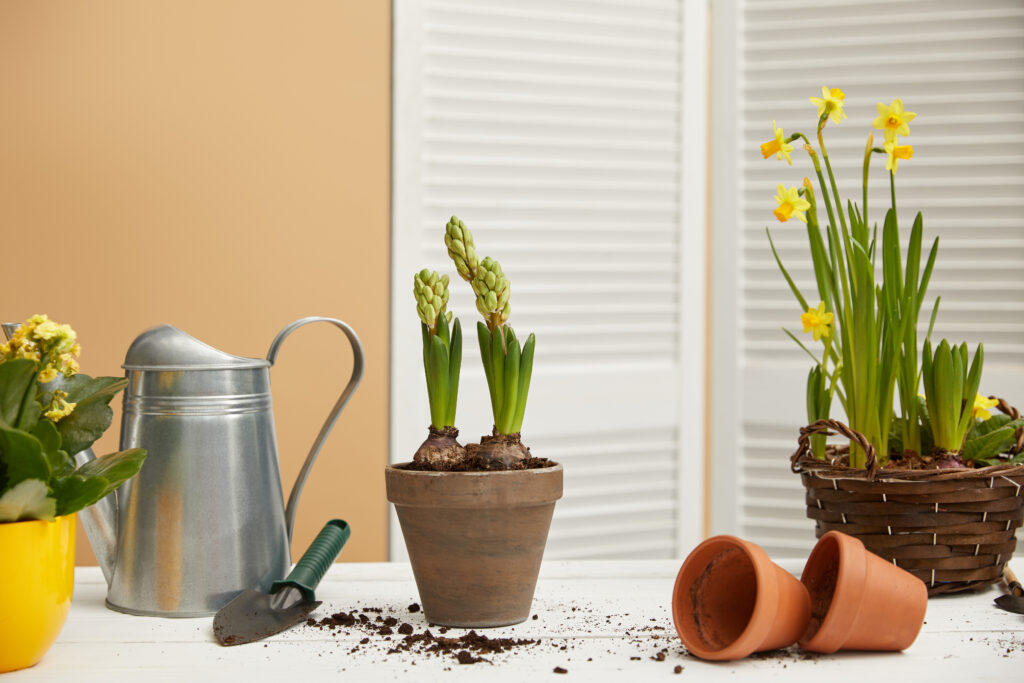
Use a medium to large pot with drainage holes, since bulbs dislike sitting in water. Fill the container with potting mix and mix in slow release plant food. Plant daffodil bulbs deeper in the center and grape hyacinth bulbs a little closer to the surface near the edges. Cover with soil, water well, and place the pot where it gets sun.
If you are starting in early March and your bulbs are already sprouting, you can still pot them up gently. Keep the soil lightly damp, not soaked, especially while it is still cool outside. Once the shoots show color, rotate the pot every few days so stems do not lean hard in one direction. After bloom, let the leaves yellow naturally so the bulbs can store energy.
Evergreen And Birch Twig Porch Pot With Fresh Mulch
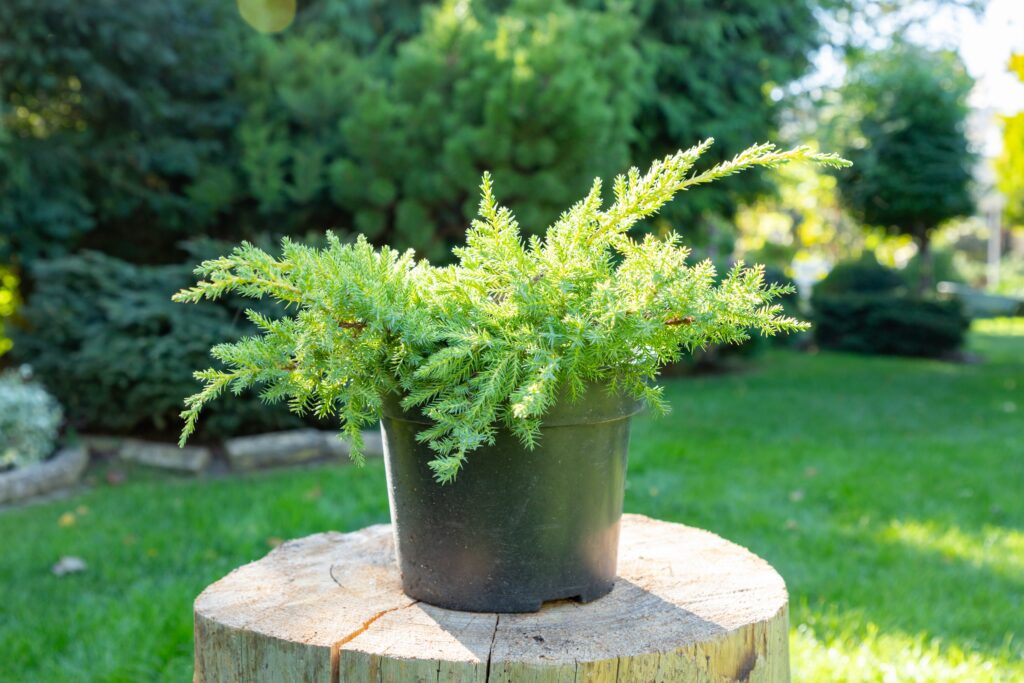
This one is all about structure, so it looks good even on gray days. Remove last season’s decorations, then top up the container with new potting mix if the soil level has sunk. Push small evergreen clippings into the soil at an angle so they fan out and cover the rim. Add birch twigs upright in the center to give height and a clean, simple look.
Finish with a tidy layer of mulch to cover the soil and keep the arrangement neat. If the porch gets wind, pack the stems in a bit tighter so nothing flops around. Mist the greens every few days if the air is dry, since cut evergreens can crisp up fast. When spring temps settle, you can pull the twigs and reuse the pot for flowers.
Succulent Bowl Refresh With New Top Dressing And Pebbles
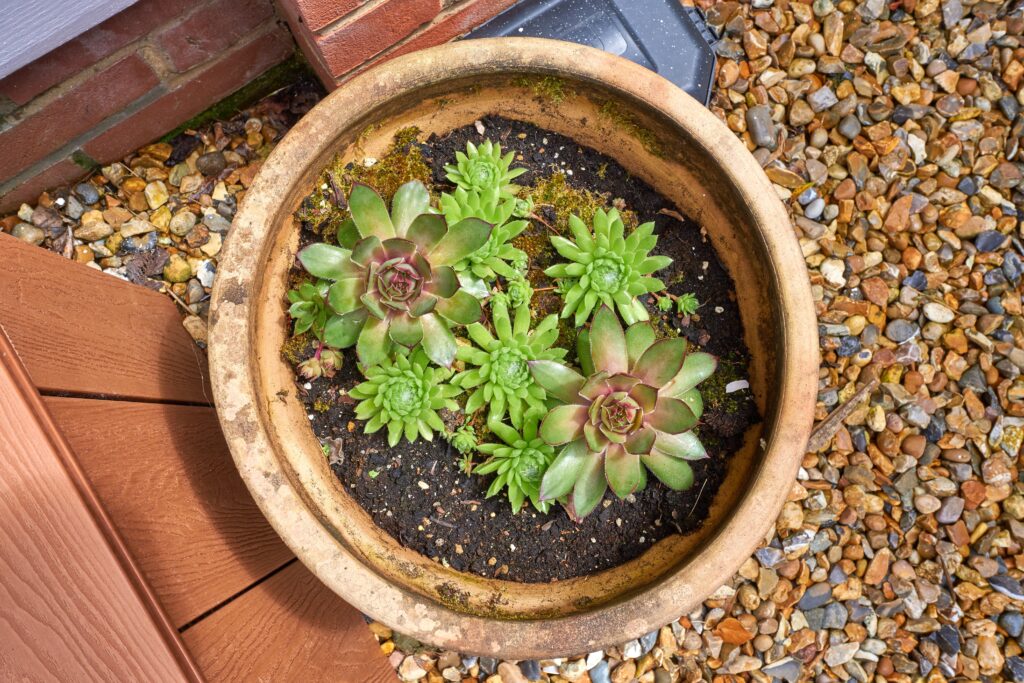
Dump out any mushy plants and trim away dead roots from the keepers. Add fresh cactus mix, or mix regular potting soil with extra perlite for faster draining. Replant succulents with a little space between them so air can move around each rosette. Press the soil down gently, then cover the surface with a clean top dressing like gravel or small pebbles.
Wait a few days before watering so any disturbed roots can settle. Set the bowl where it gets bright light, but avoid harsh midday sun if the plants spent winter indoors. Water only when the soil feels dry all the way down, which may be less often in March. The pebbles keep leaves off damp soil and make the whole bowl look finished.
Herb Starter Pot With Parsley, Cilantro, And Chives
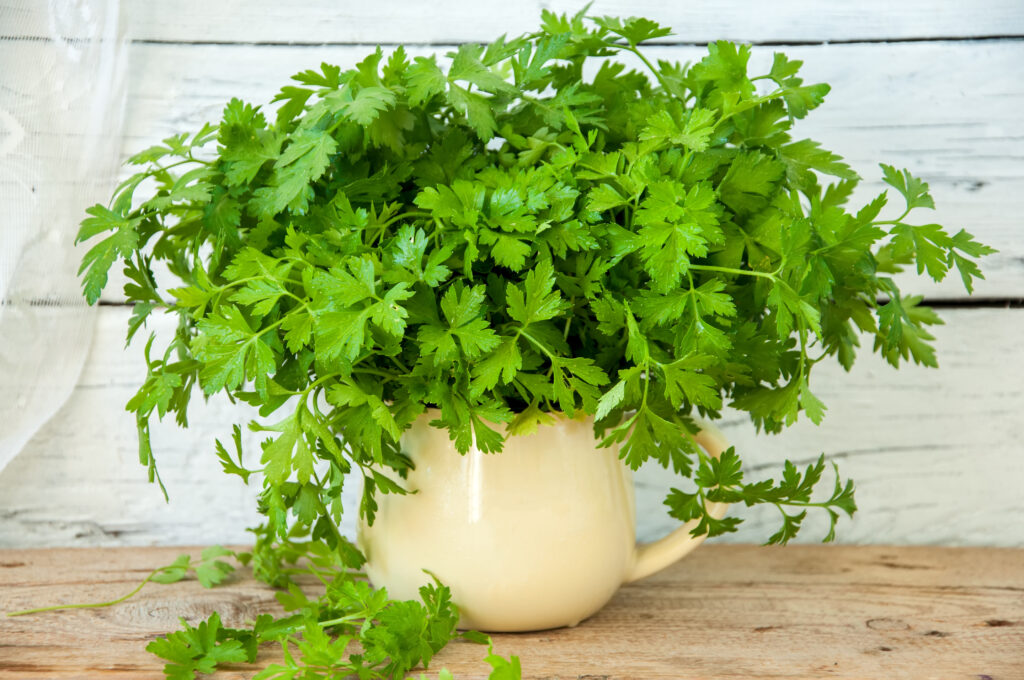
Pick a pot that is at least 10 to 12 inches wide so herbs have room to grow. Fill it with potting mix and stir in compost for a gentle nutrient lift. Plant parsley in the center since it gets fuller, then place cilantro and chives around it. Water until it runs out the bottom, and place the pot where it gets morning sun.
Cool weather keeps these herbs happy, which makes early March a sweet spot. Snip a little at a time instead of cutting whole plants down, and they will keep producing. If a cold night is coming, bring the pot close to the house or cover it with a light cloth. A small plant saucer helps keep porch surfaces clean, but empty standing water after rain.
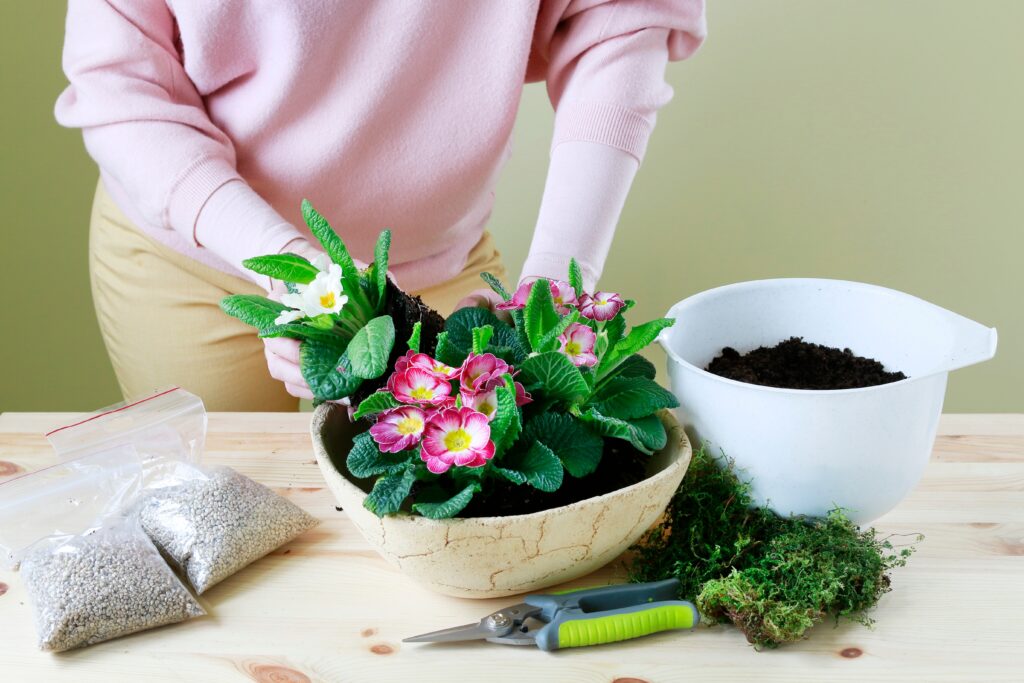
Primroses add color fast when the rest of the yard is still waking up. Refresh the container by loosening the soil and mixing in new potting mix around the edges. Nestle primrose plants close together so the pot looks full from day one. Tuck mini ivy near the rim, then press a little sheet moss on bare spots for a finished look.
Primroses like cool weather, so keep them out of hot afternoon sun. Water at the base instead of splashing the blooms, since wet petals can spot. If the ivy starts to run, guide it to trail down the pot where it softens the edge. When primroses fade, you can swap in spring annuals while the ivy keeps going.
Mini Conifer Container With Pinecones And Weatherproof Ribbon
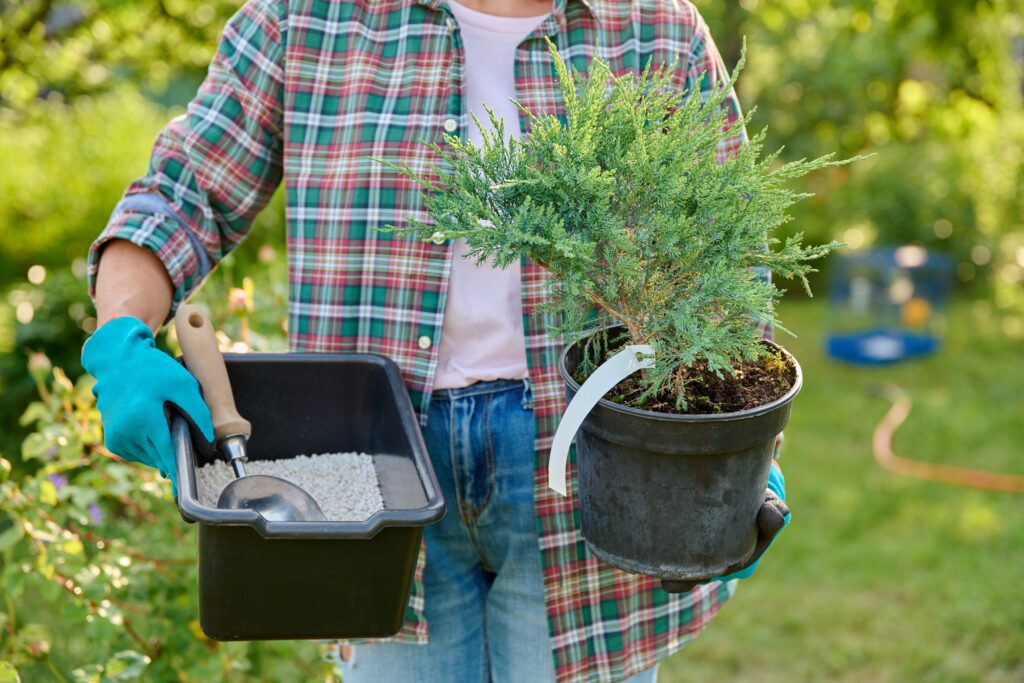
Choose a small conifer that stays compact, like a dwarf spruce or dwarf pine. Slide it into a pot with fresh soil, keeping the root ball level with the surface. Firm the soil around it so the plant does not wobble in wind. Tuck a few pinecones on top of the soil and tie a weatherproof ribbon around the pot for a simple porch touch.
Water slowly so the root ball gets soaked, then check again a day later since dry root balls can shed water. Conifers like consistent moisture, but they do not want soggy soil. If the pot is in full sun, the plant may dry faster on breezy days even in March. This container looks good for months, and you can keep it as a year round porch anchor.
Lettuce And Spinach Salad Bowl Planter For Quick Picks
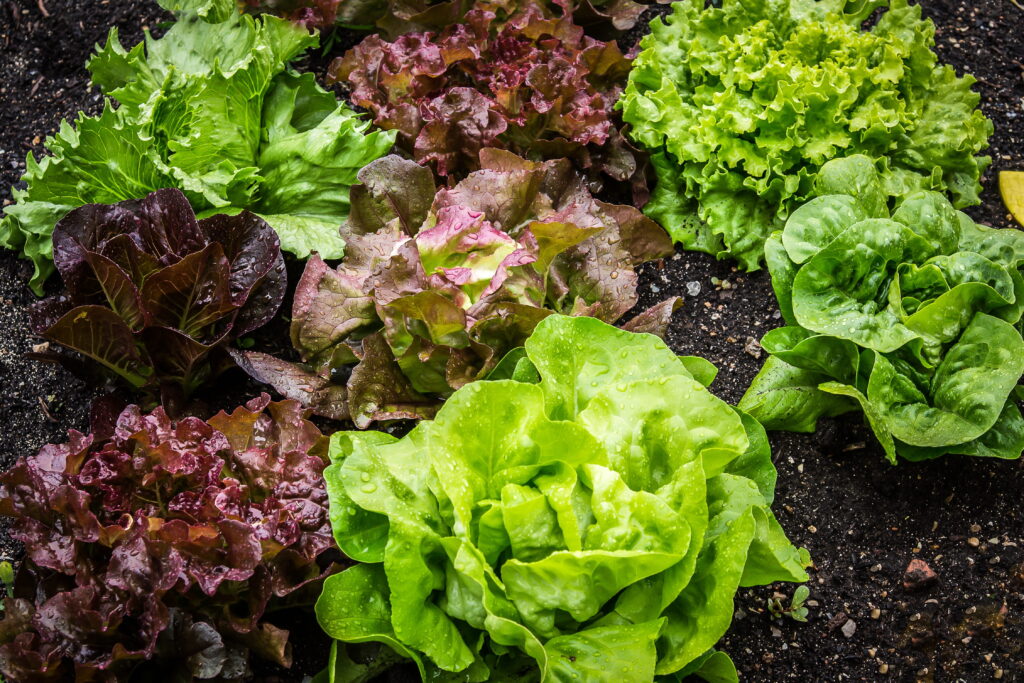
Use a wide, shallow planter so you can sow seeds in bands. Fill it with potting mix and smooth the top with your hand. Sprinkle lettuce and spinach seeds, then cover with a light layer of soil and press gently. Water with a soft spray so the seeds stay in place.
These greens sprout in cool weather, so early March often works on patios with decent light. Keep the soil evenly moist until seedlings are up, then water when the top feels dry. Harvest by clipping outer leaves first, which lets the center keep growing. If a heat wave hits, move the bowl to morning sun and afternoon shade to slow bolting.
Strawberry Pot Refresh With Fresh Soil And Slow Release Food
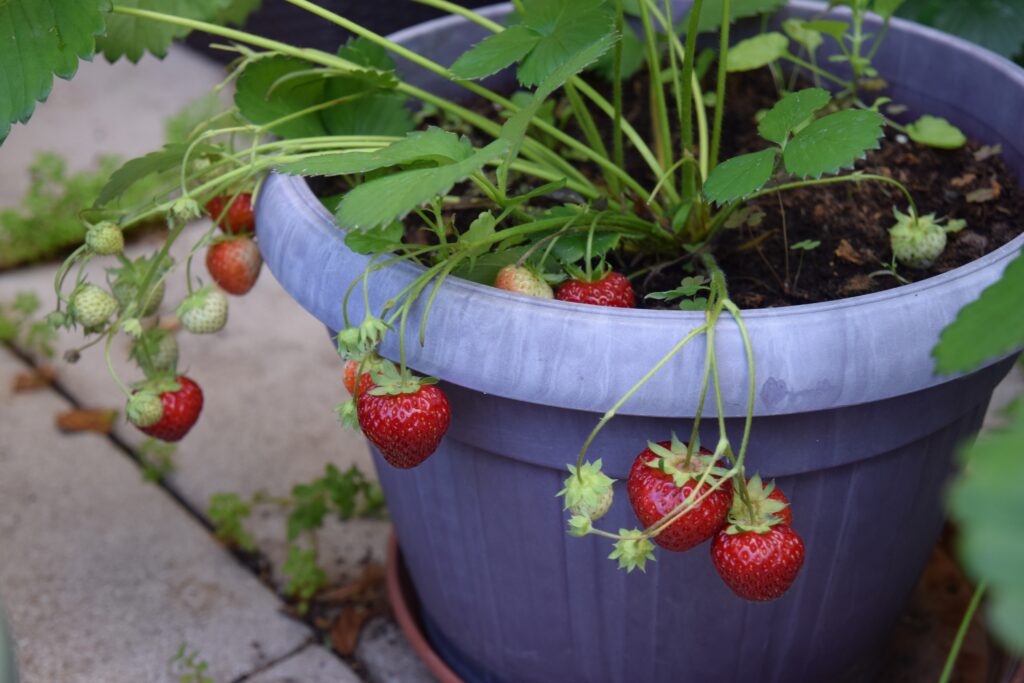
Strawberry pots can get tired fast, so the refresh step matters. Remove old plants that did not make it and shake out loose soil. Top up with new potting mix, then mix in slow release plant food to feed the next flush of growth. Plant strawberries in each pocket and angle the crowns slightly outward so berries will hang clear of the pot.
Water until the whole pot is damp, including the side pockets, which can dry faster than the center. Strawberries like sun, but a pot on hot concrete can heat up quickly later in spring. Add a thin layer of straw or mulch to keep soil off the fruit once flowers show up. If you see runners early, pinch a few so the plant focuses on roots and berries first.
Patio Citrus Top Up With Compost And A Spring Watering Schedule
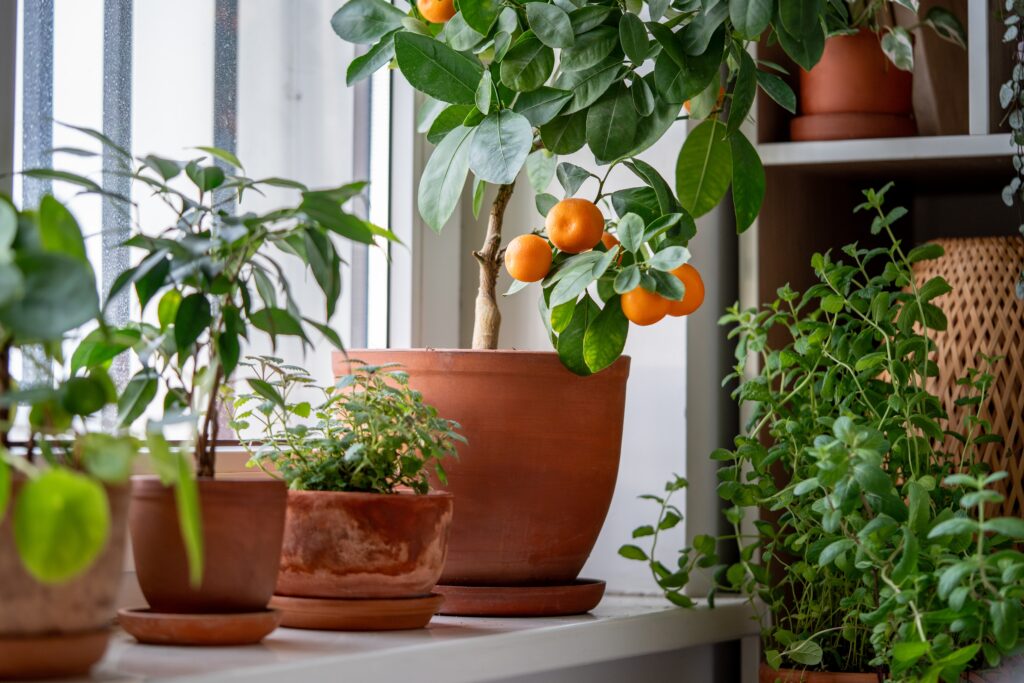
Citrus in pots often needs a soil refresh after winter rain and indoor heating. Scrape off the top few inches of soil without disturbing roots, then add fresh potting mix mixed with compost. Check that the pot drains well, since citrus roots dislike sitting in water. Wipe dust off the leaves with a damp cloth so the plant can take in light better.
In early March, start watering a bit more often as days get longer. Water deeply, then wait until the top inch or two dries before the next soak. If new growth starts, begin feeding with a citrus fertilizer based on label directions. Watch for scale or sticky leaves and treat early with gentle soap and water if needed.
Mixed Shade Pot With Heuchera And Early Fern Fronds
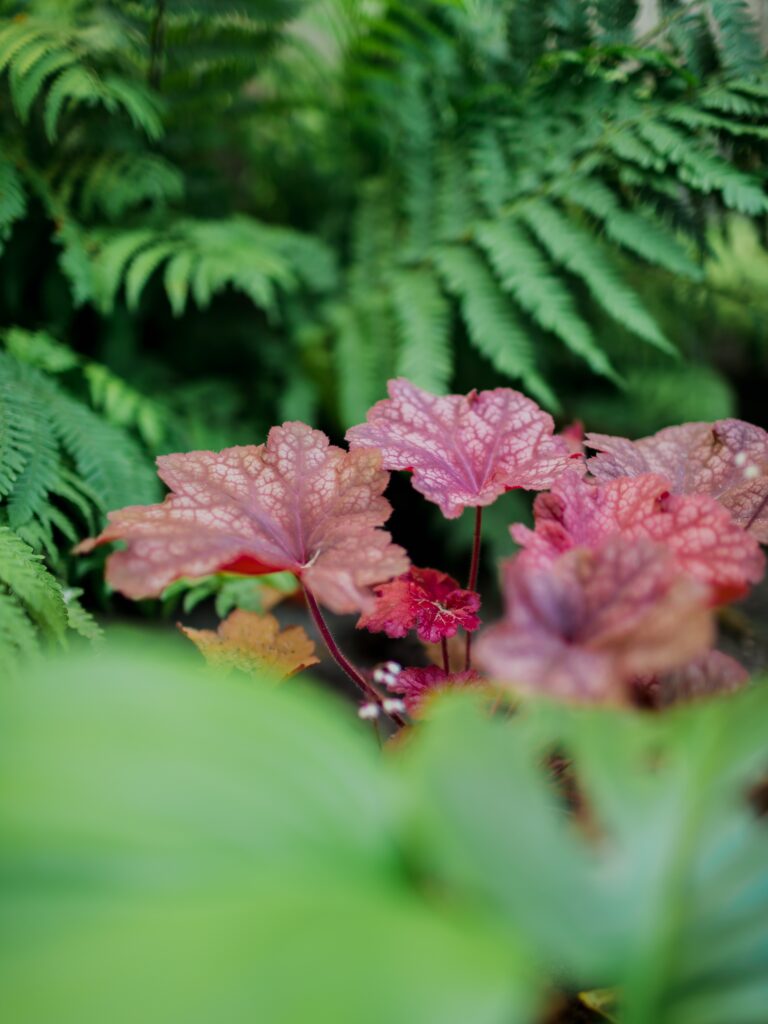
This is a good one for covered porches or spots that get filtered light. Start with heuchera as the main plant, since the leaf colors look good even without flowers. Add a small fern or fern fronds near the back for soft texture and a little height. Fill in with potting mix, water well, and press the soil so roots make contact.
Shade containers can stay wet longer, so check moisture before you water. If your fern is a houseplant type, keep it out of cold wind and bring it in on very chilly nights. Heuchera leaves can get sun scorch, so morning light is usually plenty. As spring warms up, this pot can stay in the same spot and still look fresh.
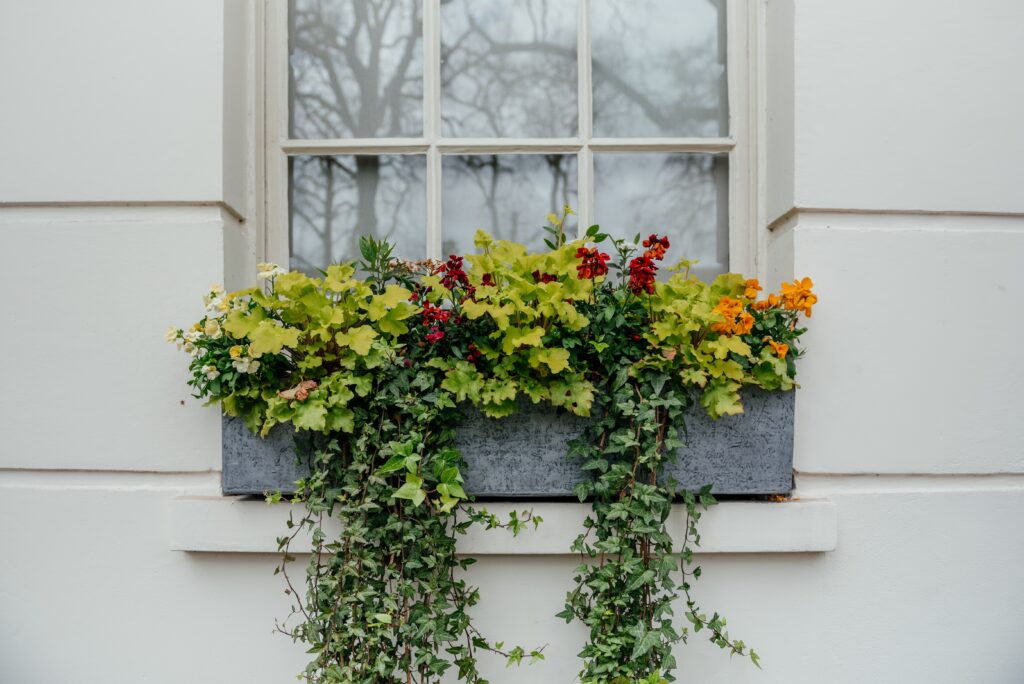
Clean out old roots and debris, then add fresh potting mix to bring the level back up. Plant bacopa in small clusters so it can fill in and flower along the edge. Tuck ivy at the ends or corners, where it can trail down and frame the box. Water slowly until the mix is evenly damp from end to end.
Bacopa likes steady moisture, so window boxes need frequent checks when wind picks up. Trim ivy tips if it gets too long, or let it drape for that classic porch look. If nights are still cold, place the box against the house wall for a bit of warmth. Once the weather settles, bacopa will start flowering more heavily with regular light and water.