
10 Coastal Drives Where Whale Watching Season Is Still Going Strong
Coastal drives already offer sweeping ocean views and fresh sea air. At the right time of year, they can also bring travelers face-to-face with migrating whales. Several shoreline routes still sit right along active migration paths. Because of that, drivers and passengers often catch glimpses of spouts and tails from roadside viewpoints.
This post may contain affiliate links, which helps keep this content free. Please read our disclosure for more info.
Pacific Coast Highway, California
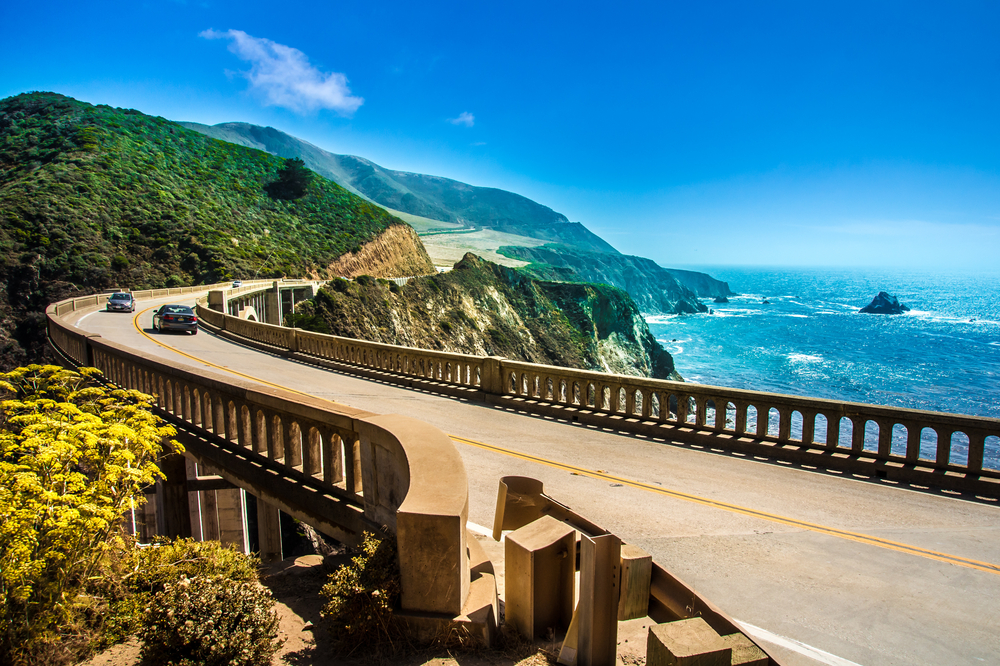
The Pacific Coast Highway runs along California’s rugged shoreline and remains one of the most famous ocean drives in the United States. Long sections of the road climb high above the water, especially near Big Sur, where steep cliffs drop directly into the Pacific. These heights give drivers wide views across the ocean, which is helpful during whale migration season. Gray whales travel along this coast each year as they move between feeding and breeding grounds. Because the route hugs the shoreline for long stretches, travelers often notice spouts or dark shapes moving slowly through the waves below.
Late winter and early spring remain an active time for watching whales along this road. Pullouts near Monterey Bay, Big Sur, and San Simeon allow visitors to stop and watch the water safely. Some viewpoints sit hundreds of feet above the ocean, which makes it easier to scan the horizon. Many travelers bring binoculars and spend time watching the sea before continuing their drive. Even a short pause along this highway can turn into an unforgettable wildlife sighting.
Highway 101, Oregon Coast

Highway 101 follows the entire Oregon coastline and offers a steady series of ocean views along rocky headlands and sandy beaches. The road often sits just above the water, which allows travelers to see far out across the Pacific. Gray whales pass along this coast during migration and frequently travel close enough to land that people notice them from the highway. Coastal towns such as Depoe Bay and Newport sit along the route and provide excellent vantage points. Drivers often slow down near these areas because whale sightings are common.
Depoe Bay is especially well known for whale watching from shore. The town overlooks deep coastal water where whales often surface within sight of the harbor. Local viewing platforms allow travelers to stop and watch the ocean without leaving town. During migration months, volunteers sometimes stand nearby to help visitors spot the animals offshore. The combination of dramatic coastline and active marine life makes this drive one of the best for roadside whale watching.
Cabot Trail, Nova Scotia
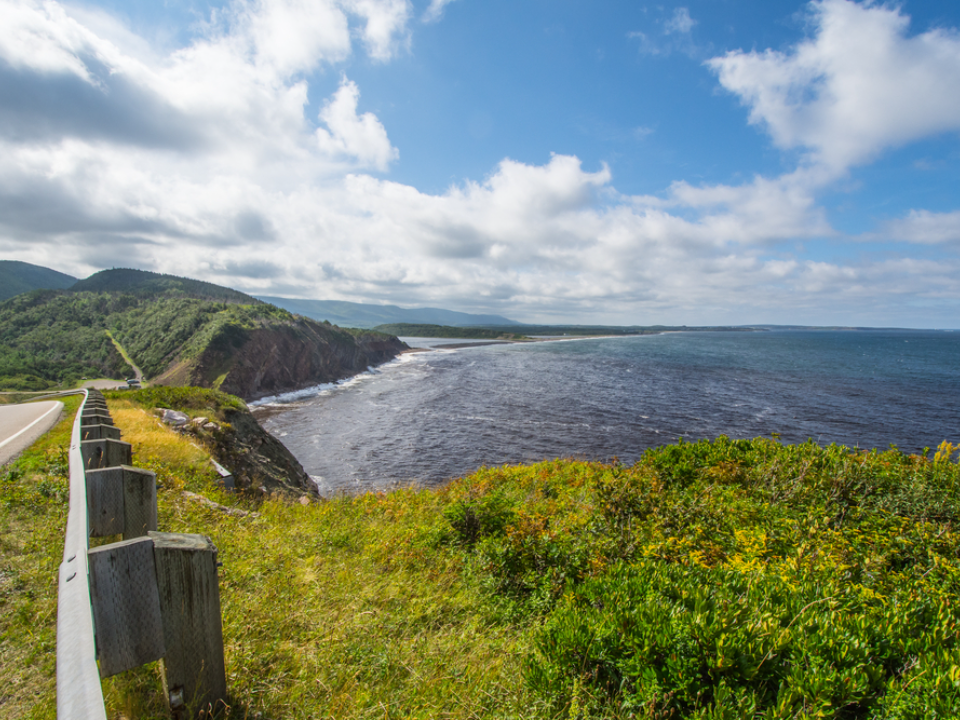
The Cabot Trail circles the northern part of Cape Breton Island and offers one of the most scenic coastal drives in eastern Canada. The road winds through forested hills before rising high above the Gulf of St Lawrence. From these elevated sections, travelers can look far out across the open water below. Several whale species pass through the gulf during migration, including minke whales and humpbacks. Their movement through the gulf often becomes visible from cliffside overlooks along the trail.
Cape Breton Highlands National Park contains several of the best viewing points along the drive. Travelers often stop at scenic lookouts where the cliffs drop steeply toward the sea. From these vantage points, the ocean stretches wide across the horizon, making it easier to watch for whales. Boat tours operate from nearby coastal towns for visitors who want a closer experience. Even without leaving the road, patient observers sometimes see whales moving through the gulf.
Great Ocean Road, Australia
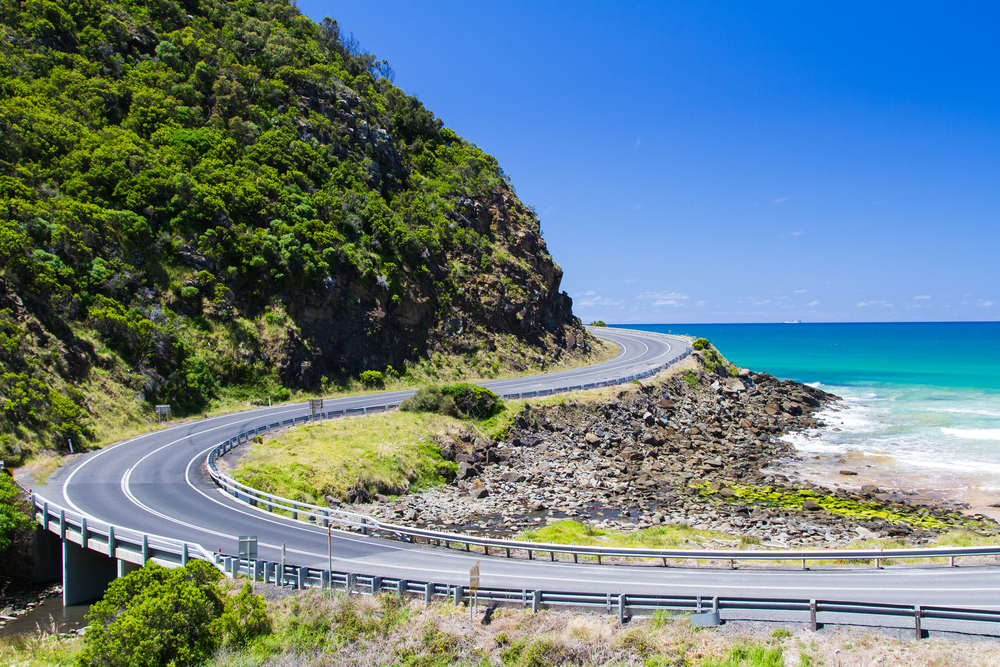
Australia’s Great Ocean Road runs along the southern edge of the continent and is famous for its dramatic coastal scenery. The route passes towering limestone cliffs, natural arches, and sweeping ocean views. These waters serve as a migration path for southern right whales during certain months of the year. The whales travel close to shore, especially near sheltered bays along the route. Drivers often pause along the road to watch the ocean from scenic overlooks.
The stretch near Logan’s Beach has become a well known whale watching area. Visitors sometimes see whales resting or moving slowly through the water near the coastline. Viewing platforms allow travelers to watch the sea safely from above the cliffs. The open views across the Southern Ocean make it easier to notice movement offshore. Combining the road trip with whale sightings makes this drive especially memorable.
Garden Route, South Africa
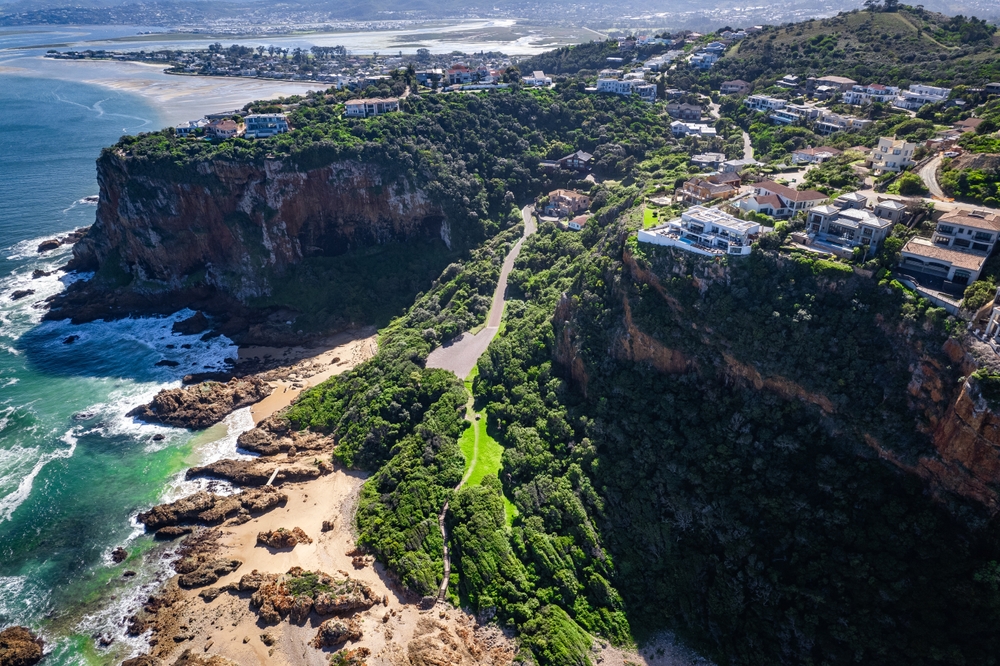
South Africa’s Garden Route runs along the southern coastline between Mossel Bay and Storms River. The road passes forests, lagoons, and quiet seaside towns with wide views of the Indian Ocean. During migration season, southern right whales gather in nearby coastal waters. Many of them travel close to shore near the town of Hermanus. This area has gained a reputation as one of the best places in the world for land based whale watching.
Hermanus sits along cliffs that overlook deep water just offshore. Because the ocean floor drops quickly near land, whales often travel close enough to see clearly from the shore. Visitors walk along clifftop paths while scanning the sea for spouts and splashes. Restaurants and parks along the coastline provide relaxing places to pause and watch the water. The drive through this region often becomes a highlight for travelers exploring South Africa.
Cape Cod Coastal Drive, Massachusetts
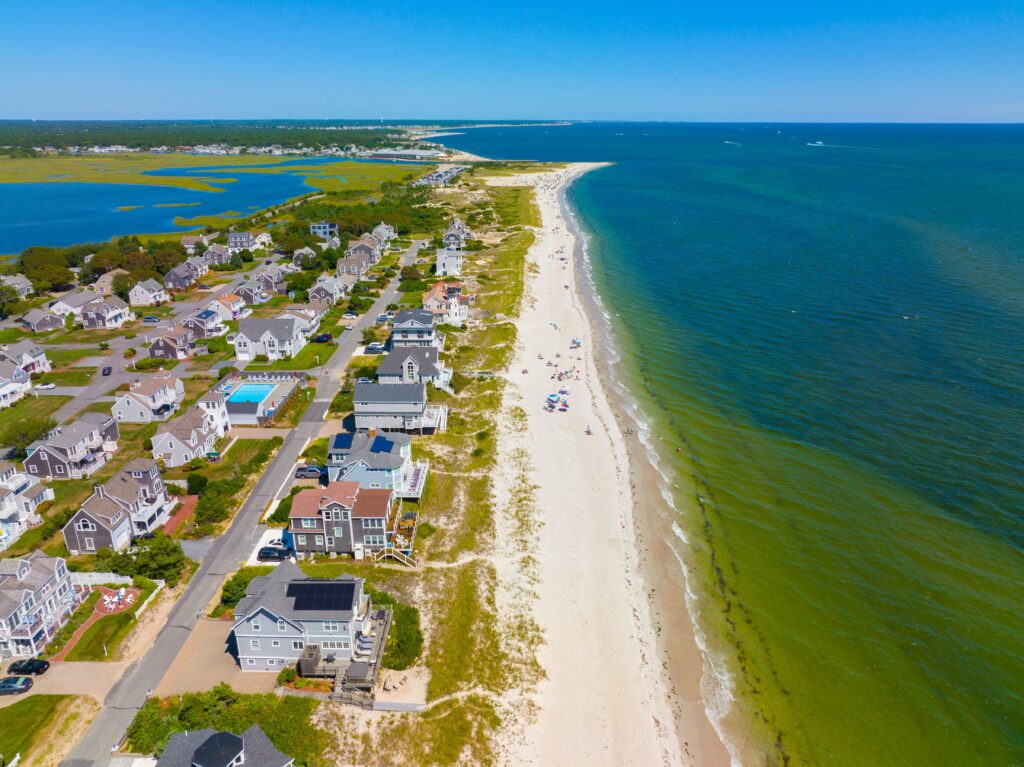
Cape Cod offers a scenic drive along sandy beaches, historic lighthouses, and quiet seaside villages. The outer cape faces the open Atlantic Ocean, where whales travel during migration periods. Humpback whales and right whales often pass through these waters as they search for food. Because the coastline curves outward into the Atlantic, several sections offer clear views across the sea. Travelers often stop at dunes or overlooks to watch the horizon.
Provincetown sits at the northern tip of the Cape and provides excellent whale watching opportunities. The town overlooks deep ocean water where whales frequently appear. Visitors often climb high dunes nearby to gain a wider view of the sea. Even from land, patient observers sometimes spot whales rising above the waves. The drive around the cape blends historic coastal scenery with the excitement of marine wildlife.
Wild Atlantic Way, Ireland
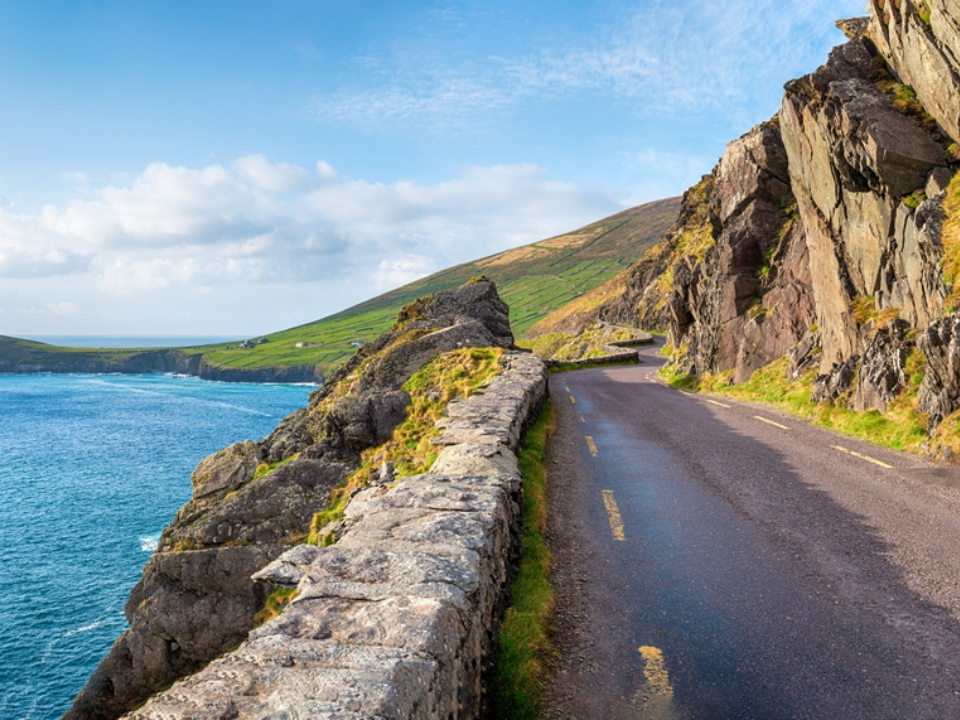
The Wild Atlantic Way stretches along Ireland’s western coastline for hundreds of miles. The route follows rugged cliffs, rocky shores, and quiet villages facing the Atlantic Ocean. Several whale species travel through these waters during migration seasons. Humpback whales sometimes appear off the Irish coast when conditions are calm. Travelers driving along the route often pause at cliffs to watch the open sea.
High viewpoints provide wide views across the Atlantic horizon. These cliffs allow observers to scan large areas of water from a safe distance above the waves. Local fishing towns often share news of recent whale sightings. Clear weather can bring excellent visibility across the ocean. The route combines dramatic scenery with the excitement of watching wildlife in the Atlantic.
Seward Highway Coastal Section, Alaska
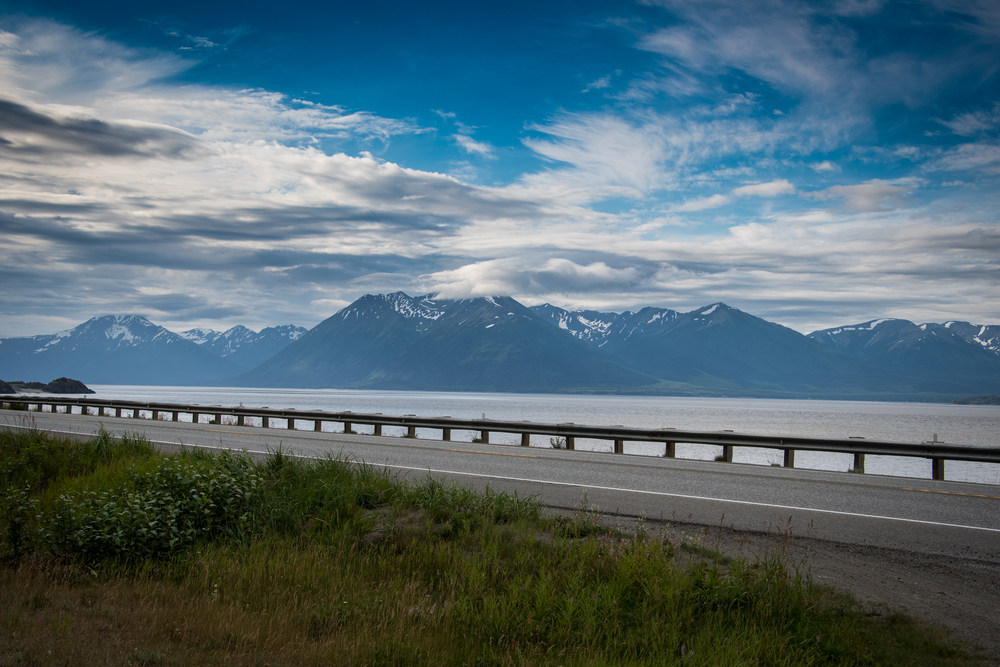
The Seward Highway connects Anchorage with the coastal town of Seward in southern Alaska. For much of the drive, the road follows Turnagain Arm, where mountains rise steeply above the water. Further south, the route reaches the coastline near Resurrection Bay. These waters support a wide range of marine life during the warmer months. Humpback whales often travel through nearby waters as they feed along the Alaskan coast.
Drivers frequently stop at roadside pullouts to watch the water. The surrounding mountains and glaciers create a dramatic backdrop for the ocean below. In clear weather, the sea stretches far across the bay. Seward serves as a starting point for many whale watching trips into deeper waters. Even the drive itself provides a chance to spot marine wildlife along the coast.
Cape Perpetua Scenic Area Drive, Oregon
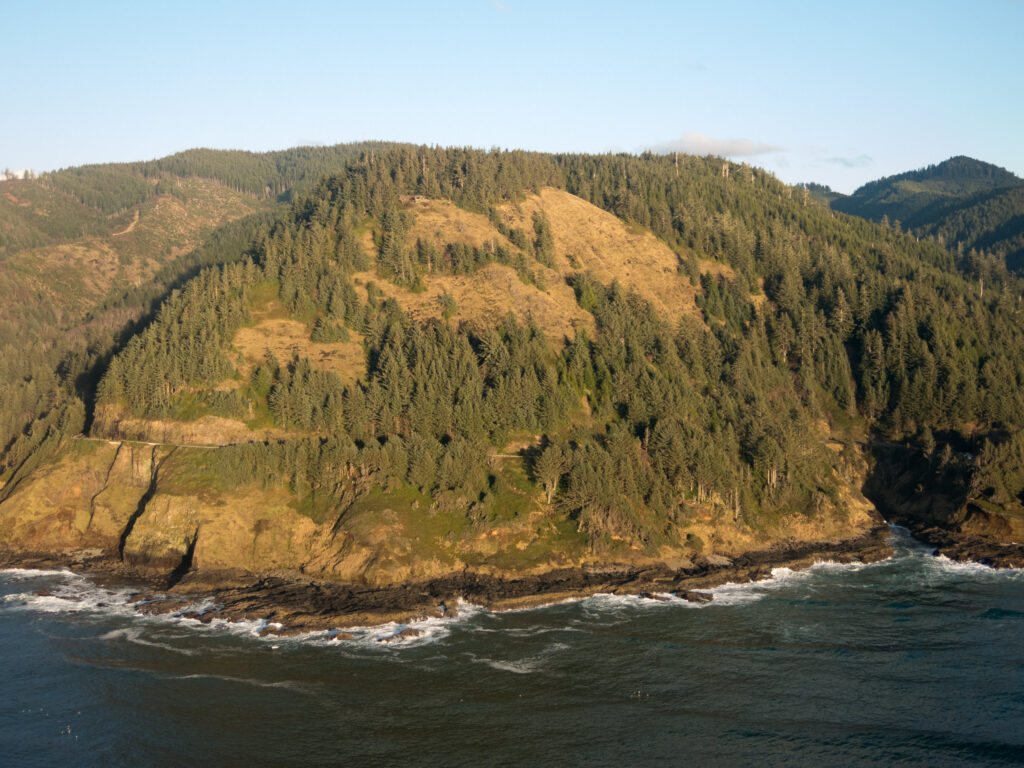
The coastal drive through Cape Perpetua Scenic Area sits along a dramatic section of the central Oregon coast. Highway 101 climbs over forested hills before opening to sweeping views of the Pacific Ocean below. From these high viewpoints, travelers often scan the water during gray whale migration. The whales travel close to the shoreline as they move along the coast each year. Because the cliffs stand high above the water, observers sometimes notice spouts or slow-moving shapes in the waves.
One of the most popular stops along this stretch is the overlook at Cape Perpetua itself. From this viewpoint, the ocean stretches across the horizon, and the coastline curves into the distance. During migration months, visitors gather here with binoculars while watching the water patiently. Park staff occasionally share information about recent whale sightings in the area. The drive blends forest scenery with open ocean views, making it a memorable place for travelers hoping to see marine life.
Cape Breton Coastal Drive, Nova Scotia
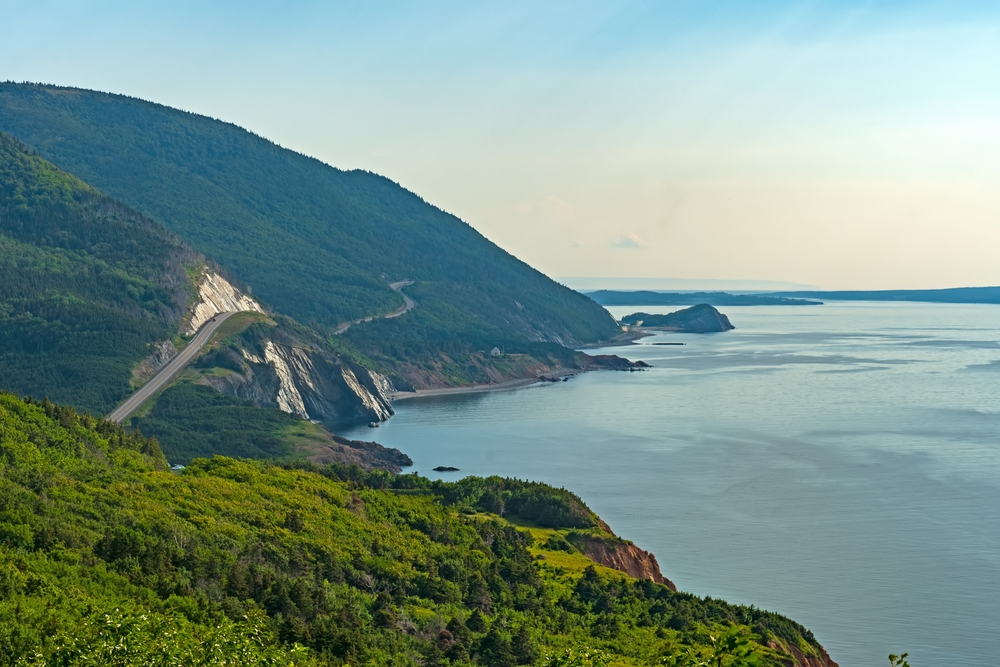
Beyond the famous Cabot Trail, several smaller coastal roads follow the shoreline around Cape Breton Island. These routes pass fishing villages, rocky coves, and quiet stretches of coastline facing the Atlantic. The surrounding waters serve as feeding areas for several whale species during migration seasons. Humpback whales and minke whales sometimes travel through these channels as they move along the coast. From high headlands, drivers often look down toward the ocean while watching for spouts.
Many small communities along the island maintain scenic viewpoints above the sea. These quiet spots allow travelers to pause and watch the water without crowds. Fishing boats and seabirds often appear along the coastline while whales move through the deeper waters offshore. Local guides sometimes run boat trips from nearby harbors for closer views. The drive around Cape Breton combines maritime culture with the excitement of marine wildlife sightings.
This article originally appeared on Avocadu.