
12 Conservation Success Stories That Worked Faster Than Expected
Stories about nature often focus on loss, yet there are also hopeful moments worth sharing. Some conservation efforts helped species recover at a pace that surprised scientists and local communities alike. Habitats began to heal, and animals slowly returned to areas where they had once disappeared. These examples show how determined action can lead to real change.
This post may contain affiliate links, which helps keep this content free. Please read our disclosure for more info.
Giant Panda Population Recovery in China

The giant panda once stood as one of the most endangered animals on Earth, largely because its bamboo forest habitat continued to shrink. During the late twentieth century, China began creating a large network of protected reserves across Sichuan, Shaanxi, and Gansu provinces. These reserves protected mountain forests where bamboo grows naturally and where pandas had lived for generations. Local governments restricted logging and limited road construction in these areas so the forests could recover.
Researchers soon began noticing something encouraging during field surveys. Fresh panda tracks, new feeding sites, and young cubs appeared in places where sightings had once been rare. The number of wild pandas grew steadily, reaching more than 1,800 individuals within a few decades. This improvement arrived sooner than expected and became one of the most recognized wildlife recoveries in modern conservation.
Humpback Whale Comeback in the North Pacific
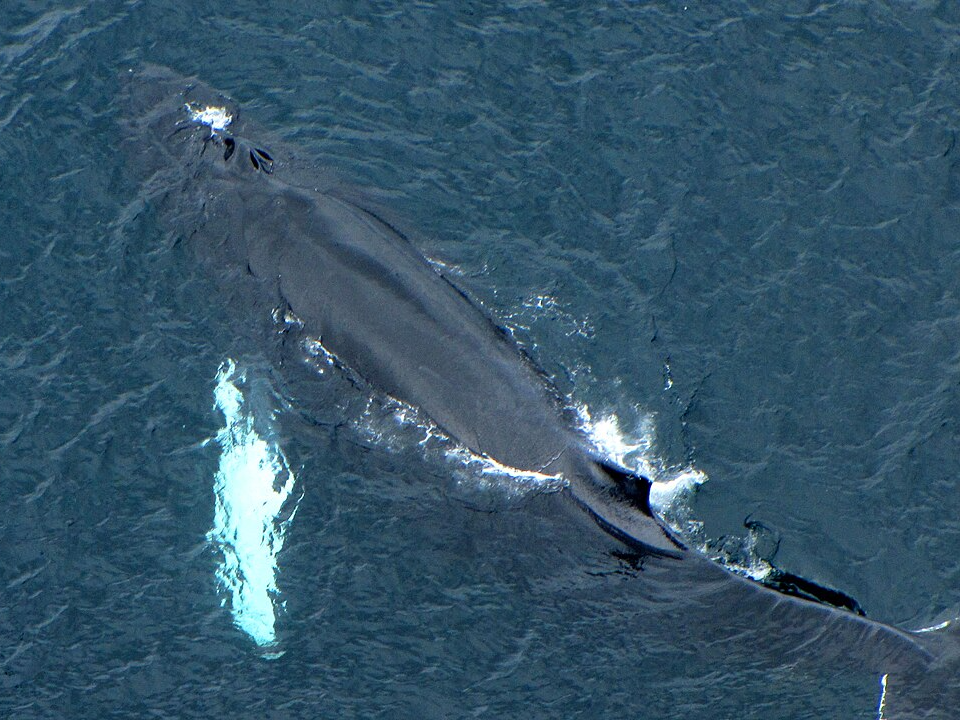
Humpback whales once faced intense hunting during the era of commercial whaling in the nineteenth and twentieth centuries. Their populations dropped sharply across oceans around the world, which raised serious concern among marine researchers. International agreements eventually limited whaling and created strong protection for humpback whales in many regions. Scientists then began tracking migration routes and breeding areas to understand how the species might recover.
The results appeared sooner than expected in parts of the North Pacific. Whale sightings increased along the western coast of North America and around Hawaii, where humpbacks gather to breed each winter. Some regions recorded large numbers of returning whales within just a few decades. The comeback of these massive animals showed how marine species can recover when hunting pressure finally stops.
Bald Eagle Recovery in the United States
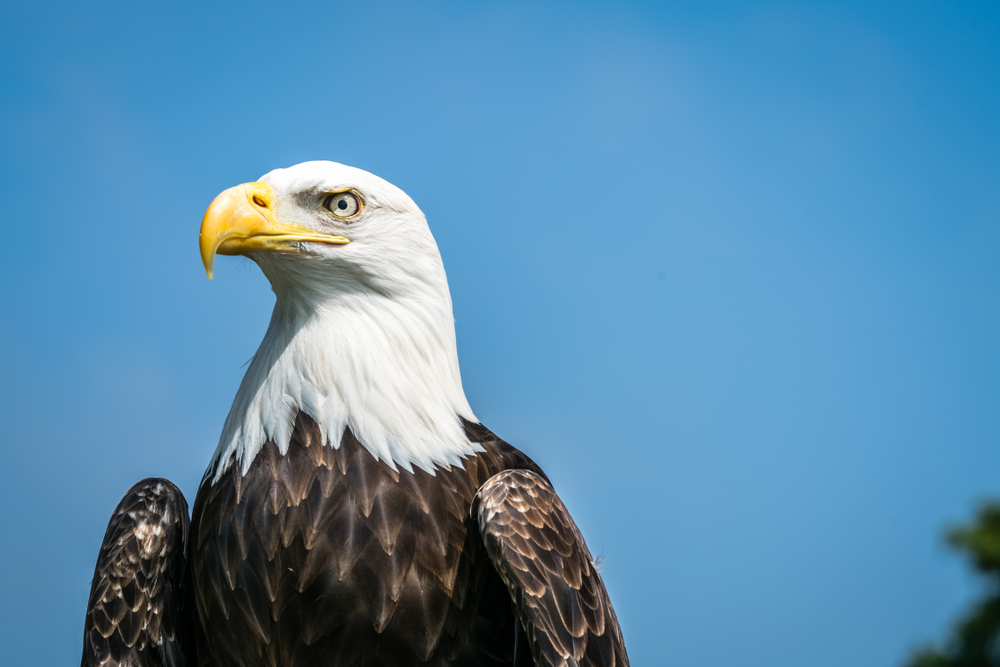
The bald eagle nearly disappeared from large parts of the United States during the mid-twentieth century. A pesticide known as DDT weakened eagle eggshells, which caused eggs to break before chicks could hatch. In response, the United States banned the chemical in the early 1970s and strengthened legal protection for the species. Wildlife officials also protected nesting areas near rivers, lakes, and coastal shorelines.
Within a relatively short period, eagle nests began appearing again in places where they had been missing for years. Young eagles survived at higher rates because their eggs no longer suffered from weakened shells. Populations rose across states such as Minnesota, Florida, and Alaska. The recovery eventually led to the bald eagle being removed from the endangered species list in 2007.
Arabian Oryx Return to the Wild
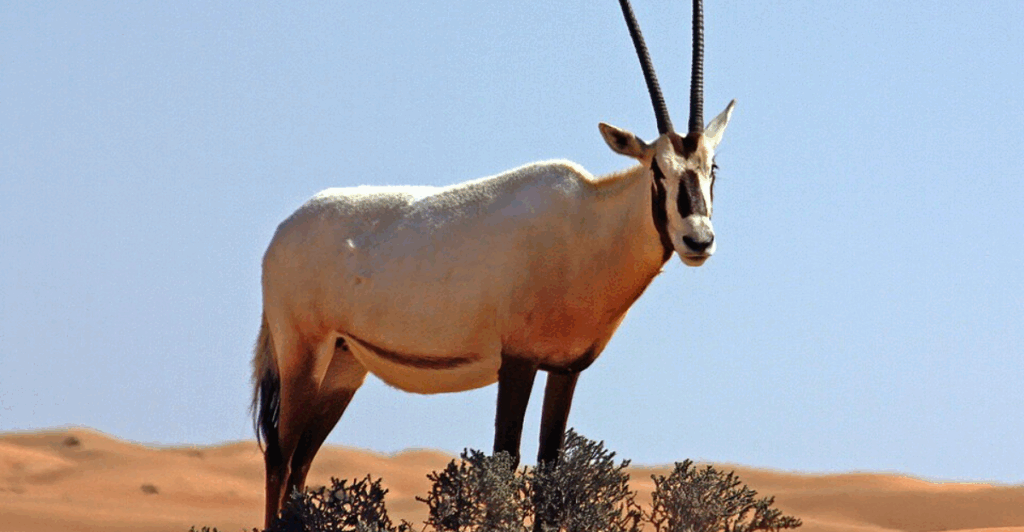
The Arabian oryx once roamed desert regions across the Middle East before hunting nearly wiped the species out. By the early 1970s, the animal no longer existed in the wild. A small number survived in zoos and private collections, which allowed conservation groups to begin a captive breeding program. Scientists carefully raised oryx in protected facilities so they could later return them to desert habitats.
Reintroduction programs began releasing animals into protected areas in Oman and neighboring countries. The oryx quickly adapted to life in the wild, forming herds and producing calves within just a few years. Wildlife officials continued guarding these populations to prevent illegal hunting. The species recovered far faster than expected and eventually moved away from the status of extinction in the wild.
Mountain Gorilla Recovery in Central Africa
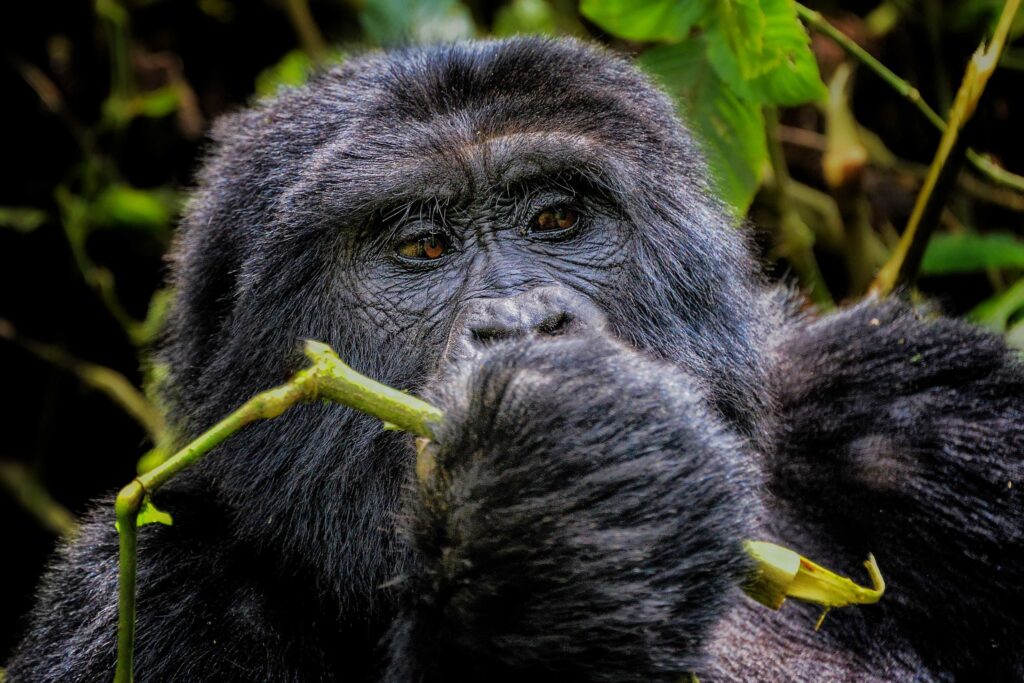
Mountain gorillas live in high-altitude forests in Rwanda, Uganda, and the Democratic Republic of Congo. During the late twentieth century, their population fell dangerously low due to poaching and habitat loss. Conservation groups increased ranger patrols to protect gorillas from traps and illegal hunting. Governments also created national parks that limited farming and logging in important forest areas.
Gorilla tourism later brought new income to nearby communities, which encouraged local support for protecting the animals. Population surveys began showing steady growth within these forests. The number of mountain gorillas passed one thousand individuals sooner than researchers predicted. This recovery brought hope for one of the rarest primates on the planet.
American Alligator Recovery in the Southern United States
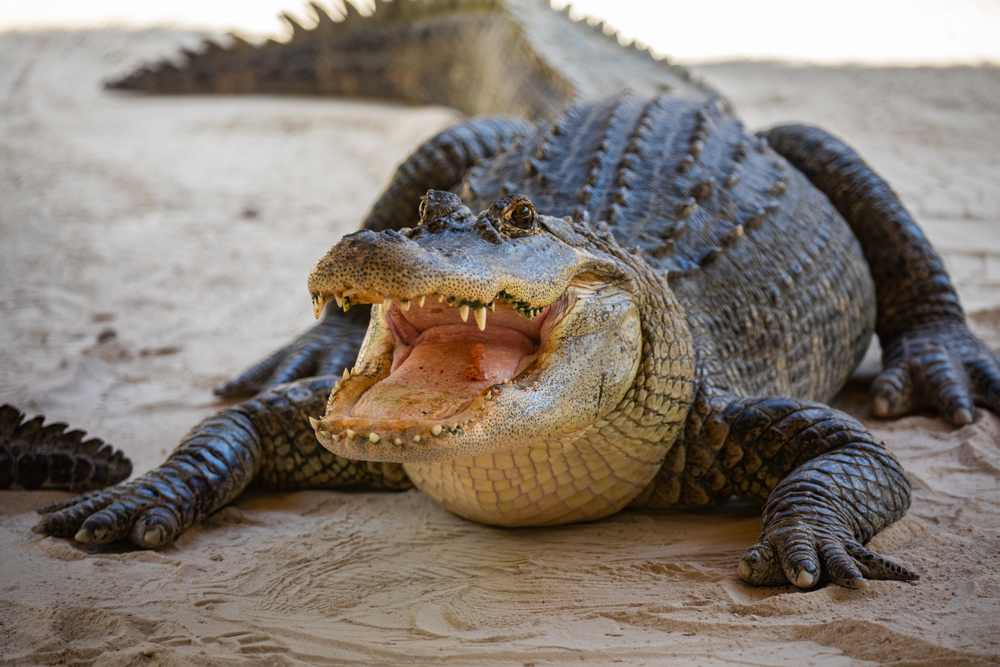
The American alligator once faced intense hunting across southeastern wetlands because its skin was widely used for leather goods. By the mid twentieth century, many swamps and marshes that had supported large alligator populations held only scattered animals, which raised serious alarm among wildlife officials. Federal protection and strict hunting bans gave the species breathing room, while wetland conservation efforts helped keep nesting habitat in place along slow rivers and coastal marshes. Biologists tracked nesting sites, hatchling survival, and adult counts to measure whether the species could rebound.
Within a few decades, alligators became common again in states such as Florida, Louisiana, and Georgia. Healthy wetlands supported large adults, smaller juveniles, and steady nesting activity, which showed that reproduction had stabilized. The recovery became so strong that some states later introduced regulated hunting seasons and nuisance control programs to manage growing populations near people. This turnaround happened faster than many scientists expected, especially considering how sharply the species had declined earlier in the century.
Gray Wolf Return to Yellowstone National Park
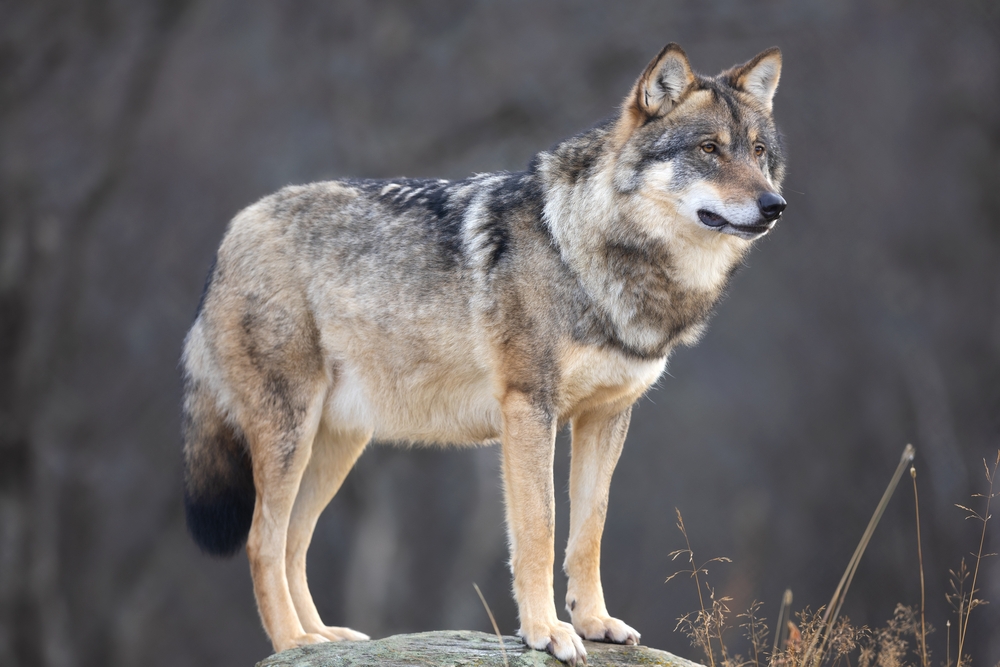
Gray wolves once lived across much of North America, yet eradication campaigns removed them from large areas by the early twentieth century. Yellowstone National Park lost its wolves entirely, which changed the predator-prey balance and left elk herds with far less natural pressure. In 1995 and 1996, wildlife officials released wolves from Canada into the park, carefully monitoring pack formation, territory use, and survival through harsh winters. The animals adapted quickly, formed stable packs, and began hunting elk across valleys and forest edges.
The return of wolves created ecological changes that appeared sooner than expected. Elk began moving more often and spending less time grazing heavily in the same river corridors, which reduced pressure on young willow and aspen growth. As vegetation returned along waterways, habitat improved for beavers and songbirds, and some streamside areas became more stable over time. Researchers continue to study these ripple effects because Yellowstone became one of the clearest examples of how a top predator can reshape an ecosystem.
European Bison Return in Eastern Europe
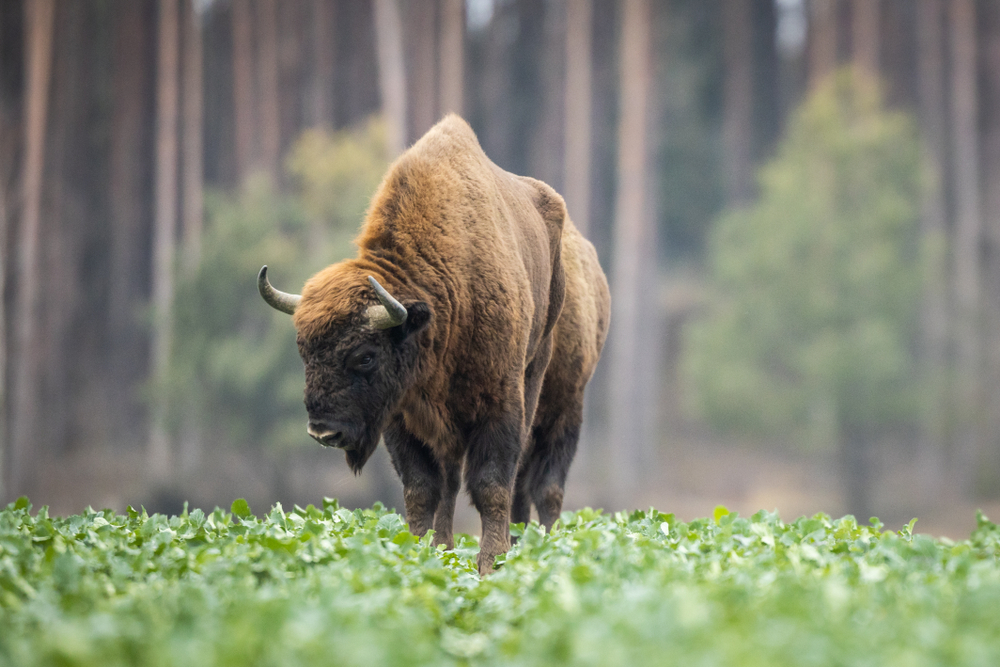
European bison once roamed across forests and open woodlands throughout much of Europe before hunting and habitat loss wiped them out in the wild. Only a small number survived in zoos and private collections during the early twentieth century, which meant the species depended on careful breeding to avoid disappearing entirely. Scientists began breeding programs that tracked bloodlines closely, then prepared animals for release into large protected forests where human disturbance was limited. Poland and Belarus became early strongholds, providing large woodland reserves where bison could graze, shelter, and form herds.
Once released, the bison adapted well to forest life and began forming stable groups in surprisingly little time. Calves were born in the wild, and herds started using meadows, forest edges, and winter feeding areas in predictable patterns that helped researchers monitor growth. Population numbers climbed steadily across several reserves, which allowed additional releases in other parts of Eastern Europe. The speed of this return surprised many experts because rebuilding a large mammal population from so few individuals often takes far longer.
California Condor Population Growth
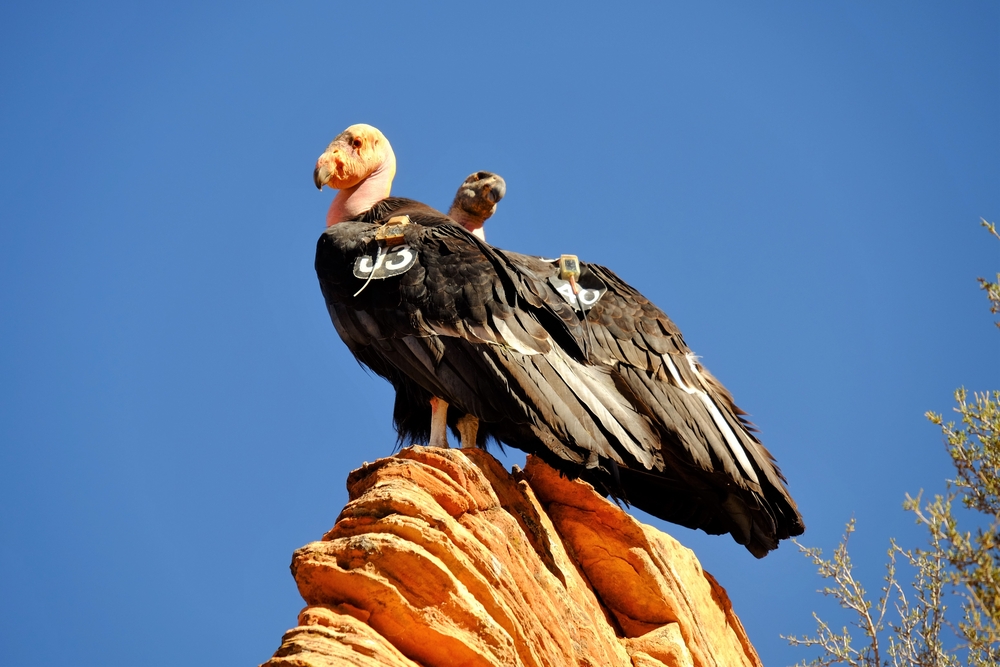
The California condor once faced extinction, with fewer than thirty birds left in the wild by the 1980s. Major threats included habitat pressures and lead poisoning, often caused when condors scavenged animals shot with lead ammunition. Conservation teams captured the remaining birds to begin a breeding program, carefully pairing adults and raising chicks in wildlife facilities designed to limit human imprinting. After several years, young condors were released in California and Arizona, with tracking devices used to monitor movement, survival, and feeding behavior.
Condors soon began soaring again across cliffs, canyons, and open country where they once lived. Some birds started nesting in natural sites and raising chicks, which marked an important milestone because it showed the population could reproduce outside captivity. The population grew into the hundreds within a few decades, which was far more progress than many people expected when the species was down to a few dozen birds. Ongoing work still focuses on reducing lead exposure and protecting nesting areas, yet the rapid rise remains one of the strongest modern examples of a species pulled back from the edge.
Iberian Lynx Recovery in Spain and Portugal
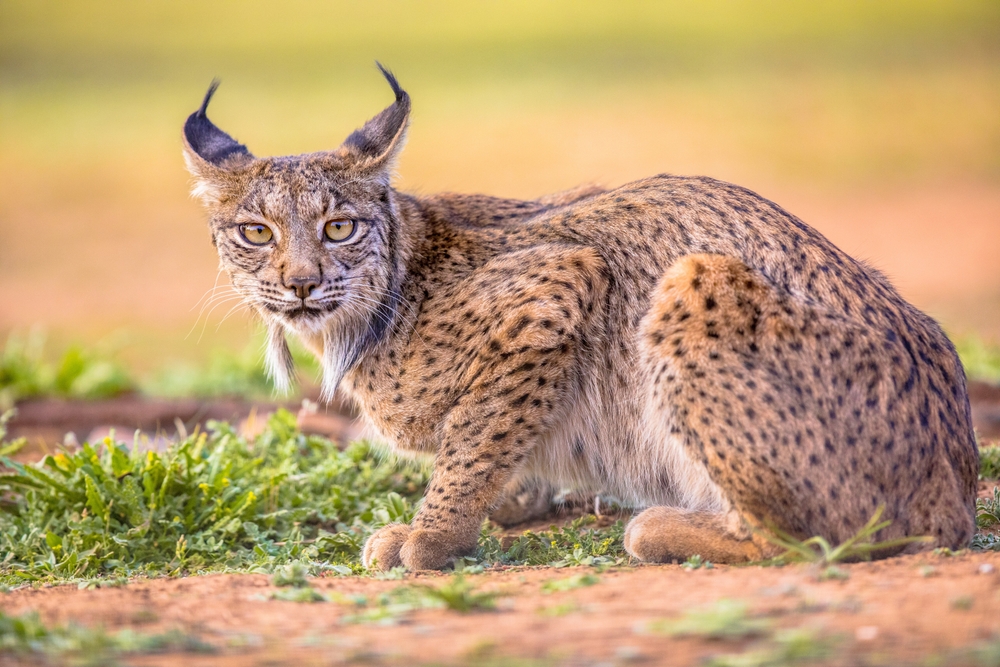
The Iberian lynx once stood as one of the rarest wild cats on Earth, pushed toward extinction by habitat loss and the steep decline of rabbits, its primary prey. As rabbit populations fell due to disease and habitat changes, lynx numbers crashed because the cats could not find enough food to raise young. Conservation programs restored scrubland habitat, improved prey availability, and created safe corridors between key areas so lynx could spread. Breeding centers raised lynx for release, and scientists tracked each animal closely after reintroduction using collars and field monitoring.
Released lynx quickly established territories across parts of southern Spain and Portugal. Several females produced kittens within only a few years, which showed that the habitat and prey base were strong enough to support family groups. Population counts rose across multiple regions, and new release sites expanded the known range of the species. The quick progress moved the lynx away from immediate extinction and became a major success story for targeted habitat and wildlife management.
Green Sea Turtle Recovery in Hawaii

Green sea turtles once faced heavy hunting across Pacific waters, including around the Hawaiian islands, which reduced local populations over time. Legal protection helped reduce harvesting, while cultural education programs encouraged respect for turtles and nesting beaches. Conservation groups protected key nesting sites, monitored females coming ashore, and studied migration routes to learn where turtles feed and travel during different life stages. Researchers also tracked threats such as fishing line entanglement and habitat disturbance, since both can affect survival.
Over time, nesting numbers increased across several Hawaiian beaches, and more hatchlings reached the ocean during peak seasons. Adult turtles became a common sight in coastal waters where they graze on algae and seagrass, especially in calm shallow areas. The recovery gave hope because sea turtles take a long time to mature, so noticeable growth can be slow even under good protection. Seeing stronger nesting activity and regular coastal sightings showed that long term protection can lead to real results.
Yellowstone Grizzly Bear Population Growth
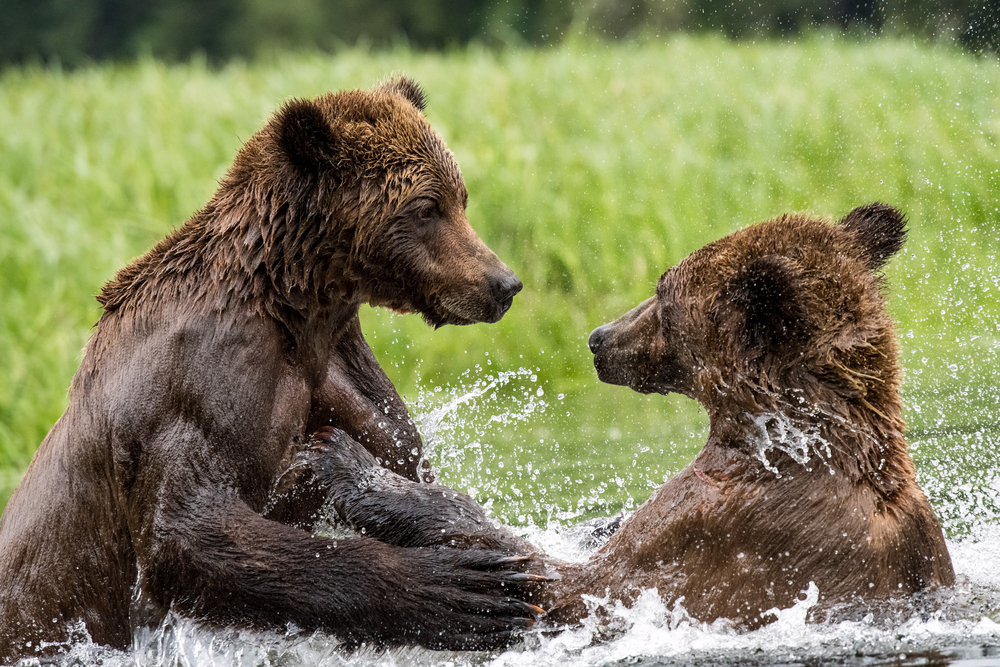
Grizzly bears in the Greater Yellowstone ecosystem faced major decline during the twentieth century due to hunting, conflict with humans, and habitat pressures. Protection under wildlife laws reduced hunting and created a stronger framework for managing bear habitat in and around the park. Park officials improved waste storage and campground rules to reduce food rewards near people, which helped lower conflict and reduced the need to remove bears. Monitoring programs tracked females, cub survival, and seasonal movement so managers could understand what supported population growth.
Within several decades, the grizzly population grew across forests and mountain valleys surrounding Yellowstone. Female bears produced more cubs, and some bears expanded into areas where they had been absent for years. The recovery came sooner than many experts predicted when protection began, especially given the slow reproductive rate of grizzlies. Even with ongoing debates about long term management, the population increase remains one of the most closely watched wildlife recoveries in the United States.
This article originally appeared on Avocadu.