
14 Antique Home Decor Trends That Keep Coming Back
Every few years, antique decor pops up again, and it is easy to see why. These styles bring a mix of charm and history that works in everything from apartments to older houses. Whether it is an old rug pattern or a vintage light fixture, the right piece can pull a room together. Keep going for ideas you can use right now.
This post may contain affiliate links, which helps keep this content free. Please read our disclosure for more info.
Persian Hand Knotted Rugs
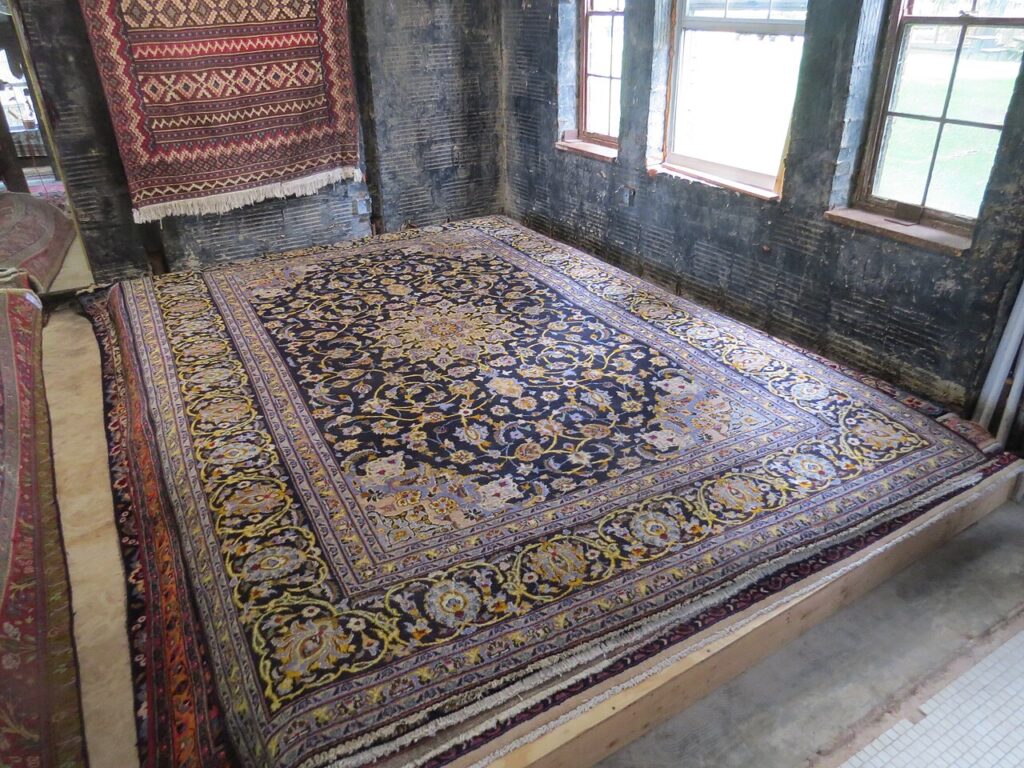
Few decor pieces feel as grounded as an old Persian rug underfoot. Many collectible examples in homes today date from the late 1800s through the early to mid 1900s. This look keeps returning because the patterns add warmth and the wear often looks better with age. A common market range is $400 to $1,200 for many 20th century rugs, while older or finer pieces can run $5,000 to $50,000 or more.
What keeps the style popular is the handwork you can feel, especially in the tight detail and the way colors soften over time. Value shifts fast based on size, knot count, origin, and condition, so two rugs that look similar at first can be priced very differently. Flip the rug and look at the back, since clear pattern lines usually mean better work and less heavy wear. For a low risk start, try a smaller rug in an entry or beside the bed where it gets seen without taking over the room.
Antique Brass Candlesticks
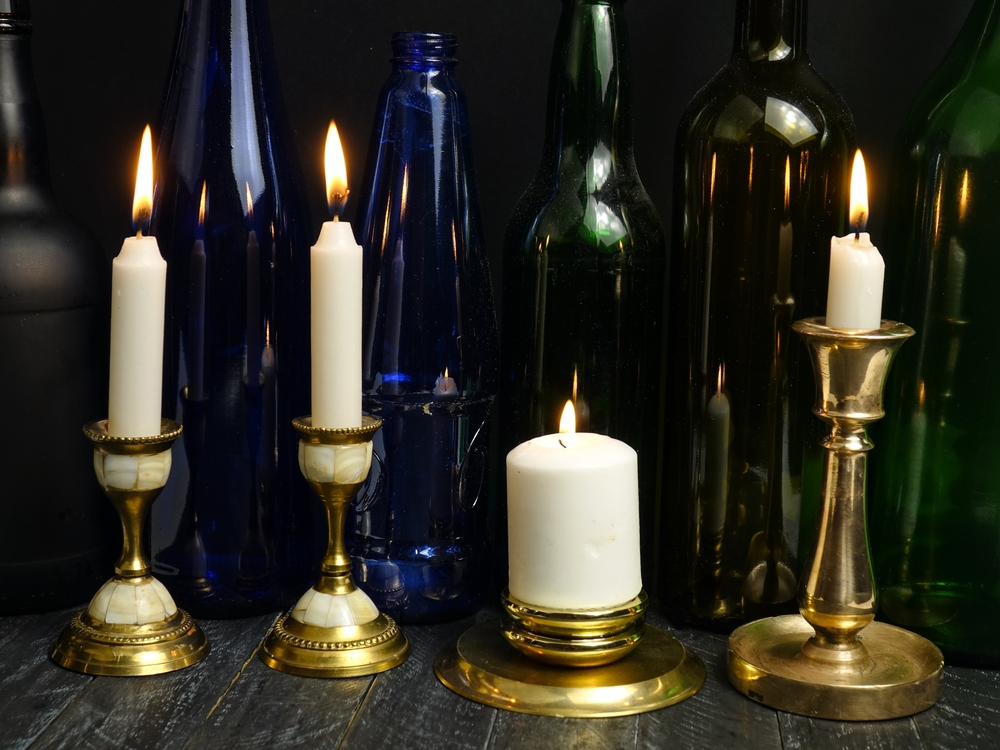
On a mantel or table, antique brass candlesticks instantly add a warm glow. Many examples were made across the 1700s, 1800s, and early 1900s, so styles range from simple to ornate. This look returns again and again because brass works with nearly any wood tone and feels welcoming even unlit. A typical pair often falls around $50 to $300, with finer or rarer sets reaching $400 to $1,200.
Patina is part of the appeal, since brass often ages in a way that looks soft and lived in. Height matters because tall sticks feel formal, while short ones can feel relaxed and casual. Check that the base sits flat and the candle cup is not split, bent, or warped from heat. If you want an easy win, buy a matching pair and let them stand alone without extra clutter around them.
Victorian Gilt Mirrors
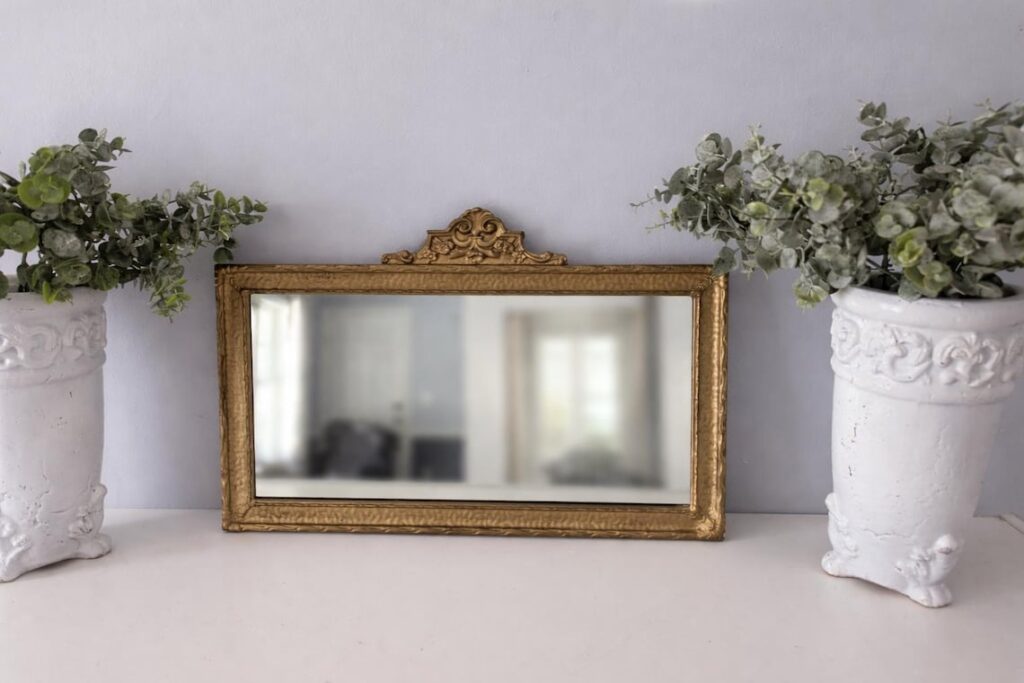
A gilded mirror from the Victorian era can make a plain wall feel finished in one step. Many well-known examples date from the mid to late 1800s. This look keeps returning because the gold tone reflects light, and the frame reads like wall art even before you notice the glass. A reasonable value range is $150 to $1,500, with larger carved frames often $2,000 and up.
Mirrors keep working even when furniture and paint colors change, since they add light and a sense of space. Condition in the frame drives price, so missing pieces, heavy repairs, or loose corners matter more than small surface wear. Give the frame a gentle wiggle and check the joints, since a solid frame should feel stable. For easy styling, hang it across from a window and keep nearby wall pieces simple so the mirror can be the main focus.
Crystal Chandeliers
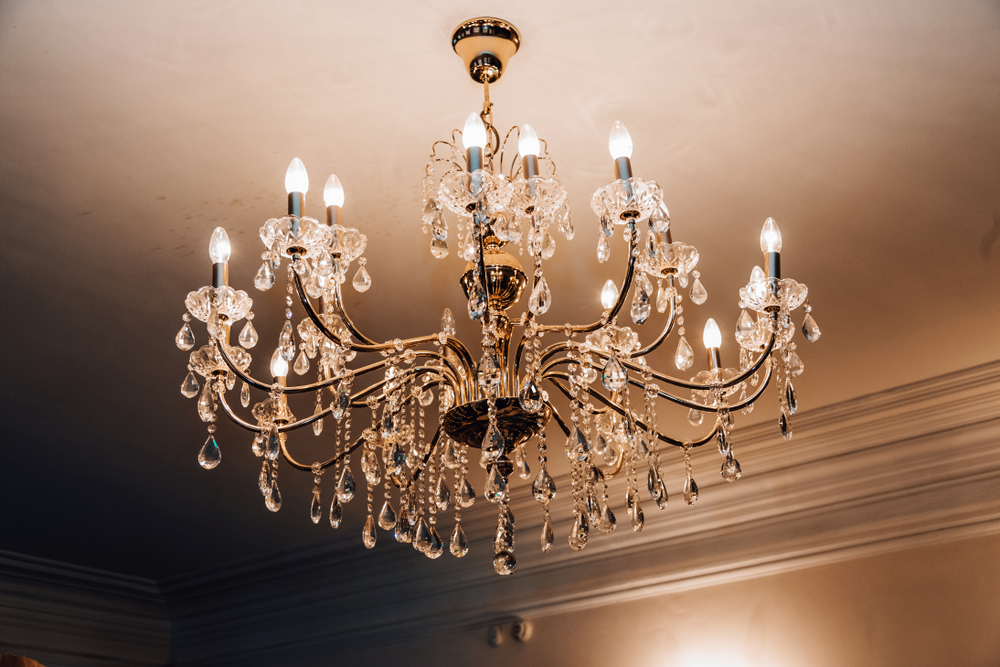
Nothing says old-world glamour quite like a crystal chandelier overhead. Many sought-after pieces were made from the late 1800s through the early 1900s. This look returns because crystal throws light around the room in a way plain glass does not. A common range is $300 to $2,500, while larger or higher-quality pieces can run $3,000 to $10,000 or more.
People love the way crystals catch light, especially over dining tables, in entryways, or in bedrooms with simple furniture. Wiring age matters for safety and cost, since older fixtures often need rewiring before regular use. Count missing prisms and look for bent arms or loose sockets, since those repairs add up. If you want the look without the size, a smaller chandelier over a breakfast nook can still make a strong statement.
Blue and White Transferware
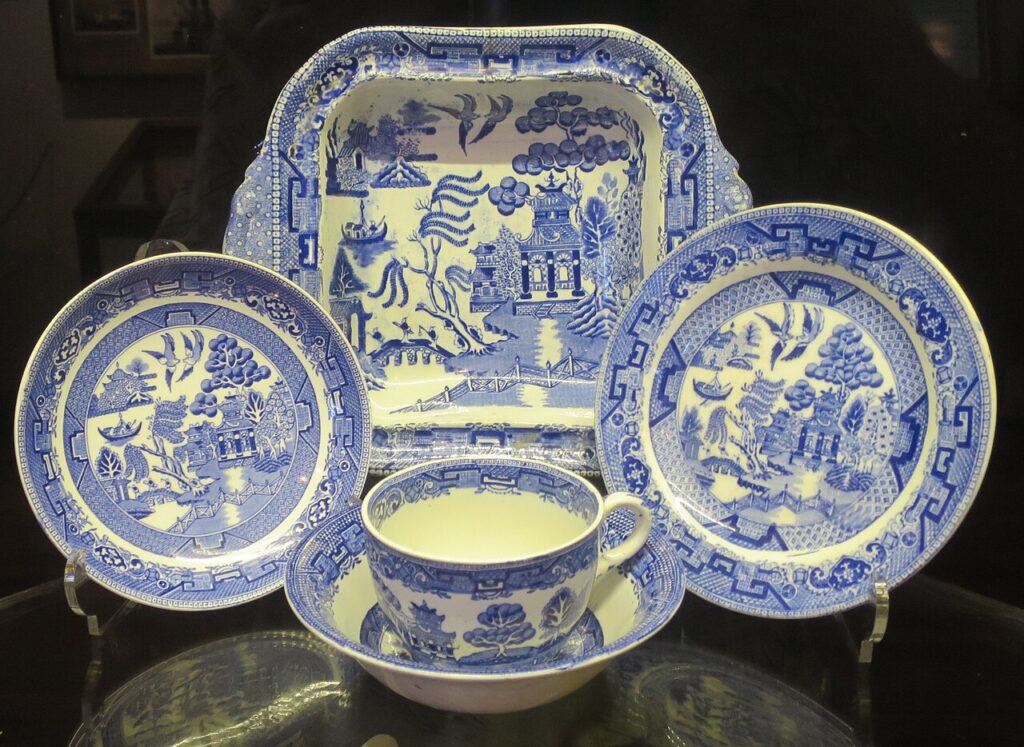
Blue and white transferware brings an old kitchen feel even in a modern home. It became widely popular in the 1800s, especially in Britain and the United States. This look keeps returning because the patterns mix well with plain white dishes and fit almost any season. Many plates sell around $10 to $60, while serving pieces and rarer patterns often land at $75 to $300 or more.
This is an easy style to collect because you do not need a perfect matching set for it to look intentional. Check rims, handles, and bases for chips and hairline cracks, since those can drop value fast. Look at the back for maker marks, place names, or pattern names, which can help you date and price what you found. For a simple display, lean a platter against the backsplash and stand a couple of plates on open shelving.
Patterned Ceramic Table Lamps
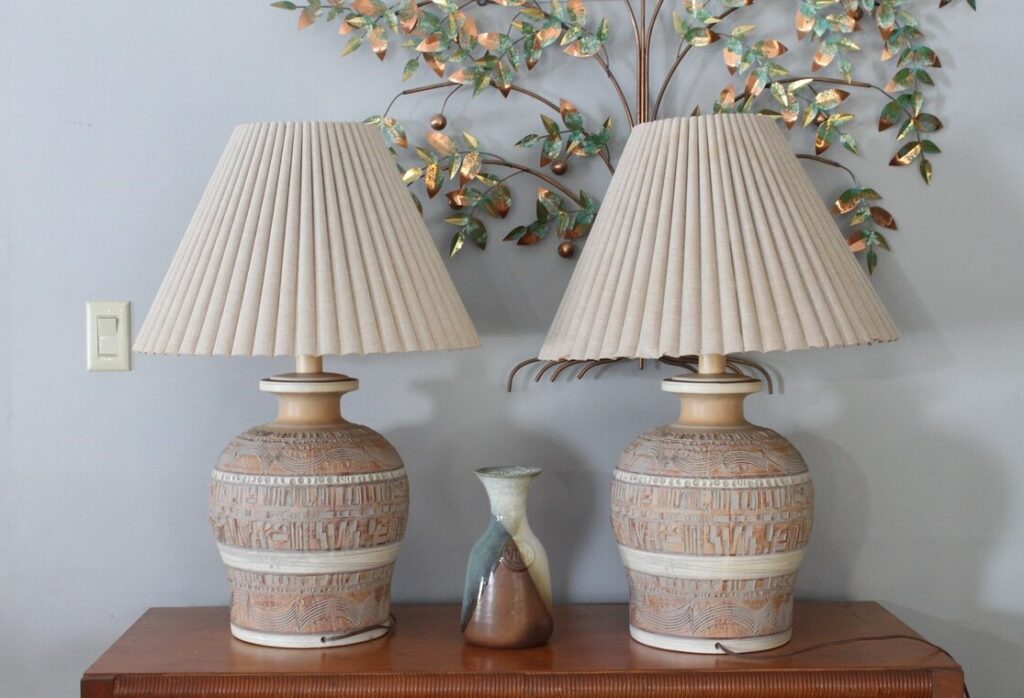
When a room needs character fast, an older patterned lamp can do the job. Many popular ceramic lamp styles came from the early to mid 1900s. This look keeps returning because a lamp doubles as a function and decor, even when the rest of the room is neutral. Many vintage lamps run $80 to $300, while well-known maker pieces can reach $400 to $1,200.
Pattern and color help a lamp look collected, especially when paired with a simple shade. Check the cord, socket, and switch, since electrical updates affect both safety and cost. A new shade is fine, but make sure the shade size fits the base so the lamp does not look top-heavy or too small. For balance, pair a patterned lamp with solid color pillows or curtains so the lamp does not compete with everything else.
Marble Top Side Tables and Washstands
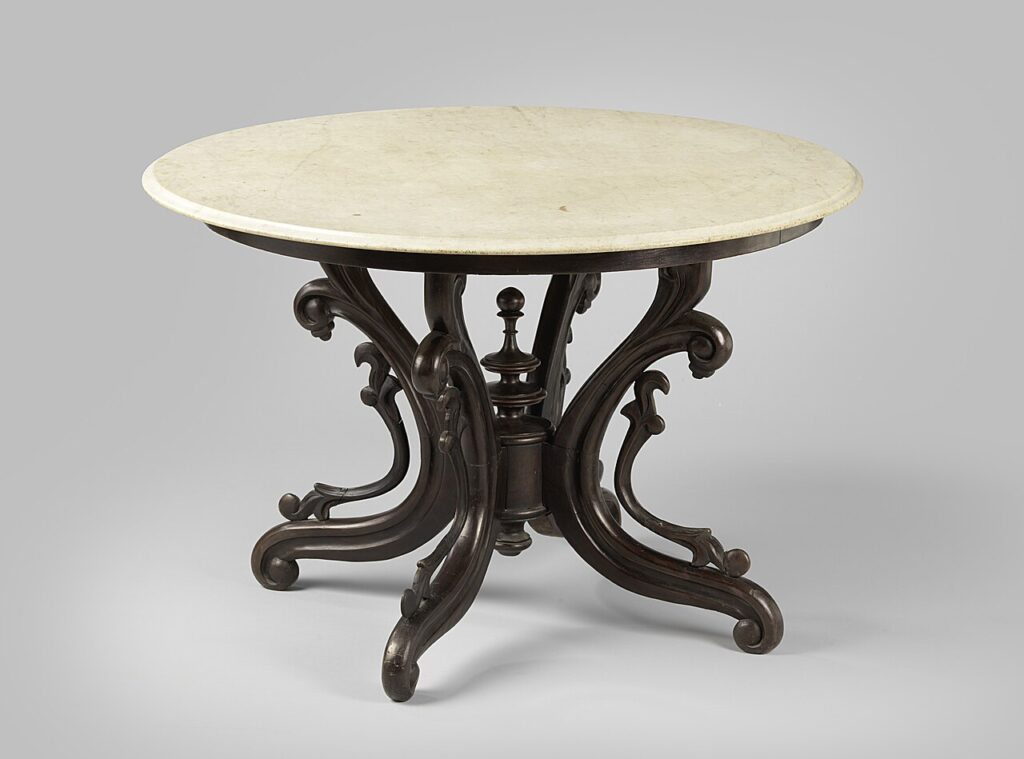
A marble top table can make a bedroom or hallway look instantly polished. Many examples were made from the mid 1800s through the early 1900s. This look keeps returning because the stone feels clean, and the wood base brings warmth at the same time. Current values often sit around $150 to $600, with more ornate pieces commonly $700 to $1,500.
Marble works well with painted furniture, dark wood, and modern metal, so it is easy to live with. Check the slab for cracks, repaired breaks, and heavy stains, since those can change value a lot. Press lightly on the corners and see if the base wobbles, because a stable base matters more than perfect shine. For easy styling, add a small lamp and a short stack of books, then keep the rest simple.
Apothecary Cabinets and Multi-Drawer Storage
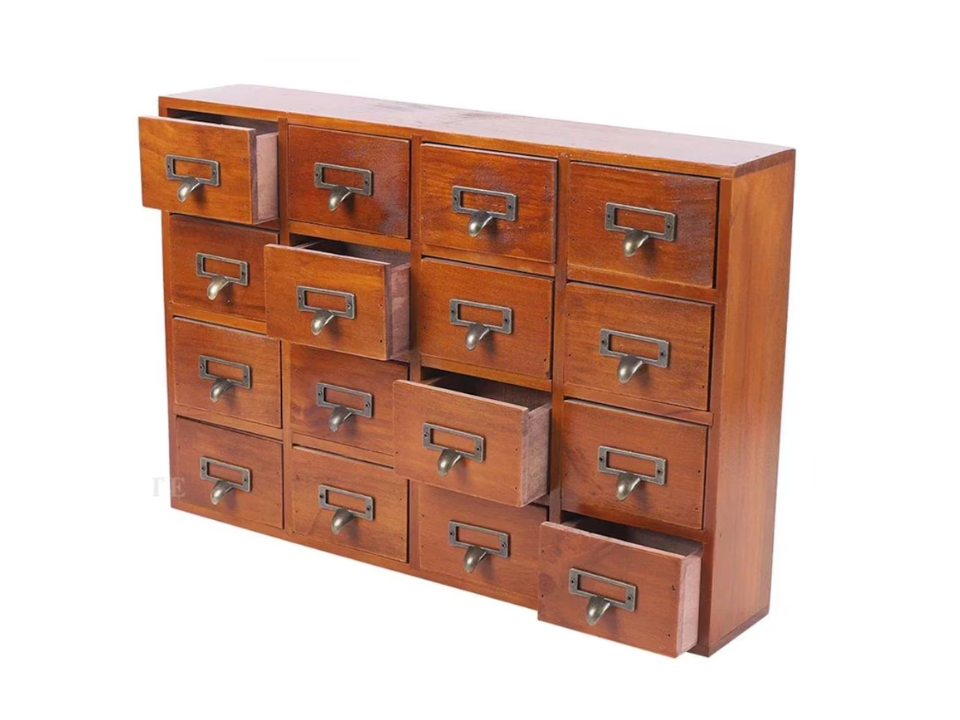
Storage that looks charming is hard to beat, and apothecary cabinets do both. Many were made in the late 1800s and early 1900s for shops and workrooms. This look keeps returning because the many drawers solve real clutter while adding a collected feel. A common value range is $300 to $1,500, while larger cabinets in strong condition can sell for $2,000 and up.
Drawer function matters a lot, so open several and see if they slide without sticking or grinding. Original pulls, label holders, and worn surfaces are part of the charm, so light wear is usually fine. Watch for water damage, missing parts, or strong odors, since those can be hard to fix and can lower the value fast. If you want something smaller, a tabletop drawer unit works well for keys, mail, and cords.
Iron Bed Frames
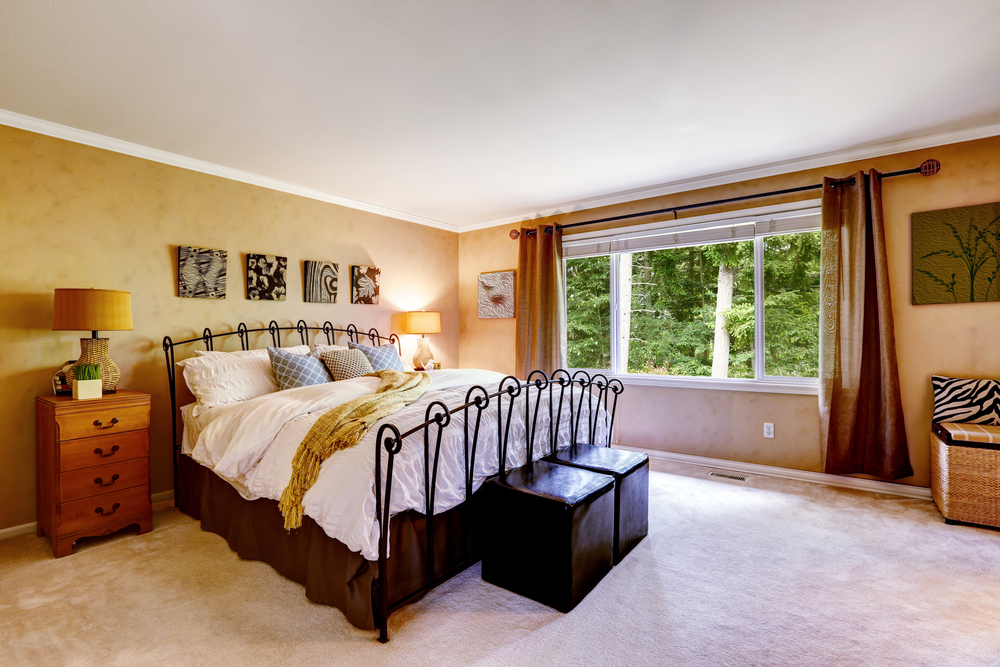
An iron bed frame gives a room structure without feeling heavy, especially when the lines are thin and simple. Many were made from the late 1800s into the early 1900s, with both plain and decorative headboards depending on the era. People keep coming back to this look because it works with farmhouse, traditional, and modern styling, depending on the bedding. Many frames sell around $250 to $900, with rarer designs priced higher.
Iron holds up well, which is why so many older frames still survive in usable condition. Make sure the rails, center support, and fittings are included, since missing hardware can be annoying to replace. Paint wear can look authentic, but heavy rust, bent rails, and loose joints hurt value and comfort. For a softer feel, use linen bedding and a patterned quilt to balance the metal.
Needlepoint and Woven Wall Hangings
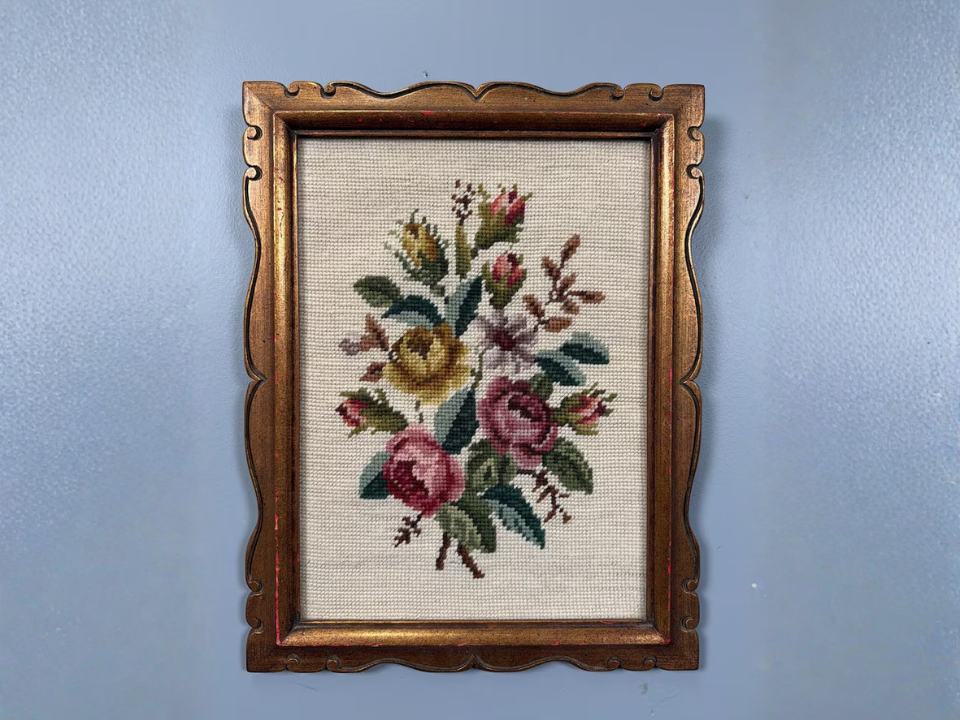
Textile wall pieces can make a room feel warmer right away. Many needlepoint and woven hangings found in homes today date from the late 1800s through the mid 1900s. This look keeps returning because texture softens hard surfaces and adds pattern without taking up floor space. Smaller framed pieces often run $60 to $250, while larger hangings can land around $300 to $1,200.
Fabric can hide a lot of wear, so check closely for fading, stains, and moth damage on both front and back. Smells matter too, since old fabric can hold smoke or damp odors that are tough to remove. Framing can cost more than the piece, so it helps to buy one that is already framed well or easy to hang. For a simple setup, hang it from a plain rod like a small banner and keep nearby wall pieces minimal.
Milk Glass and White Glass Vases

Soft white glass looks clean, calm, and easy to mix into almost any room. Milk glass was popular in the late 1800s and again in the early to mid 1900s. This look keeps returning because the white tone fits most color palettes and makes flowers pop. Many pieces sell for $15 to $80, while larger compotes and rarer shapes often reach $100 to $300.
A cluster of milk glass pieces can look intentional even if they are not a matched set. Chips on rims and bases are common, so run a finger gently around those edges before buying. Some pieces have maker marks, which can raise value, though unmarked pieces can still look great on display. For easy styling, pair milk glass with greenery and a warm metal accent like brass or copper.
Stained Glass Panels and Lamps
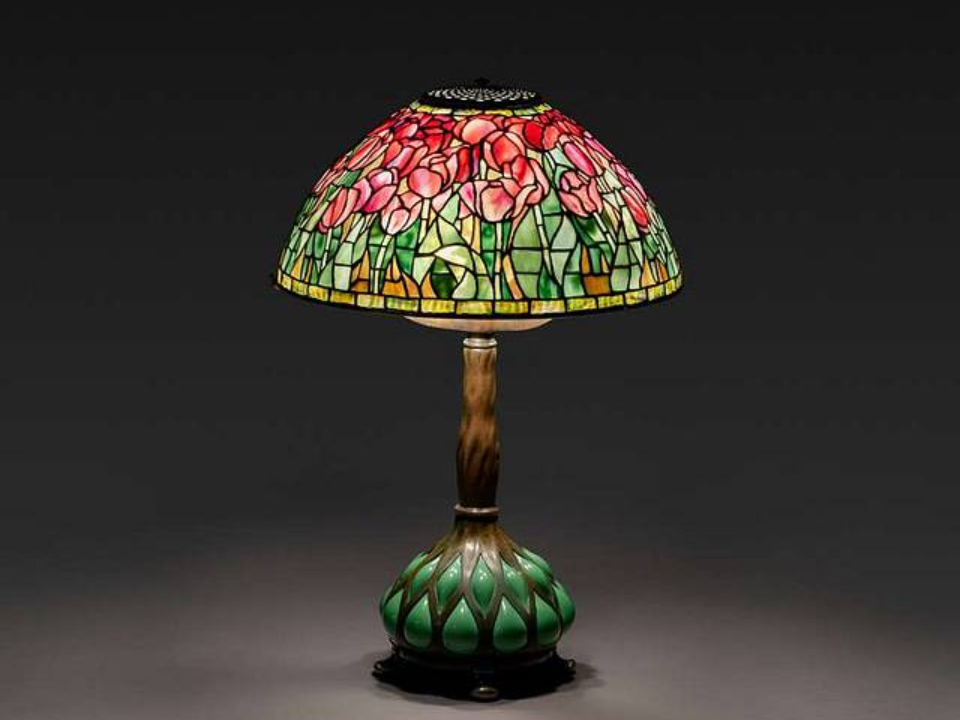
Colored glass can change the mood of a room in a way few items can. Many panels and lamps date from the late 1800s through the early 1900s. This look keeps returning because it acts as both art and lighting, and the colors stay interesting through changing decor styles. Small panels often run $100 to $400, while larger panels or quality lamps can range from $600 to $3,000.
Sunlight through stained glass adds color without paint, wallpaper, or extra wall decor. Inspect lead lines, cracks, and earlier repairs, since those affect value and can affect safety if the piece is moved often. Check how it is mounted, since a secure frame or stand matters more than a perfect pattern. For an easy display, lean a panel on a windowsill where the light hits it during the day.
Steamer Trunks Used as Tables
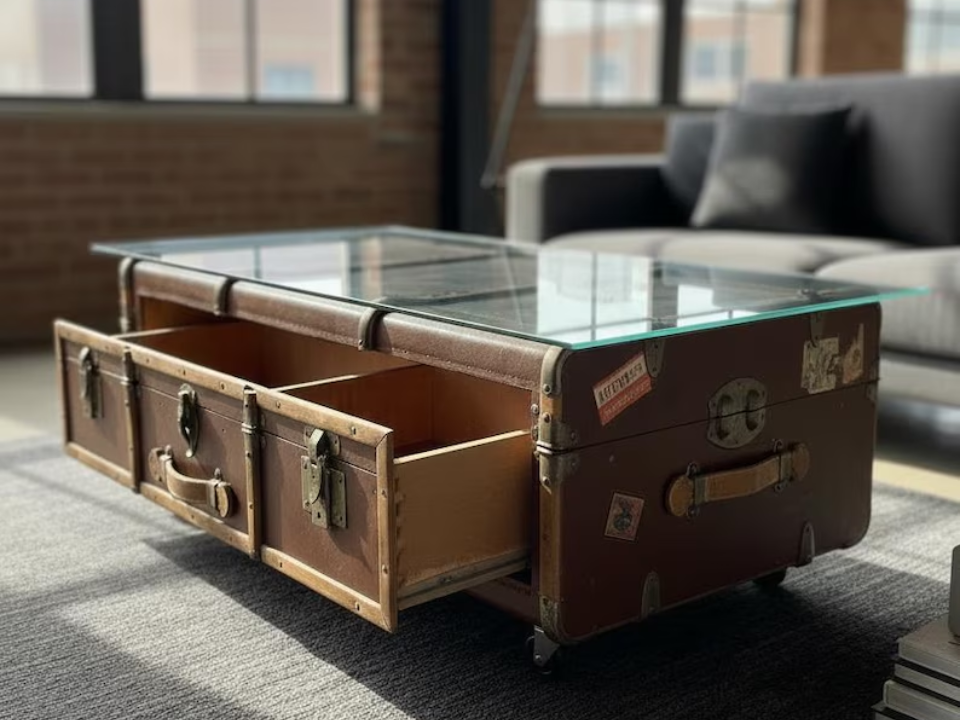
Old travel trunks can add storage and character at the same time. Most classic steamer trunks date from the late 1800s into the early 1900s. This look keeps returning because the hardware and worn surfaces add history, and the inside can hide blankets, games, or extra linens. Typical values run $150 to $600, while special brands and better condition pieces can reach $800 to $2,000.
Trunks work well as coffee tables, end tables, or at the foot of a bed, depending on size and height. Check hinges and latches, since broken hardware can be expensive to fix and can make the trunk annoying to use. Odors and interior water damage can be deal breakers if you plan to store textiles inside. If you want it to work as a table, set a tray or a piece of glass on top so cups and books sit flat.
Gilt and Carved Picture Frames
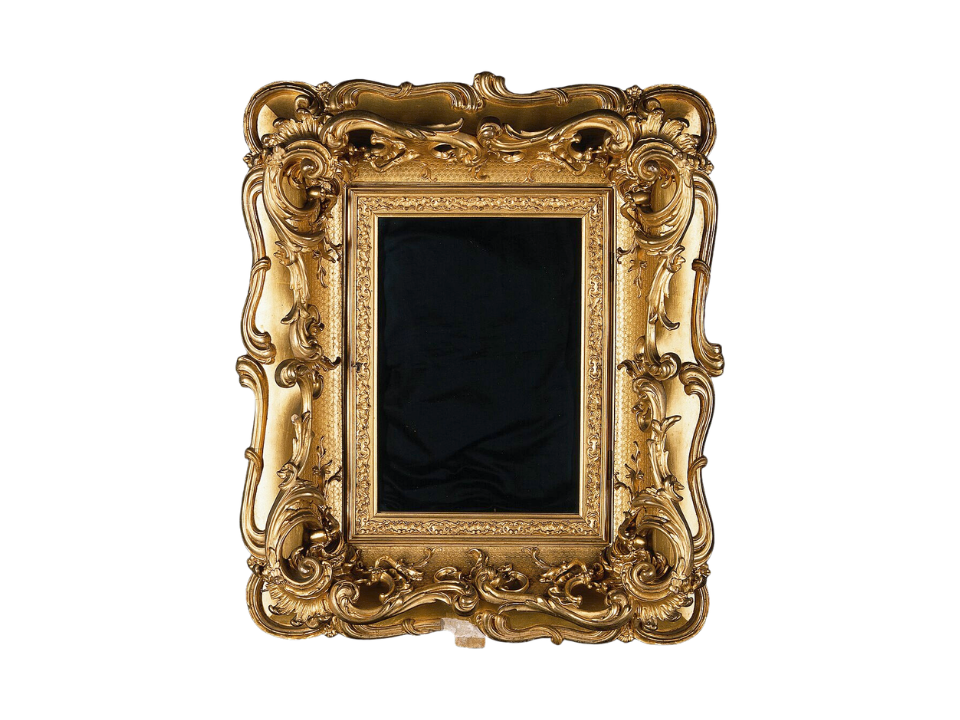
Even simple art looks more special in an ornate old frame. Many carved and gilt frames date from the 1800s and early 1900s. This look keeps returning because it adds texture and makes modern prints feel more intentional. Many frames sell around $40 to $200, while larger carved pieces often range from $250 to $800.
The contrast between fancy frames and simple art is what makes this feel fresh again and again. Small chips and surface wear can be fine, but loose corners, splitting wood, and deep cracking in the finish matter more. Measure the opening, since odd sizes can be tricky and custom matting can raise your total cost. For an easy pairing, frame a black and white photo in a gold toned frame and hang it where it can stand out.
This article originally appeared on Avocadu.