
12 Early March Compost Fixes That Stop Spring Smells
When temperatures begin to rise in early March, compost piles often start working again. That change sometimes brings strong smells that catch gardeners off guard. The good news is that most odor problems have simple causes. With a few small changes, the pile can return to a healthy breakdown process.
This post may contain affiliate links, which helps keep this content free. Please read our disclosure for more info.
Turn the Compost Pile to Bring in Fresh Air
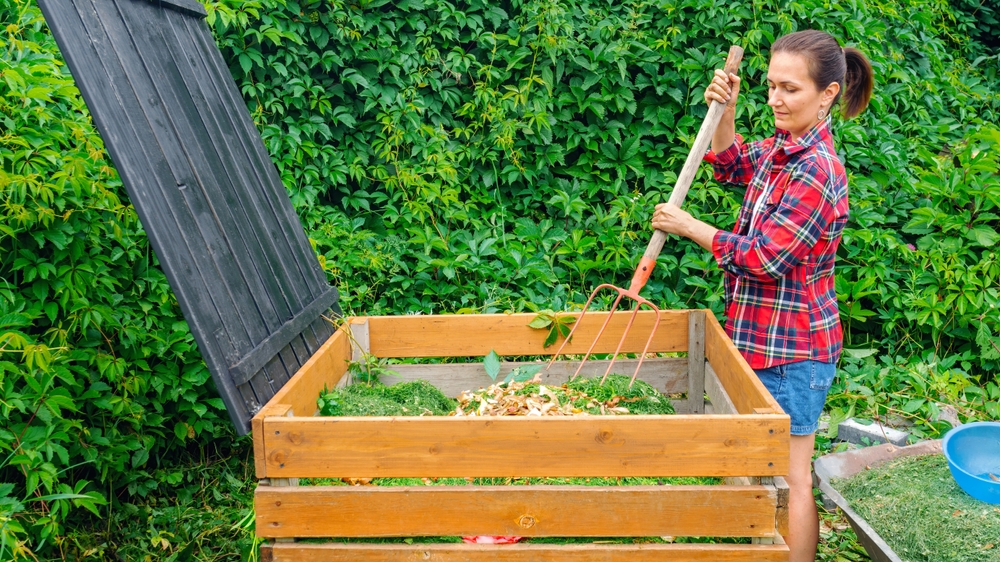
A compost pile that sat untouched through winter often becomes packed down and heavy. Layers of leaves, food scraps, and yard waste settle together and trap moisture inside the center. When this happens, air cannot move through the pile, which often leads to sour or rotten smells. Early March is a good time to loosen everything with a garden fork. Turning the pile lifts the outer materials into the center and lets fresh air reach the parts that were compacted during the cold months.
As oxygen moves through the pile again, the natural breakdown process becomes healthier and more active. Microorganisms that rely on air begin working again, which usually improves the smell within a few days. While turning, it also helps to break apart any clumps of leaves or grass that formed over winter. Mixing dry and damp layers together creates a more balanced pile overall. Gardeners who turn their compost regularly in early spring often notice a steady return to a rich, earthy scent.
Add Dry Leaves or Straw to Balance Wet Materials
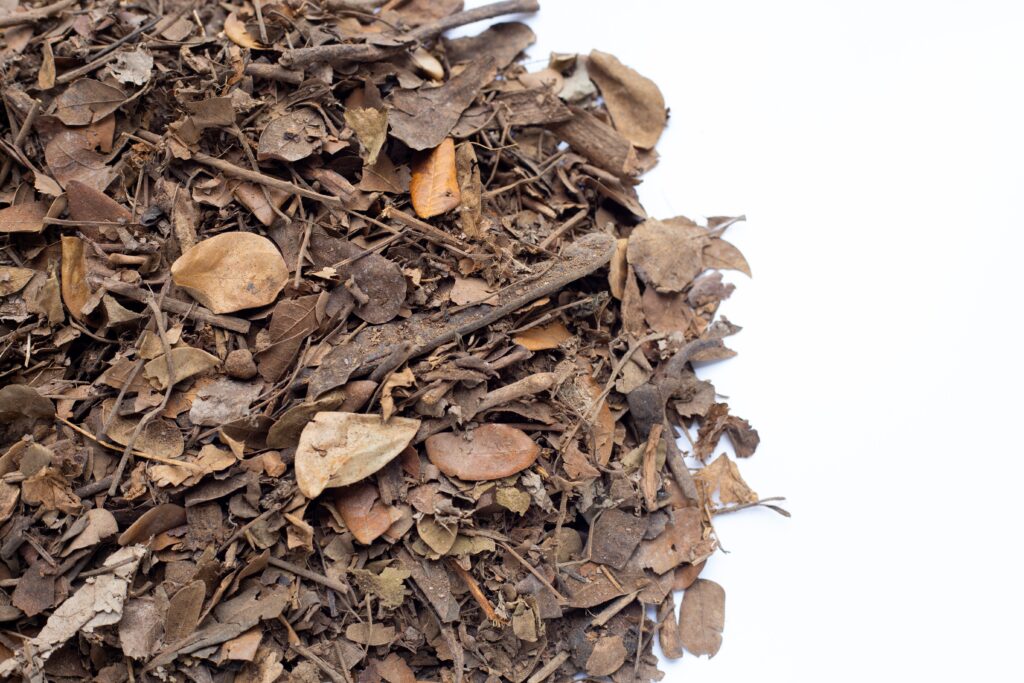
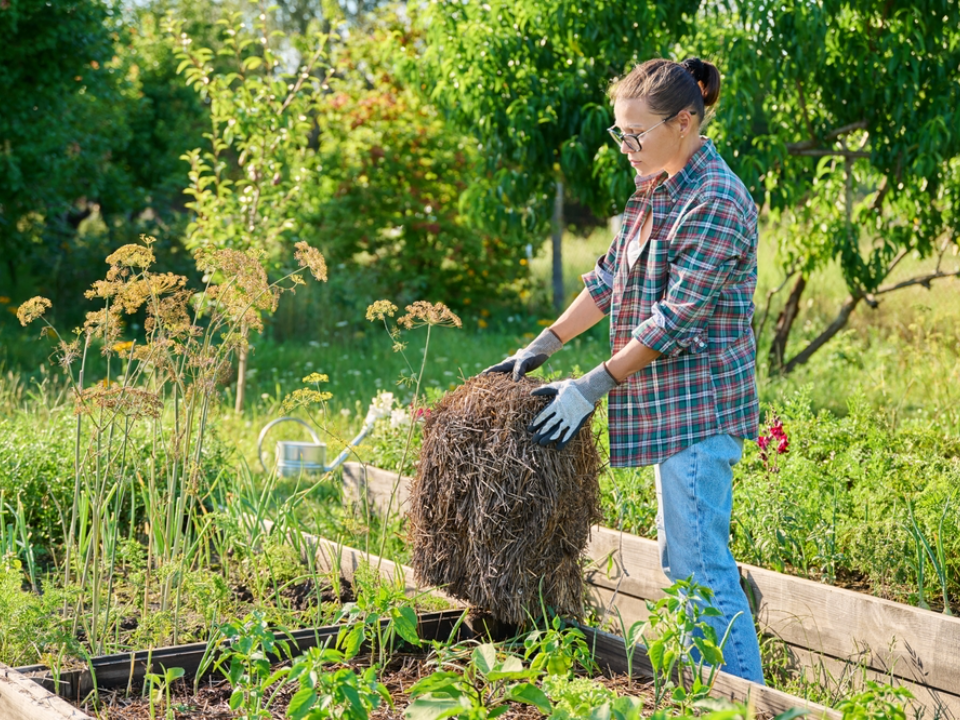
Many compost piles collect extra moisture during winter from rain, snow, and frost. By early March, the pile can feel heavy and soggy, especially if kitchen scraps were added regularly. Too much moisture slows healthy breakdown and creates strong odors. Adding dry leaves or straw helps absorb some of that excess water. These materials also help separate dense layers so air can move through the pile again.
Dry materials are often called brown materials because they contain carbon-rich plant matter. When mixed with wetter scraps such as vegetable peels or coffee grounds, they help restore balance inside the pile. A few handfuls spread throughout the compost can make a noticeable difference. The pile becomes lighter and easier to turn, which supports better airflow. Many gardeners store bags of fall leaves nearby so they always have dry material ready in early spring.
Break Up Matted Grass Clippings
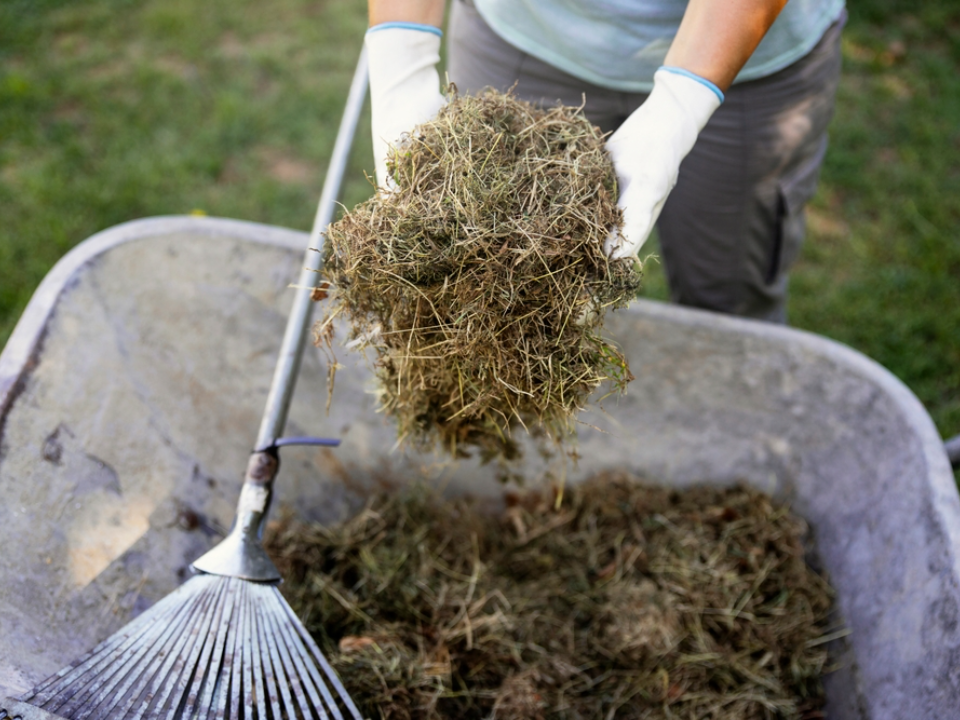
Grass clippings that were added in thick layers often settle into tight mats during the colder months. When winter moisture sits inside these layers for weeks, the material becomes heavy and compact. As temperatures begin rising in early March, those wet sections start to break down unevenly and produce a sour smell. Pulling the clippings apart with a garden fork helps loosen the pile and restore airflow through the center. Once the clumps are separated, the grass can mix better with other compost materials.
Breaking up these dense layers allows the microorganisms inside the pile to reach more of the plant matter. When oxygen moves through the compost again, the breakdown process becomes healthier and more balanced. Mixing the loosened grass with dry leaves or straw helps absorb moisture that may have built up over winter. This combination creates a lighter pile that turns easily and decomposes more evenly. Gardeners often notice that the unpleasant smell fades once the matted clippings are fully mixed into the pile.
Cover Kitchen Scraps with Carbon Materials
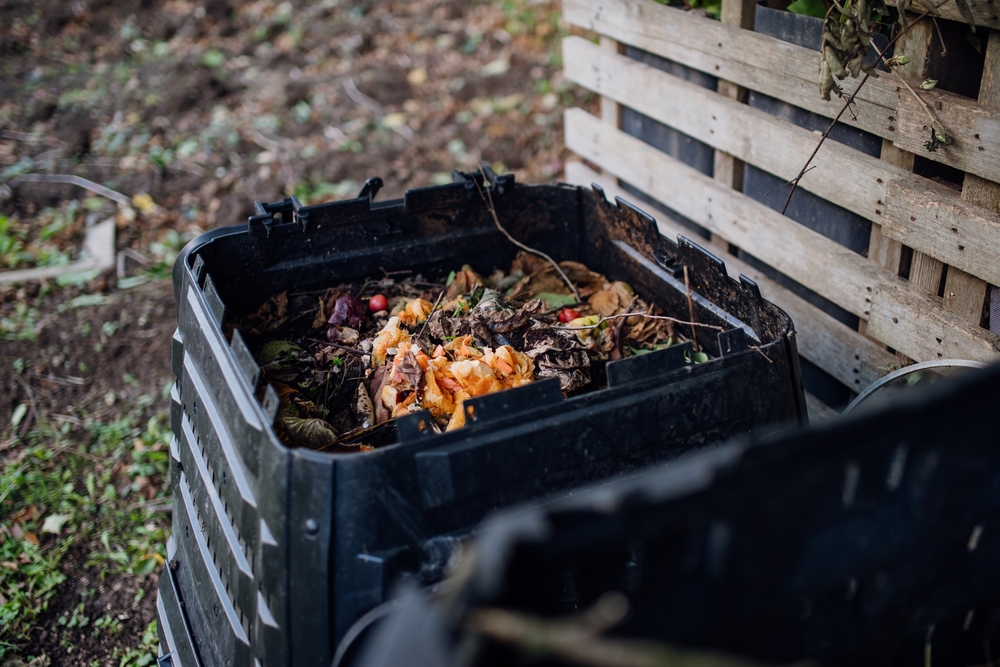
Fresh kitchen scraps often produce strong odors when they sit uncovered on top of a compost pile. Fruit peels, vegetable trimmings, and coffee grounds begin breaking down quickly once early spring warmth arrives. When these materials remain exposed, the smell can drift across the yard and attract insects. Covering them with dry leaves, straw, or shredded paper helps trap the odor and blend the scraps into the compost. This simple habit makes a noticeable difference in how the pile smells.
A thin layer of dry material placed over food scraps also keeps the moisture level more balanced. It prevents the wet scraps from forming heavy pockets inside the pile. Many gardeners keep a small container of dry leaves beside their compost bin so it is always ready to use. Each time kitchen scraps are added, the covering layer helps maintain a steady breakdown process. Over time, this routine keeps the compost pile smelling earthy rather than sour.
Adjust Moisture with a Simple Squeeze Test
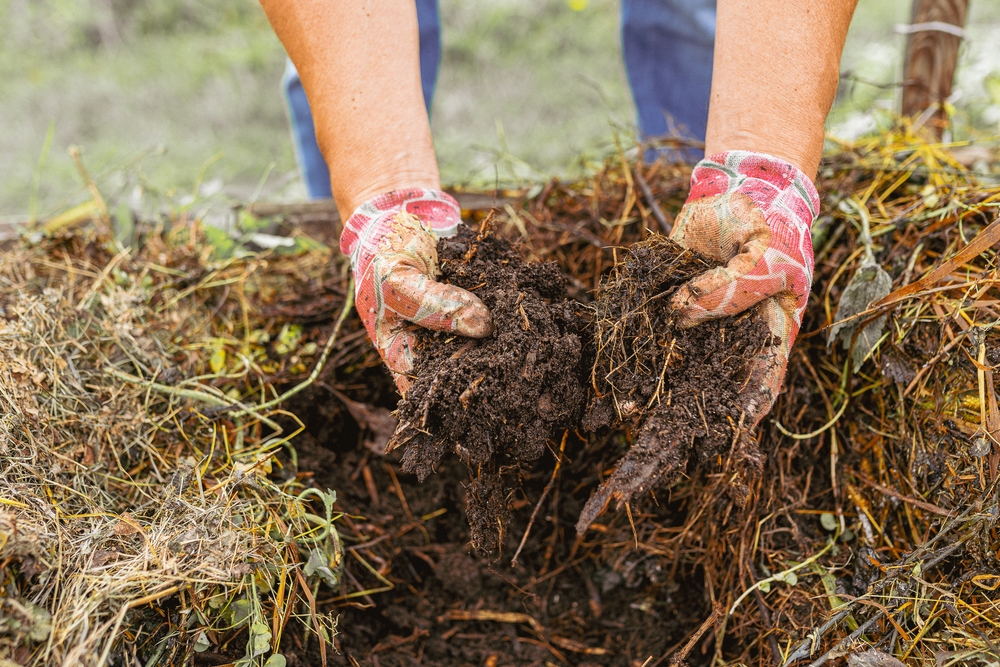
Checking the moisture level of a compost pile can be done with a quick squeeze test. A small handful taken from the middle of the pile should feel damp but not dripping wet. The texture should resemble a sponge that has already been wrung out. If water runs out when squeezed, the compost likely holds too much moisture. Excess moisture is one of the most common reasons compost piles develop unpleasant smells.
When the pile feels overly wet, mixing in dry materials can correct the balance. Shredded leaves, cardboard, or straw absorb extra water and help open up the pile. These materials also create air spaces that allow oxygen to circulate through the compost. After turning the pile and adjusting the moisture level, the smell often improves quickly. Regular moisture checks in early spring help keep the compost pile healthy.
Chop Large Food Scraps Before Adding Them
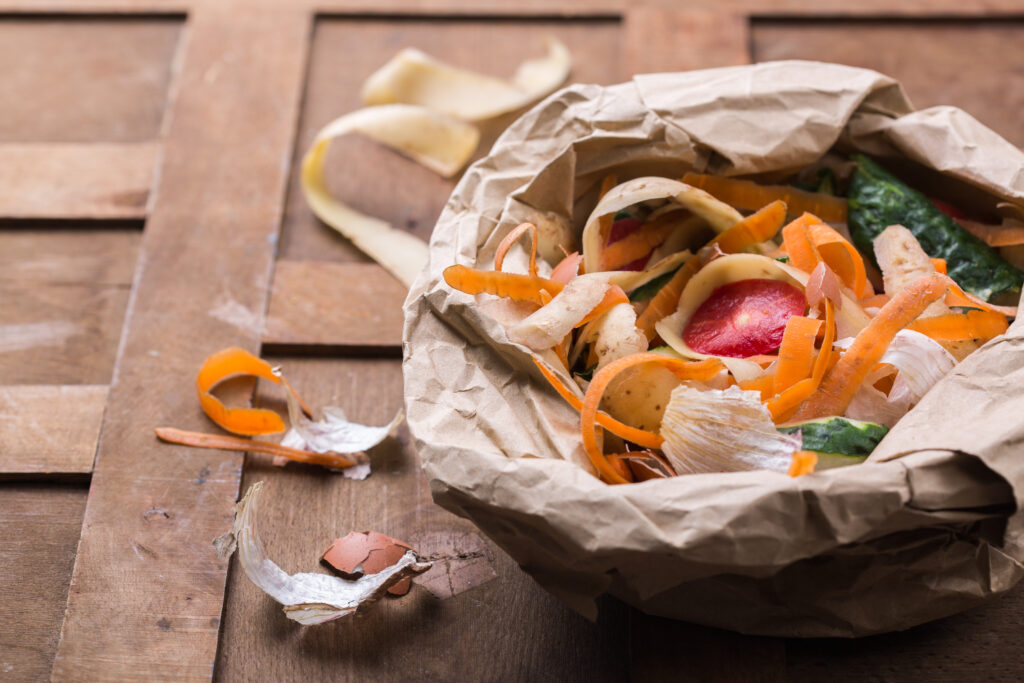
Large food scraps tend to break down slowly when placed whole into a compost pile. Thick melon rinds, corn cobs, and large vegetable stems can sit for weeks without much change. During that time, they may hold moisture and create strong smells as they soften. Cutting these scraps into smaller pieces allows them to blend into the pile more evenly. Smaller pieces also provide more surface area for microorganisms to work on.
When chopped scraps are spread through the compost, they break down at a steadier pace. This prevents the formation of wet pockets that can cause odor problems. Early spring warmth speeds up decomposition once the pieces are reduced in size. Many gardeners keep a small knife or garden shears near the compost bucket for this reason. With this simple habit, the pile remains balanced and easier to manage.
Mix in Old Compost to Restart Activity
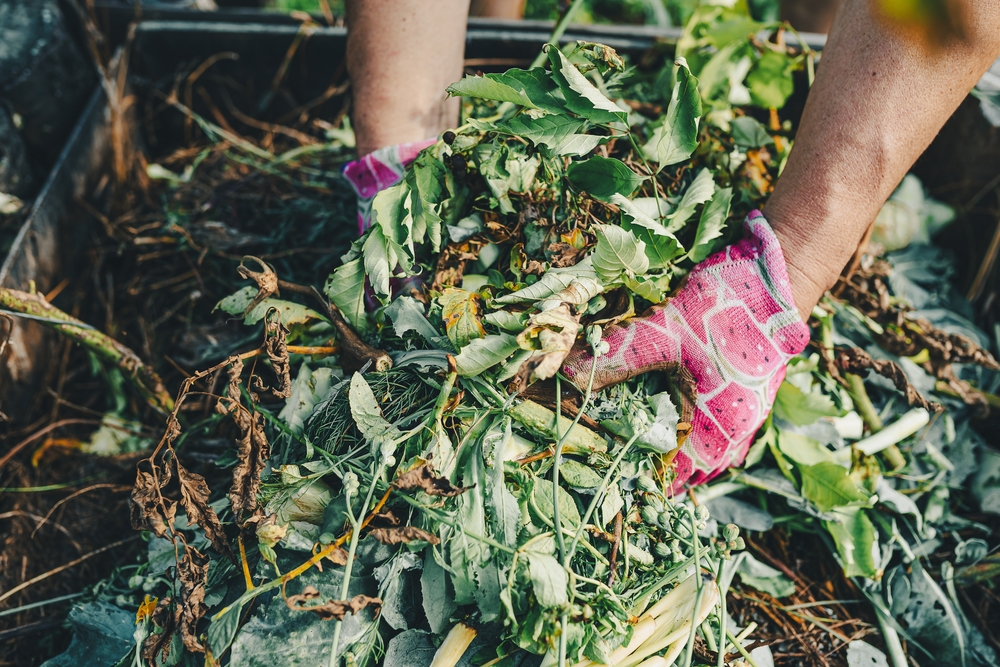
After months of cold weather, some compost piles slow down and appear inactive. Materials remain in place without much visible breakdown. Mixing in a shovel of finished compost can help restart the process. Finished compost contains active organisms that help break down organic material. Once mixed through the pile, these organisms begin spreading through the new layers.
This step often brings life back into a pile that sat quietly through winter. As the microorganisms become active again, the compost may warm slightly from their activity. That warmth encourages food scraps and plant material to break down more evenly. Odor problems often fade once the pile returns to steady decomposition. Gardeners sometimes refer to this step as giving the compost a small spring wake up.
Add Small Twigs for Better Airflow
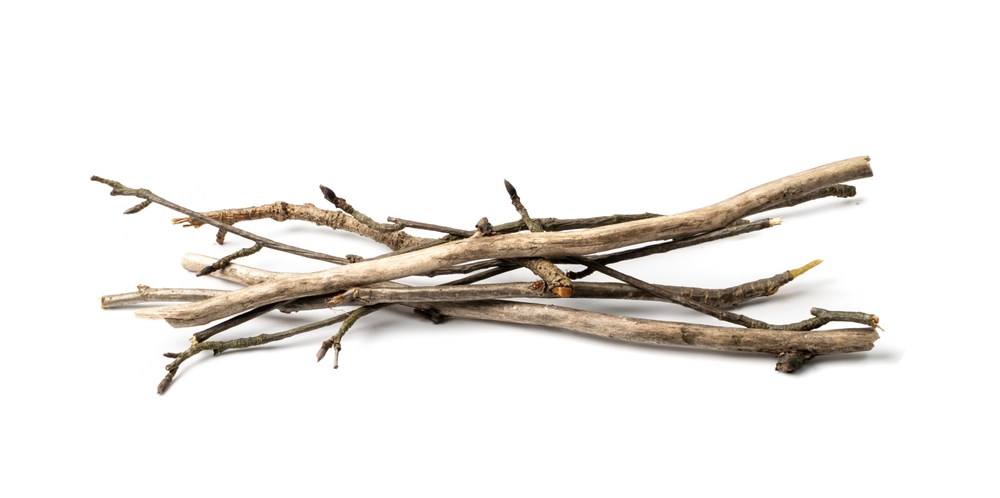
Small twigs and woody stems can play an important role in keeping a compost pile healthy. These pieces create natural gaps between layers of leaves and kitchen scraps. Without them, the pile can compress into a dense mass over time. Early March is a good time to mix twigs into the pile while turning it. Even a small amount can help maintain airflow through the center.
Twigs break down much more slowly than softer plant materials. Because of this, they help the pile stay loose for a longer period. Air can travel through the spaces they create, which helps support healthy decomposition. Winter pruning of shrubs and small trees often provides plenty of twig material. Adding them to the compost pile helps prevent the heavy compaction that leads to unpleasant smells.
Keep Meat and Dairy Out of the Compost
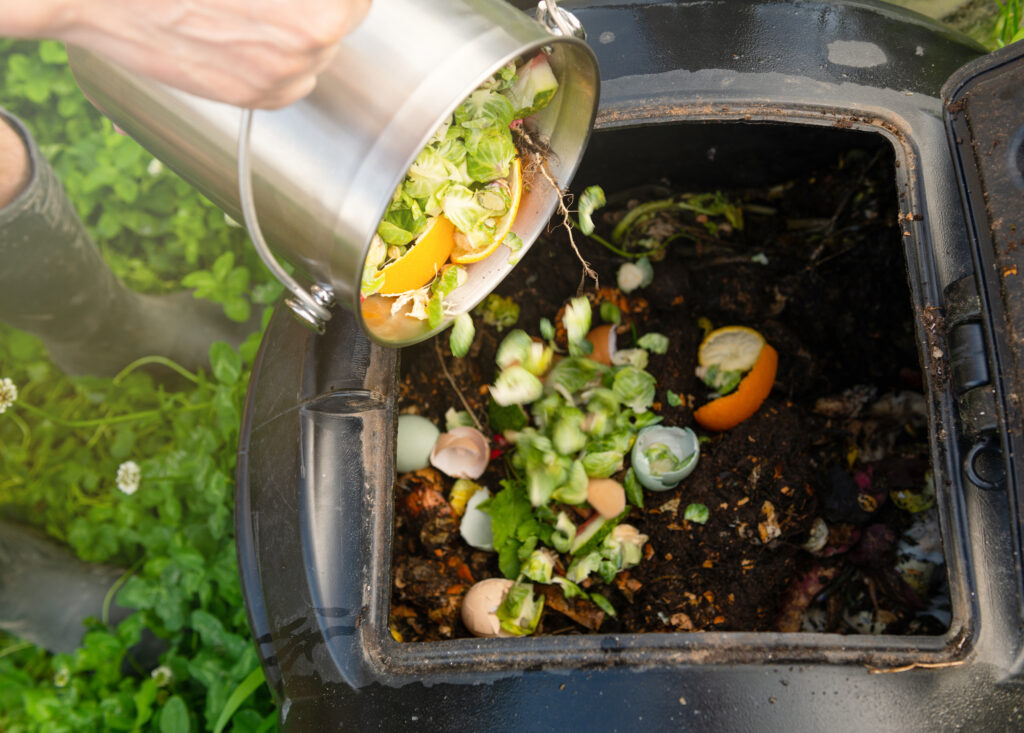
Certain food scraps are not suited for most backyard compost piles. Meat, dairy, and oily foods break down slowly and often produce strong odors. These items can also attract animals that may disturb the compost bin. Early spring warmth makes the smell from these materials even more noticeable. Keeping them out of the pile helps prevent many odor problems.
Plant-based scraps are much better suited for garden compost. Fruit peels, vegetable trimmings, and coffee grounds break down smoothly when mixed with leaves. This mixture creates a balanced environment inside the pile. When the right materials are used, the compost develops a pleasant earthy scent. Maintaining this balance keeps the compost easier to manage.
Use Shredded Cardboard to Absorb Extra Moisture
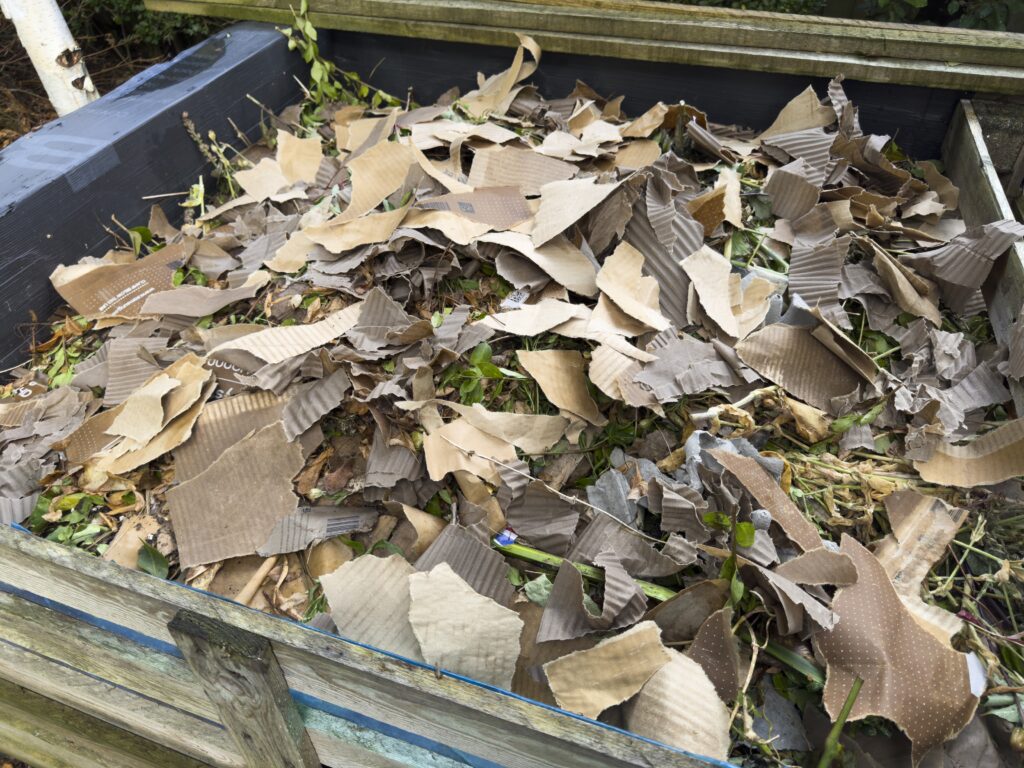
Shredded cardboard works well as a dry compost ingredient. It absorbs moisture and helps open up dense areas of the pile. Early March compost often benefits from this addition after weeks of winter rain. Mixing cardboard into the pile helps restore balance between wet and dry materials. The strips also help separate layers so air can move through them.
Cardboard breaks down gradually over several months. During that time, it continues absorbing moisture that might build up in the pile. Many gardeners save shipping boxes through winter so they have material ready for spring compost care. Once torn or shredded, the cardboard blends easily with plant debris and kitchen scraps. This simple addition often improves both airflow and smell.
Move the Pile to a Slightly Sunnier Spot
Some compost piles spend winter in areas that remain shaded most of the day. As spring approaches, a little extra sunlight can help wake the pile up. Sunlight warms the compost and encourages the organisms inside to become active again. This activity helps organic materials break down more evenly. When decomposition improves, odor problems often fade.
Moving the pile a short distance can make a noticeable difference. A sunnier spot helps dry excess moisture that may have collected during winter. Early March is a good time to relocate the pile before planting season begins. Once placed in a warmer area, the compost usually becomes more active. Gardeners often notice the pile returning to a healthy, earthy smell.
Keep a Lid or Cover Over the Pile
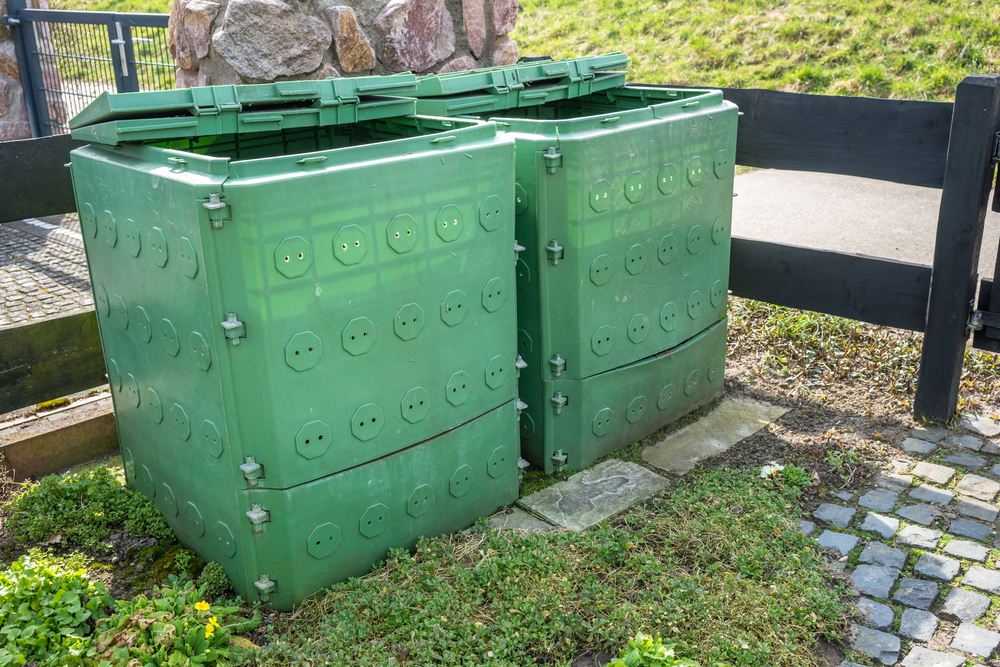
Spring rain can quickly upset the balance inside a compost pile. Too much water leaves the materials saturated and short on airflow. When this happens, sour smells often appear as the pile struggles to break down properly. Covering the compost with a lid or tarp helps control how much rain reaches it. This simple protection keeps moisture levels more stable.
A cover still allows some air movement while preventing the pile from becoming soaked. The compost stays damp enough for decomposition without turning waterlogged. Gardeners who use a cover during rainy weeks often avoid many odor problems. The pile remains easier to manage as spring continues. With balanced moisture, the compost keeps its healthy, earthy smell.
This article originally appeared on Avocadu.