
13 Antique Ironstone Pieces Decor Lovers Keep Displaying
Antique ironstone has a quiet charm that makes a room feel more lived in right away. The creamy color and sturdy weight look good on open shelves, hutches, and dining tables. Next, you will see display-worthy pieces that still fit into everyday decor. Keep reading and choose a style that feels right for your space.
This post may contain affiliate links, which helps keep this content free. Please read our disclosure for more info.
Mason’s Patent Ironstone China pitcher or jug
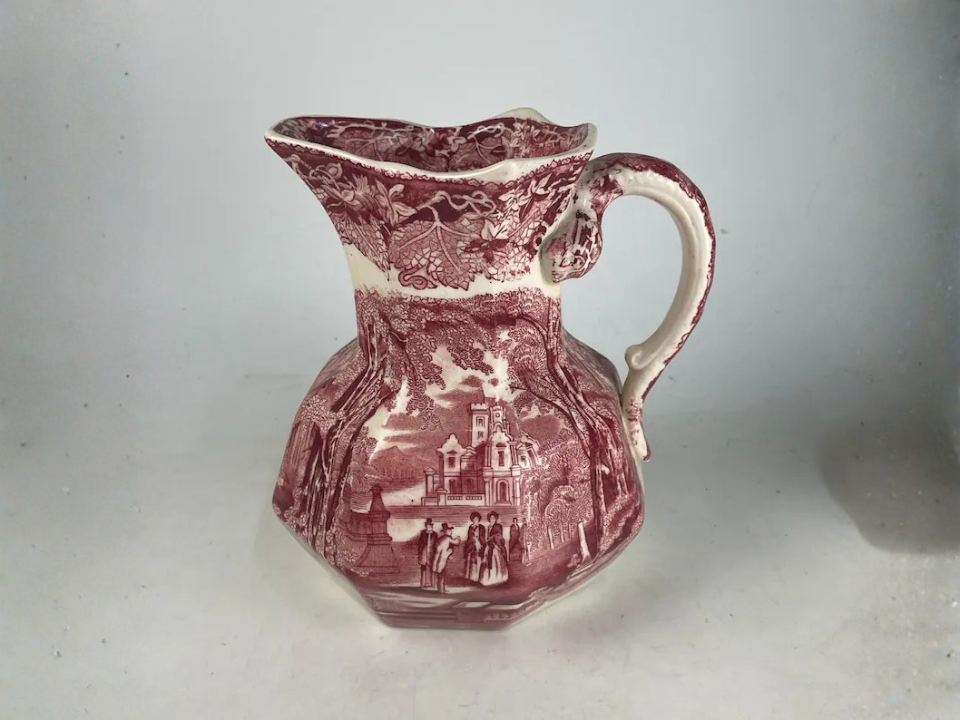
A Mason’s jug stands out on a shelf because the ironstone body is thick, heavy, and usually a warm white that reads well against wood. Many examples were made in England during the 1830s through the 1850s, and the base backstamp is the main dating clue. Collectors like the strong handle, the clean curve of the belly, and the rolled lip that frames flowers or kitchen tools nicely. Current market value often runs about $150 to $500, with larger sizes, clearer stamps, and fewer chips sitting higher in the range.
Look closely at the spout tip and the top of the handle because those areas chip first and show from a distance. Crazing lines and light tea staining can be normal on pieces this old, yet long cracks that reach the rim usually lower value sharply. A jug displays well as a vase, a utensil crock, or a simple standalone piece with a small stack of plates beside it. For care, dust with a soft cloth, wash by hand only, and keep it away from steam and direct sun to slow yellowing and staining.
Mason’s Ironstone large platter
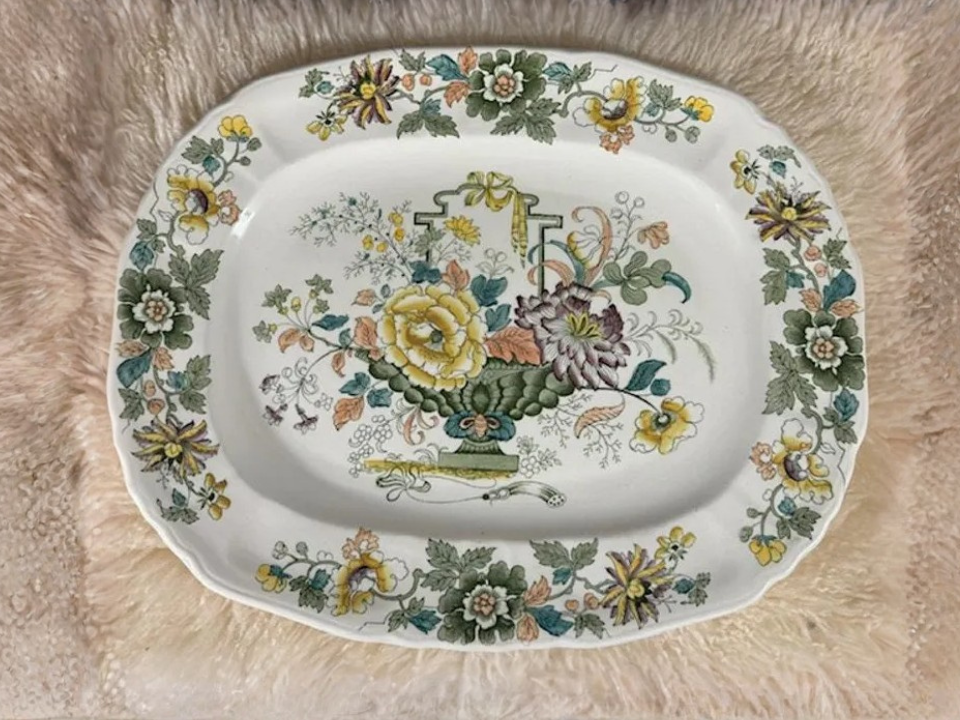
Big ironstone platters are popular for display because they fill a hutch or open shelf without adding visual clutter. Many Mason’s platters were produced in the 1800s, often around the 1840s through the 1870s, and the backstamp style helps narrow the period. Decor lovers like the broad rim, the soft cream tone, and the way a large platter can sit behind smaller bowls for an easy layered look. Market value often lands around $60 to $400, with larger platters and cleaner rims bringing more.
Rim condition matters most since even tiny nicks stand out on white glaze, especially where light hits the edge. Utensil marks and faint surface scratches are common and usually acceptable for display, yet hairline cracks that run across the center tend to reduce value. A platter looks great propped on a plate stand, leaned carefully against the back of a cabinet, or used as a tray under candles and small jars. For care, store vertically with padding between pieces, avoid harsh scrubbing powders, and keep it in a dry room so staining does not deepen along crazing.
Johnson Brothers Royal Ironstone pitcher
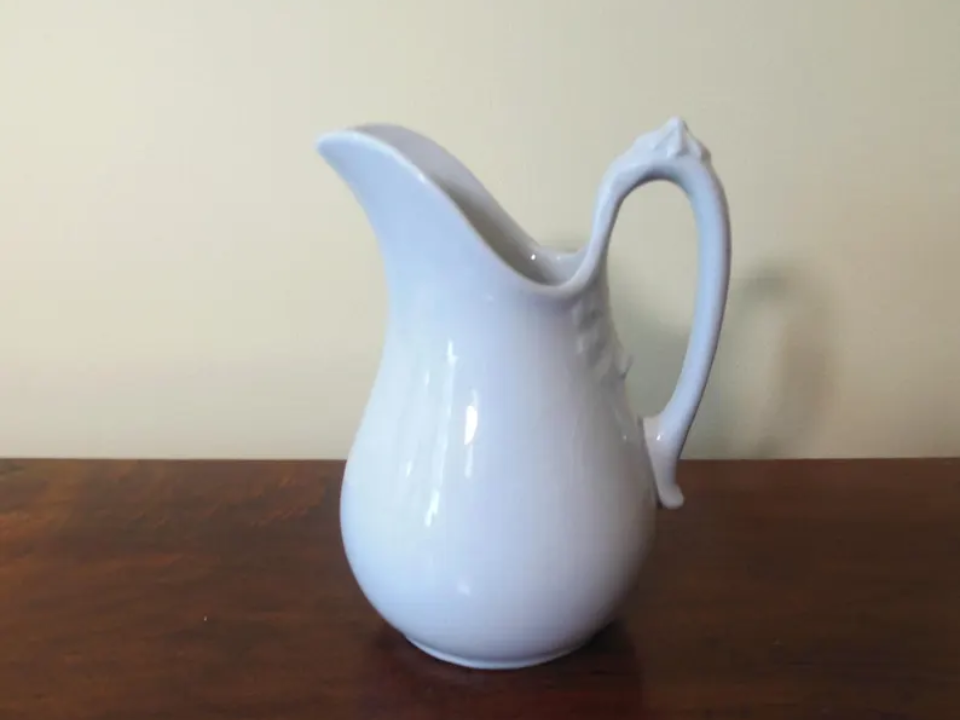
Johnson Brothers pitchers stay popular because the shapes are practical and the glaze tends to look creamy rather than stark white. Many were produced from the late 1800s into the early 1900s, often around 1890 through 1920 depending on the Royal Ironstone mark. People like the thick walls, generous handle, and the simple profile that works as a vase, utensil holder, or shelf anchor. Market value often runs about $40 to $130, with larger sizes and fewer chips priced higher.
Examine the lip and spout closely because small chips there are easy to miss yet show when the pitcher is displayed at eye level. Crazing is common and can add a soft aged look, while long hairline cracks usually reduce value a lot. This pitcher works well with dried branches, faux greenery, or a bundle of wooden spoons for a kitchen counter display. For care, avoid soaking, dry fully after washing, and keep it away from direct sun and heavy steam to slow yellowing and staining.
J and G Meakin wash basin and pitcher set
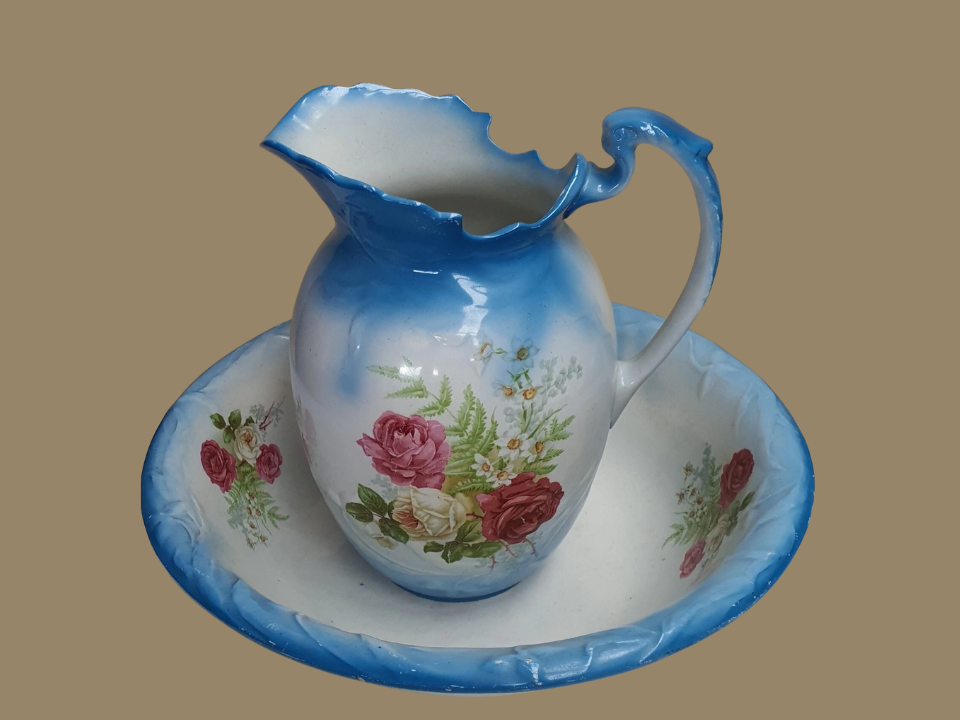
A wash basin and pitcher set looks special in decor because it tells a clear story about everyday life before modern plumbing. Many J and G Meakin examples were produced in the late 1800s, often before 1890, when marks may not include England. Decor lovers like the oversized basin, the matching tone between pieces, and the way the set fills a console or dresser top without needing extra objects. Market value often sits around $150 to $350, with cleaner rims and better-matching pieces reaching the upper end.
Check the basin rim and the pitcher spout because those areas take the most hits during years of handling and storage. Staining and crazing are common on wash pieces, yet through cracks and large chunks missing from the rim usually lower the value fast. For display, place the basin on a folded linen or felt pad and set the pitcher at an angle so the handle and spout show clearly. For care, keep it dry, avoid damp basements, and dust gently since repeated rubbing can dull the glaze over time.
Mason’s Ironstone soup tureen with lid and stand
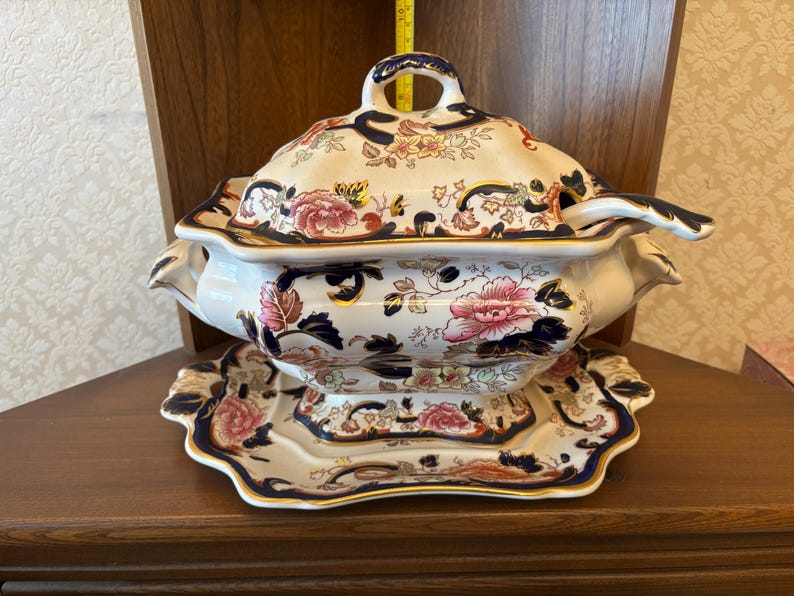
A lidded tureen draws attention because its height and fitted parts make it look like a true table centerpiece. Many Mason’s tureens were produced in the mid 1800s, often around the 1840s through the 1870s, with the base and lid stamp details used for identification. Collectors like the substantial weight, the crisp lid fit, and the way the form adds structure to a shelf display. Current market value is often about $200 to $900, with a matching stand and intact lid pushing prices higher.
The lid finial and lid rim deserve extra attention since drops and knocks often leave chips that are hard to hide. Interior staining is common and often fine for decor, yet cracks near the foot ring or along the body usually matter more than discoloration. A tureen looks striking centered on a dining table, on a sideboard, or grouped with a platter behind it and a pitcher beside it for a balanced arrangement. For care, lift the tureen from the base rather than the lid handle, store the lid with a soft barrier, and keep it away from damp storage so odors and staining do not build inside.
Alfred Meakin Royal Ironstone serving platter
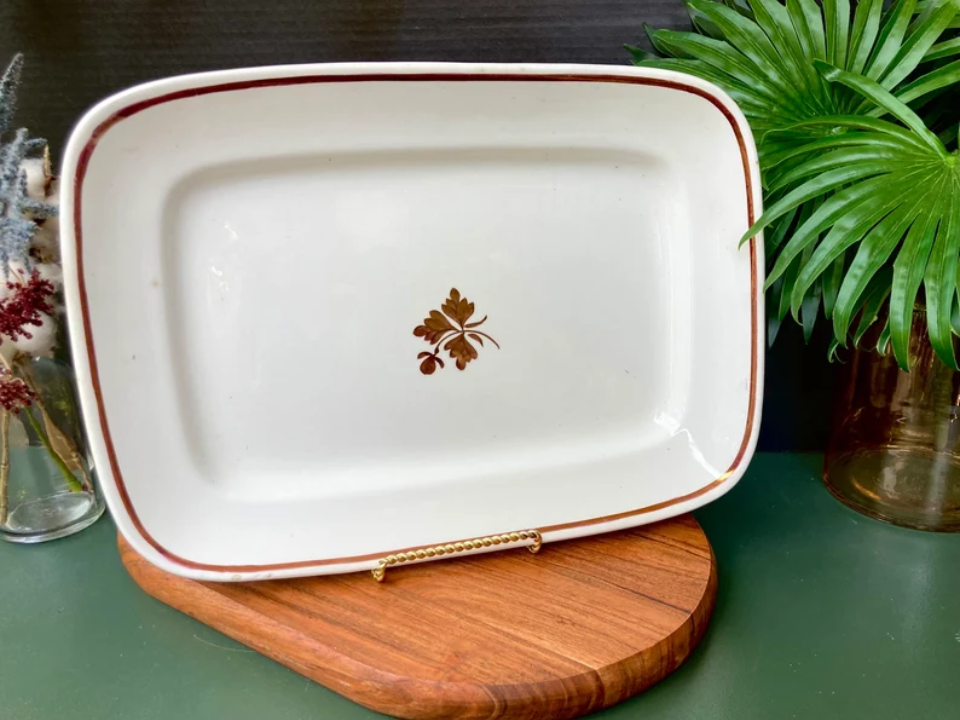
An Alfred Meakin platter works well in a display stack because it has a clean shape and a calm white surface that mixes easily with other makers. Many were produced from the late 1890s through the early 1900s, with Royal Ironstone marks commonly linked to that period. People like the slightly warm glaze and the practical size that fits under smaller bowls as a base layer. Market value often ranges from about $35 to $150, depending on size, stamp clarity, and rim condition.
Rim chips and edge roughness are the most common issues, so inspect the full edge under bright light. Fine surface scratches are normal for a serving piece, while long cracks across the center usually matter more than small utensil marks. This platter displays nicely behind a group of pitchers, or it can sit flat under a small candle and a book stack on a coffee table. For care, wash by hand, dry fully, and store upright with padding to prevent edge knocks.
Burleigh ironstone plate or small platter by Burgess and Leigh
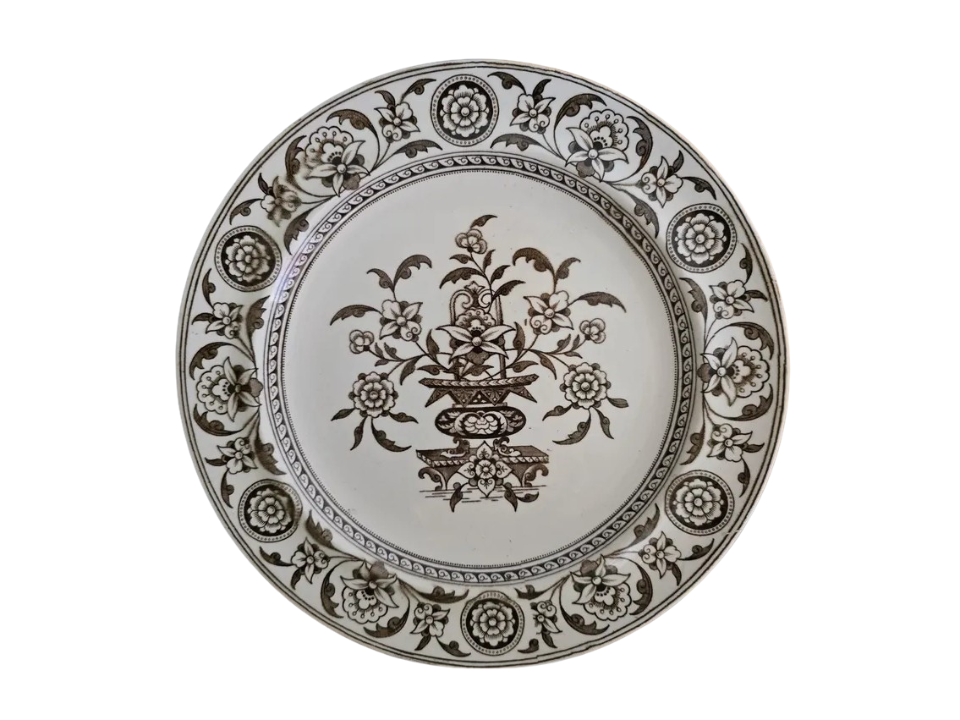
Burleigh pieces stay popular because the pottery history is well known, and the forms look good in layered stacks. Many items with Burgess and Leigh Hill Pottery marks date to 1868 through 1889, which gives collectors a helpful time window. Decor lovers like the solid weight, the clean profile, and the readable mark that adds interest when the piece is turned over. Market value often runs about $40 to $250, with pattern, size, and condition guiding the range.
Focus on the foot ring since a rough base can scratch shelves and may hint at heavy wear. Light crazing is common, yet chips on the rim stand out quickly on white glaze and usually have a lower value than gentle surface scratches. A small platter looks great holding candles, soap bottles, or a small cluster of bud vases on a vanity. For care, separate stacked pieces with a soft liner and avoid strong chemical cleaners that can dull the glaze.
Knowles Taylor and Knowles ironstone platter
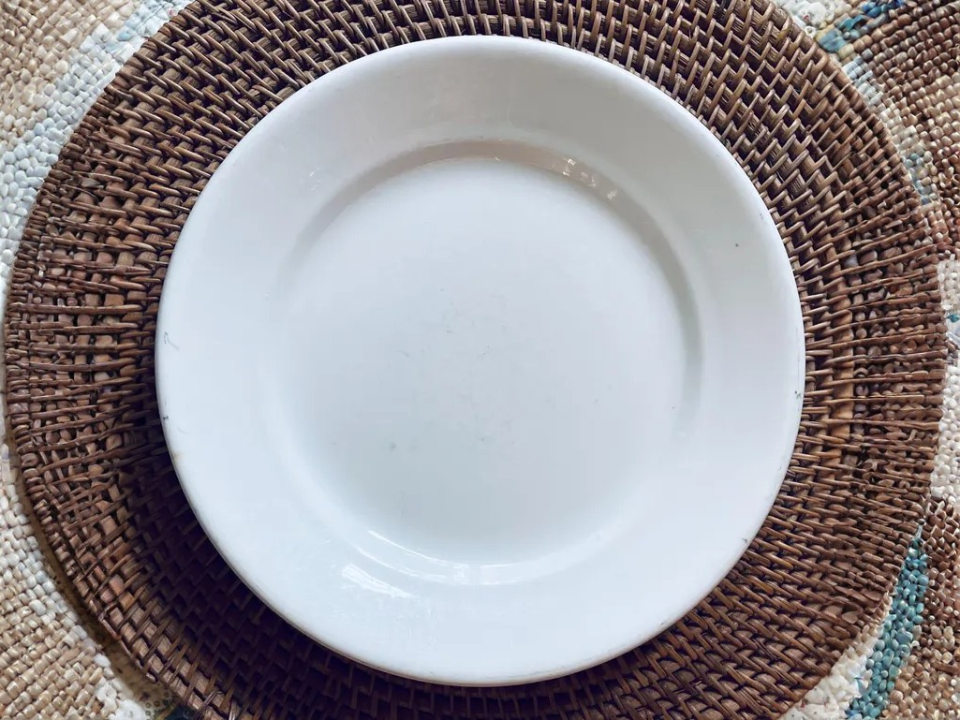
An American ironstone platter adds variety to a display because the stamp style and forms can differ from English wares. Knowles, Taylor, and Knowles produced wares from 1854 through 1931, and many ironstone platters found today date from the late 1800s to early 1900s based on the mark. Collectors like the thick body and the clear KTK identity on the underside. Market value often sits around $30 to $90, with larger sizes, cleaner rims, and stronger stamps bringing more.
Rim nicks are common, so run a fingertip gently around the edge to find small chips that photos may hide. A platter that lies flat without rocking is usually a safer choice than one with a warped feel or stress lines near the foot. For display, stand it at the back of a cabinet or use it under a stack of bowls to add height and structure. For care, store upright with padding, avoid long soaking, and dry fully so staining does not deepen in crazing lines.
Buffalo Pottery ironstone pitcher
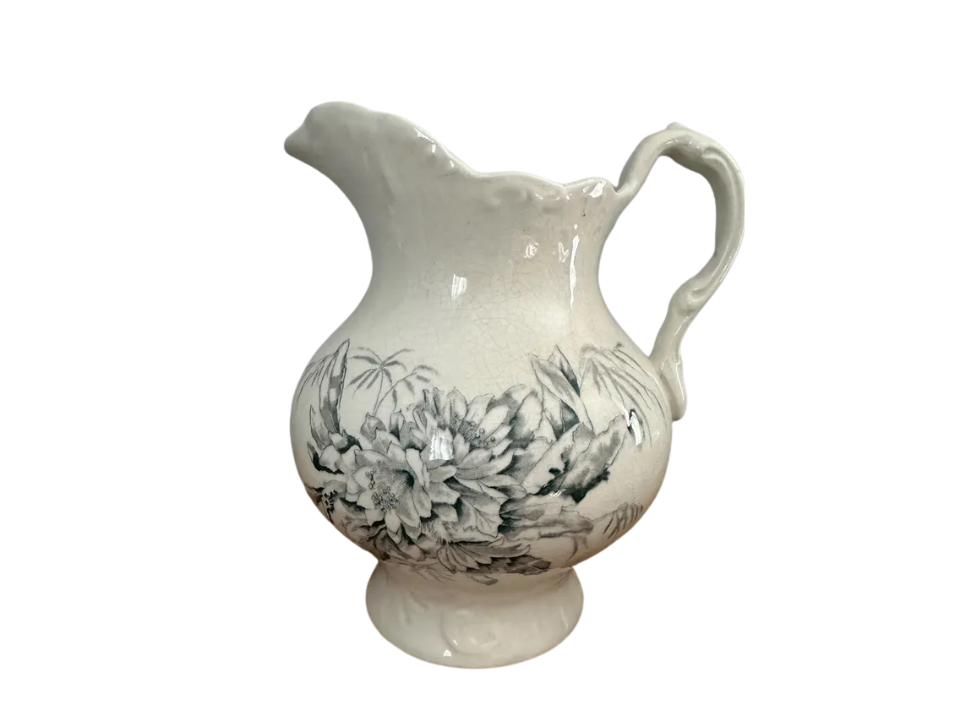
A Buffalo Pottery pitcher works well in decor because it feels sturdy and looks good even with minor age wear. Many examples were produced in the early 1900s, often around 1900 through the 1920s, depending on the stamp and form. People like the thick lip, the strong handle, and the way it holds branches or utensils without looking delicate. Market value often ranges from about $30 to $235, with larger sizes, cleaner spouts, and fewer cracks priced higher.
Inspect the spout tip and the handle join because those areas take stress and are common chip spots. Light crazing and faint staining can be acceptable for display, while a long crack that runs down the body usually lowers the value a lot. This pitcher looks great on a kitchen counter with wooden spoons, or on a mantel with dried stems for a simple arrangement. For care, do not leave water inside for days, wash by hand, and keep it away from steam and humidity that can worsen staining and crazing.
English tobacco leaf ironstone tureen
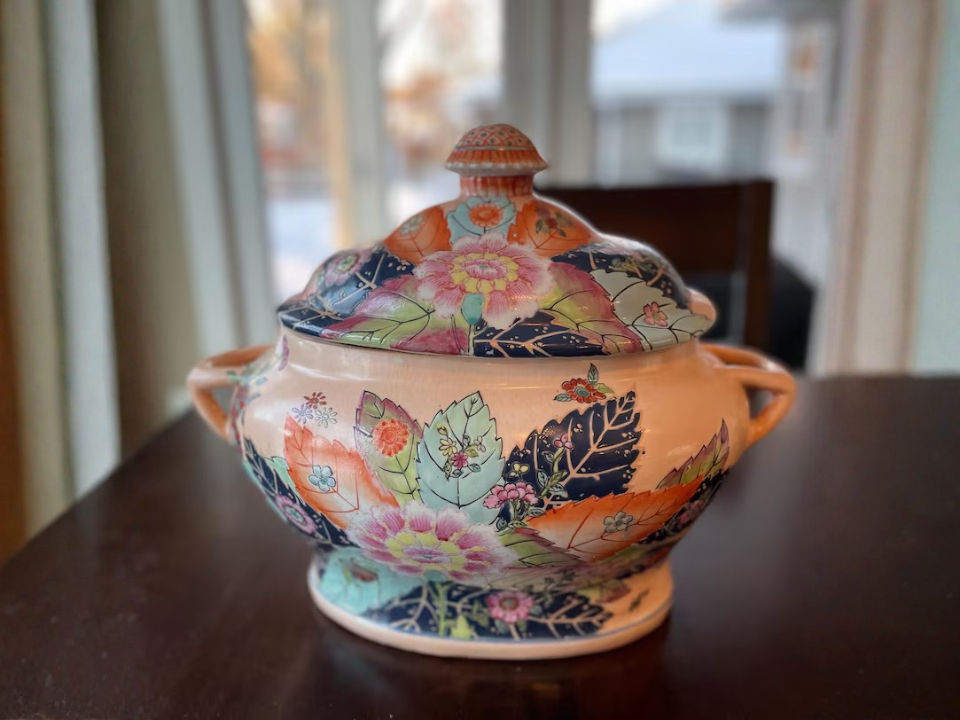
Patterned ironstone keeps drawing decorators because the color and detail add energy to a shelf without needing extra accessories. Many tobacco leaf ironstone tureens were produced in the mid to late 1800s, and they are often attributed to English makers based on style and construction. People like the saturated pattern that wraps around curves and the way a lidded form reads as a statement piece. Market value often sits around $150 to $600, with a lid, clean color, and fewer chips bringing higher prices.
Check the rim and lid edge first because chips there are common and can interrupt the pattern. Color rub on raised areas is normal, yet heavy wear that makes the design look patchy can reduce value. This tureen looks good centered on a table, or placed on a sideboard with a plain white platter behind it to balance the busy pattern. For care, keep it out of direct sun, store the lid separately with padding, and avoid damp storage that can stain the glaze over time.
English ironstone chinoiserie platter
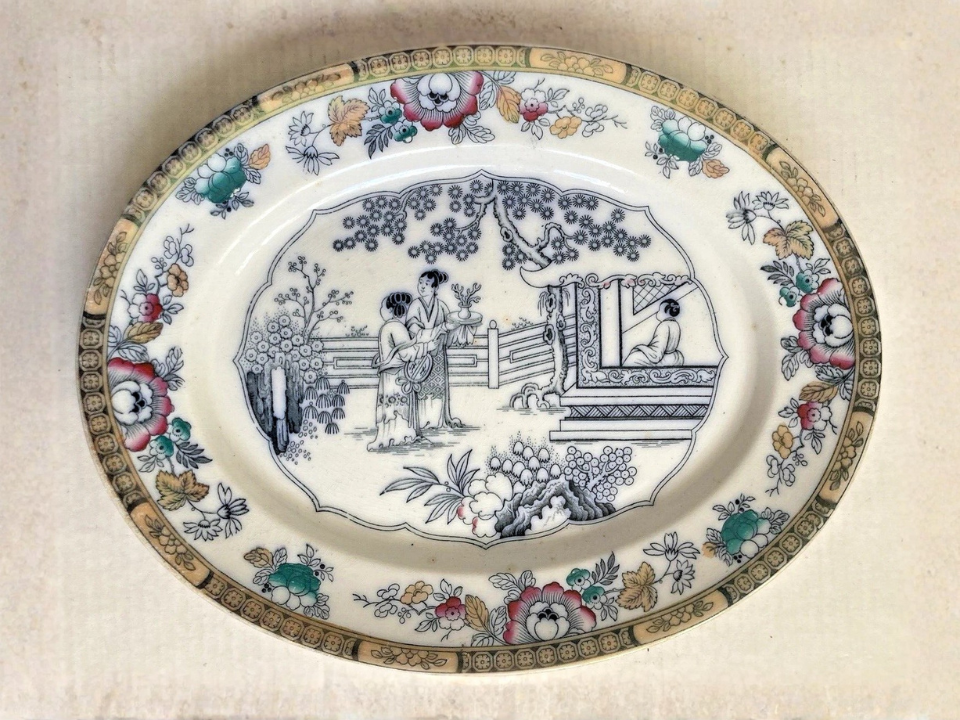
A chinoiserie-style platter works well in a cabinet because the pattern adds depth behind plain white pieces. Many English ironstone platters in this look were produced in the late 1800s, often around the 1880s to 1890s, based on marks and style. Decor lovers like the large face that shows off the design even when the platter is standing upright. Market value often runs about $150 to $350, with cleaner corners and fewer chips placed higher.
Corners and rim points are the first places to chip, so inspect those spots closely. Light surface wear can still look attractive in a layered display, while long cracks across the center usually lower the value sharply. For display, stand it on a plate stand behind a group of white pitchers and bowls to create contrast. For care, store upright with padding, wash by hand with mild soap, and dry fully before putting it away.
John Edwards white ironstone pitcher
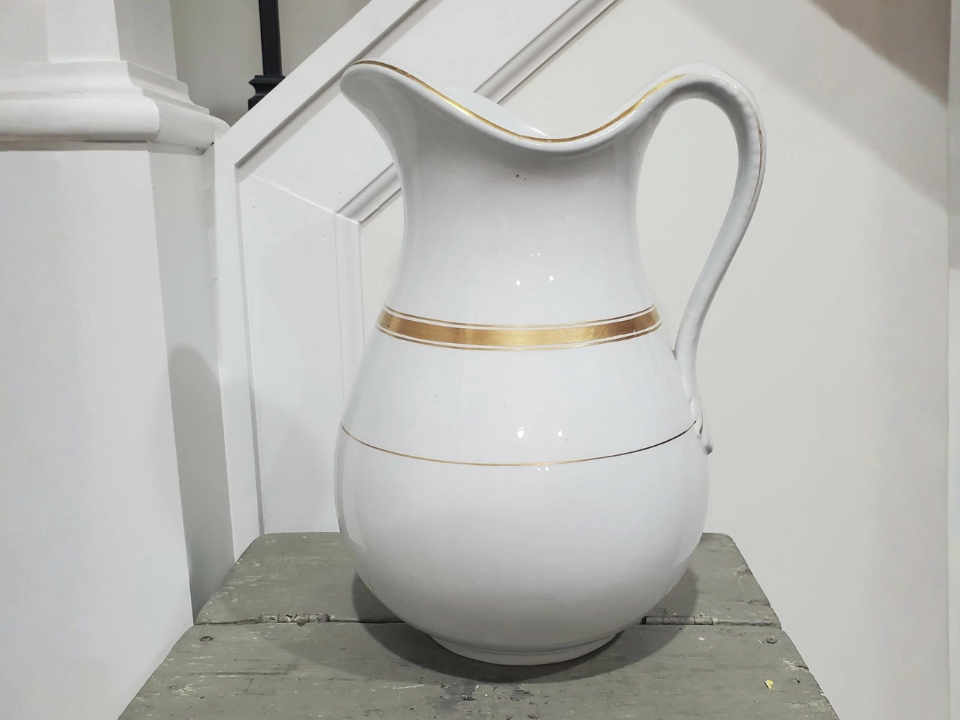
A John Edwards pitcher is popular for decor because it often has a slightly more decorative handle and profile than many plain hotel-style pitchers. Many were produced in the late 1800s, commonly dated around the 1880s to 1890s, when similar marks and forms appear. Collectors like the heavy feel and the calm white glaze that blends easily into kitchen or dining displays. Market value often ranges from about $40 to $140, with larger sizes and cleaner lips bringing higher prices.
Lip chips are common, so inspect the rim from several angles since small damage can hide in the glaze shine. A pitcher that stands straight with no wobble is usually a better long-term display piece than one with a stressed base. This style looks good with dried flowers or grouped with a platter and a small stack of plates for a simple arrangement. For care, wash by hand, avoid rough pads, and dry fully after use to reduce staining inside.
G L Ashworth and Bros ironstone covered dish
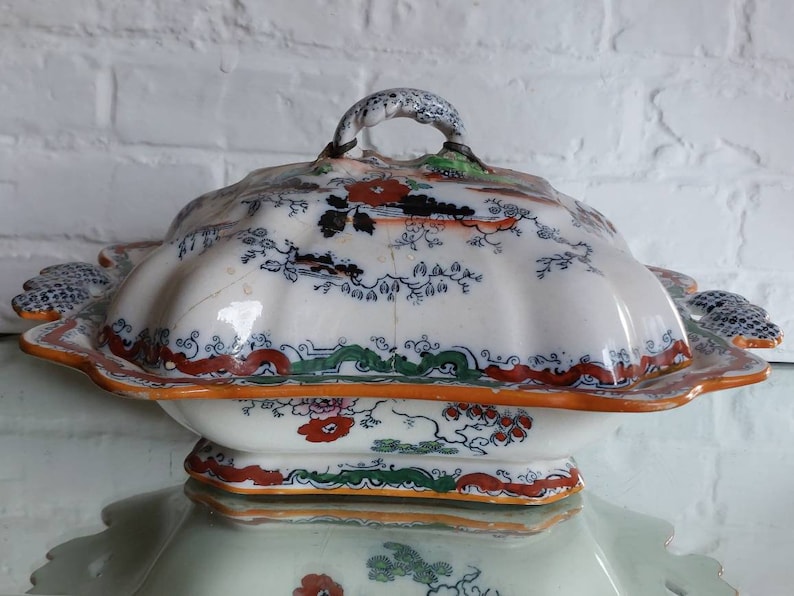
A covered dish stays popular in decor because the lid adds height and gives the piece a finished look. G L Ashworth and Bros produced ironstone in the late 1800s into the early 1900s, with stamp details used to place pieces within that span. Decor lovers like the fitted lid, the clean curves, and the way covered forms look classic on a shelf or sideboard. Market value often sits around $75 to $250, depending on lid fit, chips, and staining.
The lid rim is the first place to chip, so check the underside edge where small damage can hide. A lid that sits flat and even usually signals less warping and fewer old knocks. For display, place it in front of a platter or beside a pitcher so the heights vary, and the shelf looks balanced. For care, store the lid and base with a soft barrier, keep the interior dry, and avoid damp rooms that can trap odors inside closed forms.
This article originally appeared on Avocadu.