
11 Late-Winter Pruning Jobs That Pay Off in Spring
Late winter is one of the best times to tackle important pruning tasks before spring growth begins. In February through early March, most plants are still dormant, which makes it easier to see their structure and remove dead or crowded branches. Pruning during this window helps lower the risk of disease and directs stored energy into strong new growth once temperatures rise. With a few well-timed cuts, you can set trees, shrubs, and perennials up for a healthier and more productive season.
This post may contain affiliate links, which helps keep this content free. Please read our disclosure for more info.
Prune Summer Blooming Shrubs Like Hydrangea paniculata and Buddleja davidii
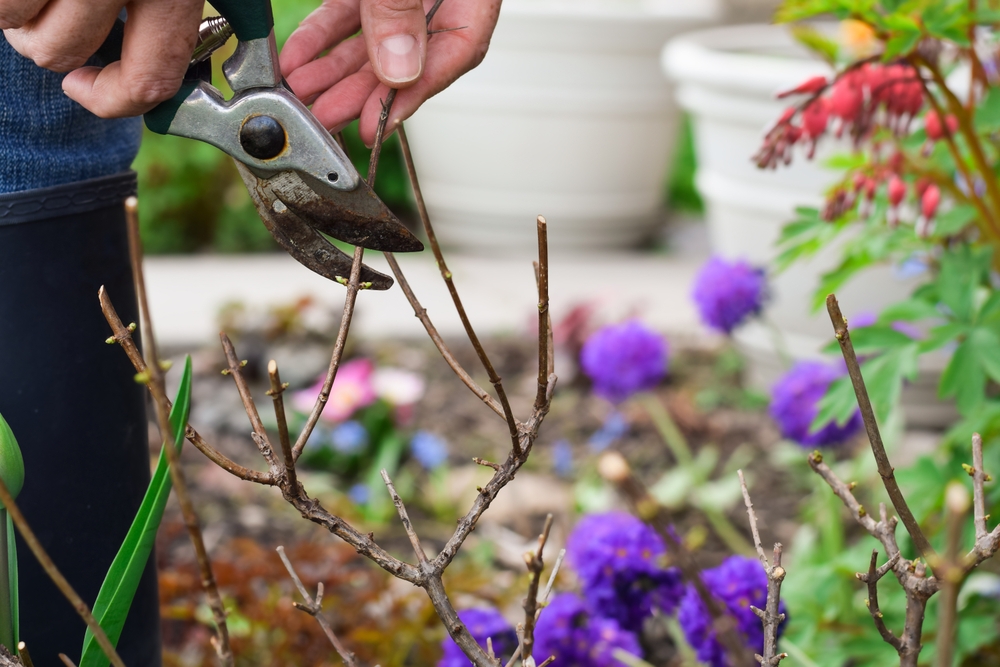
Late winter is one of the best times to cut back summer-blooming shrubs because they flower on new wood. In February or early March, these plants are still dormant, which makes it easier to see their branching pattern without leaves in the way. Removing weak or crowded stems now improves air circulation and reduces the chance of disease once growth resumes. With clean cuts made before sap begins to flow heavily, shrubs can direct stored energy into strong, fresh shoots.
Hydrangea paniculata and Buddleja davidii respond especially well to this timing. Cutting them back by one-third to one-half encourages sturdy stems that can support large flower clusters later in spring and summer. Since insects and fungal spores are less active in cold weather, pruning wounds face a lower infection risk. When warmer days arrive, these shrubs push out vigorous new growth instead of wasting energy on old wood.
Thin Out Overgrown Apple and Pear Trees
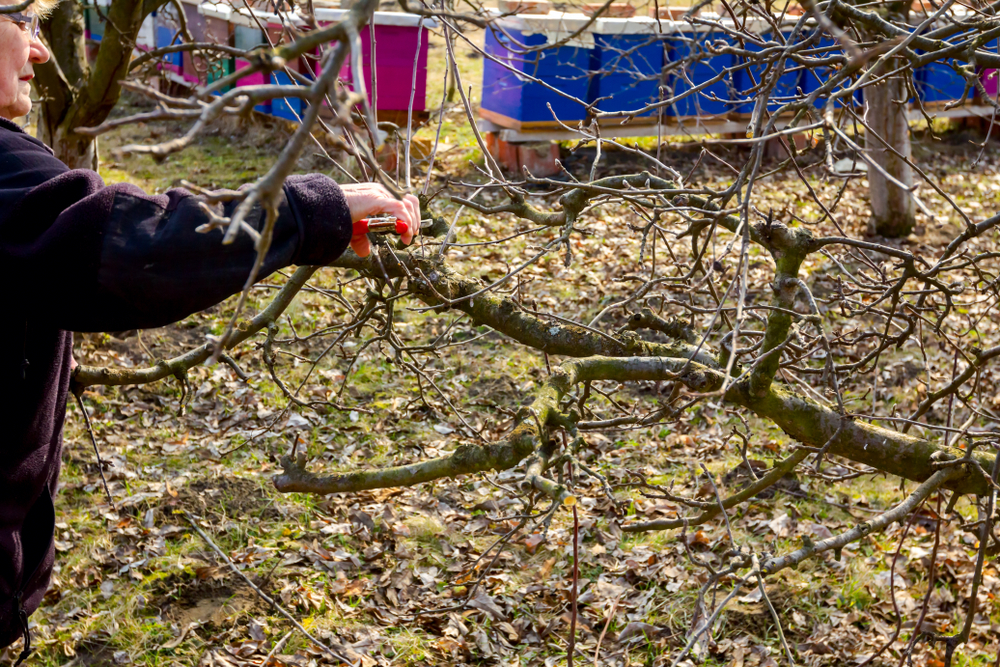
Fruit trees benefit greatly from late winter pruning while they are still asleep. Without foliage, it is easier to see crossing branches and dense interior growth that blocks sunlight. Removing crowded limbs improves airflow, which helps prevent common fungal problems once humidity rises in spring. Pruning at this stage directs the tree’s stored energy into productive buds rather than excessive leafy growth.
Apple and pear trees set fruit on specific types of spurs, and careful thinning helps balance fruit production. Cutting away damaged or downward-growing branches reduces strain later in the season. Cold weather also keeps pests inactive, lowering the chance of contamination through fresh cuts. By the time blossoms appear, the tree has a clearer structure and better light penetration.
Shape Roses Before Bud Break
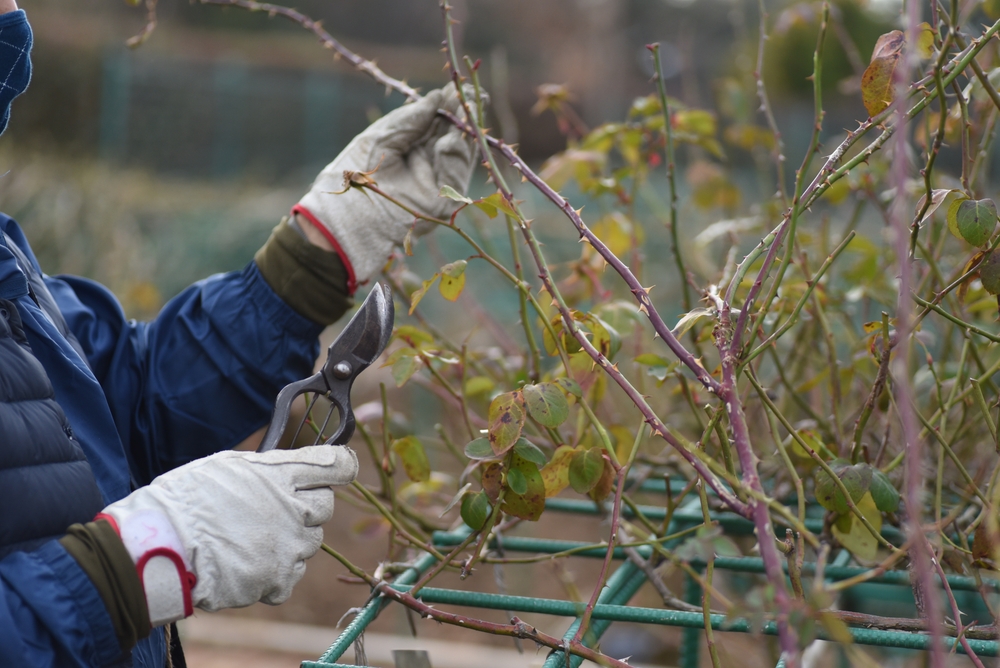
Most repeat-blooming roses respond well to pruning in late winter. When stems are bare, gardeners can easily identify dead wood and thin, spindly canes that need removal. Cutting back to outward-facing buds helps shape the plant and improves airflow, which reduces disease pressure during humid spring weather. Dormant pruning allows the rose to focus stored energy on fewer, stronger stems.
Removing weak growth also encourages larger blooms and sturdier canes. Since the plant has not yet begun active growth, pruning does not interrupt developing leaves. Cold-season cuts tend to heal cleanly before pests become active. As temperatures rise, roses send up fresh shoots with renewed vigor.
Cut Back Ornamental Grasses
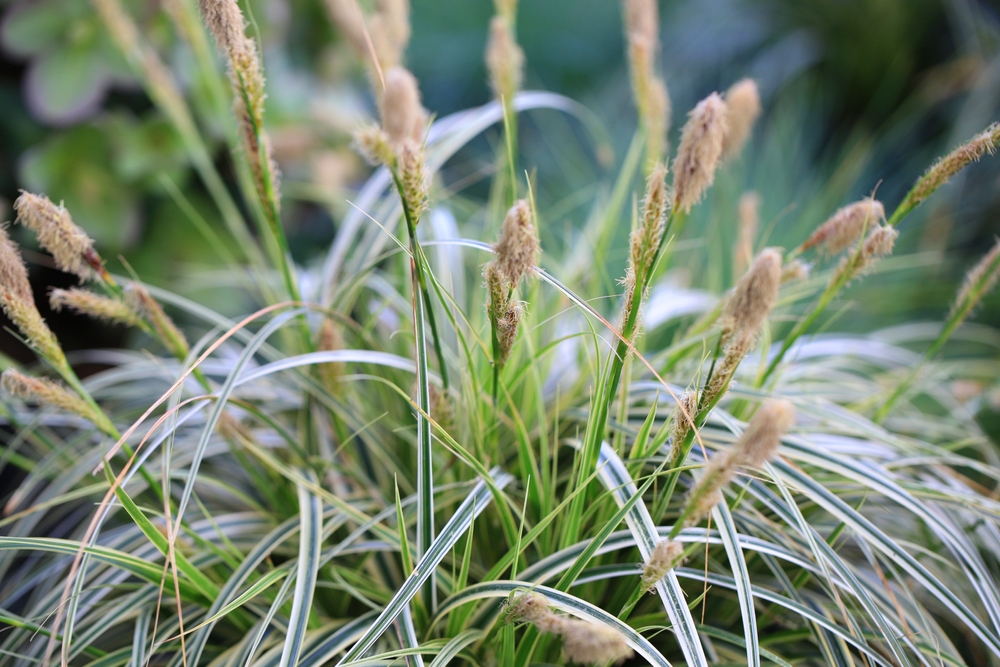
Late winter is ideal for trimming ornamental grasses before new blades emerge. The old, dried foliage makes it easy to see where to cut, usually a few inches above the ground. Removing last year’s growth reduces hiding places for pests and clears space for fresh shoots. Dormant roots can then channel energy into strong spring regrowth.
Waiting until just before growth begins prevents damage to tender new leaves. Clearing away dry material also improves airflow at the base of the plant. Since grasses are not actively growing, pruning stress is minimal. When warmth returns, new blades rise cleanly without tangling in old stems.
Prune Grapevines for Better Harvests
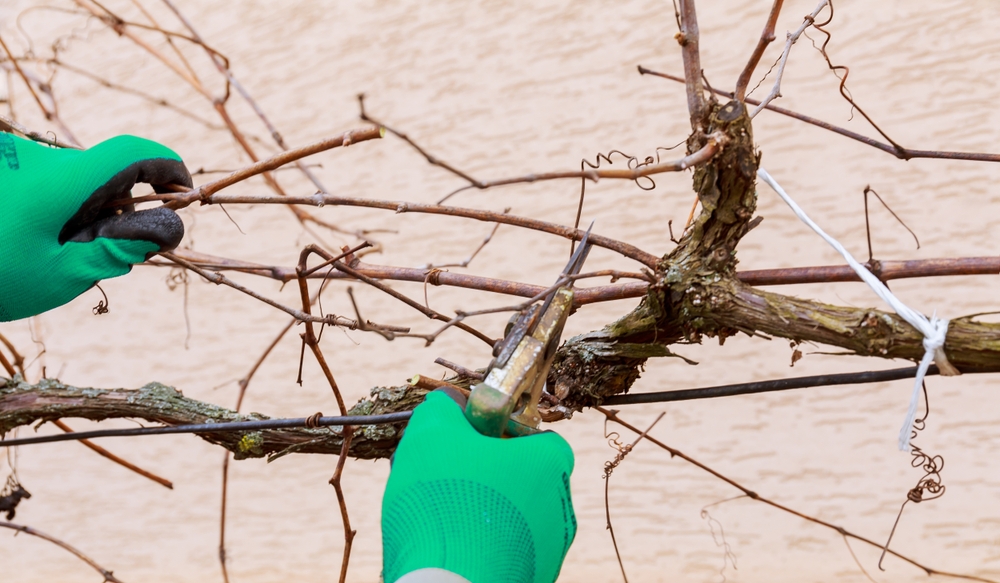
Grapevines require firm pruning during dormancy to control growth and fruit quality. In late winter, their structure is fully visible, making it easier to select strong canes for the coming season. Removing excess wood improves sunlight exposure and airflow around developing clusters. This reduces the risk of mildew once humidity increases.
Pruning too late can cause excessive sap flow, so February timing is often ideal in many climates. Cutting back to selected buds directs energy into fewer, more productive shoots. Dormant vines recover quickly once temperatures warm. By spring, balanced growth supports healthier fruit production.
Remove Deadwood from Shade Trees
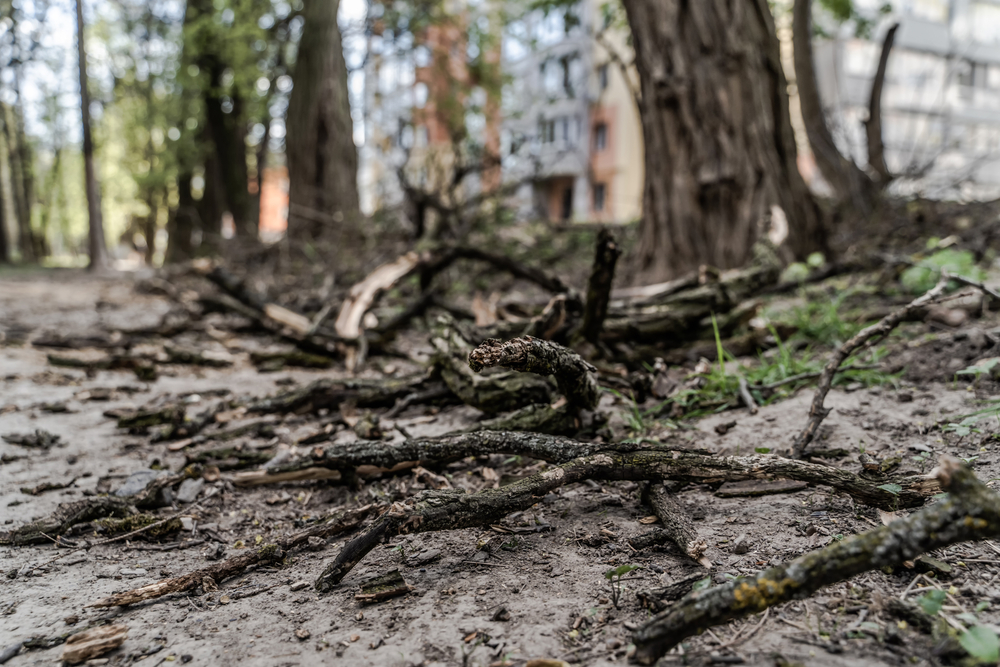
Late winter offers a clear view of the branch structure of deciduous shade trees because their leaves have already fallen. This makes it much easier to identify dead, damaged, or rubbing branches that can weaken the tree over time. Removing these problem limbs during dormancy reduces stress on the tree and prevents unnecessary strain once leaves and new growth return. The cooler temperatures during February and early March also help lower the risk of disease entering fresh pruning cuts.
Cleaning out deadwood allows the tree to direct its stored energy toward healthy buds and branches as spring approaches. It also improves airflow and light penetration through the canopy, supporting stronger leaf growth during the growing season. Removing crossing branches can prevent wounds caused by limbs rubbing together during windy weather. When done before the tree begins active growth, pruning helps the tree start spring with a cleaner structure and stronger overall balance.
Trim Blueberry Bushes
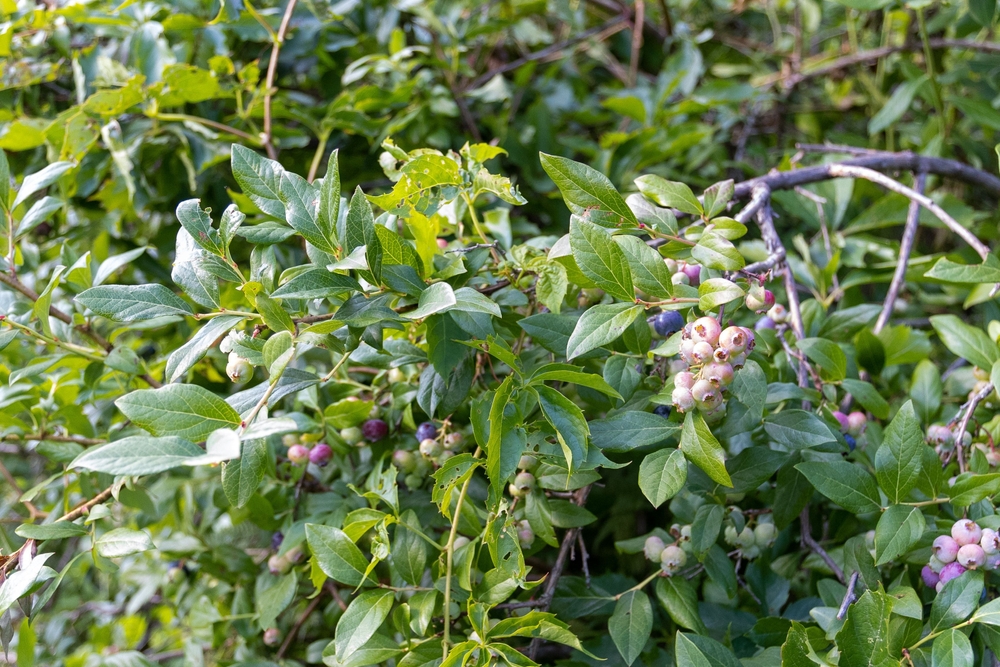
Blueberry bushes benefit greatly from pruning while they are dormant in late winter. With no leaves present, it becomes easier to see the older gray stems that no longer produce the best fruit. Removing these older branches makes room for younger wood that is more productive. The open structure that results allows better airflow and sunlight exposure, which helps reduce fungal problems once spring humidity increases.
Cutting back weak or crowded twigs also encourages stronger new shoots to grow from the base of the plant. Late winter pruning helps the bush direct its stored nutrients into fewer branches, which often results in larger and healthier berries. Since the plant has not started active growth yet, it recovers quickly once temperatures begin to warm. By the time spring arrives, the bush is ready to push out vigorous new growth that supports a better harvest.
Cut Back Clematis That Bloom on New Wood
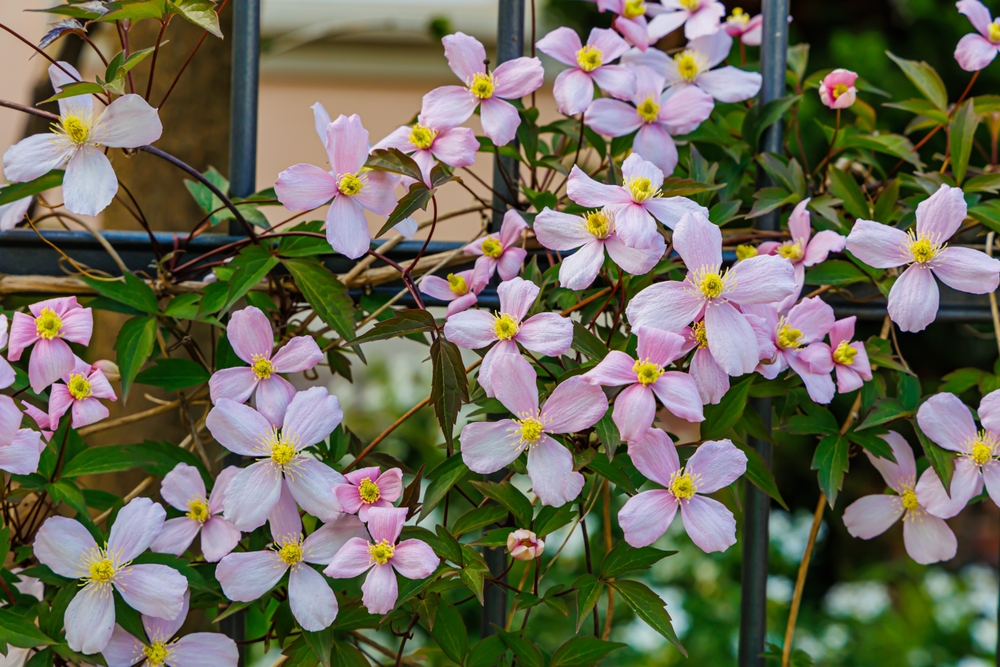
Certain clematis varieties produce flowers on new growth that forms during the current season. Pruning these vines in late winter helps remove tangled stems and clears space for healthy shoots to grow. Because the plant is still dormant, it is easier to see the base structure of the vine and locate healthy buds along the stems. Cutting back older growth at this time encourages strong regrowth once temperatures begin to rise.
Late winter pruning also helps prevent overcrowding, which can lead to poor airflow around the plant later in the season. When air moves more freely around the stems and leaves, the chance of fungal disease becomes lower. Removing excess growth allows the plant to direct its stored energy into fewer stems, which often leads to fuller flowering. As spring arrives, the vine begins producing fresh growth that supports a strong display of blooms.
Shape Boxwood and Other Hedges
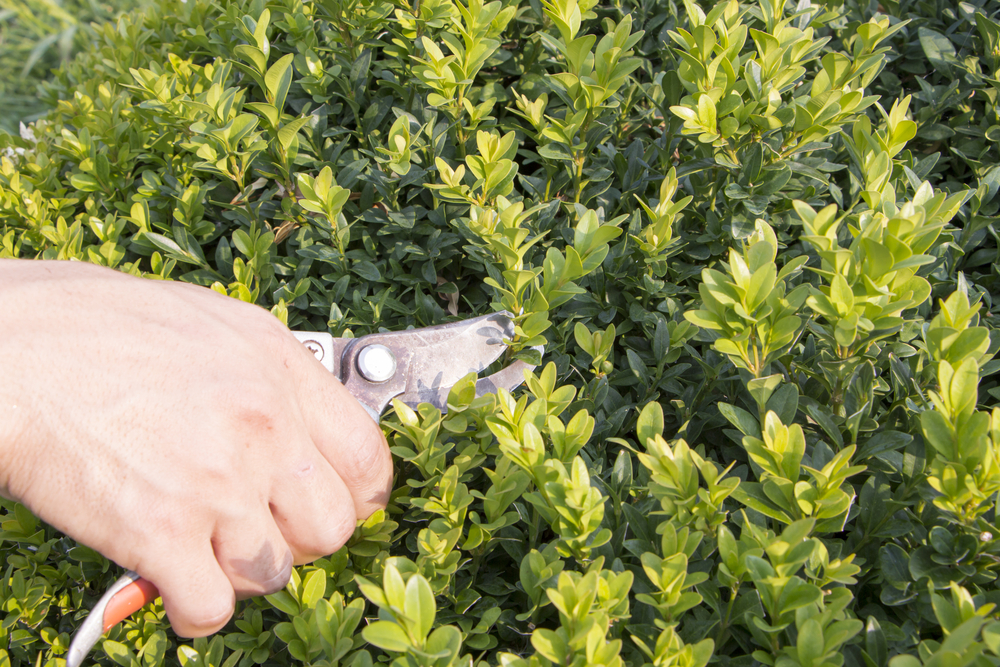
Late winter is a good moment to tidy up boxwood and other evergreen hedges before the new flush of growth appears. The plant structure is easier to see before the season’s fresh leaves begin to expand. Light trimming during February or early March helps correct uneven areas and keeps the hedge looking balanced. Making these cuts before active growth begins allows the plant to respond with fuller growth once spring temperatures arrive.
Pruning at this time also prevents gardeners from cutting away fresh, tender growth that will appear later in the season. The cooler conditions reduce the chance of pests or disease entering pruning wounds. A well-shaped hedge allows sunlight to reach the interior branches, which keeps the plant from becoming thin in the center. As new leaves develop in spring, the hedge fills in evenly and maintains a neat appearance.
Cut Back Perennial Flower Stalks
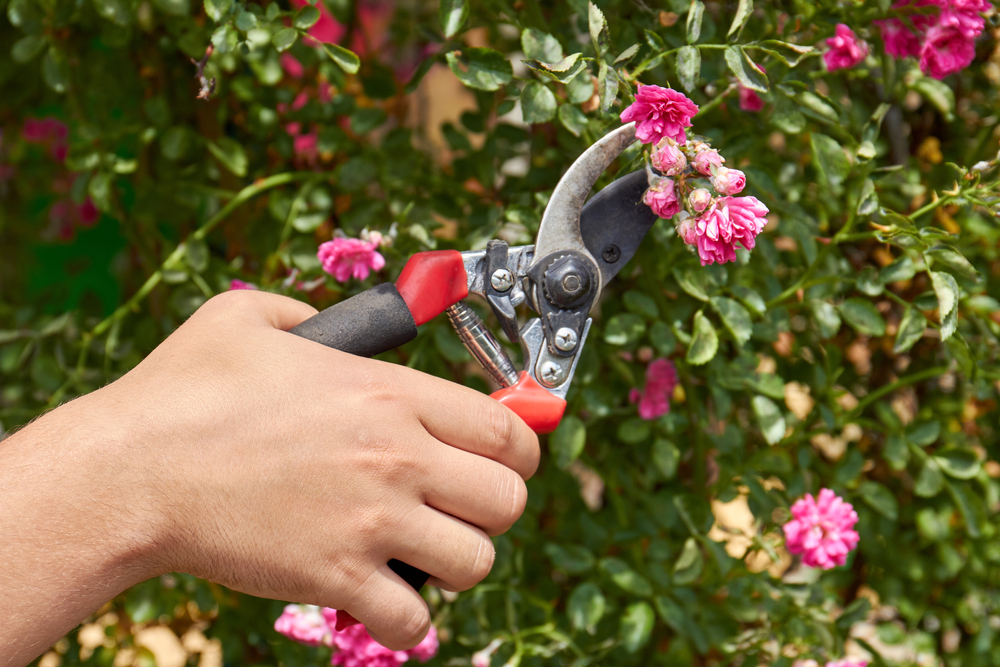
Many perennial plants are left standing through winter because their dried stems add texture to the garden and can provide shelter for wildlife. By late winter, these old stalks can be removed before fresh growth begins to appear. Cutting them back during February or early March clears space for the new shoots that will soon rise from the base of the plant. The dormant stage makes it safe to prune without damaging emerging growth.
Removing the previous season’s stems also helps reduce the chance of disease lingering in the garden bed. Old plant material can hold moisture and create a place where fungal issues develop once temperatures warm. Clearing the area allows sunlight to reach the soil more easily, which can warm the ground faster as spring approaches. As a result, perennials begin the growing season with clean space and healthy new foliage.
Prune Smoke Bush and Ninebark
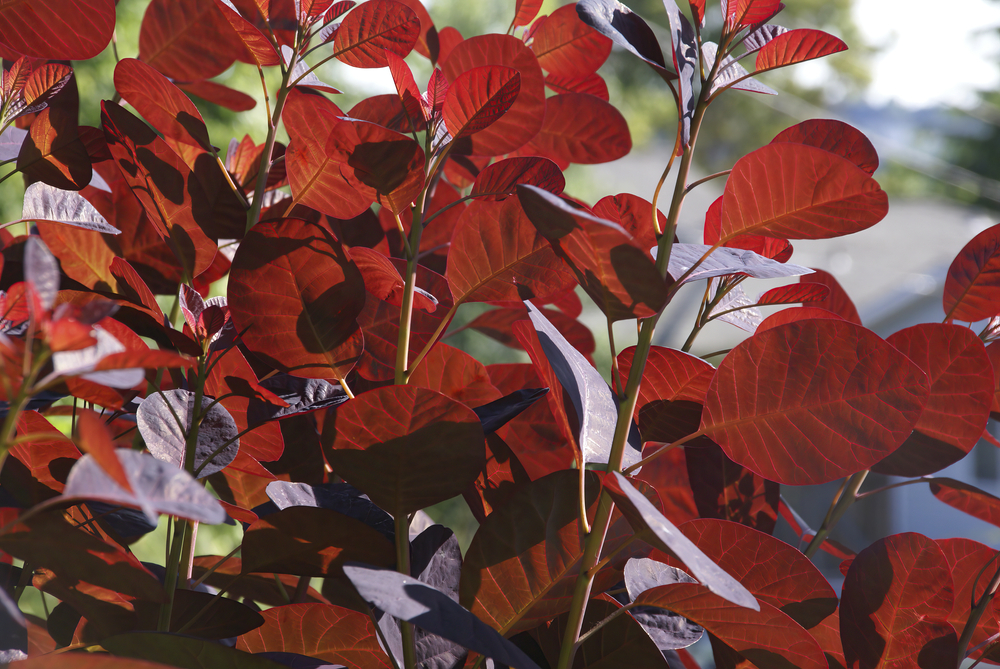
Smoke bush and ninebark are shrubs known for their colorful foliage and attractive branching structure. Late winter is a good time to prune them because the bare branches make it easy to see their overall shape. Removing older stems during dormancy helps encourage fresh growth that carries brighter leaves once spring begins. The cooler temperatures during this period also help reduce the risk of infection through pruning wounds.
Cutting back some of the older wood allows sunlight to reach the interior of the shrub, which helps new shoots grow more evenly. Thinning crowded areas also improves airflow, which becomes important once leaves begin to fill in during spring. Since the plants are still resting during this time of year, pruning does not interrupt active growth. When warmer weather arrives, the shrubs respond by producing healthy shoots and fuller foliage.
This article originally appeared on Avocadu.