
11 End-of-Winter Hot Springs Trips for a Warm Soak and Cold-Air Walks
Late winter is one of the best times to plan a hot springs trip in the United States. February and March bring crisp air, quieter trails, and lingering snow that makes a warm soak feel even more satisfying. A scenic hike in cool weather followed by time in natural mineral water creates a simple balance between movement and rest. From mountain retreats to desert pools, these end-of-winter hot springs destinations offer the perfect mix of cold air walks and relaxing soaks before spring fully arrives.
This post may contain affiliate links, which helps keep this content free. Please read our disclosure for more info.
Chena Hot Springs
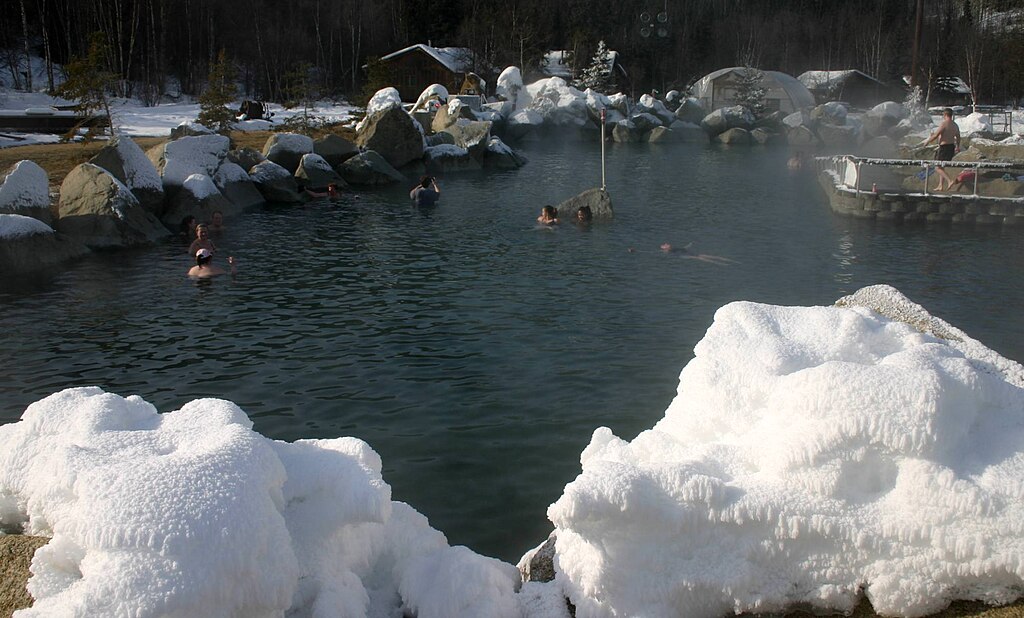
Late winter around Fairbanks still feels deeply wintery, with thick snow covering the forest and temperatures that keep the air crisp and clear. Trails around the resort and nearby public paths move through quiet stands of spruce and birch where the landscape looks almost untouched. February and early March bring slowly increasing daylight, which means longer walks through snowy scenery without heavy crowds. The cold air makes every step feel refreshing, especially when the forest falls completely silent after a fresh snowfall.
After spending time outside, the outdoor rock pool feels incredibly welcoming. The mineral water stays comfortably warm while steam rises into the freezing air, creating a dramatic contrast that feels uniquely Alaskan. On calm evenings, the sky can fill with bright stars and sometimes even the northern lights. The feeling of warm water against cold air makes the soak feel even more relaxing after a snowy walk.
Ojo Caliente Mineral Springs Resort & Spa
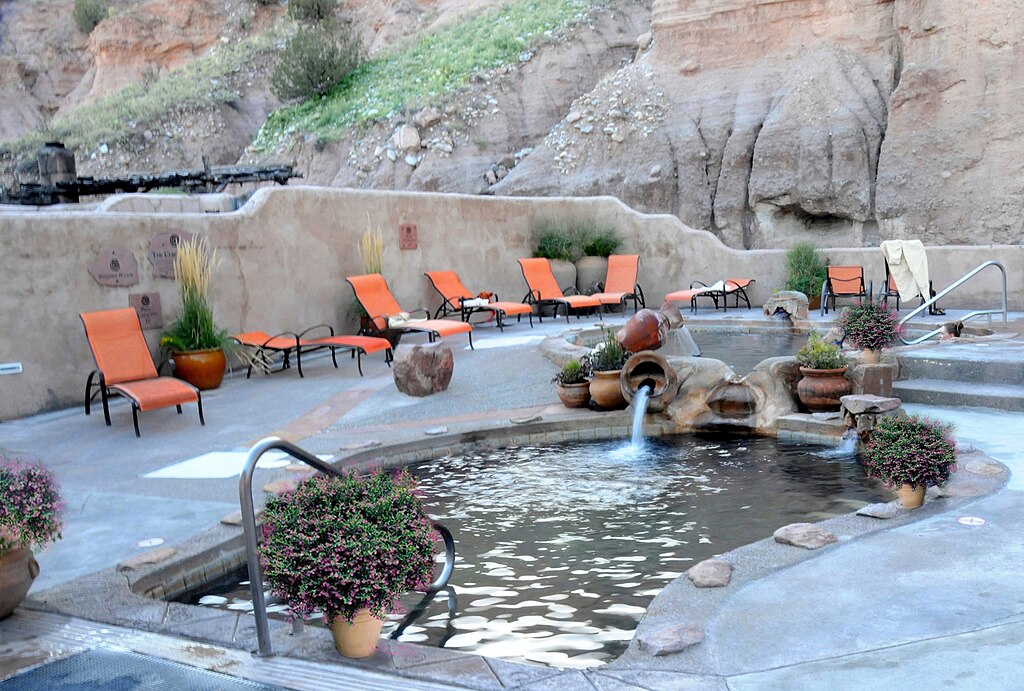
Northern New Mexico’s high desert feels especially peaceful at the end of winter. February and March bring cool mornings and sunny afternoons that make hiking comfortable without intense heat. Trails near the springs move through red rock hills, wide desert valleys, and quiet stretches of sagebrush. The scenery feels spacious and calm, and occasional light snow on distant ridges adds a gentle winter atmosphere.
Returning from a hike, the warm mineral pools provide a relaxing contrast to the desert air. Ojo Caliente features several pools with different mineral content, which gives the soaking experience variety and depth. The cool breeze across the desert makes the warm water feel even more soothing. Late winter also means fewer visitors, which creates a calm and unhurried atmosphere around the pools.
Strawberry Park Hot Springs
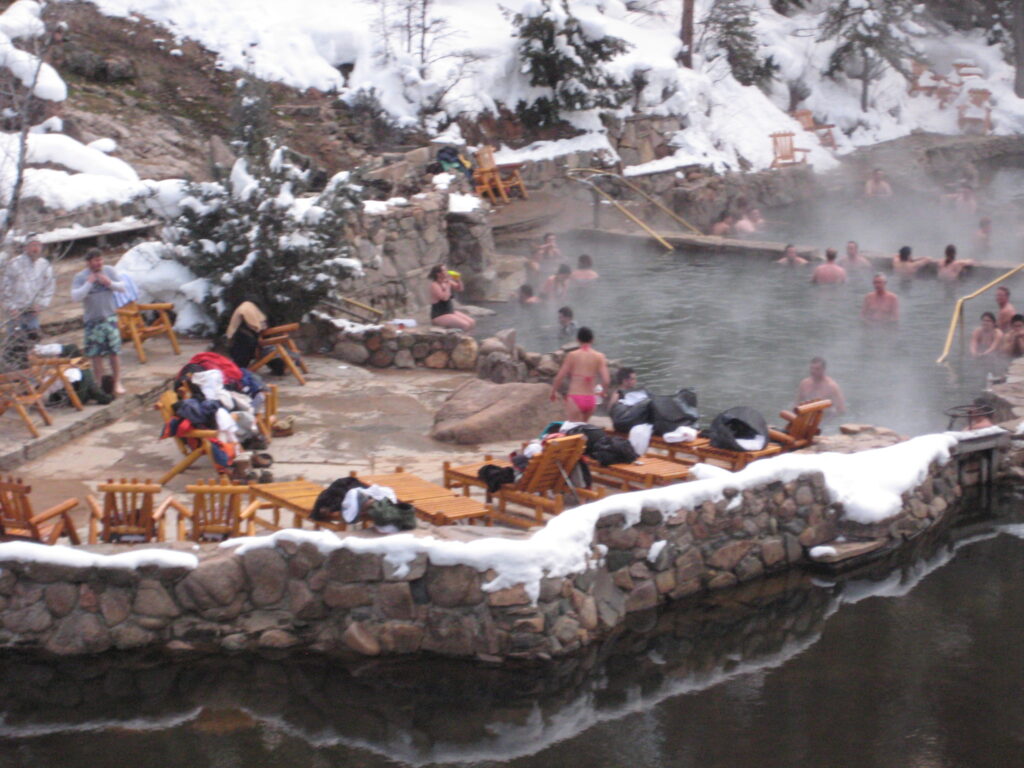
Steamboat Springs remains firmly in winter during February and early March. Snow blankets the forest and nearby trails, turning even short hikes into scenic winter walks. Routes through Routt National Forest pass quiet pine trees, frozen creeks, and soft snow that reflects the bright mountain sun. The cold alpine air keeps the surroundings crisp and invigorating.
Strawberry Park’s natural stone pools sit tucked into the forest and feel wonderfully rustic. Steam curls upward from the hot water while snow rests on the surrounding rocks and trees. The warmth feels especially comforting after walking through the snowy forest. The peaceful mountain setting makes the soak feel like a calm pause in the middle of winter.
Glenwood Hot Springs Resort
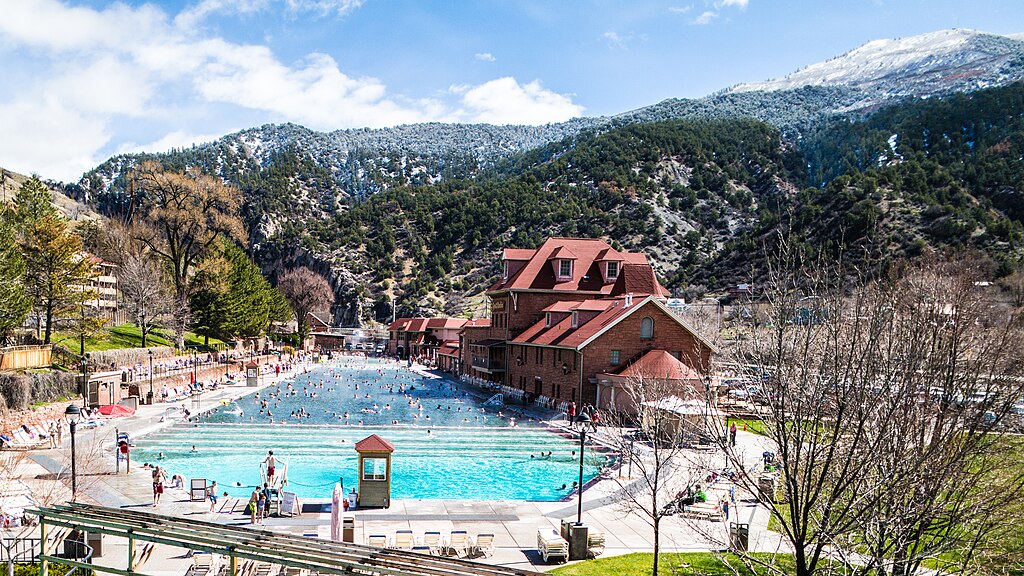
Glenwood Springs sits in a dramatic mountain valley where canyon walls frame the Colorado River. Late winter keeps the air cool and the trails pleasantly quiet compared with summer months. Walks along the river path or nearby canyon trails provide scenic views of cliffs, flowing water, and patches of lingering snow. The clear mountain air makes every step feel refreshing.
The historic hot springs pool remains one of the largest mineral pools in the country. After a cold walk through town or along the river, stepping into the warm water feels instantly relaxing. Steam drifting above the pool contrasts beautifully with the snow-touched mountains in the background. The combination of mountain scenery and steady warmth creates a memorable end-of-winter experience.
Deep Creek Hot Springs
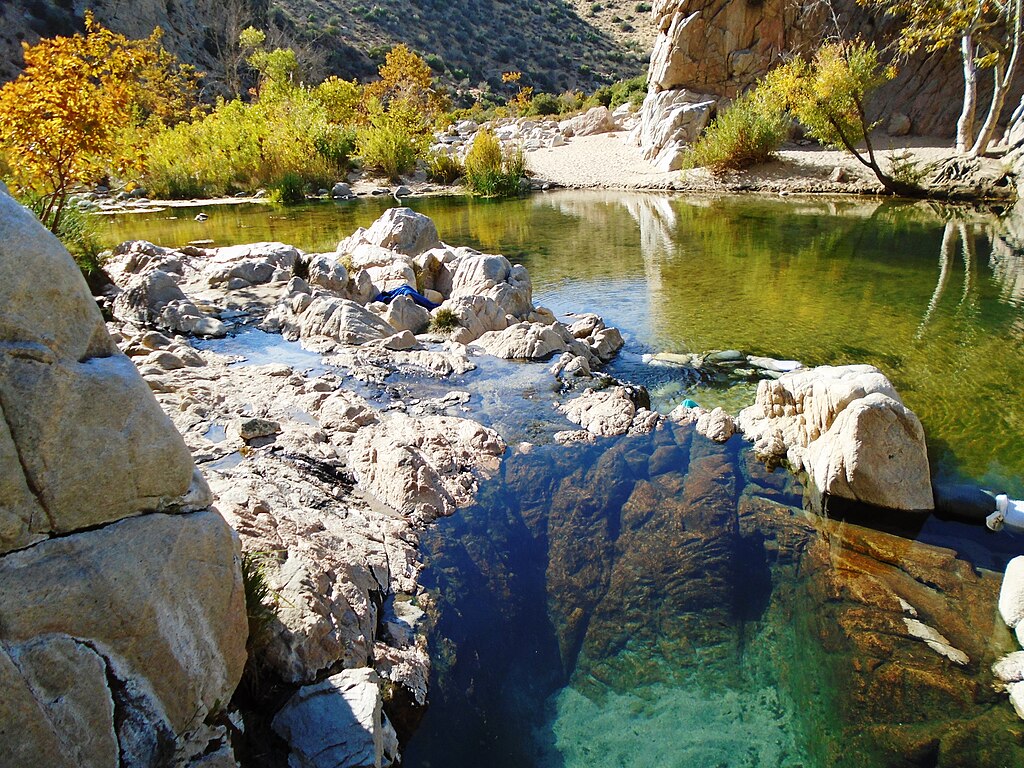
The hike to Deep Creek Hot Springs winds through rolling hills and desert terrain that feels especially pleasant in late winter. February and March usually bring mild temperatures that make the uphill sections comfortable without the harsh heat of summer. The trail offers wide views of the surrounding mountains, and distant peaks sometimes still hold traces of snow. The open scenery and quiet atmosphere create a relaxing setting for a steady walk.
At the end of the trail, several natural pools sit beside the flowing creek. The mineral water stays warm year-round, and slipping into the pool after the hike feels rewarding. Cool air moving through the canyon contrasts nicely with the warmth of the water. The combination of scenic walking and a soothing soak makes this destination ideal during the final stretch of winter.
Sol Duc Hot Springs Resort
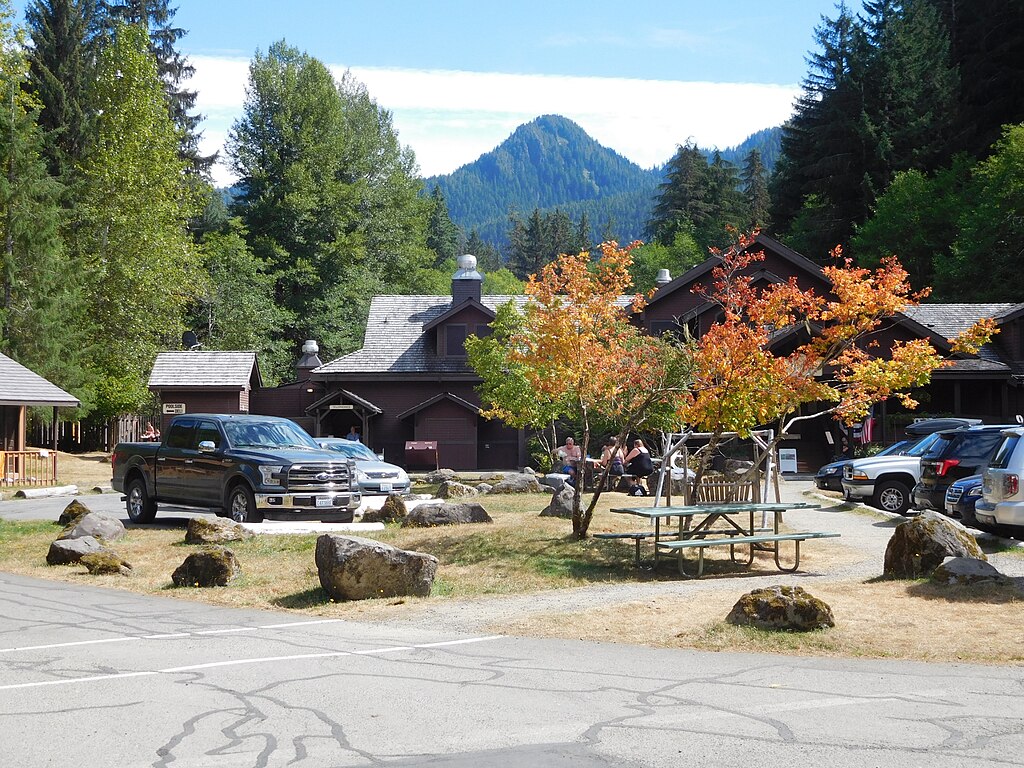
Olympic National Park feels especially dramatic at the end of winter. Trails near Sol Duc pass through towering evergreen forests, rushing streams, and moss-covered landscapes. February and March often bring cool air and misty mornings that add atmosphere to every walk. Snow remains on higher peaks while the lower forest trails stay accessible and peaceful.
The mineral pools at Sol Duc sit among the trees and remain comfortably warm throughout the year. Steam rising through the cool forest air creates a relaxing scene after a scenic hike. The sound of nearby streams and birds adds to the calm environment. This mix of woodland walks and warm soaking makes Sol Duc a perfect end-of-winter escape.
Travertine Hot Springs
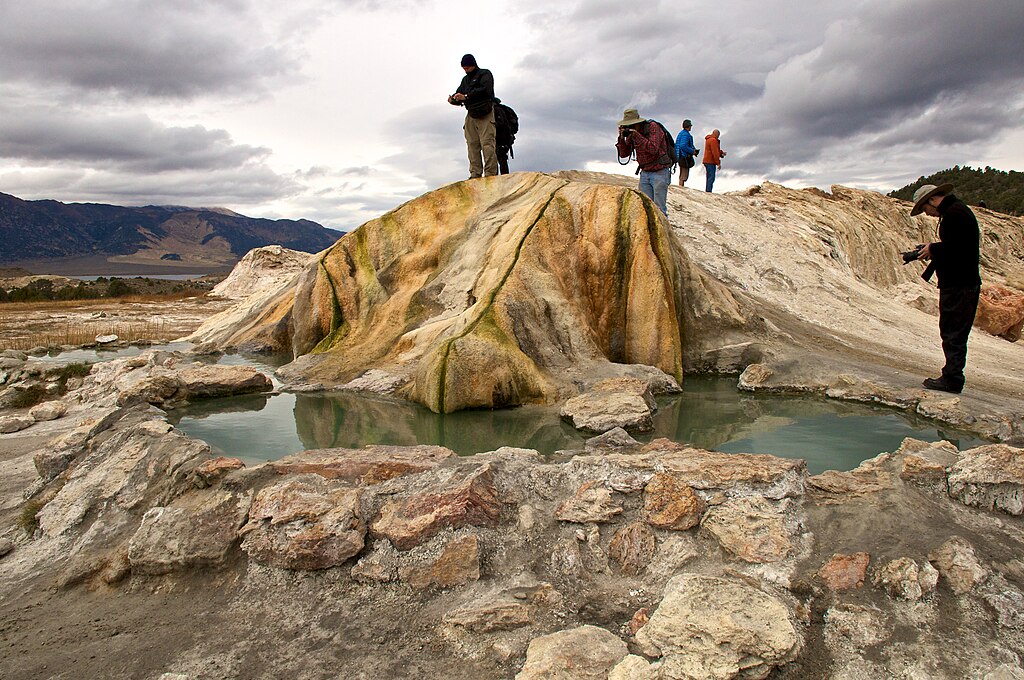
The high desert landscape near Bridgeport feels wide and open during late winter. Trails across sagebrush flats and gentle hills provide sweeping views of the Sierra Nevada, which often remain snow-covered in February and March. The dry air feels cool and refreshing, making outdoor walks comfortable and quiet. The scenery feels expansive and calm before spring visitors arrive.
Travertine Hot Springs features natural pools built among rock formations overlooking the valley. The warm mineral water contrasts strongly with the cool desert air and distant snowy peaks. After walking across the open terrain, soaking in the pools feels grounding and peaceful. The views of the surrounding mountains make the experience especially memorable.
Iron Mountain Hot Springs
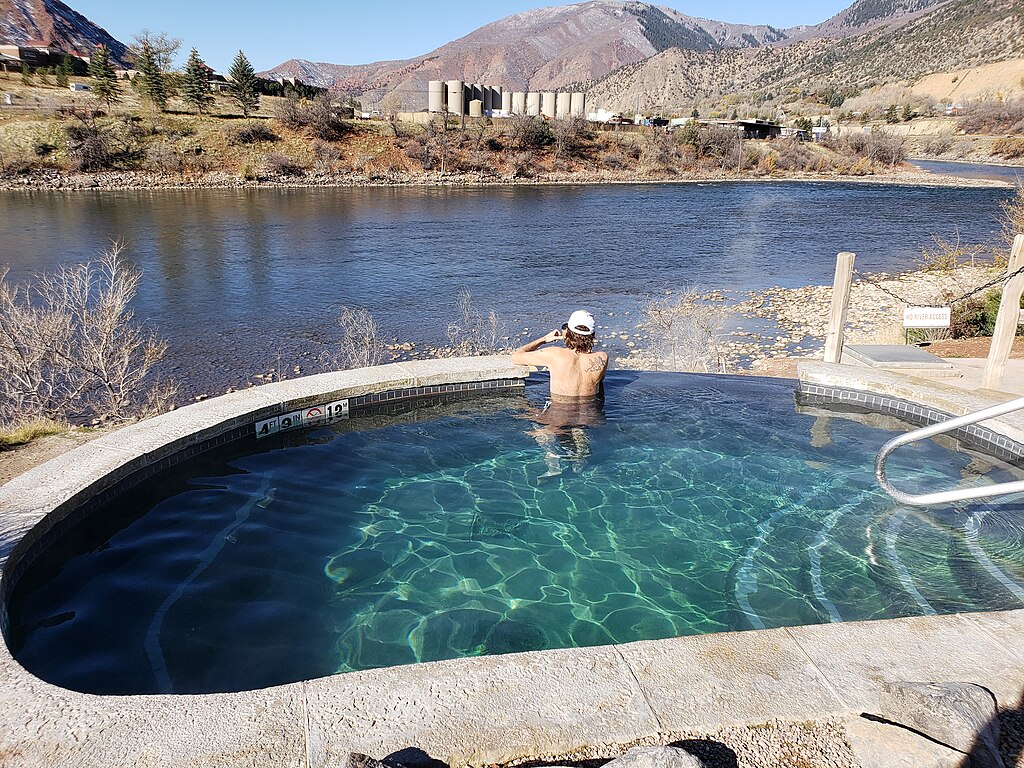
Iron Mountain sits on a hillside overlooking the Colorado River and surrounding canyon walls. Late winter walks along nearby trails offer views of snow-dusted slopes and flowing water below. The crisp mountain air makes hikes feel refreshing while avoiding the summer heat. The town remains lively yet less crowded during this time of year.
The resort features several small soaking pools with different water temperatures. Moving between pools allows you to enjoy steady warmth while looking out toward the river valley. Steam drifting upward against the winter scenery creates a calm and relaxing atmosphere. After time outdoors, the warm water feels especially restorative.
Burgdorf Hot Springs
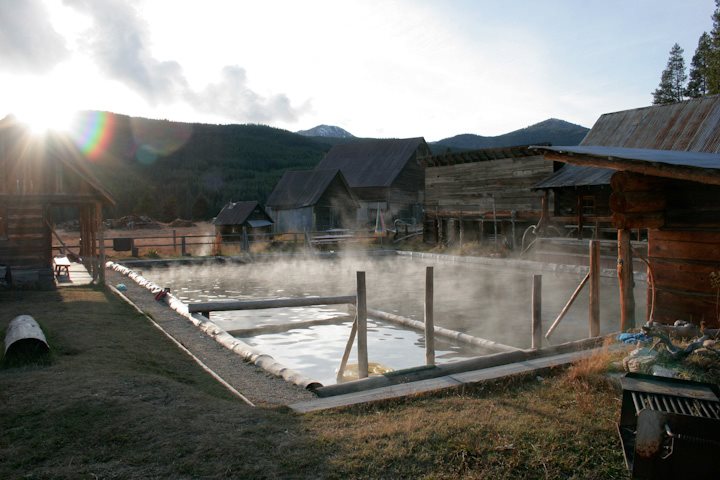
Burgdorf sits deep within the mountains of central Idaho, surrounded by tall pines and snowy terrain. Late winter travel here often includes snow-covered roads and a strong sense of remoteness. Snowshoe trails around the area provide quiet walks through forest landscapes that feel untouched. The cold mountain air adds a refreshing edge to every step.
The historic wooden pool at Burgdorf holds naturally heated mineral water that remains warm even in freezing temperatures. Steam rises through the crisp mountain air, creating a peaceful winter scene. After a snowy forest walk, easing into the warm water feels simple and deeply relaxing. The rustic setting adds to the charm of this quiet retreat.
Hot Springs State Park
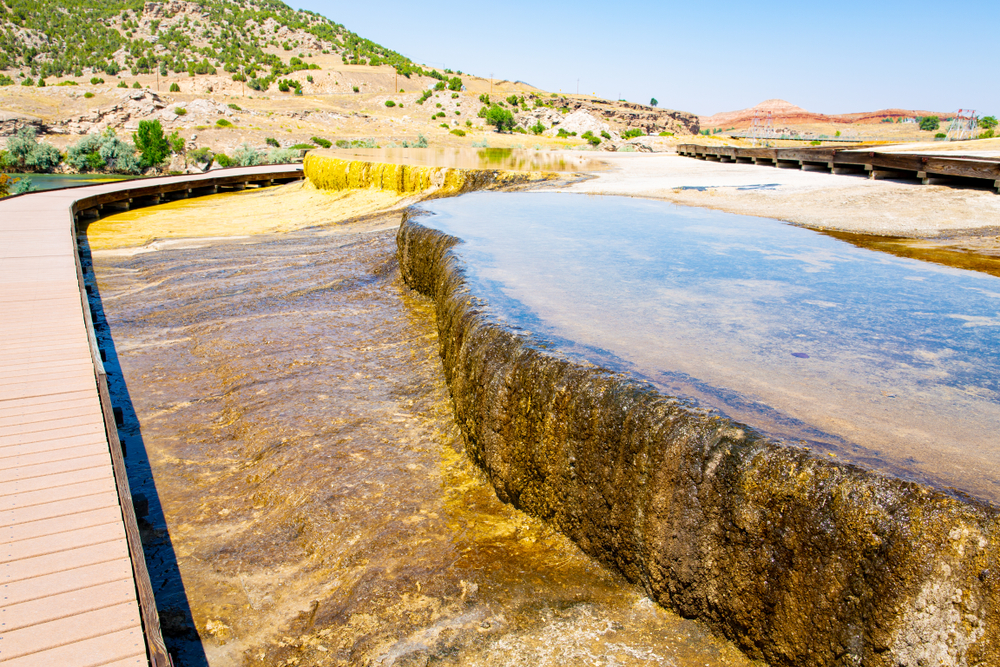
Thermopolis sits along the Bighorn River, where natural mineral springs have flowed for centuries. Late winter brings cool mornings and clear afternoons that are ideal for easy scenic walks. Paths through the park pass steaming terraces, river views, and gentle hills. Snow sometimes lines the trails, adding a soft winter atmosphere.
The bathhouse pools offer warm mineral water drawn directly from the springs. After a cool walk through the park, the steady warmth feels comforting and relaxing. Steam drifting across the water contrasts with the cold Wyoming air. The setting feels calm and welcoming during the final weeks of winter.
Umpqua Hot Springs
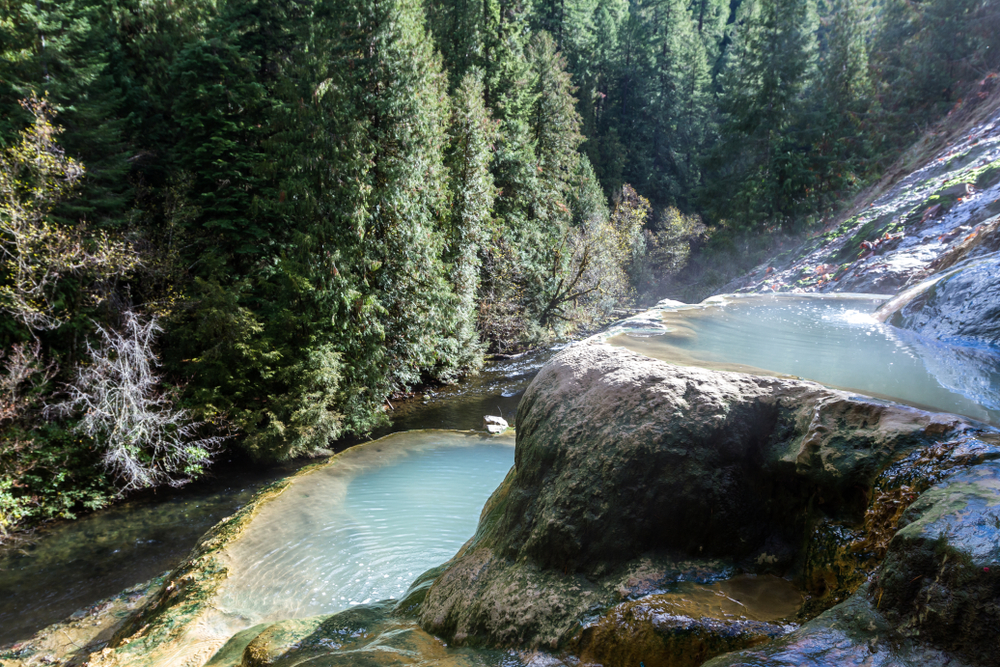
The forest around Umpqua feels lush and quiet during late winter. The short hike to the springs moves through moss-covered trees and overlooks the rushing North Umpqua River. February and March often bring cool, damp air that makes the forest feel fresh and vibrant. Fewer visitors keep the trail peaceful and reflective.
The tiered soaking pools sit on a hillside above the river canyon. Warm mineral water flows steadily while cool forest air surrounds the pools. After a woodland walk, soaking in the river while listening to its sound feels deeply calming. The peaceful setting makes this an excellent end-of-winter escape.
This article originally appeared on Avocadu.