
12 Cool-Season Vegetables You Can Still Plant Before Spring
Early spring is the perfect time to get cool-season vegetables into the ground while the soil is still workable and the air remains crisp. Hardy crops like spinach, kale, peas, radishes, carrots, and beets can be planted directly in garden beds and often tolerate light frosts without trouble. These vegetables actually prefer cooler temperatures and tend to grow better before warm weather arrives. Planting early gives roots time to establish and leaves time to mature before the heat slows them down.
This post may contain affiliate links, which helps keep this content free. Please read our disclosure for more info.
Spinach
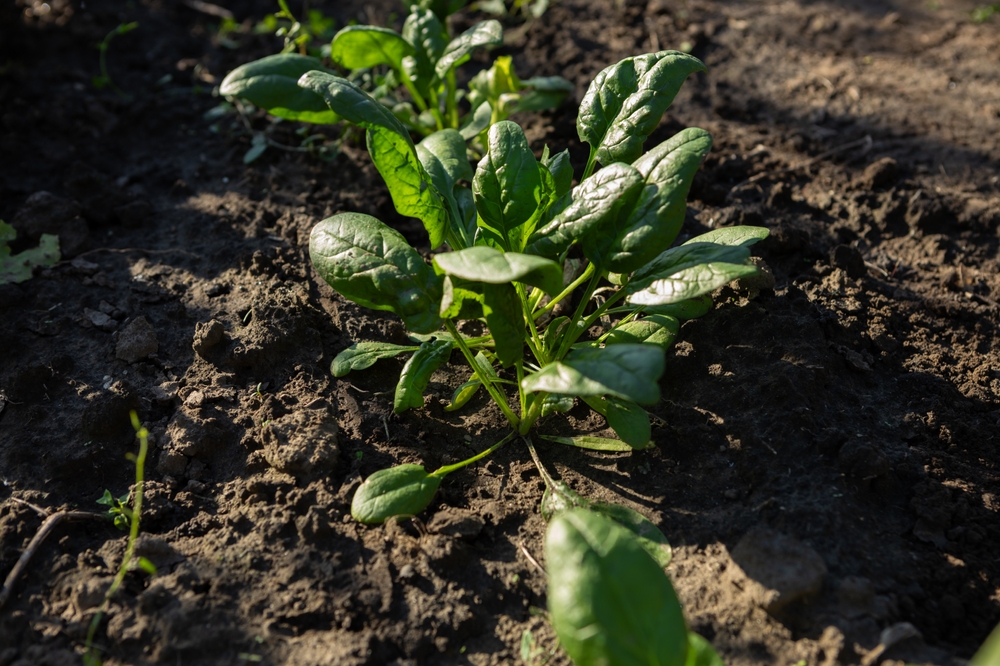
Spinach is one of the earliest vegetables you can plant because it thrives in cool soil and mild spring air. As soon as the ground is no longer frozen and can be raked smooth, spinach seeds can go directly into the bed. They germinate in soil temperatures as low as 40 degrees, which makes them ideal for very early planting. Light frosts rarely damage young plants, and established leaves can tolerate several chilly nights without trouble. This ability to handle cold allows spinach to grow steadily while other crops are still waiting for warmer days.
Direct sowing works best because spinach develops a shallow but wide root system that prefers not to be disturbed. Early planting also delays bolting, which happens quickly once temperatures rise. The cool weather keeps leaves thick, tender, and flavorful. With consistent moisture and good drainage, spinach will produce multiple harvests by picking outer leaves first. By the time warm weather arrives, you will likely have already enjoyed several rounds of fresh greens from the same row.
Kale
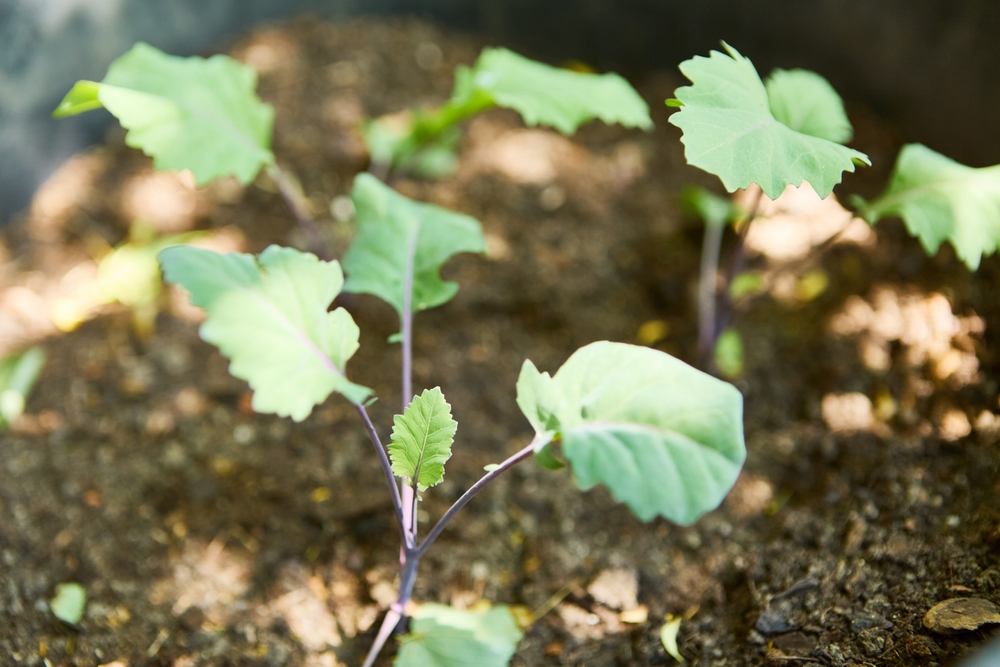
Kale is known for its cold tolerance, which makes it one of the most dependable early-season vegetables. You can sow seeds directly into the soil as soon as it is workable, even if frost is still in the forecast. Seedlings push through cool ground without hesitation, and light frost often improves the flavor by reducing bitterness. Instead of struggling in cold weather, kale grows steadily and becomes more resilient with each passing week of spring.
Planting directly in the garden encourages strong stems and a well-anchored root system. Early growth in cool soil allows the plant to establish before insect activity increases later in the season. Leaves can be harvested gradually, starting with the outer ones, which keeps the plant productive. When planted early, kale often produces thicker leaves with a sweeter taste compared to crops grown during warmer months. Its steady performance makes it a reliable anchor in any spring garden.
Peas
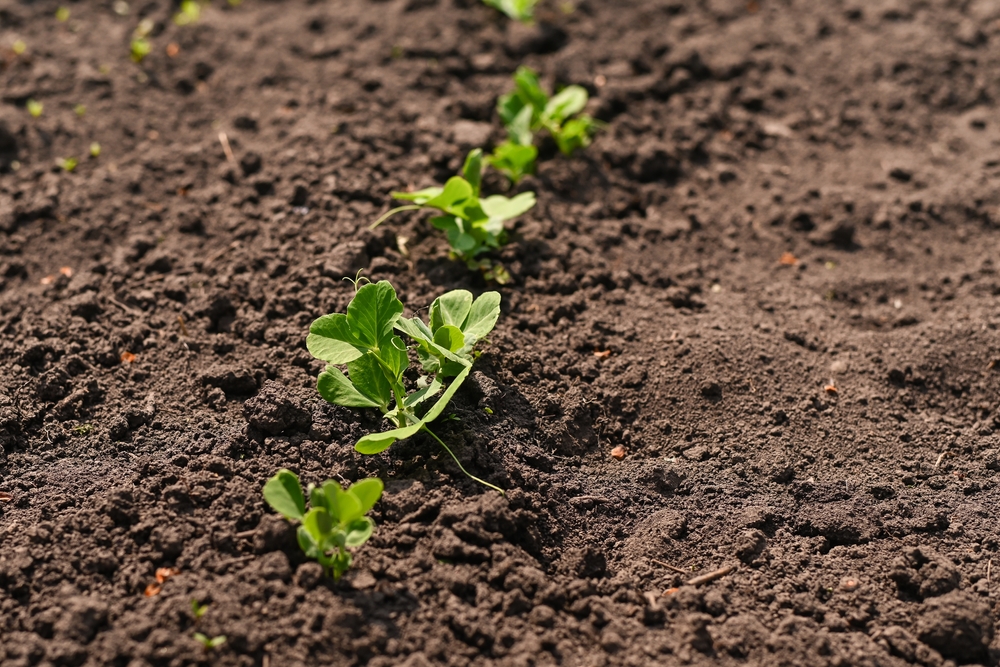
Peas are classic cool-season crops that prefer chilly soil and moderate air temperatures. Seeds can be planted directly into the garden as soon as the soil is workable, even if mornings are still frosty. They germinate in cool conditions and do not require warm soil to get started. Waiting too long to plant often shortens their productive window, since they slow down once temperatures climb.
Direct sowing is important because pea roots are sensitive to disturbance. Once planted, they quickly send roots downward and shoots upward in search of support. Providing a trellis or fence early allows vines to climb as they grow. Cool spring air helps flowers set properly, which leads to fuller pods. Planting early often results in a longer harvest before summer heat brings production to an end.
Radishes
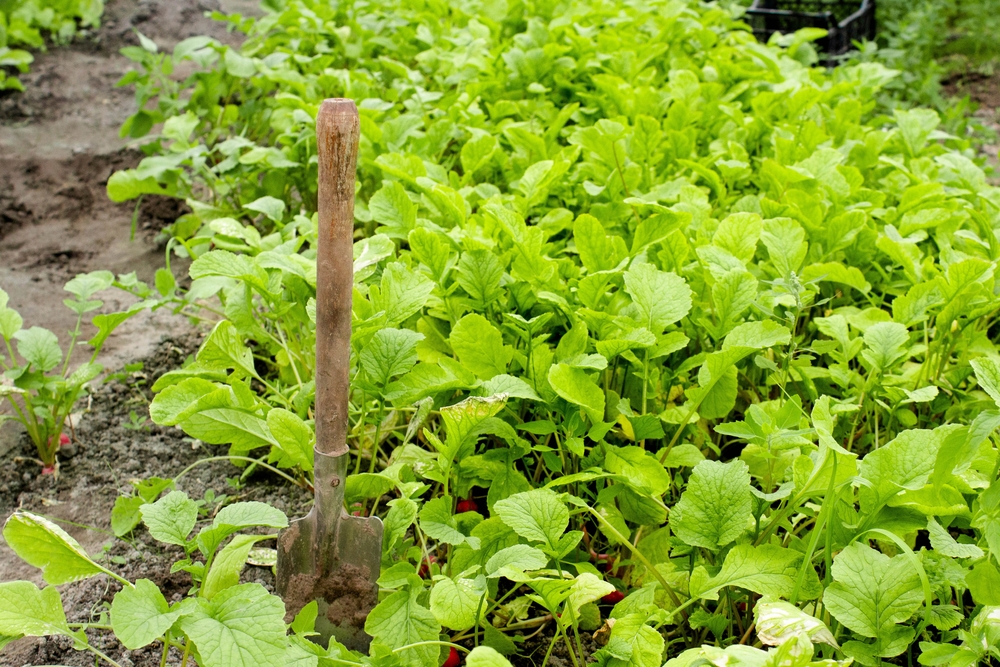
Radishes are among the fastest vegetables you can grow in early spring. Their seeds sprout in cool soil, often within a week, making them a satisfying choice for impatient gardeners. Light frost rarely harms seedlings, and cool temperatures actually improve root development. Because they mature so quickly, they are perfect for planting in open spaces between slower-growing crops.
Direct sowing into loose, stone-free soil helps radishes form smooth, round roots. Cool weather keeps their flavor crisp and mildly peppery rather than overly sharp. Since they grow so quickly, you can plant new rows every couple of weeks to extend the harvest. Early planting also prevents the woody texture that sometimes develops in hot conditions. In a matter of weeks, you can move from seed to harvest with very little effort.
Carrots
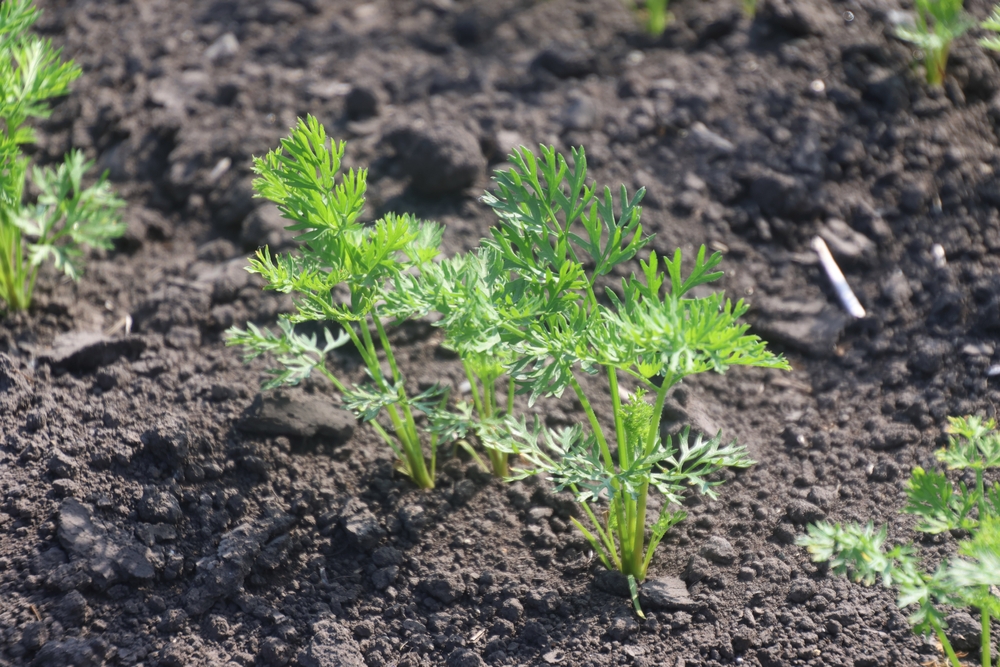
Carrots are well-suited for early spring planting because they prefer cool soil during germination and early growth. Seeds can be scattered directly into prepared beds as soon as the soil can be loosened and leveled. Although they sprout slowly in chilly ground, steady moisture encourages even germination. Light frosts usually do not harm the feathery tops once they emerge.
Direct sowing is essential since carrots develop long taproots that do not respond well to transplanting. Cool temperatures allow roots to grow gradually, leading to better texture and sweeter flavor. As spring progresses, the roots continue expanding underground while the tops tolerate fluctuating air temperatures. Early planting often produces carrots with deeper color and balanced taste. Patience during germination is rewarded with strong, healthy plants.
Beets
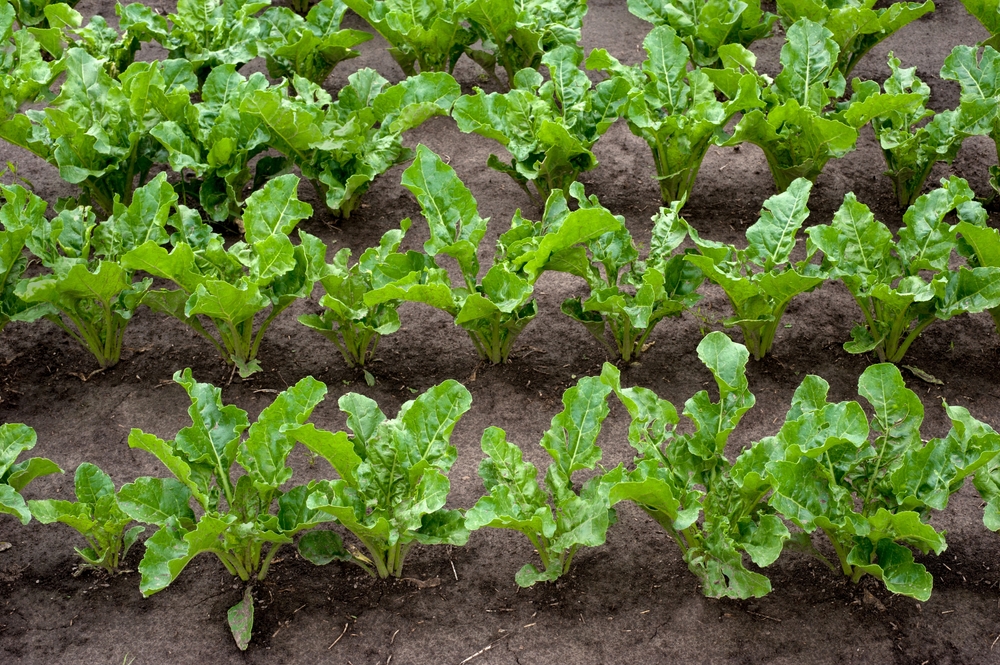
Beets are hardy vegetables that handle early spring conditions with ease. Seeds can be planted directly into workable soil, even when nights remain cool. They germinate in cold ground and tolerate light frost without serious damage. This makes them dependable for gardeners who want to make use of every early growing opportunity.
When planted directly, beets develop evenly shaped roots without interruption. Cool weather supports the steady growth of both the roots and leafy tops. The greens can be harvested early for salads or cooking, giving you value even before the roots mature. Early planting often results in richer color and smoother texture. Consistent watering during cool spells helps maintain even development.
Lettuce
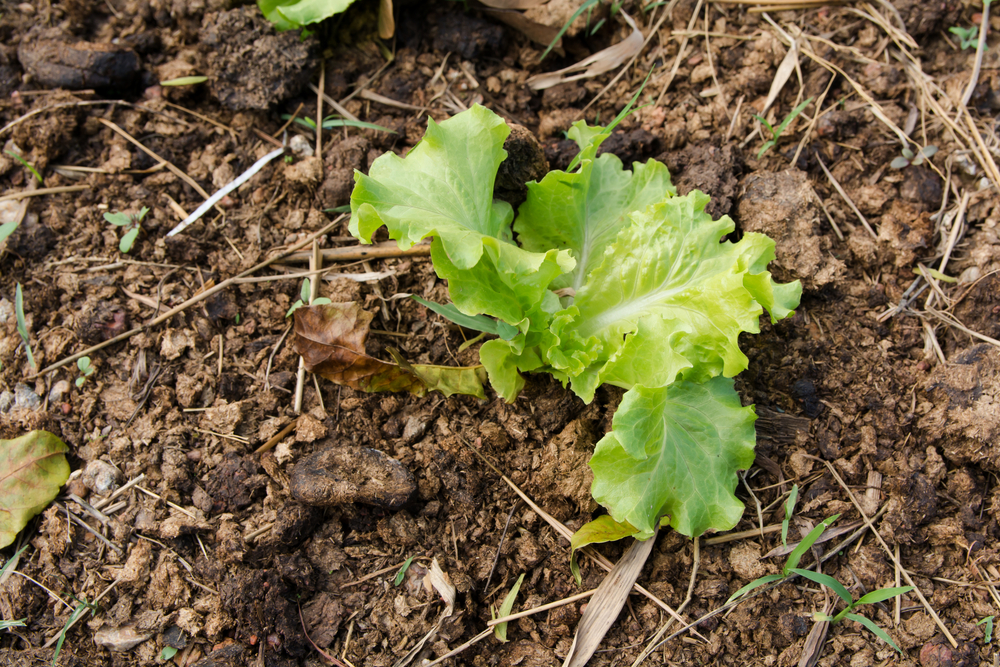
Lettuce thrives in cool spring weather and is one of the easiest crops to sow directly into the ground. Seeds germinate in soil that is still chilly, allowing you to plant as soon as beds are ready. Young plants tolerate light frost, especially when temperatures rise during the day. Planting early helps prevent premature bolting once warmer weather arrives.
Direct sowing encourages quick establishment and shallow root development. Cool air keeps leaves tender and crisp, which improves texture and flavor. By planting small sections every couple of weeks, you can maintain a steady harvest. Early-grown lettuce often has a milder taste compared to late-season crops. With minimal care, it produces generously before summer heat slows it down.
Swiss Chard
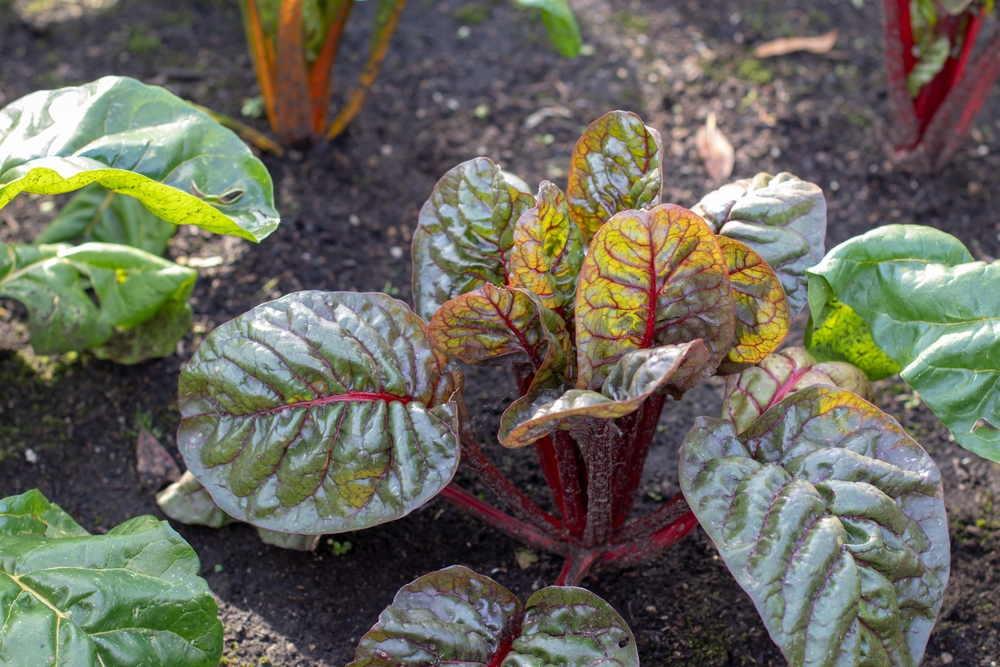
Swiss chard is more cold-tolerant than many gardeners expect. Seeds can be planted directly once the soil is workable, even if the air remains cool. They germinate in moderately cold soil, and seedlings tolerate light frost without major issues. This makes chard a steady performer in unpredictable spring weather.
Early planting allows the plant to build strong stems and broad leaves before temperatures climb. Cool conditions support steady growth and rich color. Harvesting outer leaves keeps the plant producing over a long period. Because it tolerates a range of temperatures, Swiss chard often bridges the gap between early spring greens and summer crops. Its reliability makes it a solid addition to cool-season beds.
Arugula
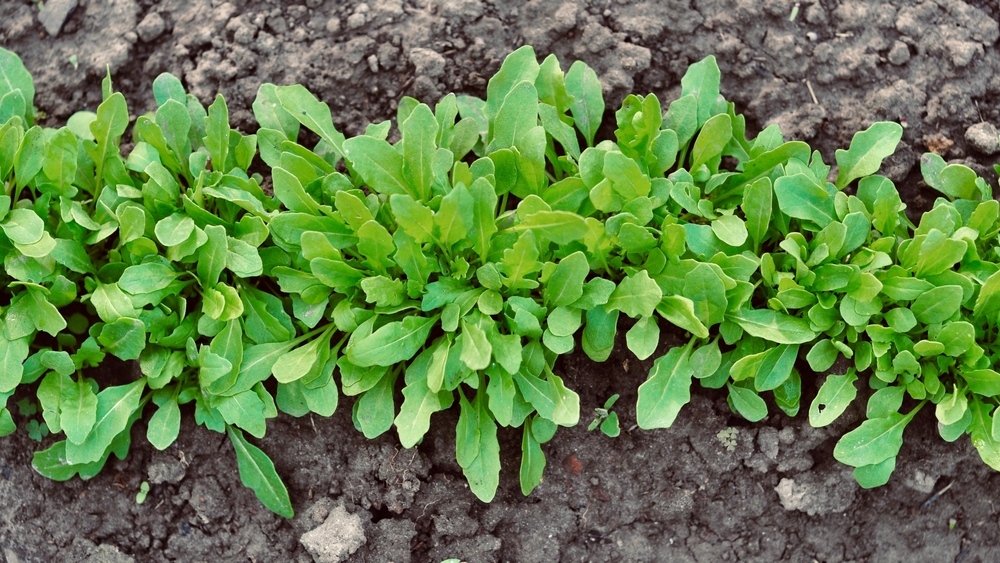
Arugula grows quickly in cool soil and performs best when planted early. Seeds sprout in chilly ground, and seedlings handle mild frost with ease. Cool weather keeps the flavor pleasantly peppery without becoming overpowering. Early planting allows you to harvest before the heat causes the plant to flower.
Direct sowing helps arugula establish quickly and evenly. Since it matures in just a few weeks, it provides one of the first fresh harvests of the season. Repeated plantings keep leaves coming through much of spring. Once temperatures climb, growth slows, and flavor becomes stronger. Planting before spring fully arrives gives you the best balance of taste and texture.
Turnips
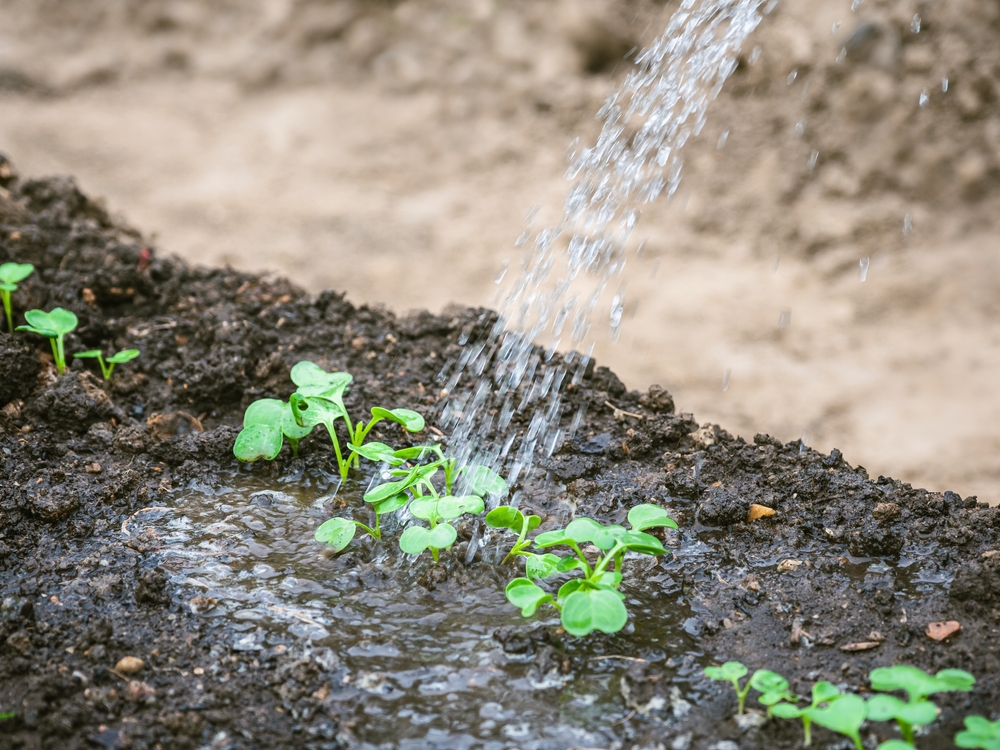
Turnips are dependable cool-season vegetables that thrive in early spring soil. Seeds germinate in cold ground, and seedlings tolerate light frost without significant harm. Cool temperatures encourage gradual root formation. This steady growth leads to tender roots rather than fibrous ones.
Direct planting supports smooth, evenly shaped roots. Both the roots and leafy tops are edible, providing two harvest options from a single crop. Early planting helps avoid bitterness that can develop in hot weather. Consistent moisture keeps growth even during temperature swings. In just a few weeks, you can enjoy both greens and roots from the same bed.
Collard Greens
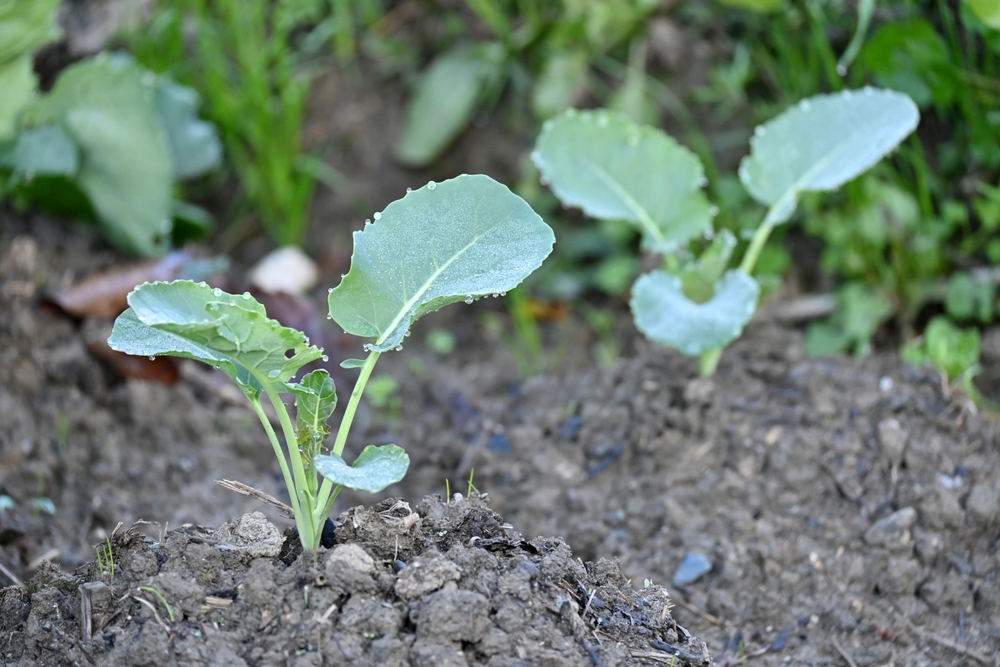
Collard greens handle cold weather well and are comfortable growing in early spring soil. Seeds can be sown directly once the ground is workable, without waiting for warm days. Seedlings tolerate light frost, and mature leaves often become milder after brief cold spells. This resilience makes collards dependable in shifting spring conditions.
When planted early, collards establish strong stems and deep roots. Cool air helps leaves grow broad and tender. Harvesting outer leaves encourages continued production through much of spring. Early planting also gives the plant time to develop before insect activity increases. With steady watering, collards provide a long harvest window.
Mustard Greens
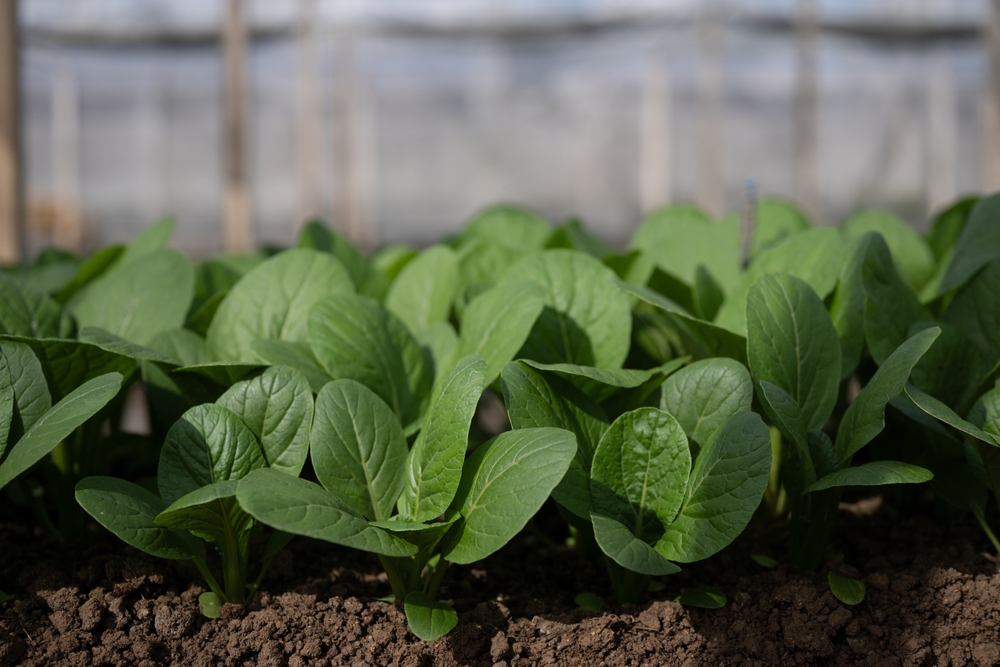
Mustard greens are quick to sprout in cool soil and are well-suited to early planting. Seeds germinate in chilly conditions, and seedlings tolerate mild frost. Cool weather tempers their natural spiciness, resulting in balanced flavor. Planting early allows you to harvest before the heat intensifies their bite.
Direct sowing produces sturdy plants that mature quickly. Young leaves can be harvested for salads, while larger leaves work well for cooking. Early planting reduces the chance of bolting once temperatures rise. Consistent moisture supports steady leaf production. Mustard greens reward early gardeners with fast growth and strong performance in cool weather.
This article originally appeared on Avocadu.