
12 Island Species Brought Back After Invasive Predators Were Removed
Life on islands can shift quickly when outside predators arrive. Native animals that once thrived may suddenly face steep declines. In several cases, removing those predators opened the door for wildlife to rebound. Keep reading to see how steady conservation work helped restore balance. These stories show what can happen when ecosystems are given another chance.
This post may contain affiliate links, which helps keep this content free. Please read our disclosure for more info.
Lord Howe Island Stick Insect
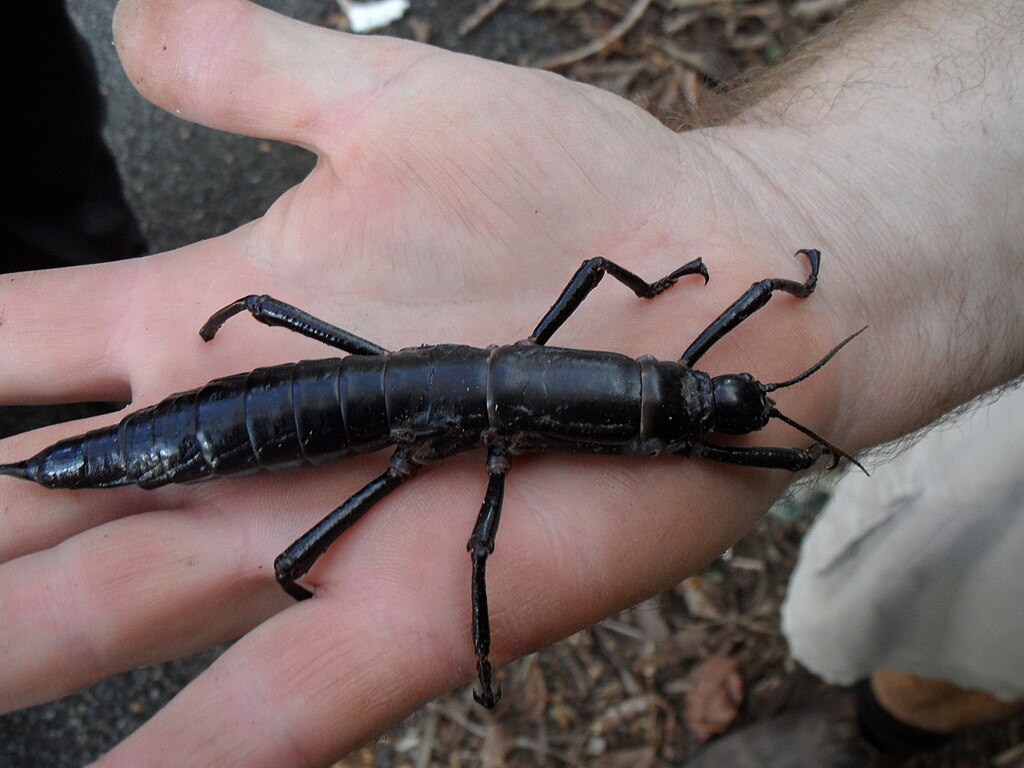
The Lord Howe Island stick insect was once believed extinct after black rats arrived on Lord Howe Island in 1918. These rats preyed heavily on the large, flightless insects, wiping them out on the main island within a few years of introduction. For decades, the species survived only on Ball’s Pyramid, a steep volcanic outcrop rising from the Tasman Sea, where a tiny population clung to survival in harsh conditions. After a carefully planned rat eradication program was completed in 2019, conservationists began preparing for the insect’s long-awaited return to its native habitat.
Captive breeding programs in Australia helped rebuild numbers from just a few dozen individuals to several thousand. The insect feeds primarily on native shrubs, and habitat restoration played a key role in supporting its reintroduction. Early monitoring reports show encouraging survival rates among released individuals on Lord Howe Island. Its comeback is now widely viewed as one of the most remarkable insect recoveries ever documented.
Seychelles Magpie Robin
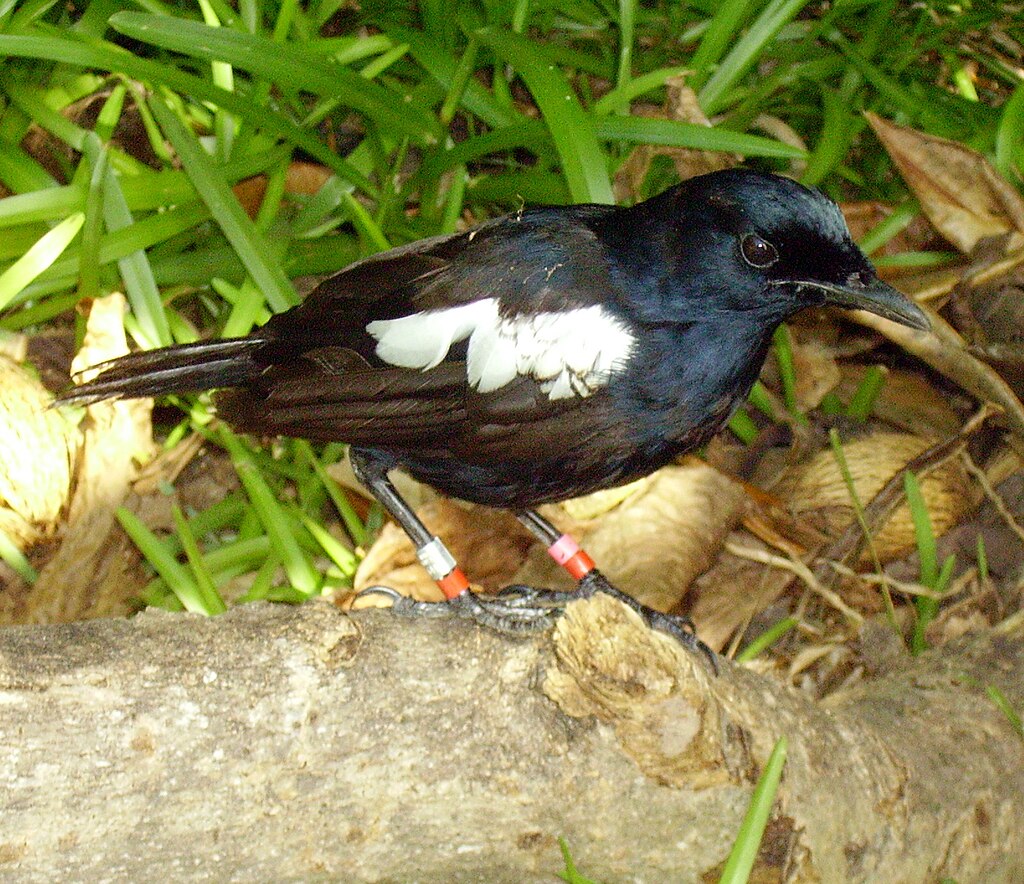
The Seychelles magpie robin once declined to fewer than twenty individuals due to habitat loss and introduced predators across the islands of Seychelles. By the late twentieth century, it survived mainly on Frégate Island, where rats and cats frequently raided nests and reduced chick survival year after year. With such a small population, even minor setbacks could have pushed the species toward extinction. Conservation teams began removing invasive predators from key islands and restoring native woodland habitat to give the birds safer nesting and feeding areas.
Translocation programs carefully moved breeding pairs to predator-free islands such as Cousin and Aride, spreading the risk across several locations. Each new territory was monitored closely to track nesting success, food supply, and competition between pairs. Over several decades, numbers climbed steadily into the hundreds, a remarkable shift from the edge of disappearance. Today, the Seychelles magpie robin stands as one of the Indian Ocean’s most encouraging bird recoveries, supported by continued monitoring and habitat care.
Antiguan Racer
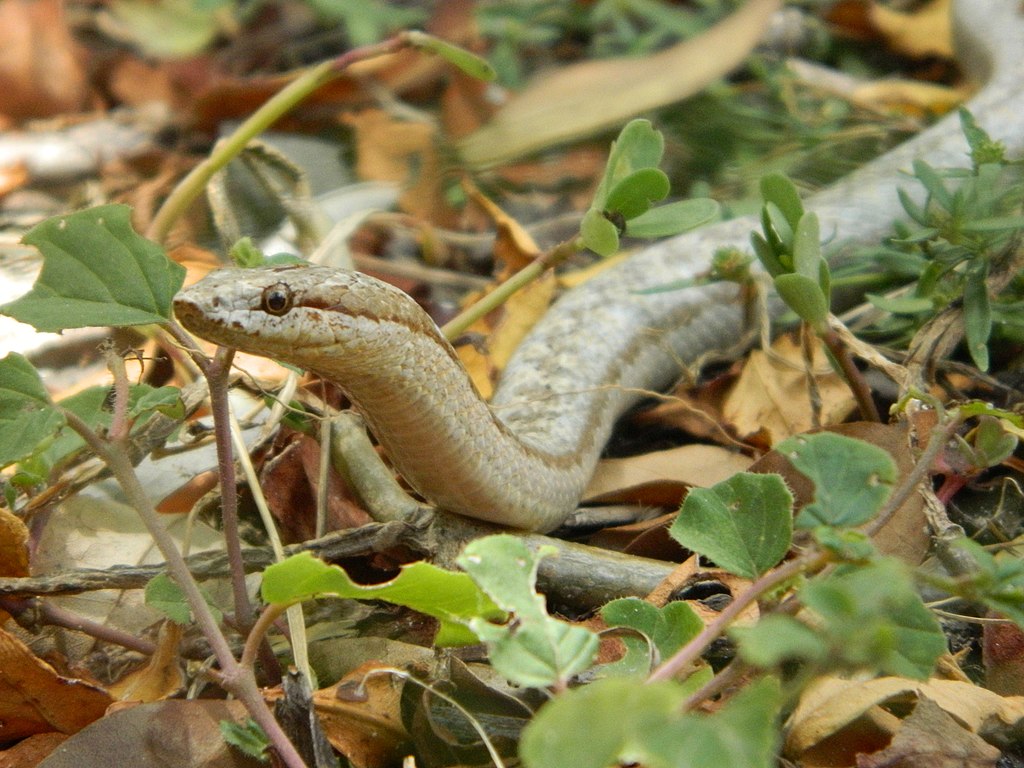
The Antiguan racer is a slender, non-venomous snake native to Antigua and was once considered one of the rarest snakes in the world. Introduced mongooses and rats devastated its population, nearly eliminating it from the main island and leaving fewer than one hundred individuals on a small offshore islet known as Great Bird Island by the 1990s. With such a restricted range, a single storm or disease outbreak could have wiped out the entire species. Conservationists responded by removing invasive predators from selected nearby islands and preparing those areas as secure habitat for relocated racers.
As predation pressure dropped, juvenile survival increased, and breeding became more consistent from year to year. The racer feeds mainly on small lizards, helping regulate their numbers and maintain ecological balance within dry coastal scrub. Habitat work also focused on preserving native vegetation that provides shelter from heat and exposure. Over time, the population expanded into the thousands across multiple islands, and its recovery is now widely recognized as a landmark conservation achievement in the Caribbean.
Floreana Mockingbird
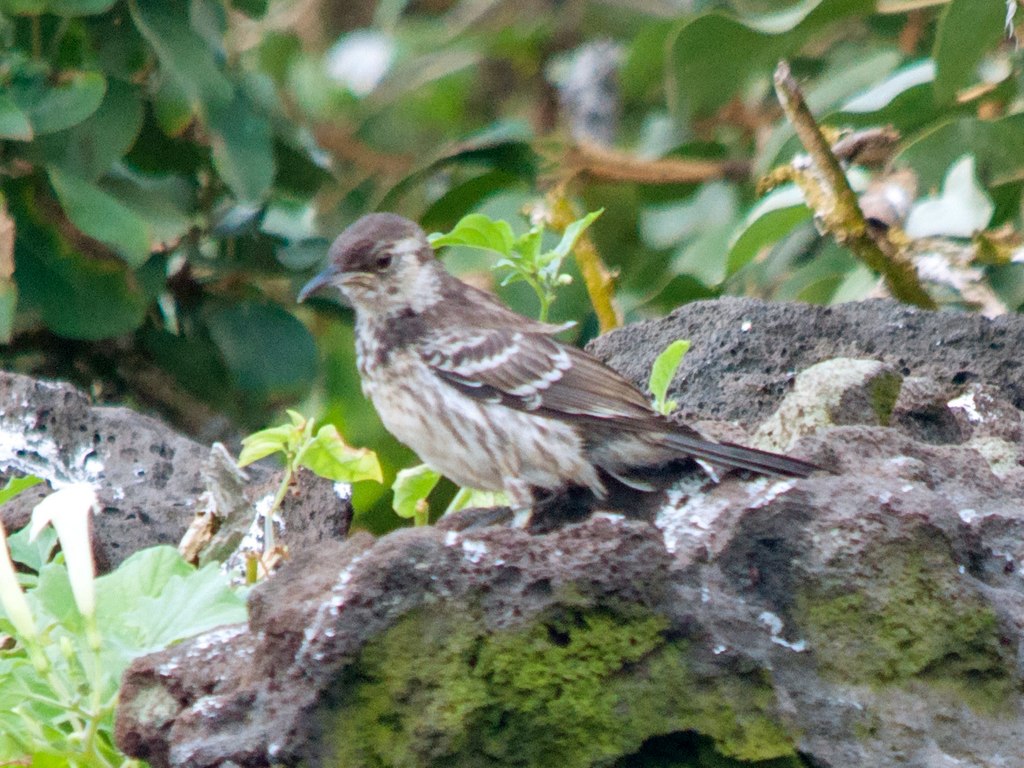
The Floreana mockingbird disappeared from its main home island in the Galápagos Islands after invasive mammals such as rats, cats, and goats were introduced. These predators raided nests and damaged vegetation that provided food and cover. By the late nineteenth century, the bird survived only on two small offshore islets, where predators were absent and conditions were slightly more stable. For more than a century, the species remained isolated in these limited refuges, with little chance to reclaim its former range.
The removal of invasive species from Floreana Island opened the possibility of returning the mockingbird to its restored habitat. Conservation teams began planning reintroductions once vegetation recovered and nesting areas were secured. The mockingbird feeds on insects, seeds, and small reptiles, and it plays a role in dispersing plant seeds across dry forest landscapes. Early reintroduction efforts include careful monitoring of breeding pairs, nest success, and survival rates, with gradual signs that the species may once again establish itself on its historic island home.
South Georgia Pipit
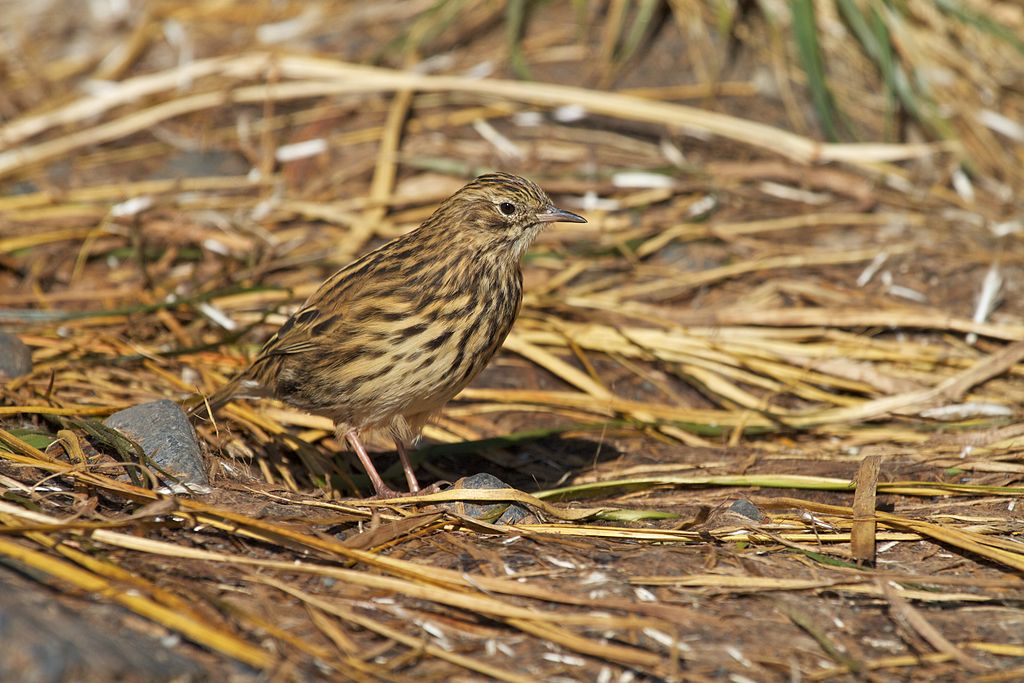
The South Georgia pipit is the only songbird native to South Georgia Island, where it once nested widely across coastal grasslands. Brown rats introduced by sealing ships in the eighteenth century devastated ground-nesting birds, including the pipit, for more than one hundred years. A massive eradication campaign carried out between 2011 and 2018 removed rats from vast areas of the island using helicopters and bait distribution. Shortly afterward, pipits were recorded singing again in valleys where they had been silent for decades.
Because pipits build their nests on the ground, they are especially vulnerable to mammalian predators. With rats gone, chick survival rates rose quickly, and breeding territories expanded. Surveys now show the species reclaiming both coastal slopes and inland areas that had long been off limits. The sound of pipits returning has become a powerful symbol of restoration in the subantarctic.
Island Fox
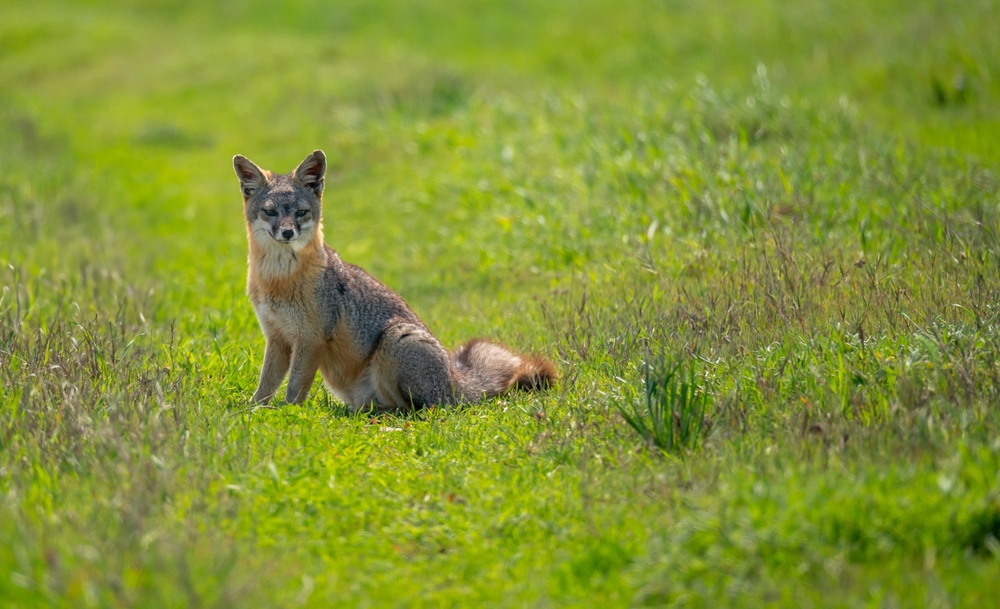
The island fox is native to six of the Channel Islands off the coast of California and experienced sharp declines during the 1990s. Feral pigs attracted golden eagles to the islands, and the eagles began preying heavily on foxes that had no natural defenses against aerial predators. At the same time, introduced pigs damaged vegetation and altered habitat conditions. Removal of feral pigs and relocation of golden eagles allowed fox numbers to rebound across several islands.
Captive breeding programs were launched when populations reached critically low levels, with some subspecies falling below one hundred individuals. Once predator pressure was reduced, survival rates increased quickly, and foxes were gradually released back into the wild. Habitat recovery followed as native plants returned in areas once overgrazed by pigs. Today, the island fox stands as one of the fastest recovering mammal species in North America after coordinated predator and habitat management.
Black Robin
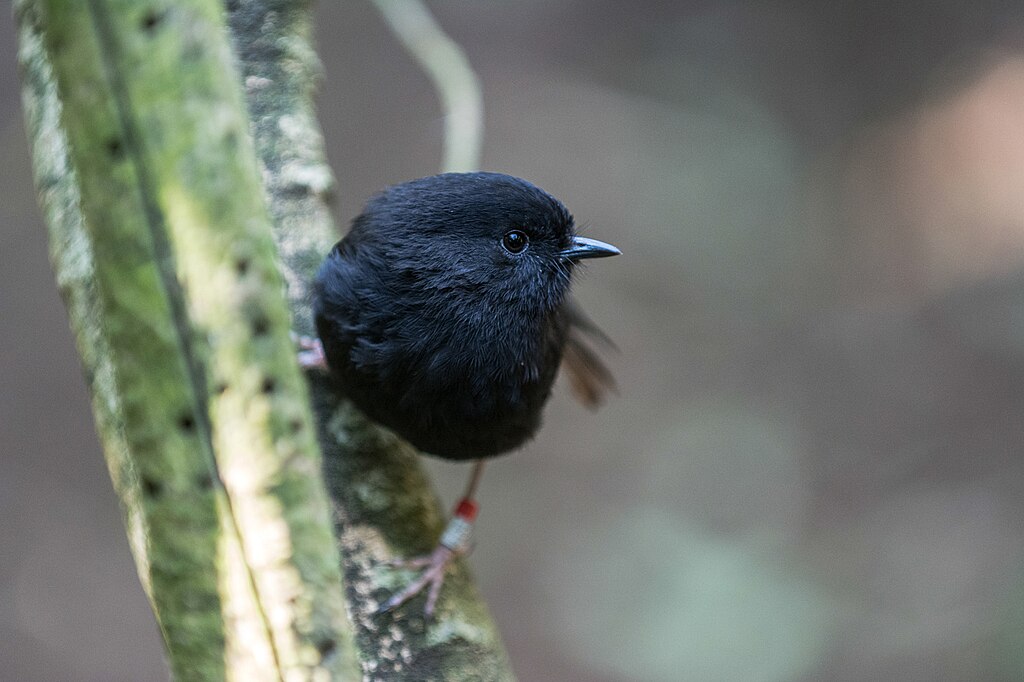
The black robin of the Chatham Islands once dropped to just five individuals in the early 1980s. Introduced cats and rats had devastated nesting success for decades, leaving the species on the edge of extinction. Conservation teams removed predators from key islands and relocated the remaining birds to safer habitats. Intensive monitoring and managed breeding played a vital role in stabilizing the tiny population.
Each nesting attempt was closely observed, and eggs were sometimes fostered under related robin species to increase chick survival. Once predator-free conditions were secured, breeding became more consistent and juvenile survival improved. Over several decades, numbers rose into the hundreds, a remarkable shift from near disappearance. The black robin’s recovery remains one of New Zealand’s most closely studied conservation efforts.
Aldabra Rail
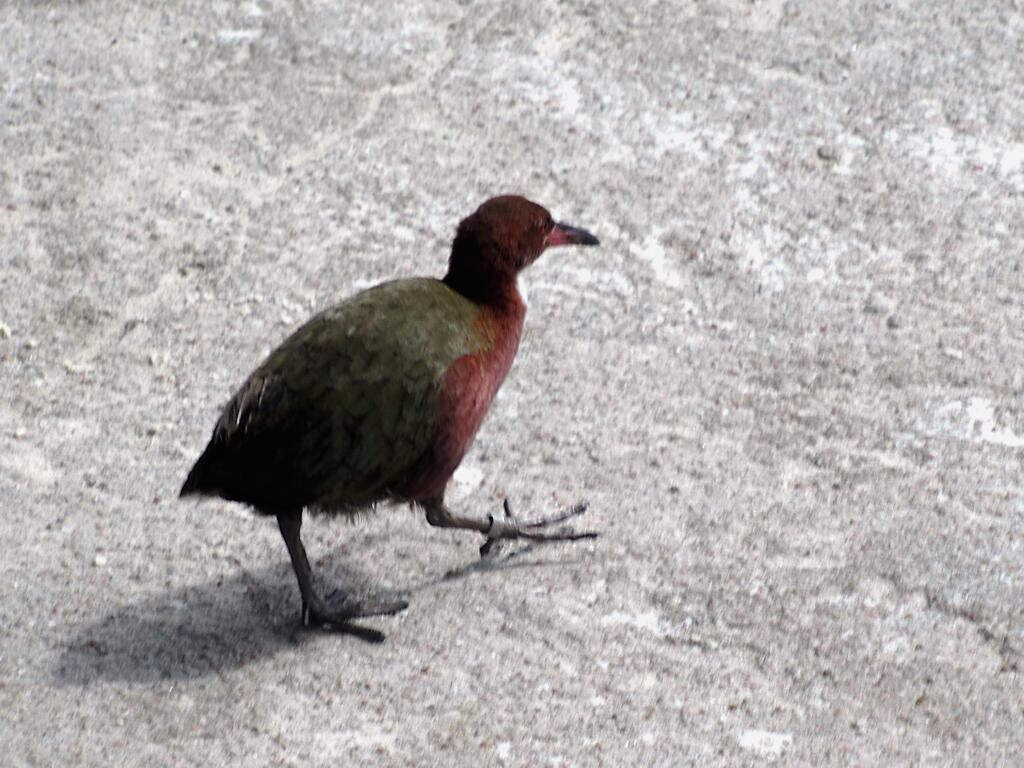
The Aldabra rail is a flightless bird found on Aldabra Atoll, one of the world’s largest raised coral atolls. Introduced cats and rats once threatened rail populations on certain islands within the atoll. After invasive mammals were removed from affected areas, the rails were able to recolonize habitats that had long been unsafe. Their inability to fly makes predator control especially important for their survival.
The rail feeds on insects and small invertebrates found among coastal vegetation and mangroves. With predators gone, nesting success improved, and population density increased in restored areas. Long-term monitoring continues to track distribution across the atoll’s islands. Today, the Aldabra rail remains the only surviving flightless bird in the Indian Ocean, a distinction made possible by invasive predator management.
Island Night Lizard
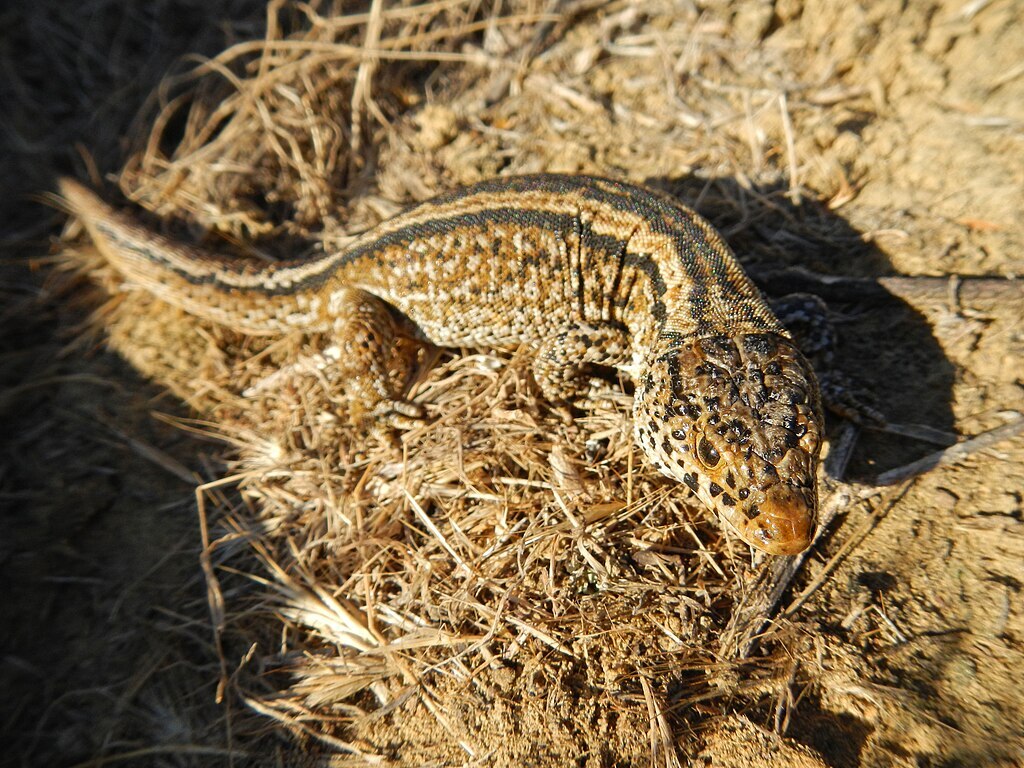
The island night lizard inhabits several Channel Islands off the coast of California, including San Nicolas Island, where habitat damage once threatened its survival. Introduced sheep and other grazing animals stripped large areas of native vegetation, reducing both shelter and insect prey that the lizard depends on. With limited ground cover, the lizards were more exposed to temperature swings and natural predators. When grazing animals were removed from the islands, native shrubs and low plants gradually returned, rebuilding the structure of the habitat.
Unlike many reptiles, the island night lizard gives birth to live young, which makes secure hiding places especially important for both adults and newborns. As vegetation thickened and soil moisture improved, microhabitats became more stable and food sources increased. Long term monitoring showed steady growth in population density, particularly in areas that had once been heavily grazed. The recovery was strong enough that the species was eventually removed from the endangered species list, reflecting how habitat restoration and predator removal can work together over time.
Socorro Dove
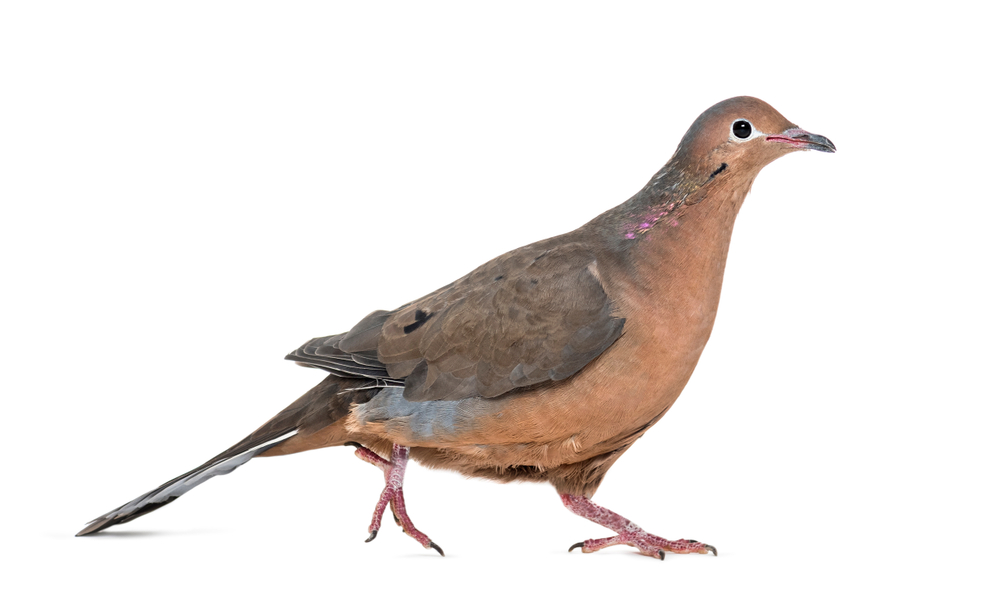
The Socorro dove once lived only on Socorro Island, but vanished from the wild after feral cats were introduced during the twentieth century. By the 1970s, the last confirmed wild birds had disappeared, leaving the species surviving solely in captive breeding programs maintained by zoos and conservation centers. For decades, the dove existed only in aviaries, dependent on careful breeding plans to maintain genetic diversity. When predator removal efforts began on Socorro Island, conservationists saw a realistic opportunity to prepare the island for the species’ return.
Habitat restoration work helped rebuild native woodland areas that provide nesting cover and food sources. Captive populations were managed with detailed breeding records to prevent inbreeding and preserve healthy lineages. Once safe release zones were confirmed, conservation teams began phased reintroductions, closely monitoring each bird’s movements and survival. The Socorro dove now represents a rare example of a bird declared extinct in the wild that has been given a structured path back to its native island.
Balearic Shearwater
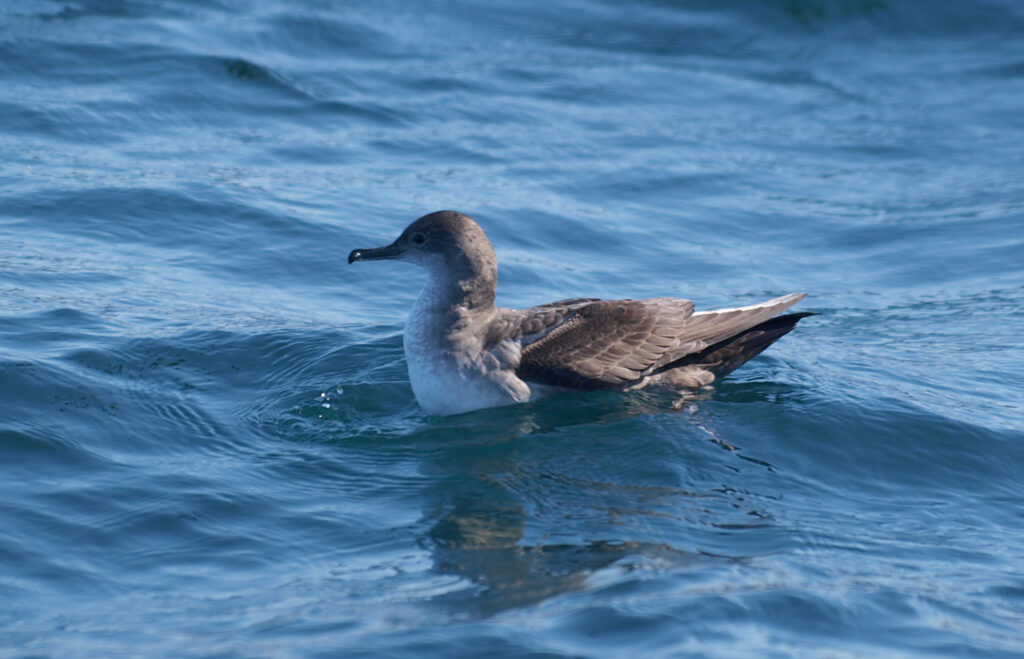
The Balearic shearwater breeds on islands within the Balearic Islands, nesting in rocky crevices and burrows along coastal cliffs. For decades, rats preyed on eggs and chicks hidden within these narrow spaces, reducing breeding success across several colonies. Because shearwaters return to the same nesting sites year after year, even small predator populations could cause repeated losses in the same areas. Targeted predator removal on selected breeding islets led to measurable improvements in fledgling success within a few seasons.
These seabirds spend most of the year traveling across the Mediterranean and Atlantic, returning to land only to breed. When nesting burrows are secure, breeding pairs show higher consistency in raising chicks to fledging age. Conservation teams continue to protect nesting areas through fencing, monitoring programs, and strict island access rules to prevent new introductions of invasive mammals. While threats at sea remain a concern, safer island colonies have strengthened the species’ chances of maintaining stable breeding populations.
Chatham Island Oystercatcher
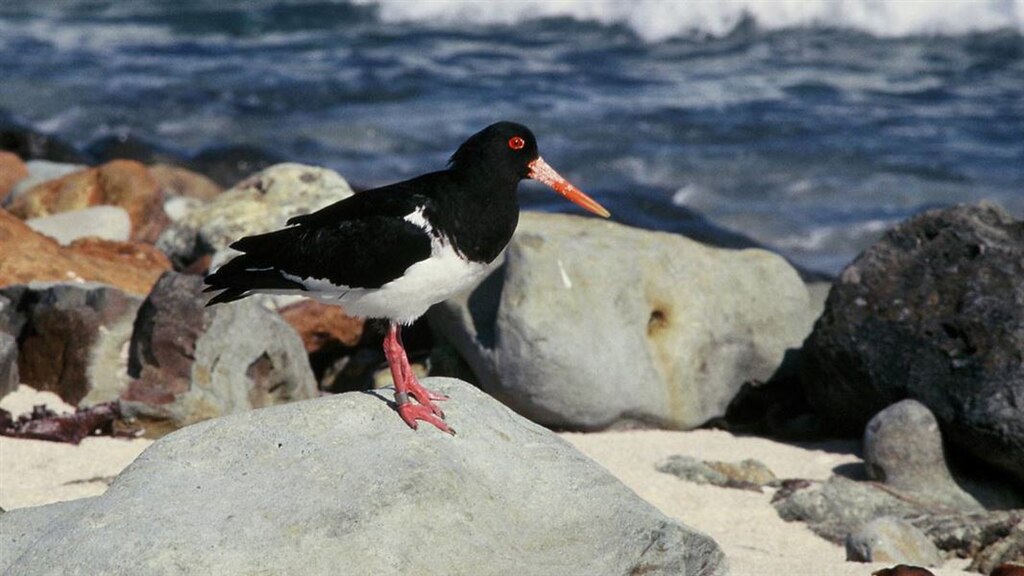
The Chatham Island oystercatcher nests along the beaches and coastal flats of the Chatham Islands, laying eggs directly on open sand above the high tide line. Introduced cats and weka once preyed heavily on these exposed nests, causing frequent breeding failures. With eggs and chicks left unprotected on the ground, even a single predator could disrupt an entire nesting season. Predator control programs, combined with fenced nesting areas, reduced losses during critical breeding months.
This shorebird feeds in intertidal zones, using its strong orange bill to pry open shellfish and other marine invertebrates. Because it nests close to feeding grounds, a safe beach habitat is essential for successfully raising chicks. Conservation teams monitor nests daily during peak season, sometimes relocating eggs to safer zones if predator activity increases. Over time, the number of breeding pairs has grown across managed areas, reflecting the steady benefits of sustained predator control and habitat protection.
This article originally appeared on Avocadu.