
10 March Road Trips With Wildflower Stops and Short Walks
March brings that sweet spot between cool mornings and warmer afternoons, perfect for a road trip. Wildflowers start appearing in unexpected places, turning ordinary drives into scenic escapes. Quick walks through nearby trails let you get close to the blooms without committing to miles of hiking. It is a simple way to welcome the new season.
This post may contain affiliate links, which helps keep this content free. Please read our disclosure for more info.
Antelope Valley Poppy Reserve near Lancaster
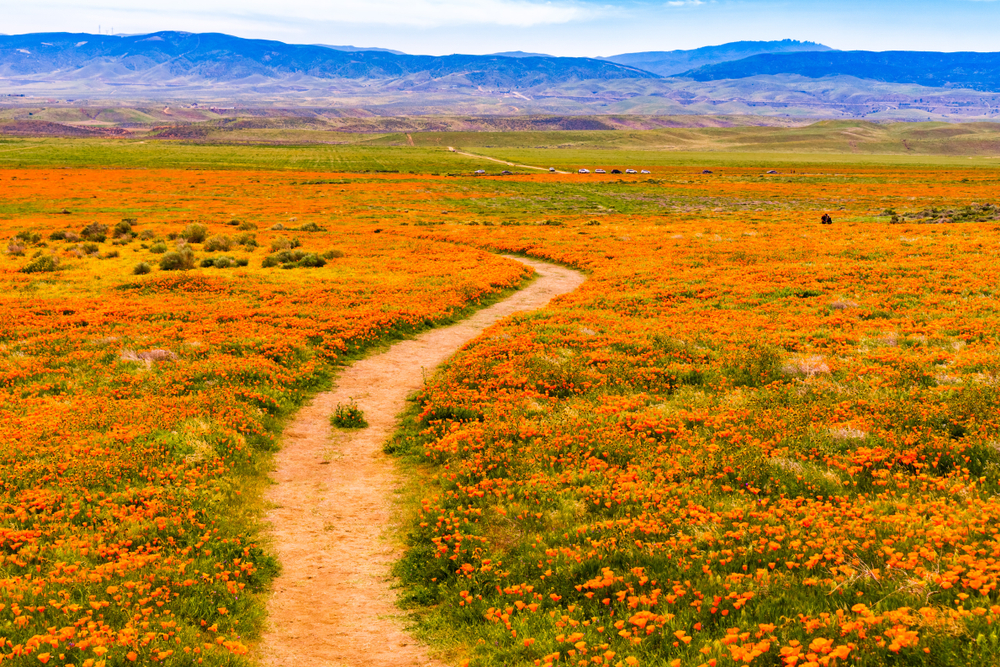
By mid to late March, stretches of the high desert near Lancaster begin glowing with bright orange California poppies when rainfall has been favorable. The drive from Los Angeles gradually shifts from city sprawl to wide open valleys, where rolling hills suddenly appear washed in color. The reserve features clearly marked dirt paths that wind through the bloom, allowing visitors to take short walks without disturbing fragile plants. Even a brief stroll offers sweeping views of flowers set against distant mountain ridges.
Afternoon winds often sweep across the valley, so mornings tend to be calmer and more comfortable for walking. The trails include mild inclines that add variation without requiring strenuous effort. Shade is limited, so bringing water and sun protection makes the visit more comfortable. Rangers frequently post bloom reports, which help travelers plan around changing desert conditions.
Carrizo Plain National Monument in California
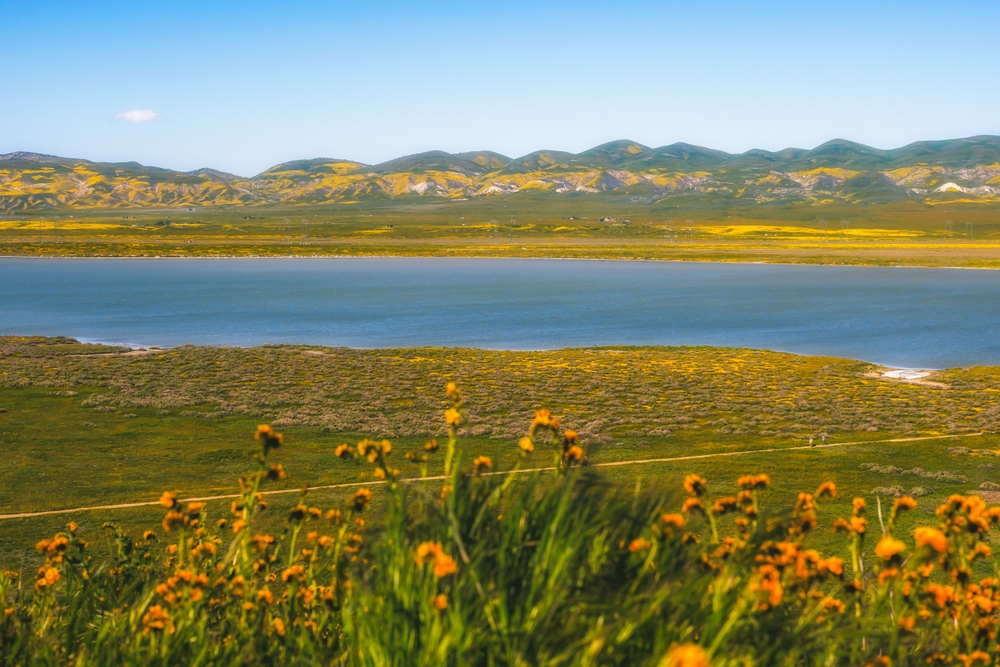
Carrizo Plain offers one of the most expansive wildflower landscapes in California when seasonal rain has been steady. In March, the valley floor can turn into a wide patchwork of yellow, purple, and orange stretching toward distant mountain ranges. Soda Lake Road runs straight through the monument, allowing travelers to stop at multiple points for short exploratory walks. Wooden boardwalks near Soda Lake provide easy access across delicate ground where flowers bloom close to the surface.
The openness of the plain creates uninterrupted views that feel vast and quiet compared to more crowded parks. Short interpretive trails explain the region’s geology and native plant life while keeping distances manageable. Services inside the monument are limited, so bringing supplies before entering is important. The isolation adds to the experience, making each stop feel peaceful and unhurried.
Anza Borrego Desert State Park in California
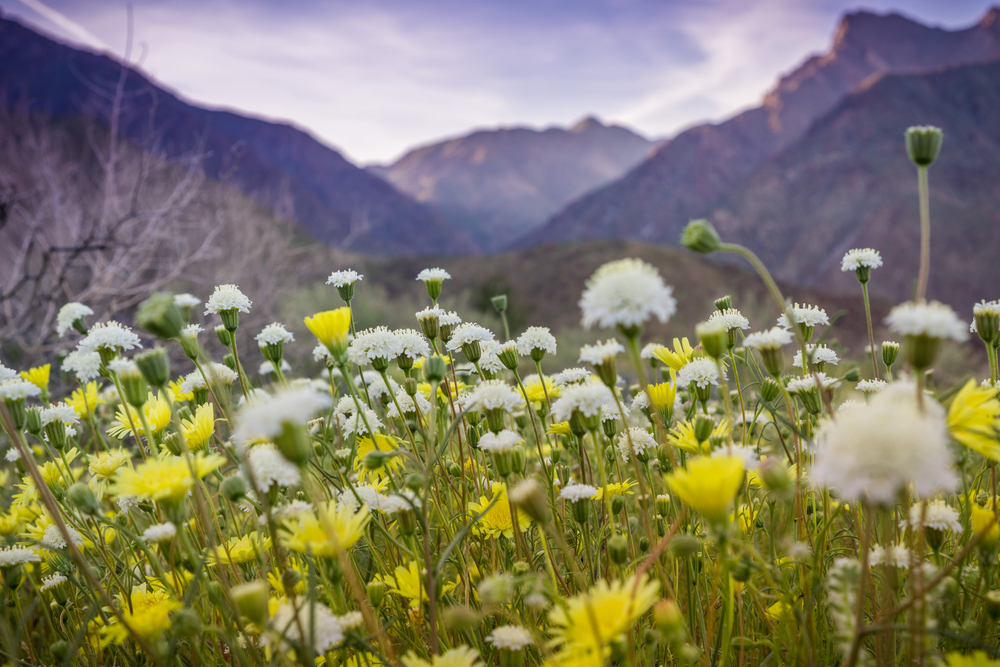
March often brings desert lilies, sand verbena, and other hardy blooms to this wide desert park when winter conditions have been favorable. The drive along Borrego Palm Canyon Road reveals bursts of color scattered across sandy flats and rocky hillsides. Short nature trails near the visitor center guide travelers through areas where flowers grow between cacti and desert shrubs. Even a half-mile walk gives close views of plants that survive in extreme conditions.
Because the park spans different elevations, bloom timing varies from one section to another. Early morning light casts long shadows across the desert floor, adding texture to photographs. Temperatures remain comfortable in March compared to the intense heat of later months. Visitor center maps help direct travelers toward current bloom concentrations.
Great Smoky Mountains Foothills Parkway in Tennessee
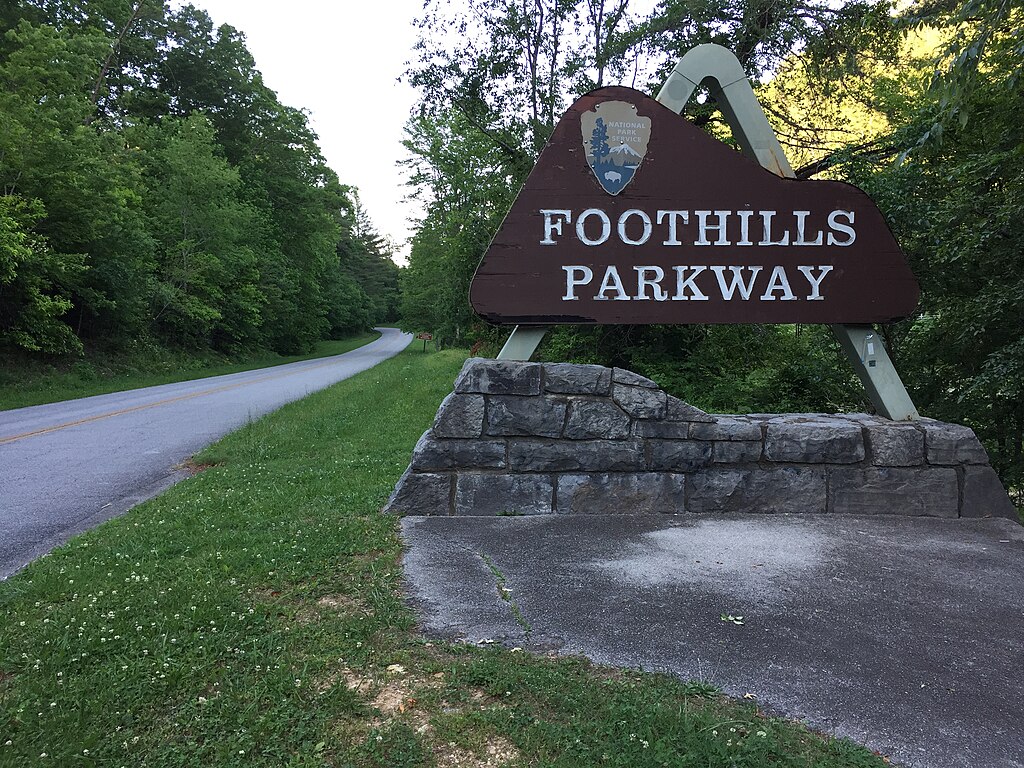
March brings the first wave of spring ephemerals to the lower elevations of the Smokies, where woodland floors begin filling with delicate color before the trees fully leaf out. The Foothills Parkway offers sweeping mountain views with frequent pull offs that make it easy to stop and explore without straying far from the road. Short woodland paths near Townsend and Walland lead through forests where trillium, bloodroot, and hepatica bloom in clusters. The contrast between bare branches above and fresh flowers below gives the scenery a layered, early spring character.
Many of these trails remain under two miles, making them ideal for relaxed walks rather than full day hikes. Mist often lingers in the valleys during the morning hours, adding atmosphere to overlooks along the drive. Ranger stations provide updates on which lower elevation trails are currently showing the most color. The combination of mountain scenery and intimate forest blooms creates a trip that feels both expansive and close up at the same time.
Arizona State Route 89A near Sedona
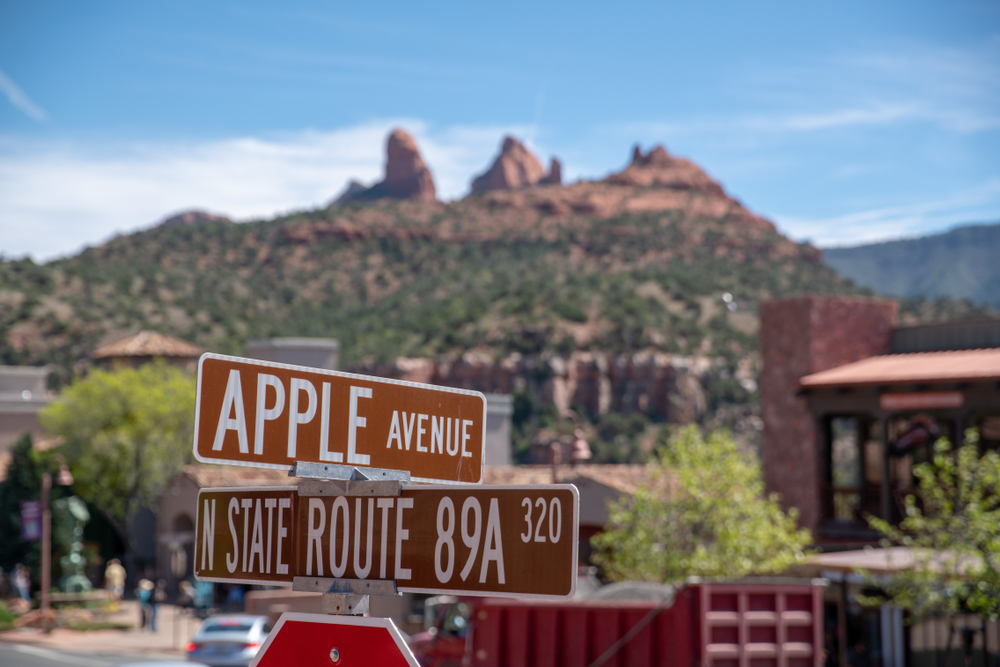
Driving along Route 89A in March reveals early desert blooms set against towering red rock formations that rise sharply from the valley floor. Yellow brittlebush, purple lupine, and small desert marigolds begin appearing along the shoulders of the road and across open slopes when winter rainfall has been steady. Scenic pull-offs around Sedona provide access to short walking paths that weave between sandstone outcrops and low flowering shrubs. Even a brief walk offers sweeping canyon views paired with close looks at fragile spring growth pushing through dry soil.
March temperatures remain mild, which makes stopping frequently far more comfortable than in the hotter months ahead. The red stone cliffs create a dramatic contrast with the softer tones of seasonal blooms, especially in early morning or late afternoon light. Popular trailheads such as those near Bell Rock can fill quickly on weekends, so arriving earlier in the day keeps the experience more relaxed. Visitor centers in town often share bloom updates and suggest short trails where flowers are currently most visible.
Hill Country Scenic Loop near San Antonio
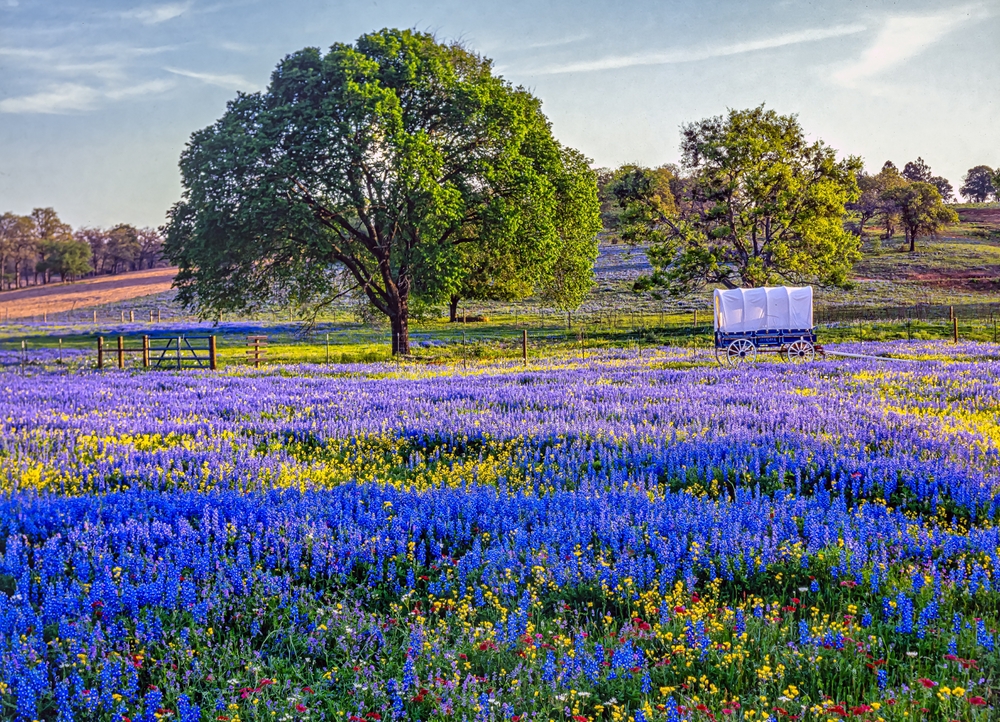
Just outside San Antonio, the Hill Country Scenic Loop begins showing early spring color across rolling ranchland and limestone ridges as March unfolds. Roadside blooms appear in clusters along fence lines, creek beds, and open pastures where sunlight warms the soil first. Short nature trails at nearby parks offer simple walking routes through oak groves and grassy meadows without requiring long distances or steep climbs. The varied terrain keeps the drive visually interesting as curves in the road reveal new pockets of color.
The full route can be completed in a few hours, which leaves time for unplanned detours and scenic overlooks. Early in the season, flowers may appear in scattered patches rather than continuous fields, making it worthwhile to explore several stops along the loop. Cooler morning air makes brief walks especially pleasant before the afternoon sun grows stronger. Local visitor guides and park offices sometimes highlight which stretches are currently showing the most consistent bloom.
Blue Ridge Parkway near North Carolina
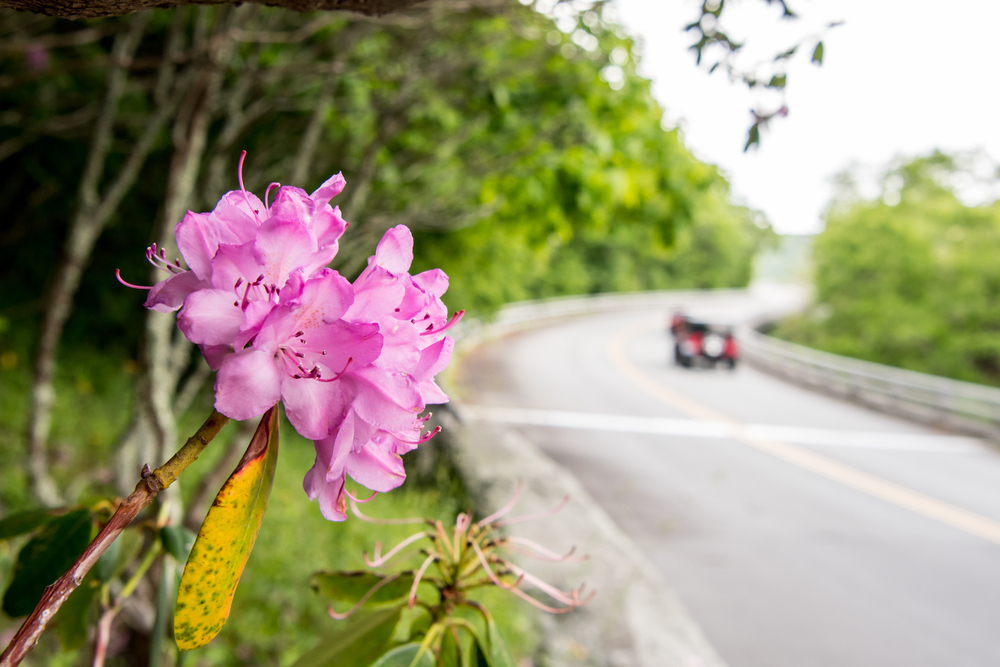
Lower elevations along the Blue Ridge Parkway begin revealing early spring flowers in March, particularly in sheltered forest areas that warm gradually. The winding mountain road provides frequent overlooks where drivers can pause and step onto short woodland trails. Ephemeral blooms such as trillium and bloodroot appear along shaded paths before the trees fully leaf out, creating bright accents against the still muted forest floor. The blend of distant mountain views and intimate woodland detail gives the trip natural balance.
Loop trails near visitor centers remain manageable in length, which makes them ideal for relaxed exploration rather than long hikes. Fog sometimes drifts through the mountains in early spring, softening ridgelines and adding atmosphere to the scenery. Road conditions can vary at higher elevations, so checking seasonal closures before heading out is wise. The combination of layered mountain vistas and quiet forest blooms creates a road trip that feels both expansive and personal.
Central Valley Almond Blossom Route in California
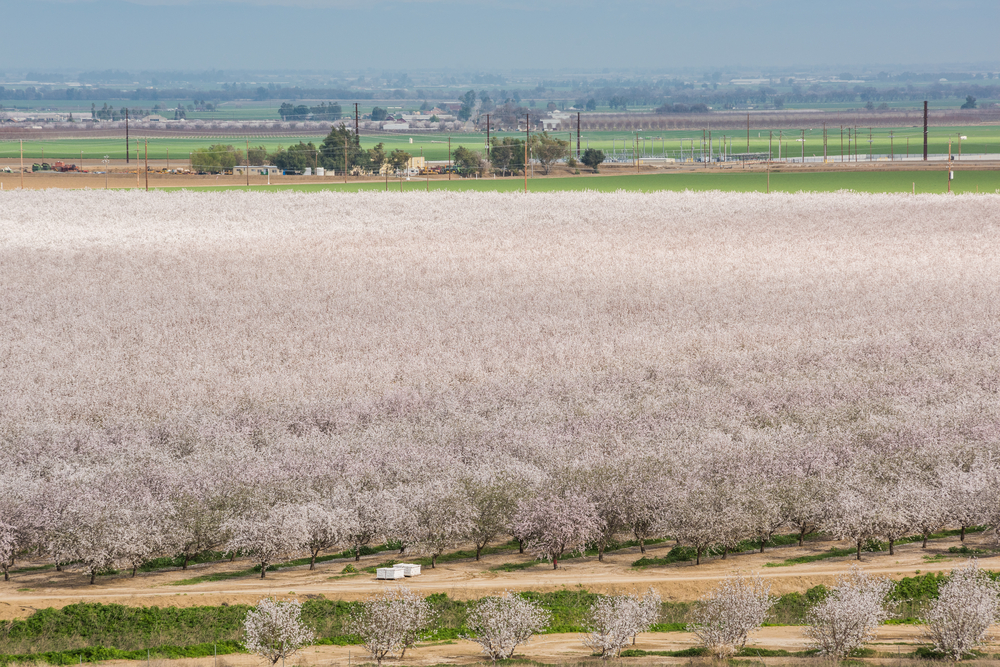
In early March, almond orchards across California’s Central Valley burst into soft pink and white bloom that stretches across entire farming regions. Long, straight country roads pass through rows of flowering trees that resemble drifting clouds when viewed from a distance. Designated viewing areas and quieter farm roads allow short walks near the orchards without interfering with agricultural work. The faint scent of blossoms lingers in the air on calm mornings, adding another sensory layer to the drive.
Sunrise and sunset bring warm light that highlights the pale petals and casts gentle shadows between rows of trees. Respecting private property remains important when stopping for photographs, as these orchards are active working farms. Bloom timing can vary depending on temperature patterns during late winter. Regional tourism offices often publish blossom maps during peak weeks, which makes planning stops easier.
Death Valley Wildflower Loop in California
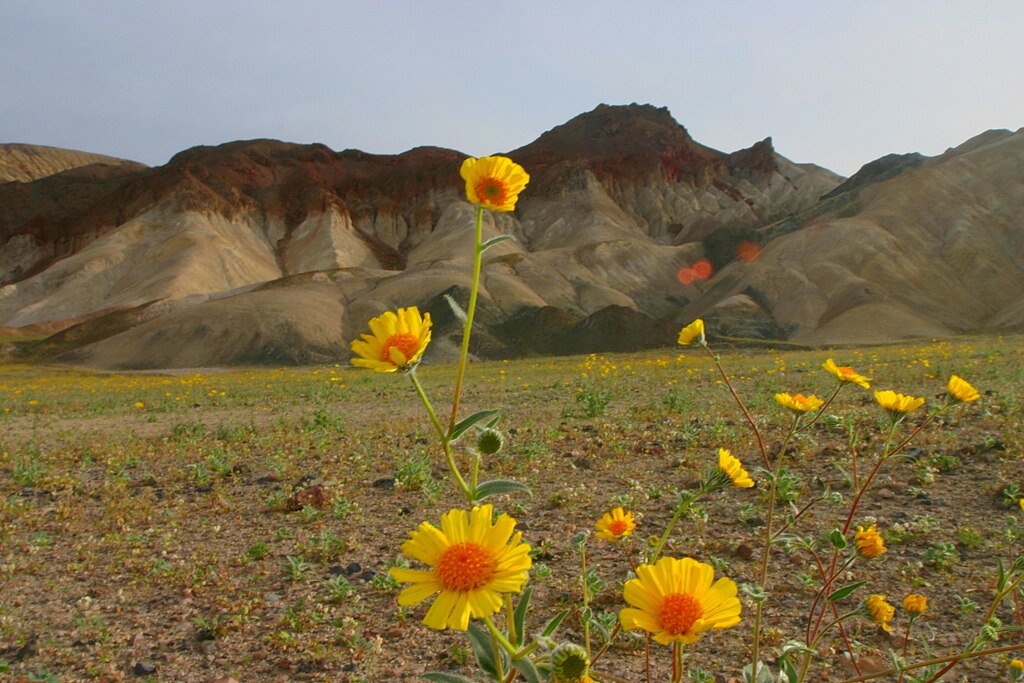
When winter rain has been generous, sections of Death Valley begin showing surprising bursts of color in March across otherwise stark desert basins. The drive through low valleys reveals small clusters of yellow desert gold and purple phacelia scattered between rugged mountain ranges. Short interpretive trails near Furnace Creek guide visitors through areas where blooms gather along dry washes and sandy flats. Even brief walks offer insight into how plant life emerges in an environment known for extremes.
March temperatures remain far more comfortable than in late spring and summer, which makes exploration easier and safer. Wildflower displays vary widely from year to year, so checking park updates before traveling helps set expectations. Scenic overlooks provide wide panoramic views without requiring long treks into remote areas. The dramatic desert backdrop gives this road trip a character that feels very different from greener spring destinations.
Table Mountain Ecological Reserve in Oroville
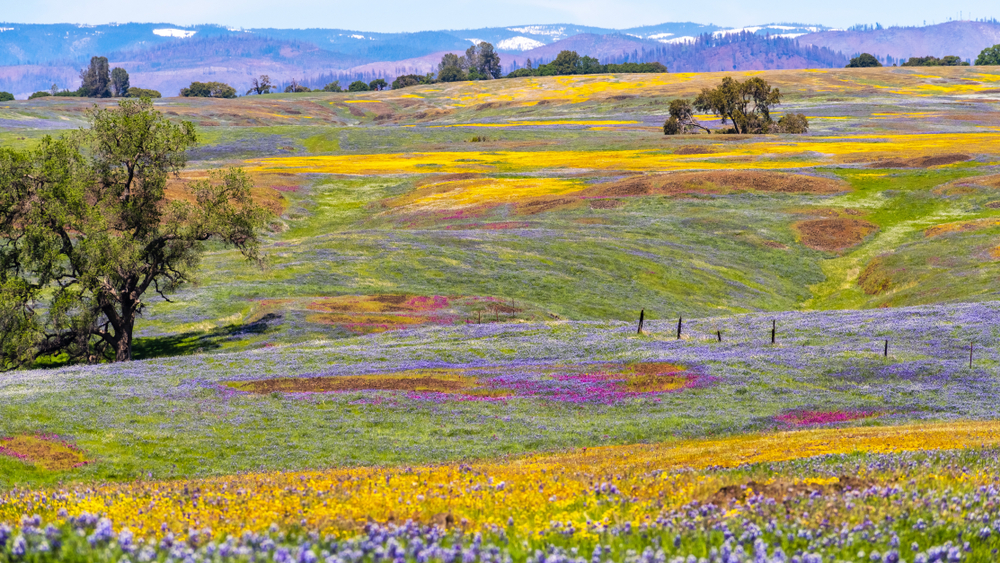
Table Mountain becomes known for its spring display of wildflowers and seasonal waterfalls that flow after steady winter rain. The drive through rolling foothills leads to trailheads offering short loop paths across open grassy plateaus. Patches of goldfields and purple owl’s clover spread across slopes, creating broad bands of color against dark volcanic rock. Even a one-mile walk provides sweeping views of the surrounding valley and distant ridges.
The basalt formations that shape the plateau create a strong visual contrast with delicate blooms growing in shallow soil. Trails can become muddy after recent storms, so sturdy footwear makes the visit more comfortable. Waterfalls often continue flowing through March, adding movement and sound to the landscape. The combination of flowers, open sky, and cascading water gives this stop variety without requiring a strenuous hike.
This article originally appeared on Avocadu.