
14 Antique Decorative Trays, Tins, and Boxes Collectors Still Love
Antique decorative trays, tins, and boxes have a way of making everyday storage feel special. Even a simple shelf can look more interesting when you add a piece with age and character. As you look closer, you may spot clues like old labels, hand-finished edges, or a latch that still works smoothly. Take a look through the picks ahead and find a piece you would love to bring home.
This post may contain affiliate links, which helps keep this content free. Please read our disclosure for more info.
Coca-Cola Betty Lithograph Tray by Passaic Metalware Co.
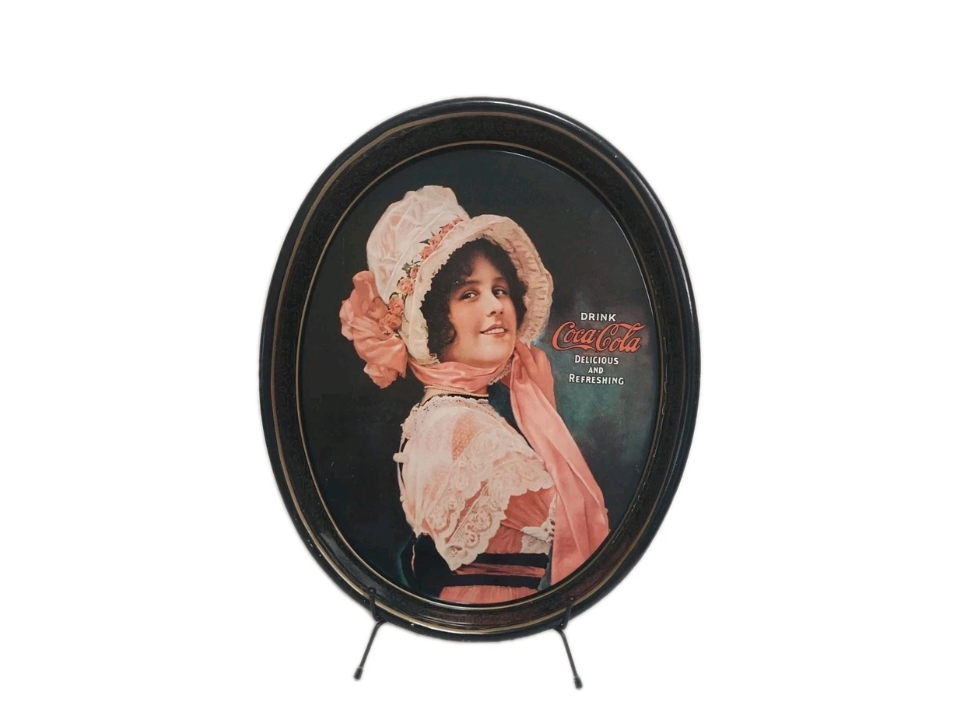
Few advertising trays feel as recognizable as the 1914 Coca-Cola Betty tray. Passaic Metalware Co. produced it, and the back marking often helps confirm the date. The main draw is the bright lithograph artwork and the sturdy rolled rim. Current market value often falls around $60 to $150 based on paint loss, rust, and edge wear.
To care for it, keep it in a dry room since moisture can start rusting along the rim and underside. Dust gently with a soft, dry cloth and avoid scrubbing the printed face. If you hang it, use a padded hanger so the metal does not rub the rim and chip paint. Keep it out of direct sun so the colors fade more slowly.
Papier Mache Decorative Tray by Jennens and Bettridge
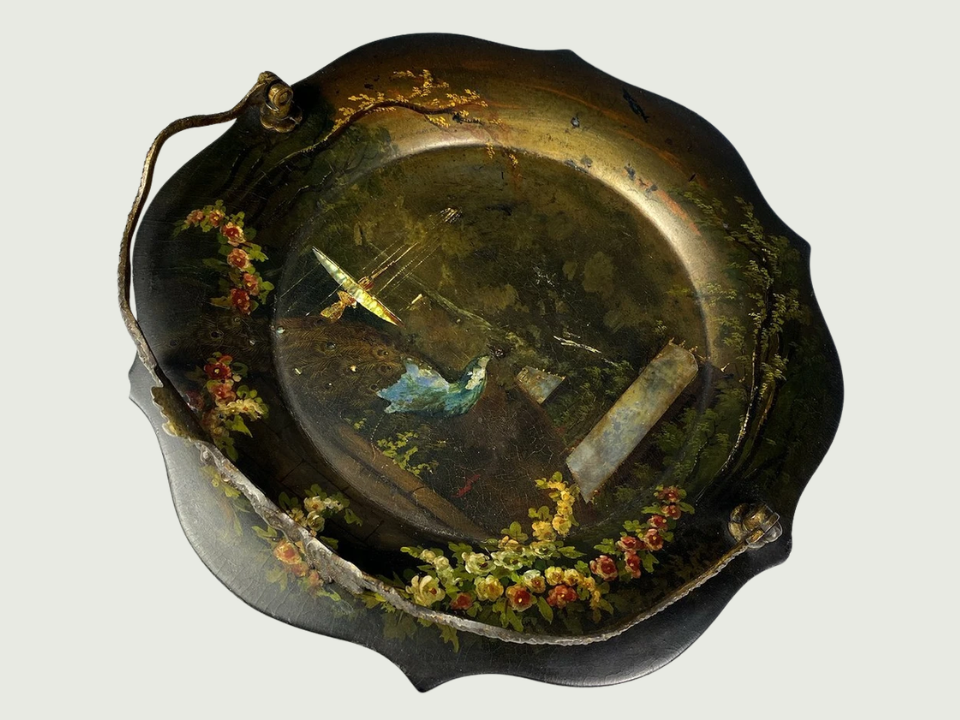
Victorian papier mache trays are popular because they look like functional art. Jennens and Bettridge produced many well-known examples around 1850. The glossy black ground with painted detailing is the feature people notice right away. Market value is often around $900 to $1,200, with size and condition driving the range.
For preservation, treat it like a delicate painted object rather than a serving tray. Keep it away from damp areas because moisture can cause lifting, ripples, or cracking in the finish. Do not stack heavy items on top, since pressure can leave permanent marks. Dust lightly with a soft brush or cloth and avoid liquid cleaners on the lacquer.
Windmill Biscuit Tin by Huntley and Palmers
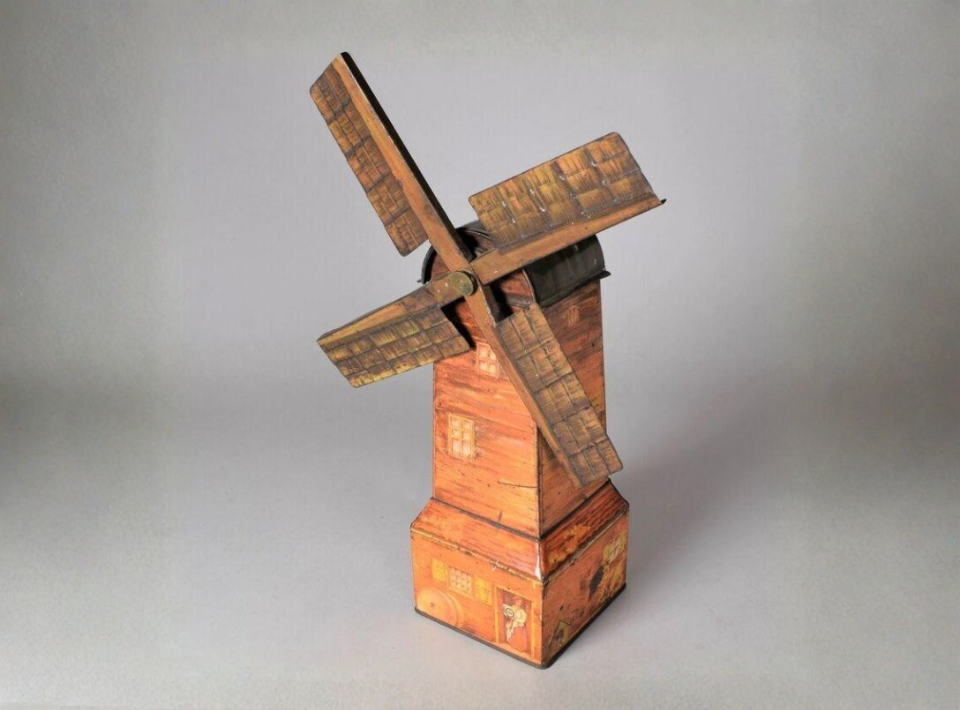
On kitchen shelving, the Huntley and Palmers Windmill tin can steal attention fast. Many examples are dated around 1924, and the brand name is usually clear on the body. The best feature is the detailed printed scene paired with a lid that sits snug when it has not been bent. A typical market range is $400 to $800 when the graphics are clean and the metal is solid.
Handle it by the base whenever possible, since pressure on sails or raised parts can bend the metal. Keep it away from humid storage so rust does not creep in along seams and edges. If you clean it, use a dry microfiber cloth and stop if you see loose paint. Store it with acid-free tissue inside to reduce interior scuffs and metal-on-metal contact.
Sentries Biscuit Tin by Huntley and Palmers
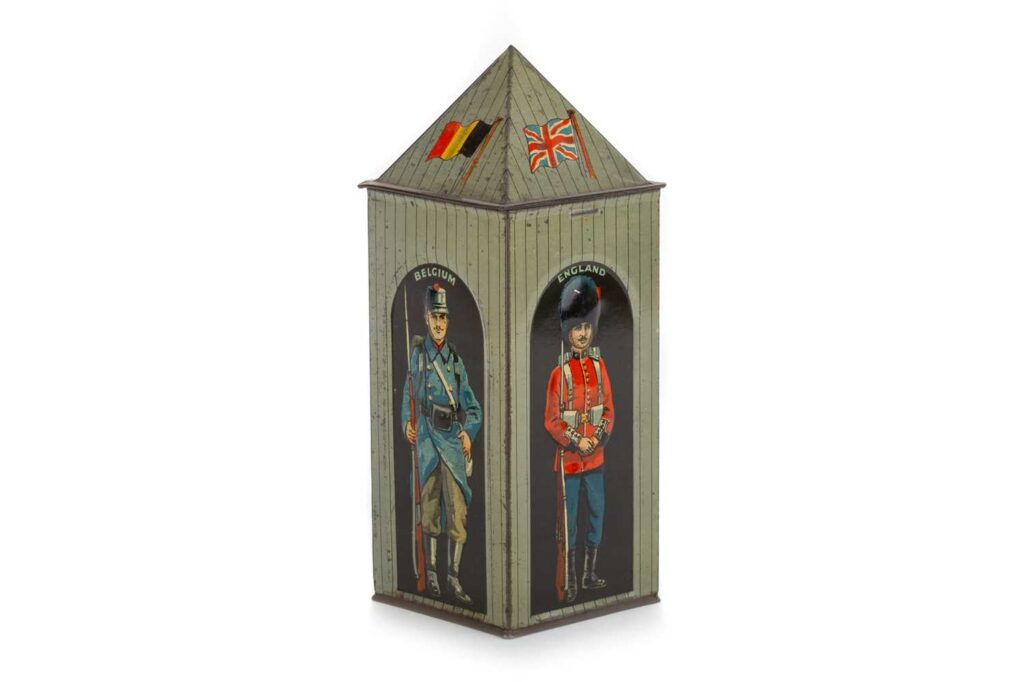
Collectors often go for the Huntley and Palmers Sentries tin because it has a memorable character style. Auction descriptions commonly place it around 1914, which adds extra interest for early packaging fans. The feature that stands out is the strong artwork that reads well from across a room. Current market value is often $150 to $350, depending on dents, paint wear, and rust.
Check the lid edge and corners often, since those spots are where paint rub and rust usually start. Keep it dry and avoid placing it directly on a cold window ledge where condensation forms. If you display it, set it on felt pads so the base rim does not scrape. Never seal it in an airtight plastic bag if there is any rust inside, since trapped moisture can make it worse.
Zodiac Gilt Bronze Desk Box by Tiffany Studios
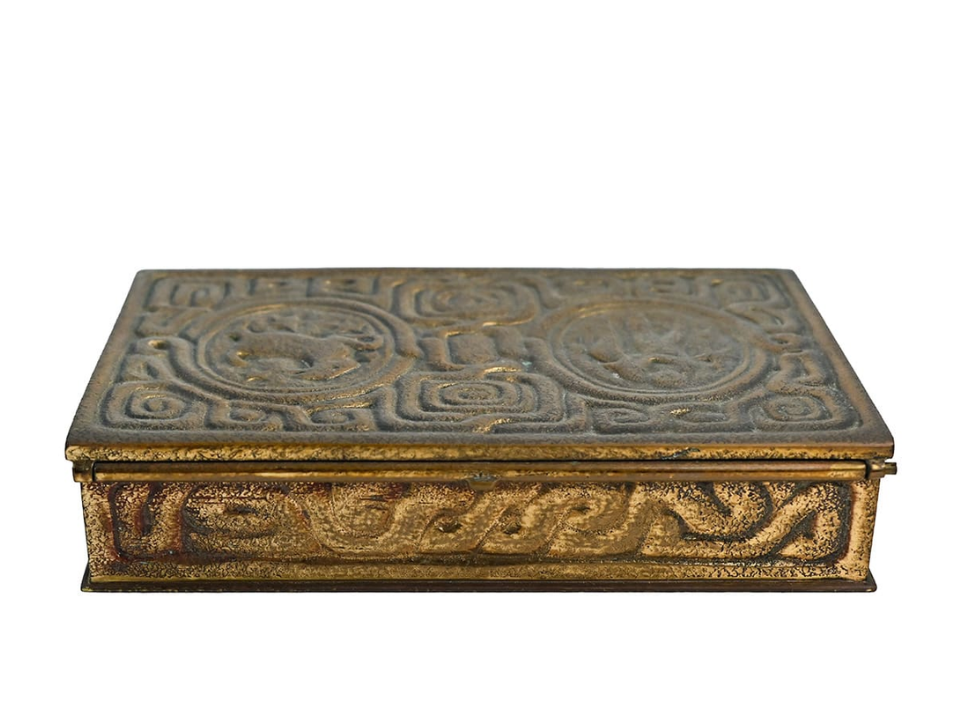
A Tiffany Studios Zodiac desk box is collected for its rich metalwork and luxury feel. Many examples are dated around 1900, which fits the early 1900s design taste. The key feature is the Zodiac motif that wraps the sides with crisp detail. Current market value often ranges from $900 to $2,000 based on size, finish wear, and markings.
For care, keep it dusted with a soft cloth and avoid abrasive rubbing on the gilt surface. Skip metal polish unless a specialist confirms it is safe for that finish, since polish can strip the warm look collectors want. Store small items inside with a fabric liner so metal does not scratch from keys or coins. Keep it away from damp air to reduce spotting and corrosion in crevices.
Zodiac Multi-Piece Desk Set by Tiffany Studios
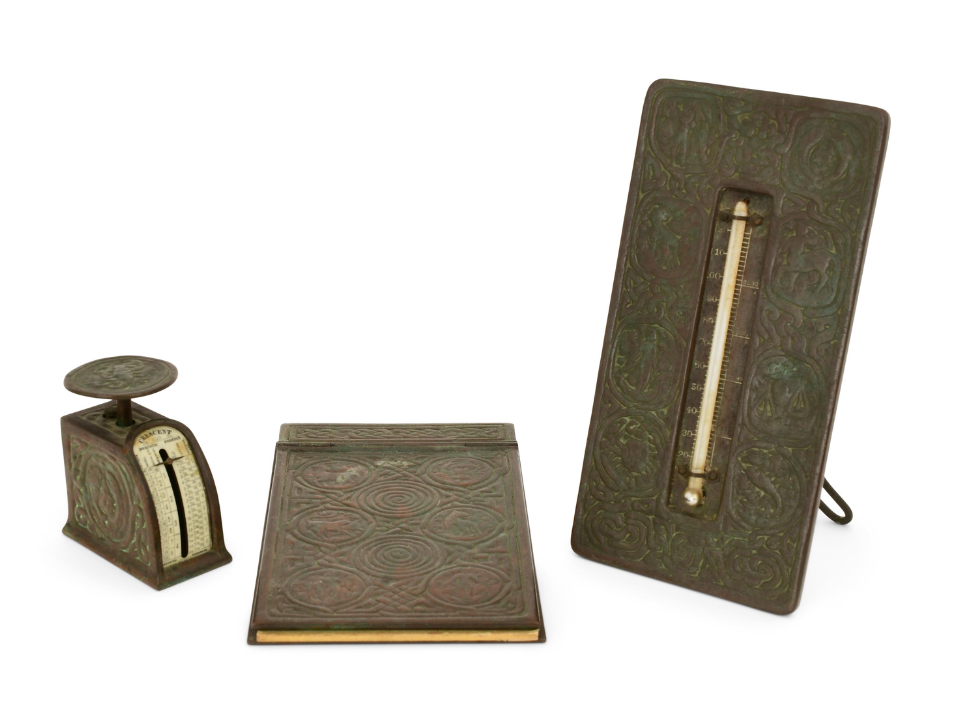
Rather than a single box, a full Zodiac desk set draws collectors who like matched groups. Tiffany Studios produced sets around 1900 that include several desk pieces in the same pattern. The best feature is the consistent theme across the set, which makes it feel complete as decor. Market value for a fuller set often sits around $2,000 to $4,000, depending on piece count and condition.
To preserve a set, keep the pieces grouped on a soft desk mat so they do not scrape each other. Avoid polishing, since uneven shine can make a set look mismatched even when it is original. Lift pieces rather than sliding them, especially heavier parts like inkwells or clocks. If you store them, wrap each piece separately in acid-free tissue to prevent metal-on-metal scuffs.
Hand-Painted Toleware Tray by Nashco
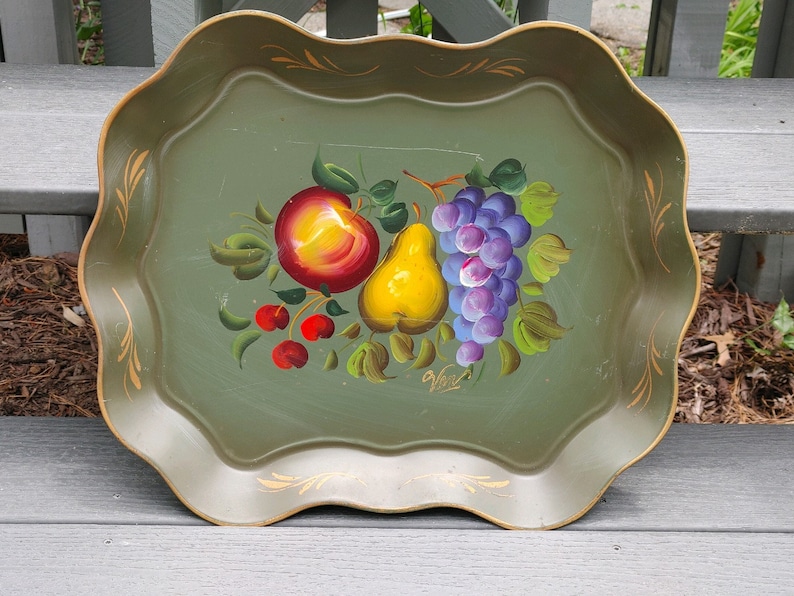
In a mid century kitchen, a Nashco toleware tray can look right at home. Many were produced in the 1960s and sold with the Nashco name tied to New York. The most loved feature is the hand-painted floral design over a metal base. Current market value is often $35 to $120, depending on size, paint chips, and label condition.
Keep it dry and avoid soaking, since water can creep under paint at chips and start rust. Dust with a soft cloth, and if you need a deeper clean, use a barely damp cloth and dry it immediately. Do not stack other trays on top unless you place a soft barrier between them. For wall display, use padded hangers and small felt pads where the tray meets the wall.
Floral Decorative Tin Box by Daher Decorated Ware
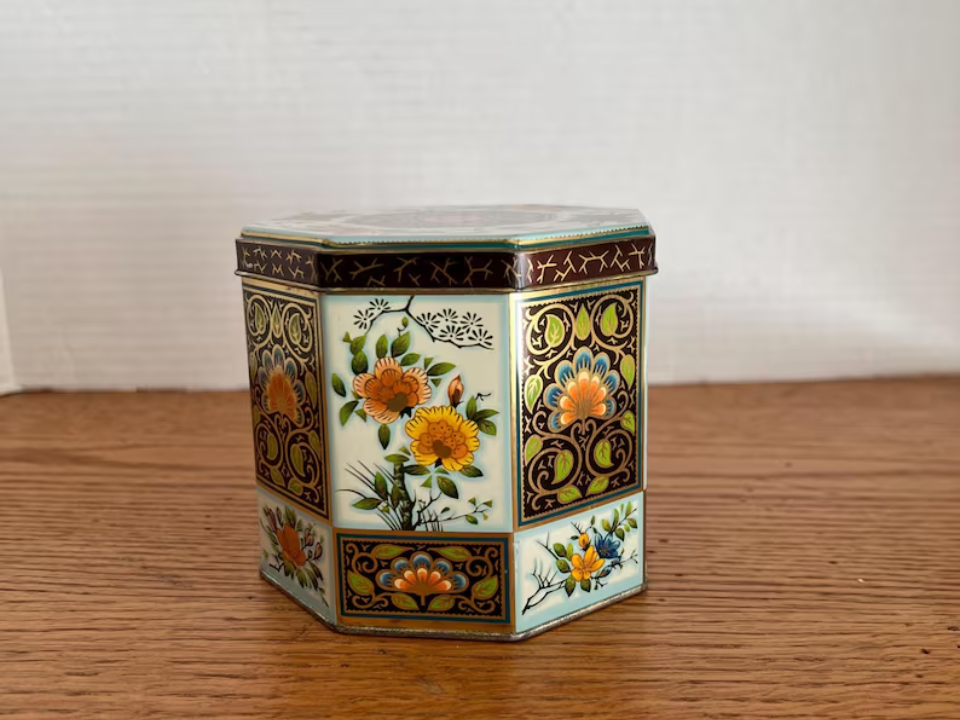
Daher Decorated Ware tins are popular because the patterns feel cheerful and familiar. Many were produced in the 1950s in England, and the Daher name is often printed inside the lid or base. The main feature is the bright lithograph floral print that still looks good decades later. Market value usually runs $30 to $110, depending on size, rust, and lid fit.
To preserve it, store it away from humidity since rust often starts at seams and the base rim. Wipe it dry if it ever gets damp, including the underside where moisture hides. Do not store food directly inside unless you add a removable liner, since oils and crumbs can stain and hold moisture. If the lid rubs paint, place a thin strip of acid-free tissue at the contact point when storing.
Tea Caddy Tin by Rowntree
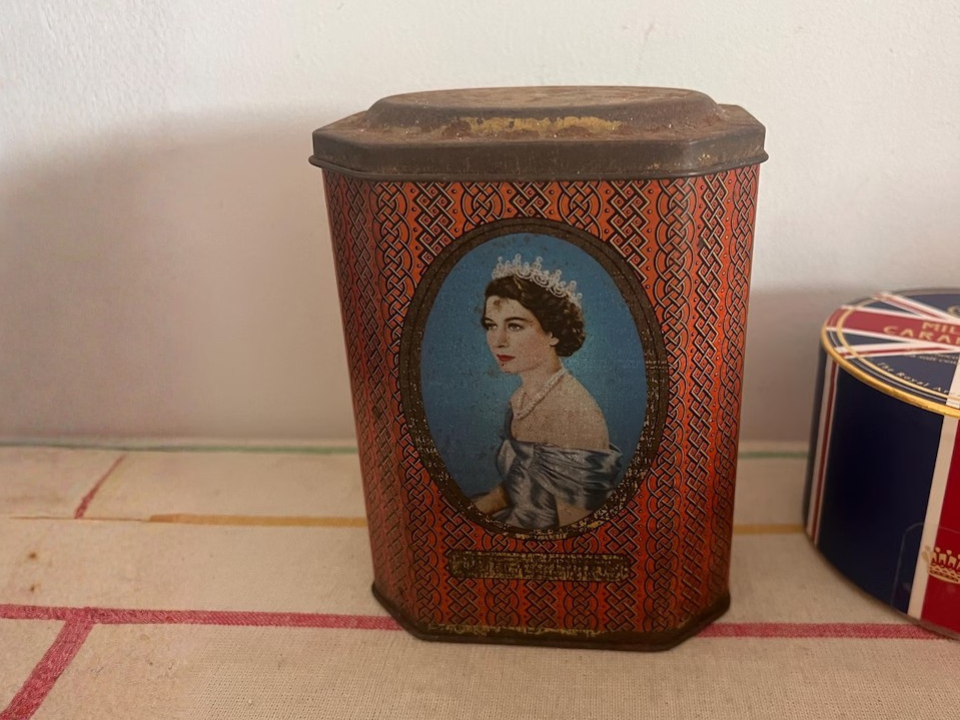
Rowntree tea caddies are tinplate containers made for tea storage and often feature period lettering and commemorative or brand graphics. The best feature is the clear branding, which gives the tin a strong old shop feel on a shelf. Market value depends on theme and condition, with many examples under $40 and some themed pieces around the $35 range in clean condition.
To preserve it, store it away from humidity since rust often starts at seams and the base rim. Wipe it dry if it ever gets damp, including the underside where moisture hides. Do not store food directly inside unless you add a removable liner, since oils and crumbs can stain and hold moisture. If the lid rubs paint, place a thin strip of acid-free tissue at the contact point when storing.
Biscuit Tin with Scenic Panels by Peek Frean
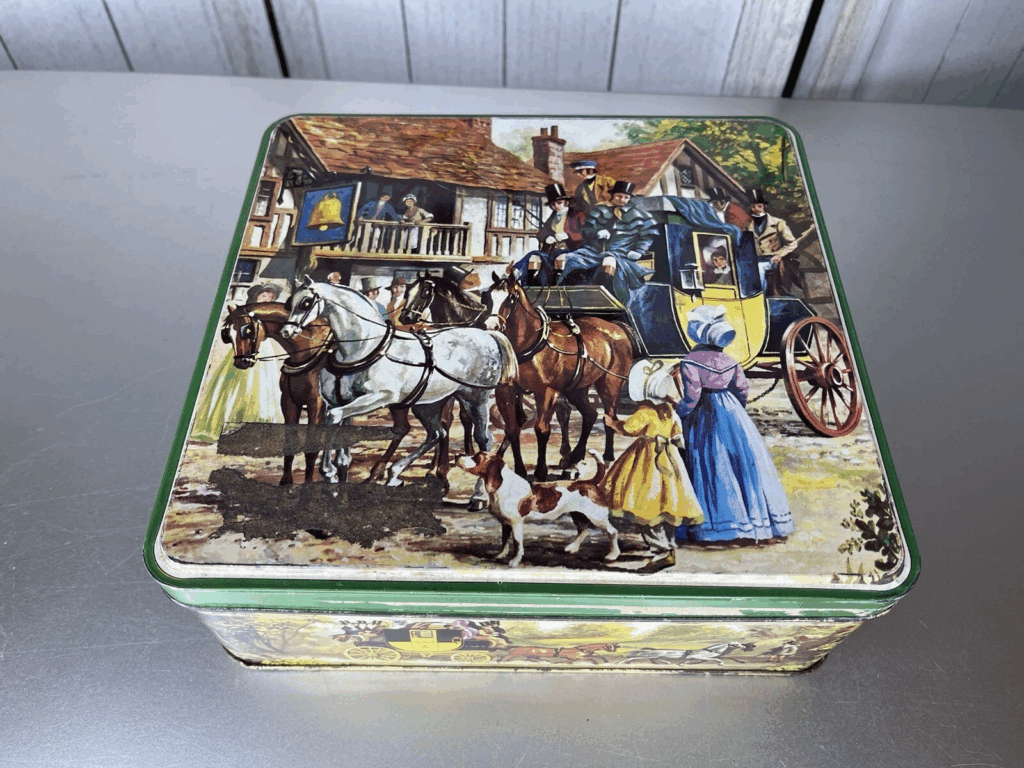
Peek Frean biscuit tins are collected for their wide range of printed designs. Many early 1900s examples feature crests, scenic panels, or festive themes. The standout feature is the artwork style, which can look playful or formal depending on the tin. Market value often falls around $35 to $160 based on scene, size, dents, and rust.
Care starts with keeping it away from damp basements and garages, where rust spreads quickly. Handle it with clean, dry hands because salt and skin oils can dull printed areas over time. Avoid placing it in direct sunlight, since printed colors can fade unevenly. If you store it, place soft tissue inside and do not stack heavy items on top that could dent the corners.
Wooden Tea Caddy with Compartments by Victorian era makers
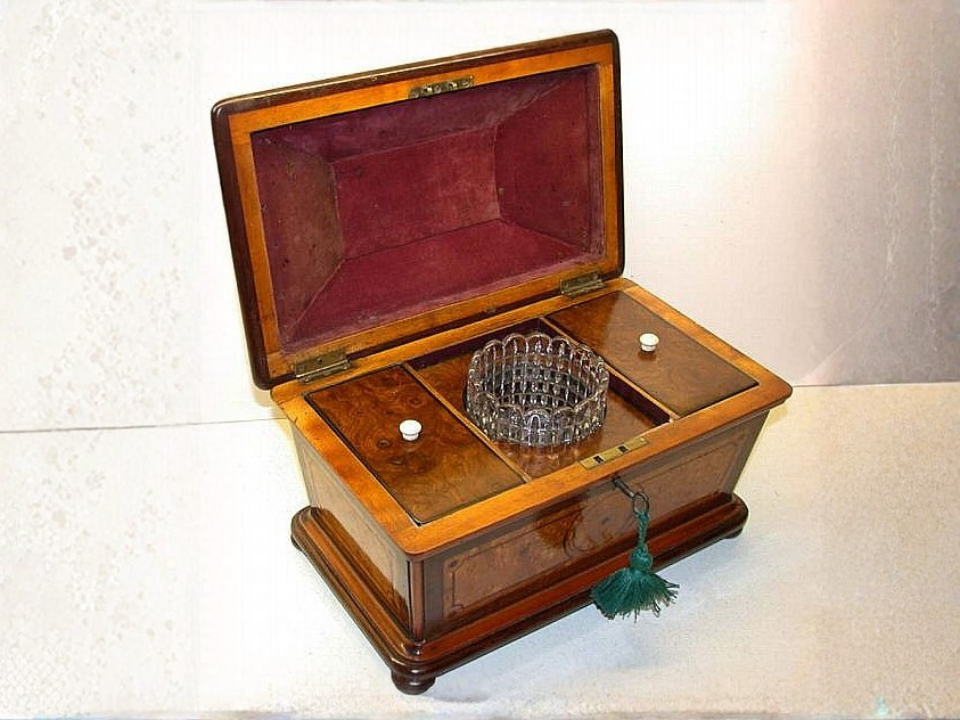
A Victorian wooden tea caddy can feel both decorative and useful. Many were produced in the late 1800s by various British makers, often without a single big brand name. The most important feature is the original compartment layout, especially when dividers remain intact. Current market value is often $80 to $300, depending on wood type, inlay, hinges, and condition.
To preserve wood and veneer, keep it away from heat vents and direct sun that can dry and split old glue lines. Dust with a soft, dry cloth and avoid oily sprays that can stain or soften old finishes. If the lid sticks, do not force it, since veneer chips at the edges are hard to fix. Store it in a room with steady humidity and place felt under it so the base does not scratch.
Cloisonne Trinket Box by Meiji era Japan
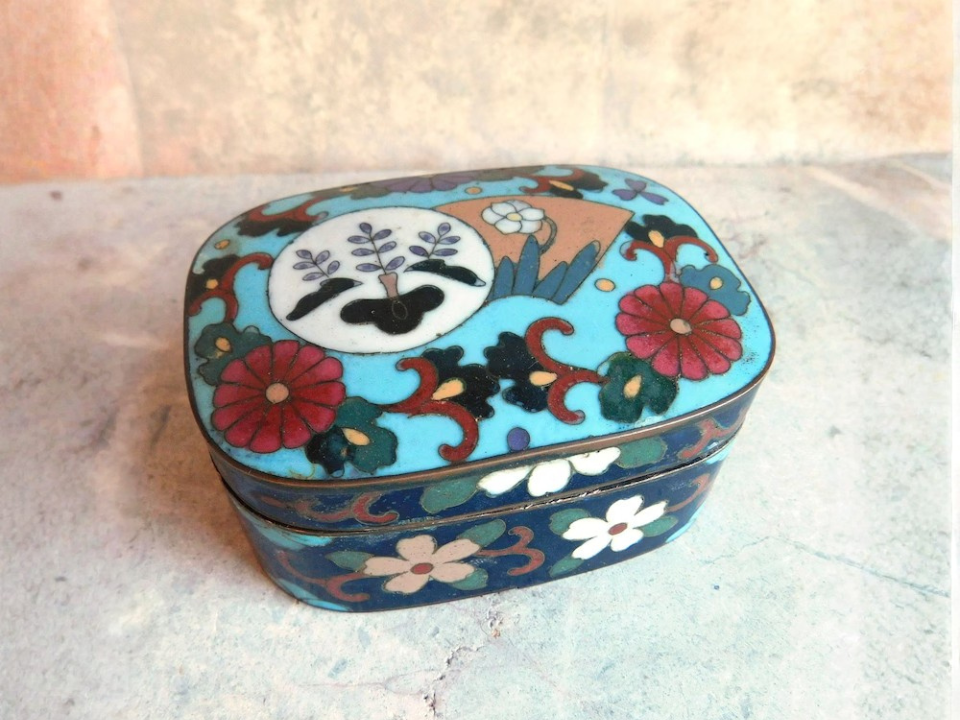
Japanese cloisonne trinket boxes from the Meiji era are loved for their enamel shine. Many were produced in the late 1800s to early 1900s for export and gift markets. The key feature is the fine wire patterning under the enamel, often with florals or geometric motifs. Market value often ranges from $120 to $600 based on size, motif, and enamel condition.
Enamel can chip from impact, so display it on a soft surface and keep it away from hard knocks. Do not use abrasive cleaners, since they can scratch enamel and catch on wire edges. Wipe gently with a soft, dry cloth, and use a barely damp cloth only if needed, then dry right away. Store it wrapped in soft tissue so the lid lip does not rub against the base and create new chips.
Palekh Style Russian Lacquer Box by Russian workshops
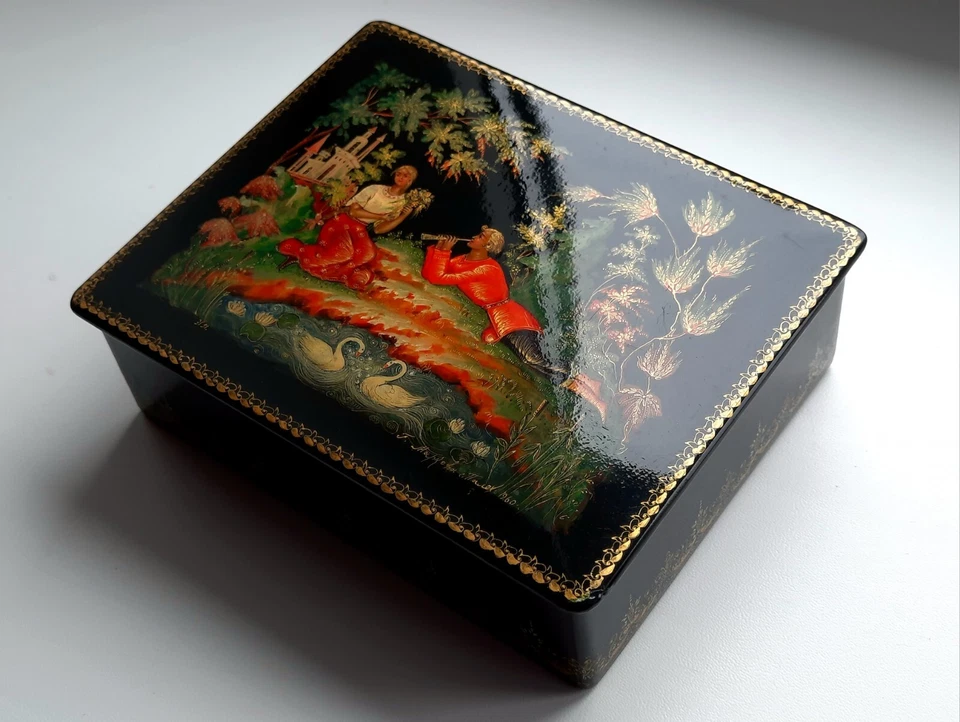
Russian lacquer boxes in the Palekh style are collected for their storybook scenes. Many were produced in the mid 1900s by Russian workshops, often on papier mache with a glossy finish. The main feature is the fine painting with gold accents and detailed figures. Current market value is often $80 to $400, depending on subject, signature, and surface wear.
Lacquer dislikes intense light and rough handling, so keep it out of direct sun and away from bright display lights. Dust with a soft cloth and avoid rubbing grit across the surface, since fine scratches show quickly on glossy black. Store it in a cool, darker place and place soft tissue between stacked items to avoid scuffs. If your home is very dry, avoid placing it near heating vents so the finish does not dry out too fast.
Cut Crystal Trinket Box by Baccarat style of French crystal
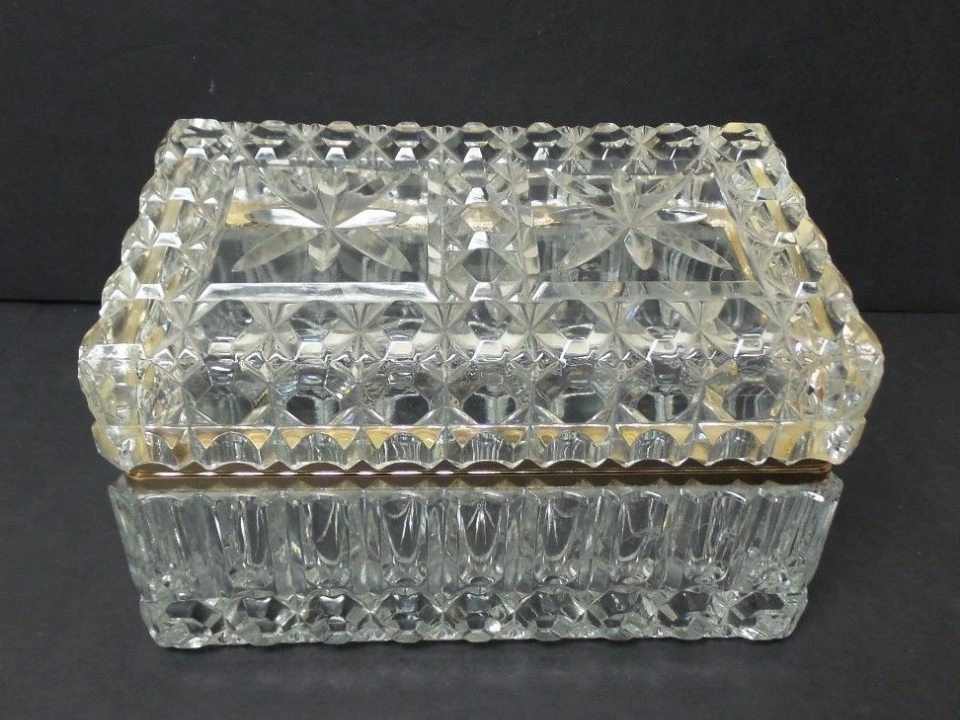
Crystal trinket boxes are popular because they catch light and feel substantial in the hand. Many mid 1900s examples follow the Baccarat style, with sharp cuts and clear lines, though not all are marked. The best feature is the crisp cut pattern that sparkles even in simple room lighting. Market value often lands around $70 to $350, depending on maker marks, clarity, and chips.
To preserve the crystal, avoid stacking it against other glass that can chip the edges. Wash by hand with mild soap and lukewarm water, then dry fully with a lint-free cloth so water spots do not build up. Lift it rather than sliding it, since grit on a shelf can scratch the base. Store it where it cannot tip, and place a soft pad under it if you keep it on hardwood or stone.
This article originally appeared on Avocadu.