
14 Antique Advertising Tins and Signs Collectors Love
Antique advertising tins and signs have a way of pulling you back into another time, when eye catching graphics and clever slogans did the selling. Faded paint, tiny rust spots, and worn edges tell you that these pieces once hung in busy shops, diners, and gas stations filled with daily life. Old brand logos and mascots feel familiar even today, which is why people enjoy hunting for them at flea markets, antique malls, and estate sales. A single tin or sign can remind someone of a childhood kitchen, a grandparent’s garage, or a corner store that no longer exists. Collectors enjoy the mix of color, typography, and design that gives each piece its own personality on the wall.
This post may contain affiliate links, which helps keep this content free. Please read our disclosure for more info.
Coca-Cola Porcelain Advertising Sign
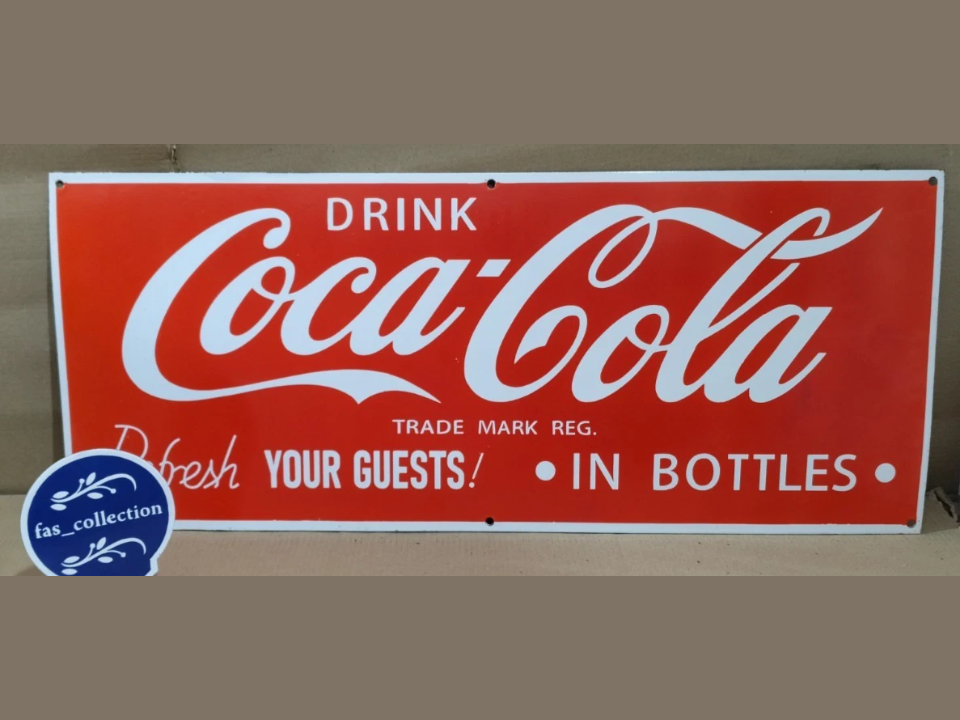
This porcelain sign from Coca Cola is a favorite because the red and white script logo jumps out on any wall. Original pieces were hung on storefronts, fountains, and coolers, so each one feels like a snapshot from a busy corner store. Heavy porcelain enamel keeps the color strong, even when there are chips and rust spots around the edges. Collectors pay attention to details like the maker mark, bolt holes, and gloss, since those clues help separate early originals from later reproductions.
Auction records show small authentic tin or porcelain Coca Cola signs selling around $100, while larger and scarcer examples can reach a few hundred dollars when the condition is strong. High grade porcelain pieces from the mid twentieth century can land anywhere from about $150 to around $700, with rare or exceptional versions sometimes climbing higher.
Gulf Oil Double Sided Dealer Sign
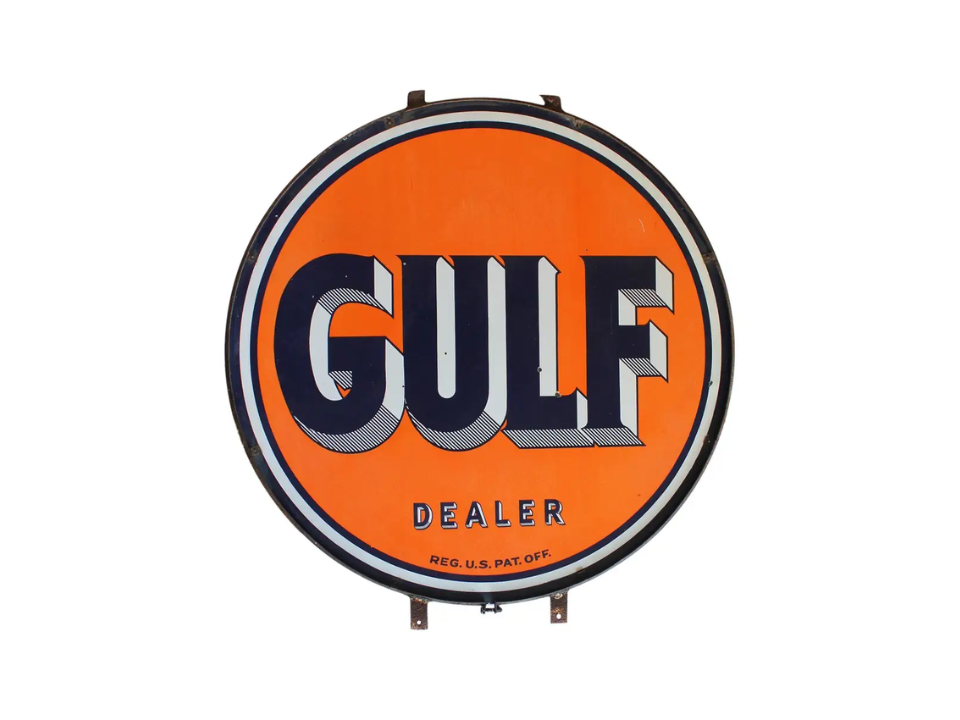
Big double sided Gulf dealer signs are classic centerpieces in petroliana collections. These were made to hang high outside filling stations, so they are usually large, round, and easy to read from a distance. Thick porcelain, deep blue and orange, and clean letter shapes give them a strong visual presence.
Price guides and dealer discussions show that common size double sided Gulf signs from the 1930s and 1940s can sell from roughly $800 up to around $1,500, with extra clean or unusual versions higher. Some especially large or rare Gulf dealer signs listed through high end dealers have asking prices in the low thousands, so this is a category where a single piece can easily become a major investment.
Mobil Gargoyle Porcelain Service Station Sign
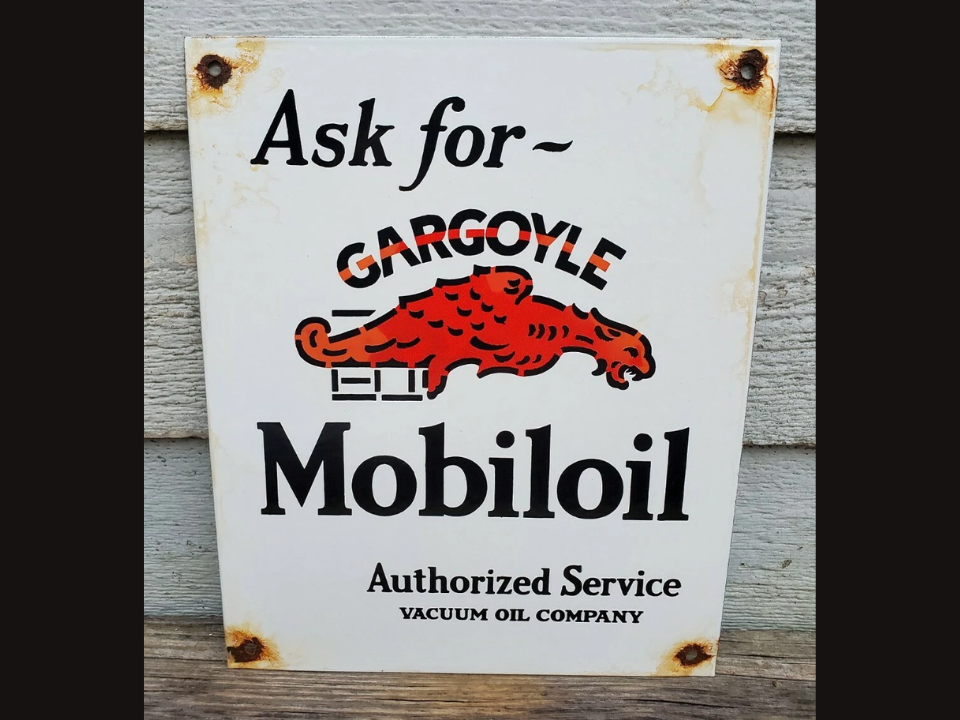
The classic Mobiloil Gargoyle sign shows a red gargoyle leaping across white enamel, and that simple graphic feels instantly recognizable to collectors. These signs came in several sizes and shapes, including round, rectangular, and shield forms, so there is a version that fits almost any display wall. Many were bolted near pumps or on the station building, which means original mounting holes, slight bend, and edge wear are common today.
Collectors like pieces that still show crisp lettering for product names like Mobiloil A or Mobiloil Arctic, since that helps place the sign in a specific time period. Auction and dealer records show single sided Mobiloil porcelain signs selling in a wide range, from the low hundreds for smaller or rough examples to well over $1,000 for scarce double sided or large versions. A clean mid-sized original gargoyle sign today often falls roughly around $500 to $1,000, depending on design and condition.
Shell Motor Oil Dealer Sign
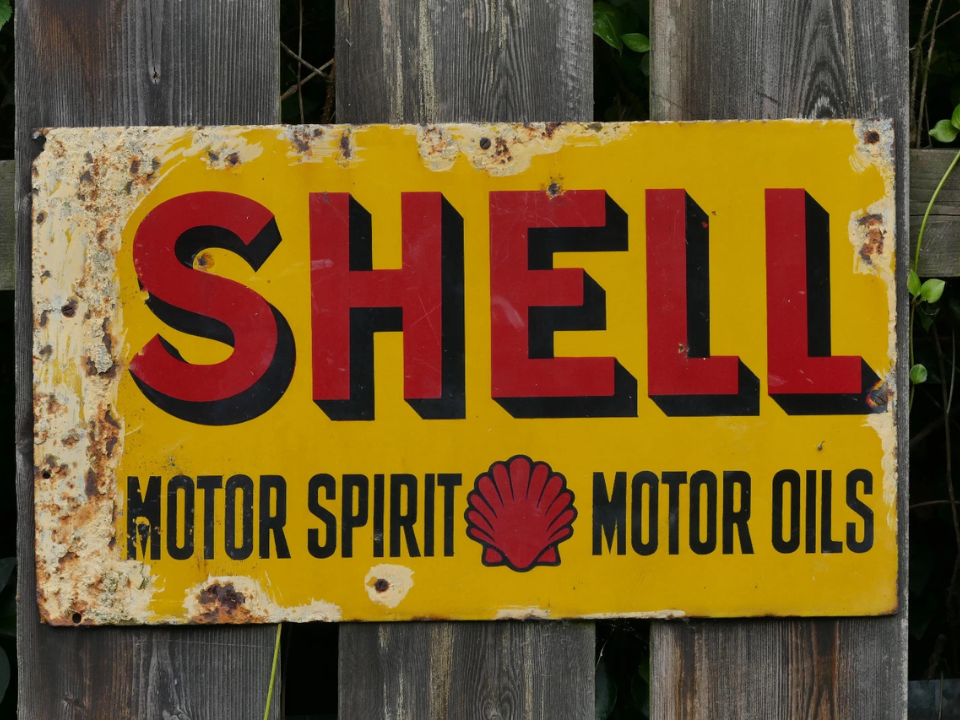
Shell motor oil and gasoline signs are known for the bright yellow shell and red lettering that stand out even in a crowded garage display. Early dealer signs were porcelain, double sided, and large enough to command attention on a highway, which helps explain why survivors are so prized. Collectors look closely at the shape of the shell logo, because it changed over time and helps date each sign.
Condition is especially important with yellow porcelain, since staining and fade show quickly, and a glossy example with strong color feels very special. Live auction records include Shell porcelain signs selling from a few hundred dollars for fairly common sizes up into the low thousands for particularly desirable examples in nice shape. In present market terms, a good mid-sized original Shell porcelain sign with honest wear often falls somewhere around $400 to $1,200.
Texaco Fire Chief Gasoline Sign
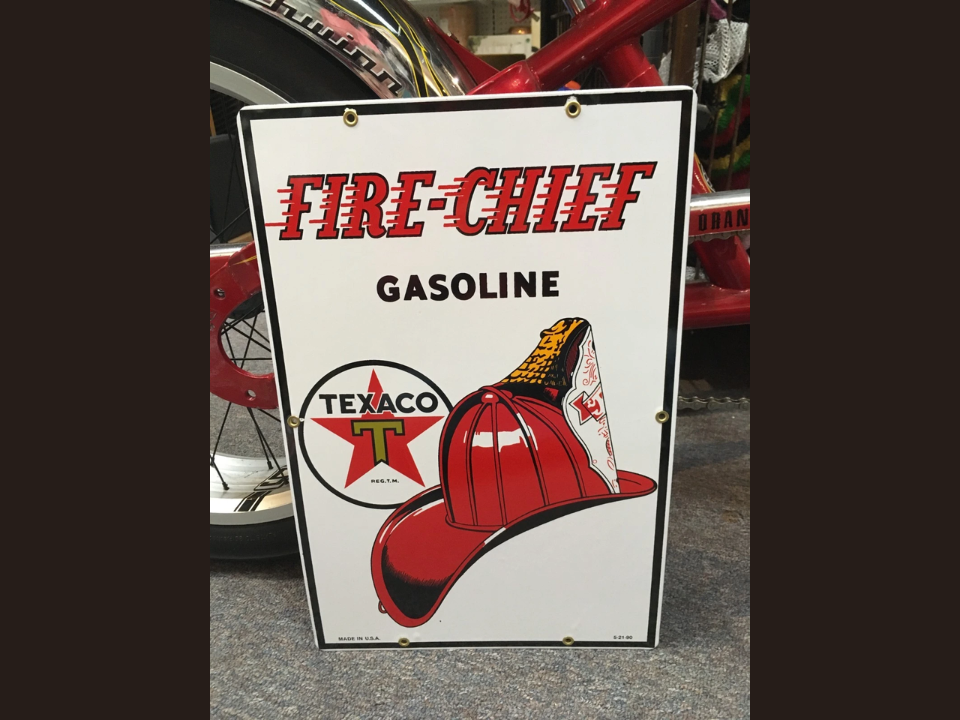
Texaco Fire Chief gasoline signs appeal to collectors who like both bold color and playful imagery. These signs usually show a red fire chief helmet, the Texaco star, and clear wording that advertises the gasoline blend. Most examples seen today are porcelain pump plates or wall signs that once hung on service station pumps, so they have a direct link to how customers bought fuel.
Collectors pay attention to whether the sign is single or double sided, the exact helmet artwork, and whether the edges are still crisp or heavily chipped. There are plenty of reproductions aimed at decorators, so original pieces with weighty porcelain, sharp detail, and correct mounting holes stand out. Recent sales of authentic Fire Chief porcelain plates show prices that often fall between about $100 and $250, with rougher pieces lower and high-grade ones higher.
Planters Mr Peanut Grocery Tin
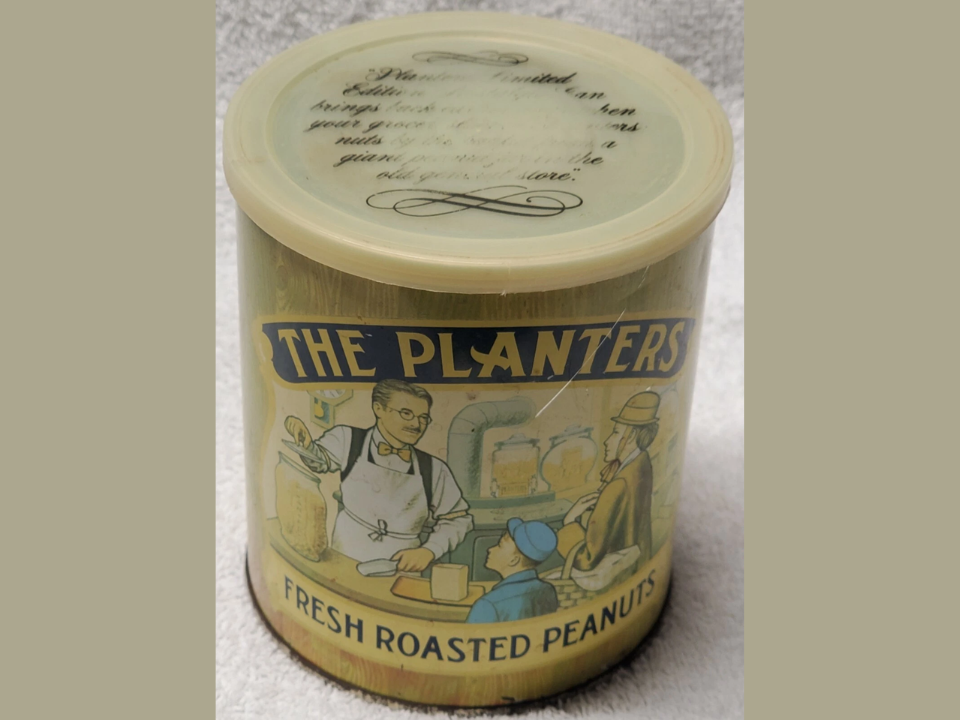
Planters grocery tins featuring Mr Peanut combine bright graphics with a mascot that feels instantly familiar. These tins originally sat on store shelves filled with peanuts, and the designs often show Mr Peanut tipping his hat or walking in his top hat and cane. Collectors like how these tins tell the story of early branded snack food, when packaging had to catch a shopper’s eye from across the counter.
Condition matters, so strong color, minimal rust, and a lid that still fits neatly can push a tin well above a worn example. Some versions are common, while others, such as large store display cans or early designs, are much harder to track down. Online listings and recent sales show regular size Planters tins selling from the mid-teens into the $30 range, while larger or older tins can pass $100 when graphics are strong.
Hershey’s Cocoa Advertising Tin
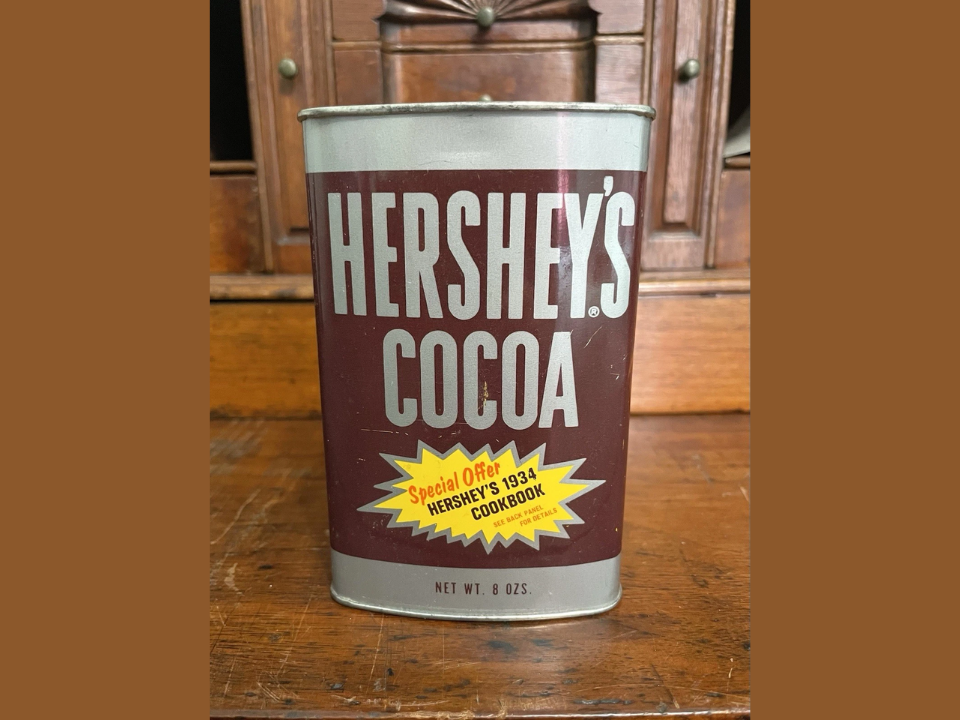
Vintage Hershey cocoa tins bring kitchen nostalgia and advertising history together in one small package. Graphics range from simple brown and white panels to more playful designs such as the well-known cocoa bean baby artwork. Collectors like to line them up on a shelf to show how the logo and design style changed over the decades.
Recent online listings show a wide spread of prices, with ordinary late twentieth century tins often priced around $10 to $20, and scarcer early advertising pieces at higher points. One large store display tin has an asking price near $80, while an antique cocoa tin with the baby in a bean graphic is offered around $25, which helps show the difference rarity can make.
Campbell’s Soup Tin Sign

Campbell soup advertising signs make a colorful link to grocery aisles lined with red and white cans. Many tin signs show the classic soup can design along with slogans or menu ideas, which gives each piece both graphic appeal and a story about mid century food marketing. Collectors enjoy how these signs sit nicely in a kitchen, dining nook, or restaurant themed room, so they cross over from pure advertising collectible into decor.
Surviving examples often show light scratches and nail hole wear, since a lot of them hung on store walls or doors. Modern reproduction signs are common, so original pieces with proper aging, thicker metal, and correct maker information have stronger interest. Current online listings for vintage Campbell advertising tins and signs suggest prices that usually fall between about $15 and $30 for smaller common examples, with some nicer or rarer designs in the $30 to $50 range.
Quaker Oats Limited Edition Round Tin
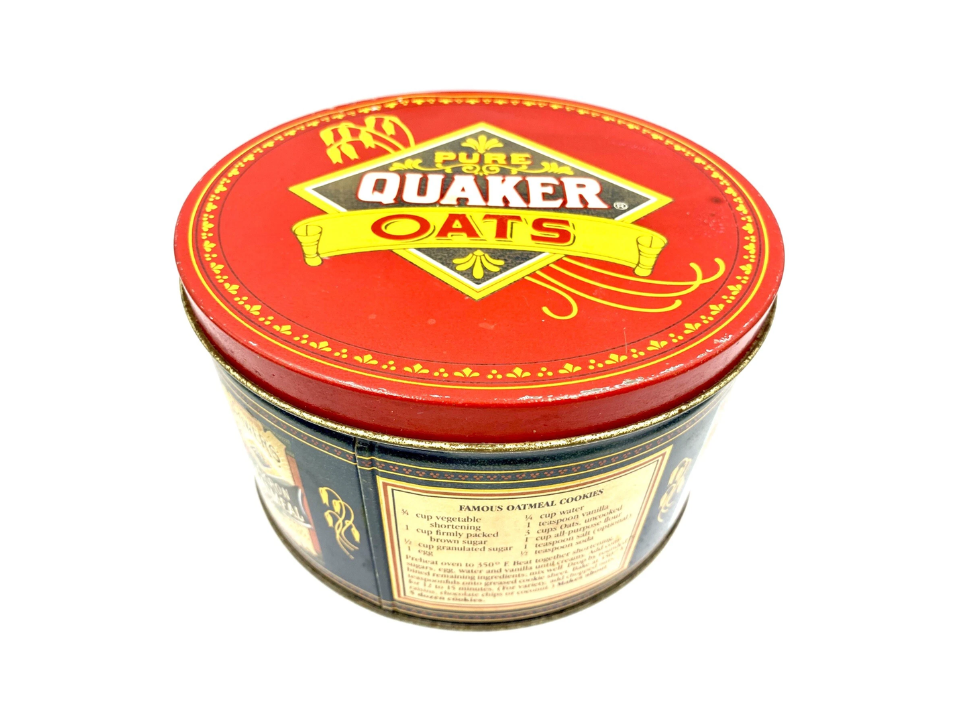
Quaker oats limited edition tins show how brands used decorative packaging to stand out on pantry shelves. One well known example is the round 1983 advertising tin, which repeats the familiar Quaker man and logo in a more collectible format. These tins were often sold filled with oats or as special promotions, so a lot of them survived in homes, stored with recipes or small items after the food was gone.
Collectors look for clean paint, legible wording, and lids that still fit neatly, while heavy dents or serious rust marks pull values down. Recent sales of a 1983 Quaker oats advertising tin show pricing around $11 in used condition, and other Quaker tins across different years fall in a fairly similar neighborhood. Broader searches for Quaker advertising tins show asking prices commonly running from about $10 to the low $20s, depending on design and condition.
Dutch Boy Paints Advertising Sign
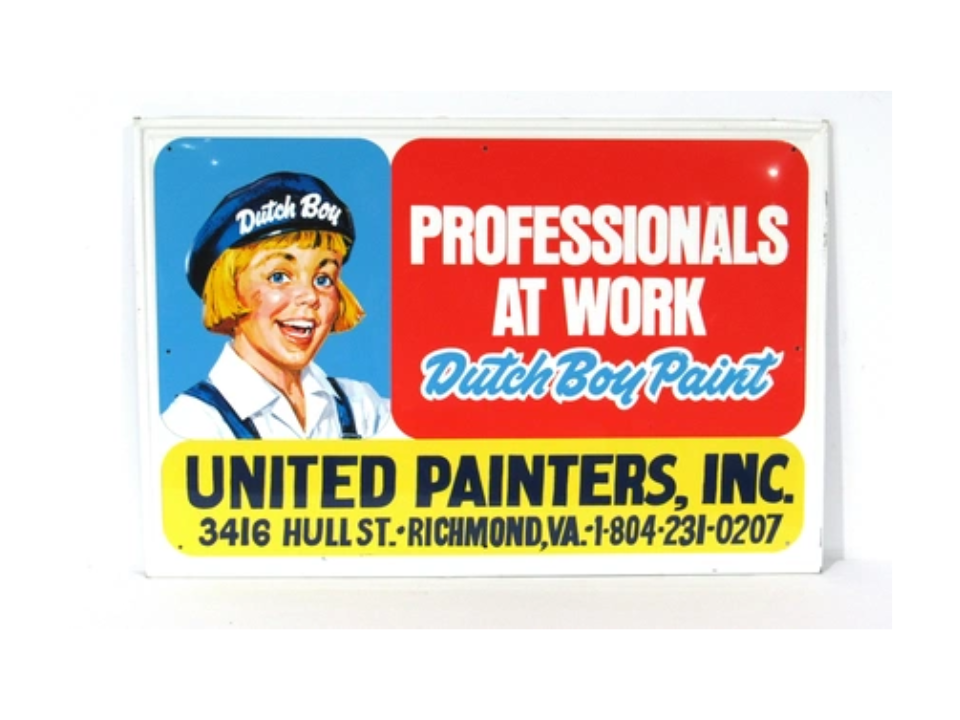
Dutch Boy paint advertising often features the famous child in overalls carrying a paint can, and that image still charms collectors today. Signs came in cardboard, tin, and porcelain, but even simple metal or card stock versions carry strong nostalgia for old hardware and paint stores. Collectors enjoy how the artwork combines bright colors with a friendly character, which makes the signs easy to hang in workshops or studios.
Wear usually appears around the edges and mounting points, while the main graphic can stay surprisingly clean if the sign was stored indoors. A well known metal wet paint sign with the Dutch Boy logo has been offered online around the mid $30 range, which helps set expectations for small original pieces. Other vintage Dutch Boy signs, especially larger or earlier ones, can command higher prices among advertising collectors.
Old Dutch Cleanser Tin Sign
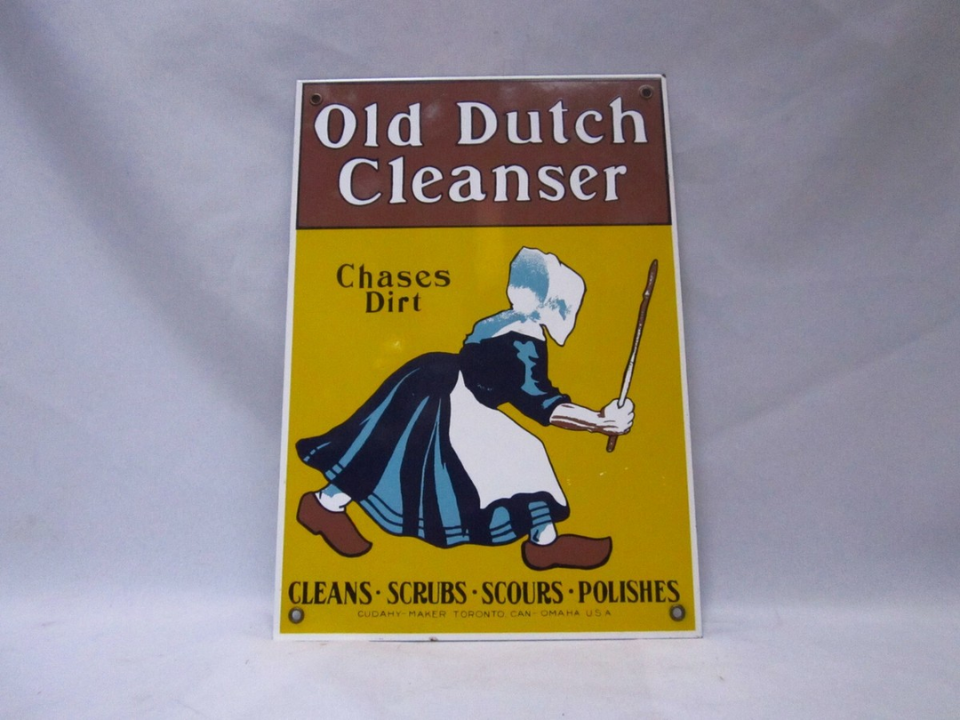
Old Dutch Cleanser signs are remembered for the little girl with a stick chasing a can of cleanser across the panel. This playful design made a basic household product feel lively, and it still catches the eye in a room full of vintage advertising. Many original signs were tin or enamel, hung in grocery stores and general stores where cleaning supplies were sold.
Collectors enjoy how the signs connect to early twentieth century domestic life, from tiled kitchens to small rural shops. Condition can vary widely, since some pieces survived in barns or basements for decades, while others stayed indoors and kept sharper color. Market listings show modest sizes and common designs priced from about $40 upward, while rarer layouts or excellent condition examples bring more.
Prince Albert Tobacco Tin
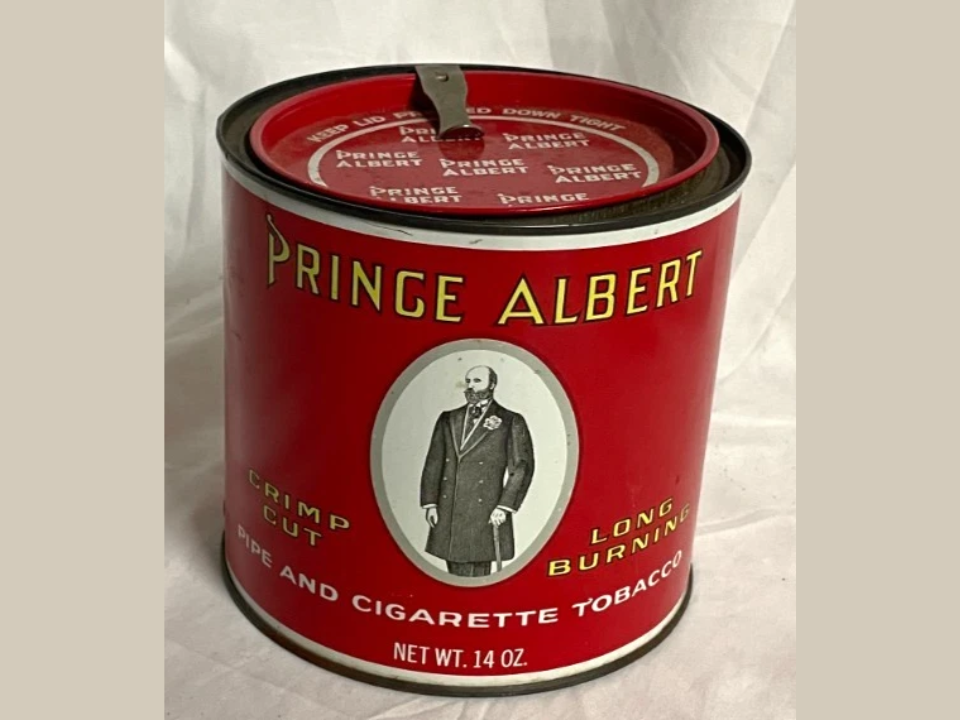
Prince Albert tobacco tins are among the most recognized small tins in the hobby, thanks to their red color and portrait of Prince Albert in uniform. These pocket tins were everywhere in the first half of the twentieth century, slipped into pockets, toolboxes, and desk drawers. Collectors like them because they are affordable entry points and offer endless variations in wording, lids, and tax stamps.
Small changes such as patent dates, side text, and whether the lid is hinged or slip top help date each tin and keep the category interesting. Many collectors search for clean examples with readable lettering and intact lids, although a bit of wear often adds charm rather than hurting the display value. Common Prince Albert tins still trade in the low range, often around $10 to $25, while scarcer advertising store displays or unusual variations can reach higher figures.
Maxwell House Coffee Tin
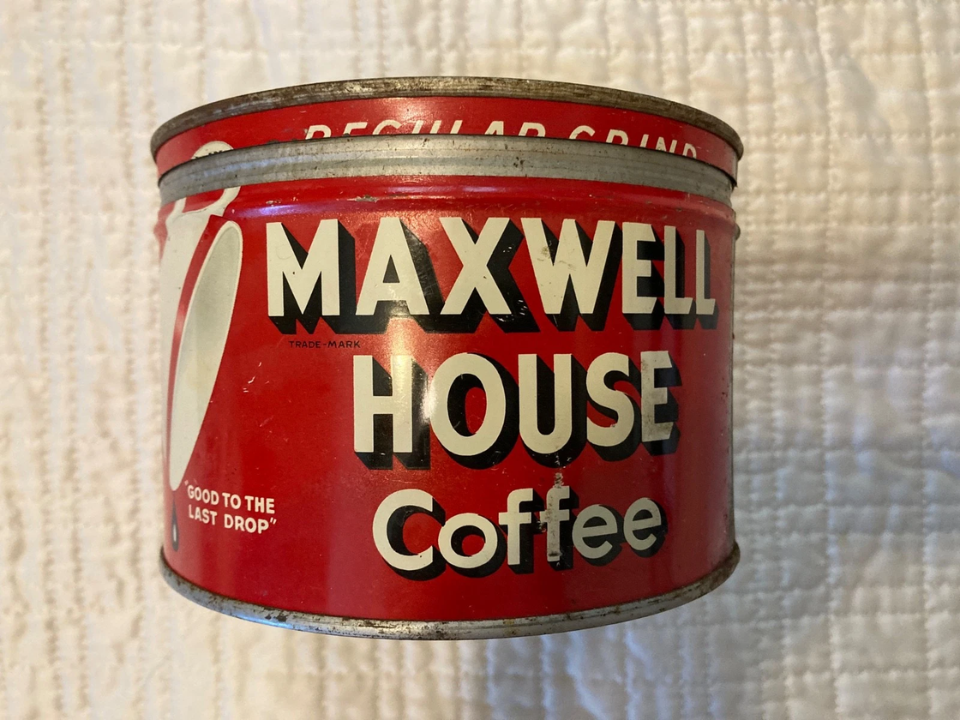
Maxwell House coffee tins bring the scent of old diners and breakfast tables to mind, even when they sit empty on a shelf. Classic blue tins often carry slogans about good coffee and show the familiar logo in bold lettering. These tins came in several sizes, from small household cans to big restaurant or store containers, and size plays a big role in value.
Collectors watch for rust, lid condition, and whether the paper labels on some versions are intact, since those details really affect how well the tin displays. Common mid-century cans usually remain affordable, with online listings showing prices in the $15 to $30 range for clean examples. Larger, earlier, or more graphic tins can climb higher and reach into the $50 to $100 zone, especially when colors are strong.
Orange Crush Embossed Tin Sign
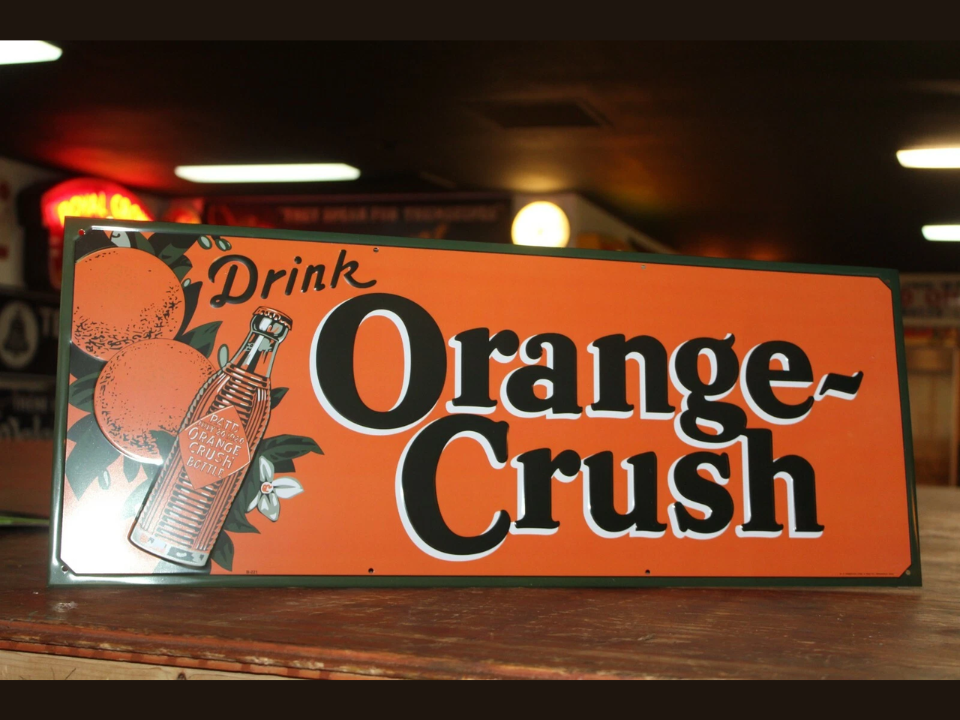
Orange Crush embossed tin signs bring a burst of citrus color to any collection. Designs often feature raised bottle images, large logos, and background textures that create depth when light hits the surface. These signs hung in diners, grocery stores, and gas stations, telling passersby that a cold orange soda was inside. Collectors like versions that show bottles with clear embossing and labels, since those details give the sign a strong three-dimensional look.
As with other soda signs, condition and size matter, and fully embossed panels with bright orange and green can bring premium prices. Market activity for vintage Orange Crush embossed signs shows common sizes and designs trading around $150 to $300, while rarer layouts or very clean examples can climb well above that.
This article originally appeared on Avocadu.