
15 Animals That Rebounded After Hunting Bans and Stronger Laws
When hunting was left unchecked, many species paid the price. Over time, new rules shifted the balance and gave wildlife a fair chance. Certain animals that once hovered near extinction are now seen in places where they had vanished. Their comeback stories are backed by real data and years of effort.
This post may contain affiliate links, which helps keep this content free. Please read our disclosure for more info.
American Bald Eagle

The American bald eagle was once on the brink of disappearing from the lower 48 states due to hunting, habitat loss, and the effects of the pesticide DDT. By the 1960s, nesting pairs had dropped to only a few hundred in the continental United States. The Bald Eagle Protection Act and later the Endangered Species Act made it illegal to hunt or harm them, while DDT was banned in 1972. These legal steps gave the species room to recover in forests and along waterways.
Over the following decades, nesting numbers steadily climbed across the country. Today, thousands of breeding pairs are recorded, and the bird has been removed from the endangered species list. Careful monitoring and habitat protection continue to support stable populations. The bald eagle now stands as one of the most recognized examples of wildlife recovery in North America.
Gray Wolf
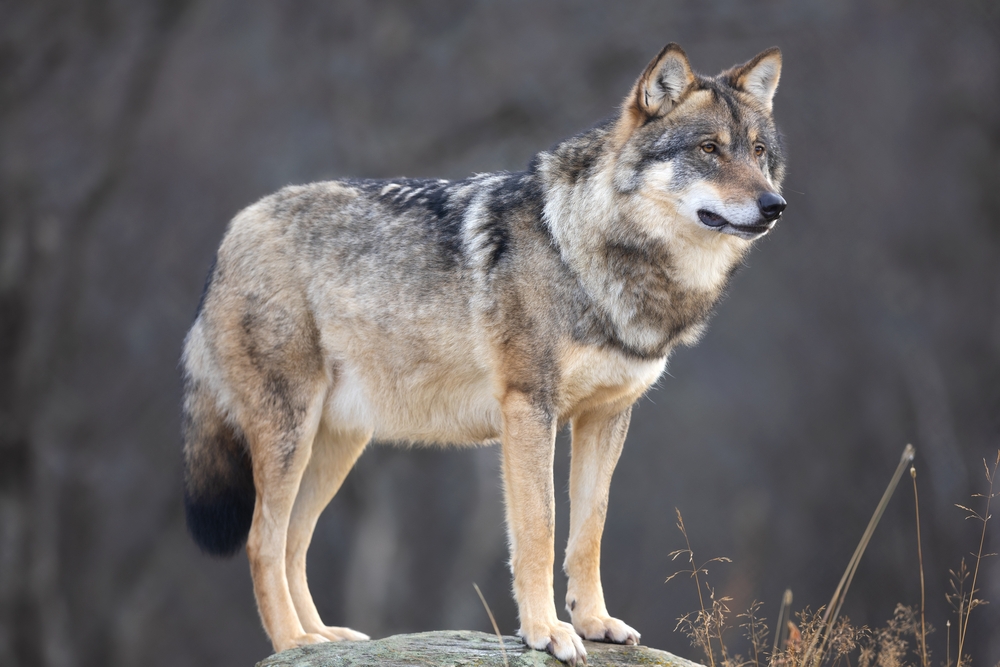
Gray wolves were heavily hunted and trapped throughout the United States and Europe for generations. By the early 20th century, they had vanished from much of their historic range in the lower 48 states. Federal protections in the 1970s, along with hunting bans in key areas, allowed small populations to stabilize. Reintroduction programs in places like Yellowstone National Park also played a major role.
Once protected, wolf numbers slowly increased in the Northern Rockies and parts of the Great Lakes region. Their return even changed local ecosystems by balancing elk and deer populations. While debates over management continue, wolves are no longer absent from large areas where they once roamed. Their recovery highlights how legal protection can shift long-term outcomes.
Humpback Whale
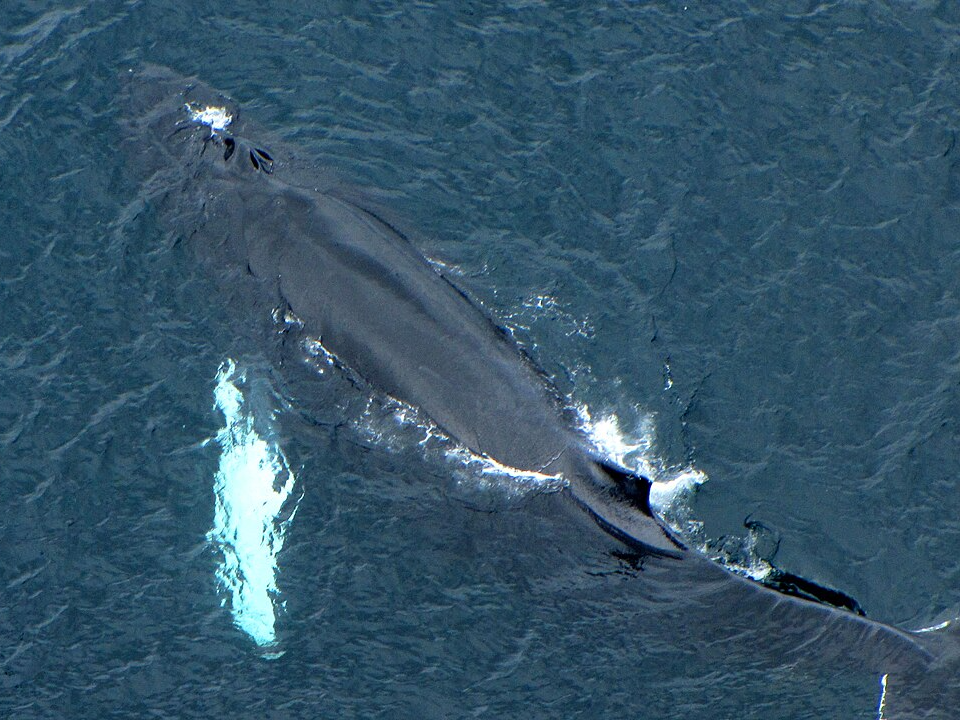
Humpback whales were intensely hunted during the commercial whaling era of the 19th and 20th centuries. By the 1960s, global populations had dropped sharply, with some regional groups nearing collapse. The international ban on commercial whaling in 1986 marked a turning point. National laws in many countries also prohibit hunting and protect key breeding grounds.
Since then, humpback numbers have grown in several ocean basins. In some regions, populations have returned to a large percentage of their estimated pre-whaling levels. Tourists now regularly spot them during migration seasons in places like Hawaii and Australia. Their rebound is often cited as proof that international cooperation can help marine life recover.
American Alligator
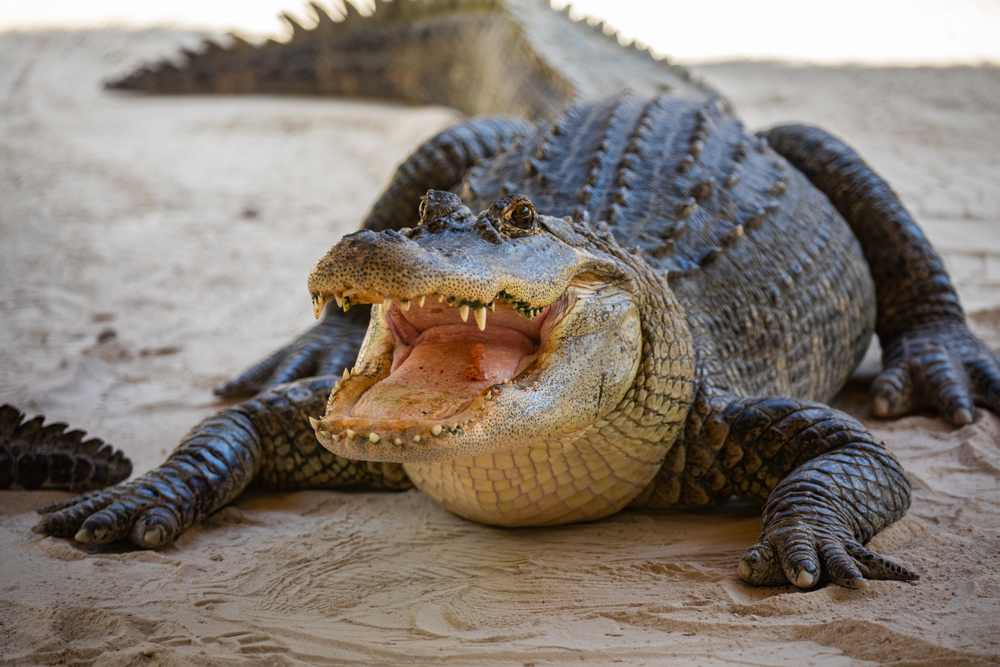
The American alligator was once hunted heavily for its valuable hide, which was widely used in leather goods during the early and mid 20th century. By the 1950s and 1960s, uncontrolled harvesting and habitat loss had pushed populations down across much of the southeastern United States. In 1967, the species received federal protection, and commercial hunting was banned under national wildlife laws. Wetland preservation efforts in states like Florida and Louisiana also played a major role in giving the species a real chance to recover.
With hunting restrictions in place and habitats protected, alligator numbers began climbing steadily over the following decades. Today, they are common in swamps, marshes, rivers, and lakes throughout the Southeast, with populations strong enough to support carefully regulated harvest seasons. In 1987, the species was removed from the endangered list, a major milestone in American conservation history. The American alligator is now often cited as one of the clearest examples of how firm legal protection can reverse a severe decline.
Southern White Rhinoceros
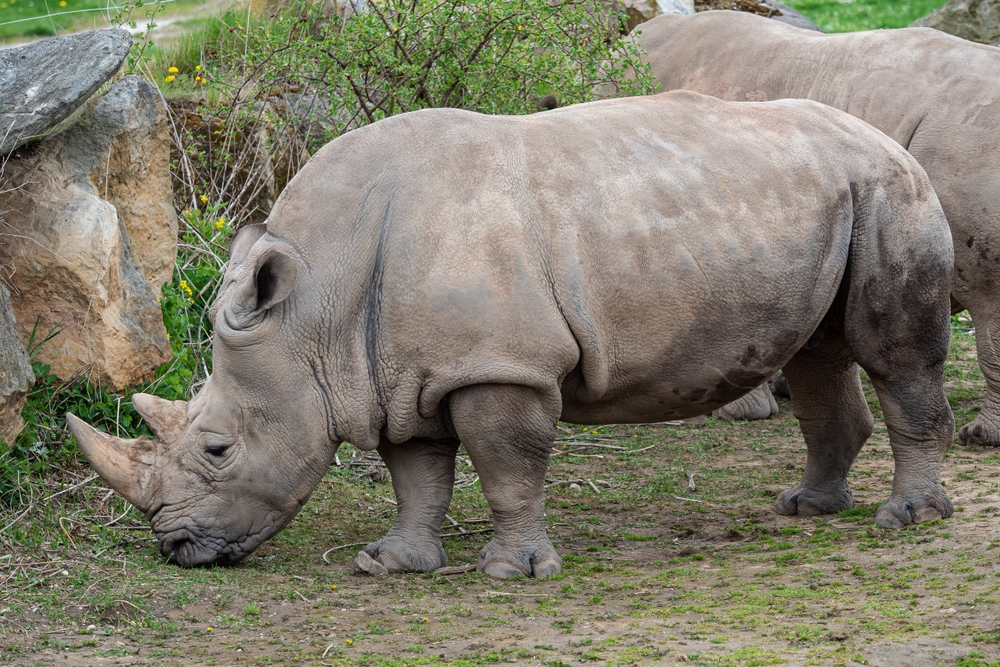
Southern white rhinoceroses were nearly wiped out in the late 1800s due to intense trophy hunting and large-scale settlement across southern Africa. At one point, fewer than 100 individuals were believed to survive, mostly in a single protected area in South Africa. Strict hunting bans, anti-poaching patrols, and guarded reserves were established to protect this small remaining group. These early measures prevented total extinction and gave conservationists time to rebuild numbers.
Throughout the 20th century, managed breeding programs and translocations expanded their range into multiple reserves and national parks. By the early 2000s, their population had grown into the thousands, making them the most numerous rhino species in the world. Although illegal poaching remains a serious issue today, the southern white rhino avoided the fate that struck other rhino species. Its survival stands as a reminder that early and consistent legal protection can make a measurable difference.
European Bison
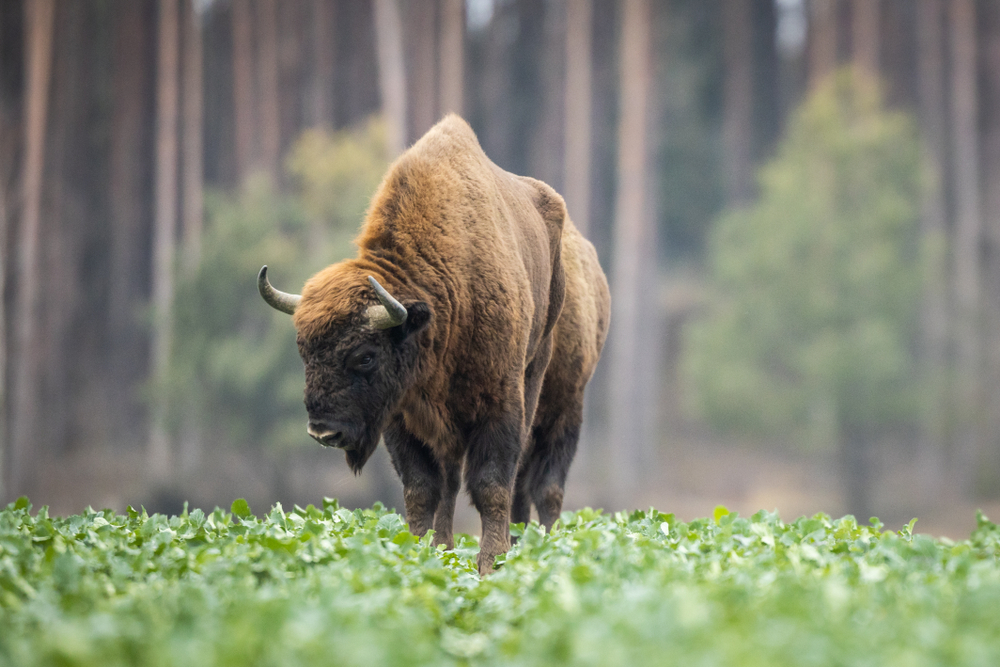
European bison, also known as wisent, were hunted to extinction in the wild in the early 20th century, with the last known individuals killed around the time of World War I. Overhunting, habitat destruction, and war all contributed to their disappearance from European forests. A small number survived in zoos and private collections, which became the foundation of a breeding program. Strict protection laws were introduced as soon as reintroduction efforts began.
Carefully managed releases into forests in Poland and Belarus helped restore free-roaming herds. Today, thousands of European bison live in protected woodlands and reserves across several countries. Although their genetic diversity remains limited due to the small founding population, their numbers are far stronger than they were a century ago. The species represents one of the rare cases where an animal declared extinct in the wild was successfully returned to its natural habitat.
Mountain Gorilla
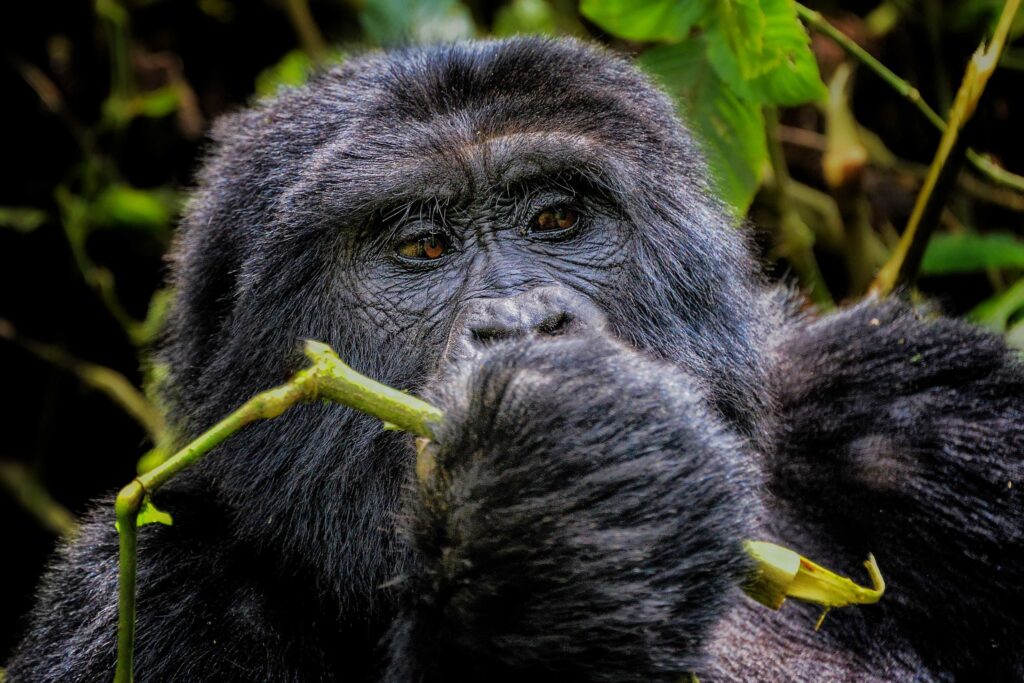
Mountain gorillas were heavily threatened by hunting, armed conflict, and forest clearing throughout the 20th century. By the 1980s, their total population had dropped to only a few hundred individuals living in isolated highland forests. National park protections in Rwanda, Uganda, and the Democratic Republic of Congo made hunting illegal and restricted access to their habitat. International funding strengthened ranger patrols and supported long-term monitoring.
Over time, strict protection and carefully controlled tourism brought steady improvements. Recent surveys report that mountain gorilla numbers have risen to over 1,000 individuals, spread across protected mountain regions. Local communities now receive economic benefits from tourism, which supports continued protection efforts. While the species remains endangered, its upward trend shows how coordinated laws and enforcement can shift the outlook for a highly vulnerable animal.
Sea Otter
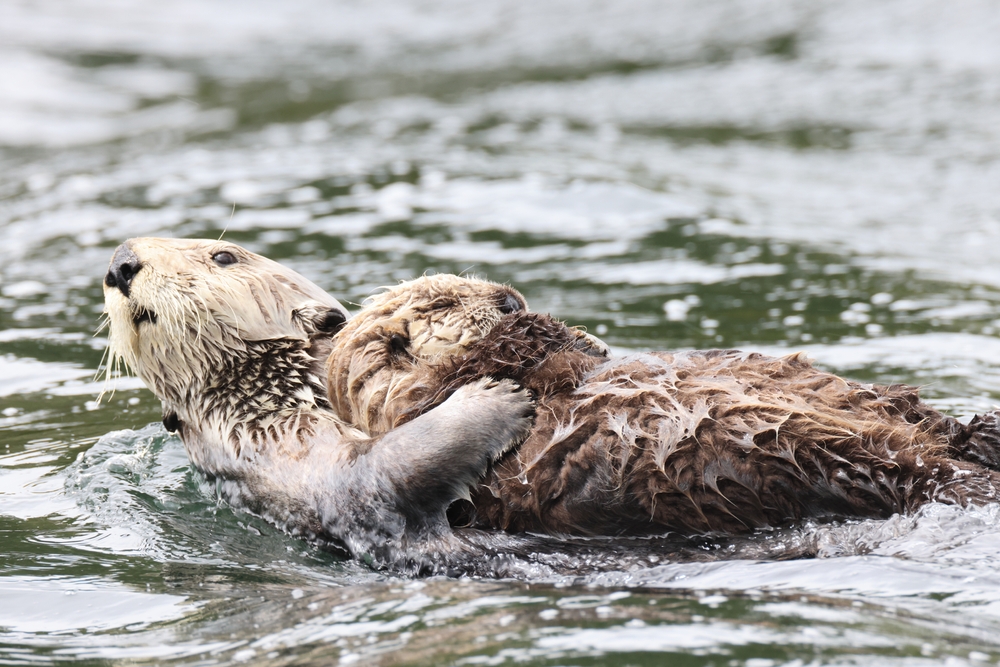
Sea otters were hunted extensively during the fur trade from the 1700s through the 1800s, when their dense pelts were considered extremely valuable. By the early 20th century, they had disappeared from most of their historic range along the Pacific Rim. International agreements in 1911 banned large-scale commercial hunting, and later national protections reinforced those limits. Small surviving groups along the coasts of California, Alaska, and Russia became the foundation for recovery.
In the decades that followed, sea otter populations expanded in several regions. Their return helped restore kelp forest ecosystems because they prey on sea urchins, which can otherwise overgraze kelp beds. Although some populations still face threats from pollution and fishing gear, they now occupy parts of their former range. Legal protection stopped the rapid decline and allowed natural growth to resume.
Peregrine Falcon

Peregrine falcons experienced steep declines in the mid-20th century due to pesticide contamination and direct persecution. Although hunting was not the only factor, shooting and egg collection added pressure to already struggling populations. Federal protections made it illegal to harm them, and the ban on DDT in 1972 removed a major threat to their reproduction. The species was listed under national endangered species laws, giving it full legal protection.
Captive breeding programs released young falcons into cities and wild cliffs where they once nested. Over time, they re-established themselves across North America and parts of Europe. Today, peregrine falcons are often seen nesting on tall buildings and bridges, adapting well to urban life. They were removed from the U.S. endangered list in 1999, marking a major step in their recovery story.
African Elephant
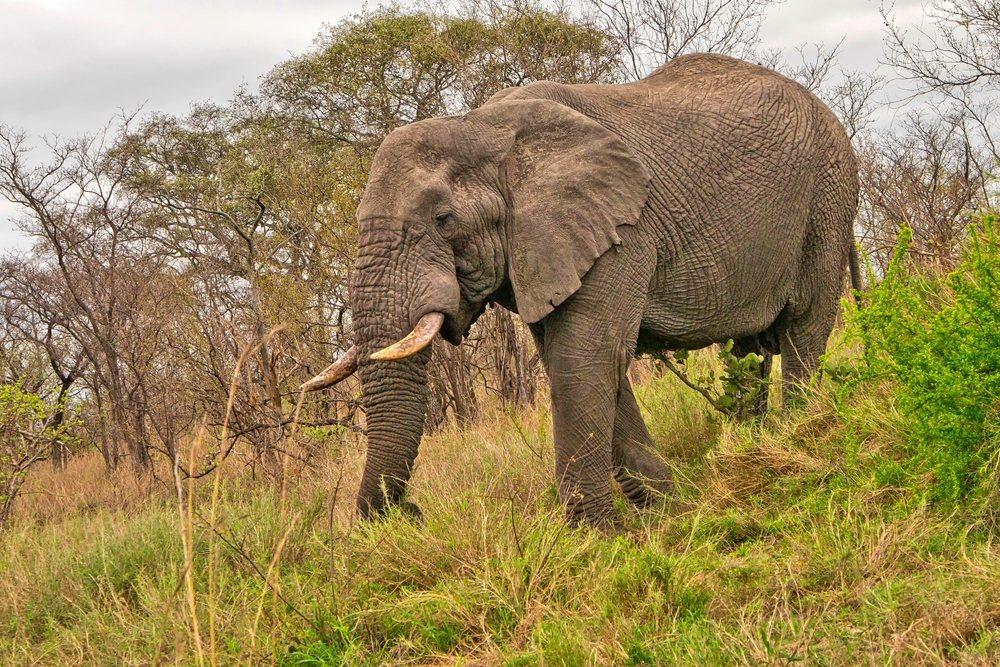
African elephants were heavily targeted for ivory throughout the 20th century, with large-scale poaching reducing numbers in many regions. In some countries, elephant populations fell sharply within just a few decades. The 1989 international ivory trade ban placed limits on legal sales and strengthened global enforcement. Several African nations also introduced tougher penalties for illegal hunting.
In areas where these laws were strictly enforced, elephant numbers stabilized or began to grow. Botswana, for example, now supports one of the largest elephant populations in Africa due to strong protection policies. Recovery is uneven across the continent, with some regions still facing heavy poaching pressure. Even so, the rebound in certain countries shows how legal action can influence long-term survival.
Northern Elephant Seal
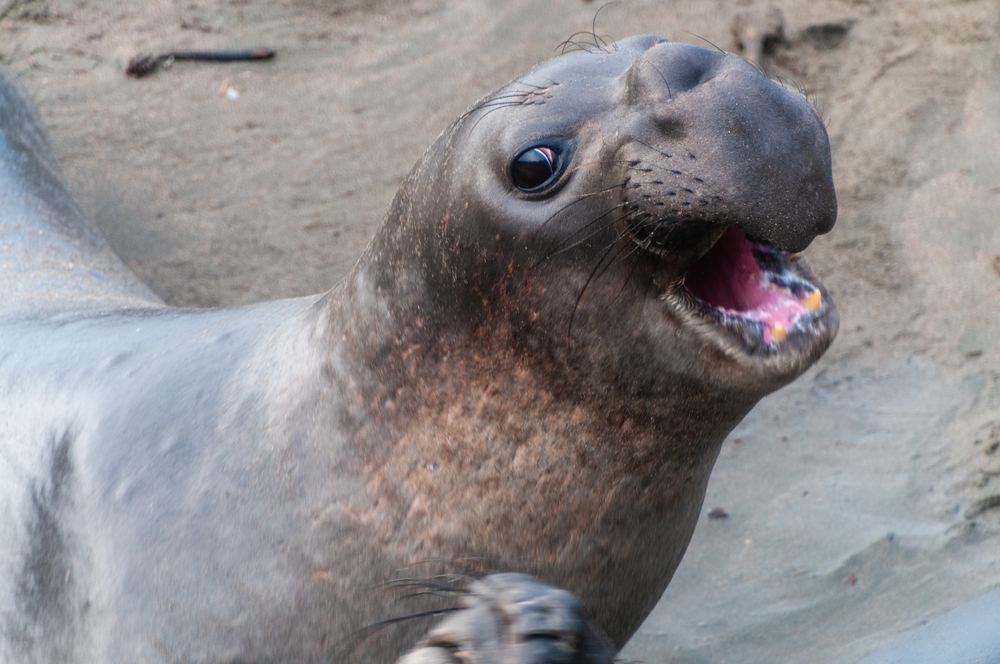
Northern elephant seals were hunted nearly to extinction in the 1800s for their blubber, which was used to produce oil. By the late 19th century, fewer than 100 individuals were believed to survive on remote islands off Mexico. Hunting bans in Mexico and the United States were introduced once the species’ collapse became clear. Breeding colonies were protected from disturbance and human interference.
From that small remaining group, the population expanded steadily throughout the 20th century. Today, large colonies gather along the coasts of California and Baja California during breeding season. Their numbers have grown into the hundreds of thousands, one of the strongest rebounds among marine mammals. The northern elephant seal demonstrates how quickly a species can recover when hunting pressure is removed entirely.
Arabian Oryx
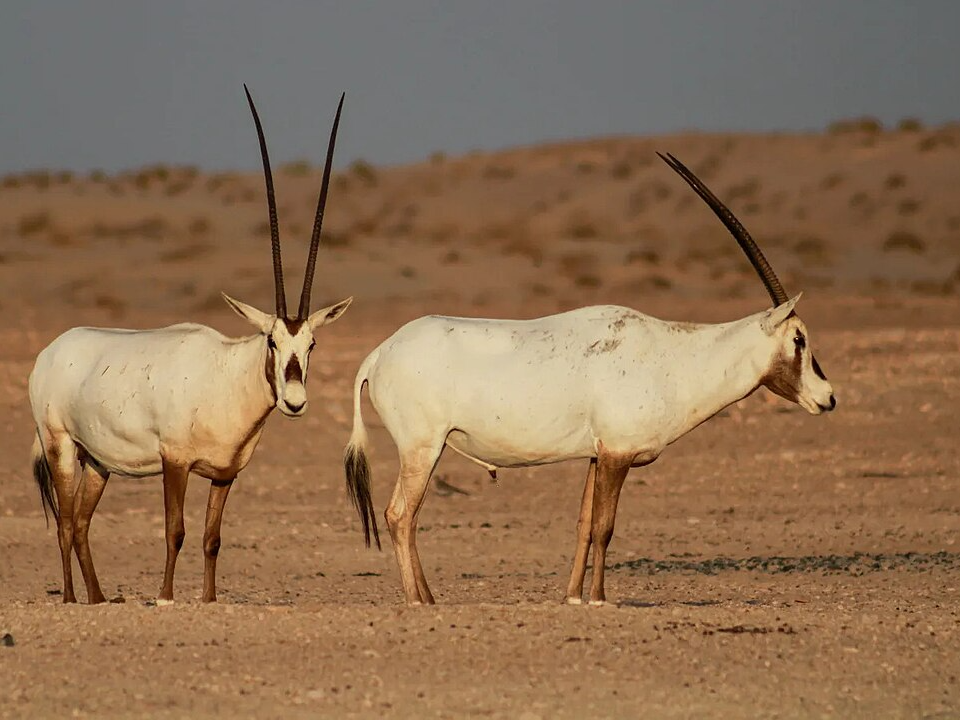
The Arabian oryx was hunted heavily for meat and sport across the desert regions of the Middle East. By the early 1970s, it was declared extinct in the wild due to overhunting and the use of modern vehicles and firearms. Captive breeding programs began using the last surviving individuals held in private and zoo collections. Strict hunting bans were introduced in countries preparing for reintroduction.
Carefully planned releases into protected desert reserves helped establish new wild herds. Oman, Saudi Arabia, and the United Arab Emirates now host free-roaming populations under legal protection. The species was later reclassified from extinct in the wild to vulnerable. Its recovery depended on coordinated breeding programs and firm wildlife laws.
Brown Pelican
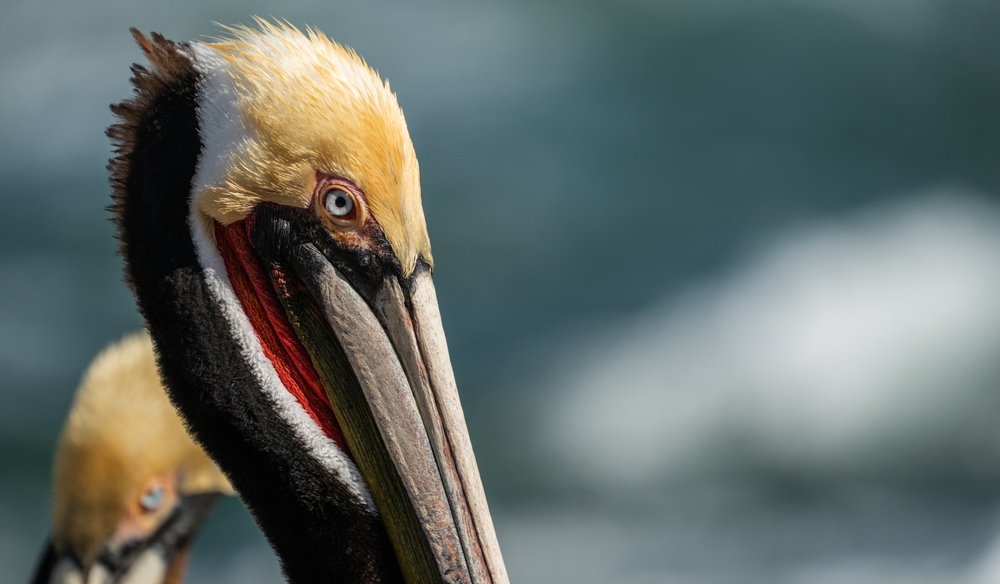
Brown pelicans declined sharply in the mid-20th century due to pesticide contamination that weakened their eggshells. While hunting was not the primary cause, legal protections shielded them from direct harm and reduced additional pressure. The ban on DDT in the 1970s allowed nesting success rates to improve. Coastal habitats were also placed under greater environmental protection.
In the years that followed, pelican colonies returned to many parts of the Gulf Coast and Pacific shoreline. Their numbers rose enough for removal from the endangered species list in 2009. Today, they are a familiar sight diving for fish along American coasts. Their rebound reflects the combined impact of environmental law and wildlife protection.
Iberian Lynx
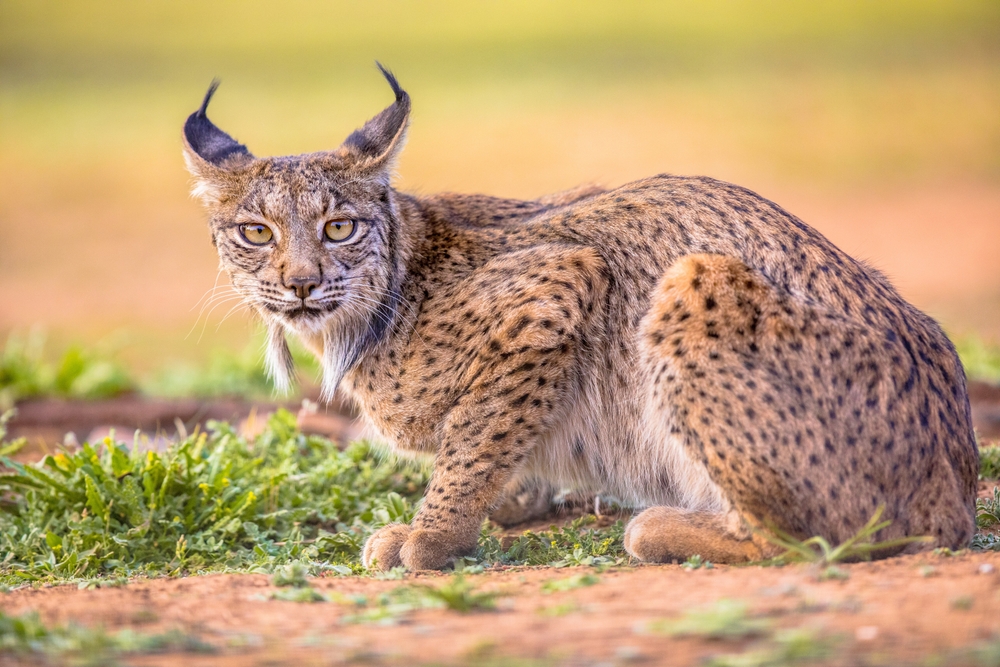
The Iberian lynx faced a steep decline due to hunting, habitat loss, and the collapse of rabbit populations, which are its main food source. By the early 2000s, fewer than 100 individuals remained in isolated parts of Spain. Hunting restrictions and protected reserves were expanded to safeguard the remaining animals. Conservation efforts also focused on restoring rabbit numbers and improving habitat connectivity.
Captive breeding and reintroduction programs gradually expanded their range. Recent population estimates count several hundred lynx living across parts of Spain and Portugal. While still classified as endangered, their population trend is moving upward rather than downward. Stronger laws and close monitoring were central to this improvement.
Blue Whale
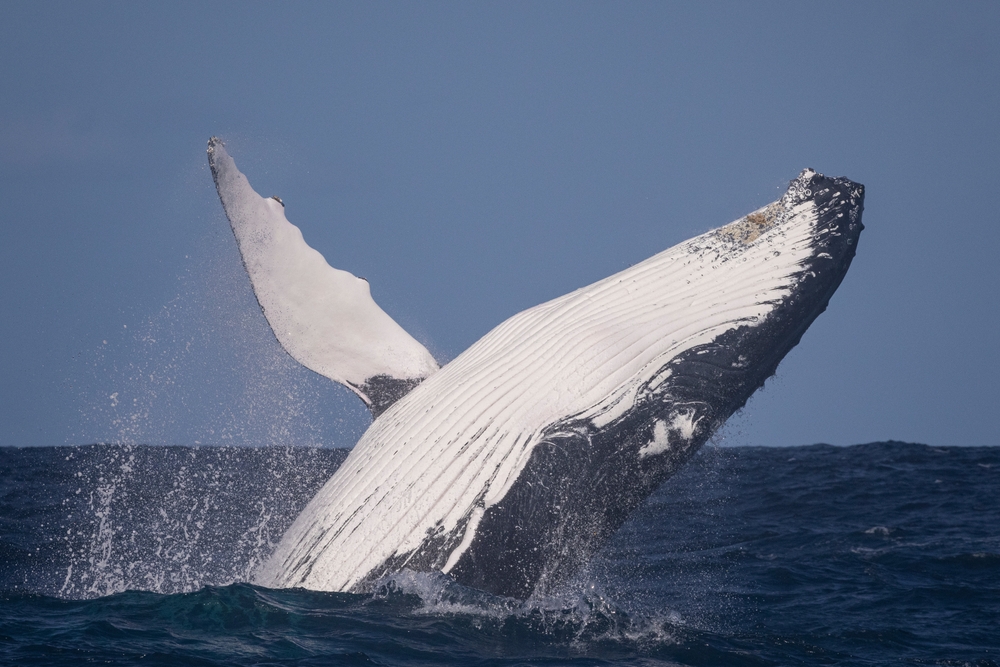
Blue whales were hunted intensively during the height of industrial whaling in the early 20th century. Their enormous size made them especially profitable targets, leading to dramatic population declines across the world’s oceans. The international moratorium on commercial whaling in 1986 provided crucial protection. Several countries also established marine sanctuaries to protect feeding and breeding grounds.
Since large-scale whaling stopped, blue whale numbers have shown gradual increases in certain regions. They remain far below their estimated pre-whaling population, yet sightings are more common today in parts of the Pacific and Indian Oceans. Long term monitoring continues to track their slow growth. Their recovery shows that even the largest animals on Earth can begin to rebound when hunting pressure is lifted.
This article originally appeared on Avocadu.