
15 Shrubs That Put On A Show Before Spring Really Starts
There is something special about plants that bloom before spring officially arrives. They bring life to branches that looked lifeless just weeks before. Even a small shrub covered in flowers can change the feel of the entire garden. If you are planning ahead for next season, this is a great place to start.
This post may contain affiliate links, which helps keep this content free. Please read our disclosure for more info.
Witch Hazel
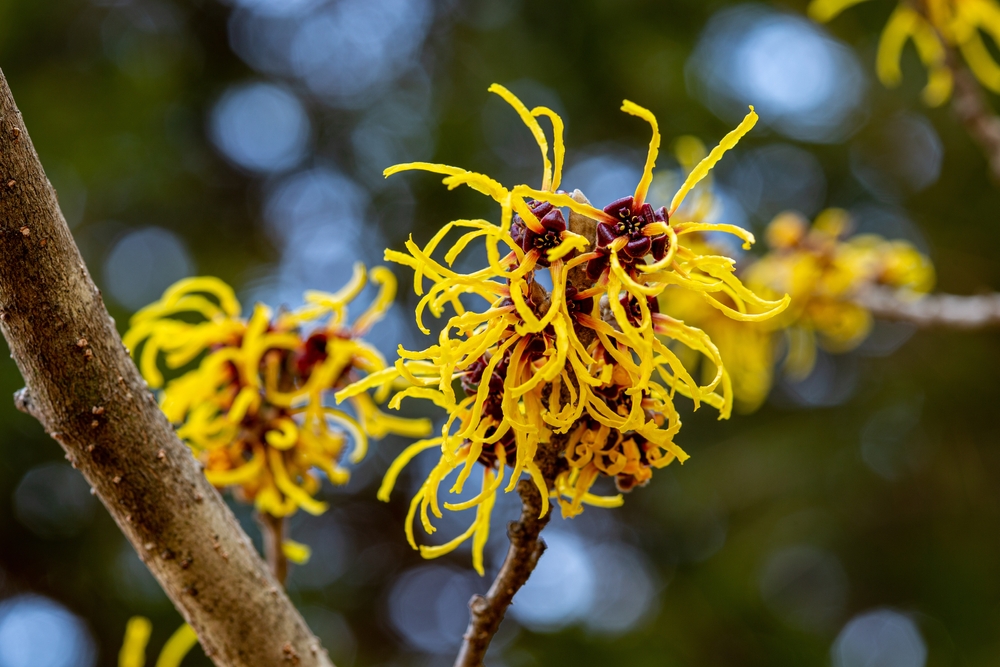
Witch hazel is one of the earliest shrubs to bloom, often opening its ribbon-like flowers while winter still feels firmly in place. The thin, spidery petals appear in shades of yellow, copper, and orange, curling outward from bare branches in a way that looks almost delicate against cold air. Some varieties release a light, clean fragrance that carries surprisingly well on mild afternoons. It often begins flowering in late winter, long before most trees or perennials show signs of movement. Seeing it in bloom feels like a quiet shift in the season rather than a dramatic change.
This shrub grows best in full sun to partial shade and prefers soil that drains well but does not dry out completely. Over time, it can reach 10 to 15 feet tall, developing a wide, layered shape that works beautifully near a path or window where the flowers can be appreciated up close. The blossoms tolerate frost surprisingly well and often last several weeks. Once spring fully arrives, fresh green leaves fill in and soften its outline. It is a strong structural plant that earns its place for more than just its early bloom.
Forsythia
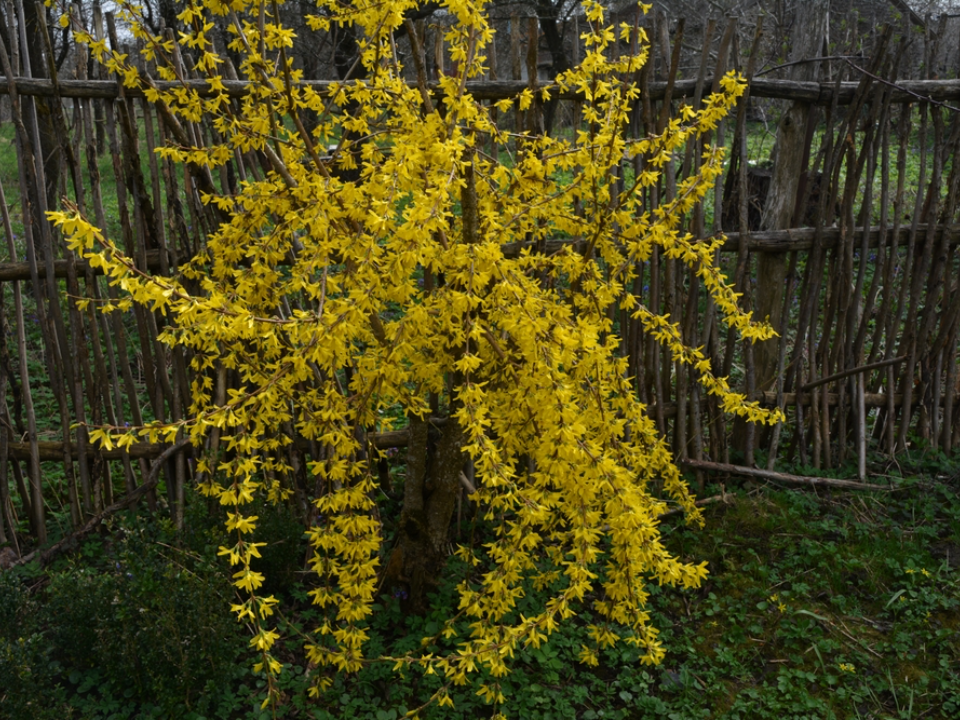
Forsythia is often the first bright yellow shrub to light up a yard at the edge of winter. Its branches become completely covered in small, four-petaled flowers before a single leaf appears. On overcast days, the intense color feels especially welcome and almost glows against gray skies. In colder regions, it may bloom while snow is still melting around its base. It is one of those plants that clearly signals that winter is losing its hold.
It thrives in full sun and adapts well to average garden soil, making it easy to grow in many climates. Without pruning, it can spread wide and take on a loose, arching form. Cutting back older stems after flowering helps keep it dense and encourages strong bloom the following year. Many gardeners clip branches in late winter and bring them indoors to force blooms early. Even after the flowers fade, the green foliage carries the shrub through summer with a simple, clean look.
Flowering Quince
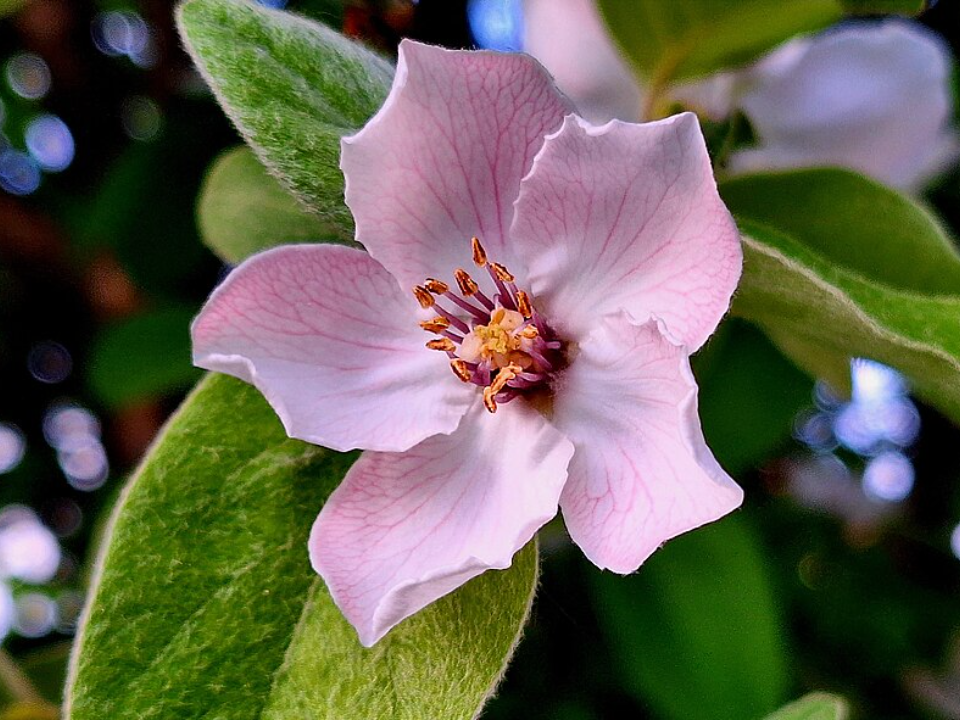
Flowering quince brings clusters of red, coral, or pink blossoms directly along its thorny branches. The blooms open before the leaves, creating a striking contrast between smooth petals and bare stems. It begins flowering in late winter or very early spring, depending on the region. The flowers tend to last for several weeks and can handle chilly nights without damage. Early pollinators are often drawn to it when little else is available.
This shrub is known for its toughness and tolerance of dry soil once established. It works well as a hedge, a foundation planting, or even trained along a fence. Some varieties produce small, fragrant fruits later in the year that can be used in preserves. Pruning right after flowering keeps it from becoming overly tangled. It is a reliable performer that adds both color and structure at a time when the garden feels sparse.
Winter Daphne
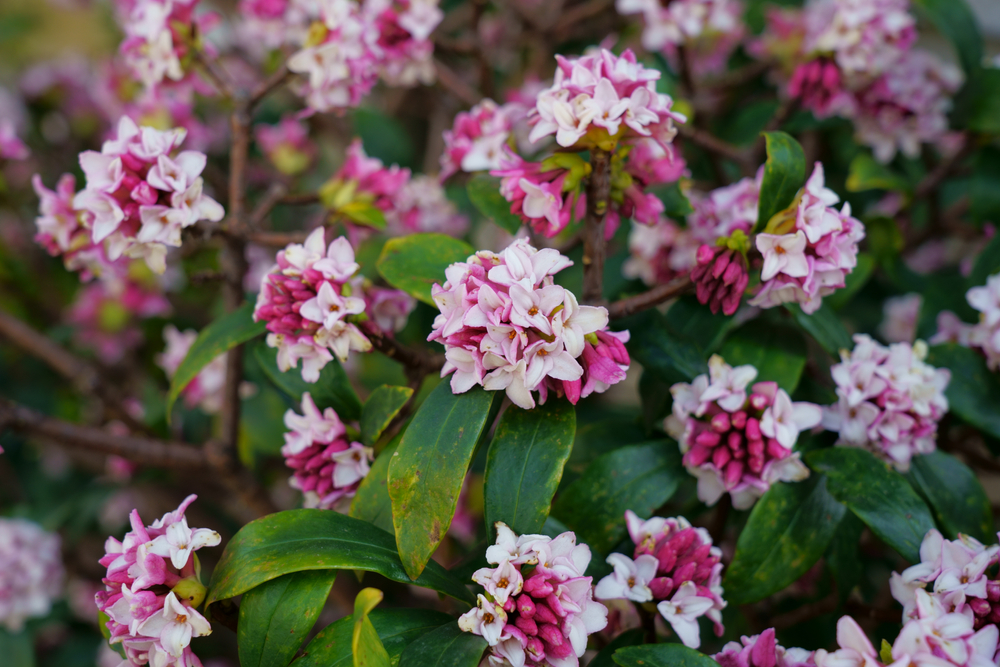
Winter daphne is planted as much for its fragrance as for its flowers. Tight clusters of pink buds open to white-edged blooms in late winter, often when the air is still crisp. The scent is rich and noticeable, especially near doorways or walkways. It has a compact shape that makes it easy to place where the fragrance can be enjoyed up close. The contrast between its soft flowers and dark green leaves adds depth to the winter garden.
This shrub prefers partial shade and soil that drains well without drying out. It does not like to be moved once established, so careful placement is important. It typically stays under four feet tall, which makes it manageable in smaller spaces. With proper care, it becomes a long-lived plant that blooms faithfully each year. Its presence often marks the true turning point from winter into early spring.
Edgeworthia
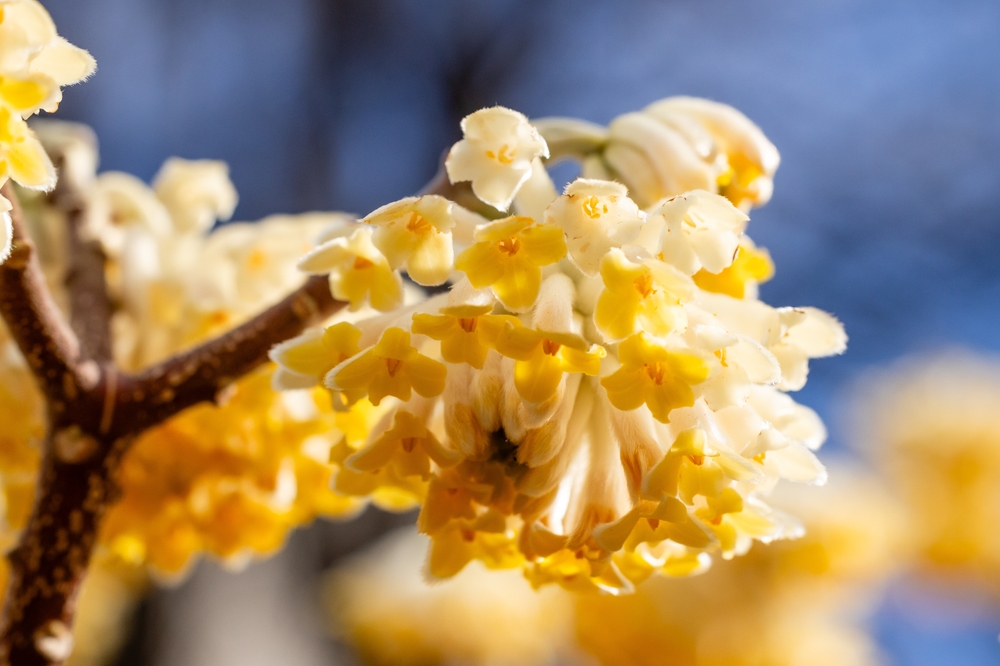
Edgeworthia, sometimes called paperbush, produces rounded clusters of creamy yellow flowers at the tips of bare stems. The blooms open in late winter and have a soft texture that almost looks like fabric in close view. On mild days, they release a light, sweet fragrance that carries through the garden. The branching structure gives it a sculptural look even before the flowers appear. It feels both refined and quietly dramatic at the same time.
It grows best in partial shade with soil that stays evenly moist but drains well. The arching stems create a graceful form that pairs nicely with woodland plantings. After flowering, large green leaves unfold and give it a lush appearance through summer. It rarely requires heavy pruning, which makes maintenance simple. This shrub stands out because it offers something different from the usual early bloomers.
Cornelian Cherry Dogwood
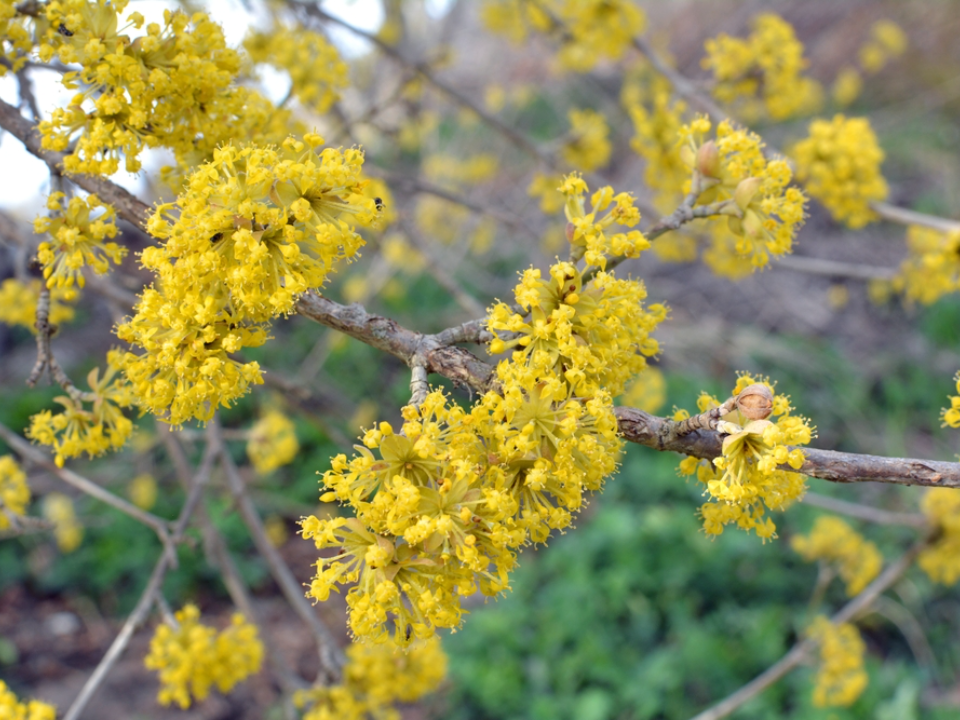
Cornelian cherry dogwood produces small yellow flowers that cluster densely along its branches in very early spring. From a distance, the shrub can look as though it is covered in a soft golden haze. The blooms arrive well before the leaves and often last several weeks. It provides an early burst of color that feels steady rather than fleeting. In colder climates, it is one of the most reliable shrubs for early interest.
This plant can grow into a large, multi-stemmed shrub or even a small tree over time. It tolerates a wide range of soil types and handles cold winters with ease. In late summer, it produces red fruits that birds quickly find. Its layered seasonal changes make it useful long after flowering ends. It is a dependable choice for gardeners who want early bloom and lasting structure.
Winter Jasmine
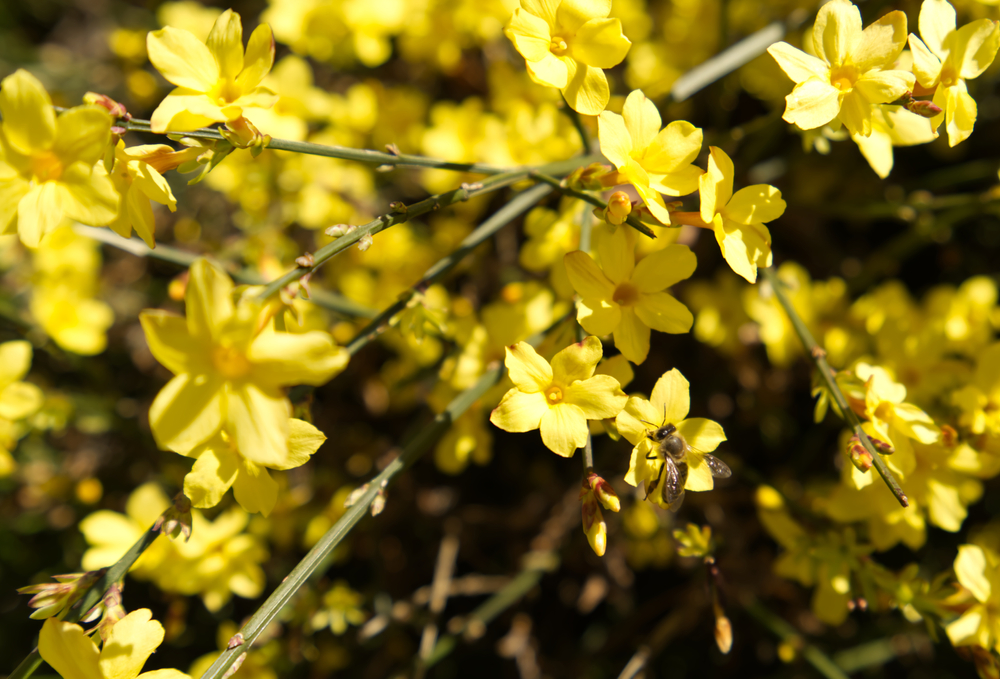
Winter jasmine begins flowering while the rest of the garden still looks dormant. Slender green stems arch outward and carry small, clear yellow flowers that appear before the leaves. The blooms are simple in shape, yet when they cover the plant all at once, the effect feels cheerful and steady. Unlike some early bloomers, it does not rely on fragrance or large petals to stand out. Its strength comes from the way it spreads light color across bare ground and walls.
This shrub prefers full sun but tolerates light shade without much complaint. It grows outward more than upward, making it useful for covering slopes, cascading over retaining walls, or softening the edge of stonework. After flowering, fresh green leaves fill in and give it a clean look for the rest of the season. Pruning right after bloom keeps the stems from becoming tangled. It is one of the most reliable shrubs for adding color before spring really settles in.
Camellia
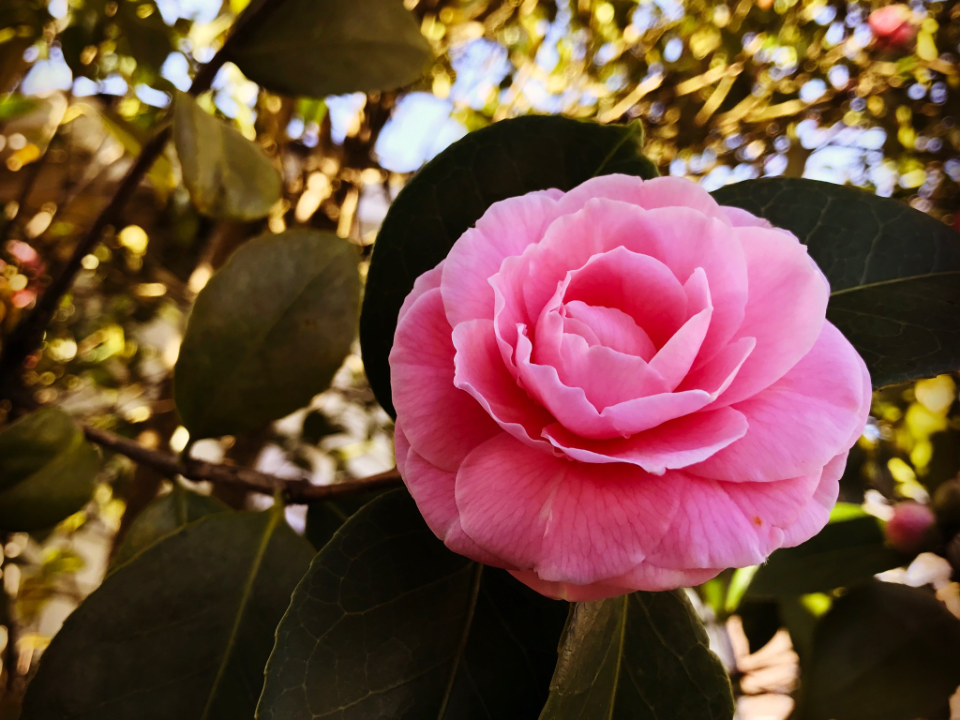
Camellias often begin blooming in late winter in regions with milder climates. Their large, layered flowers resemble roses and come in shades of white, pink, and deep red. The blossoms stand out against dark, glossy evergreen leaves that provide structure year-round. Seeing those petals open while the air still feels cool can be surprising the first time. The flowers tend to drop cleanly, creating a neat carpet beneath the shrub.
They grow best in partial shade with acidic, well-drained soil. Protection from harsh winter wind helps preserve buds and prevent browning. Over time, camellias can become substantial shrubs, sometimes reaching the size of small trees. They respond well to light shaping but rarely require heavy pruning. When placed correctly, they become long-term anchors in the landscape that begin their show before most plants even think about blooming.
Mahonia
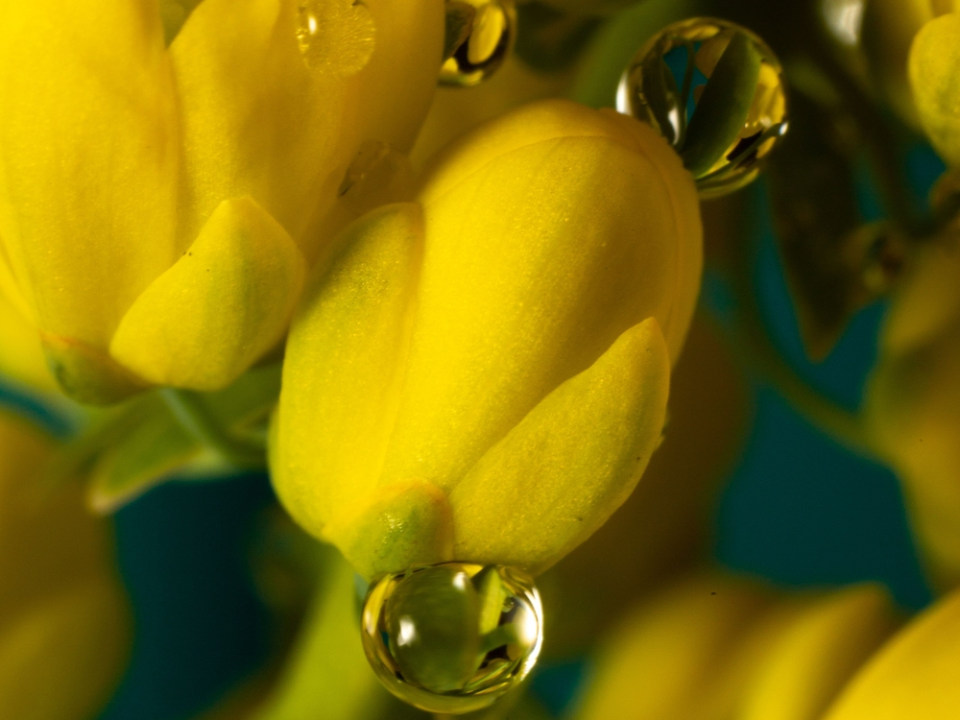
Mahonia brings a different texture to the late winter garden with its upright spikes of yellow flowers. The blooms rise above glossy, spiky evergreen leaves that often take on reddish tones in cold weather. On mild afternoons, the flowers release a light scent that attracts early pollinators. The contrast between the bright blossoms and dark foliage creates depth at a time when the garden can look flat. It adds both color and structure to shaded corners.
This shrub performs well in partial to full shade and tolerates a range of soil types. After flowering, clusters of blue berries often develop and remain into spring. Mahonia can spread gradually, forming loose colonies over time. Pruning older stems helps keep them balanced and encourages new growth from the base. It is especially useful in woodland-style plantings where early color is often limited.
Japanese Pieris
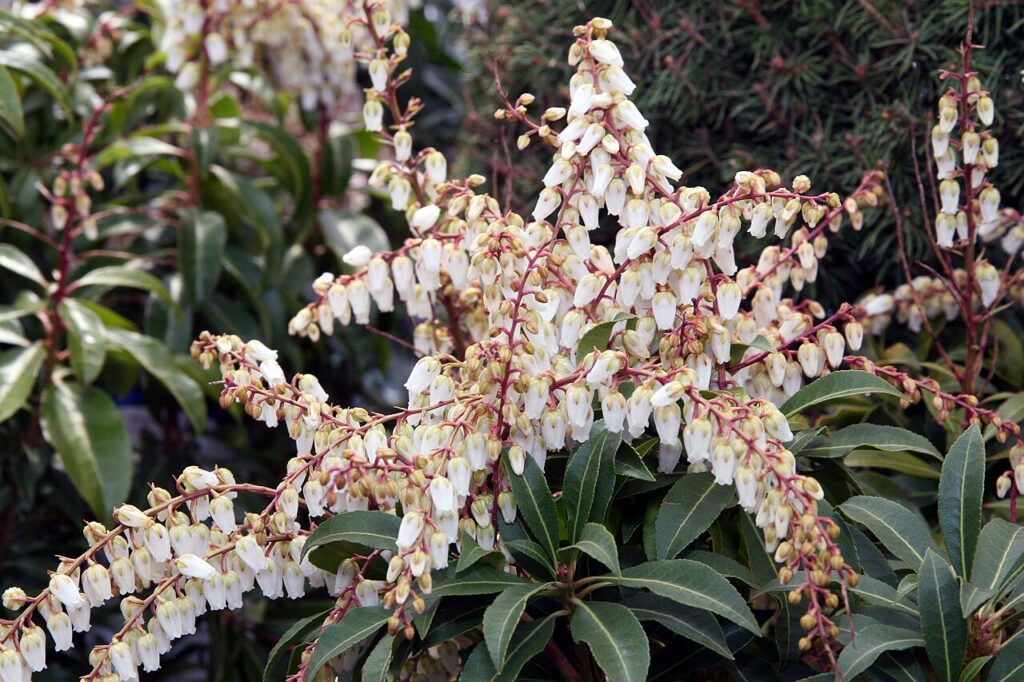
Japanese pieris produces cascading clusters of small, bell-shaped flowers that hang beneath its evergreen leaves. These blooms usually appear in late winter, creating a soft curtain of white or pale pink. The flowers can last for several weeks, especially during cool weather. New foliage often emerges in shades of red or bronze, adding another layer of color. The overall effect feels layered and thoughtful without being flashy.
It prefers partial shade and soil with good drainage and slight acidity. The shrub naturally maintains a rounded shape, so it rarely needs aggressive trimming. Planted near foundations or along shaded borders, it offers steady interest from winter into late spring. Because it keeps its leaves year-round, it never feels empty. It is a dependable option for gardeners who want flowers and foliage working together early in the season.
Viburnum x bodnantense
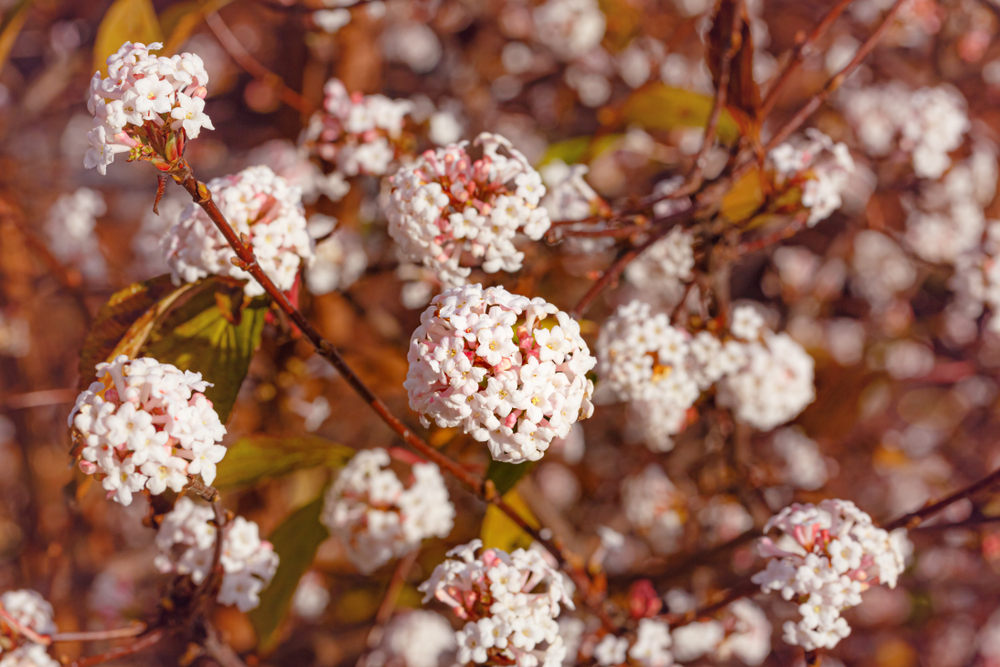
This early-blooming viburnum produces clusters of pink flowers directly on bare stems. The blooms often begin opening in late winter and continue into early spring, sometimes overlapping with the first leaf growth. The fragrance is noticeable from several feet away, especially on still mornings. The sight of soft pink against gray branches feels gentle yet meaningful. It is one of the shrubs I suggest when scent is just as important as color.
It grows well in full sun to partial shade and adapts to most average garden soils. Over time, it can reach eight to ten feet tall, forming a loose upright shape. The flowers give way to fresh green leaves as temperatures rise. Light pruning after bloom keeps it from becoming too open. Its combination of scent and early bloom makes it valuable when the garden feels quiet.
Hellebore Shrub Types
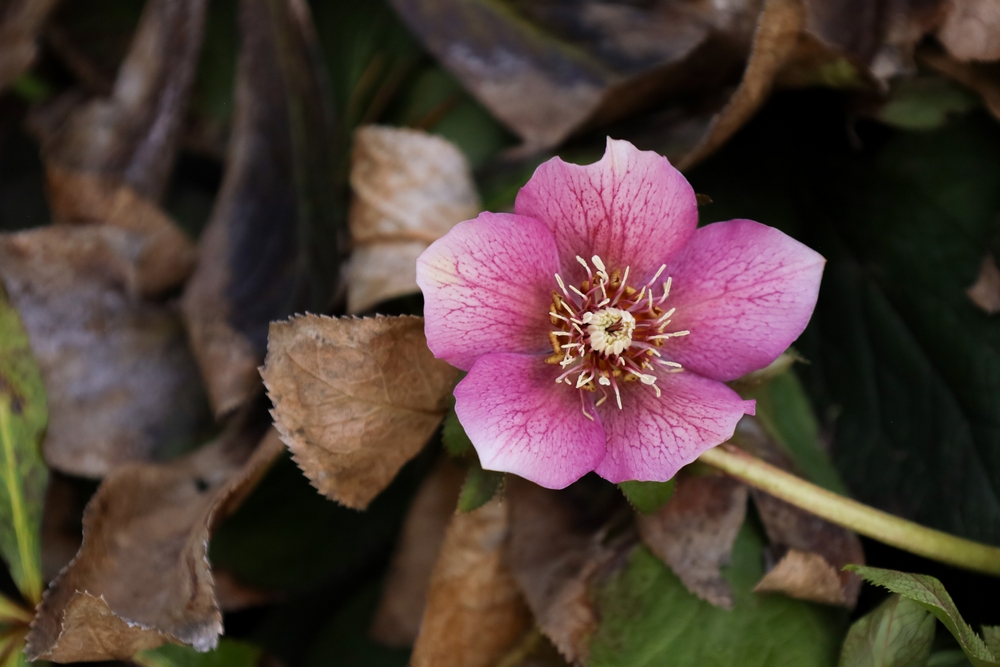
Shrubby hellebore types, often called Lenten roses, begin flowering while frost is still possible. Their nodding blooms appear in shades of white, blush, deep purple, and even near black. The flowers are long-lasting and can hold their shape for weeks. Thick evergreen leaves provide a steady backdrop throughout winter. They create color at ground level while larger shrubs prepare to bloom.
These plants prefer partial shade and soil rich in organic matter. Removing older leaves in late winter helps highlight the fresh flowers. They spread slowly over time, forming reliable clumps. Because they bloom so early, they pair well with other late winter shrubs for a layered effect. They are often the first true flowers I notice each year.
Winter Heath
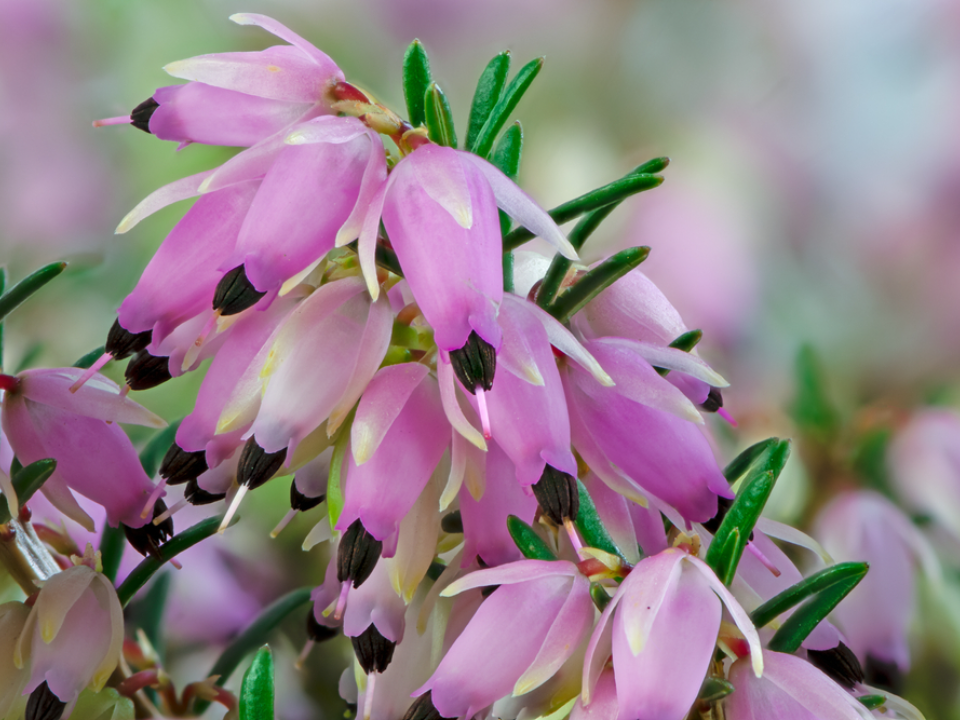
Winter heath forms low mounds covered in tiny pink or white flowers. It begins blooming in late winter and can continue well into early spring. The fine evergreen foliage gives texture even when flowers are not present. From a distance, it can look like a soft wash of color along the ground. It works especially well in colder climates where early blooms are rare.
This shrub prefers full sun and well-drained soil. It is often used in rock gardens or along the edge of pathways where its compact size fits easily. Light trimming after flowering keeps the plant dense and tidy. Because it stays relatively low, it combines well with taller early shrubs. It quietly fills space with color when little else is awake.
Red Twig Dogwood
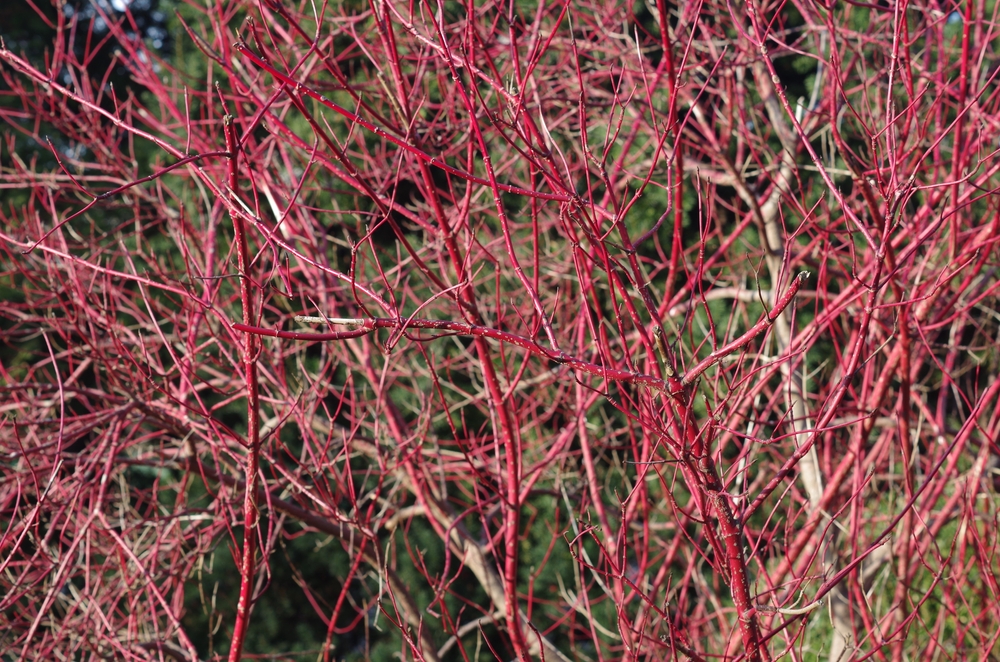
Red twig dogwood brings its main display through vivid red stems rather than early flowers. In late winter, those stems glow against snow or pale skies. While small white flowers will appear later in spring, the true show happens before leaves return. The structure of the shrub itself becomes the focus. It adds contrast when most plants fade into the background.
It grows best in moist soil and tolerates full sun to partial shade. Cutting older stems back each year encourages brighter new growth. Planted in groups, it creates a strong visual statement across open areas. The red branches remain noticeable through much of winter. It proves that early-season impact does not always depend on petals.
Daphne mezereum
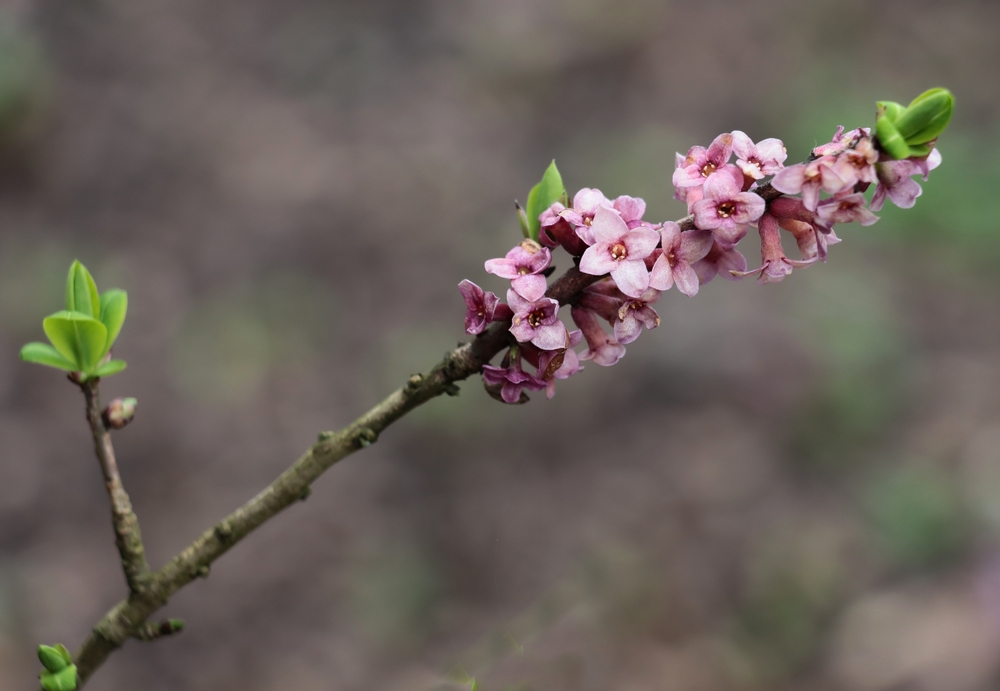
Daphne mezereum produces clusters of pink to purple flowers directly along its bare stems. The blooms open in very early spring and release a noticeable fragrance that drifts through cool air. Despite its delicate appearance, it tolerates cold conditions well. The flowers often appear before nearby shrubs show any movement. It creates a sense of anticipation in the garden.
This shrub prefers partial shade and soil that drains well without becoming dry. It remains relatively compact, making it suitable for smaller spaces or tucked into mixed borders. Red berries may follow the flowers later in spring. Careful placement is important because it does not like being disturbed. When given the right conditions, it becomes one of the earliest highlights of the year.
This article originally appeared on Avocadu.