
8 Endangered Sea Turtles Making a Return on Protected Beaches
Sea turtles face countless threats in open waters, yet some shorelines are becoming safe havens once again. Protected beaches now show signs of nesting activity that had nearly disappeared. With stricter rules and community support, these coastal areas are offering turtles a fighting chance. Step by step, their numbers are showing signs of recovery.
This post may contain affiliate links, which helps keep this content free. Please read our disclosure for more info.
Hawksbill Sea Turtle
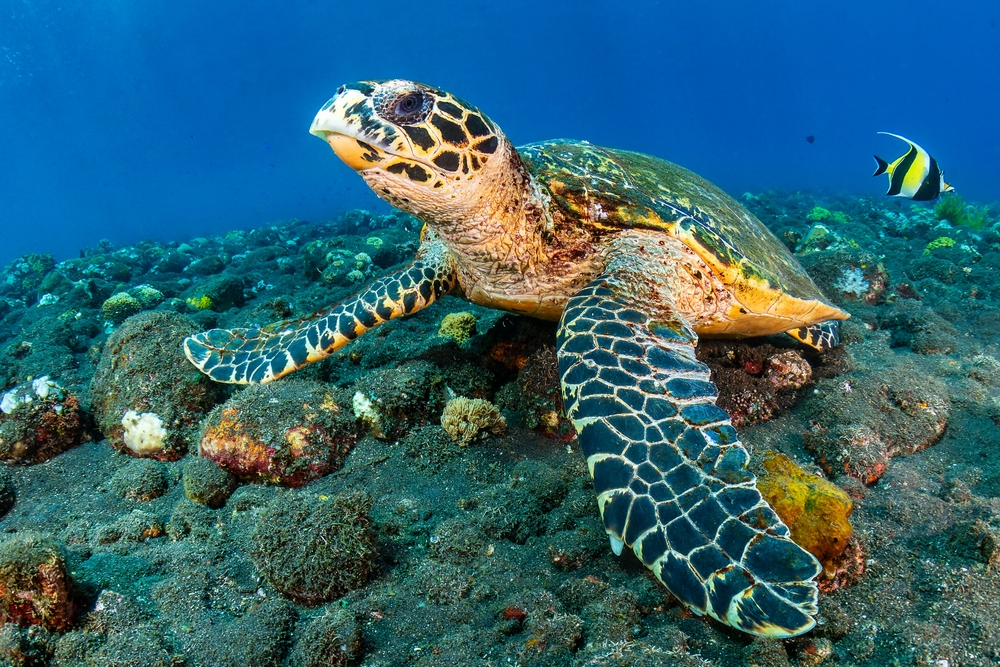
The Hawksbill sea turtle is known for its striking shell pattern and narrow, pointed beak that helps it feed on sponges within coral reefs. Once heavily hunted for its beautiful shell, it saw dramatic population declines across the Caribbean and Indo-Pacific. Today, protected nesting beaches in places like Barbados and the Seychelles are giving this species room to recover. Night patrols and nest monitoring programs have led to steady increases in hatchling success in certain regions.
Conservationists have also worked to reduce illegal trade and coastal development that once threatened nesting sites. Female hawksbills return to the same beaches where they were born, making shoreline protection especially important. In some marine reserves, nesting counts have improved compared to records from the 1990s. While the species remains endangered, these guarded beaches show that careful habitat protection can support long-term recovery.
Kemp’s Ridley Sea Turtle
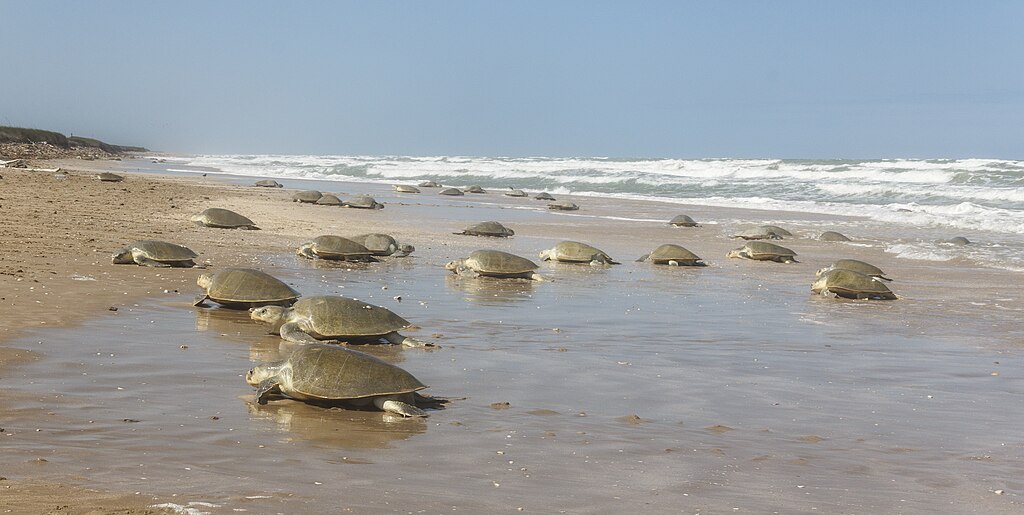
Kemp’s Ridley sea turtle is the smallest and one of the rarest sea turtle species in the world. It is best known for mass nesting events called arribadas, particularly along the Gulf coast of Mexico. By the 1980s, nesting numbers had fallen to alarming lows due to egg harvesting and fishing bycatch. Strict beach protection in Tamaulipas and parts of Texas has since helped boost annual nest counts.
Volunteers and wildlife officials monitor nests daily during peak season to prevent poaching and disturbance. Hatchlings are often safeguarded until they can safely reach the water. Though population numbers still fluctuate, recent nesting seasons have shown encouraging rebounds compared to historic lows. Continued coastal management remains critical to maintaining this upward trend.
Leatherback Sea Turtle
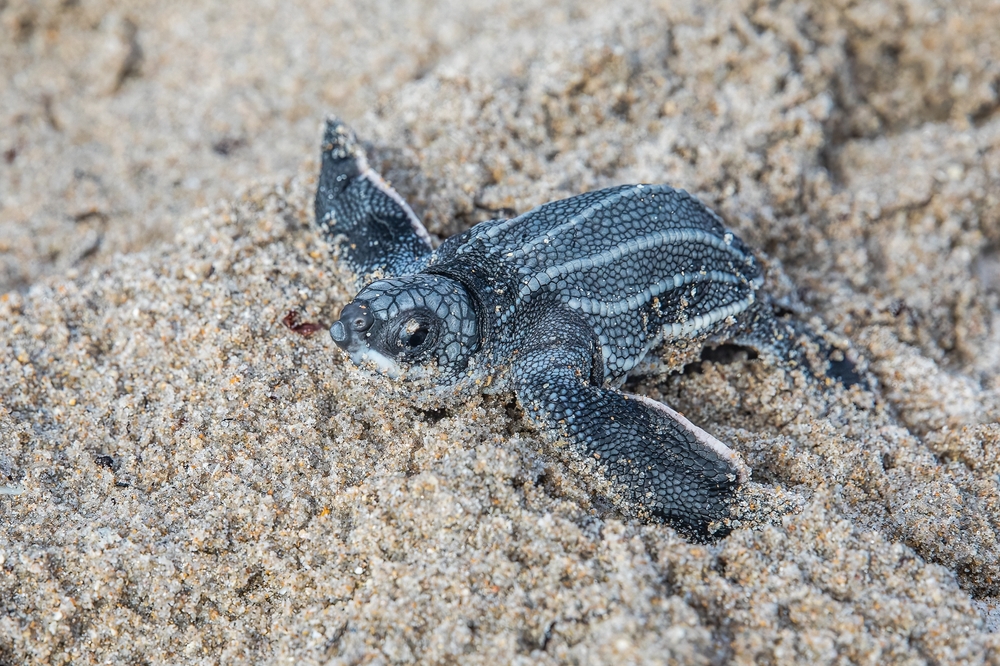
The Leatherback sea turtle is the largest of all sea turtles and can travel thousands of miles across open oceans. Unlike other species, it has a soft, leathery shell rather than a hard carapace. Nesting beaches in Trinidad, Costa Rica, and Gabon have been placed under strict protection to support breeding females. These areas now restrict artificial lighting and nighttime activity during nesting season.
Leatherbacks face threats from plastic pollution and fishing gear, which makes protected coastlines even more vital. Nest relocation programs sometimes move vulnerable eggs to safer spots above high tide lines. In several monitored sites, nest survival rates have improved due to these measures. Although global numbers remain low, some nesting colonies are showing gradual recovery on well-managed shores.
Green Sea Turtle
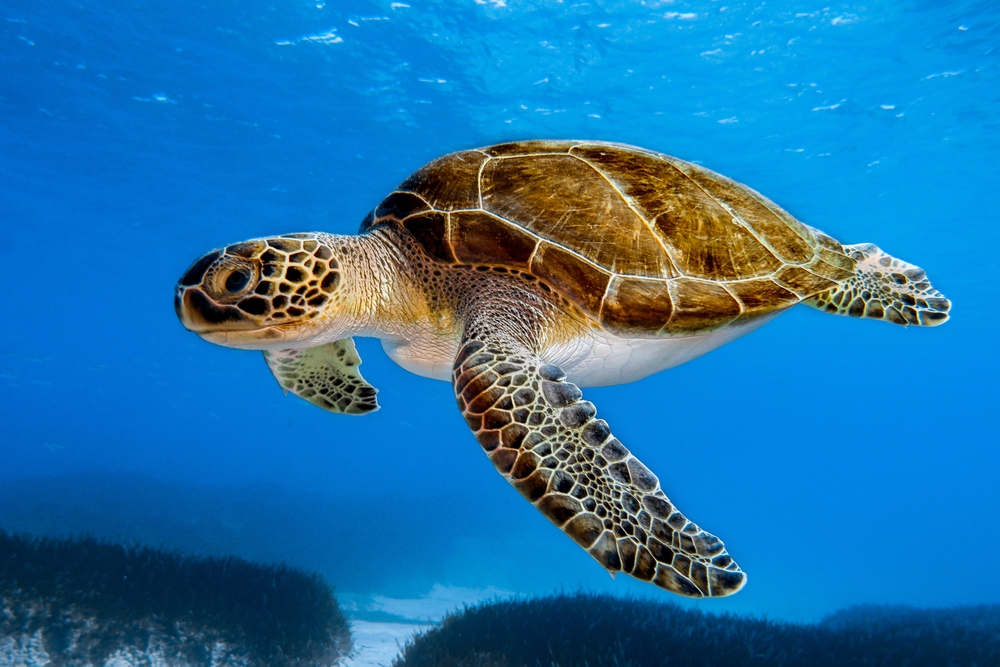
The Green sea turtle is named for the greenish color of its body fat rather than its shell. It grazes on seagrass beds, which makes it important for maintaining healthy coastal ecosystems. In places like Florida and parts of Australia, protected beaches have recorded significant increases in nesting activity over the past two decades. Conservation laws have reduced egg collection and coastal interference.
Females often return every few years to lay dozens of eggs in carefully dug nests. Beach patrols mark and guard these nests to limit disturbance from tourists and predators. In some regions, annual nest counts have reached levels not seen in generations. While still listed as endangered in several areas, the species shows how sustained protection can support meaningful gains.
Loggerhead Sea Turtle
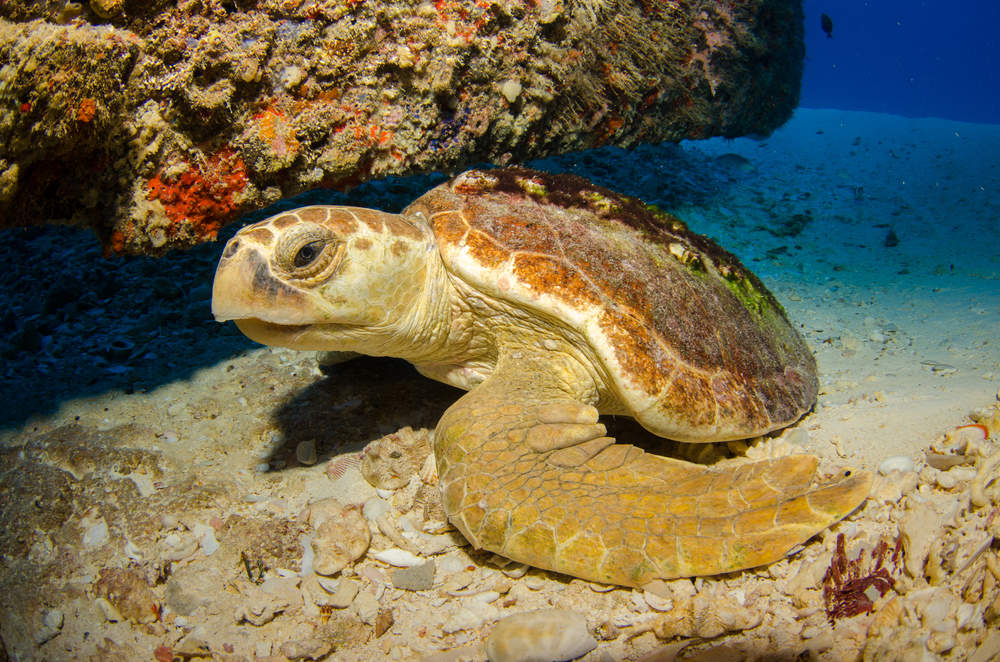
Loggerhead sea turtles are recognized by their large heads and strong jaws suited for crushing shellfish. They nest widely across subtropical and temperate regions, including the southeastern United States and parts of the Mediterranean. Some nesting beaches in Greece and South Carolina have been placed under seasonal restrictions to reduce human impact. These measures include controlled lighting and limits on beachfront construction.
Long-term monitoring has revealed improvements in hatchling survival in protected zones. Public education campaigns have also helped residents understand how simple actions, like reducing beach lighting, can make a difference. Loggerheads still face threats from fishing gear and ocean pollution. Even so, guarded nesting grounds are offering renewed stability for certain populations.
Olive Ridley Sea Turtle
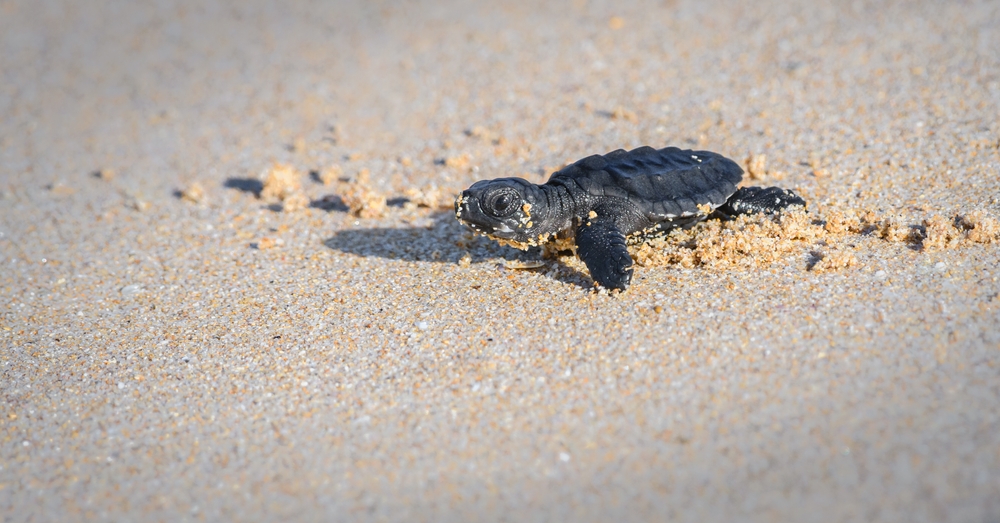
Olive Ridley sea turtles are known for their synchronized mass nesting events along tropical coastlines. Their olive colored shells and smaller size set them apart from larger species. In India and Costa Rica, conservation programs protect arribada beaches with fencing and round-the-clock monitoring. These efforts have led to safer nesting conditions during peak seasons.
Egg relocation is sometimes used to protect nests laid too close to rising tides. Volunteers count and record nests each year to track population patterns. Some protected beaches have reported higher hatchling output compared to previous decades. Although challenges remain at sea, shoreline protection has played a key role in stabilizing certain nesting colonies.
Flatback Sea Turtle
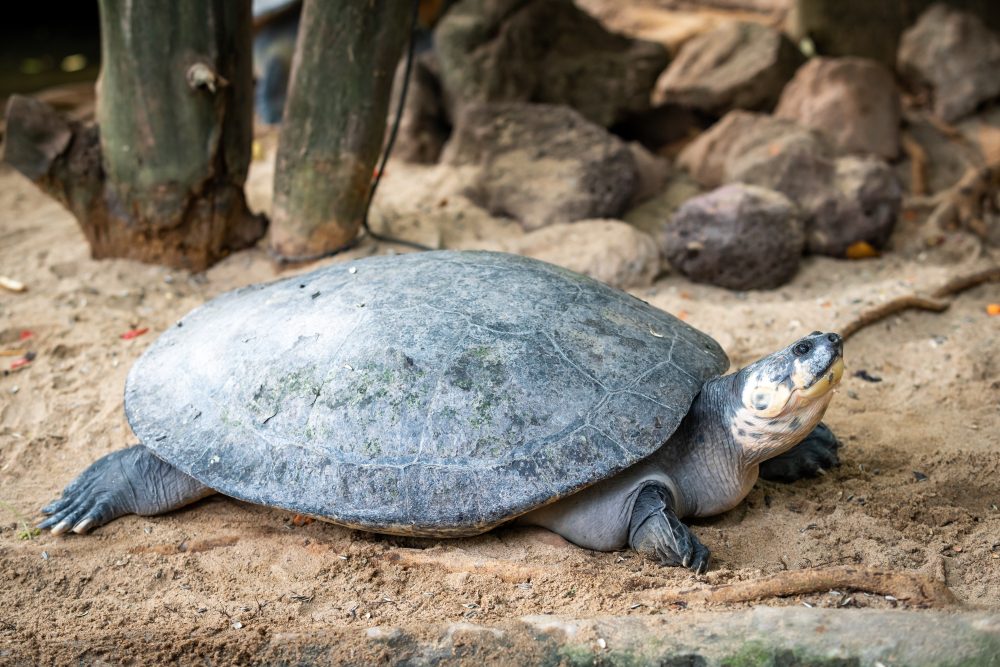
The Flatback sea turtle is found primarily along the northern coast of Australia and has one of the most limited ranges of any sea turtle species. Its shell appears noticeably flatter than that of other turtles, and its hatchlings are larger at birth compared to most relatives. Because this species remains close to continental shelves rather than crossing entire oceans, its survival depends heavily on local beach and marine management. Australian marine parks and protected nesting beaches have established controlled access zones that reduce vehicle traffic and nighttime disturbance during nesting season.
Unlike long distance migratory species, flatbacks spend much of their lives in nearby coastal waters, which makes regional conservation efforts especially important. Rangers conduct seasonal nest counts, measure hatchling success rates, and tag adult females to track their return patterns. In several protected areas such as the Great Barrier Reef region, nesting numbers have remained stable rather than declining further. For a species with a narrow geographic distribution, that stability represents meaningful progress tied directly to consistent shoreline protection.
Hawaiian Green Sea Turtle
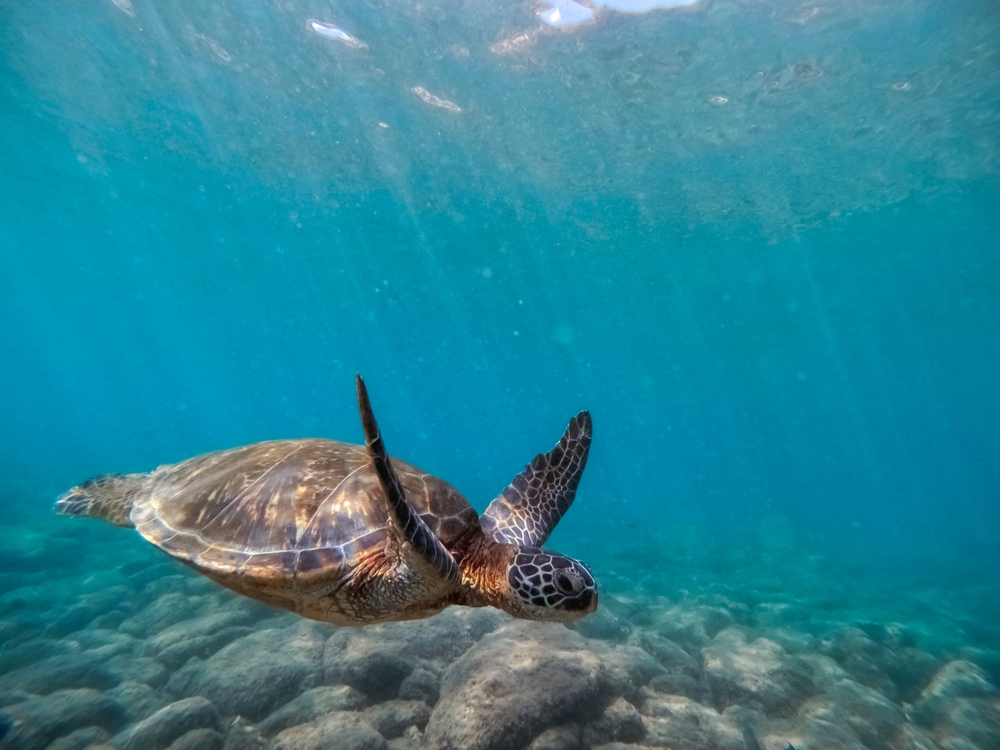
The Hawaiian Green sea turtle, locally called honu, holds deep cultural significance in the islands and appears in traditional stories and art. Intense harvesting in the past led to major declines before strict legal protection was enacted. Marine sanctuaries and nesting beach monitoring programs have since provided stronger safeguards. Access to sensitive nesting areas is limited during breeding season to reduce disturbance.
Long term surveys have documented increasing numbers of nesting females on certain Hawaiian islands compared to historic lows. Public outreach encourages respectful wildlife viewing and discourages direct contact with resting turtles. Rehabilitation centers treat injured individuals before returning them to coastal waters. This combination of legal protection, cultural respect, and consistent monitoring has supported steady recovery over recent decades.
This article originally appeared on Avocadu.