
15 Antique Kitchen Decor Pieces That Look Great on Open Shelves
There is something very charming about lining open kitchen shelves with pieces that have already lived a long life. Antique pitchers, crocks, jars, and metal tins bring warmth and quiet character that new decor often cannot match. Their worn handles, faded labels, and soft patina tell small stories and make a modern kitchen feel more relaxed and personal. When you tuck these finds on open shelves, they add texture and shape while still leaving plenty of room for everyday dishes and glassware. You can mix old and new pieces, or stick with one style if you like a tidier look. With a little attention to size, color, and material, antique kitchen items can fit into almost any style, from farmhouse to more minimal spaces.
This post may contain affiliate links, which helps keep this content free. Please read our disclosure for more info.
White Ironstone Pitcher
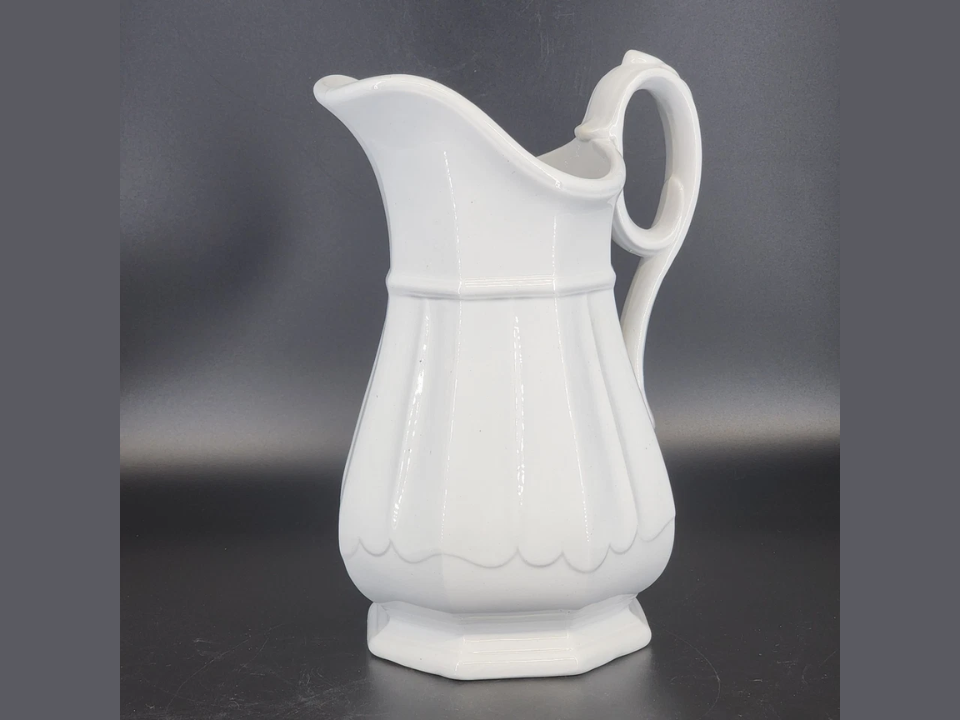
A white ironstone pitcher looks beautiful on an open kitchen shelf because it feels clean and classic at the same time. The smooth glossy surface stands out against wood shelves and mixes nicely with glass jars or stacked plates. Older pieces often have faint crazing, tiny age spots, or small chips around the base, which actually add charm instead of taking away from the look. You can tuck wooden spoons, fresh herbs, or a folded linen inside so the pitcher feels useful, not just like a prop.
When you shop, flip the base over and look for old pottery marks, since that can give clues about age and origin. Prices can swing quite a bit, but a good antique ironstone pitcher in solid condition usually falls in the range of about $80 to $250 depending on size and maker. More unusual shapes or larger pitchers can move toward $300 or higher when collectors are interested in that specific style.
Blue Transferware Dinner Plates
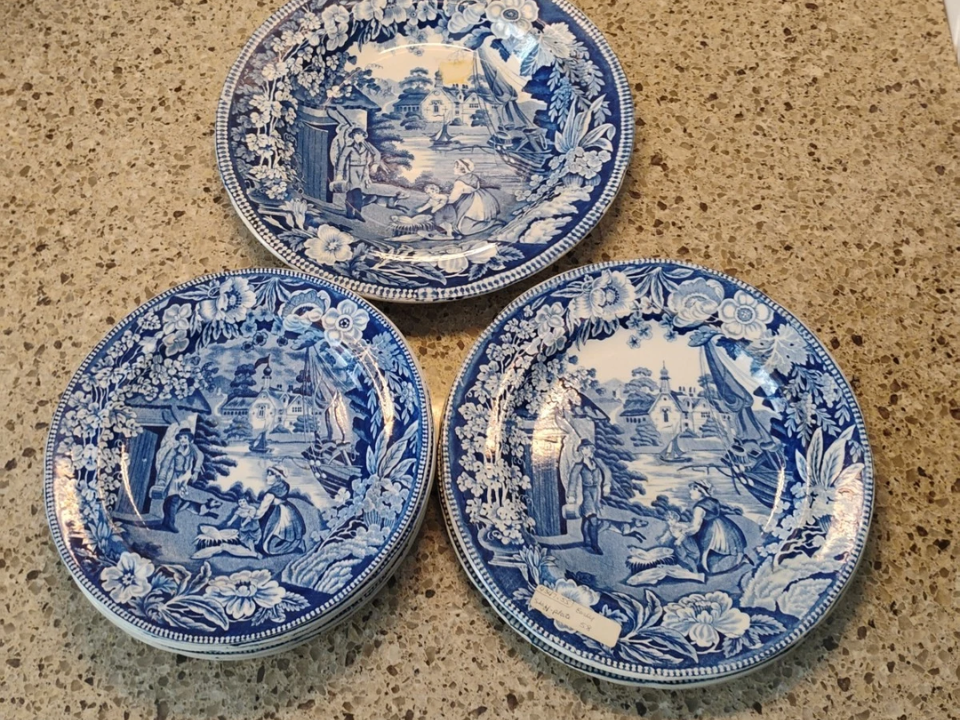
Stacks of blue transferware plates add instant color and pattern to open shelves without making things feel too busy. The scenes on these plates often show pastoral views, florals, or classical buildings, and that detailed artwork draws the eye right away. On a shelf, a tidy stack of four to six plates looks balanced, and you can lean one plate behind the stack to show off the design. Older transferware may have gentle wear along the rims, crazing in the glaze, or slight color variation in the pattern, all of which read as normal age.
You can mix different patterns as long as the colors stay in the same blue family, which keeps the shelf from feeling messy. Common vintage plates from known makers often sell around $15 to $40 per plate, while scarce patterns or early pieces can reach $60 or more each. That means a small stack can easily represent $80 to $200 in value once you have a few special examples on display.
Vintage Copper Jelly Molds
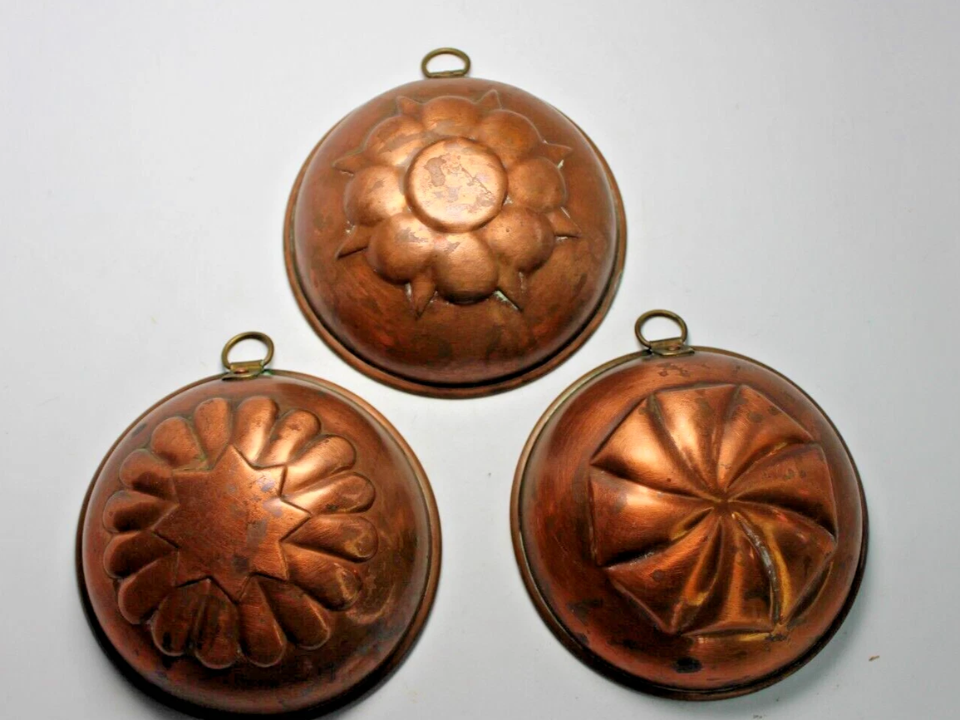
Vintage copper jelly molds look fantastic lined up on a shelf because the warm metal catches the light and adds depth to a row of dishes. These molds come in all kinds of shapes, like fluted rings, fruit clusters, or simple domes, so you can create a small collection with different silhouettes. They look great hung on tiny hooks along a shelf edge or just propped against the wall behind stacks of plates. Most older molds have a tin lining inside, which will show wear and darkening from use, and that is normal for age.
Polished copper gives a bright gleam, while unpolished pieces feel more rustic and laid back, so you can choose the finish that fits your kitchen. On many resale sites, small vintage copper molds often land in the $30 to $75 range, while larger or very detailed examples can bring $100 to $150 or more. Very rare molds with maker marks or ties to famous shops can even reach several hundred dollars, which turns a simple decorative row into a meaningful little collection.
Enamel Bread Box
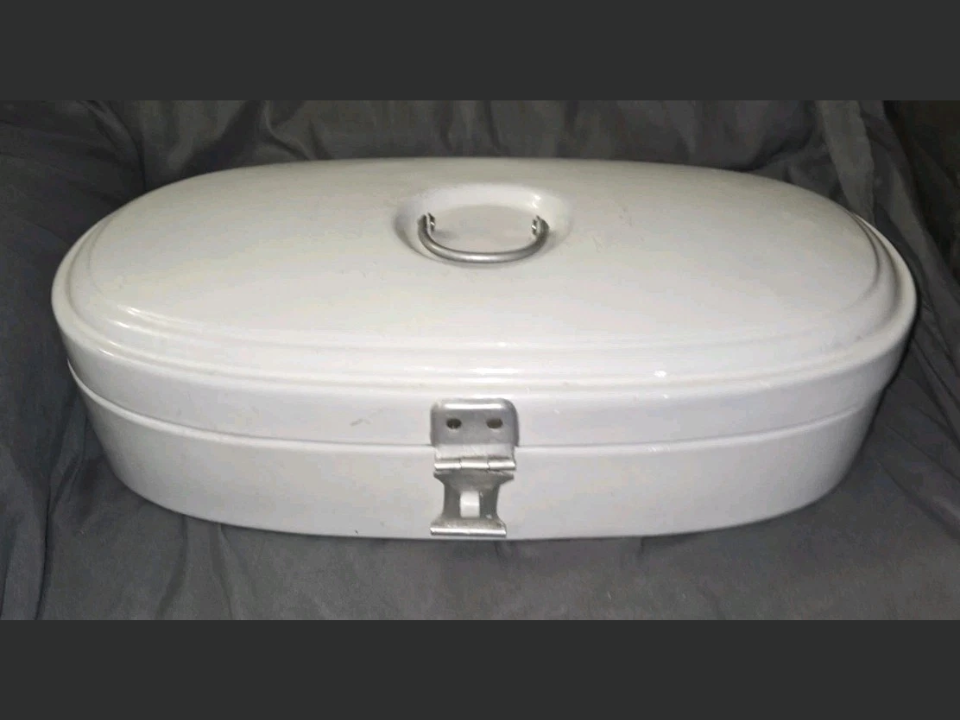
An enamel bread box on an open shelf gives strong vintage kitchen energy and also offers hidden storage for snacks or linens. Classic versions usually come in white, cream, or soft colors with the word BREAD across the front in simple lettering. Chips around the edges, worn handles, and small rust spots on older boxes feel authentic and keep the piece from looking like a new reproduction. On a shelf, a large enamel bread box works well as an anchor piece, with smaller jars or cups grouped nearby to balance the scale.
If you like a neat look, you can store tea boxes, napkins, or extra kitchen towels inside so the outside stays clean. Vintage enamel bread boxes commonly fall in the range of about $85 to $200 depending on condition, size, and country of origin. Extra-large bins or rare colors sometimes pass $250, especially if they come from respected European makers and still have their original lid and handle intact.
Blue Glass Ball Mason Jars
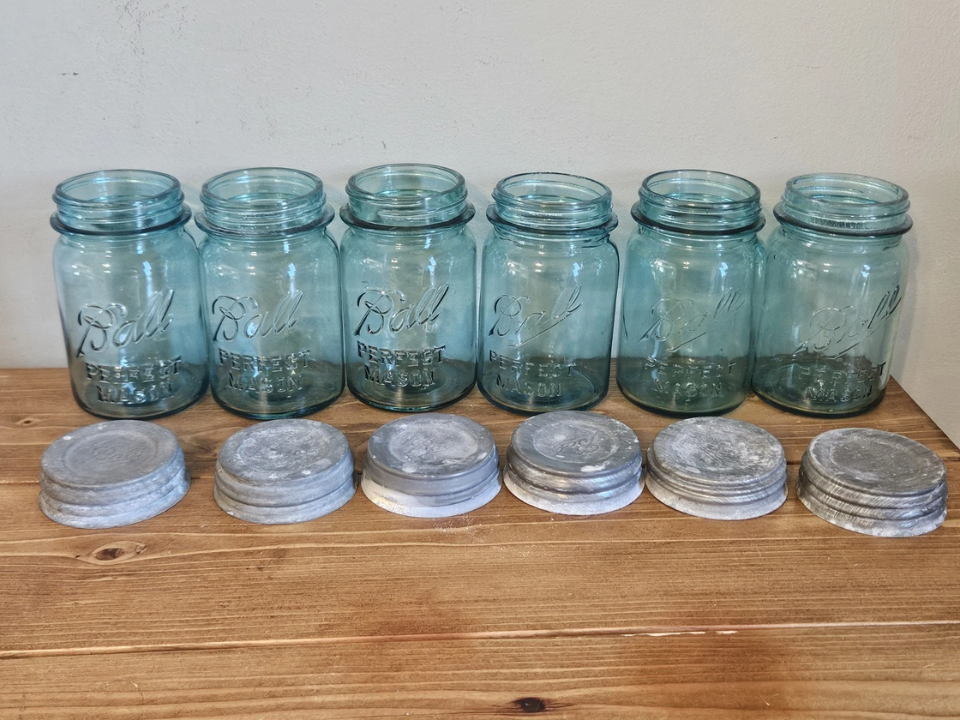
A row of blue glass Ball mason jars instantly brightens an open shelf and brings that classic pantry looks into your kitchen. The soft aqua color glows when light hits the jars, and the raised logos on the glass add texture without feeling fussy. You can fill them with dry goods like beans and pasta, or leave some empty so the color stands out more clearly. Older jars often have subtle bubbles in the glass, slightly uneven rims, and zinc or glass lids that show age, which many collectors love.
When it comes to price, common vintage jars often sell in the $5 to $25 range each, while more unusual sizes, mold numbers, or early logos can climb higher. Certain early twentieth century jars in great shape with the right stamp can bring $50 to $150 or more, especially if the original lid is present. Lined up on a shelf, even a handful of jars in that $10 to $40 middle range can look special and still feel fairly accessible for a starter collection.
Stoneware Crocks With Lettering
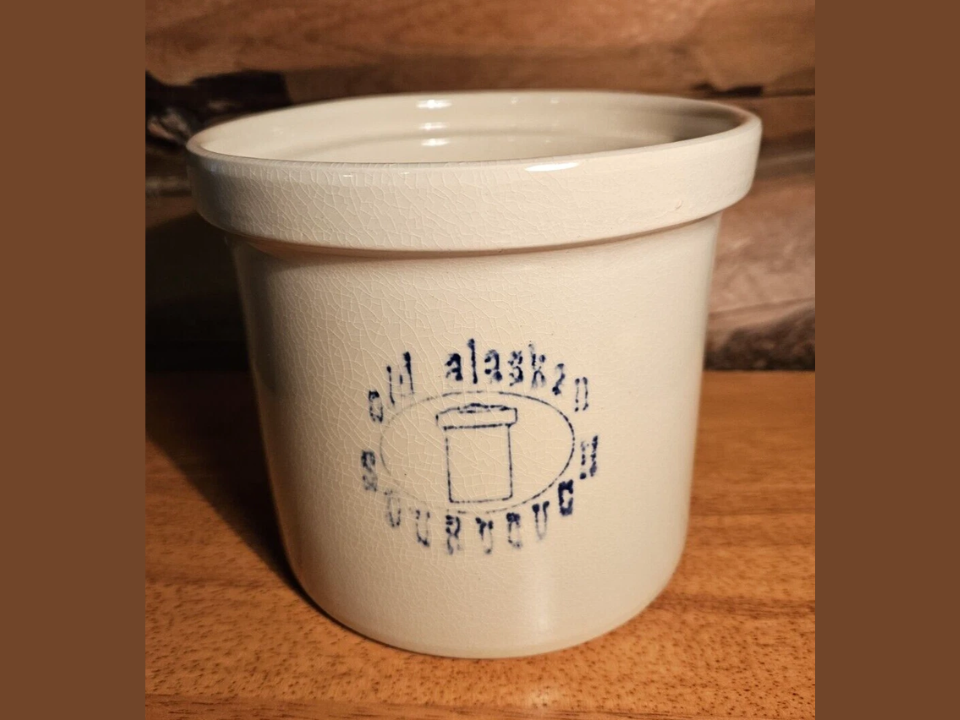
Chunky stoneware crocks with stamped or painted lettering give solid visual weight to open shelves and help break up rows of plates. You will often see markings like pickling brands, butter labels, or simple numbers that show the size, and that lettering looks great facing outward. Neutral glazes in gray, tan, or off white make these crocks easy to mix with almost any color scheme. Some crocks have hand painted cobalt blue flowers or simple decorations that add just enough detail without stealing the whole show.
On a shelf, you can use a crock as a utensil holder, a planter for herbs, or a spot for rolling pins. Prices vary by region and maker, but small to medium stoneware crocks with basic markings often run from about $40 to $120, while larger or rare examples can hit $150 to $300. Pieces with strong graphics, blue decorations, or famous maker names can sit higher, though they still work perfectly as everyday decor on your shelves.
Vintage Kitchen Scale With Enamel Face
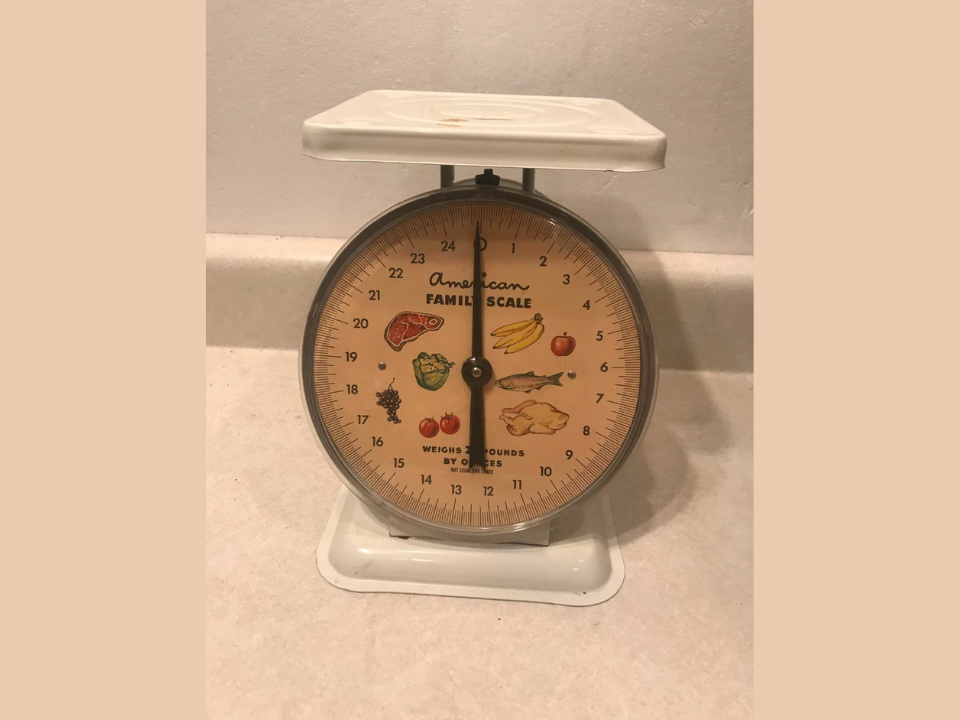
A vintage kitchen scale with an enamel dial can act as a small pedestal on your shelf and adds a nostalgic touch at the same time. The combination of metal body, round face, and numbers makes it look like a tiny piece of industrial history right in your kitchen. Many older scales show paint wear, small chips, or light rust on the base, and that patina can actually keep the piece from feeling too formal. On open shelves, a scale looks great with a bowl of fruit on top or a stack of napkins, which turns it into a little display stand.
You can choose neutral colors like cream and black, or go for soft greens and blues if you want more color in the room. In general, simple vintage kitchen scales from common brands often fall around $40 to $100, with rarer colors or especially clean faces reaching $125 or more. If the enamel dial is still bright and readable and the scale has a recognizable brand, that can nudge the price up while still keeping the piece very usable as decor.
Hand Painted Ceramic Canister Set
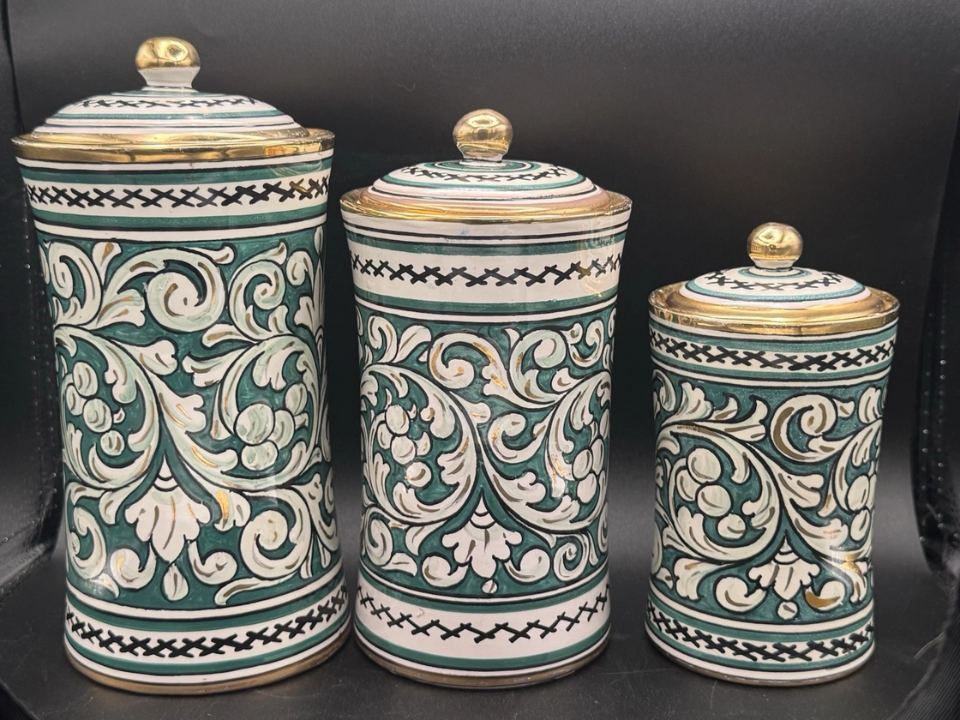
Hand painted ceramic canisters bring both storage and pattern to an open shelf wall. The mix of lids, labels, and painted motifs creates a small village of containers that instantly adds interest above your counter. Vintage sets may include sugar, flour, tea, and coffee, and sometimes extra pieces like spice jars or salt boxes. You will often see floral patterns, geometric bands, or simple words written in old type styles that feel charming and relaxed.
When you style these on shelves, you can keep the full set together for a strong visual hit, or split them between two shelves to spread the color around. Complete vintage canister sets in good condition often range from about $60 to $180, depending on maker, age, and how many pieces are included. Rare sets with all lids intact and no chips can cross the $200 mark, and still work perfectly as daily storage for dry ingredients in a modern kitchen.
Milk Glass Cake Stand
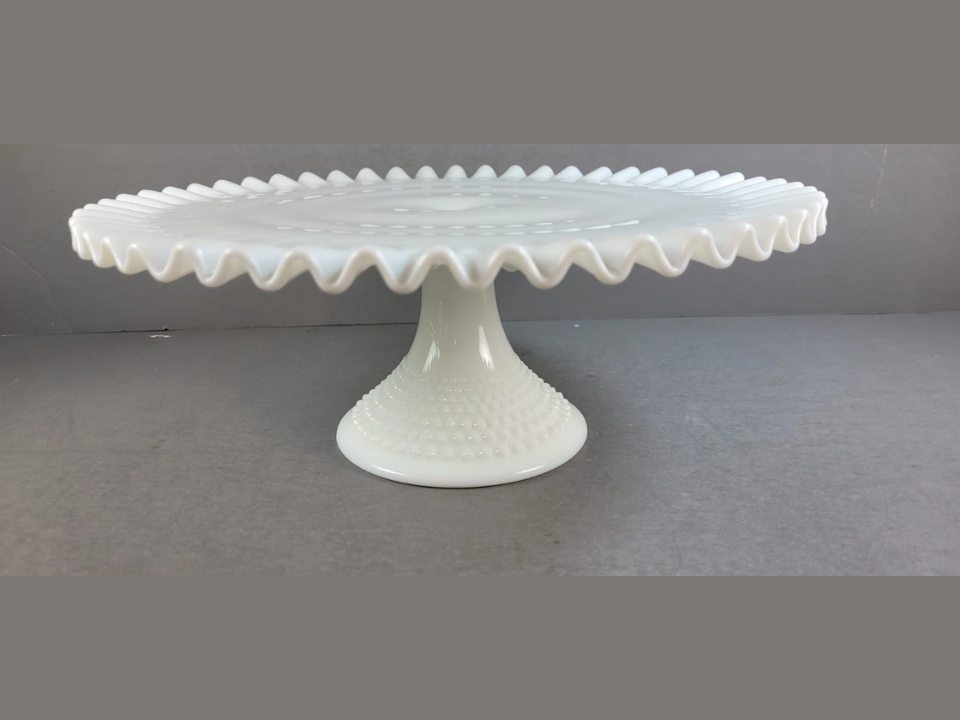
A milk glass cake stand adds height and softness to an open shelf, thanks to its milky white color and gentle glow. The pedestal shape lifts whatever you place on top, whether that is a stack of mugs, a candle, or a small plant. Many vintage milk glass stands have simple hobnail or ruffled details that keep them interesting without feeling too ornate. On a shelf, you can slide a stand toward the back and let smaller items sit in front, which gives the whole display more depth.
Older pieces sometimes show faint tool marks or slight variations in the glass, which tend to be normal and rarely distract once the piece is styled. Common vintage milk glass cake stands often fall into the $40 to $90 range, with especially pretty patterns or larger sizes reaching $120 or more. If you find a stand from a well known glass company in excellent shape, the value can go higher, while the piece still does daily work holding treats or dishes on your shelves.
Cast Iron Mortar And Pestle
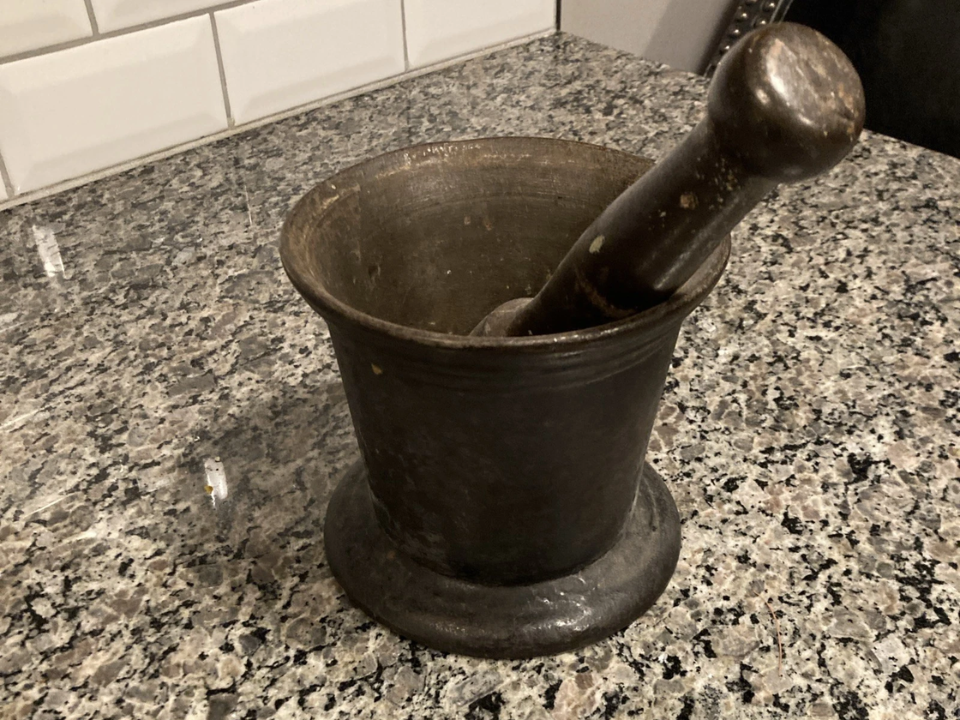
A cast iron mortar and pestle looks strong and grounded on an open shelf and brings a touch of old world cooking to the room. The dark metal has a matte sheen that contrasts nicely with pale dishes and glass jars around it. Even if you only use it once in a while for spices, the shape feels sculptural enough to stand on its own. Many older sets show gentle wear inside the bowl and on the handle, which hints at years of use without feeling rough or damaged.
You can tuck it near cookbooks or between stacks of plates to break up straight lines and add some visual weight. Sizes vary, so a small to medium set usually fits easily on standard shelves without crowding other pieces. Vintage cast iron mortar and pestle sets typically range from about $40 to $120, with very heavy or especially early examples sometimes going higher.
Vintage Tin Spice Tins
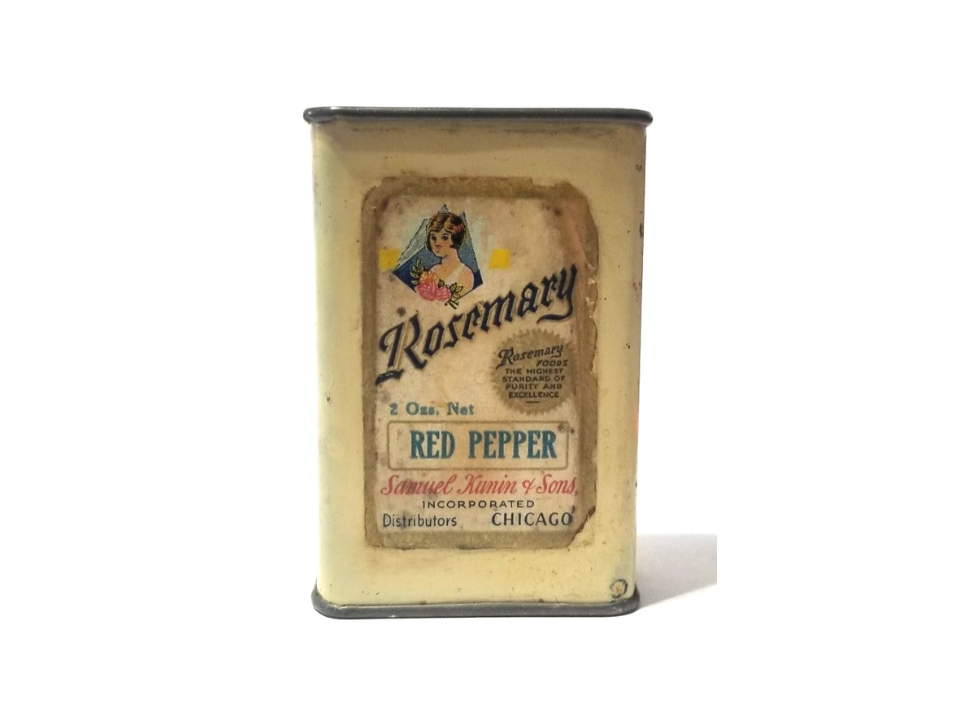
Vintage tin spice tins are great for adding color, typography, and a little humor to open shelves. Old brands used bright labels, playful fonts, and tiny illustrations, which makes even a small row of tins feel lively. Some collectors like to group tins by color, while others mix everything for a more relaxed, pantry style look. You can line them up in front of a stack of plates or cluster a few near a canister set to keep the shelf from feeling too flat.
Light scratches, small dents, and faded spots on the graphics are common on older tins and usually read as normal wear. Empty tins are lighter and easier to arrange, though a few still come with their original shaker lids or paper liners. Single tins often sell in the $10 to $35 range, while matching sets or rarer brands can reach $40 to $150 depending on condition and design.
Antique Wire Egg Basket
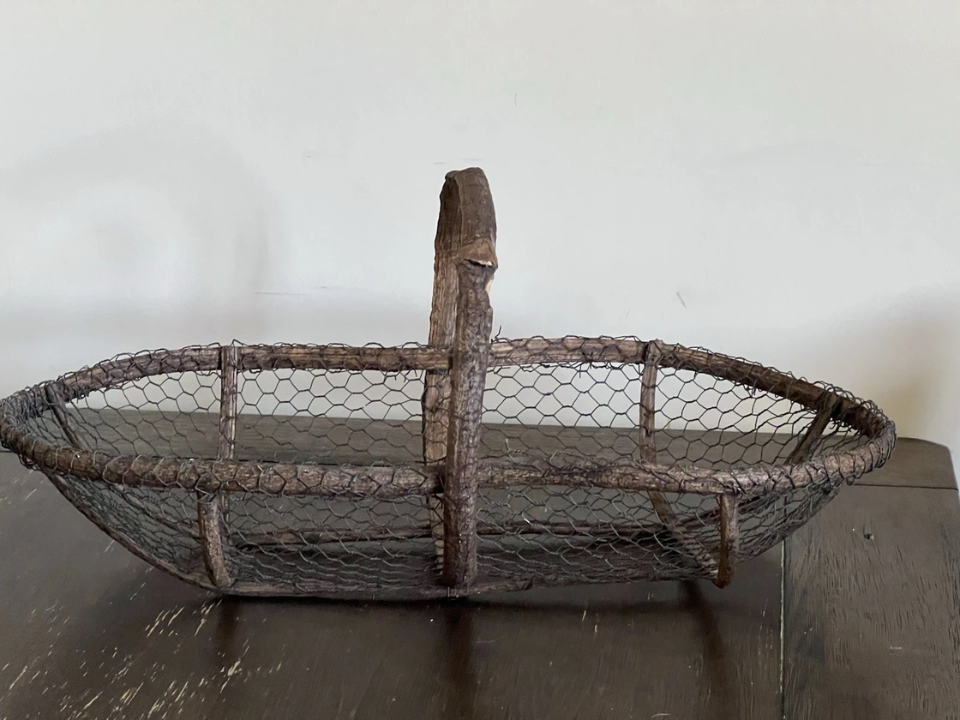
An antique wire egg basket adds airy texture to open shelves without blocking light or feeling bulky. The curved handle and rounded body create a nice silhouette, especially when you place the basket near more solid pieces like crocks or jars. Many older wire baskets show a bit of darkening, slight bends in the wire, or hints of old galvanizing, which give them quiet character. You can fill one with faux eggs, rolled dish towels, or citrus to add color and shape.
On a deep shelf, an egg basket looks nice near the front with flatter items behind it so the eye can travel through the layers. Some baskets have little feet or reinforcing rings at the bottom, which help them sit steady on wood or tile. Most antique wire egg baskets fall in the range of about $25 to $90, with especially large or unusual examples sometimes reaching $100 or a bit more.
Stoneware Butter Crock Or Butter Bell
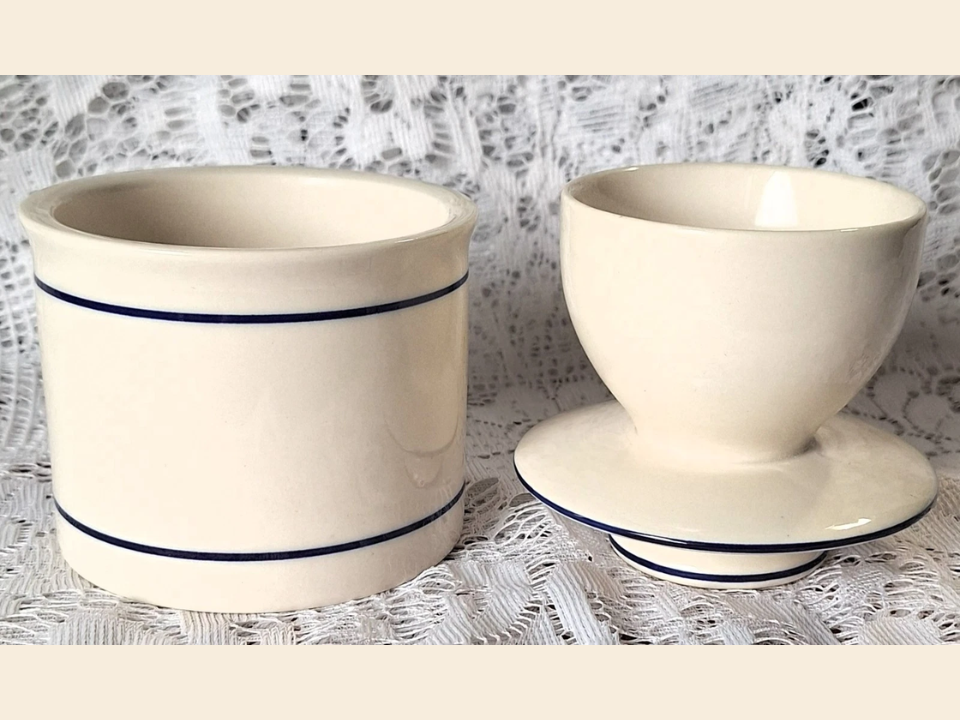
A stoneware butter crock or butter bell looks charming on an open shelf and hints at slower, simple kitchen routines. These small pieces usually come in neutral glazes with subtle stripes, stamps, or hand lettering that mix easily with other dishes. The lidded design brings a nice vertical line to a shelf full of plates and bowls, and the handle on top adds shape and interest.
Some antique examples show light crazing, darkened rims, or faint old labels on the underside, all of which feel true to their age. You can display one on a cake stand, next to a canister set, or tucked beside a stack of bread boards. Even if you do not use it for butter, it works nicely to hold sea salt, matches, or tiny kitchen odds and ends. Vintage stoneware butter crocks usually land around $35 to $120, while rare patterns or pieces with strong maker marks can reach higher ranges in the collector market.
Glass Apothecary Jars
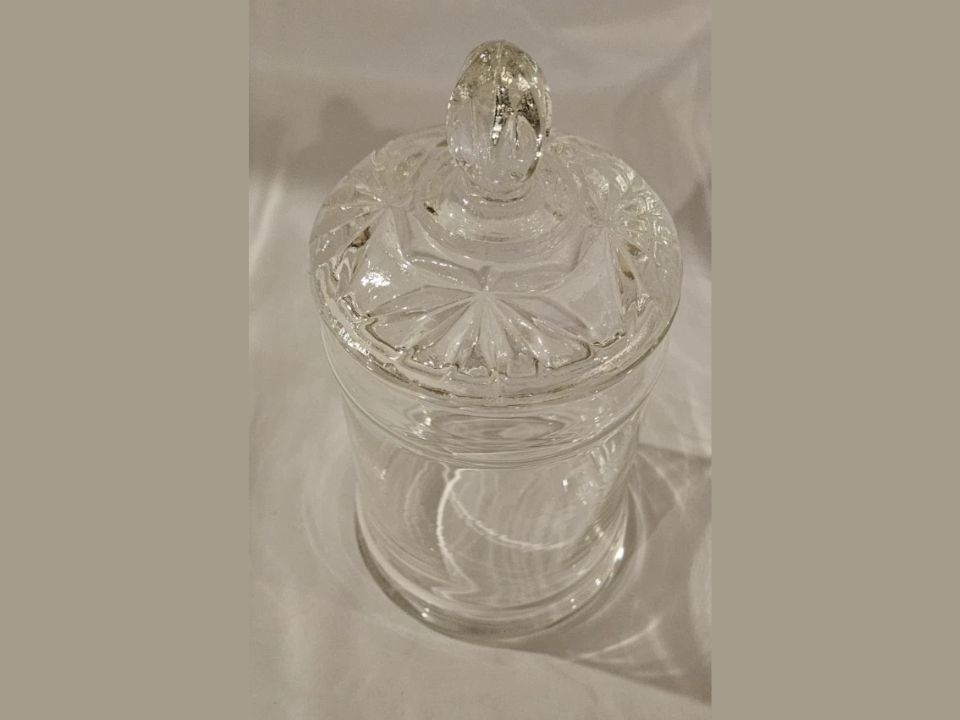
Glass apothecary jars bring a clean, old pharmacy vibe to open shelves and offer useful storage at the same time. The tall shapes, clear glass, and ground glass or metal lids give them a quiet presence that works well behind mugs or smaller items. You can fill them with dried pasta, beans, tea bags, or even cloth napkins to add subtle color and texture.
Older jars sometimes show tiny bubbles in the glass, wavy sides, or light clouding inside, all common signs of age that still look good in a display. If you like labels, you can look for jars with old paper or etched labels, though many people prefer unmarked glass for a calmer look. Antique and vintage apothecary jars often range from about $20 to $80 per jar, with especially tall or rare examples running above $100.
Pewter Measuring Cups
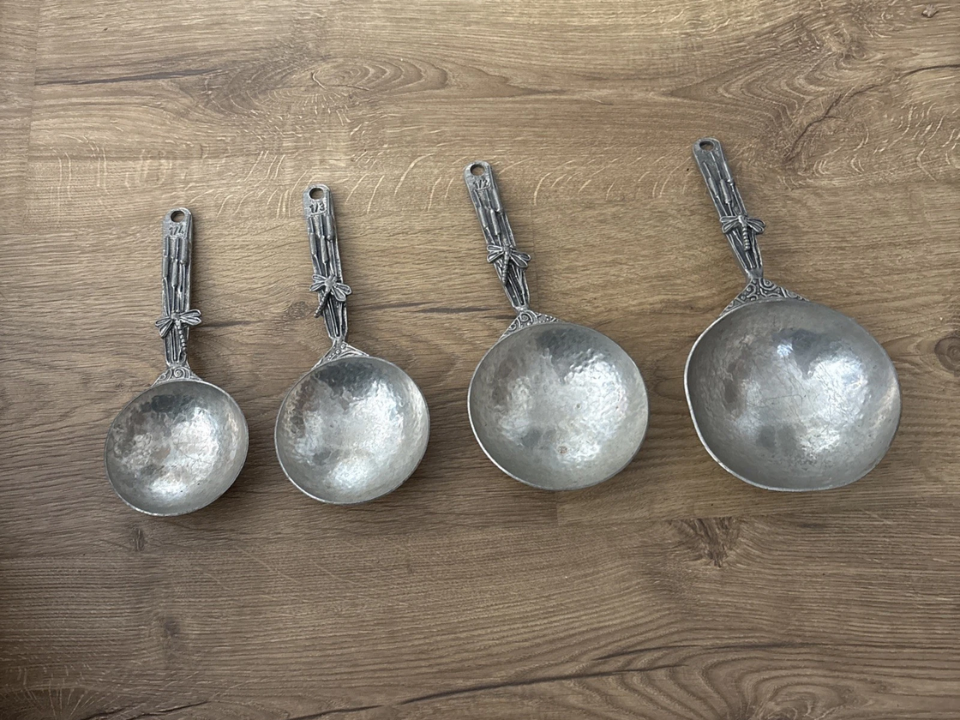
Pewter measuring cups add a soft, silvery note to kitchen shelves and feel a bit more unusual than regular stainless steel. Sets often nest together, so you can show them stacked or fan them out slightly so each size is visible. The surface of pewter tends to mellow with age, picking up a gentle sheen and light scratches that read as honest wear. You can hang the cups by their handles from small hooks under a shelf or let them sit beside a vintage scale or bread box.
Some sets have stamped measurements on the handles or inside the cups, which adds another layer of visual interest without feeling busy. Antique and vintage pewter measuring cup sets usually fall in the $45 to $140 range, with heavy, well-marked, or rare maker sets reaching higher sale prices.
This article originally appeared on Avocadu.