
15 Native Plants That Set Up A Low Stress Spring Garden
Native plants make spring gardens feel easier because they already know your weather, your soil, and your local pollinators. This list focuses on low-fuss picks that come back each year, fill in nicely, and do not need constant attention once they settle in. Start small, group a few together, and let the garden do most of the work.
This post may contain affiliate links, which helps keep this content free. Please read our disclosure for more info.
Purple Coneflower (Echinacea purpurea)
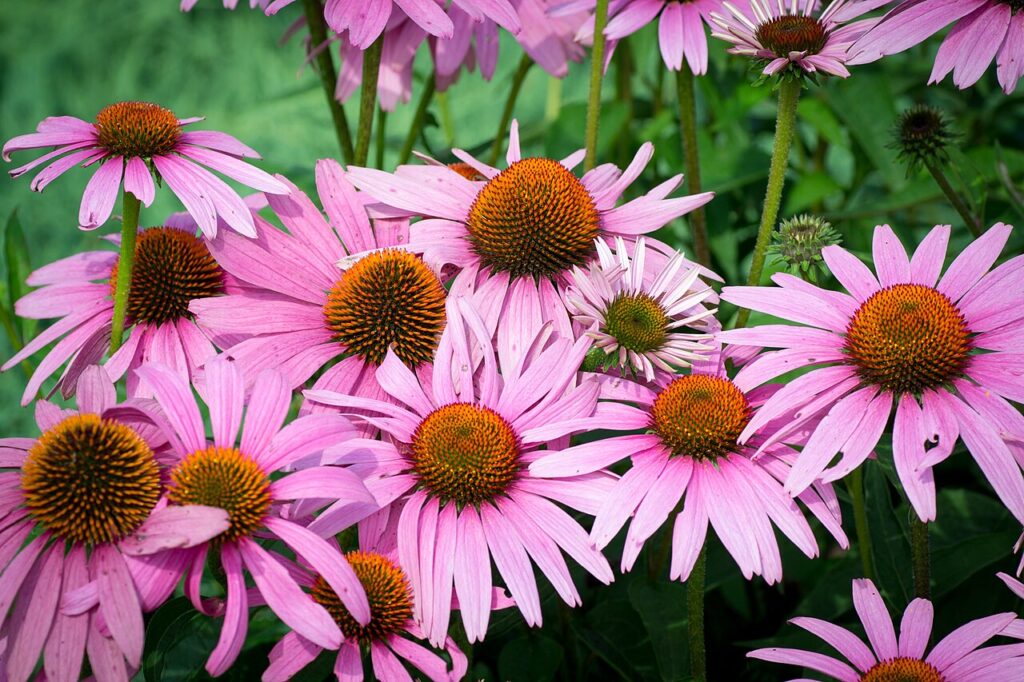
Purple coneflower is a tough, sunny spot plant that handles heat and dry spells once its roots settle in. The sturdy stems keep the flowers standing up well, so you do not have to baby it after storms. Butterflies stop by often, and goldfinches may show up later for the seedheads. It looks good in clumps, and it plays nicely with grasses and other prairie blooms.
In spring, leave last year’s stems until new growth is a few inches tall, then snip them back low. Water it a bit during the first season, especially if rain is spotty, and then ease off. If you want more flowers, remove some spent blooms, but it will still bloom without that extra step. Every few years, you can divide a crowded patch to keep it fresh and share starts with friends.
Black Eyed Susan (Rudbeckia hirta)
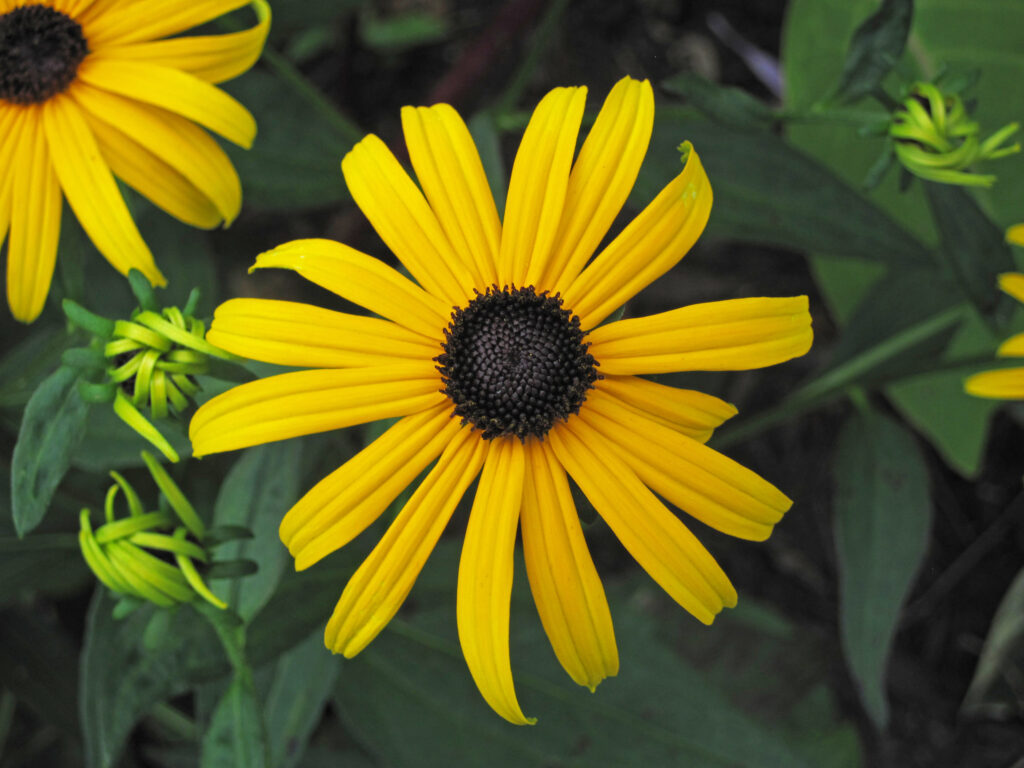
Black eyed Susan brings bright color fast, which is great when the garden still looks sleepy in early summer. It grows with an easy attitude in average soil and does not ask for rich compost to look good. The flowers have that classic sunny look that fits almost anywhere, from a border to a casual meadow corner. Bees and small pollinators treat it like a busy stop on their daily route.
Give it a spot with plenty of sun and decent drainage, and it will take it from there. First year plants may bloom later, while established patches usually get going sooner. Let a few flowers go to seed if you want it to pop up again in new spots. If it starts leaning, nearby plants can act like a natural support without any staking.
Bee Balm (Monarda fistulosa)
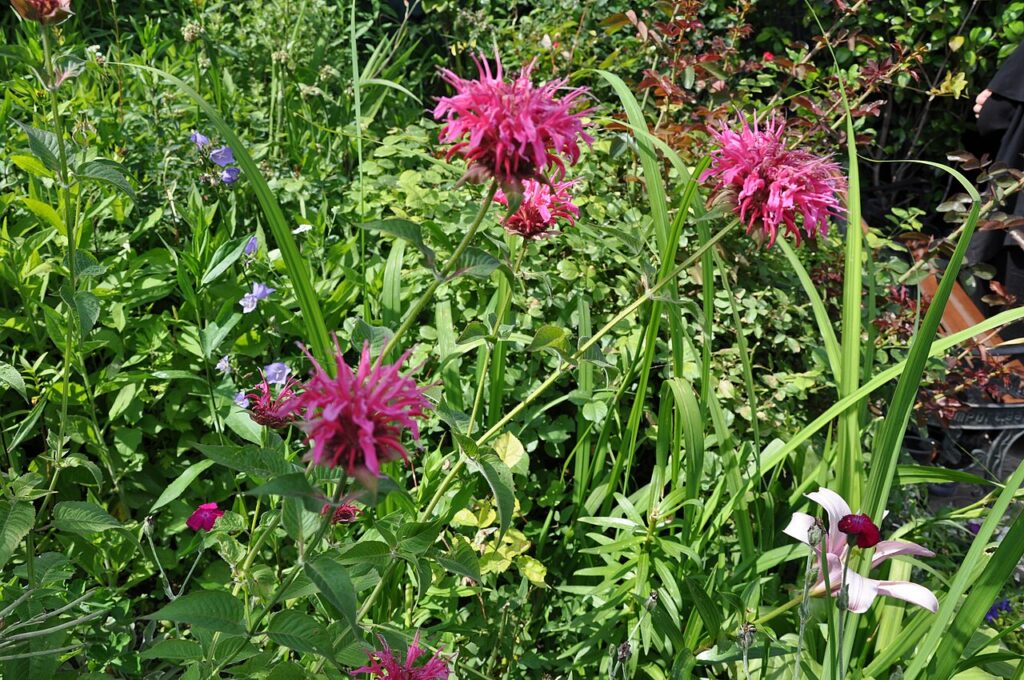
Bee balm has a fun, shaggy flower shape and a light, minty scent when you brush the leaves. It grows in clumps and fills space quickly, so it is helpful when you want a fuller bed without waiting years. Hummingbirds and bees love it, and it keeps the garden lively when it is in bloom. The plant can handle a range of soils, though it looks happiest with a little moisture.
Airflow matters, so do not pack it too tightly against other plants. In spring, cut old stems down so new shoots can come up cleanly. If powdery mildew shows up later, it usually looks worse than it is, and the plant often keeps blooming anyway. Divide it every few years if the center gets sparse, and replant the strongest outer pieces.
Wild Bergamot (Monarda fistulosa)
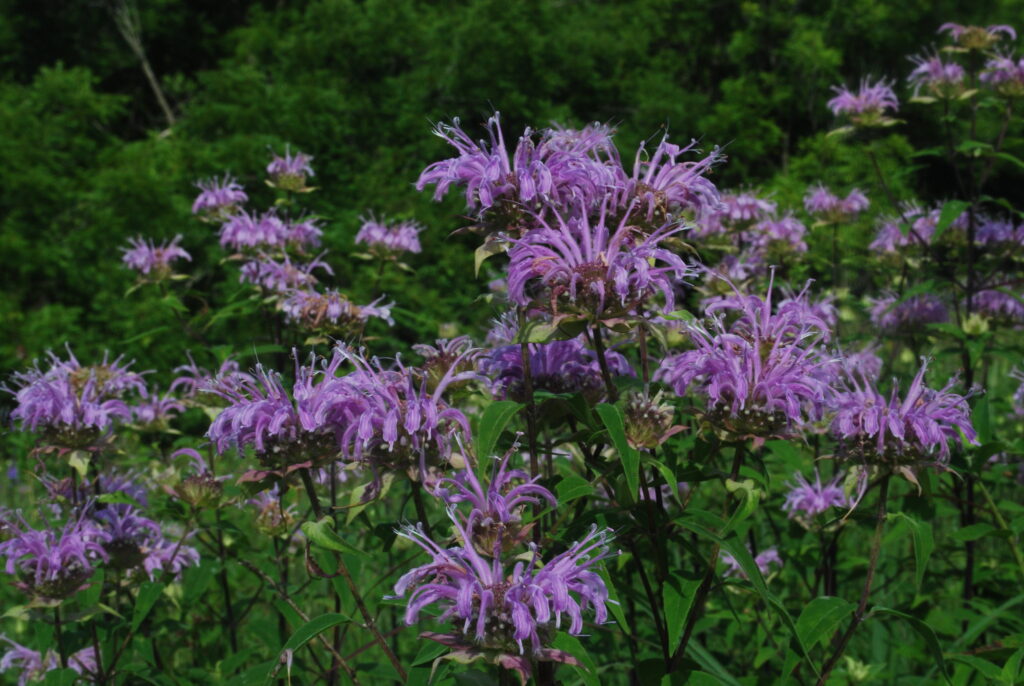
Wild bergamot is a native cousin that gives you that same bee balm charm with a slightly softer look. The flowers are a gentle purple and sit above tall stems, which adds height without feeling stiff. It does well in sunny beds and can handle poorer soil better than many garden perennials. The leaves smell pleasant when crushed, and that scent can make the whole area feel more alive.
Do a simple spring cutback to remove last year’s dry stems, then let it grow at its own pace. If you want a bushier plant, pinch the tips once when it is still small, but skipping that is fine. It can spread by roots over time, which is handy if you want a natural patch. When it finishes blooming, you can leave the seedheads for birds or trim it for a neater look.
Butterfly Weed (Asclepias tuberosa)
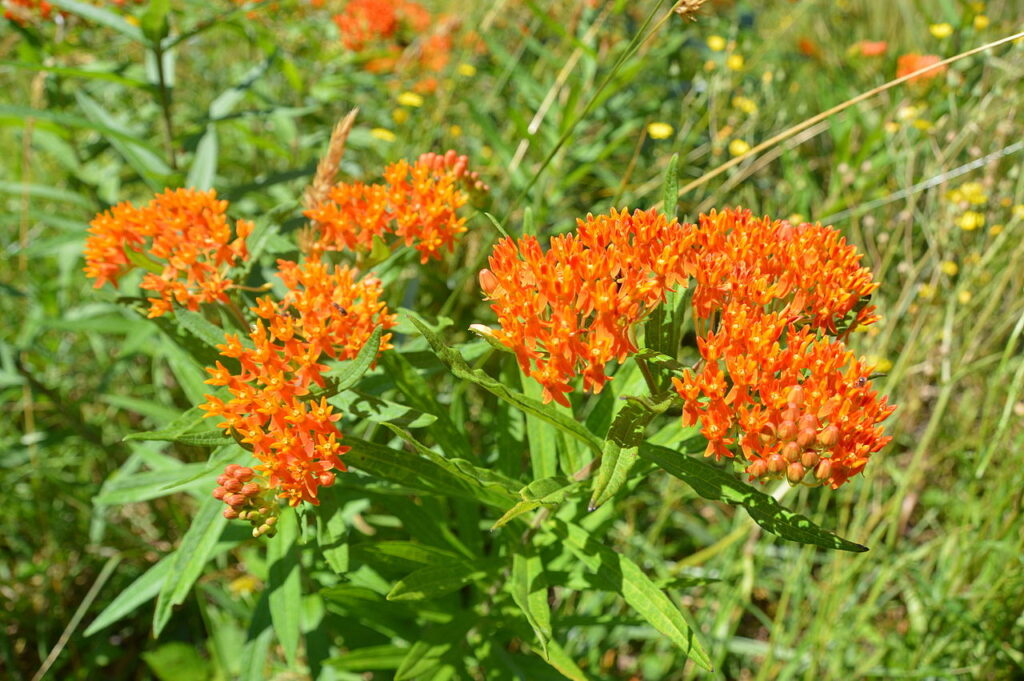
Butterfly weed is a milkweed that stays tidy and does not need wet soil to do well. The orange flowers are bright without being fussy, and they show up right when the garden needs a color push. It is a host plant for monarch caterpillars, so it supports more than just nectar visitors. Deep roots help it deal with dry weather, which makes it a calm choice for a low stress garden.
In spring, be patient because it can wake up later than some other perennials. Once you see new shoots, cut back old stems and let the plant settle in. Avoid moving it around, since the taproot does not like being disturbed. If you want more plants, start with seed or buy young ones and plant them where they can stay put.
Swamp Milkweed (Asclepias incarnata)
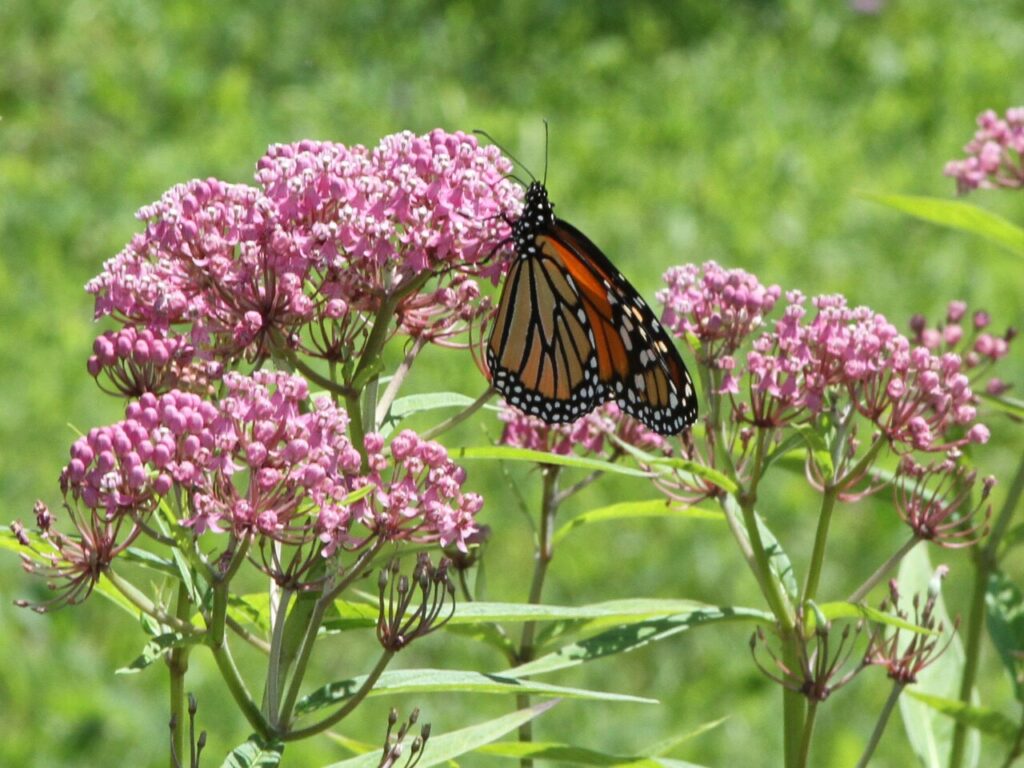
Swamp milkweed is a great pick if you have soil that stays damp or a spot near a downspout. The pink flower clusters smell sweet and pull in butterflies, bees, and other helpful insects. It grows upright and looks nice mixed with grasses or other moisture loving natives. Monarchs use it too, and the leaves are easy for caterpillars to chew.
Spring care is simple, since you just cut last year’s stems down before new growth gets tall. If the weather turns dry, a weekly soak keeps it looking better, though it can handle short dry spells. Seed pods form later, and you can leave a few if you like watching them split and float. When it gets crowded after a few years, divide in early spring to keep the clump strong.
Blue False Indigo (Baptisia australis)
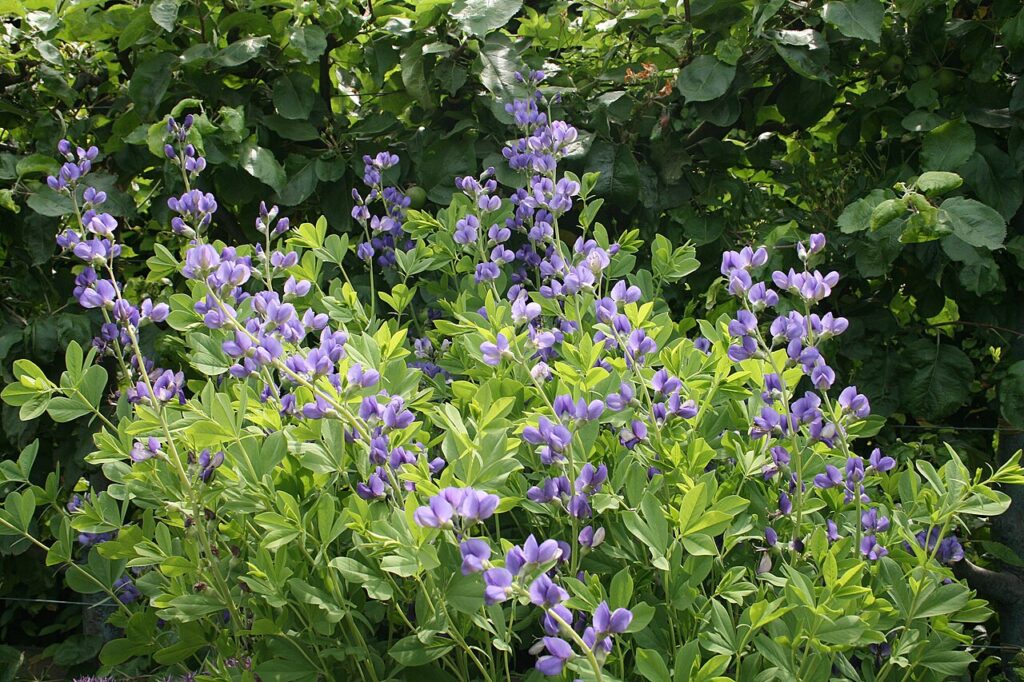
Blue false indigo has a shrub-like shape, even though it is a perennial, so it gives a bed structure early. The spring flowers look like small lupines, and the blue-green leaves stay attractive after bloom time. It is slow to get big, but once it does, it becomes one of those plants you barely think about. The roots go deep, which helps it handle heat and less watering.
Choose its spot carefully because it does not enjoy being moved later. Cut old stems back in early spring, then let it leaf out without much fuss. The seed pods turn dark and can rattle in the wind, which some people love and others trim off. If it flops a bit after heavy rain, nearby plants usually hide it, and next year it often stands better as it thickens.
Blazing Star (Liatris spicata)
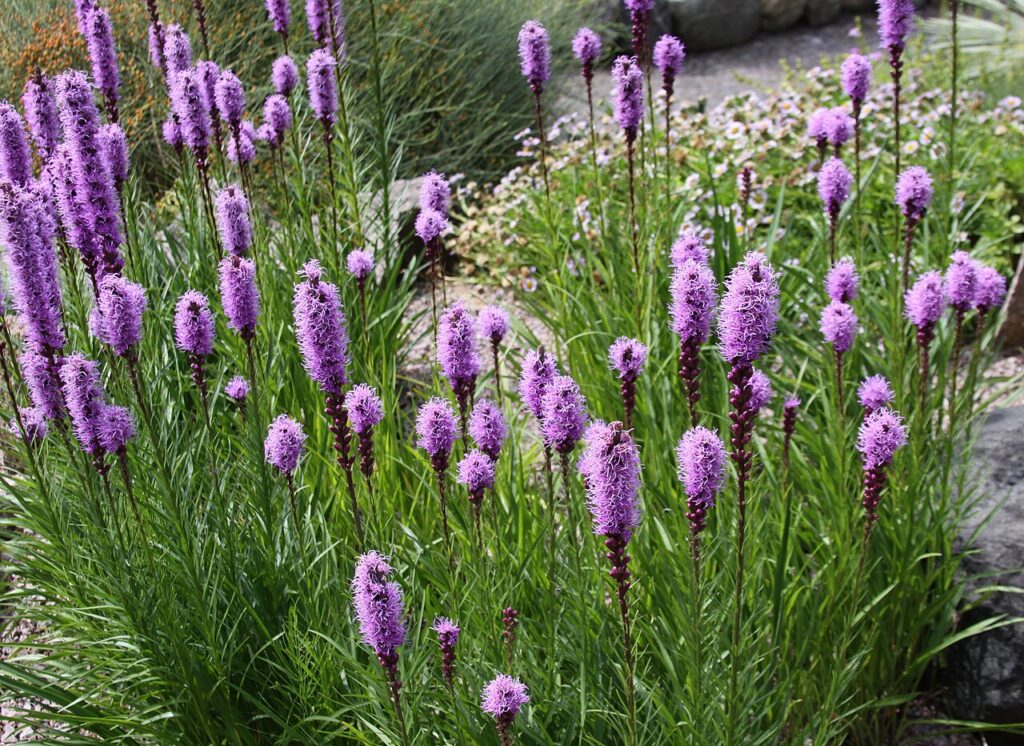
Blazing star sends up tall spikes of purple flowers that bloom from the top down, which is always fun to watch. It adds vertical interest without taking up much ground space, so it fits well in tighter beds. Butterflies, bees, and even hummingbirds visit it, especially in the warm part of the season. The grassy leaves look neat early, then the blooms rise when other plants start to fade.
Plant the corms or nursery plants in sun, and keep the soil from staying soggy. In spring, clean away old growth so the new leaves do not have to push through litter. If the spikes lean, a light support from nearby plants is usually enough. After it blooms, you can leave the stalks for texture or cut them back for a cleaner look.
New England Aster (Symphyotrichum novae-angliae)
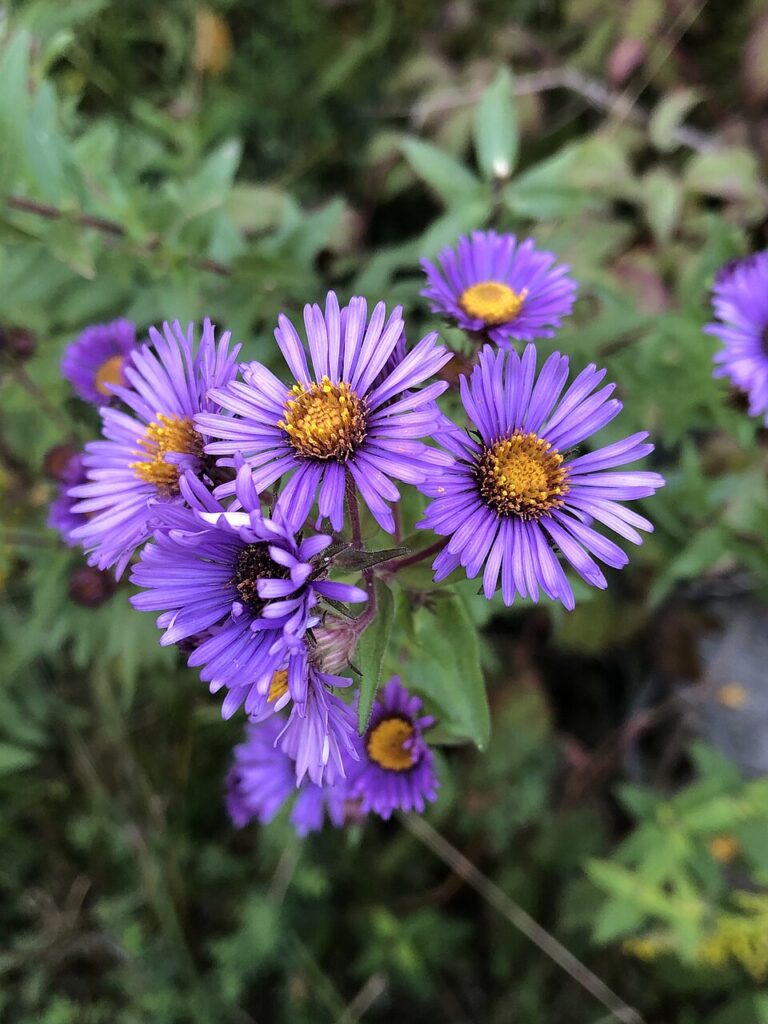
New England aster is a late season hero, but it starts building its leafy base in spring. The plant grows tall and full, then bursts into purple blooms when many gardens are winding down. It gives pollinators a strong food source when they need it most. The stems are sturdy, and the plant can handle average soil as long as it gets sun.
To keep it from getting too tall, pinch or trim the tips once or twice in late spring. That little haircut helps it branch and makes it less likely to flop later. In early spring, cut last year’s stems down to the ground and clear out old leaves. If the clump gets thick, divide it every few years so the middle does not thin out.
Goldenrod (Solidago rugosa)
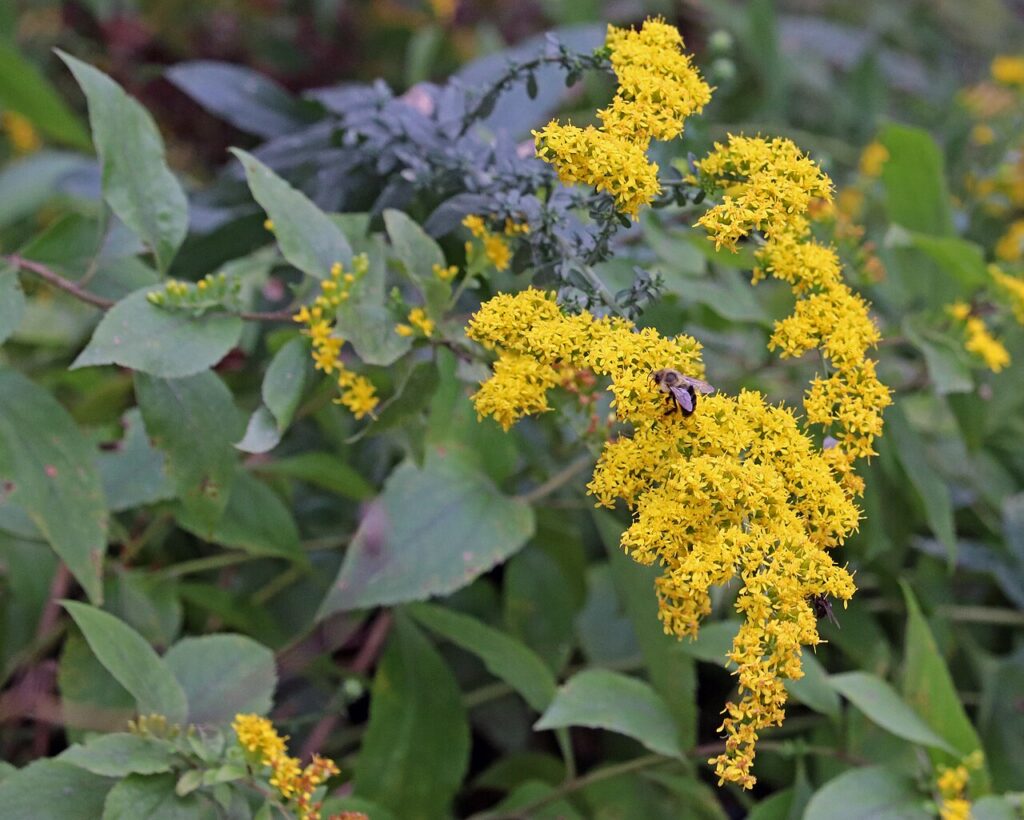
Goldenrod brings a warm yellow glow that looks great with purple flowers and late summer grasses. Despite the myths, it is not the main cause of seasonal allergies, since its pollen is heavy and not wind-blown like ragweed. It is a strong native for pollinators, with bees often covering the blooms. The plant grows in clumps and can fill in a sunny area without much babying.
Give it sun and room, and it will form a nice patch over time. In spring, cut down old stalks and thin a bit if last year’s growth was crowded. If it spreads more than you want, pull a few shoots while they are small and the soil is moist. Leave some stems standing through winter if you like birds and extra garden texture.
Little Bluestem (Schizachyrium scoparium)
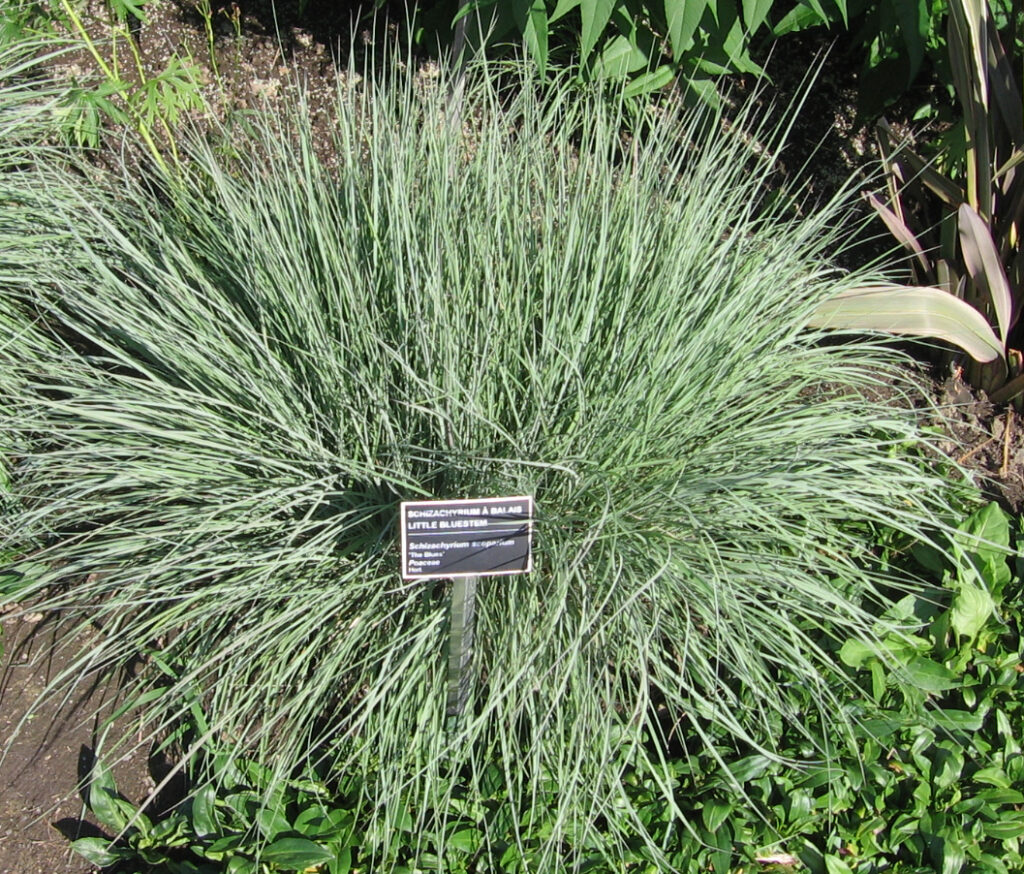
Little bluestem is a native grass that starts green and then shifts into coppery tones later in the year. It adds movement to a garden, especially when the wind runs through the blades. The clumps stay fairly tidy, so it works in a small yard as well as a bigger planting. Birds may use it for cover, and the seedheads add nice texture.
In early spring, cut it back to a few inches tall before new growth starts. A simple hand shear cut works fine, and it does not need fancy tools. Keep the crown from staying wet, since soggy soil can cause issues. Once it is established, it rarely needs extra water unless you have a long dry stretch.
Switchgrass (Panicum virgatum)
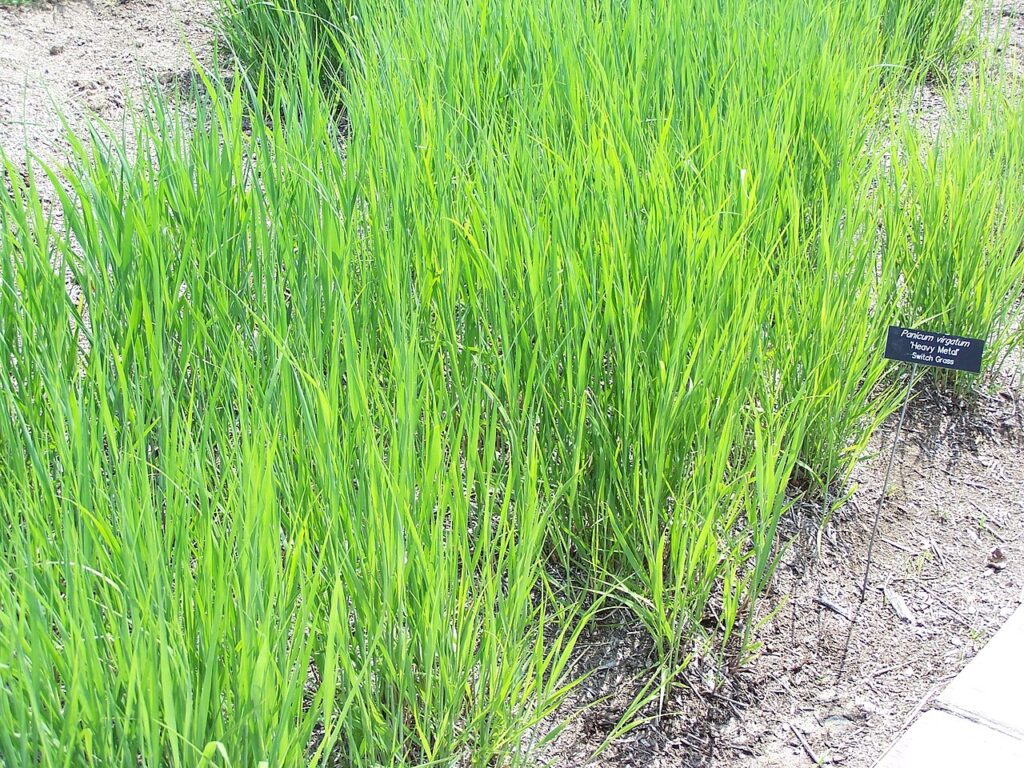
Switchgrass is another native grass, but it is taller and more upright, which can help frame a bed or soften a fence line. The airy seedheads catch light in late summer and fall, giving the garden a soft, hazy look. It handles heat, humidity, and tough soil better than many ornamental grasses. If you want an easy background plant that still looks intentional, this one fits well.
Cut it back in early spring before the new shoots get going. It is fine to leave the dried stems standing over winter for birds and winter interest. Give it sun for the best shape, though it can handle some light shade. Over time, the clump gets bigger, so place it where it has space to widen.
Virginia Bluebells (Mertensia virginica)
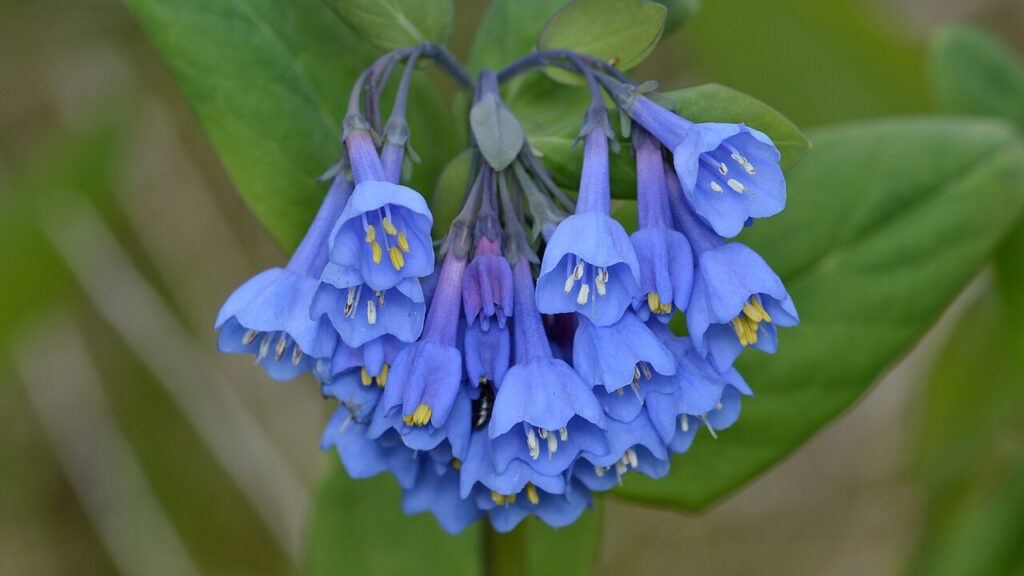
Virginia bluebells are a spring woodland favorite that pops up early with soft blue flowers. The foliage looks lush in cool weather, then fades back as summer heat sets in. That fade is normal, so it helps to plant it near later plants that will fill the gap. Bees love the blooms, and the whole patch can look like a small spring celebration.
Plant it in part shade with soil that stays a bit moist in spring. In early spring, you mainly just clear away heavy leaf piles so the shoots can rise easily. Once the leaves yellow, let them die back naturally since that feeds next year’s growth. If you want more, let it self-seed, or split a clump in fall once it is dormant.
Columbine (Aquilegia canadensis)
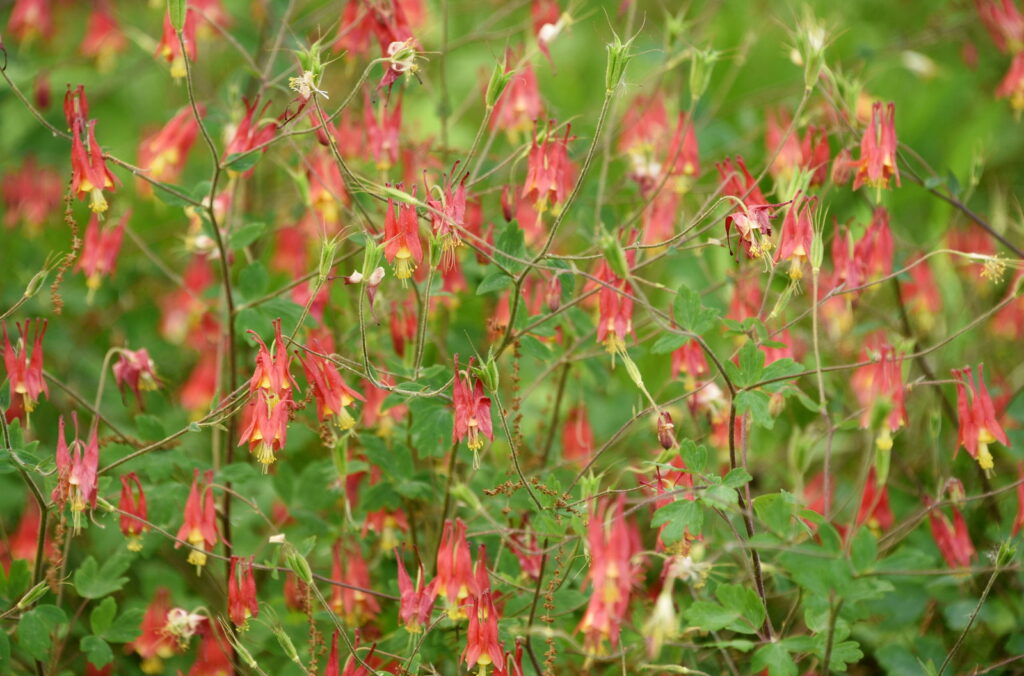
Columbine has those red and yellow nodding flowers that feel made for hummingbirds. It grows well in part shade, especially along a woodland edge or near a porch that gets morning light. The leaves have a delicate look, but the plant is not fragile in the garden. It can also show up in new spots by seed, which gives it a natural, easy style.
In spring, tidy old leaves if they look rough, and let fresh growth take over. After bloom, you can deadhead if you want fewer seedlings, or leave it alone for a relaxed look. It does not love heavy, wet soil, so drainage helps. If it gets short-lived in your yard, seedlings usually keep it going year after year.
Wild Geranium (Geranium maculatum)
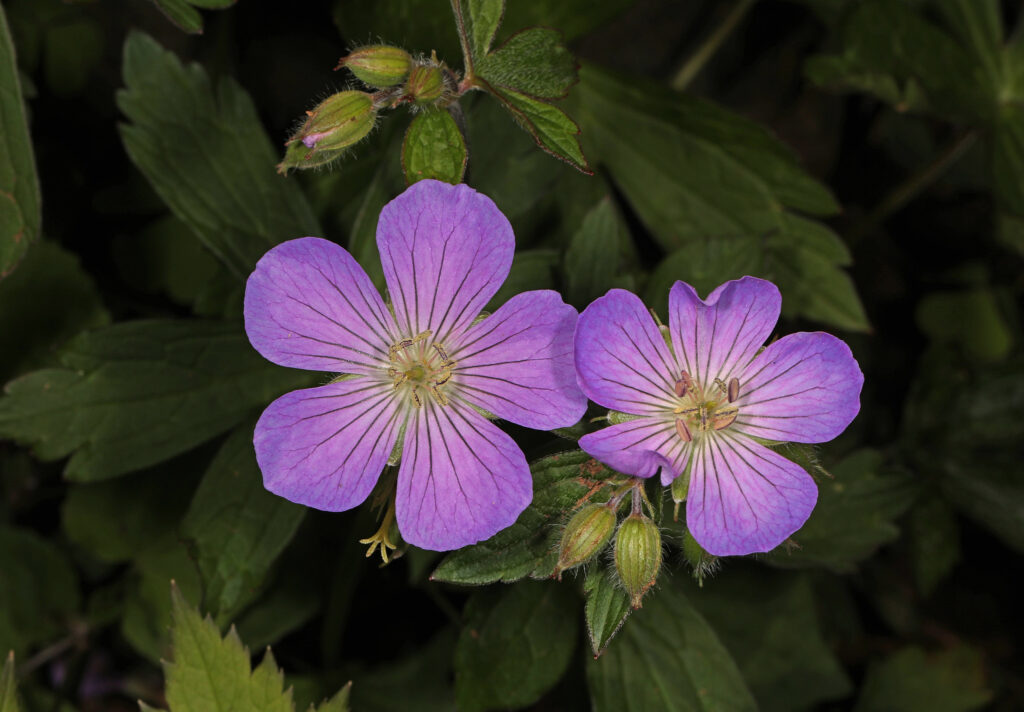
Wild geranium makes a full, rounded clump with pretty spring flowers that look good up close. It is a strong choice for part shade, especially under light tree cover where many plants struggle. The leaves stay attractive for a long time, and they help cover bare soil as the season moves along. Pollinators visit the blooms, and the plant feels calm and steady in a mixed bed.
Spring care is easy, since you just trim away last year’s tired growth as new leaves appear. Water it during dry spells in its first season, then it usually settles into normal rainfall. If it spreads more than you want, pull or divide a piece in early spring. Pair it with ferns or other shade natives and it can make a garden look finished without extra work.
This article originally appeared on Avocadu.