
12 Late Winter Desert Drives with Clear Skies and Easy Pull-Off Views
Late winter offers the perfect conditions for a scenic desert drive, with mild temperatures and clear, crisp skies. The desert landscapes come alive in this season, providing easy access to sweeping views and unique photo opportunities. With fewer crowds, you can enjoy peaceful drives through some of the most stunning desert areas in the country. Whether you’re looking to explore iconic routes or hidden gems, these drives offer an ideal way to experience the desert’s beauty in solitude.
This post may contain affiliate links, which helps keep this content free. Please read our disclosure for more info.
Badwater Road, Death Valley, California
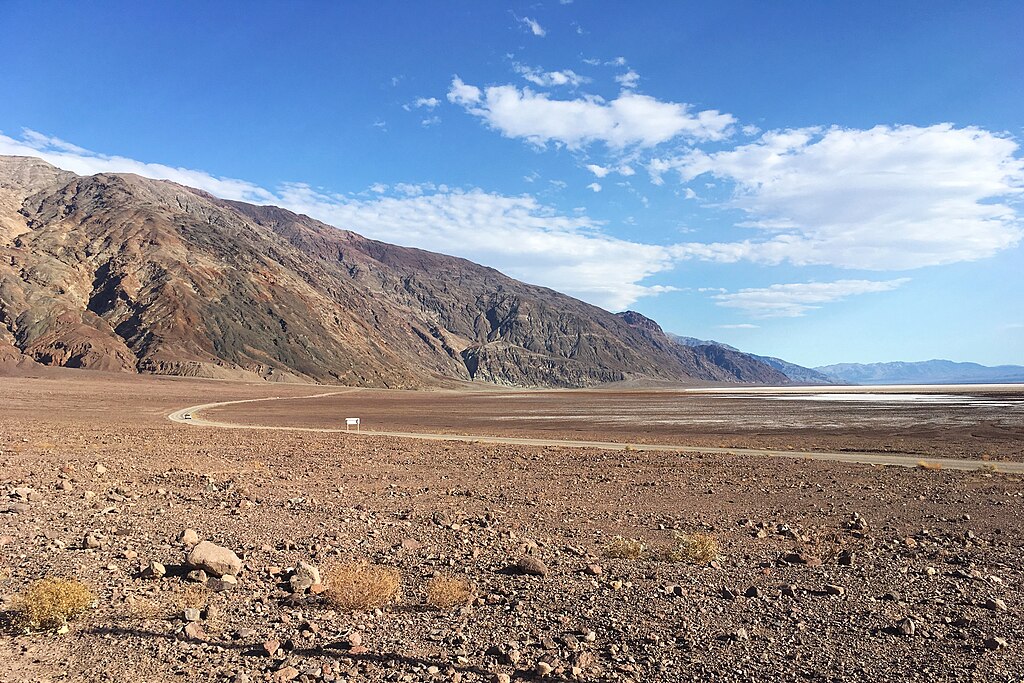
Late winter in Death Valley is marked by mild temperatures and clear skies, making Badwater Road one of the top desert drives. With temperatures usually hovering in the 60s or 70s, visitors can explore the vast, empty desert landscape without the summer heat. The road is home to several pull-offs, including the famous Badwater Basin, the lowest point in North America. With fewer crowds in winter, it’s an ideal time for photography and to capture the expansive salt flats against the backdrop of rugged mountain peaks.
The clear winter air enhances the sweeping views, making the natural beauty of this desert landscape even more striking. A stop at Dante’s View provides a panoramic perspective of the valley, offering some of the most breathtaking views in the park. Driving this stretch of road during the cooler months means visitors can enjoy the sights without the intense heat of summer, allowing for longer stops and a relaxed pace.
Red Rock Loop, Arizona
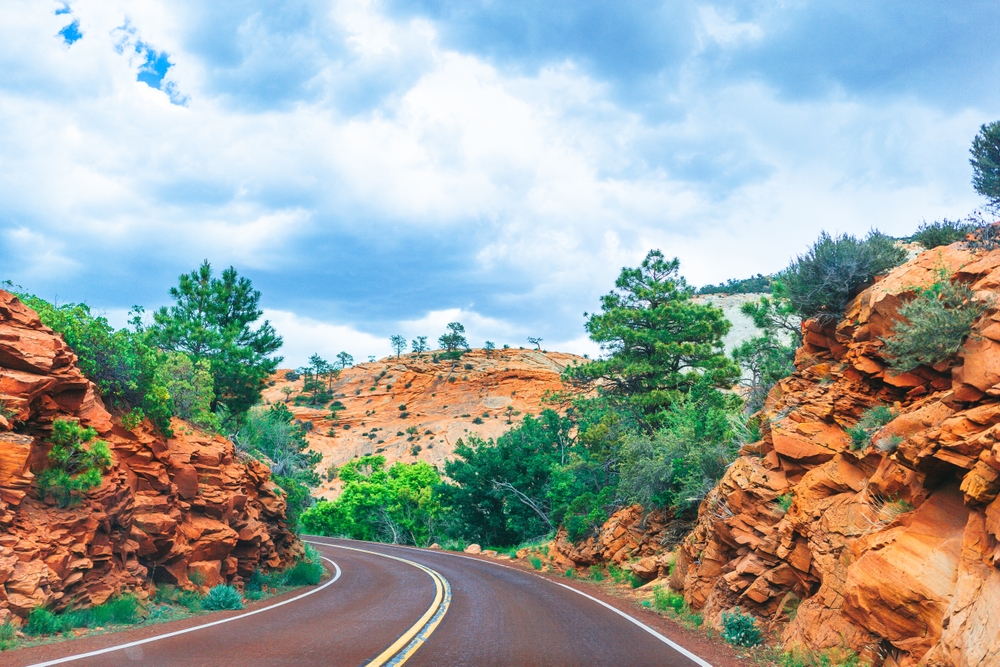
Arizona’s Red Rock Loop is a stunning desert drive that comes to life with the clear skies of late winter. The temperatures are mild, with daytime highs ranging from the 60s to low 70s, offering a comfortable experience for drivers and photographers alike. The road winds through the striking red rock formations of the Arizona desert, with ample pull-off areas for stunning photo opportunities. From the towering mesas to the unique desert flora, every turn reveals a new landscape to appreciate.
Late winter brings more visibility and better lighting, ideal for photographing the red rocks as the sun casts long shadows over the desert floor. The winter months also ensure that the crowds are minimal, allowing for a peaceful and quiet experience. Red Rock Loop’s easy access and numerous pull-offs make it a perfect route for those looking to enjoy the desert in solitude, capturing its beauty without the bustle of peak-season visitors.
Highway 163, Monument Valley, Utah
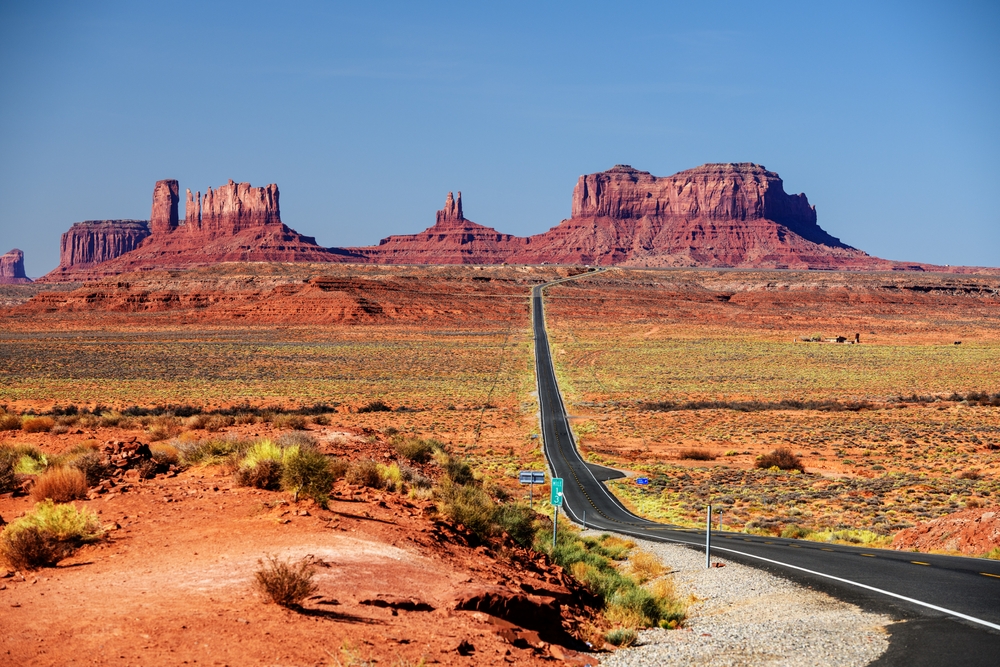
Monument Valley is one of the most iconic desert landscapes in the United States, and late winter offers a rare chance to experience its beauty with fewer tourists. Highway 163 stretches through the heart of this stunning landscape, with clear, crisp winter skies providing the perfect backdrop for photographing the iconic red rock formations. The mild weather ensures that visitors can drive comfortably, stopping at designated pull-offs to capture sweeping views of the valley.
In late winter, the sun casts a softer light on the monument’s towering spires, enhancing the rich reds and oranges of the rock formations. With the absence of summer heat, the drive becomes more enjoyable, allowing for relaxed stops to enjoy the solitude. Monument Valley’s easy pull-offs provide safe, scenic places to stop and appreciate the natural wonder of the area.
Scenic Byway 12, Utah
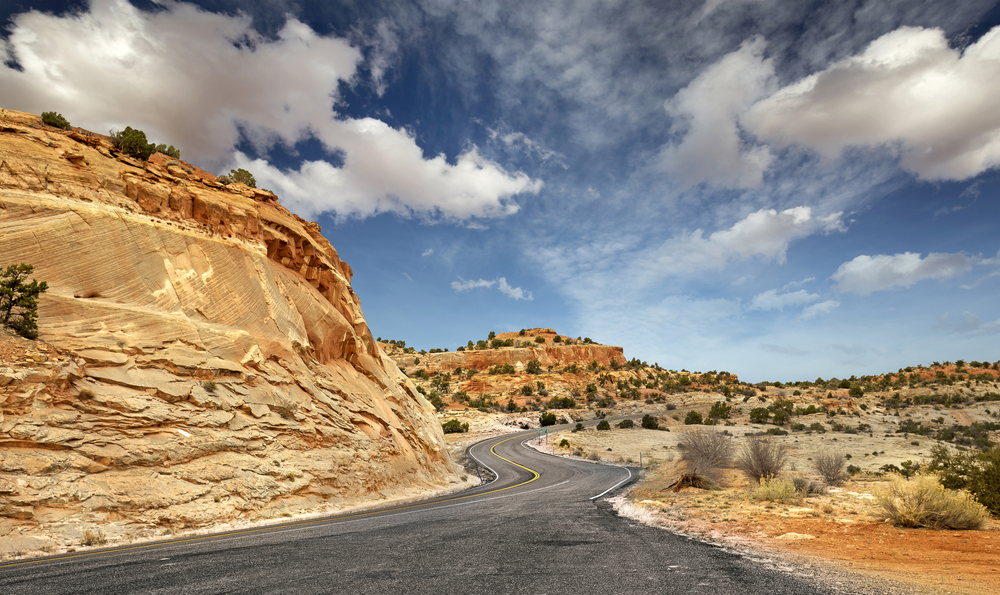
Utah’s Scenic Byway 12 offers a remarkable desert drive through red rock canyons and past geological wonders, with late winter temperatures making the experience even more enjoyable. The route traverses through both desert and mountain landscapes, providing a dynamic view of the state’s diverse terrain. The crisp, clear air of February and March makes for perfect conditions to explore, with numerous pull-offs where visitors can take in views of the canyon country and capture photos.
During late winter, the snow-capped mountains contrast beautifully with the arid desert, offering a striking visual contrast that is difficult to find at other times of the year. The lack of crowds in these months allows travelers to enjoy the scenery at their own pace, with plenty of space for peaceful reflection. The many roadside pull-offs along Scenic Byway 12 ensure that every stop is a scenic reward.
The Valley of Fire, Nevada
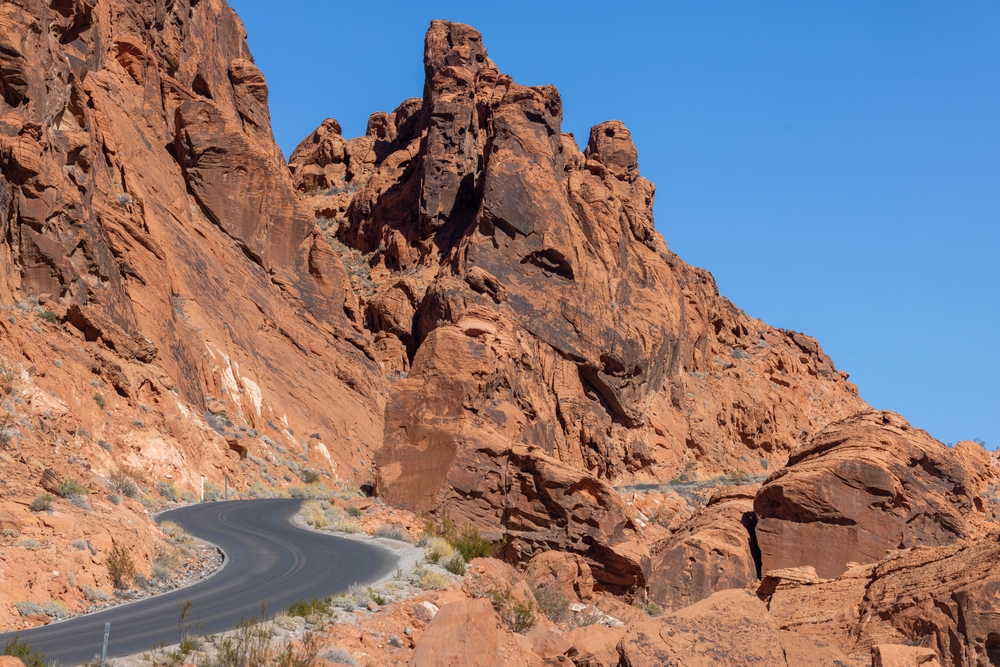
Just outside Las Vegas, the Valley of Fire is one of Nevada’s most famous desert parks, and late winter offers the best weather for exploring. With temperatures usually in the 50s or 60s, the drive is comfortable, and the skies are often clear and crisp. The vibrant red sandstone formations of the valley are even more stunning against the clear winter air, making for unforgettable photographs at the numerous pull-off points along the route.
The lack of heat and crowds in late winter allows visitors to explore the valley’s natural beauty without the pressure of summer’s intense sun. The Valley of Fire is rich in history and geological formations, offering a wealth of opportunities for both photography and hiking. Roadside pull-offs provide easy access to both popular spots and more secluded areas of the park.
Route 66, Arizona
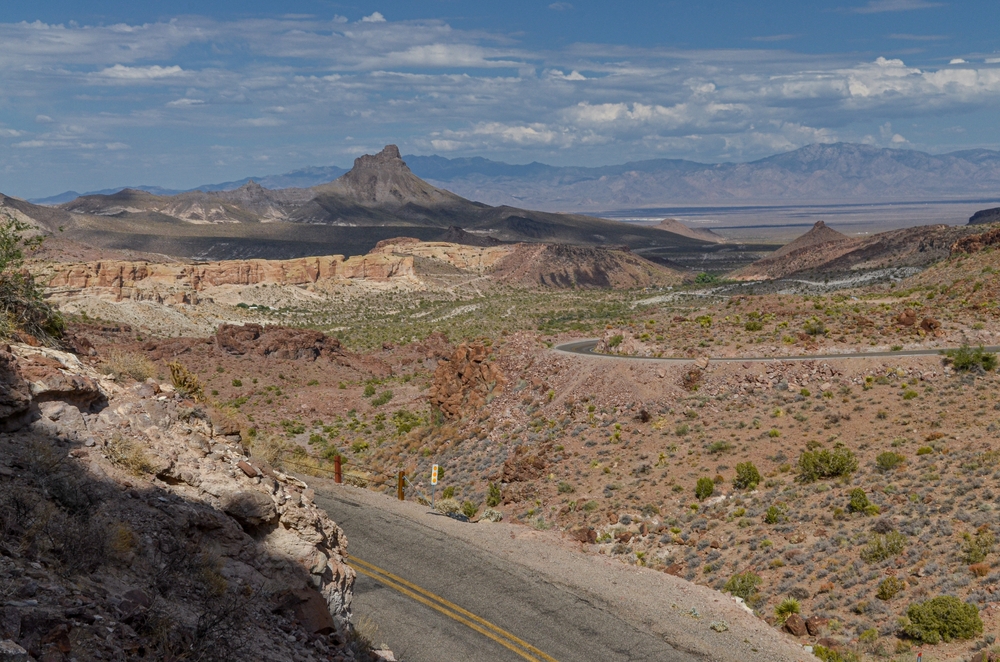
Iconic Route 66, stretching through Arizona’s desert landscape, is another excellent late winter drive. The mild weather makes it an ideal time to cruise this historic highway, with easy access to scenic views of the surrounding desert. As you pass through the Arizona portion of Route 66, the landscape changes from expansive desert plains to small towns and unique rock formations, all under the clear skies of February and March.
Pull-offs along the route, especially near places like the Petrified Forest National Park, provide ample opportunities to stop, photograph, and take in the views. Late winter offers clear air and minimal crowds, making it the perfect time to experience the historic highway’s charm and scenic beauty without the usual hustle and bustle of peak travel season.
Death Valley Scenic Drive, California
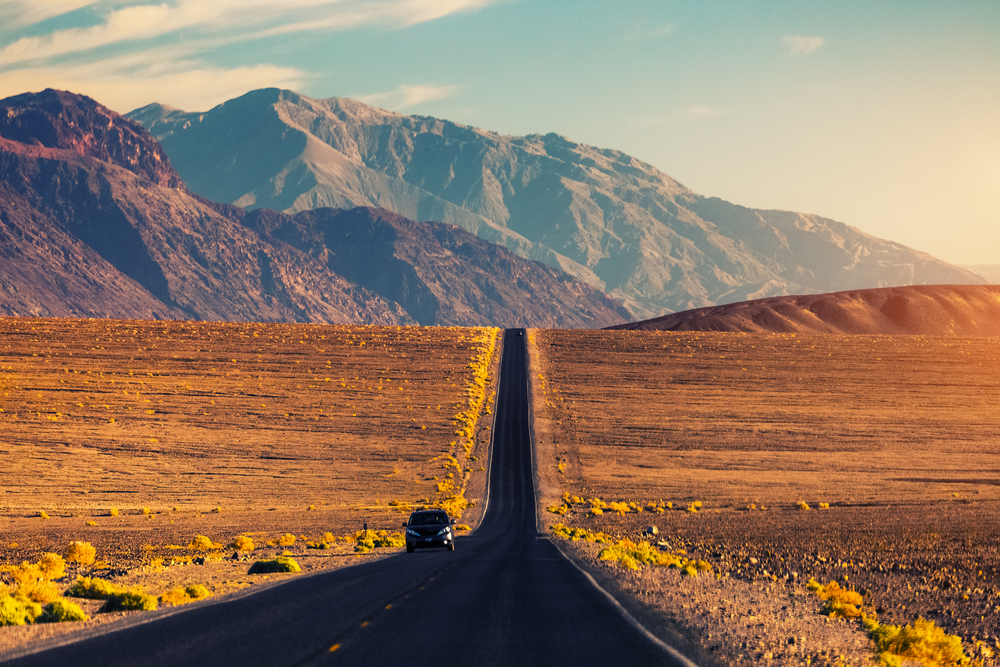
This scenic drive through Death Valley is another great winter route. Death Valley’s desert terrain is often overwhelming in summer, but during late winter, the weather is mild, with temperatures hovering around 70°F. The scenic drive takes you through a variety of desert landscapes, from dunes to salt flats, with numerous pull-offs along the way for scenic views and photography.
Fewer visitors in the winter months make for a much quieter and more peaceful experience, allowing for unhurried stops. Whether it’s the stark beauty of the Badlands or the vivid colors of Artist’s Palette, late winter provides perfect lighting for capturing the dramatic contrasts of Death Valley. The accessible pull-offs make it easy to safely enjoy the area’s natural beauty.
Joshua Tree National Park, California
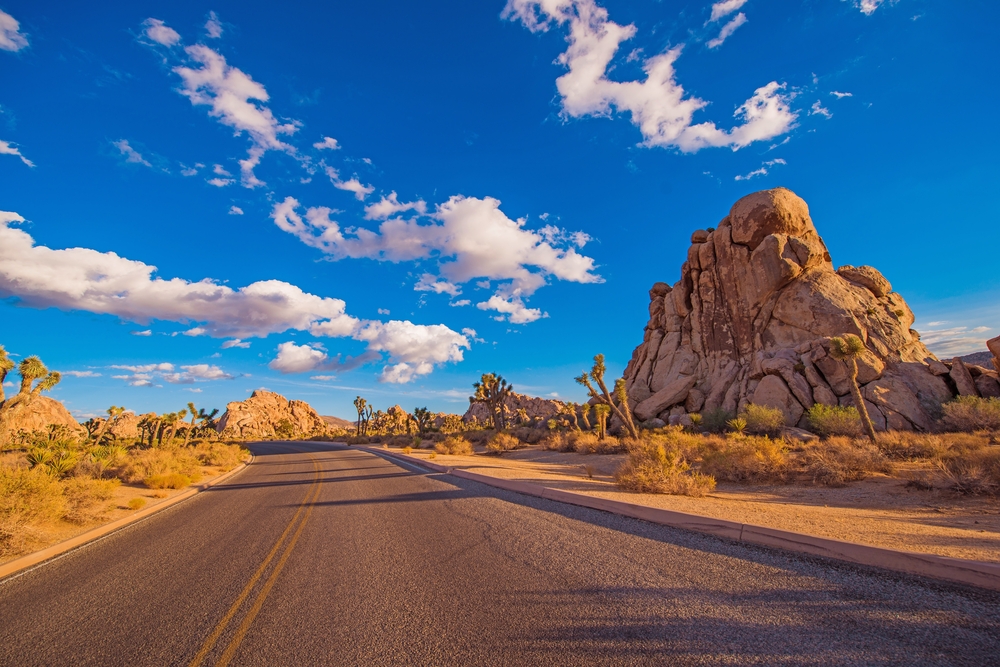
Joshua Tree National Park is one of Southern California’s most famous desert destinations, and late winter offers ideal weather for a desert drive. The temperatures are cooler, hovering in the 60s, making it the perfect time to explore the park’s unique landscape of giant Joshua trees, rocky outcrops, and open desert vistas. The clear skies of late winter provide incredible visibility, and the air is crisp and refreshing.
With fewer tourists during these months, visitors can explore the park at a leisurely pace, enjoying the solitude of the desert. There are plenty of pull-offs to stop and enjoy views of the iconic trees, the rugged terrain, and the distant mountains. The lighting during late winter also makes it a great time for photography, capturing the beauty of the park without the intensity of summer crowds.
Route 66, New Mexico
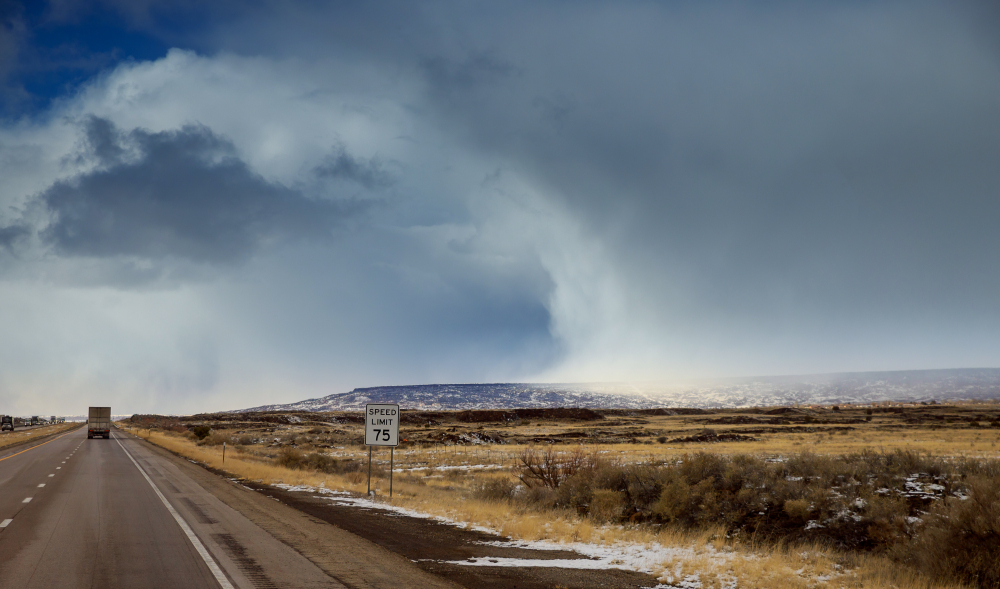
New Mexico’s portion of Route 66 offers a more tranquil desert drive during late winter. The route features sweeping views of the open desert landscape, dotted with historical Route 66 landmarks and roadside attractions. The mild winter temperatures make it an ideal time for driving without the sweltering heat that often makes summer travel difficult in the desert.
The clear winter skies allow for stunning views of the desert and the surrounding mountains, providing the perfect opportunity for capturing photos. With fewer tourists during the late winter months, this drive offers a peaceful escape through a region rich in history and scenic beauty.
Highway 178, California
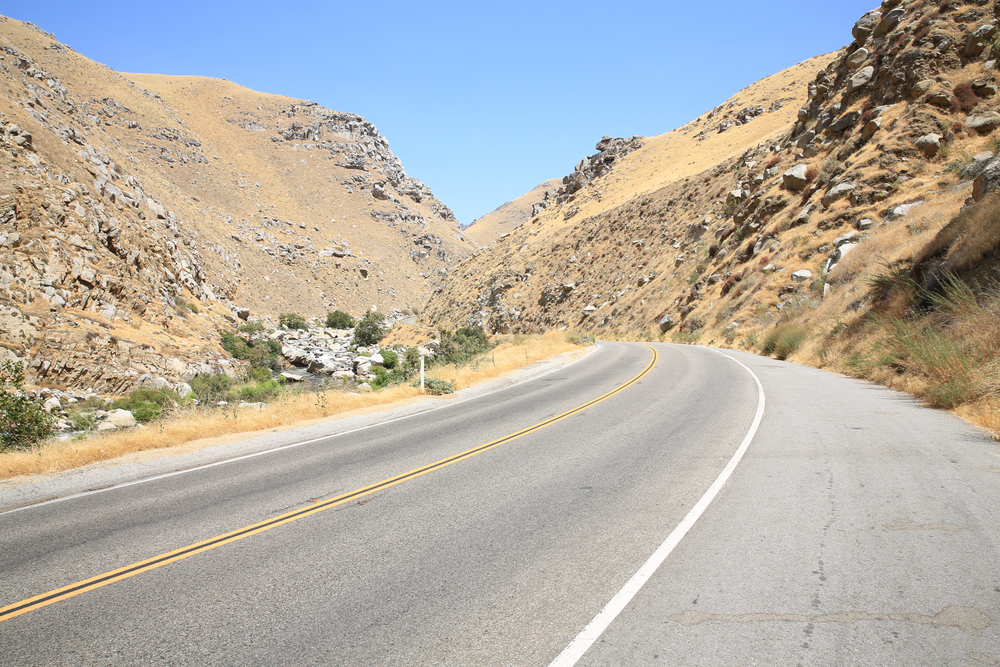
Highway 178 in California offers a beautiful desert drive that’s especially pleasant in late winter. The route stretches from the Mojave Desert to the foothills of the Sierra Nevada, providing diverse desert landscapes. Late winter brings mild weather, making it the perfect time to take in the panoramic views and stop at the many scenic pull-offs along the way.
The clear skies and crisp air enhance the visual clarity, making every landscape detail stand out. Whether you’re stopping to take in the views of the Tehachapi Mountains or photographing the desert floor, Highway 178 offers a peaceful and picturesque drive during the winter months.
Antelope Canyon, Arizona
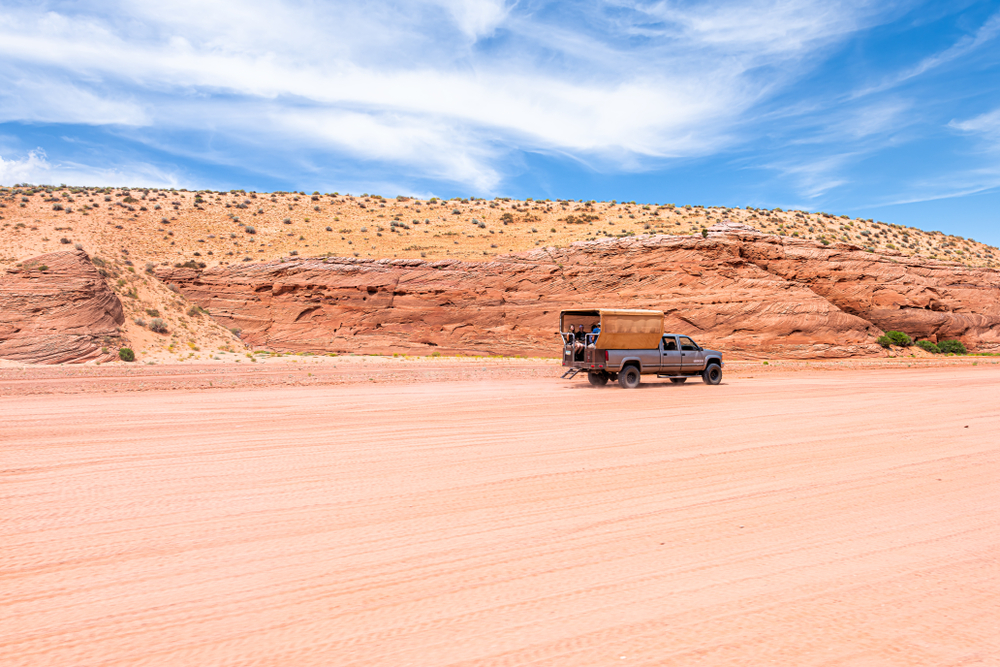
Antelope Canyon is one of Arizona’s most iconic desert landscapes, and late winter provides the perfect opportunity to explore it with fewer visitors. The area’s famous slot canyons are especially stunning in the clear light of winter, with the sun casting intricate shadows on the canyon walls. The drive to Antelope Canyon is also a treat, as the surrounding desert offers vast, open views with plenty of pull-offs for photography.
With cooler temperatures and crisp air, visitors can explore the canyon and its surroundings in comfort. The lack of crowds during the late winter months makes for a peaceful and intimate experience, allowing time to truly take in the beauty of the slot canyons.
Bisti/De-Na-Zin Wilderness, New Mexico
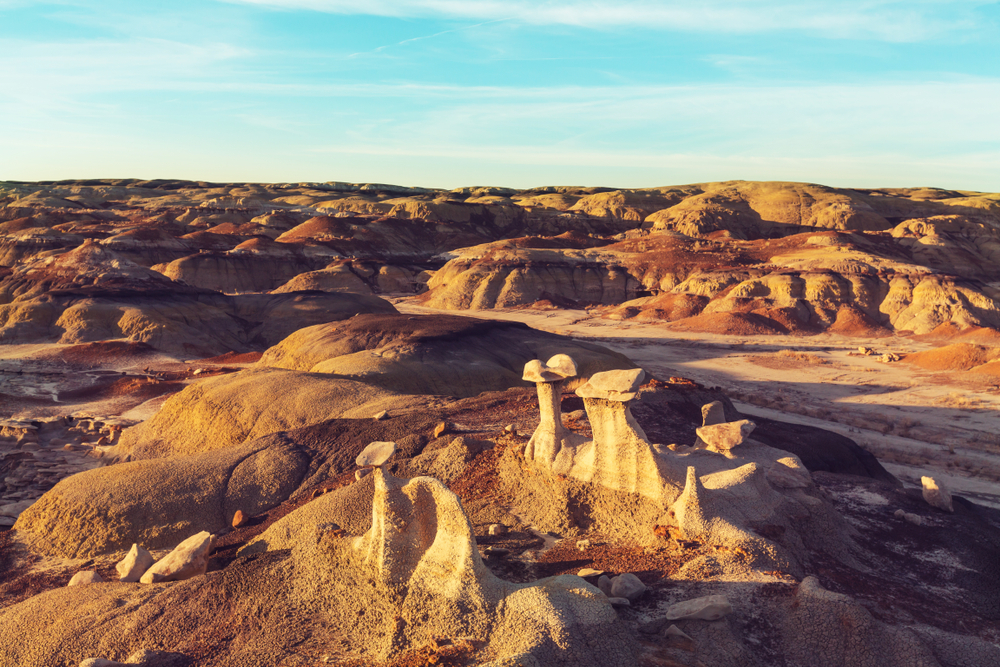
The Bisti/De-Na-Zin Wilderness is one of New Mexico’s hidden desert treasures, and late winter provides the perfect weather for exploration. Known for its unique rock formations, the wilderness is a photographer’s dream, especially when visited in the cooler months. The landscape is highlighted under the clear winter skies, and the crisp air makes the desert’s striking colors pop.
The drive to Bisti/De-Na-Zin is a quiet one, with few tourists during the late winter months. Pull-offs along the route provide perfect opportunities to stop and enjoy the desert’s otherworldly beauty, with ample chances for photography and reflection.
This article originally appeared on Avocadu.