
11 Low Effort Indoor Plant Jobs That Prevent Spring Stress
As the seasons change, preparing your indoor plants for spring doesn’t have to be complicated. Simple, low-effort tasks can make a big difference in ensuring your plants transition smoothly from winter dormancy to vibrant growth. By tackling a few easy jobs, you can help your plants thrive in the warmer months ahead, reducing stress and promoting healthy development. Keep reading for easy ways to set your plants up for a successful spring without all the hard work.
This post may contain affiliate links, which helps keep this content free. Please read our disclosure for more info.
Cleaning Plant Leaves
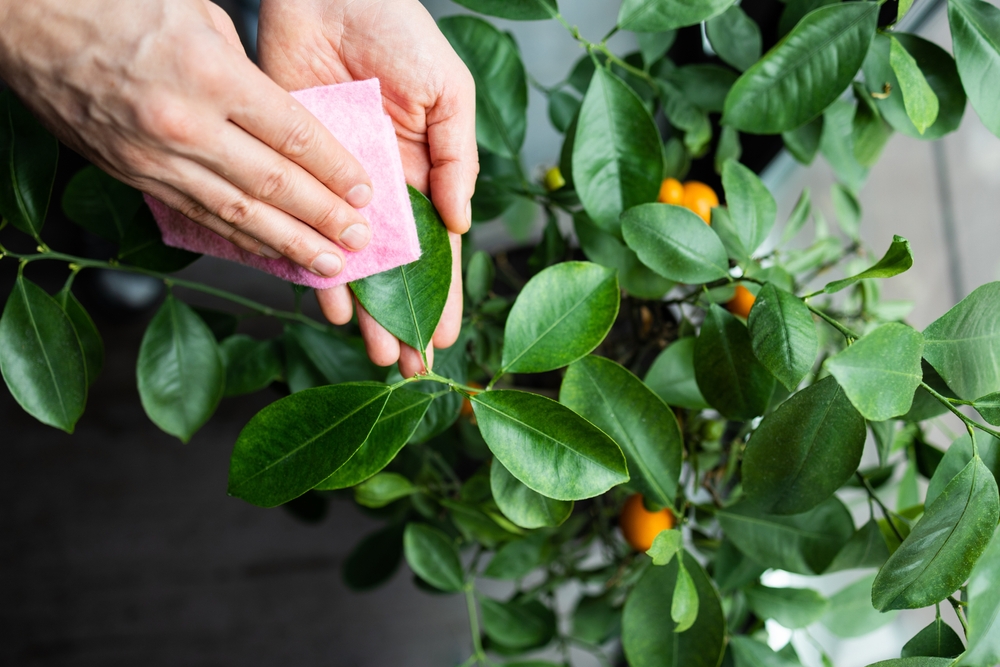
Cleaning your indoor plant’s leaves is a simple yet highly effective way to prepare them for spring. During the winter months, plants often accumulate dust and debris on their leaves due to the indoor heating systems that dry out the air. This buildup not only prevents proper photosynthesis but can also affect your plant’s ability to absorb sunlight. By gently wiping the leaves with a damp, soft cloth or using a light mist of water to rinse them, you can help the plant get ready for the bright spring sun. It is especially important for plants that have large, broad leaves, as these tend to collect dust quickly.
Cleaning leaves also improves air circulation around the plant, reducing the risk of fungal or mold growth. Dust and grime can harbor harmful pathogens, so by cleaning your plants regularly, you lower the chances of disease. As your plants transition out of dormancy, this cleaning task will allow them to receive the light they need for photosynthesis, boosting their energy levels and ensuring that they are ready to push new growth as the weather warms.
Check for Pests
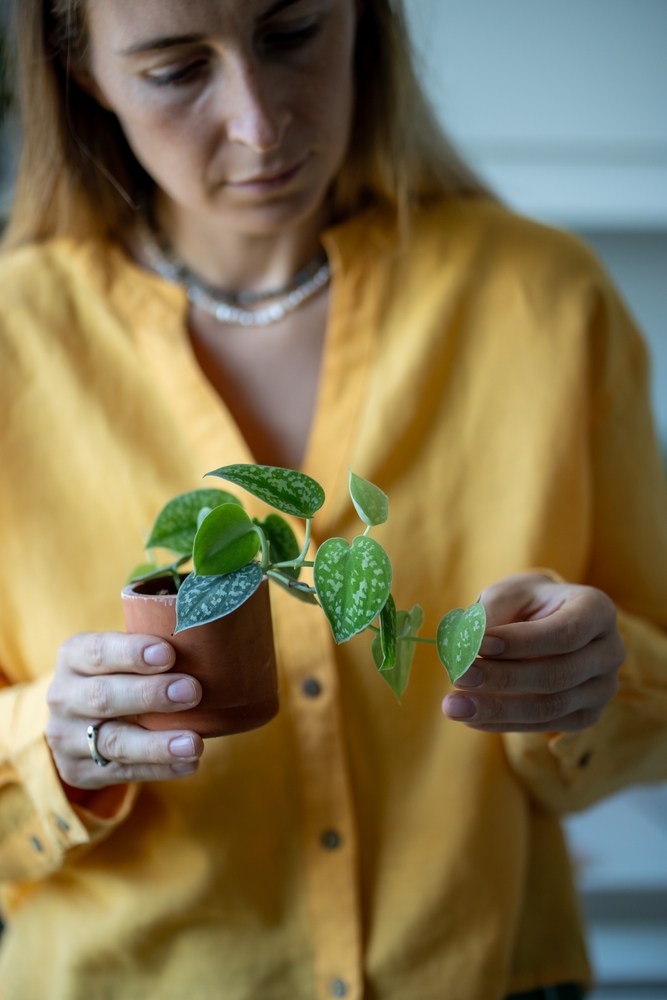
One of the easiest ways to prepare your plants for a smooth transition into spring is to regularly check them for pests. As the weather shifts, various insects like aphids, mealybugs, and spider mites can make their way indoors, potentially damaging your plants. Spring is the time when plants are most vulnerable to these pests, and their stress can negatively affect growth. Inspect your plants closely, especially under leaves, around stems, and at the base of the plant, for signs of pests or eggs.
Catching these pests early allows you to treat them before they cause significant damage. You can use gentle, plant-safe pest control methods like insecticidal soap, neem oil, or a mild solution of water and dish soap. A simple rinse with water can also help to remove many pests without the need for chemicals. Keeping your plants free from pests prevents unnecessary stress during their active growing season and supports healthy, vigorous growth as they adjust to the increasing light and humidity levels of spring.
Repotting if Necessary

Repotting is an essential task that ensures your plants have enough space to grow and thrive. Over time, the soil in a plant’s pot can become compacted and depleted of essential nutrients, especially after the slower growth period of winter. As the plant begins to wake up and actively grow in the spring, it will need fresh soil and more room for its roots to expand. If your plant is showing signs of root crowding, like roots coming out of the drainage holes or the plant becoming top-heavy, it is time to repot.
When repotting, choose a pot that is about 1–2 inches larger in diameter than the current one, ensuring that the plant’s roots have space to grow without being overwhelmed by too much excess soil. Use a well-draining potting mix appropriate for the plant type, and avoid overwatering right after repotting. This task is a low-effort way to give your plant a fresh start for spring, encouraging healthy root development and preventing the plant from becoming stressed as it begins its spring growth cycle. Repotting also helps to refresh the nutrients in the soil, providing your plant with the ideal environment to flourish.
Pruning Dead or Damaged Growth
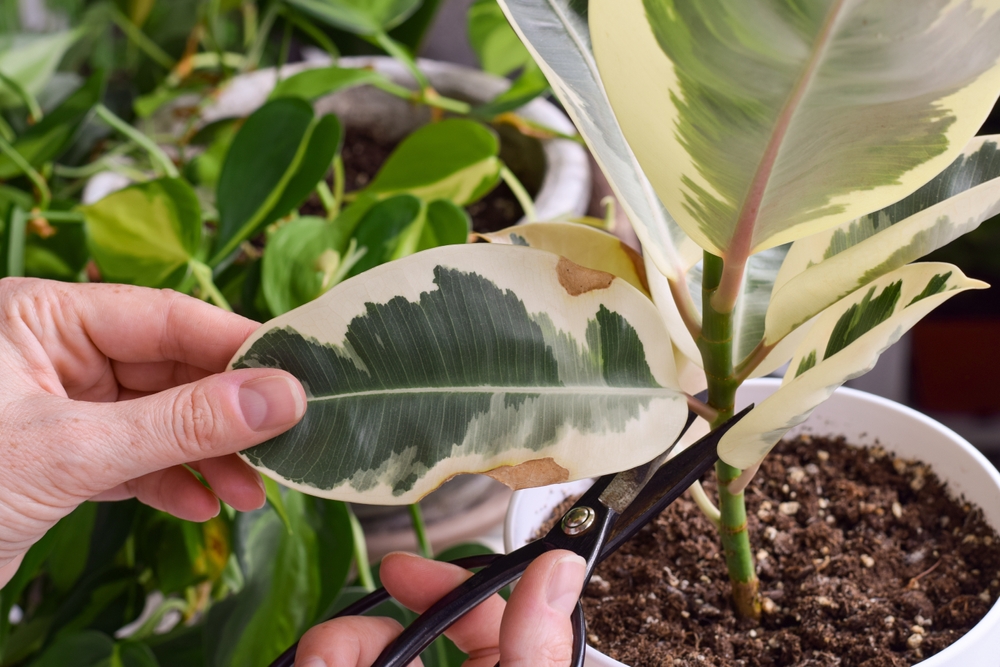
Pruning your plants before they enter the active growing season is a key step in preventing spring stress. Over the winter, indoor plants often accumulate dead or damaged leaves and stems, which can hinder growth as the plant begins to prepare for a new season. Removing these parts ensures that the plant’s energy is directed toward producing healthy new growth rather than sustaining unhealthy tissue. Carefully cut away any yellowed, brown, or broken leaves, as well as any weak or leggy stems, using sharp, clean pruning shears.
Pruning also improves air circulation around the plant and reduces the risk of fungal infections, which are more common in the warmer, more humid spring months. By giving your plant a tidy, healthy structure, you help it transition smoothly into spring without wasting resources on unhealthy growth. This simple task encourages stronger, more vigorous new growth and ensures that your plant has a more compact, attractive shape as it begins to flourish in the warmer weather.
Adjusting Light Exposure
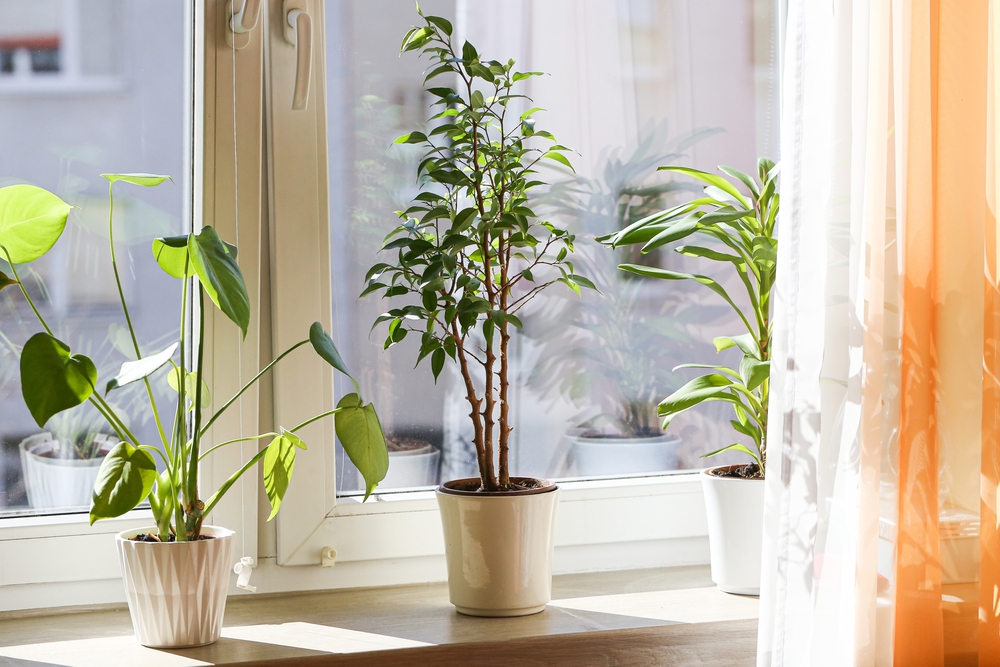
As the days grow longer and the sunlight becomes stronger, adjusting the light exposure for your plants is essential. During winter, many indoor plants are accustomed to the dimmer, indirect light found in most homes. However, as the seasons change, your plants will require more light to support their increased growth. Gradually move your plants to brighter spots in your home or near windows where they can absorb more sunlight without being exposed to the harsh midday sun. Plants that thrive on indirect light can be placed near east or north-facing windows, while plants that prefer direct sunlight will benefit from south or west-facing windows.
While it is tempting to immediately give your plants full access to sunlight after the dreary winter months, be careful not to shock them with too much direct sunlight too quickly. Start by increasing the light exposure gradually, which helps prevent sunburn on leaves that have not adapted to the stronger rays. Providing the right amount of light for each type of plant during spring’s transition phase will help them grow stronger and more resilient, ready for the full-on warmth of summer.
Adjusting Watering Schedules
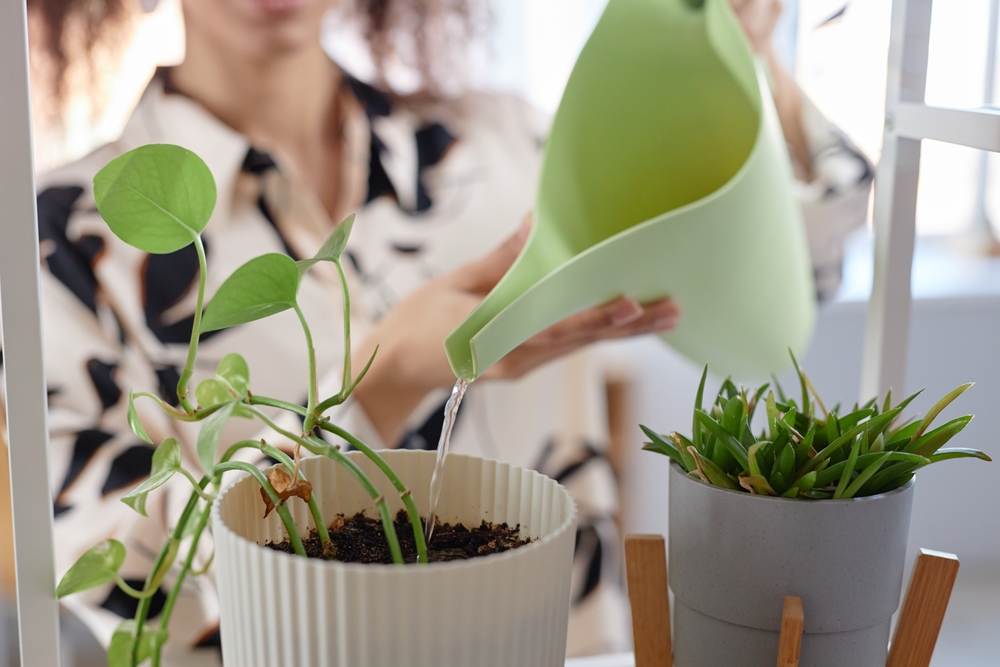
During the winter months, most indoor plants enter a period of dormancy, where their water requirements decrease. However, as spring approaches and your plants begin to resume active growth, their water needs will increase. Adjusting your watering schedule to reflect the changing season is essential for preventing stress. Overwatering or underwatering can both cause issues; overwatering can lead to root rot, while underwatering can lead to dehydration. Monitor your plant’s moisture needs by checking the soil regularly, and only water when the top few inches are dry.
In addition to watering properly, consider using a self-watering system or adding a layer of mulch to retain moisture and prevent rapid evaporation, especially as temperatures rise. This low-effort maintenance ensures your plant’s roots stay hydrated without being over-saturated, providing them with a steady water supply to support their transition into spring. By adjusting your watering routine and making sure each plant gets the right amount, you can help them avoid the stress of water imbalances as they begin their spring growth cycle.
Fertilizing Lightly
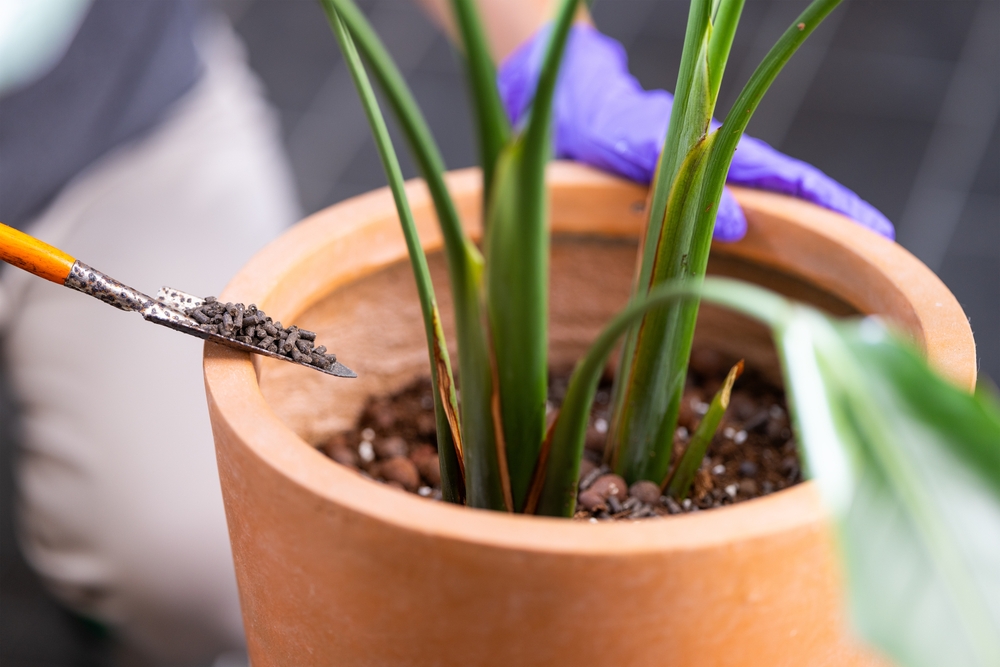
Fertilizing your plants lightly as they begin to emerge from dormancy helps them recover from the nutrient depletion that may have occurred during the winter months. Spring is a time of rapid growth for many plants, and they need extra nutrients to support the formation of new leaves, flowers, and roots. However, it’s important to start with a diluted, gentle fertilizer; too much fertilizer too quickly can overwhelm the plant. A balanced, water-soluble fertilizer or one with a higher phosphorus content will encourage root development without overstimulating top growth too early.
By starting with a light application of fertilizer in early spring, you give your plants the nutrients they need without risking damage to their delicate new growth. As the plant’s growth picks up speed, you can gradually increase the amount of fertilizer applied, ensuring the plant’s continued success throughout the season. This method of slow, steady feeding helps plants avoid the stress of nutrient imbalances and provides them with the necessary support to thrive during the growing season.
Checking Humidity Levels
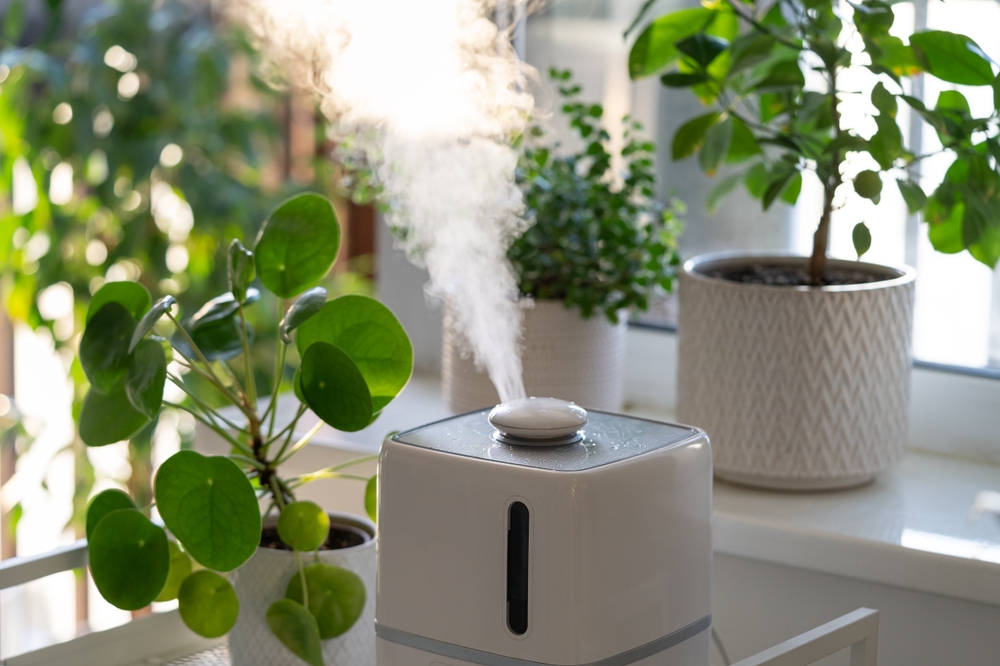
Indoor plants, especially tropical varieties, often prefer higher humidity levels than what is typically found in most homes, particularly during the dry spring months. As the temperature rises in the spring, indoor heating systems often continue to dry out the air, which can stress plants that are used to more humid environments. A simple way to help prevent stress is by checking and adjusting the humidity levels around your plants. Using a humidifier or placing a shallow tray of water near your plants can help increase moisture in the air.
Another option is grouping plants, which creates a more humid microenvironment. This is especially helpful for plants like ferns, orchids, and peace lilies, which thrive in higher humidity. Maintaining the right humidity levels helps your plants avoid the stress of dry air, encouraging them to grow stronger as they transition into the warmer spring months.
Clearing Away Old Soil
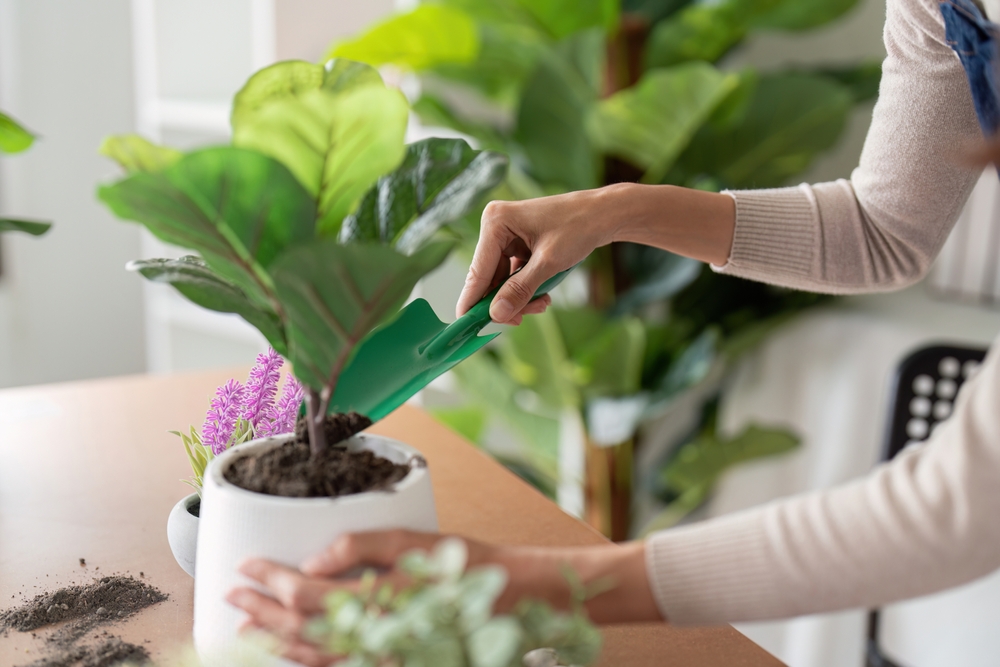
If your plant has been sitting in the same potting mix for an extended period, it may be time to refresh the soil. Old, compacted soil can become depleted of essential nutrients, and it can also retain too much moisture, leading to root rot. By removing the top layer of old soil and replacing it with fresh, nutrient-rich potting mix, you give your plant a healthy foundation for the spring season. This task also helps improve drainage and aeration, which is crucial for the roots as they begin to grow more actively in the spring.
To refresh the soil without fully repotting, gently remove the top layer of soil and replace it with a fresh mix, taking care not to disturb the roots too much. This simple task helps rejuvenate the plant and ensures that it has all the nutrients it needs to grow strong and healthy in the spring. By removing the old, compacted soil, you prevent root stress and promote a healthy environment for the plant to thrive in.
Support Stems and Vines
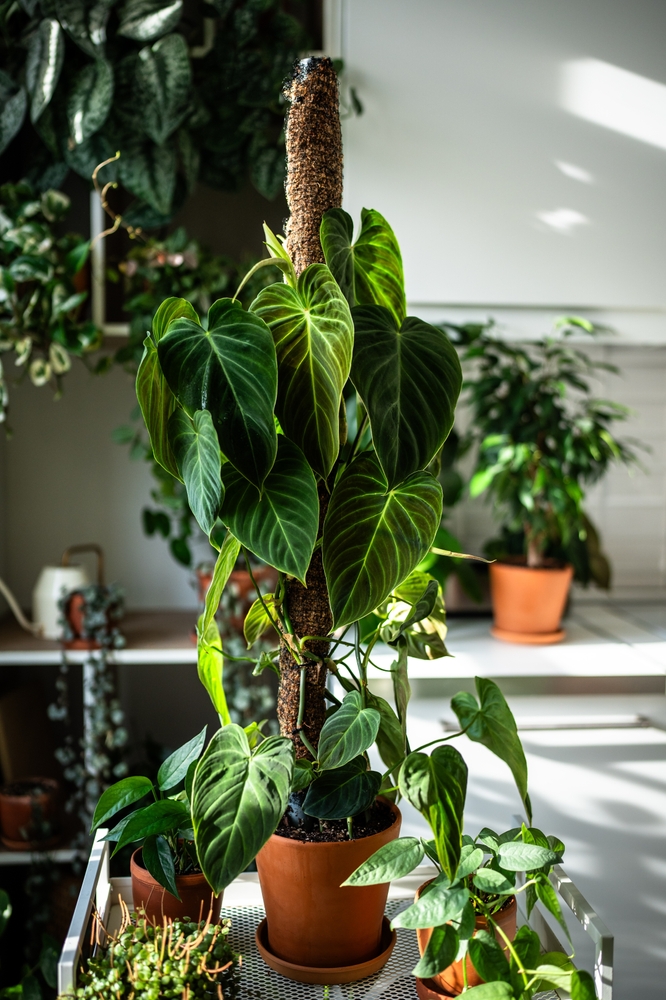
As your plants begin to grow more actively in the spring, they may need additional support, especially if they have long stems or are trailing vines. Low-effort supports like bamboo stakes, plant ties, or a simple trellis can help prevent the plant from becoming stressed by the weight of new growth. By gently guiding the plant’s stems or vines onto the support, you allow them to grow more freely without the risk of breaking or becoming tangled.
Providing support also helps improve airflow around the plant and reduces the risk of diseases caused by overcrowding or stems rubbing against each other. This preventative step is simple but essential for plants that tend to become heavy or unruly, helping them grow strong and well-structured throughout the spring season. Supporting the growth of these plants ensures they have the right foundation to flourish without unnecessary stress.
Adjusting Pot Size for Growth
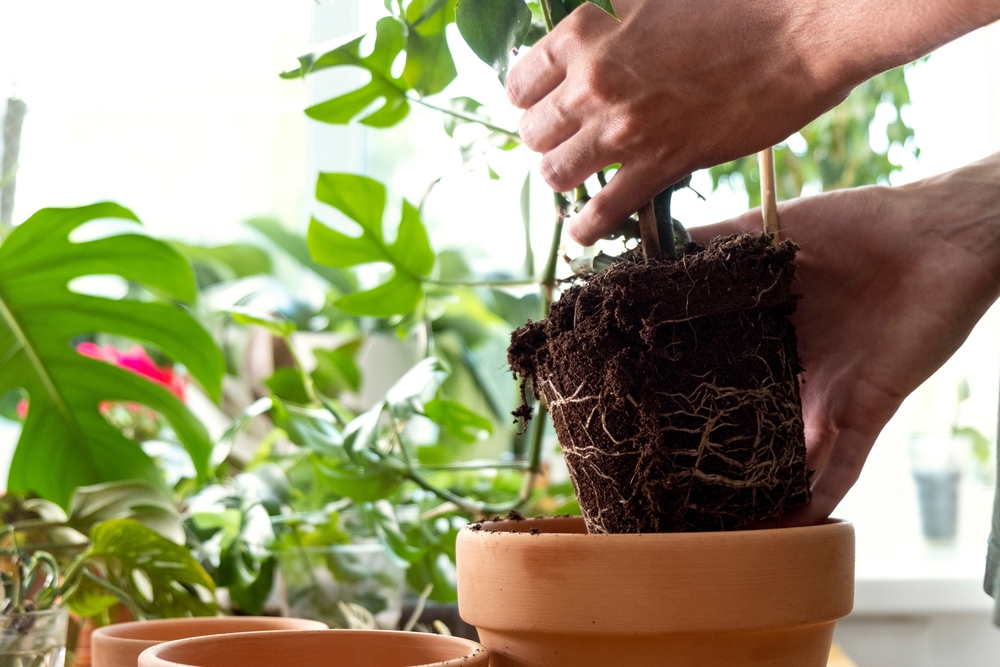
As your indoor plants begin their spring growth spurt, you may find that their roots have outgrown their current pot. This is especially true for fast-growing plants like tropical varieties. To prevent root-bound conditions, check if your plant’s roots are cramped or circling the bottom of the pot. If this is the case, consider repotting it into a container that is 1–2 inches larger in diameter. This extra space allows the roots to spread out and grow properly, which helps prevent stress as the plant begins its active growth phase.
In addition to providing more space for root growth, repotting allows you to refresh the soil, giving the plant the nutrients it needs for a fresh start. Be sure to use the appropriate type of potting mix for your plant, ensuring it drains well to avoid waterlogging. Providing the right-sized pot ensures that your plant can grow without the limitations of overcrowded roots, allowing for strong and healthy growth throughout the spring and summer months.
This article originally appeared on Avocadu.