
11 Raised Bed Refresh Ideas That Don’t Require New Soil
Refreshing your raised bed without buying new soil is a simple and cost-effective way to improve your garden’s health. By focusing on organic amendments, composting, and natural methods, you can restore the soil’s fertility and structure. These techniques help replenish nutrients, improve soil tilth, and support healthy plant growth while saving you money. Whether you’re adding compost or using cover crops, these strategies will keep your raised bed thriving season after season.
This post may contain affiliate links, which helps keep this content free. Please read our disclosure for more info.
Add Compost to the Surface
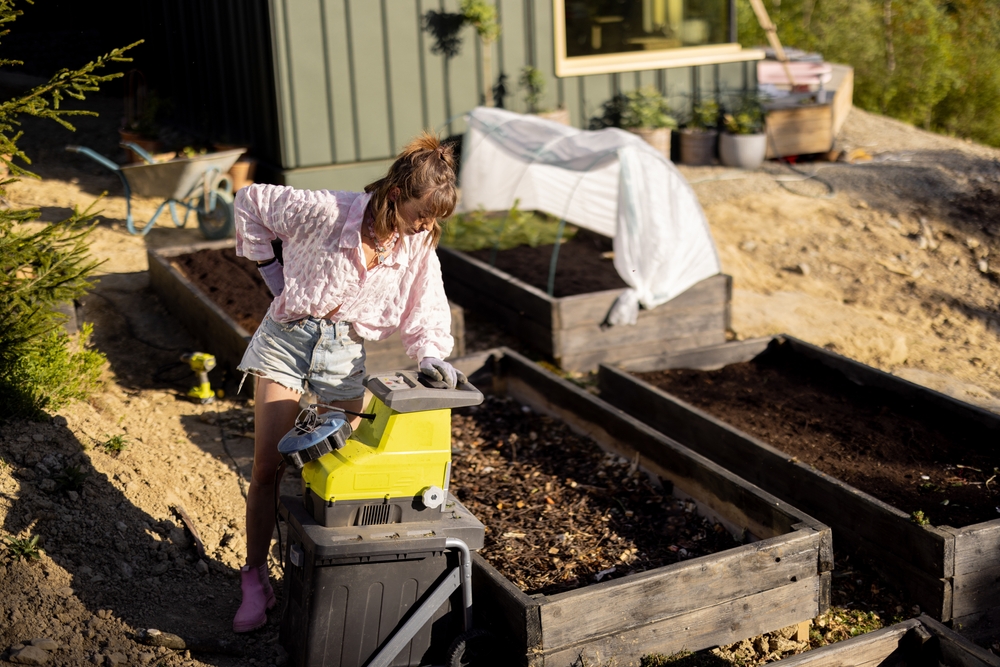
Composting is one of the best ways to refresh your raised beds without the need for new soil. Simply adding a layer of compost on top of your existing soil provides vital nutrients that plants need. This method increases microbial activity in the soil, which helps break down organic material and improve soil structure over time. The compost also provides essential minerals, trace elements, and organic matter that slowly release into the bed as it decomposes, promoting healthier plant growth. By regularly adding compost every growing season, you can improve the tilth of the soil and enhance its fertility without the hassle of replacing soil.
Adding compost to the surface is a cost-effective solution, as you only need a small amount for each bed. You can source compost from your own compost bin or purchase locally produced organic compost, which can be more affordable than buying new soil. This layer also helps suppress weeds, retain moisture, and provide a habitat for beneficial insects. Over time, this process will naturally improve the overall quality of the soil and reduce the need for costly soil replacement.
Use Cover Crops

Cover crops, such as clover, vetch, or rye, are an excellent way to refresh your raised bed without adding new soil. Planting cover crops helps to replenish essential nutrients, particularly nitrogen, that plants consume over time. These crops also help prevent soil erosion, reduce weed growth, and promote better water retention. When they are tilled into the soil at the end of the growing season, the roots and green matter break down, enriching the existing soil with organic matter and improving its structure. This technique enhances soil fertility and is a low-maintenance way to replenish nutrients in your raised bed.
Cover crops are particularly beneficial for beds that have been used for multiple growing seasons. By allowing the plants to grow throughout the offseason, you can help restore the balance of nutrients, such as nitrogen, potassium, and phosphorus. This method helps build soil tilth, creating a better environment for future plantings. You can also experiment with different types of cover crops based on the specific needs of your raised bed and local climate.
Top-Dress with Organic Mulch
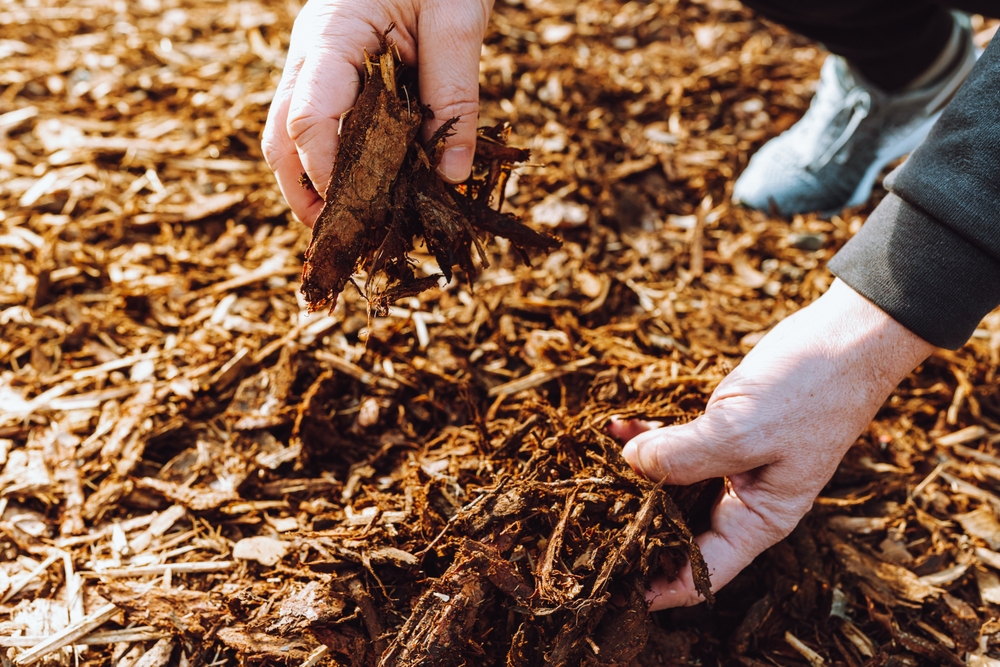
Top-dressing your raised beds with organic mulch is another simple way to refresh the soil. Mulch made from shredded leaves, straw, grass clippings, or wood chips adds a protective layer on top of the soil. This layer helps retain moisture, suppresses weeds, and gradually decomposes into the soil, adding valuable organic matter. As it breaks down, it replenishes nutrients and improves the soil structure, which is especially important in raised beds where the soil can become compacted over time. The mulch also provides a cooling effect, helping to regulate soil temperature and keep the roots of plants healthy.
By adding mulch annually, you can avoid the need to replace your soil. The organic materials will slowly break down, enriching the soil’s nutrient content and helping to maintain good tilth. Be mindful to avoid piling the mulch too high, as this can suffocate plant roots. A thin layer, around 2 to 3 inches, is generally all that is needed to reap the benefits.
Incorporate Worm Castings
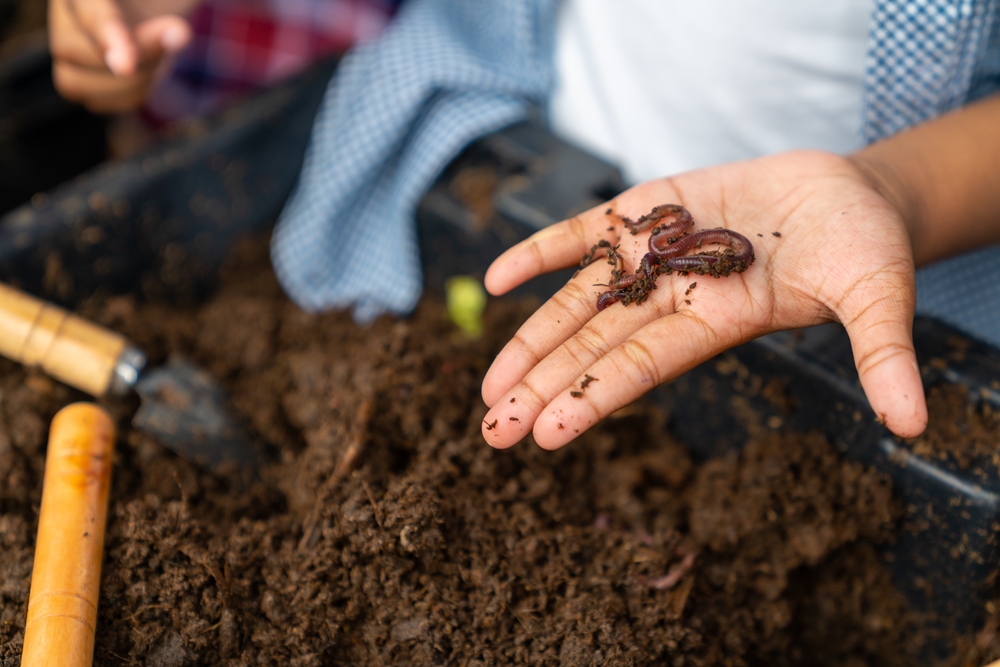
Worm castings are an incredibly nutrient-rich amendment that can be added to your raised bed to refresh the soil. These castings are the end product of worms digesting organic matter, and they contain essential nutrients like nitrogen, phosphorus, and potassium. Adding worm castings improves soil aeration, moisture retention, and drainage, while also enhancing the fertility and microbial activity of the soil. They are an excellent way to enhance the “tilth” of your raised bed and improve plant health, as the castings provide slow-release nutrients that are available for plants over an extended period.
To use worm castings, you can mix them into the top few inches of your existing soil or spread them as a top-dressing. Worm castings are safe for all plants and can help revive tired, nutrient-depleted soils. They also work to balance soil pH, making them especially useful in beds with imbalanced or acidic soil. Their addition is a simple, natural way to provide ongoing nourishment to your plants without needing to replace your soil.
Compost In-Place with Green Manure
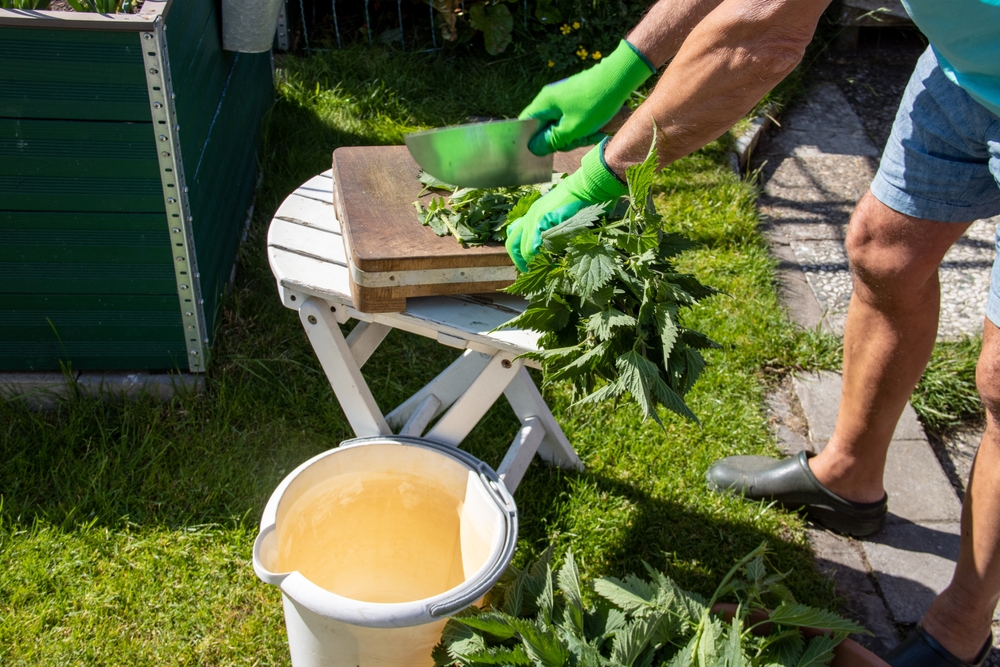
Green manure crops are another effective way to refresh your raised bed soil. These fast-growing plants, such as clover or mustard, can be planted in your raised bed to help restore nutrients and organic matter. Green manure is similar to cover crops but is often grown with the specific intent of adding organic matter to the soil. Once the plants reach maturity, they can be chopped down and allowed to decompose right in the bed. This “in-place” composting method helps build soil fertility by adding both organic matter and nitrogen, making the soil more productive for the next growing season.
Green manure crops work especially well in raised beds that have seen repeated planting of heavy feeders, such as tomatoes or beans. By planting these crops after the harvest, you allow the soil to regain nutrients without adding new soil. The decomposing plants improve the soil structure, promoting better water retention and root growth. This technique can help break up compacted soil and add a boost of fertility without the cost of new soil.
Add Biochar
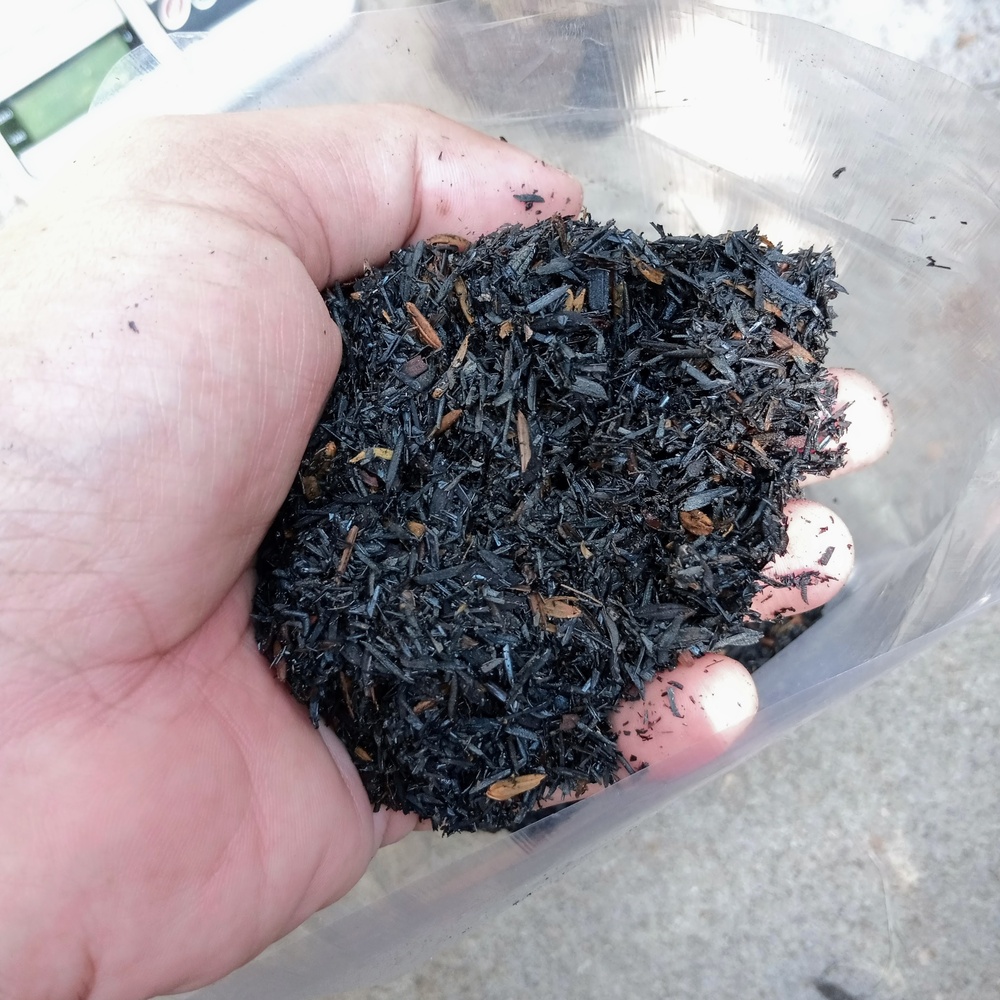
Biochar is a soil amendment made from plant material that has been heated in the absence of oxygen, creating a stable form of carbon that helps retain water and nutrients. By adding biochar to your raised bed soil, you can improve its ability to hold nutrients and enhance soil aeration. It also helps increase microbial activity, which is essential for breaking down organic matter and supporting healthy plant growth. Biochar has been shown to improve the tilth of soil and increase its fertility over time. It is especially useful in soils that are prone to nutrient leaching or have poor water retention.
Incorporating biochar into your raised bed is as simple as mixing it into the top few inches of your soil. The addition of biochar will not only refresh your soil by improving its structure, but it also helps in the long-term management of soil fertility. Over time, it can increase the soil’s ability to retain nutrients, reducing the need for constant fertilization or soil replacement.
Practice On-Site Composting
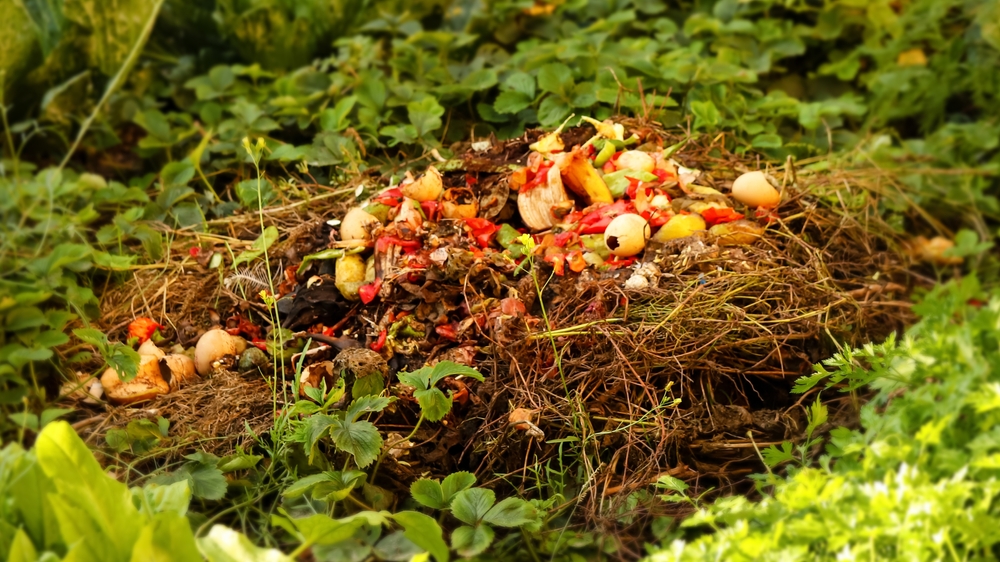
Instead of purchasing compost, consider setting up a small composting system right within your garden or on the edge of your raised bed. Using kitchen scraps, yard waste, and other organic matter, you can compost directly in your garden. Over time, the organic materials break down into rich compost that you can use to top-dress your raised bed or mix into the soil. This method reduces waste, helps you create free organic matter, and naturally restores the fertility of your raised bed. By composting on-site, you avoid the need to bring in new soil, while also keeping your garden’s ecosystem more self-sustaining.
On-site composting works best if you have a designated area for a compost pile or bin. Regularly turning the pile to ensure proper aeration will speed up the process. Once the compost is ready, you can use it as a rich soil amendment, giving your raised bed a nutrient boost while improving its structure. This method also reduces the carbon footprint associated with purchasing and transporting soil.
Apply Fish Meal or Bone Meal
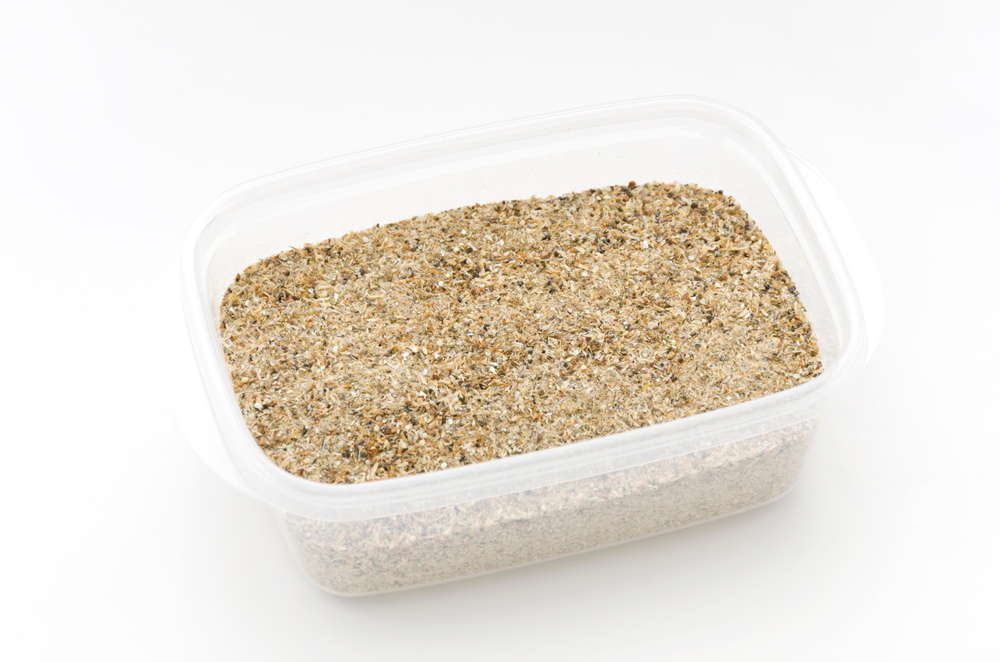
Fish meal and bone meal are organic fertilizers that provide essential nutrients to the soil, particularly phosphorus and nitrogen. Adding these amendments to your raised bed helps replace nutrients that have been depleted by previous crops. They also improve the soil’s microbial activity, which aids in nutrient uptake by plants. Fish meal is especially good for promoting healthy root development, while bone meal encourages flower and fruit production. These natural fertilizers can be sprinkled on top of the soil or worked into the existing mix to revitalize your raised bed.
Both fish meal and bone meal break down slowly, providing long-lasting benefits. They are excellent alternatives to chemical fertilizers, offering a sustainable way to replenish nutrients. By using these amendments, you can restore the fertility of your raised bed while supporting healthy plant growth, without the cost or hassle of replacing the soil.
Mix in Leaf Mold
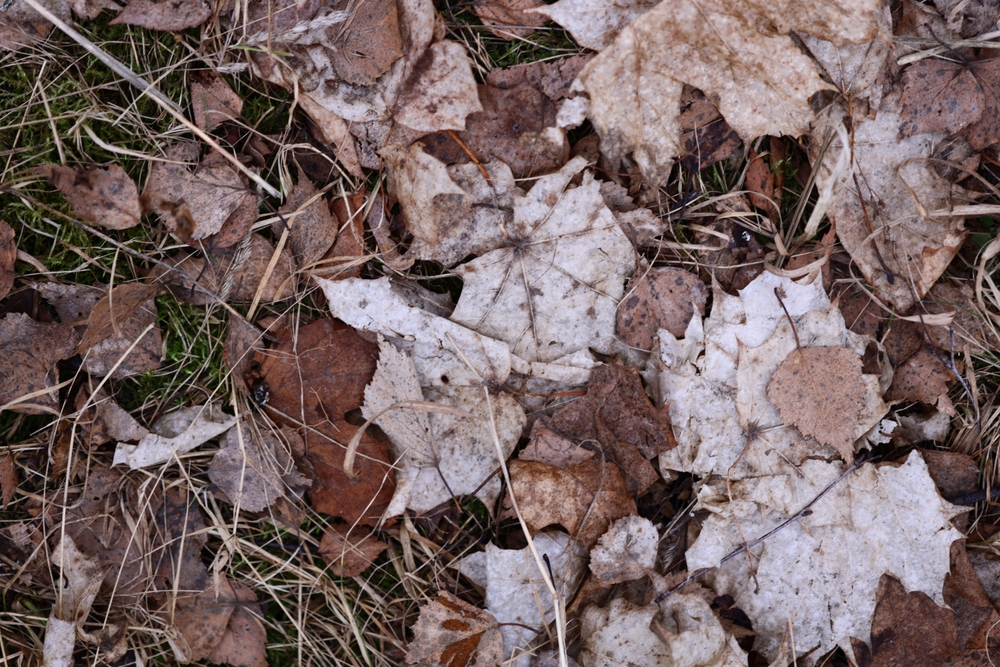
Leaf mold is decomposed leaves that have broken down into a dark, crumbly material. Adding leaf mold to your raised bed can significantly improve soil structure by increasing its ability to hold moisture while also enhancing drainage. The organic matter from leaf mold provides a slow release of nutrients, making it a great addition for long-term soil improvement. Leaf mold also supports beneficial fungi and microorganisms that help break down organic materials and improve overall soil health. It is especially effective in loosening compacted soils and increasing their fertility.
Leaf mold is easy to make if you have access to a steady supply of fallen leaves. Simply pile them in a corner of your garden or in a designated compost area and allow them to break down over several months. Once ready, spread the leaf mold across your raised bed and gently mix it into the existing soil. This method not only improves the soil’s tilth but also offers a free and sustainable way to maintain healthy garden soil.
Replenish with Mushroom Compost

Mushroom compost is another excellent organic amendment that can be used to refresh your raised bed soil. This compost is made from the byproducts of growing mushrooms, including manure, straw, and other organic materials. It is rich in nutrients such as calcium, potassium, and phosphorus, making it a great way to replenish depleted soils. Mushroom compost also helps improve soil texture, adding bulk and improving drainage. By adding it to your raised bed, you enhance both the fertility and structure of the soil.
Mushroom compost is an affordable option for gardeners looking to refresh their raised beds. You can find it at garden centers or make your own if you have access to mushroom-growing waste. It is especially useful in beds that are used for heavy feeders like tomatoes or lettuce. As with all amendments, mixing mushroom compost into the soil will ensure the nutrients are properly integrated and available for plant roots.
Use Seaweed or Kelp Meal
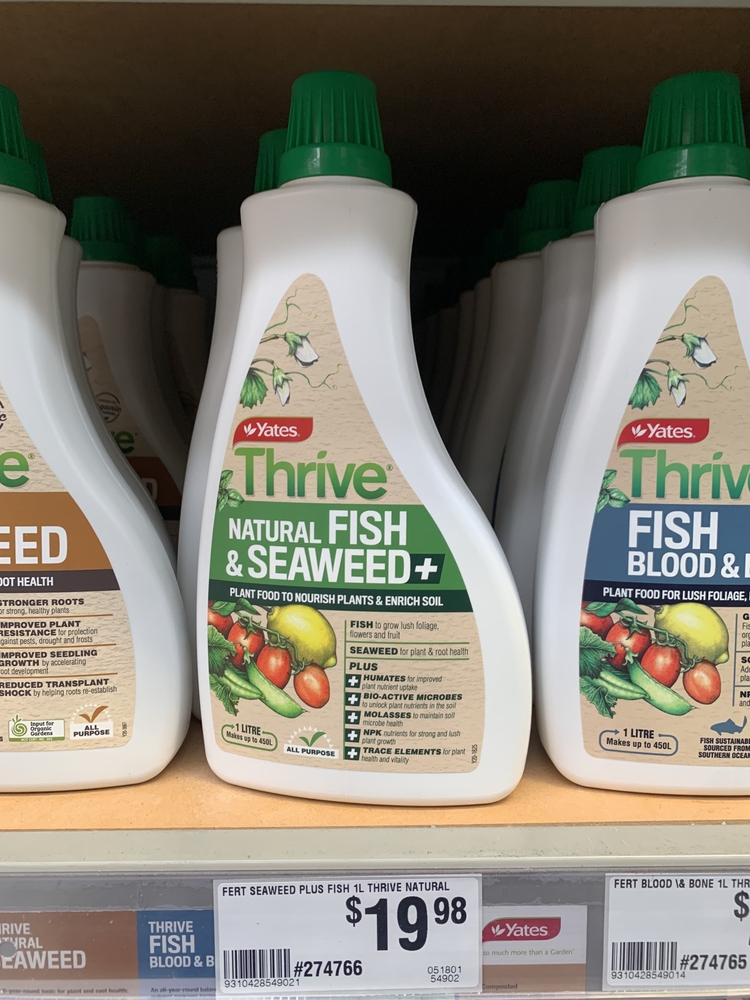
Seaweed and kelp meal are natural fertilizers that can be used to refresh raised bed soil without the need for new soil. These sea-based products are rich in essential minerals like potassium, calcium, and magnesium, which are vital for plant health. When added to the soil, kelp meal improves soil structure, promotes healthy root growth, and enhances nutrient uptake. Seaweed and kelp are also excellent at boosting microbial activity in the soil, which in turn improves overall soil health. Applying these products to your raised bed can help restore its fertility without having to replace the soil.
Seaweed and kelp meal are available at garden centers or online, and they can be spread across the surface or mixed into the soil. They work well as both a soil amendment and a plant food, offering long-term benefits with regular use. By improving both soil structure and nutrient content, seaweed and kelp meal can revitalize raised-bed soils that have been in use for several seasons.
This article originally appeared on Avocadu.