
10 Timeless Comic Series That Are Still Worth Reading
For comic book lovers, revisiting classic series can be a rewarding experience, especially when the stories remain engaging and fresh with each read. Whether you’re in the mood for thrilling adventures, emotional depth, or stunning artwork, there are timeless comics that are easy to enjoy without feeling like a chore. These series strike the perfect balance between nostalgia and excitement, offering new insights and entertainment each time you flip through the pages.
This post may contain affiliate links, which helps keep this content free. Please read our disclosure for more info.
Batman Year One
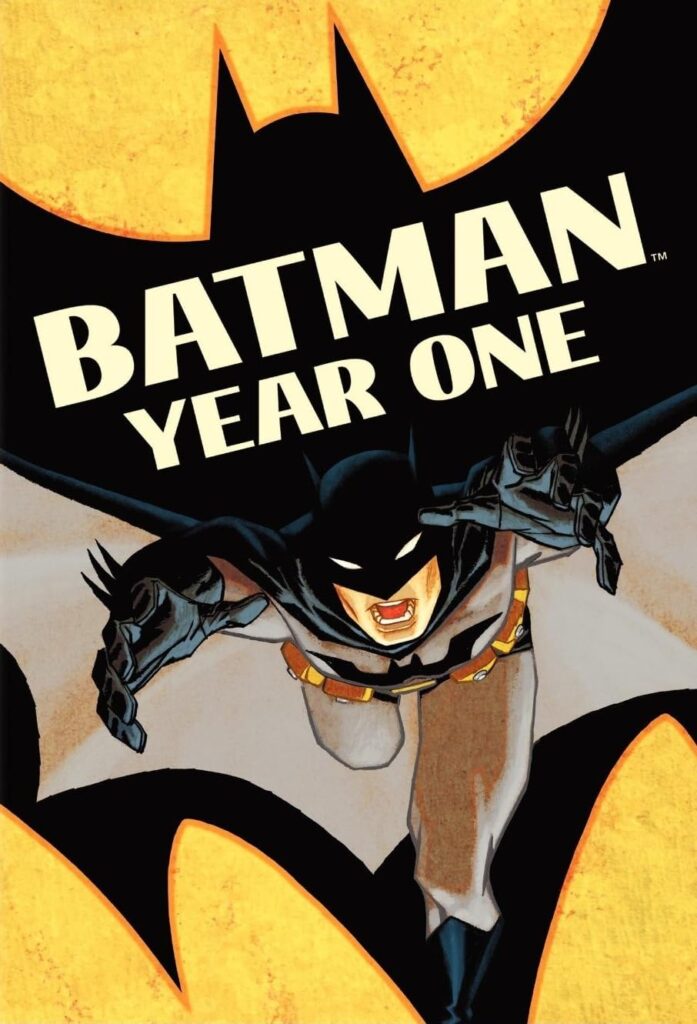
Frank Miller and David Mazzucchelli present a focused origin story that feels grounded and emotionally honest without becoming heavy. The narrative splits its attention between Bruce Wayne and Jim Gordon, allowing readers to witness Gotham from two vulnerable points of view. Bruce is not yet a polished hero, and that uncertainty makes his journey compelling rather than distant. Gordon’s struggle with corruption inside the police force adds tension that feels personal and relatable. The story moves with confidence, never lingering too long on exposition, which makes it easy to revisit without feeling overwhelmed.
Mazzucchelli’s art gives the book a moody realism that holds up beautifully. The restrained color palette and careful use of shadow make Gotham feel lived in rather than theatrical. Facial expressions carry quite an emotion, which means the drama lands without long speeches. The compact structure also helps, since the arc is concise and purposeful. Each reread feels like returning to a classic crime drama that grows richer with familiarity.
Watchmen
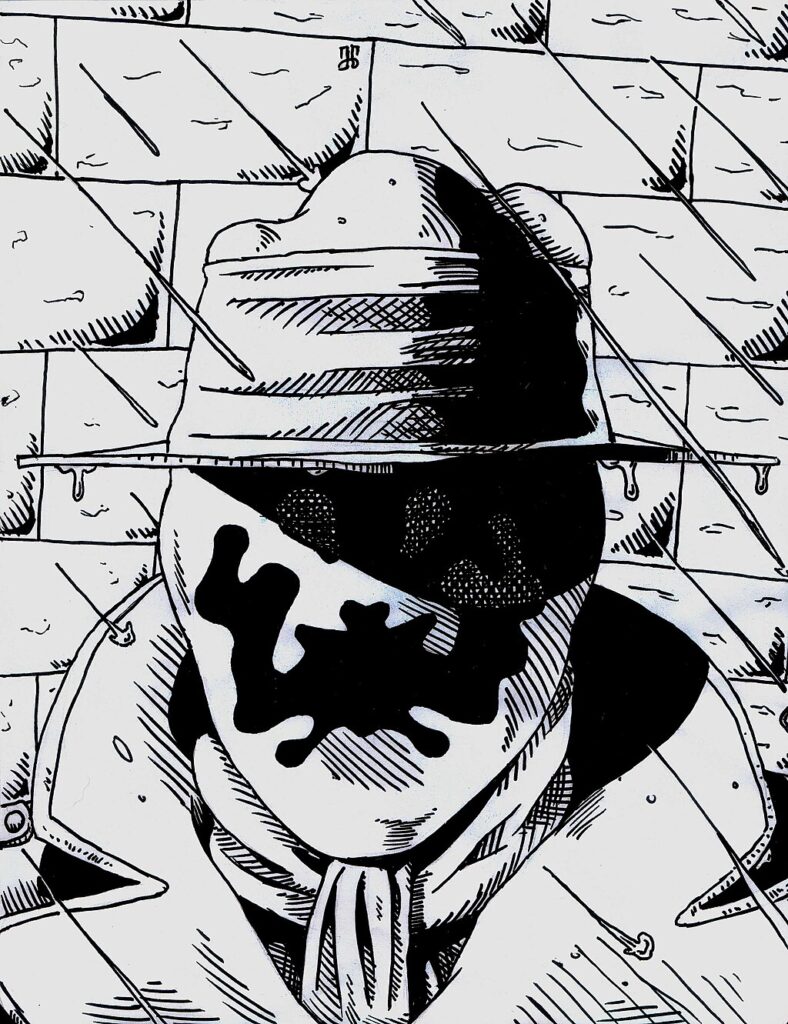
Alan Moore and Dave Gibbons built a layered superhero deconstruction that remains gripping because of its strong character work. While the themes are ambitious, the core of the story revolves around flawed people trying to justify their choices. Rorschach’s rigid morality, Dr. Manhattan’s detachment, and Laurie’s search for identity create emotional anchors that draw readers back. The central mystery provides a steady narrative thread, which keeps the complexity from becoming exhausting. Even when the ideas are large, the human moments make the story feel grounded.
Gibbons’ precise panel layouts and recurring visual motifs reward repeat readings in subtle ways. Background details and mirrored compositions give the book depth without requiring academic effort to appreciate them. The pacing moves deliberately, yet it never stalls. Each return visit reveals new connections while still delivering tension and drama. That balance between intellectual ambition and emotional clarity makes it surprisingly re-readable.
The Sandman
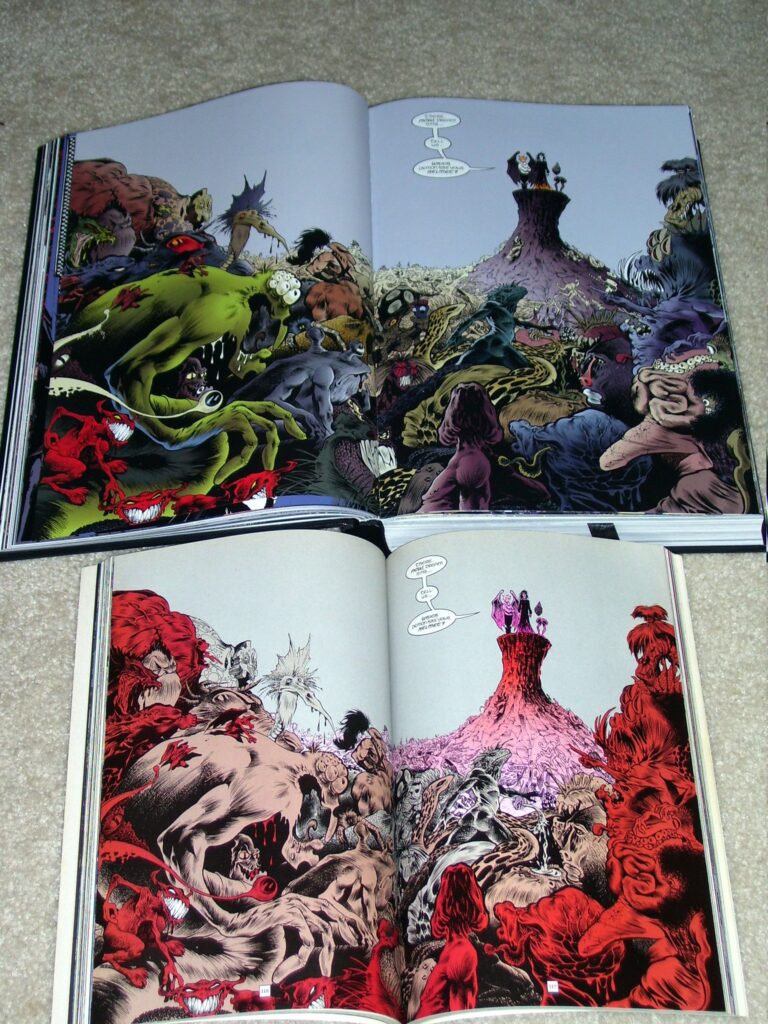
Neil Gaiman’s series blends mythology, horror, and fantasy into stories that feel intimate despite their scale. Dream, also known as Morpheus, is powerful yet deeply flawed, and his growth unfolds gradually across arcs that feel self-contained. The supporting cast brings warmth, humor, and heartbreak, which keeps the tone varied. Some issues function like short stories, making it easy to return to favorite chapters without committing to the entire saga. The emotional resonance lingers long after you finish an arc.
The rotating artists give the series a shifting visual identity that mirrors its dreamlike nature. Each arc feels distinct while still fitting into a larger tapestry of themes about change and responsibility. The art often leans into atmosphere, with expressive faces and surreal settings. It invites slow appreciation without becoming dense. Revisiting it feels like stepping back into a strange yet familiar world.
Spider-Man Blue
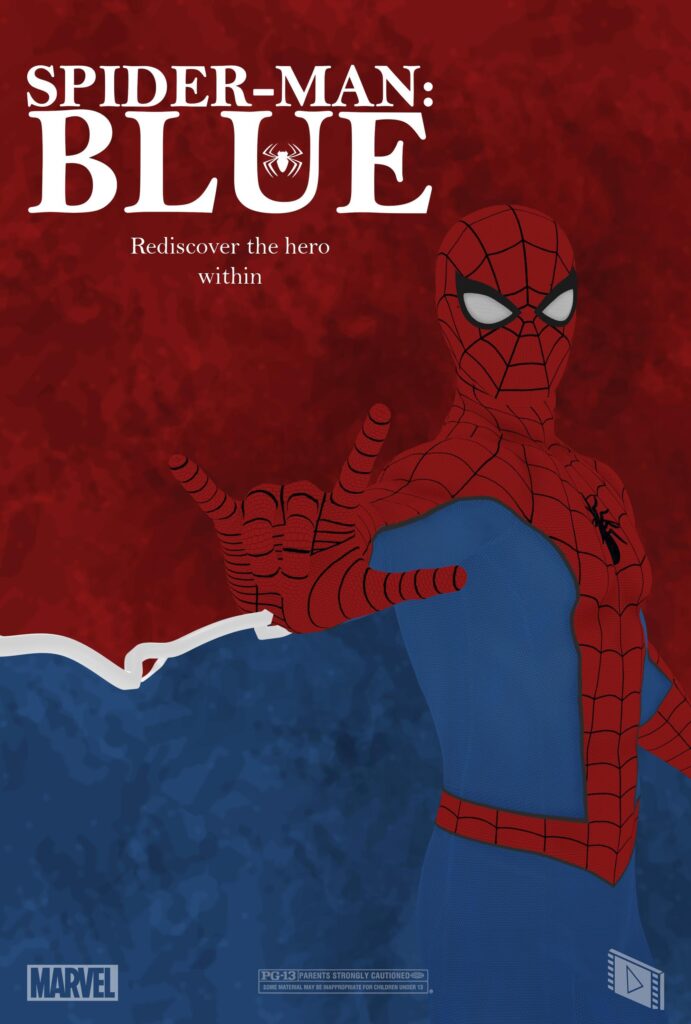
Jeph Loeb and Tim Sale revisit Peter Parker’s early romance with Gwen Stacy through a reflective lens. The story is structured as Peter speaking into a tape recorder, which gives the narrative a personal and tender quality. It balances superhero action with quiet nostalgia, making it emotionally accessible. Readers connect with Peter’s sense of loss and youthful innocence without feeling weighed down. The focus on character over spectacle keeps it engaging on repeat reads.
Tim Sale’s elongated figures and soft color work create a wistful atmosphere. Panels linger on glances and small gestures, which makes the romance feel genuine. The art captures both the excitement of young love and the ache of memory. It is heartfelt without becoming melodramatic. That sincerity makes it easy to return to whenever you want a meaningful story with warmth.
X-Men Days of Future Past
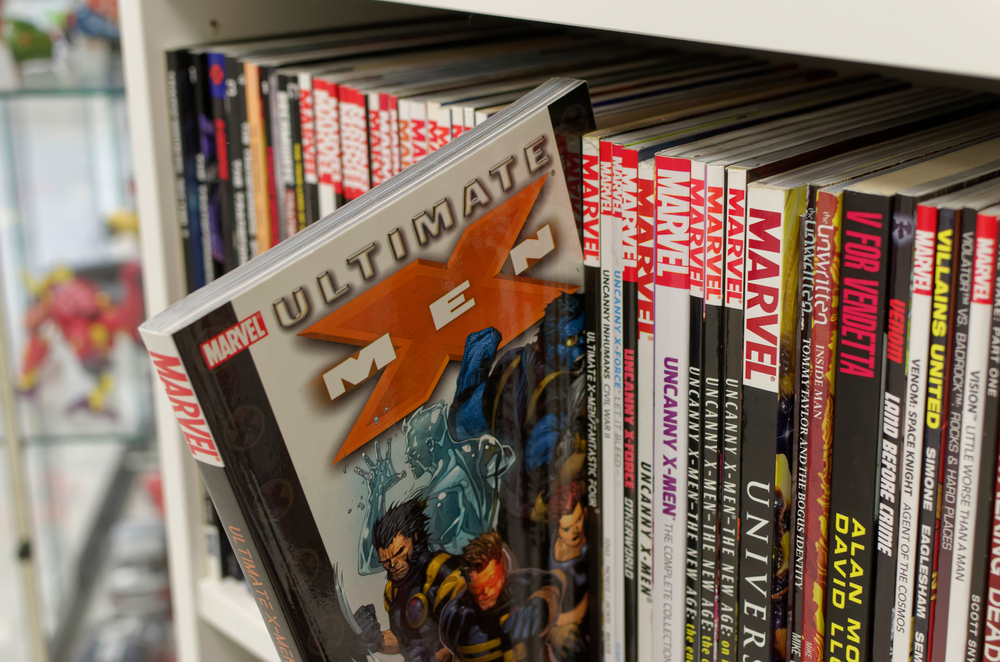
This classic storyline combines time travel with a grim warning about prejudice and fear. The contrast between a hopeful present and a bleak future gives the story urgency. Kitty Pryde’s role as the emotional center keeps the narrative grounded. The stakes are high, yet the story moves briskly and never loses clarity. That directness makes it enjoyable even decades later.
John Byrne’s art is dynamic and expressive, giving both action scenes and quiet conversations equal weight. The dystopian imagery leaves a strong impression without overshadowing character development. The themes of discrimination remain relevant, which adds depth without making it heavy. Each reread feels tense and meaningful. It delivers spectacle and heart in equal measure.
All-Star Superman
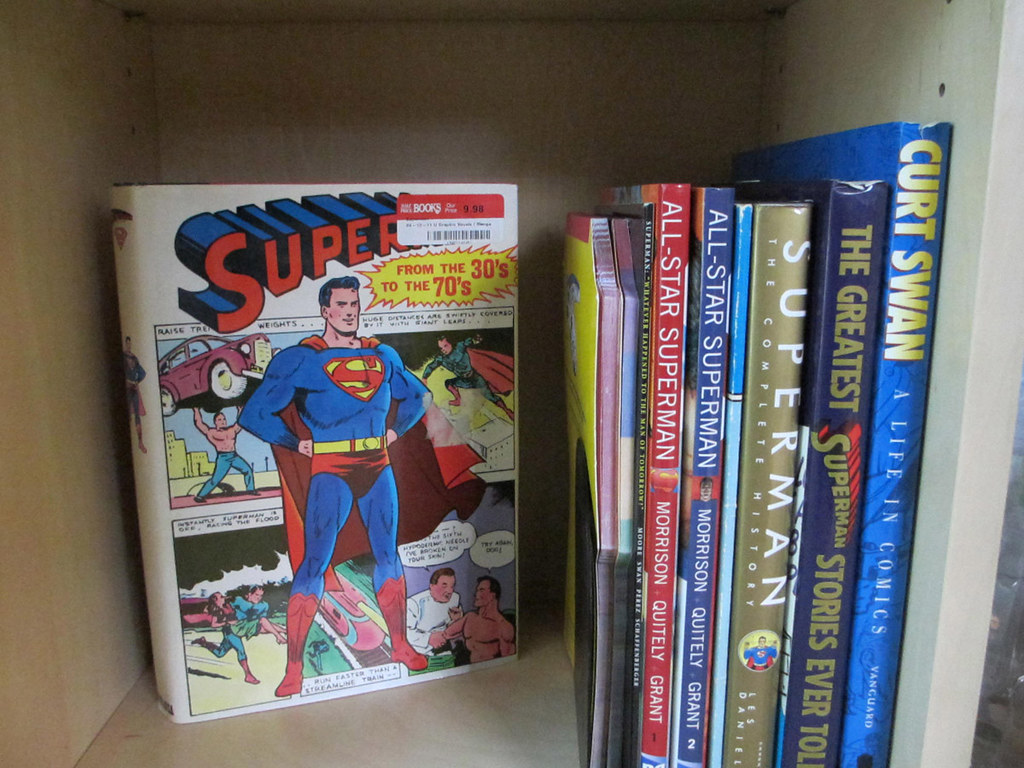
Grant Morrison and Frank Quitely’s All-Star Superman is a powerful reimagining of Superman’s story that keeps its emotional core at the forefront. The story centers on Superman knowing he’s dying and trying to leave a legacy for humanity. Rather than focusing solely on action, Morrison weaves themes of sacrifice, love, and heroism in a way that resonates deeply with readers. Superman’s personal struggle and his interactions with Lois Lane, Jimmy Olsen, and Lex Luthor feel grounded, making the world of Superman feel more human than ever. This emotional depth, combined with a quick pace, makes it enjoyable without the heaviness some superhero tales bring.
Frank Quitely’s art is equally masterful, offering clean, bold visuals that emphasize Superman’s strength, vulnerability, and compassion. The pages are filled with dynamic action sequences, but also intimate moments that give Superman a warmth and relatability often missing in traditional superhero comics. The artwork pairs beautifully with the narrative, blending the grandeur of Superman’s world with the quiet moments that make him truly heroic. Revisiting this story is always a rewarding experience, as the themes of mortality, heroism, and legacy remain timeless.
The Dark Knight Returns
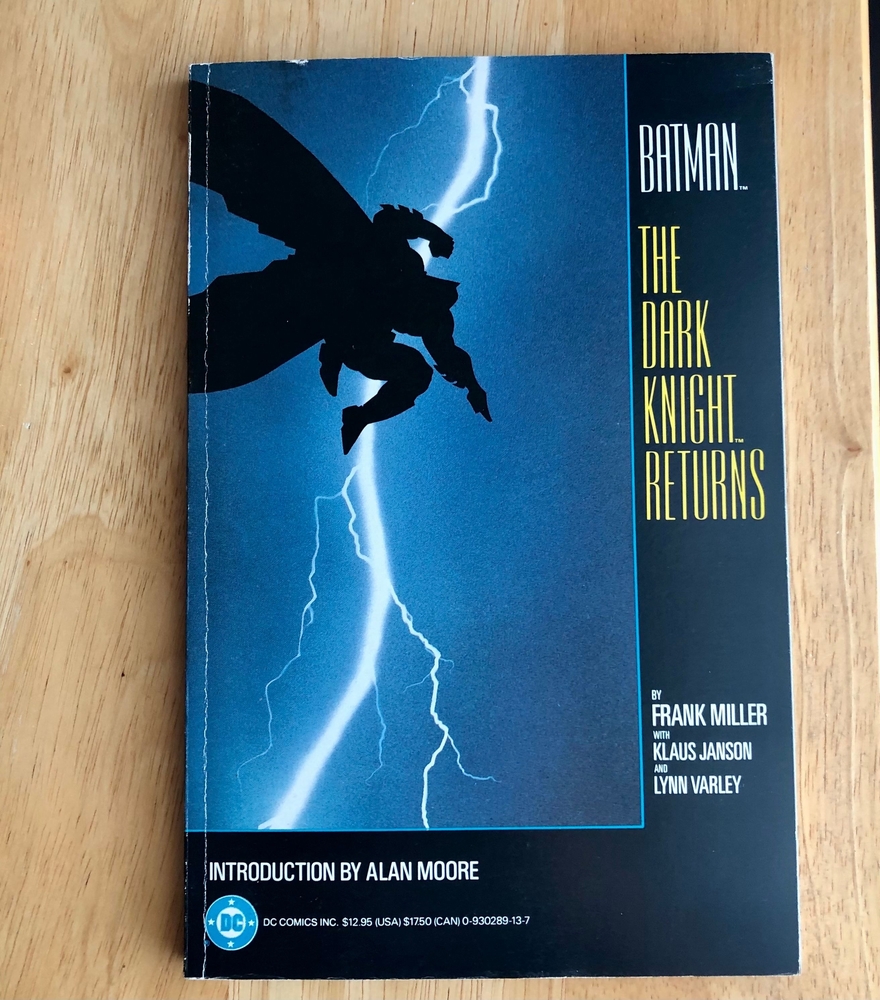
Frank Miller’s The Dark Knight Returns offers a stark and compelling portrayal of an older, weary Batman who comes out of retirement to save Gotham City from itself. The story’s premise is simple but powerful: Batman must confront his own mortality while trying to restore order to a crumbling society. Miller delves into themes of aging, justice, and the personal cost of vigilantism, making it more than just a typical superhero tale. Batman’s internal conflict about whether he can still be the hero Gotham needs is at the heart of the series, giving it a depth that makes each reread meaningful. The fast pace and sharp focus keep it from ever feeling like a slog, even though it deals with weighty subjects.
The art by Miller, combined with Klaus Janson’s ink work, delivers a gritty, dark vision of Gotham and its protector. The use of bold, angular lines and heavy shadows reflects the violent, dystopian world Batman inhabits. Each page is filled with intensity, from the powerful action sequences to the quieter, more reflective moments. The book’s heavy atmosphere and mature themes offer a fresh take on Batman’s mythology, making it just as relevant today as it was when first published.
Saga
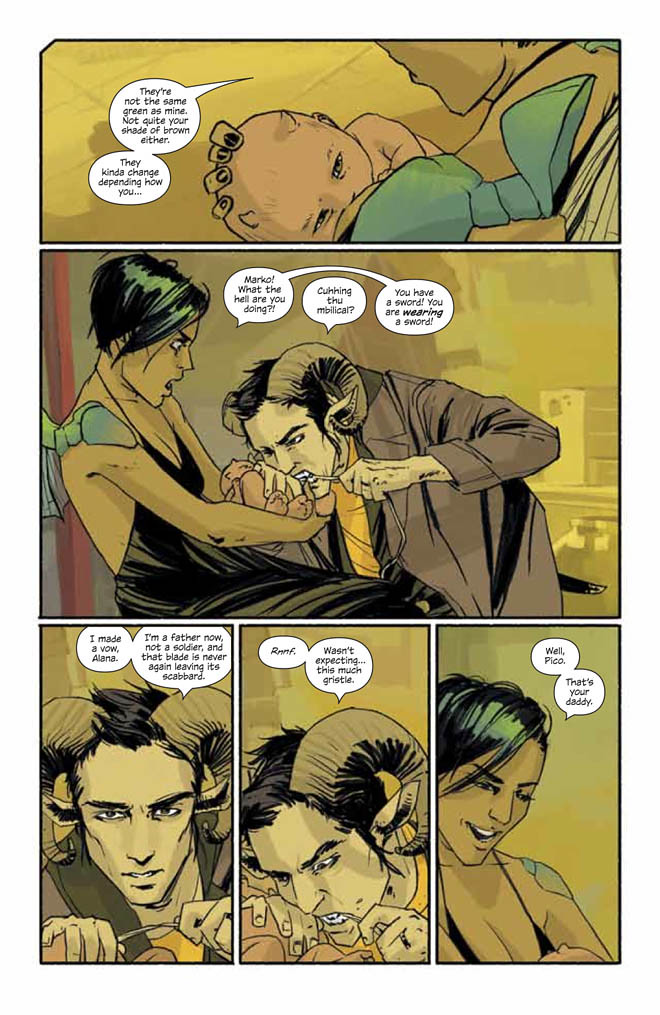
Saga by Brian K. Vaughan and Fiona Staples is a sweeping, epic space opera that mixes humor, romance, and intense drama. The story follows Alana and Marko, two soldiers from opposing sides of a galactic war, as they flee with their newborn daughter, Hazel, through a universe filled with dangers. The characters are richly developed, each with unique motives and emotions that make them feel real and relatable. The series explores themes of family, love, and survival, offering plenty of action but also moments of tender reflection. Each arc builds on the characters’ growth, keeping readers invested without overwhelming them with complex world-building.
Fiona Staples’ artwork brings the fantastical world to life with vibrant, detailed illustrations that balance the grounded emotional beats with the wild imagination of the setting. The characters feel alive in every panel, with expressive faces and body language that convey their inner thoughts and emotions. The series’s ability to mix drama, humor, and heart, alongside an ever-expanding universe, makes it an enjoyable and rewarding read every time. It’s a perfect blend of fun, excitement, and emotional depth that makes it easy to return to again and again.
Hellboy Seed of Destruction
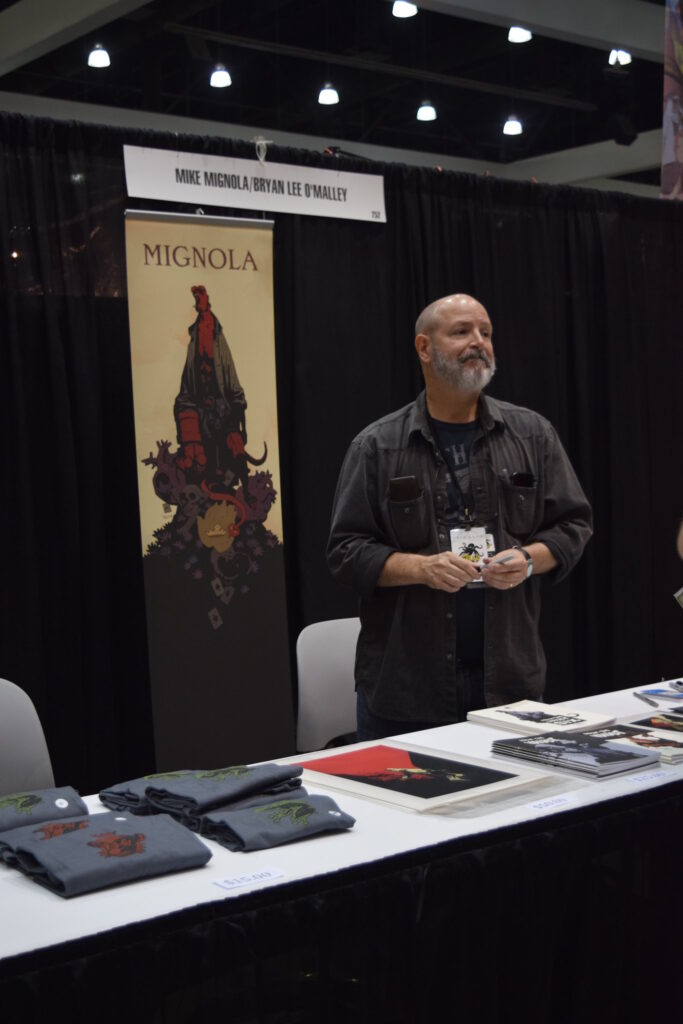
Mike Mignola’s Hellboy: Seed of Destruction introduces a paranormal investigator with a mysterious past and a surprisingly warm personality. The story is filled with classic monster-hunting tropes, but it’s the deep mythology and Hellboy’s reluctant heroism that give it a unique flavor. Mignola blends folklore, horror, and humor seamlessly, creating a story that is both chilling and oddly charming. Hellboy’s struggle with his demonic origins, paired with his desire to do good, makes his journey feel both personal and relatable. It’s a story of self-discovery that never becomes too heavy or bogged down in the supernatural elements.
The art in Seed of Destruction is atmospheric, with Mignola’s signature use of heavy shadows and minimalist backgrounds that add an eerie tone to the narrative. The rough, almost abstract style contrasts beautifully with the rich details of the various creatures and settings. The visual storytelling is incredibly effective, emphasizing mood and character over spectacle. This makes it a timeless series that is just as enjoyable on a reread, as the focus is always on Hellboy’s character and growth rather than the monster-of-the-week format.
Y: The Last Man
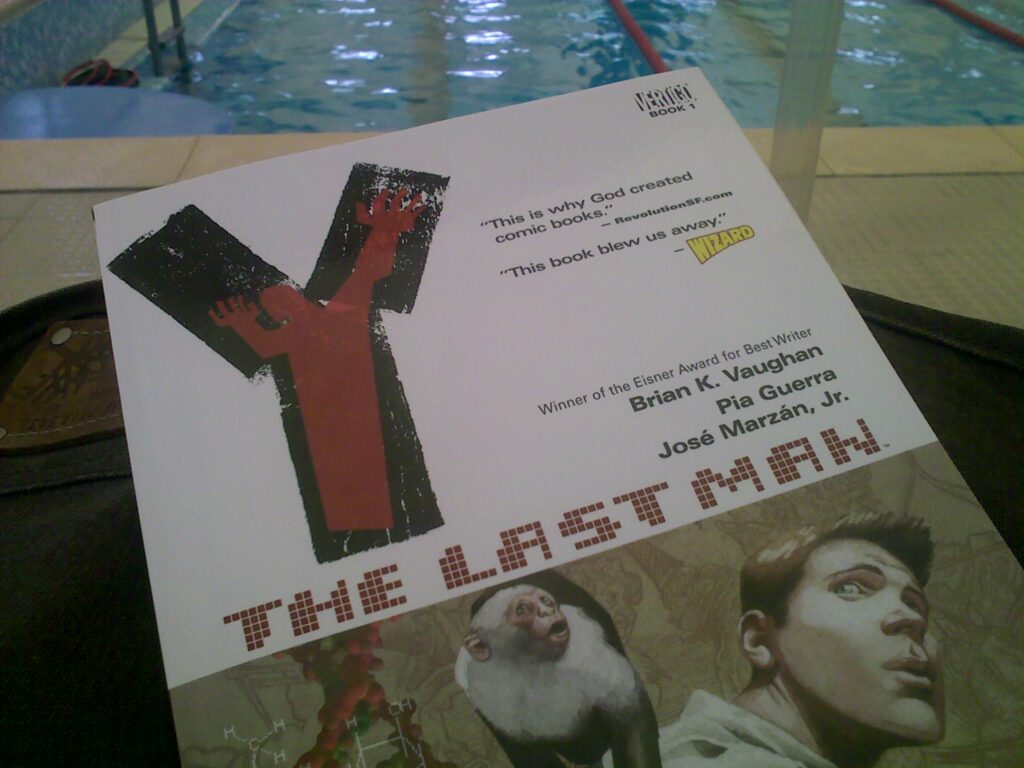
Y: The Last Man by Brian K. Vaughan and Pia Guerra tells the story of Yorick Brown, the last surviving man after a mysterious plague wipes out every male mammal on Earth. The series explores a post-apocalyptic world where gender dynamics and survival instincts shift dramatically. While the premise is high-concept, the emotional depth of the characters makes it stand out. Yorick’s journey, along with his companions, Agent 355 and Dr. Allison Mann, delves into themes of survival, identity, and human resilience. The focus on interpersonal relationships and personal growth makes the story far more than just a survival tale, offering layers of emotional complexity that remain compelling over time.
The art by Pia Guerra is clean, expressive, and straightforward, allowing the emotional beats of the story to shine. Guerra’s character designs and facial expressions do a lot of the storytelling, drawing the reader into the personal struggles of each character. The pacing is brisk, ensuring that each issue propels the story forward without ever dragging. The balance between intense action and quiet, reflective moments makes Y: The Last Man easy to revisit, and it holds up remarkably well on rereads, offering new insights into the world Vaughan and Guerra created.
This article originally appeared on Avocadu.