
15 Cold Hardy Veggies You Can Direct Sow In Early March
Early March is a great time to start a few vegetables right in the garden, even when nights still feel cold. These cold hardy picks can handle chilly soil and light frosts, so you can get a head start without babying seedlings indoors. Grab your seeds, clear a small bed, and let the season begin with simple, reliable crops that sprout fast.
This post may contain affiliate links, which helps keep this content free. Please read our disclosure for more info.
Peas
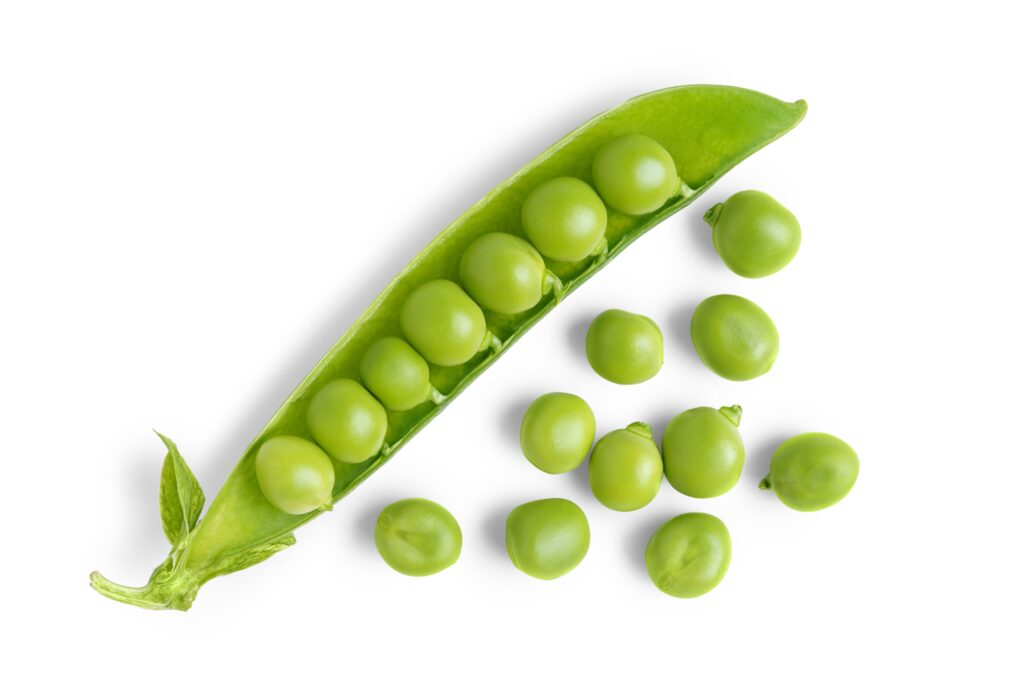
Peas are one of the easiest early March seeds because they like cool weather and do not mind cold soil. Pick a sunny spot, poke seeds about an inch deep, and water lightly so the bed stays evenly damp. A short trellis or a few sticks helps the vines climb and keeps pods cleaner. If you get a late frost, peas usually shrug it off and keep growing.
Give peas steady moisture once they start flowering, since dry spells can lead to fewer pods. Snap peas are great for quick snacks, while shelling peas are perfect for soups and simple rice bowls. Harvest often, because frequent picking keeps the plant producing longer. When the vines fade as days warm up, pull them and use that space for a heat loving crop.
Spinach
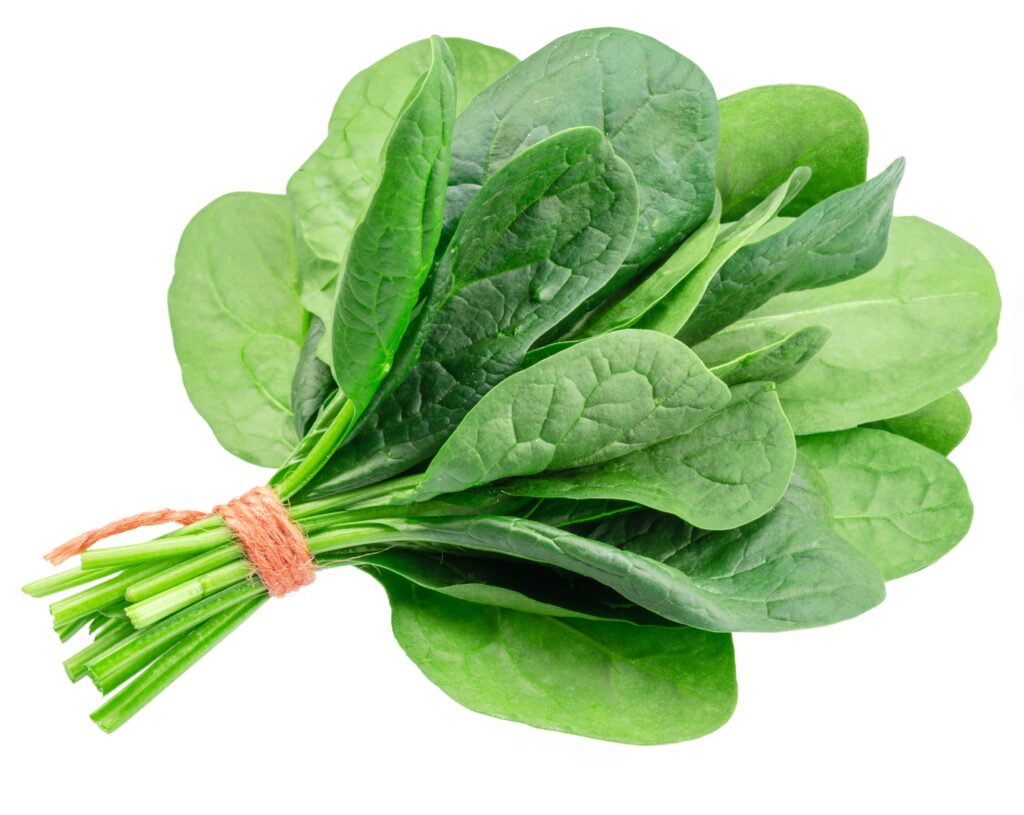
Spinach is made for early spring, and it can sprout in soil that still feels cold to your hand. Scatter seeds in a shallow row, cover lightly, and keep the surface from drying out. Thinning matters, because crowded plants stay small and can get gritty near the center. A thin layer of straw or shredded leaves helps hold moisture and keeps mud off the leaves.
Baby spinach is ready fast, and you can cut leaves when they are big enough for a sandwich. For a longer harvest, pick outer leaves and leave the middle growing point alone. If the weather swings warm, spinach can bolt, so early sowing helps you beat that change. Add a second sowing a week or two later to stretch your harvest window.
Arugula
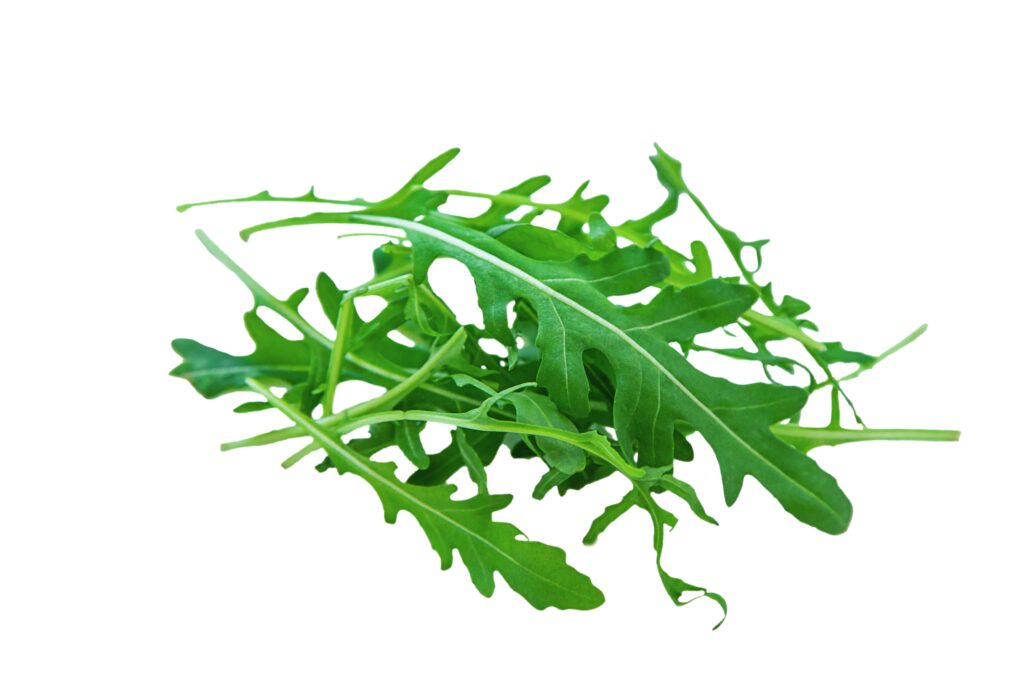
Arugula pops up quickly in cool weather, which makes it a nice early March choice for instant greens. Sow seeds shallowly and do not bury them too deep, since they like light contact with soil. The flavor stays milder in cooler temperatures, so spring sowing is usually less peppery. If birds bother your bed, a light row cover can keep them from scratching.
You can start harvesting young leaves in just a few weeks, which feels like a small garden win early in the season. Cut a handful, rinse well, and toss it on pizza, pasta, or eggs. If you let it grow larger, the bite gets stronger, so pick based on your taste. Make small sowings every couple of weeks so you always have tender leaves.
Lettuce
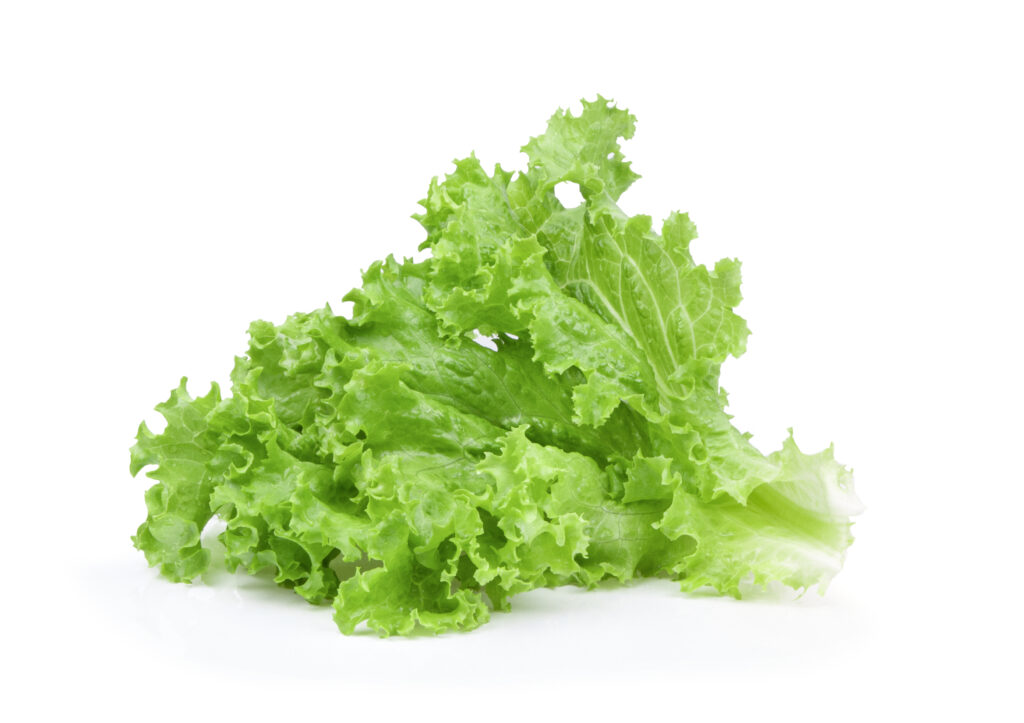
Lettuce does best when days are cool, and it is happy with an early March start in many places. Choose loose leaf types for the quickest harvest, or try romaine if you want taller leaves. Sow thinly, cover with a light dusting of soil, and water with a gentle spray. A row cover helps with cold nights and also keeps early pests off.
Thin seedlings so each plant has breathing room, since crowding can lead to small, pale leaves. You can harvest baby leaves by snipping above the base, and many plants will grow back for another cut. For full heads, let them size up and harvest in one go. Keep the soil evenly moist, because lettuce turns bitter when it gets stressed.
Kale
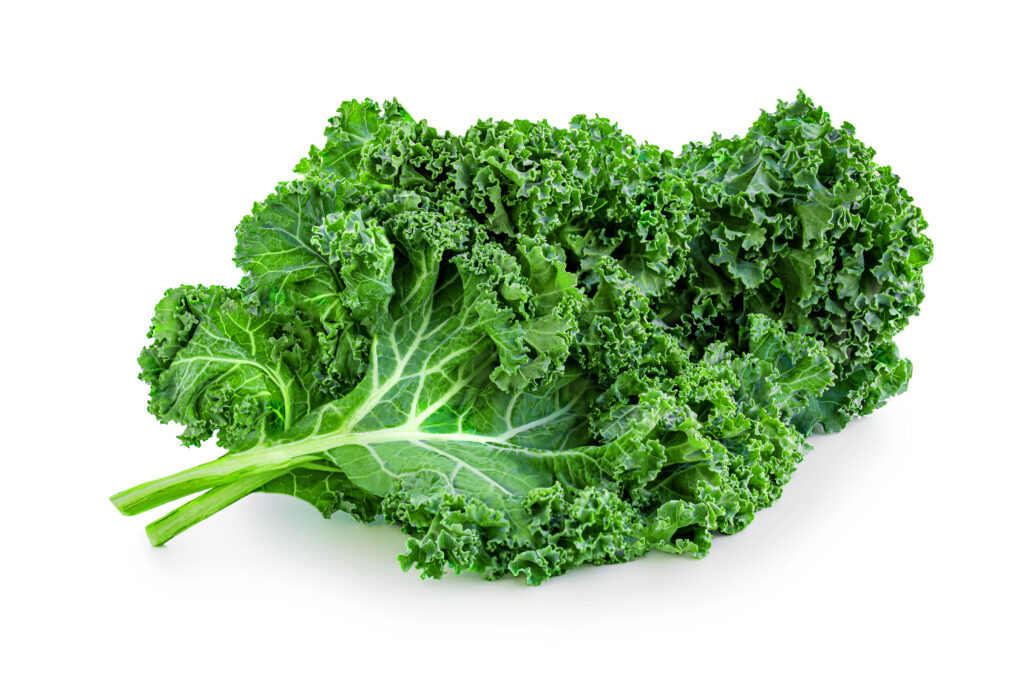
Kale is tough, forgiving, and one of the best greens for a cold start. Plant seeds in rows and thin early so plants do not compete for light and space. Cool weather keeps the leaves sweet and less tough, which is a nice spring bonus. If a cold snap hits, kale usually keeps going without much fuss.
Once the plants have a few true leaves, begin picking from the bottom and let the center keep growing. Younger leaves are tender for salads, while larger ones hold up well in soups and stir fries. A little mulch around the base helps hold moisture as spring winds pick up. If you want a long season, keep feeding the bed with compost and keep harvesting regularly.
Collard Greens
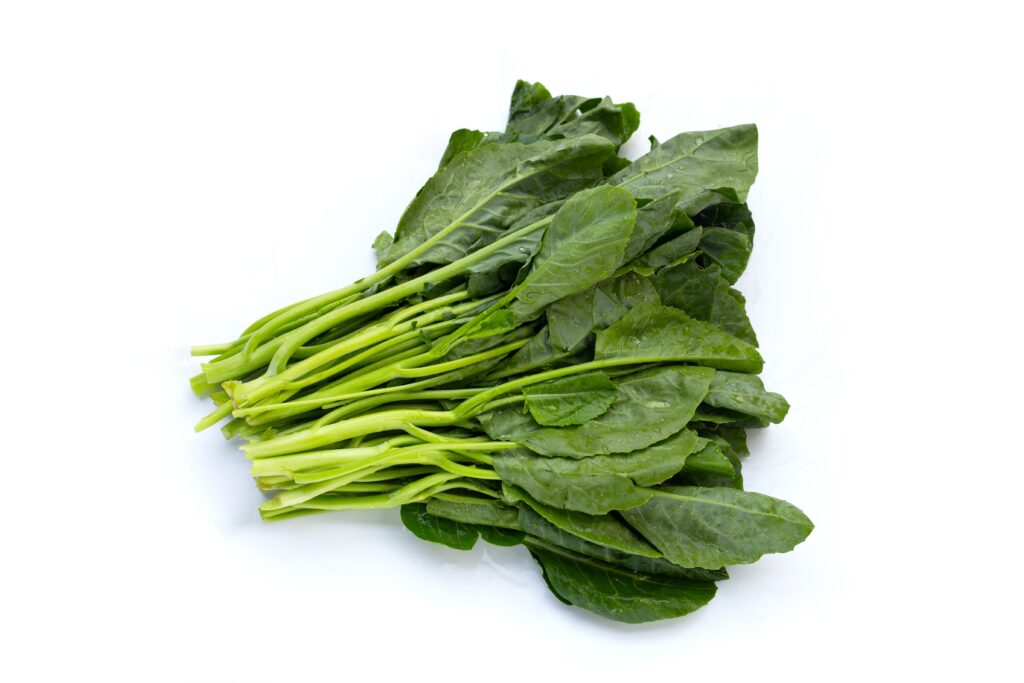
Collards are another cold loving green that can handle early spring conditions. Sow seeds in early March, then thin to give each plant room to spread. The leaves grow large and sturdy, which is great if you like greens that stand up to cooking. They can take a light frost and still look good the next morning.
Pick smaller leaves for quicker cooking, or let them grow big for classic slow simmered greens. If you harvest outer leaves, the plant keeps producing for a long time. Collards like steady water, especially once growth picks up. A simple rinse and a quick soak helps remove any soil hiding in the folds.
Swiss Chard
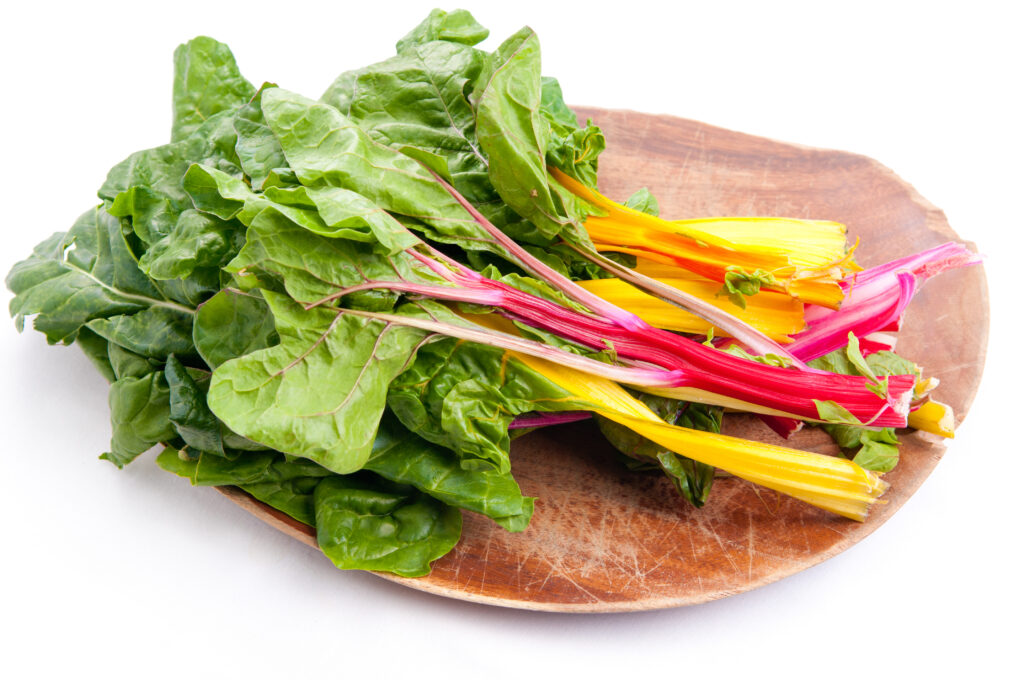
Swiss chard is a great option when you want greens that keep producing through spring and into summer. It can sprout in cool soil, though it may take a little longer than arugula or radishes. Plant seeds and thin well, because each seed cluster can make more than one seedling. The colorful stems look nice in the garden and on the plate.
Harvest by snapping off outer stalks while the center keeps pushing new growth. Chard tastes mild, and it works in sautés, soups, and omelets. If warm weather arrives, it usually keeps going instead of bolting right away. Give it water during dry weeks so the leaves stay tender, not leathery.
Mustard Greens
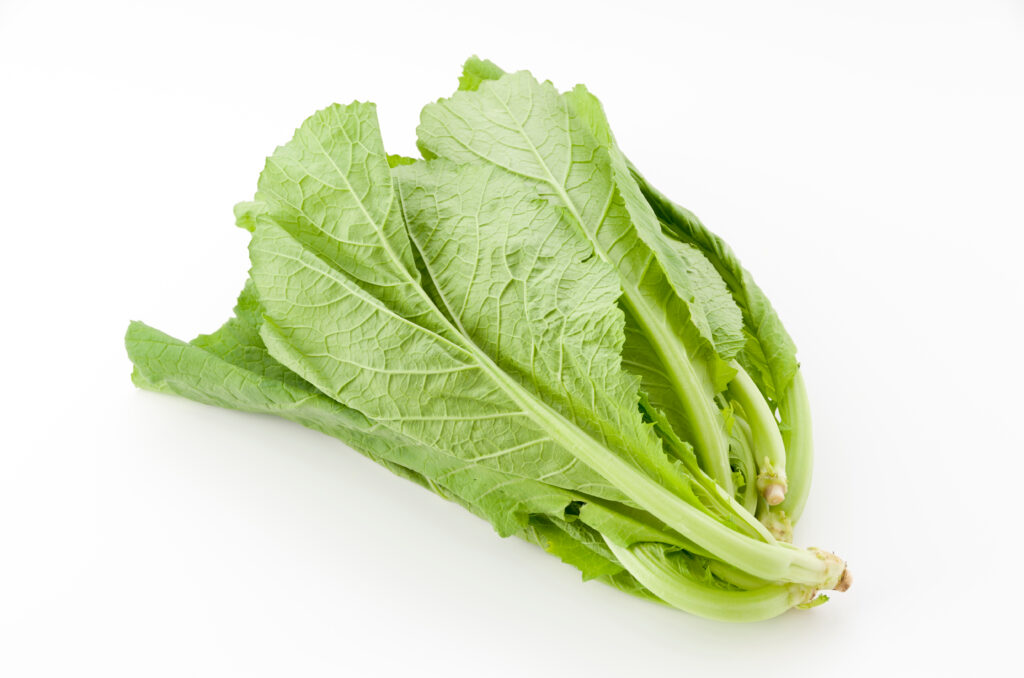
Mustard greens are quick and lively in cool weather, making them a solid early March sow. Sow seeds thinly, since they germinate fast and can turn into a crowded patch in no time. Cooler temperatures keep the flavor more balanced, while warmer weather makes the bite stronger. A row cover can also help keep leaves cleaner during spring rains.
You can harvest young leaves for salads if you like a little zing. For cooking greens, let the plants get larger and pick as needed. Try them in stir fries, soups, or mixed with milder greens for a more even flavor. If you want steady picking, sow a new short row every couple of weeks.
Radishes
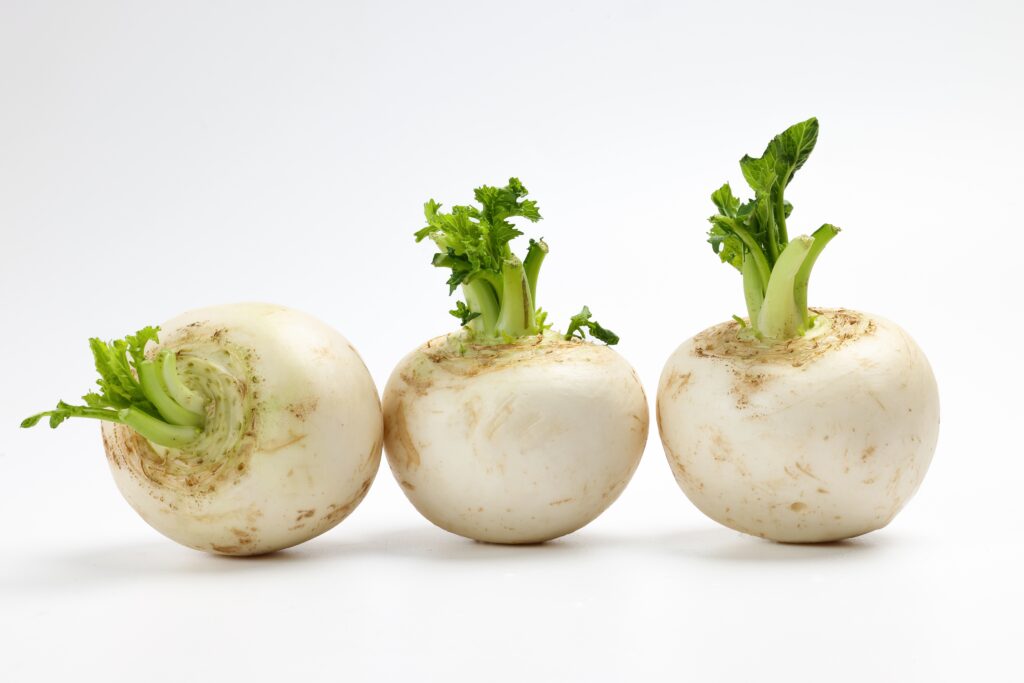
Radishes are the classic early spring vegetable because they germinate quickly and do not mind chilly soil. Plant them shallowly, keep the bed moist, and you may see sprouts in just a few days. Thin seedlings so roots have space to round up, because crowded radishes stay skinny. They do best with consistent moisture, since dry spells can make them hot and woody.
Harvest on time, because radishes go from crisp to pithy faster than people expect. The greens are edible too, especially when young, and they are great in a quick sauté. If you want variety, try a mix of round red types and longer French breakfast types. A short sowing every week keeps you in steady crunch through spring.
Turnips
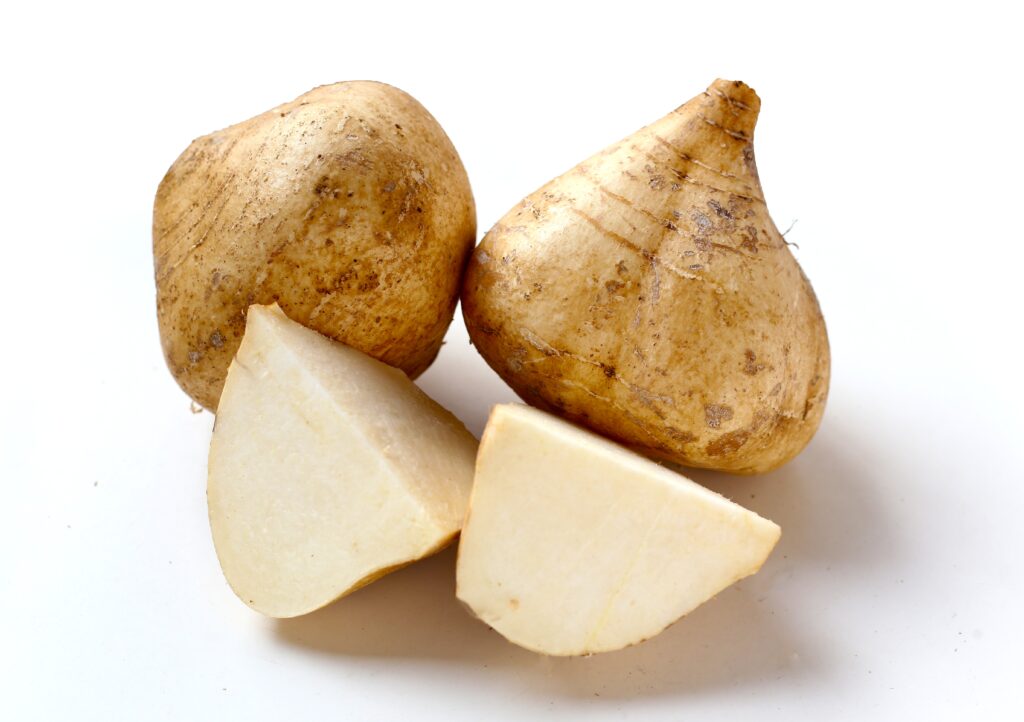
Turnips handle cool weather well, and they give you both roots and greens. Sow seeds in early March and keep the soil lightly moist until sprouts show up. Thin early so roots can size up, since turnips need space more than they need rich soil. They like loose ground, so a quick rake to remove rocks makes a big difference.
Small turnips are tender and mild, while large ones can get stronger and a bit firm. You can harvest greens when they are young, but do not take too many from one plant if you want good roots too. Roast the roots with oil and salt for a simple side dish. If spring warms quickly, pick them sooner rather than later.
Carrots
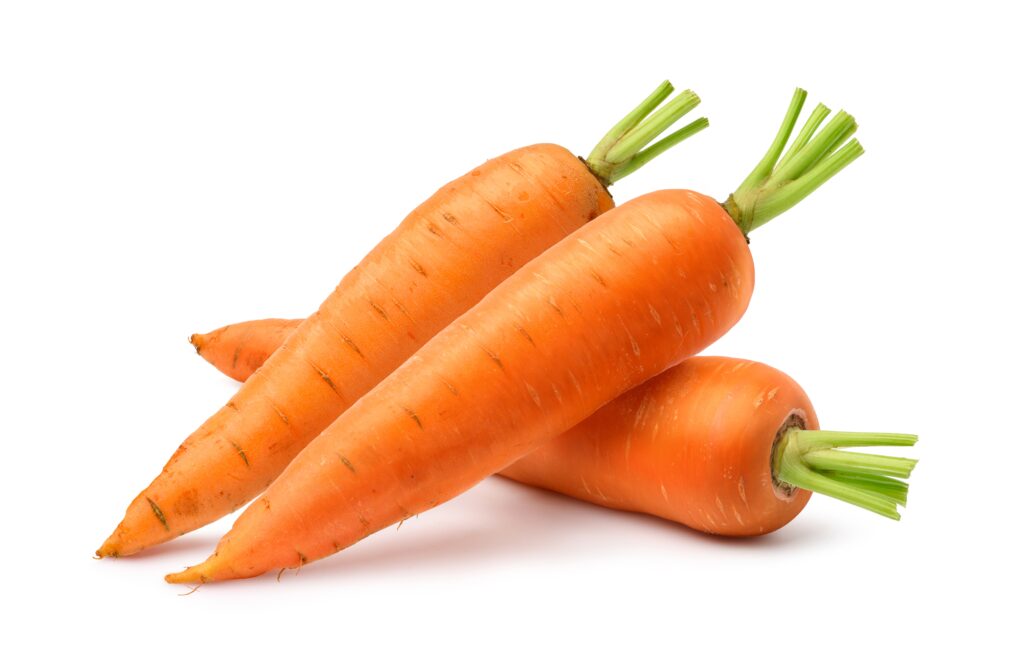
Carrots can be direct sown in early March, but patience helps because they can take a while to sprout in cool soil. Sow seeds shallowly and keep the top inch of soil damp, since drying out can stop germination. A board laid over the row can help hold moisture, and you lift it once sprouts appear. Fine, stone free soil makes straighter carrots and less splitting.
Thin seedlings carefully, because crowded carrots twist and stay thin. Baby carrots are sweet and quick, while full size carrots take longer but store better. Water deeply once a week when rain is light, since shallow watering leads to short roots. Pull a few as you go to check size, and leave the rest to keep growing.
Beets
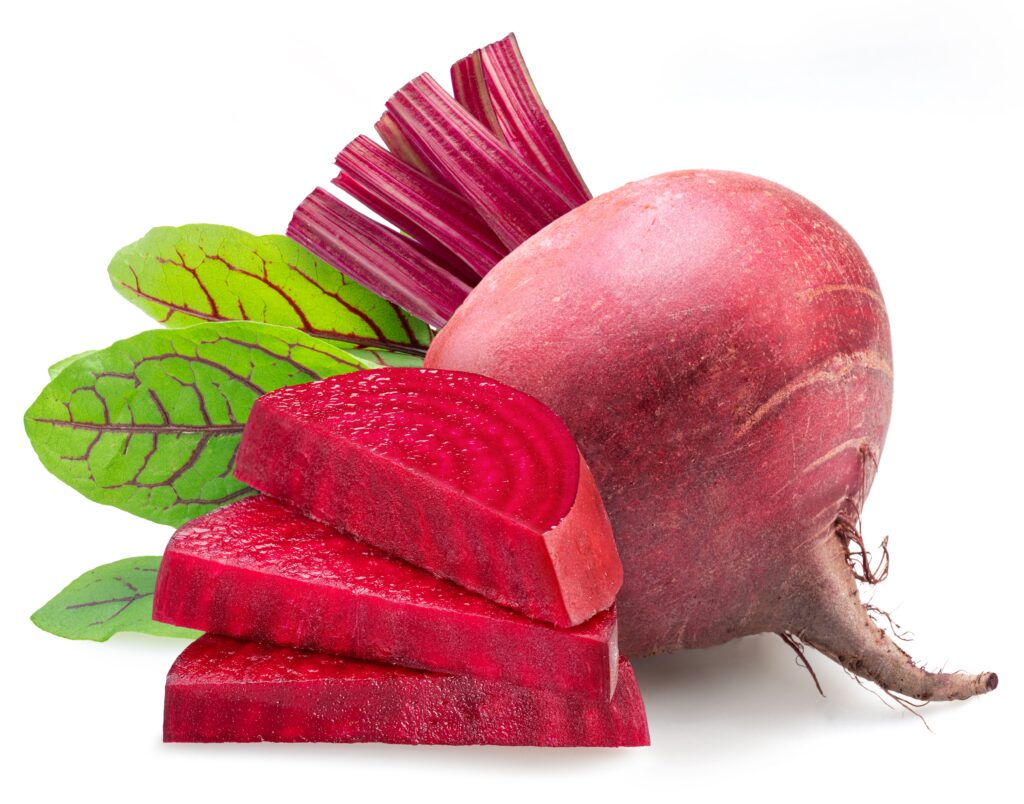
Beets are reliable in cool weather and can be sown right in the ground in early March. Each beet seed cluster can produce several seedlings, so thinning is part of the job. Loose soil helps roots form smoothly, and steady moisture keeps the flesh tender. If you like beet greens, this is a two for one crop.
Harvest baby beets when they are small and sweet, or let them size up for roasting and salads. Beet greens are great sautéed with garlic and a pinch of salt. If you thin early, use those tiny leaves as a fresh addition to sandwiches. A second sowing later in spring can carry you into early summer harvests.
Kohlrabi
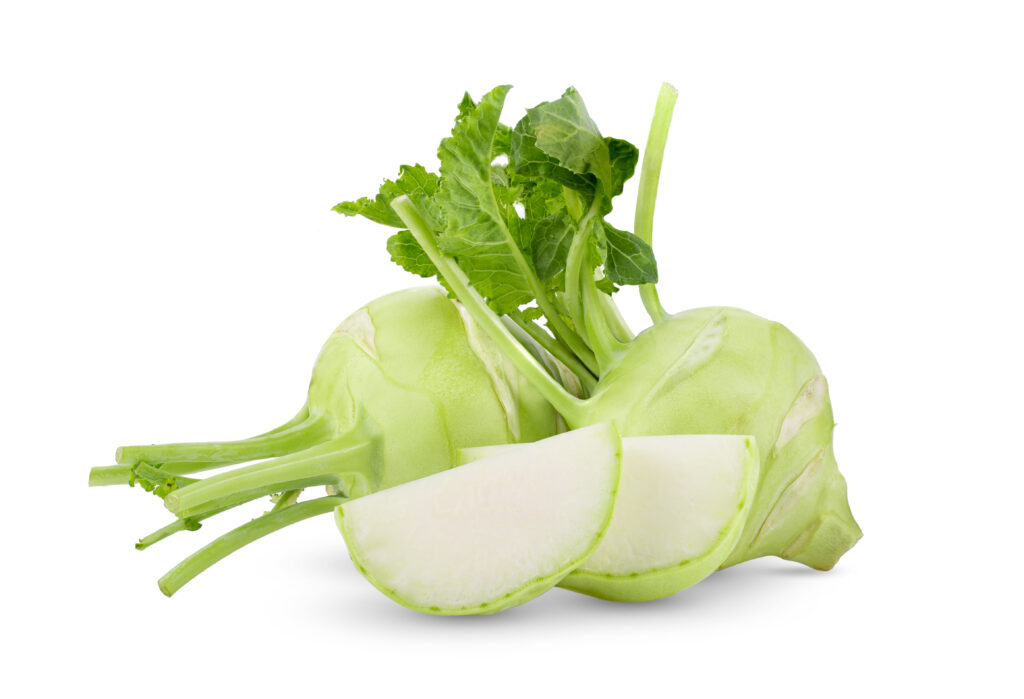
Kohlrabi is a fun early spring plant because it likes cool weather and grows quickly. Direct sow seeds in early March and thin so each plant has room to form its round stem. It looks unusual, but it is easy to grow and very kid friendly in the kitchen. Cooler temperatures keep the texture crisp and the flavor mild.
Harvest while the bulbs are small to medium, since very large ones can turn fibrous. Peel the outside and slice it for snacks, slaws, or quick pickles. The leaves are edible too, and they cook like other sturdy greens. Keep the bed watered during dry spells so growth stays steady and tender.
Parsnips
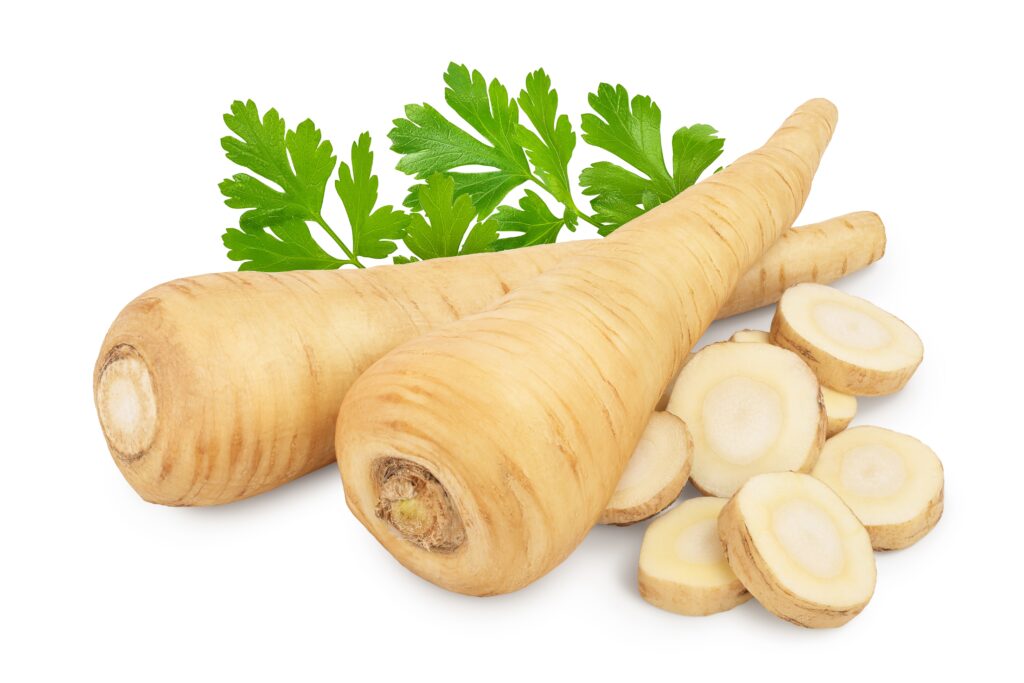
Parsnips are slow to start, but early March is a good time to get them in the ground because they need a long season. Sow seeds where you want them to grow, since they do not like being moved. Keep the row moist, and do not give up if sprouts take a few weeks. Deep, loose soil helps them grow long and straight.
Parsnips taste sweet and nutty, especially after cold weather later in the season. Even though you sow in early spring, you might harvest in fall, which feels like a delayed reward. Weed carefully while they are small, because young parsnips grow slowly at first. When harvest time comes, use them roasted, mashed, or added to soups for a gentle sweetness.
Onions From Seed
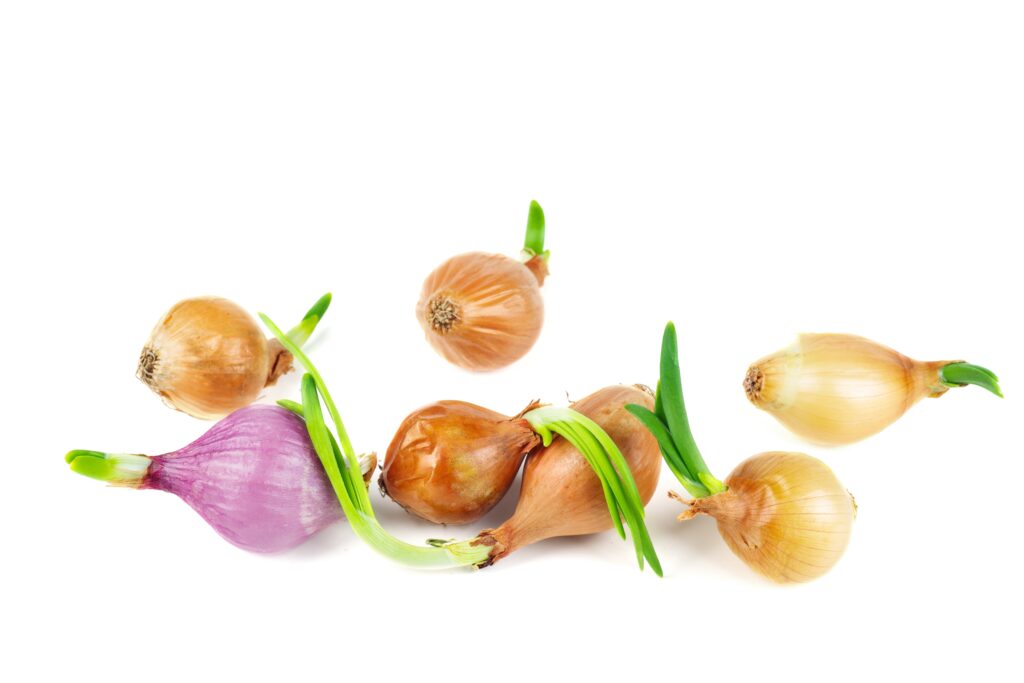
Onions from seed can be started outdoors early, especially if you are growing bunching onions or you want small bulbs later. Sow seeds in a narrow row, cover lightly, and keep the bed consistently damp until they sprout. Onion seedlings look like thin blades of grass, so labeling the row helps you avoid pulling them by mistake. Cool weather is fine for them, and they can handle light frost.
Thin seedlings if they are packed tight, since crowded onions stay small. For green onions, harvest young plants as needed, leaving the rest to keep growing. For bulb onions, keep them weed free, because onions do not like competition. As days lengthen, growth picks up, and you will be glad you started early.
This article originally appeared on Avocadu.