
15 Best Early March Flowers To Plant For Fast Color
Early March is a great time to tuck in a few cold tolerant flowers and get color showing up fast. Some choices handle chilly nights, while others pop up quickly from bulbs or easy seed starts. This list highlights early season favorites that can wake up beds, borders, and pots without a long wait.
This post may contain affiliate links, which helps keep this content free. Please read our disclosure for more info.
Pansies (Viola)
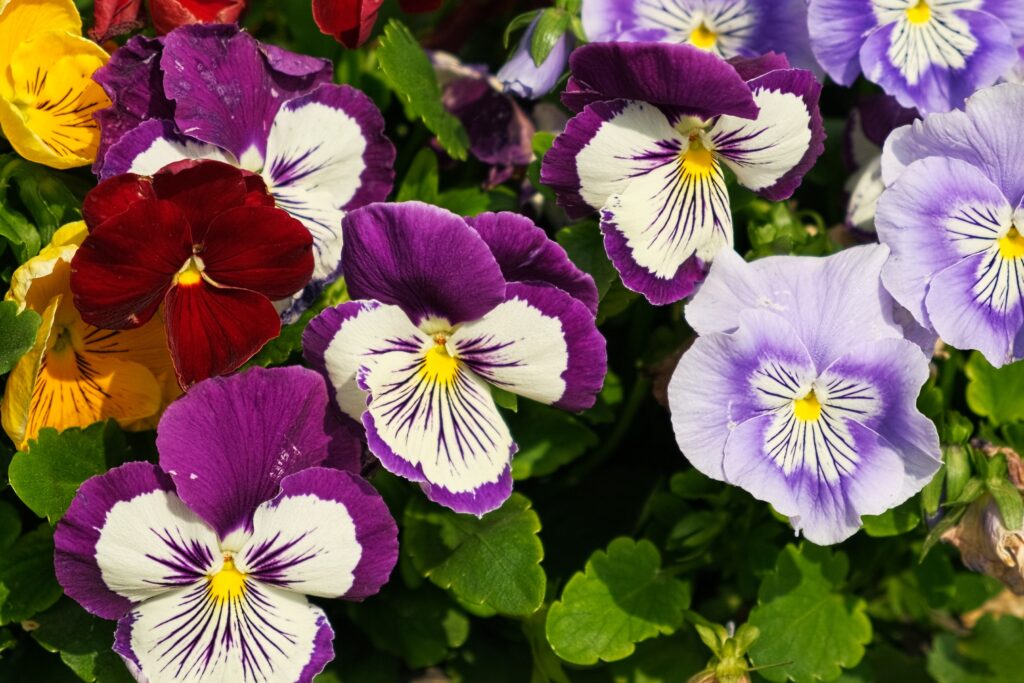
Pansies are one of the easiest ways to get early color when nights are still cold. Their petals come in purple, yellow, white, and deep maroon, and many have little face markings kids like to point out. Plant them in early March in pots, window boxes, or the front edge of a bed where you will see them every day. Give them sun to part shade and keep the soil evenly damp during the first week.
If a late frost hits, pansies usually shrug it off and keep going. Pinch off faded blooms so the plant keeps making new buds instead of putting energy into seed. On warmer afternoons, the flowers often look a little larger and more open. Pair them with small bulbs nearby so you get color at two heights.
Violas
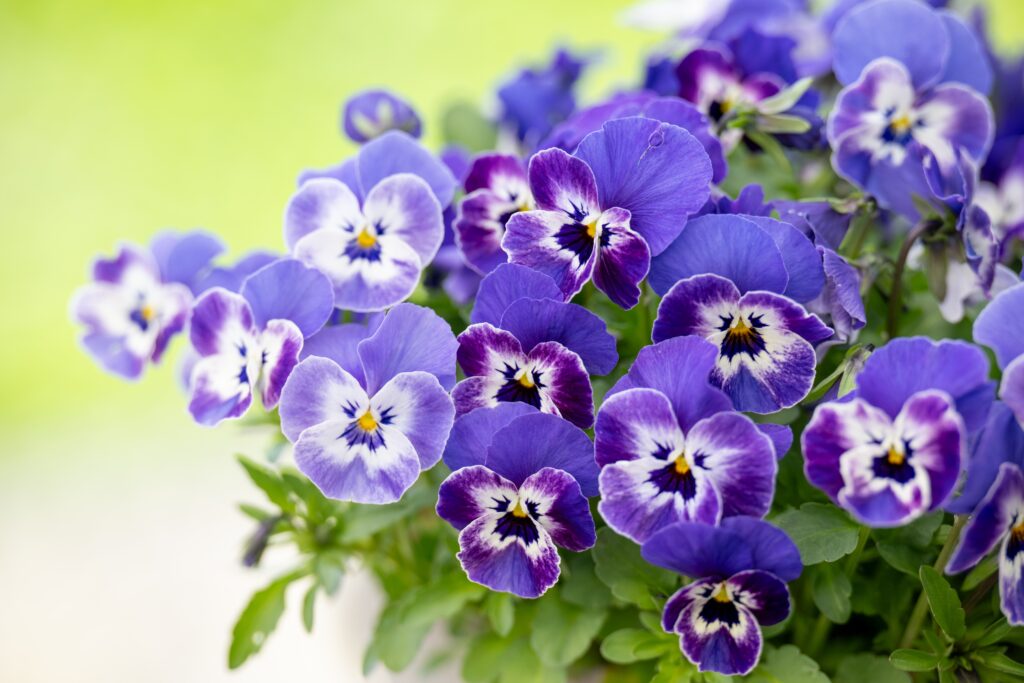
Violas look like smaller pansies, but they bloom like they have something to prove. They can fill a pot with lots of little flowers, which reads as big color from a distance. Early March is a good time to plant them because they like cool weather and can handle light freezes. Set them where they get morning sun and a bit of afternoon shade if your days warm up quickly.
Violas keep blooming best when you remove spent flowers, especially after a rainy week. They also look nice spilling over the edge of a container, which makes even a simple pot feel cheerful. If they get leggy later, a light trim helps them bush back out. Mix a few colors together, or keep it simple with one shade for a clean look.
Snapdragons (Antirrhinum)
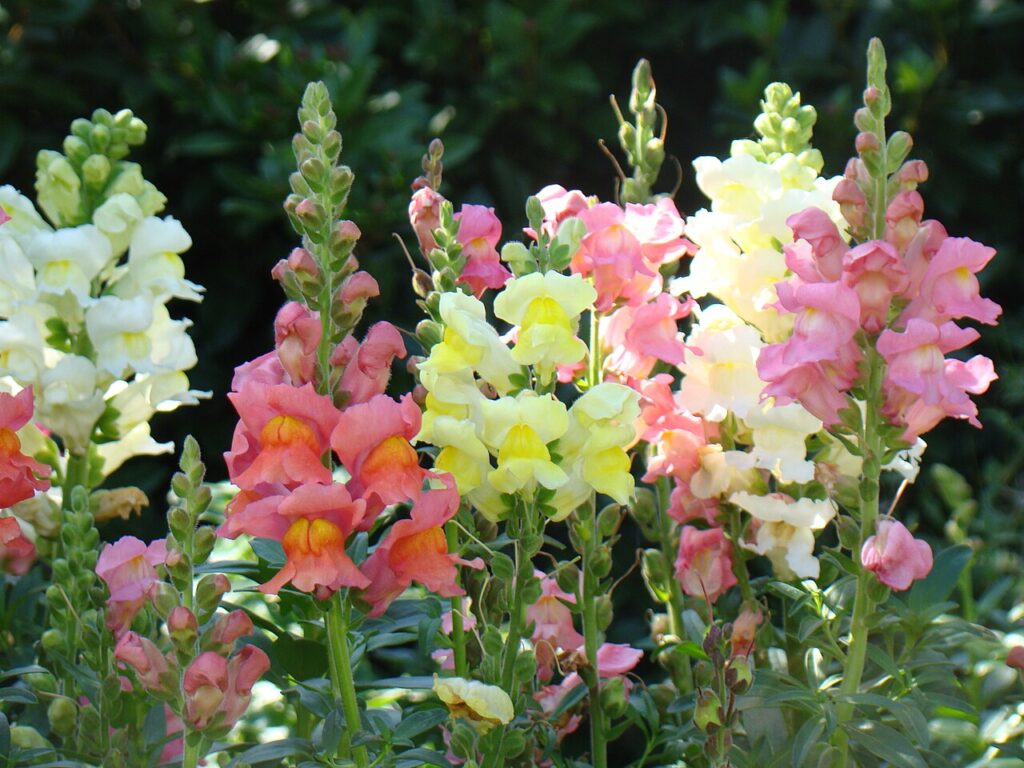
Snapdragons bring upright color fast, which is helpful when everything else is still low to the ground. In early March, small nursery plants can go right into the ground in many areas, especially if you can cover them on the coldest nights. The flower spikes come in soft pastels and bright shades, and they look nice in rows or clumps. Put them in full sun and plant them a little deeper than they were in the pot for steadier stems.
Once they settle in, snapdragons often start pushing new blooms from the bottom up. If the tops fade, cut the stalk back to a set of leaves and you may get another flush. Wind can be the biggest issue, so a sheltered spot by a fence helps. Kids also love the “snap” trick, since the flower can open like a tiny mouth.
Sweet Alyssum (Lobularia maritima)
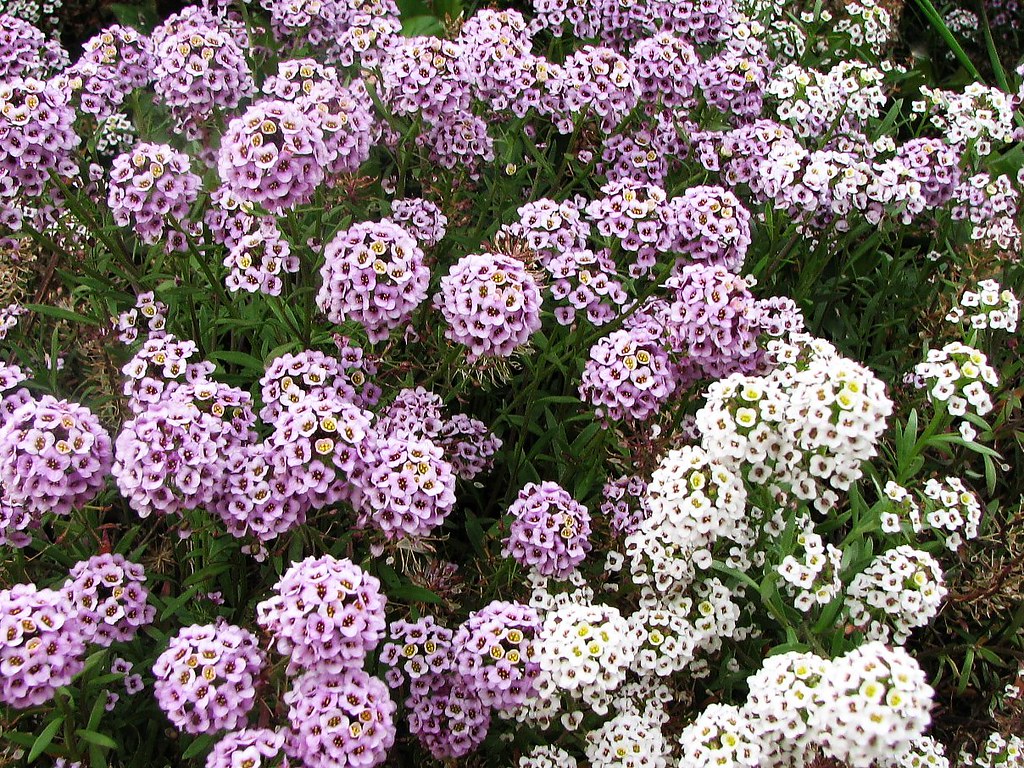
Sweet alyssum is a small plant that makes a surprisingly strong show, especially along borders and in pots. The clusters of tiny flowers read like a soft cloud of white, pink, or purple. Early March is a good time to plant starts, and in mild areas you can also sow seeds for quick results. Give it sun and well drained soil, and it will start filling gaps before most summer flowers wake up.
The scent is lightly honey like, so it is nice near a porch or path. If it gets stretched out later, shear it back by a third and it usually bounces back with fresh blooms. Alyssum also looks good tucked around taller plants, since it hides bare stems. Water at the base rather than overhead when you can, since the little flowers can look tired if they stay wet.
Calendula (Pot Marigold)
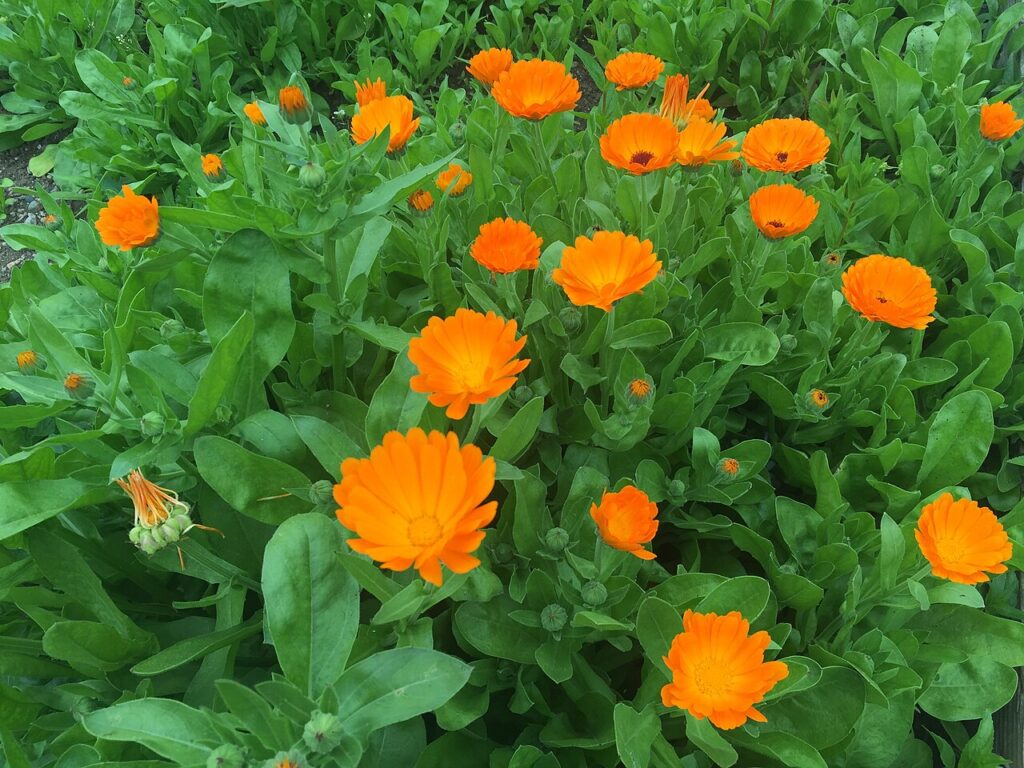
Calendula blooms are sunny and warm looking, which is exactly what you want in early March. The flowers are usually orange or yellow and they stand up well in cool weather. You can plant seedlings early, or sow seeds where they will grow since they sprout fairly fast. Choose a sunny spot and loosen the soil so roots can spread without a fight.
Calendula petals can handle spring rain better than many delicate blooms. Cut a few flowers for a small jar on the table, and the plant often keeps producing more. If the plants get crowded, thin them so air can move through. They also play nicely with other cool season flowers, so you can mix them into a small early bed without fuss.
California Poppies (Eschscholzia californica)
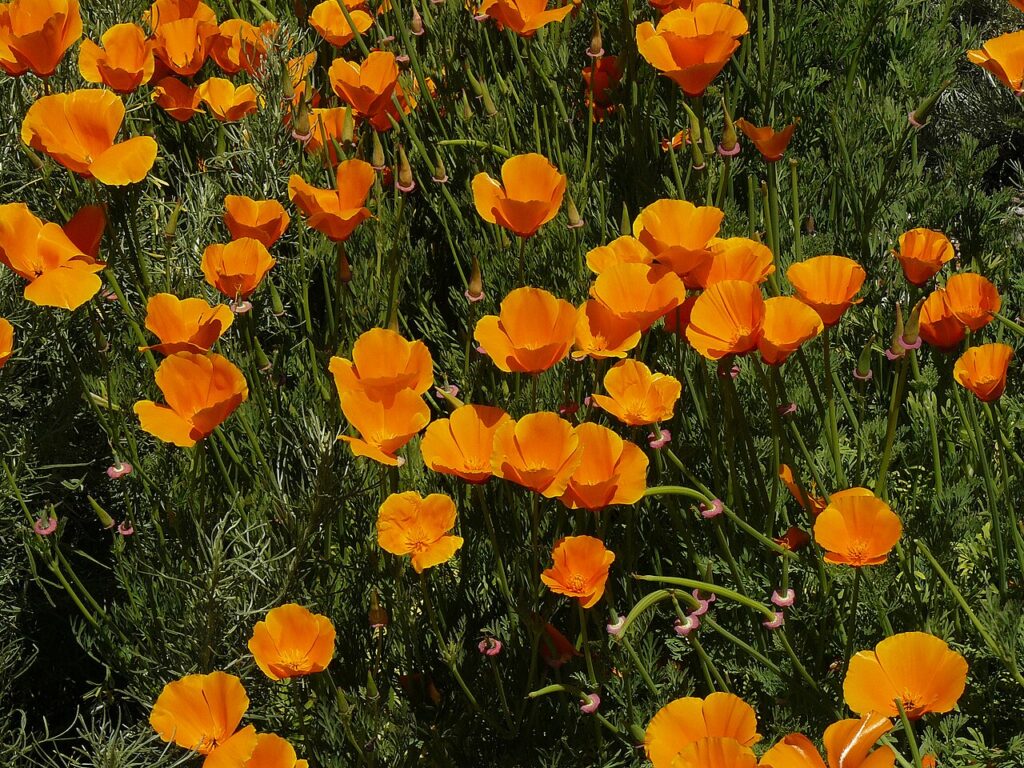
California poppies are a simple way to get bright color with very little work. The blooms look like small cups of orange, gold, or cream that open wide in sun and close in cloudy weather. In early March, sow seeds directly where you want them because they do not love being moved once roots start. Pick a sunny spot with soil that drains well, since wet soil can slow them down.
Once they take off, they can bloom for weeks with only light watering. The foliage is soft and ferny, so the plant looks pretty even between blooms. Do not overfeed them, because rich soil can lead to more leaves than flowers. Let a few blooms go to seed if you want more plants next season, since they often reseed on their own.
Cornflower (Bachelor’s Button)
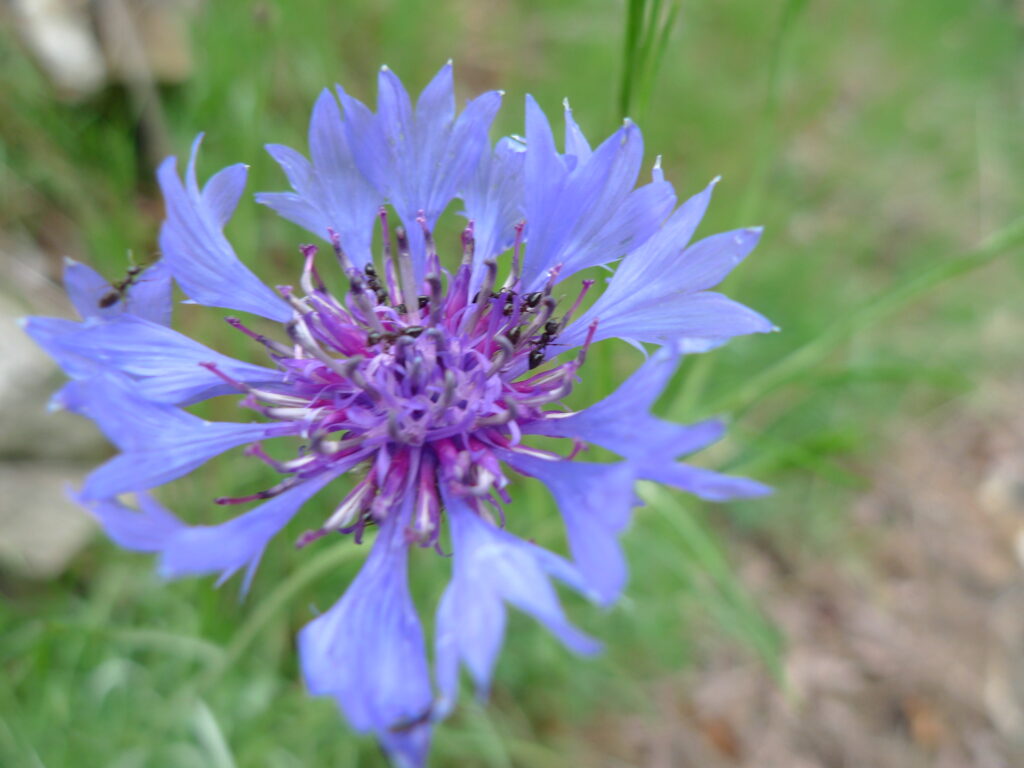
Cornflowers are a classic early season flower that looks like little blue fireworks. They come in other colors too, but the rich blue is the one people remember. Early March is a good time to sow seeds outside in many places, especially if your soil is workable and not soaked. Plant them in sun, and do a small patch rather than a single row so the color reads stronger.
They grow tall enough to cut for simple bouquets, which is fun if you like bringing flowers indoors. If stems flop in windy areas, plant them in a group so they support each other. Deadheading helps keep the blooms coming longer. Even when the flowers fade, the seed heads look interesting and add a bit of texture.
Larkspur (Annual Delphinium)
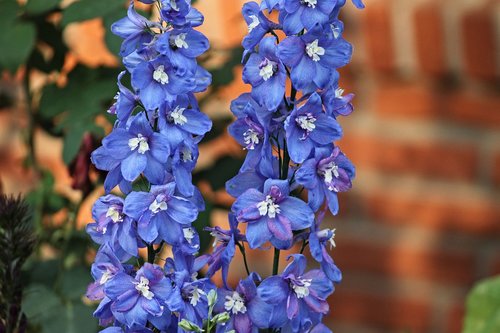
Larkspur gives you tall, airy spikes of color when spring still feels new. The flowers can be blue, purple, pink, or white, and they look pretty behind shorter plants. Early March sowing works well in many climates because larkspur likes cool weather while it gets started. Scatter seeds lightly, press them into the soil, and keep the area gently damp until sprouts show.
Once plants are a few inches tall, thin them so they have space to grow without crowding. Larkspur looks best in drifts, not single plants, because the spikes create a soft wall of color. If you cut some stems for a vase, cut low and early in the day for better hold. After blooming, you can let some seed drop for next year if you like the natural look.
Forget Me Nots (Myosotis)
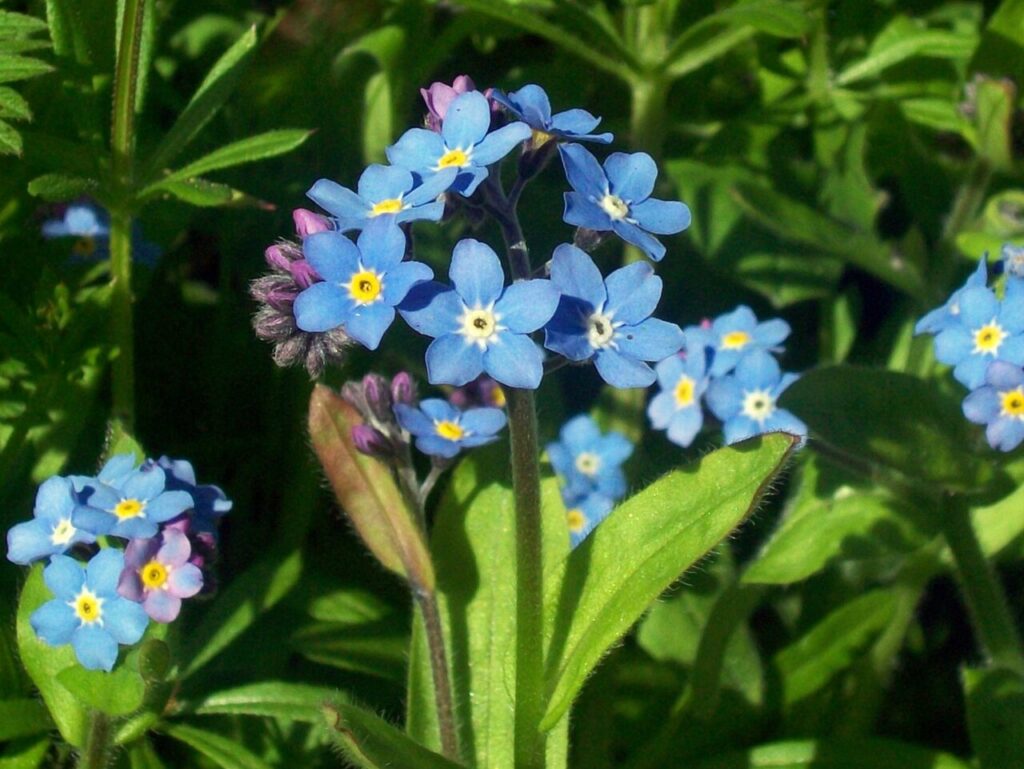
Forget me nots bring a sweet blue haze that feels like real spring. The tiny flowers are often sky blue with a yellow center, and they look especially nice along paths or under shrubs. In early March, you can plant nursery starts or set out small clumps you divided from another spot. Give them moist soil and part shade, and they will settle in quickly.
They are easy to live with because they fill in bare spaces without needing much attention. If they spread more than you want, pull a few plants after bloom and leave the rest. Forget me nots also look good mixed with daffodils, since the blue makes the yellow pop. Keep them watered during dry spells, because shallow roots dry out faster than you might expect.
Dianthus (Pinks)
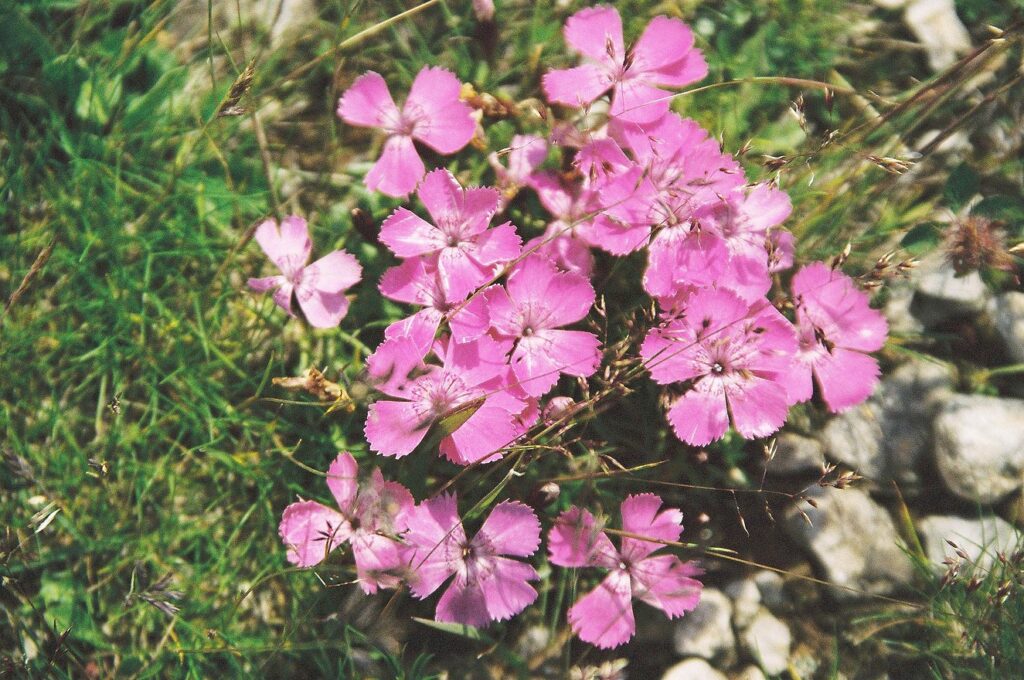
Dianthus is a tidy flower that brings early color and a light clove like scent. Many types stay low and make a neat edge along a bed, while others grow a bit taller for pots. Early March planting works well because they like cool days and can start blooming fast. Put them in sun and soil that drains well, since wet feet can cause problems.
The flowers often have frilly edges and bright centers that look crisp in spring light. Trim off faded blooms and you will often get more buds, especially on mild weeks. Dianthus also keeps a nice mound of blue green leaves, so the plant looks good even when it is not in full bloom. If you want a fuller look, plant three together and treat them as one clump.
Primroses (Primula)
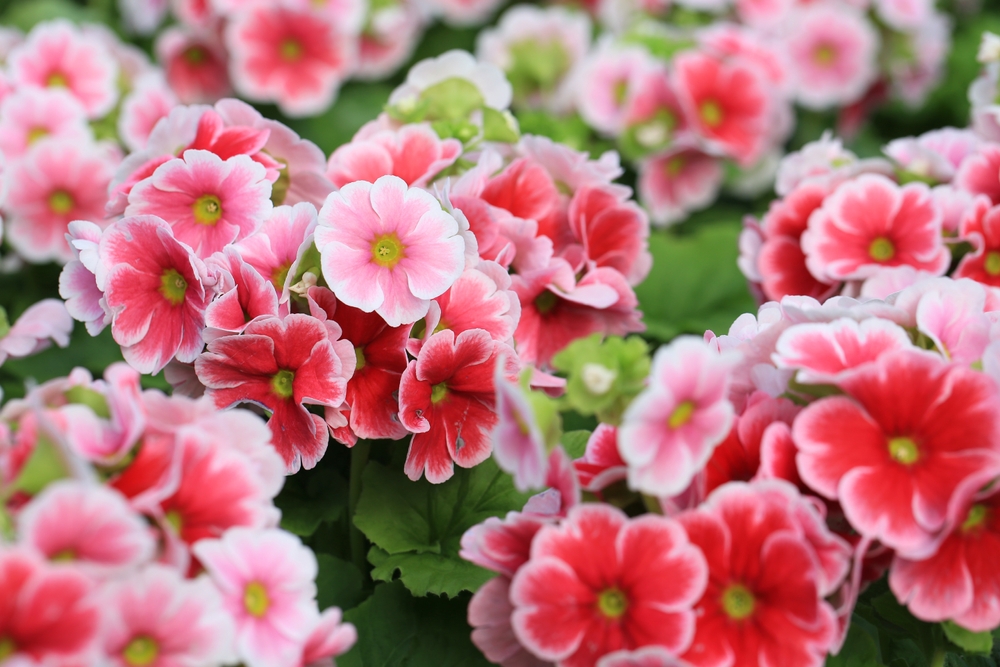
Primroses are one of the quickest ways to make a garden look awake in early March. The flowers come in cheerful colors like yellow, red, pink, and purple, and the blooms sit right above a rosette of leaves. They like cool weather, so they often look best before heat arrives. Plant them in part shade with soil that stays lightly moist.
Primroses are perfect for a front step pot, since you can enjoy the color up close. If the sun is strong, morning sun with afternoon shade helps the flowers last longer. Water gently at the base, because the leaves can get spotty if they stay wet. When the bloom show slows, you can move them into a shadier bed where they can rest and keep their leaves tidy.
Daffodils (Narcissus)
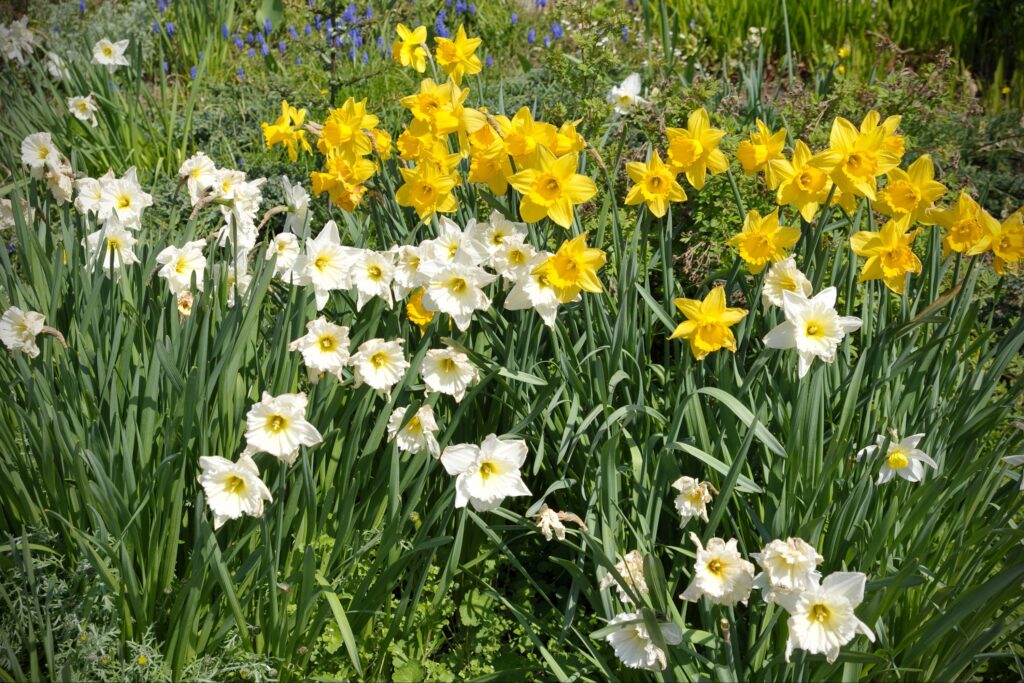
Daffodils are a sure sign spring is on the way, and they bring strong color without much work. If you already planted bulbs in fall, early March is when many areas start seeing buds and blooms. The flowers are bright yellow, soft cream, or even orange centered, and they hold up well in cool rain. Planting bulbs in early March is not ideal in many climates, but potted daffodils from a nursery can still give fast color.
Set nursery pots of blooming daffodils into beds or planters for an instant lift. After the flowers fade, leave the leaves alone until they yellow, since the plant needs that time to store energy. If you cut flowers for indoors, do not mix them with other flowers in the same vase water right away, because the sap can bother other stems. A simple trick is to keep them alone in a jar or change the water before mixing.
Tulips (Tulipa)
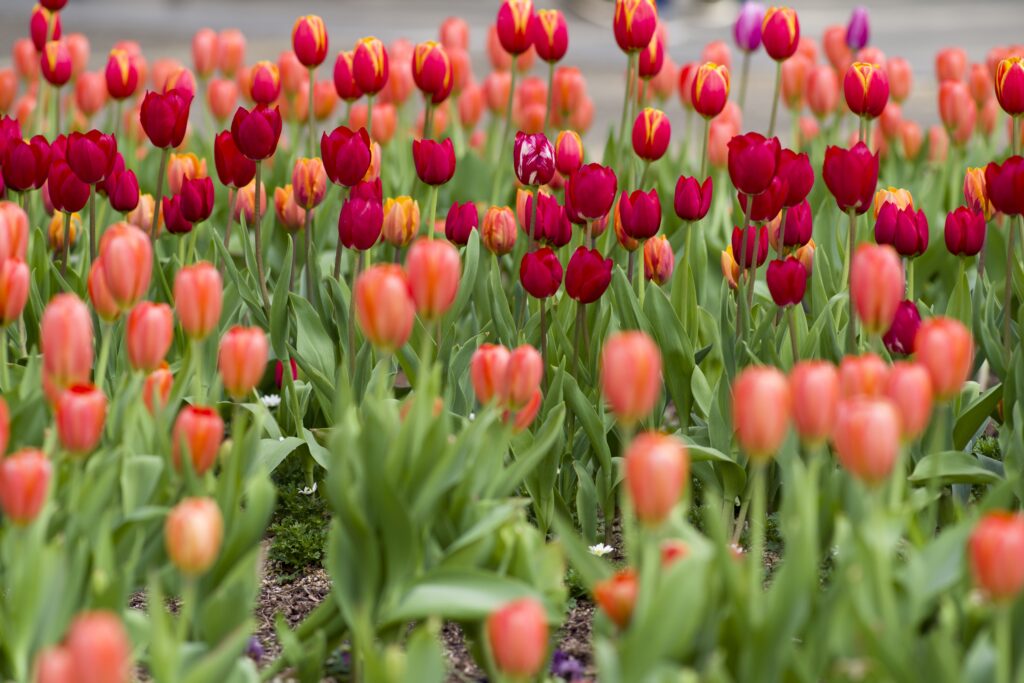
Tulips give clean, bright color that looks fresh and simple in early March when they start to open. In many places, these are also fall planted bulbs that rise as soon as the soil warms a bit. The shapes are crisp and the colors are strong, which makes them stand out even on cloudy days. If you did not plant bulbs earlier, nursery pots of tulips can still bring quick color in containers or tucked into beds.
Tulips look best in groups, so cluster several pots together if you are using pre grown plants. Keep containers watered, since pots dry out fast in spring wind. If a cold snap is coming, move pots closer to the house or cover them overnight. After bloom, treat them like daffodils and let the leaves stay until they fade.
Hyacinths (Hyacinthus)
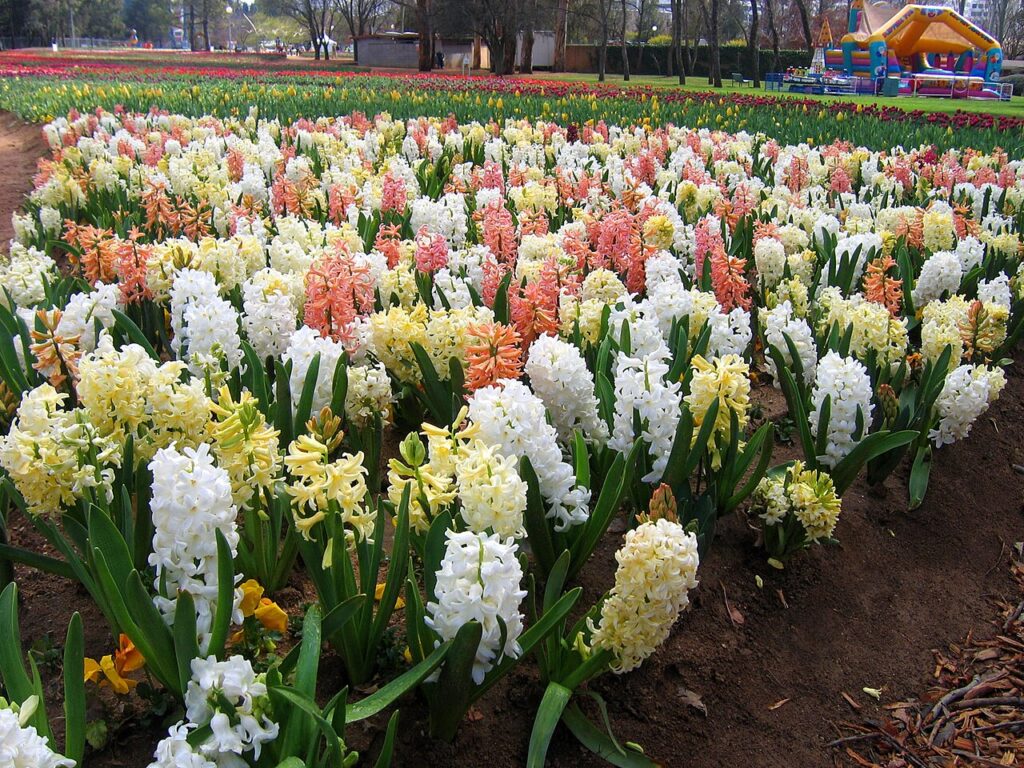
Hyacinths are small but they make a big impact because the flower spikes are packed and the scent is strong. Early March is when many hyacinths start blooming if bulbs were planted in fall. Colors range from deep purple to pink, blue, and white, and they look especially nice near a door where you notice the fragrance. If you missed bulb planting season, buy blooming pots and use them as instant spring color.
Hyacinths can be top heavy, so tuck pots into a larger planter for stability. After flowering, keep the leaves growing for a while so the bulb can recharge. The scent can be intense indoors, so a small bunch is often enough on a table. Outside, pair them with pansies or violas for a layered look that feels full right away.
Grape Hyacinths (Muscari)
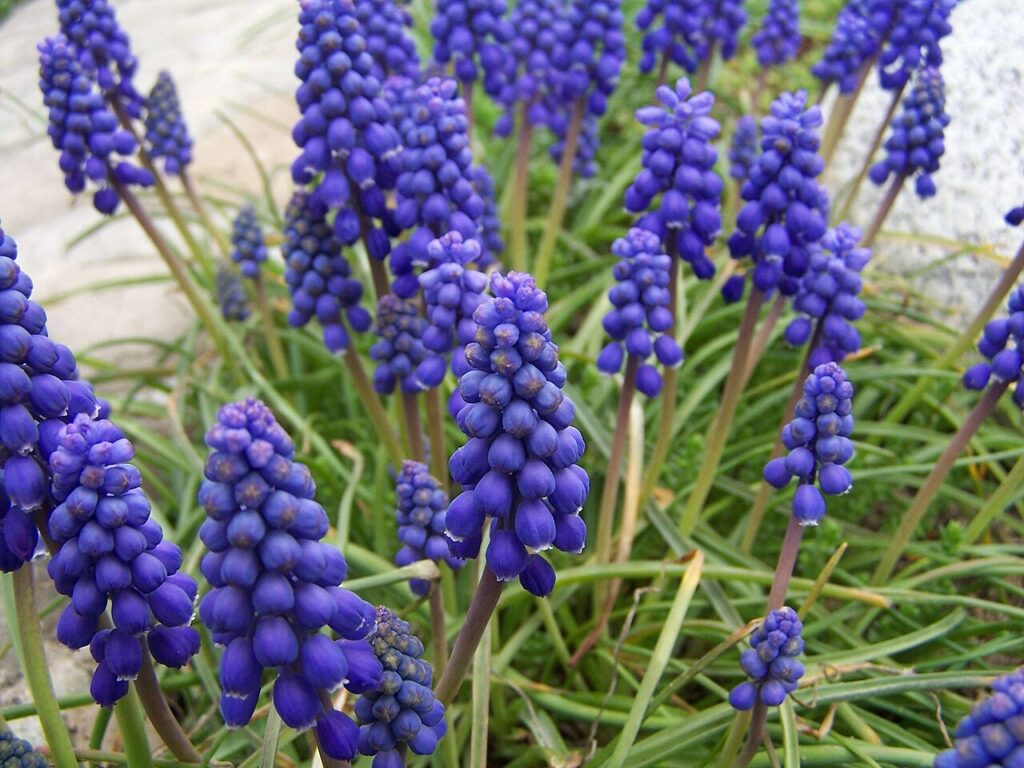
Grape hyacinths bring tiny spikes of blue that look like clusters of little beads. They are often among the first bulbs to bloom, and they look charming along edges, under trees, or sprinkled through grass. Early March is prime time for their show in many regions if they were planted in fall. If you did not plant them, look for small pots at garden centers and tuck them into planters for quick color.
They spread slowly over time, so a small patch can turn into a bigger ribbon of blue in a few years. Grape hyacinths also pair well with tulips, since the blue sits low while the tulips rise above. Let the leaves die back on their own after bloom, even if they look messy for a bit. If you want a neat look, hide fading leaves behind later spring plants that will fill in.
This article originally appeared on Avocadu.