
16 Plants That Bloom Before Your Yard Looks Awake
Spring is just around the corner, but your garden can bloom long before the trees start showing their leaves. Certain plants are eager to greet the warmer days with vibrant flowers. These early bloomers add a burst of color when most of your yard is still waking up. They offer a preview of the beauty your garden will soon display. If you’re looking to bring life to your landscape early, these plants are perfect for the job.
This post may contain affiliate links, which helps keep this content free. Please read our disclosure for more info.
Crocus
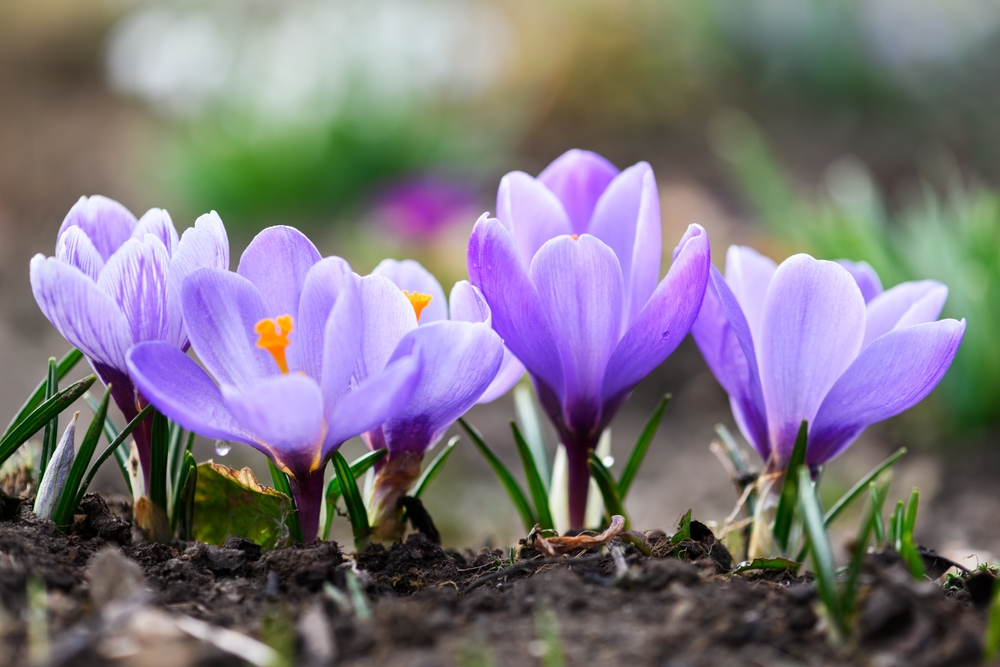
Crocuses are among the first flowers to emerge as spring begins to show itself. These small, hardy bulbs can bloom even when there is still snow on the ground. Crocus flowers come in a variety of colors, including purple, yellow, and white, and they add a welcome splash of brightness to any garden. Their delicate blooms are often a sign that warmer days are ahead.
Planting crocus bulbs in the fall ensures that these cheerful flowers will be among the first to bloom in early spring. They are easy to grow and thrive in well-drained soil and full sun. Crocuses are also perfect for planting in groups, as they create a natural carpet of color. Their short stature makes them ideal for planting along pathways or in front of flower beds.
Snowdrops
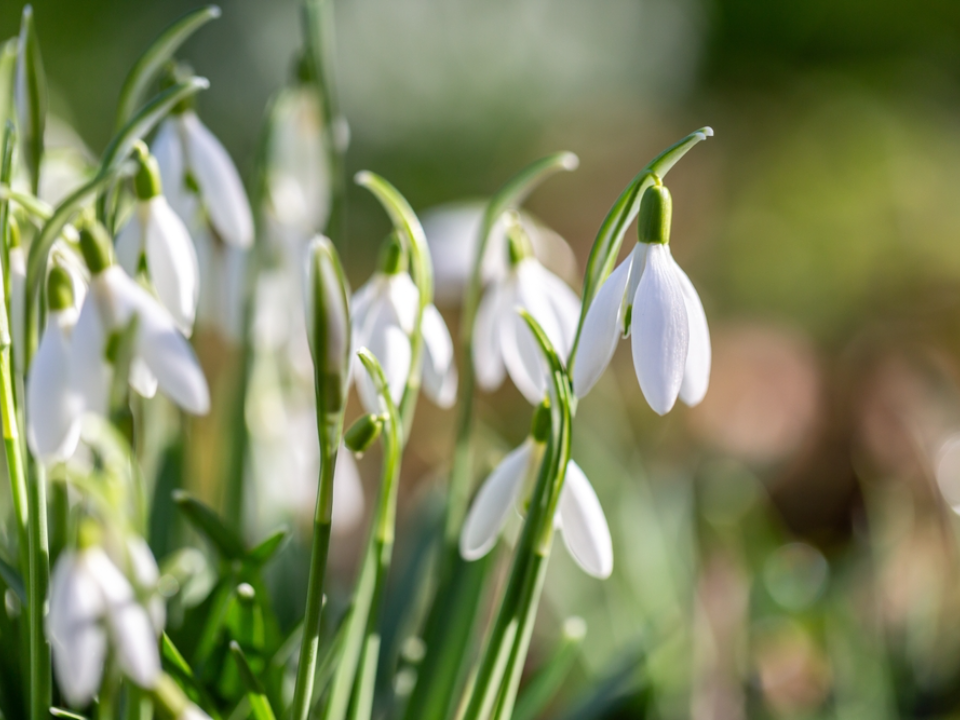
Snowdrops are iconic for their ability to bloom while the ground is still cold and frosty. These early bloomers can often be seen poking through the last traces of snow in late winter or early spring. Their pure white flowers resemble teardrops, making them one of the most charming sights to see after a long winter. Snowdrops are a great way to add early interest to your garden.
Plant them in shady spots where they can naturalize and spread over time. Snowdrops grow best in well-drained, moist soil, and they thrive in woodland settings. Their understated beauty makes them perfect companions for other early bloomers like crocus or hellebores. Once they bloom, they signal that the garden season is ready to begin.
Hellebores
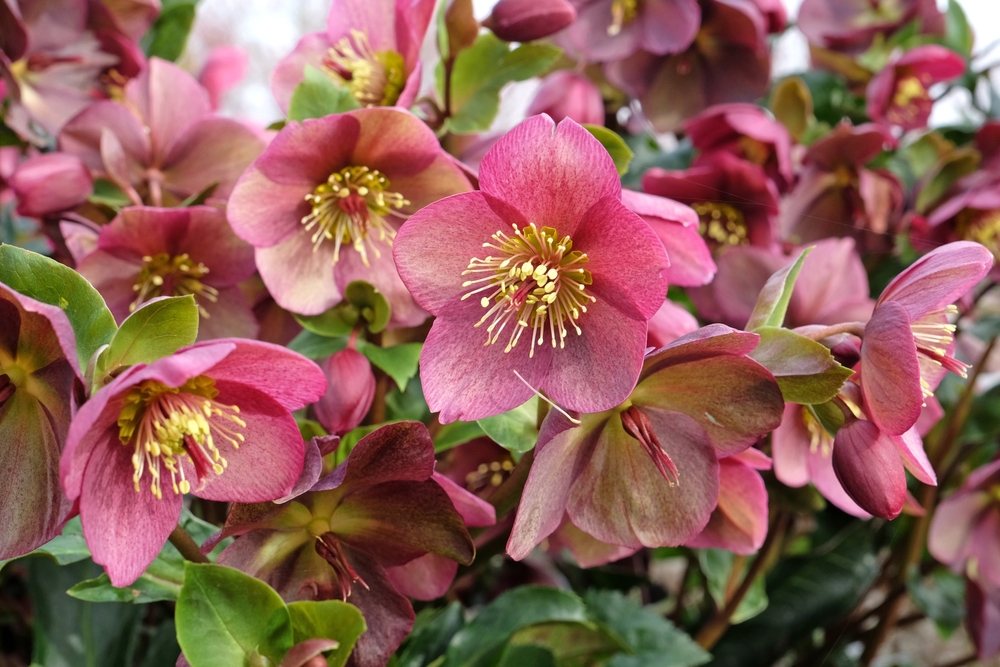
Hellebores, also known as Lenten roses, are perfect for adding color to your garden when few other plants are in bloom. These perennial flowers bloom in shades of pink, purple, and white, often in the midst of winter. They thrive in shady or partially shaded areas and can even tolerate cold weather. Hellebores are particularly valued for their long-lasting flowers that can bloom for several months.
These plants grow well in well-drained, moist soil and can live for many years with minimal care. Hellebores also have leathery, evergreen foliage, which adds interest to your garden even after the blooms fade. Once established, they require very little maintenance, making them ideal for low-effort gardeners. Their early blooms are a welcome sight in late winter or early spring.
Winter Aconite
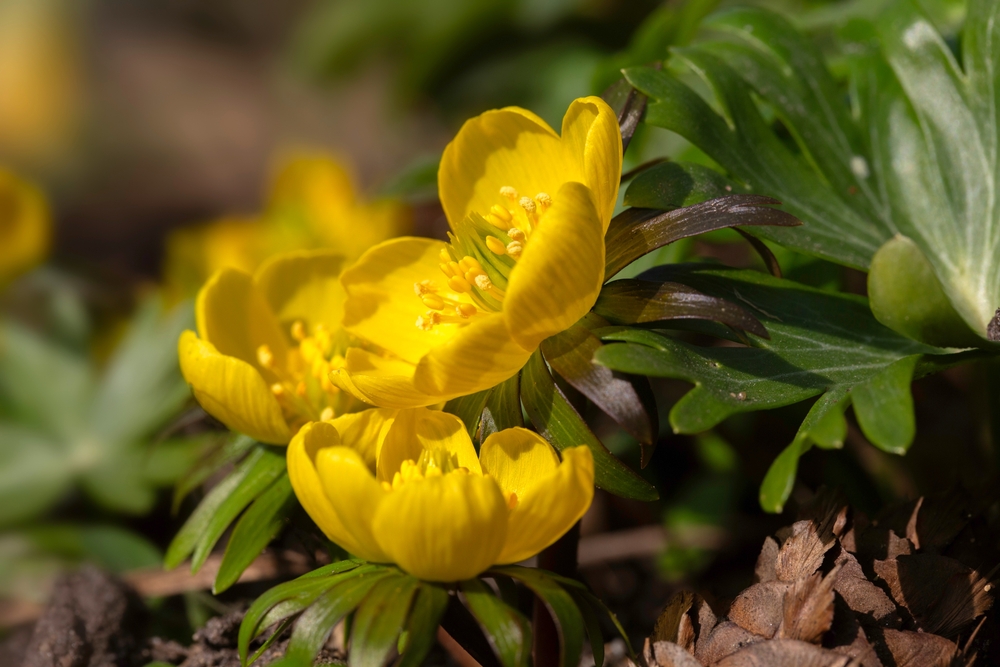
Winter aconites are a hardy perennial that produces bright yellow, buttercup-like flowers in late winter to early spring. These flowers are typically one of the first signs of spring, often blooming when the ground is still cool. Winter aconites grow in small clumps and are perfect for planting in areas where you want a splash of color early in the season. Their bold yellow flowers stand out against the still-barren landscape.
Plant them in well-drained, moist soil in a spot that receives partial shade to full sun. Winter aconites spread quickly, making them ideal for naturalizing in woodland gardens. They are often used to create a cheerful ground cover under trees or shrubs. Their bright color is a welcome contrast to the remaining winter gloom.
Primrose
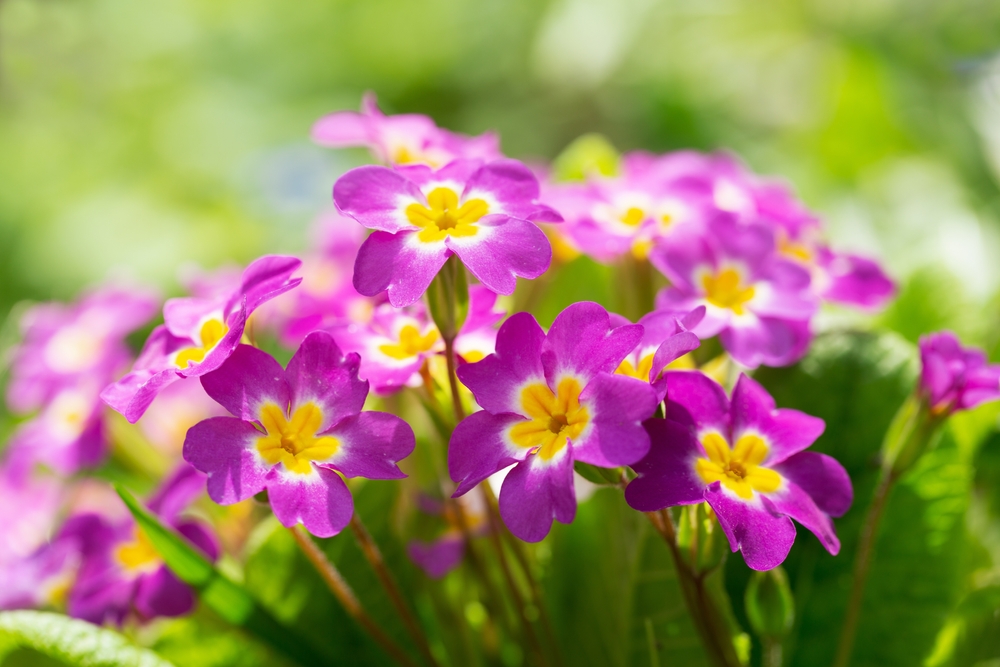
Primroses are a beloved perennial that bloom in early spring, often appearing before most other garden plants wake up. Available in a range of colors, including yellow, pink, purple, and red, they add a cheerful touch to any garden. Primroses thrive in cool weather and can tolerate light frosts, making them ideal for early-season blooms. They perform best in well-drained, fertile soil and prefer partial shade.
These plants are also perfect for planting along the edges of flower beds or in containers. They benefit from regular watering, especially when planted in sunny areas. Primroses are great companions for other early bloomers like crocus or snowdrops, as they all share similar growing conditions. Their reliable early blooms are a favorite among gardeners who want to add color as soon as possible.
Pussy Willows
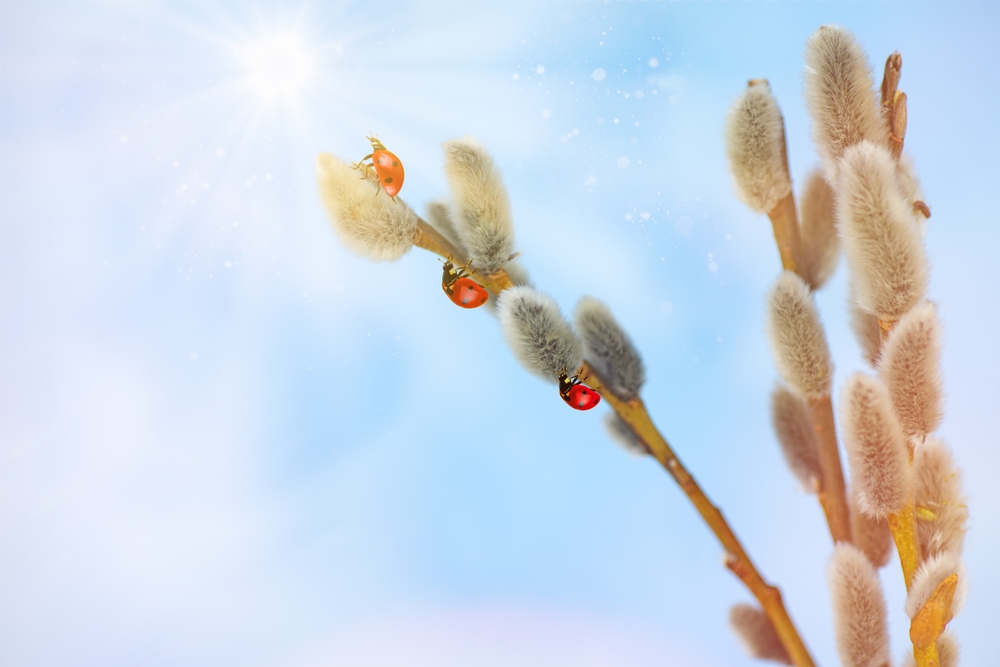
Pussy willows are some of the first plants to show their soft, silvery catkins in early spring. These iconic flowers bloom on bare branches before the leaves appear, making them a distinctive sight. Pussy willows thrive in moist, well-drained soil and can be grown as shrubs or small trees. Their fuzzy, grayish-white blooms are often associated with the arrival of spring.
Plant pussy willows in areas that receive full sun or partial shade for the best growth. They thrive in damp conditions and can even be planted near ponds or streams. These hardy plants also make excellent cut flowers for early-season arrangements. Their striking blooms are a joyful reminder that warmer days are just around the corner.
Forsythia
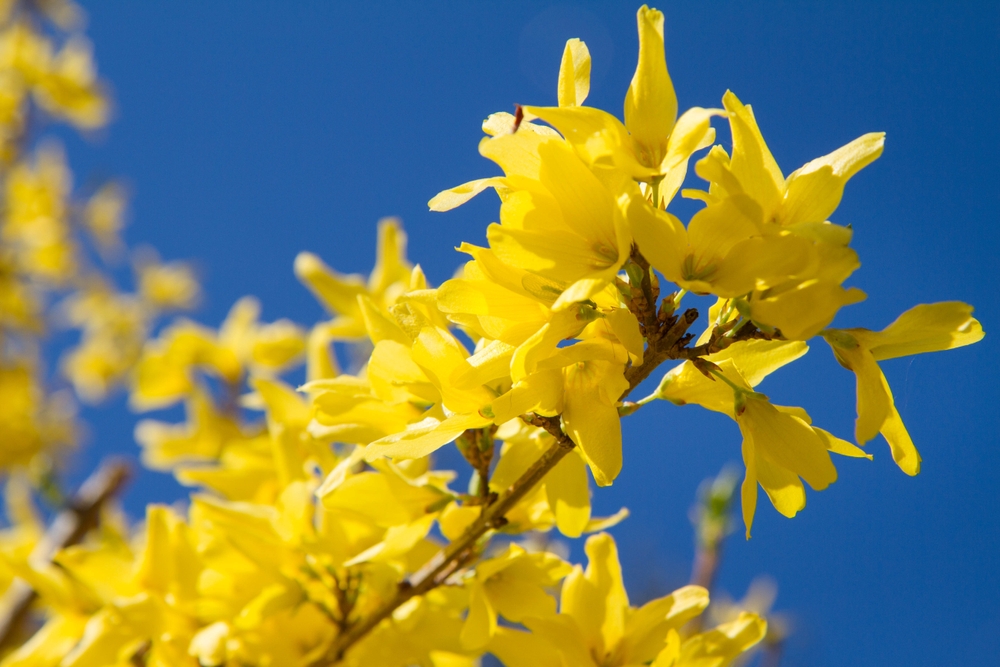
Forsythia is a popular shrub that bursts into brilliant yellow flowers early in the spring. This deciduous shrub is one of the first to bloom in the season, often covering itself in vibrant flowers even before the leaves appear. Forsythia is an excellent choice for adding bold color to your garden while waiting for the rest of the plants to catch up. It grows quickly and can even be used to create hedges or natural screens.
Plant forsythia in a spot that receives full sun to promote strong blooms. This plant is relatively easy to grow and can thrive in a variety of soil types, as long as the soil is well-drained. Forsythia’s bright yellow flowers signal the end of winter and are often a staple of early spring landscaping. This plant requires very little care, making it a great choice for gardeners of all levels.
Early Tulips
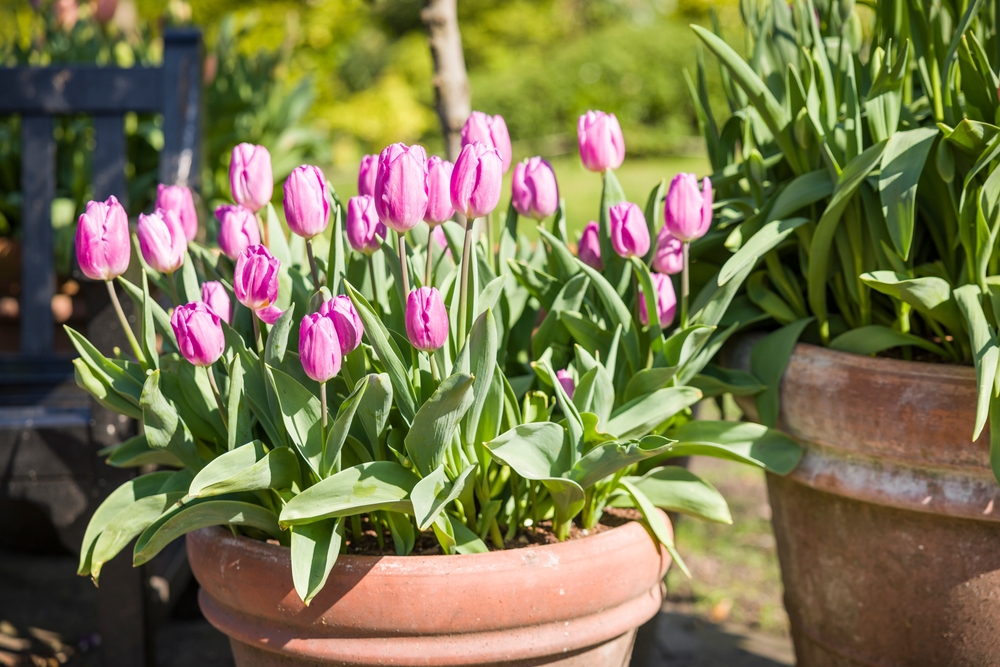
Tulips are a classic spring flower, and early varieties bloom long before the weather warms up. These hardy bulbs are perfect for adding a burst of color to your garden in early spring. Early tulips come in a wide range of colors, from bright reds to pastel pinks and purples. They are often among the first flowers to bloom, making them an essential part of any early-season garden.
Tulips thrive in well-drained soil and full sun, making them perfect for planting in flower beds or containers. Planting them in the fall ensures that they will be ready to bloom as soon as the weather warms. Early tulips can last for weeks, creating a prolonged display of color. Their classic beauty makes them a favorite of gardeners who want to get a head start on the season.
Daphne
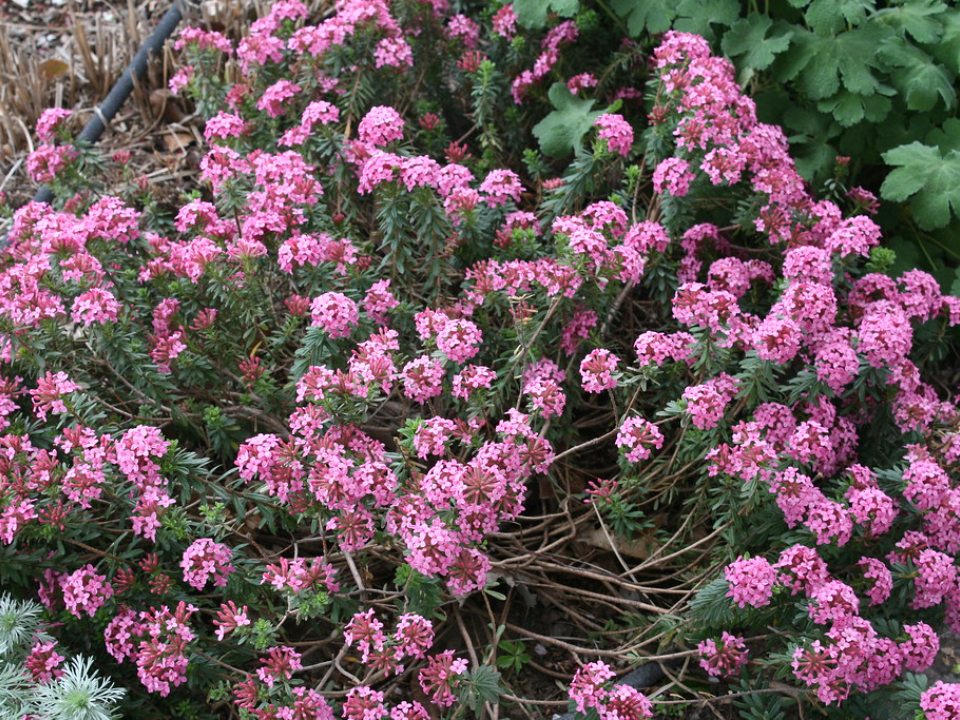
Daphne is an evergreen shrub that blooms in late winter to early spring, filling the garden with fragrant, pink or white flowers. Known for its lovely scent, daphne is a perfect plant for those who want both beauty and fragrance in their garden. These plants prefer well-drained, slightly acidic soil and thrive in partial shade. They make excellent companions for other early bloomers like snowdrops or crocus.
Daphne is a slow-growing shrub that can live for many years, providing beauty season after season. Once established, it requires minimal maintenance and can withstand a variety of growing conditions. It’s especially valued for its early blooms and fragrant flowers that brighten up the garden. Daphnes can be planted as foundation plants or as part of a mixed shrub border.
Violas
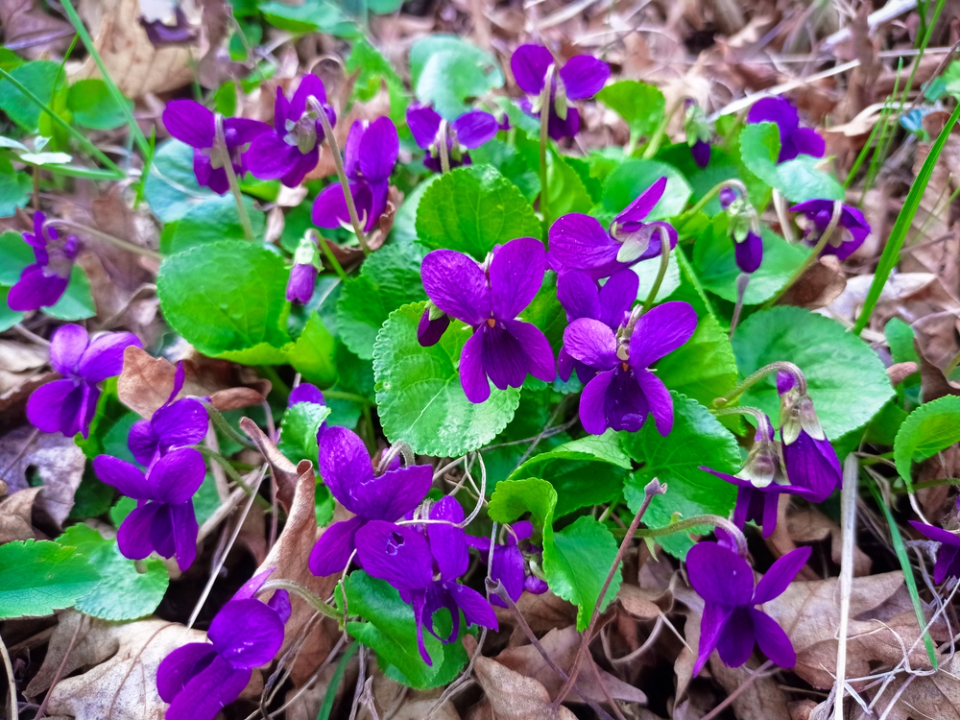
Violas are hardy, cheerful flowers that bloom early in the season, even before other garden plants have woken up. These flowers come in many colors, from purple and blue to yellow and white, and they are excellent for brightening up any garden space. Violas thrive in cool weather and can handle light frosts, making them perfect for early spring gardening. They are small, but they pack a punch in terms of color.
Plant violas in well-drained, fertile soil where they can receive full to partial sun. These plants do well in flower beds, containers, or hanging baskets, and they often spread quickly. Violas are low-maintenance, requiring only regular watering and occasional deadheading to keep them blooming. Their early blooms are a beautiful addition to any early spring garden.
Camellia
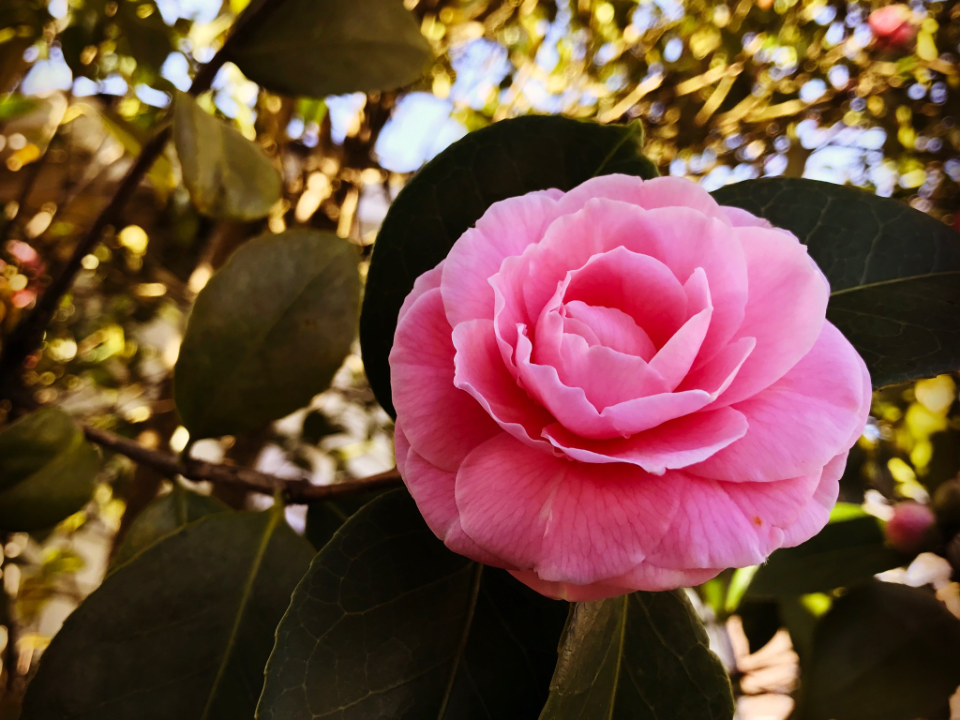
Camellias are evergreen shrubs that bloom in the late winter to early spring, providing vibrant flowers when most other plants are still dormant. These shrubs offer a wide range of colors, from rich reds to soft pinks and whites. Their glossy leaves remain attractive year-round, making them a great addition to any garden. Camellias thrive in well-drained, slightly acidic soil and prefer partially shaded locations.
While camellias do best in moderate climates, they can thrive in a variety of growing conditions once established. They require minimal care, making them perfect for low-maintenance gardens. The early blooms of camellias are often one of the first signs that spring is on its way. These plants add both color and texture to your landscape while filling the air with light fragrance.
Iris
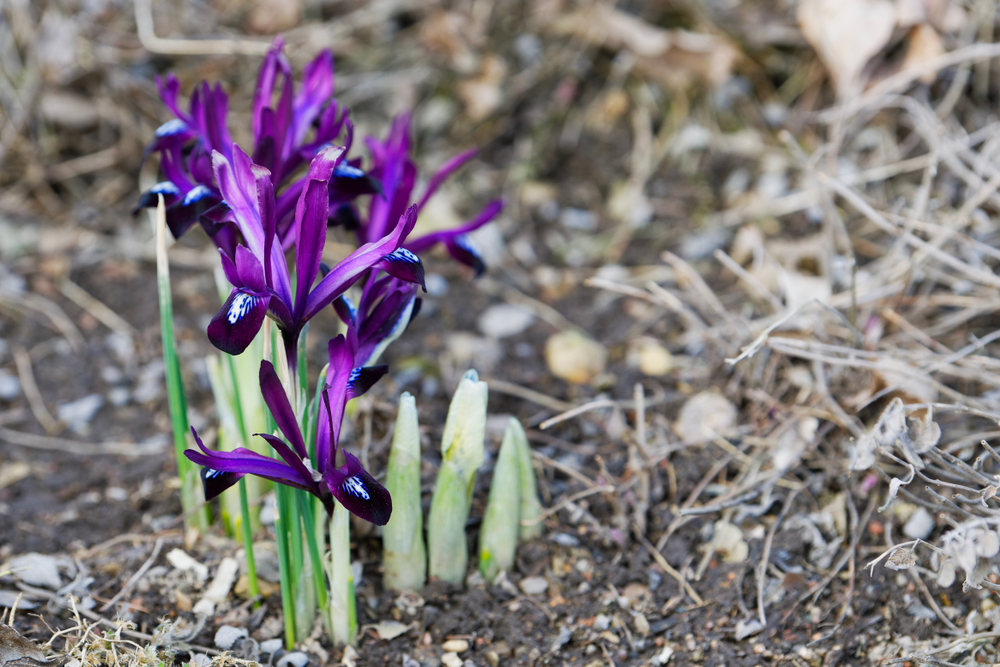
Iris are early bloomers that come in a variety of colors and patterns, making them a favorite of many gardeners. They are hardy plants that bloom in early spring, often pushing through the soil before many other flowers have a chance to open. Irises grow best in well-drained soil and can tolerate a range of temperatures. Their distinct, sword-like leaves and beautiful blooms make them a standout in any garden.
Plant irises in sunny spots for the best bloom production. They prefer dry to moderate soil but are adaptable to different conditions. Once established, irises require very little maintenance and will return year after year. Their bold, colorful flowers make them a classic addition to spring gardens.
Anemone
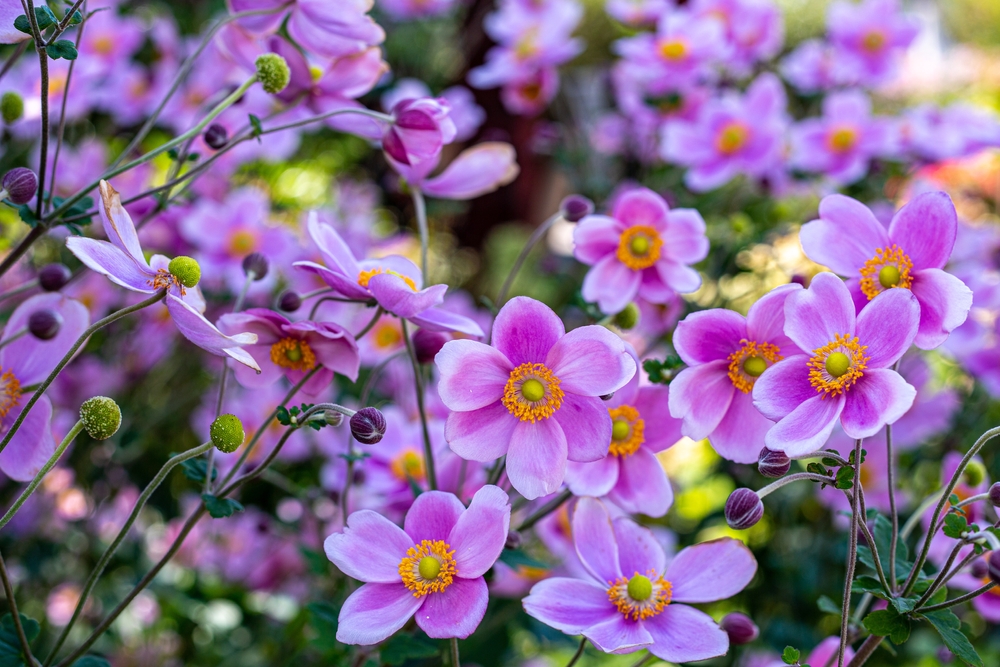
Anemones are a type of flowering plant that blooms early in the spring, often before other flowers have had a chance to open. These hardy flowers grow in a wide variety of colors, from white and purple to pink and red. They grow best in well-drained, fertile soil and prefer partial shade to full sun. Anemones are often used in woodland gardens or mixed flower beds.
These plants are known for their delicate, petal-like flowers and their ability to add a burst of color to the early spring landscape. Anemones can spread over time, making them a great choice for ground cover or filling in garden gaps. Their vibrant blooms will last for several weeks, adding to the beauty of your garden as the season progresses. They are perfect for gardeners looking for plants that bloom early and require little maintenance.
Bleeding Heart

Bleeding hearts are early-blooming perennials that thrive in shaded areas and provide a unique display of flowers. Their heart-shaped blooms, which dangle gracefully from arching stems, add a touch of whimsy to any garden. These plants bloom in late spring but are often among the first to appear in a shaded yard. They are ideal for planting under trees or in woodland gardens.
Bleeding hearts thrive in moist, well-drained soil and can tolerate a variety of growing conditions. These plants are easy to care for once established, requiring only regular watering and occasional pruning. Their distinctive blooms make them a favorite of both gardeners and floral enthusiasts. Bleeding hearts provide early interest in shaded areas, brightening up the garden with their romantic appearance.
Lungwort
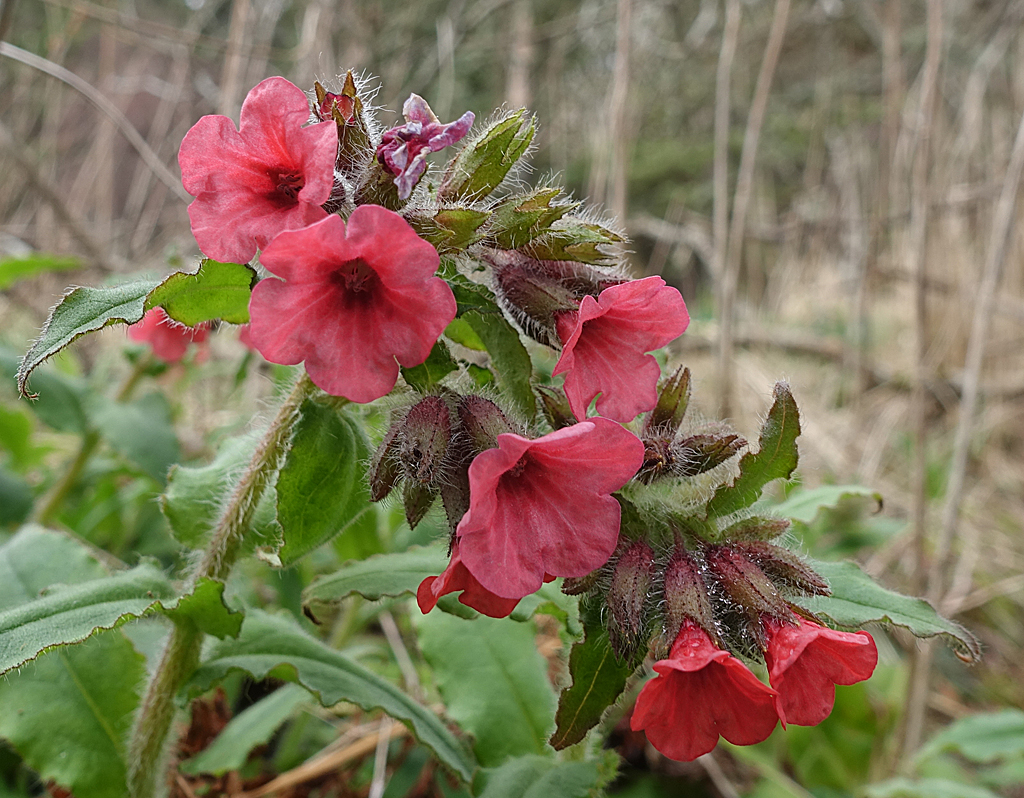
Lungwort is a perennial plant that blooms early in the spring, adding color to shady areas of the garden. Known for its speckled, silver leaves, lungwort also produces small, bell-shaped flowers in shades of blue, pink, or white. These flowers are typically some of the first to bloom, making lungwort a great choice for gardeners who want early-season color. Lungwort thrives in moist, well-drained soil and prefers partial to full shade.
This low-maintenance plant is often used as a ground cover in shady gardens, especially beneath trees or along shaded paths. Its striking foliage and early blooms make it a popular choice for gardeners looking to add texture and color to shaded spaces. Lungwort spreads over time, making it an excellent plant for naturalizing in woodlands or shaded flower beds. It also attracts pollinators like bees and butterflies, adding further value to your garden.
Fritillaria
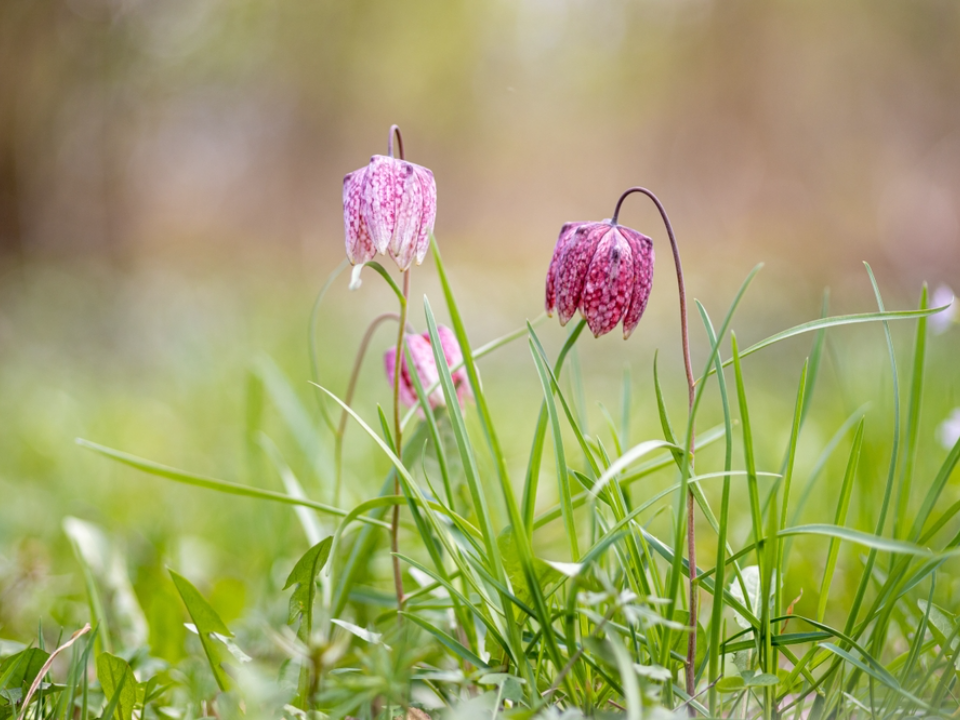
Fritillaria, also known as snake’s head fritillary, is a charming flower that blooms early in the spring. Its unique, nodding flowers come in shades of purple, white, and yellow, often resembling checkered patterns. These flowers are a perfect choice for adding something different to your garden. Fritillaria grows best in well-drained soil and prefers full to partial sun.
Planting fritillaria bulbs in the fall ensures a vibrant display of flowers in the early spring. These flowers tend to grow in clusters, creating a striking visual effect when planted in groups. Fritillaria is low-maintenance once established, making it perfect for gardeners who want a unique and early bloom without too much effort. These plants are a favorite of gardeners looking to add variety and color to their spring garden.
This article originally appeared on Avocadu.