
13 Vintage Christmas Ornaments That Can Be Surprisingly Valuable
What may seem like simple holiday decorations could be worth a lot more than expected. Many vintage Christmas ornaments are now highly prized by collectors. These ornaments often tell a story of holiday traditions, while also holding potential for a great return.
This post may contain affiliate links, which helps keep this content free. Please read our disclosure for more info.
Christopher Radko Hand-Blown Ornaments
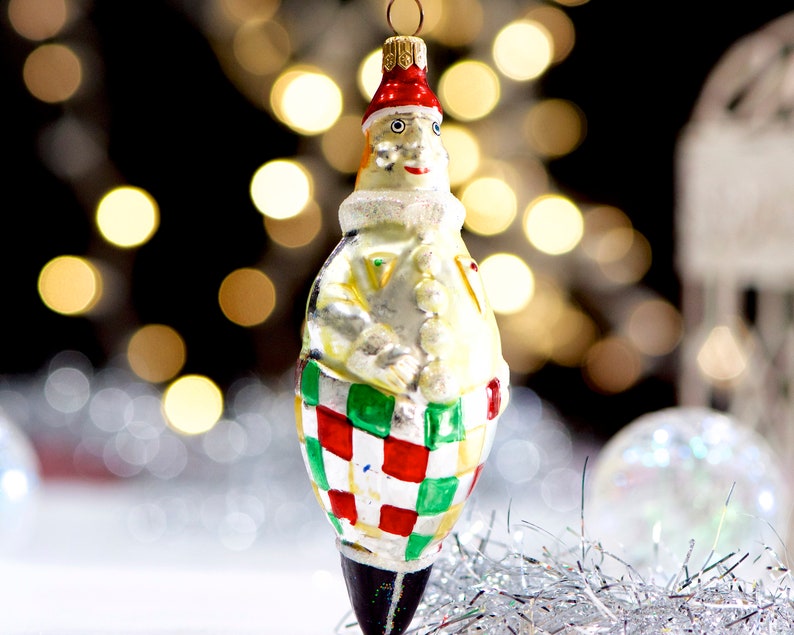
Christopher Radko hand-blown ornaments became a popular collectible in the 1990s for their detailed character designs. These ornaments are made of hand-blown glass and often feature whimsical figures or festive scenes. Vintage Radko pieces in pristine boxes can sell for $100 to $500, depending on condition and theme. Limited edition releases, especially holiday characters, are sought after by collectors.
Because each piece was hand finished, no two are exactly alike, which adds to their charm. The Radko brand set a trend for designer ornaments that people began to collect by series. Many sellers note that keeping the original label boosts the value. Christmas tree displays that include complete sets from a series tend to attract more interest.
Czechoslovakian Ribbed Glass Balls
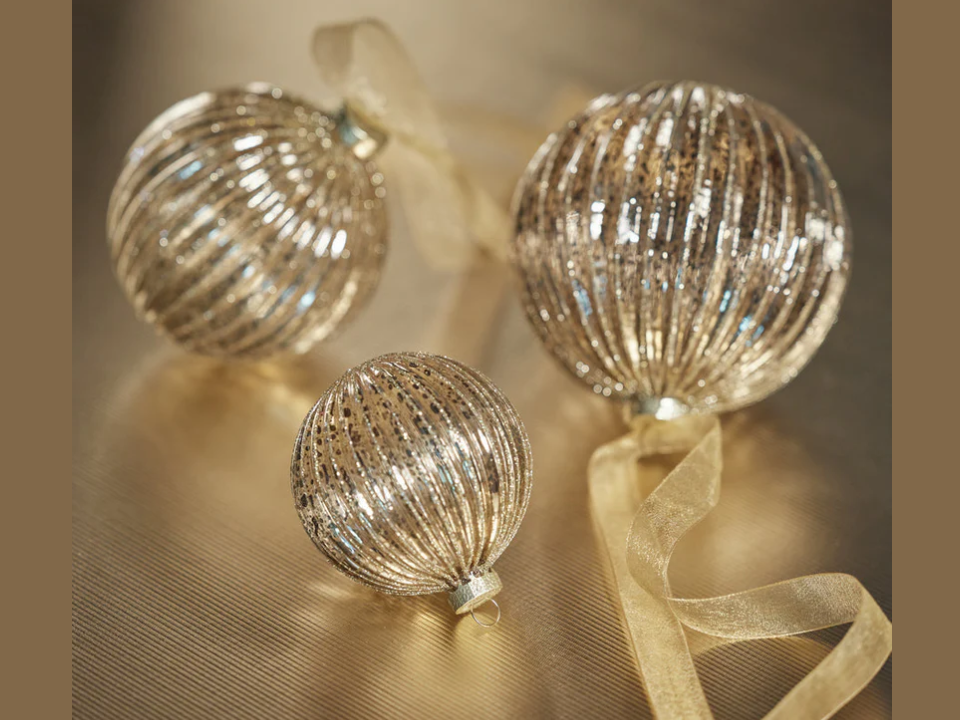
Ornaments from Czechoslovakia, especially ribbed glass balls, are known for their fine glasswork and vibrant paints. These are typically made from thin blown glass with grooves that catch the light beautifully. Individual ribbed balls in very good shape commonly trade for $80 to $250. Sets with matching colors can command higher prices at show tables.
Collectors appreciate the vintage European look and hand-applied color. The thin glass means they are often delicate, so unbroken ones are valued more. You might find them in antique stores or old family collections. Some rarer colors like aqua or cranberry are especially sought after.
Poland Hand-Painted Santa Ornaments
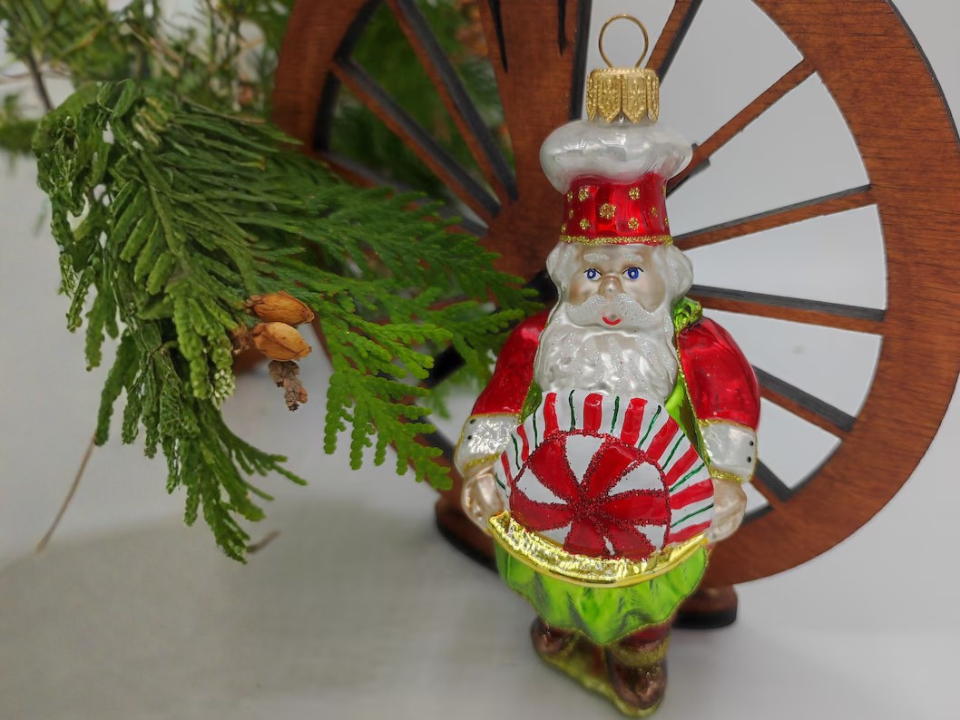
Hand-painted Santa ornaments from Poland hail from the mid 20th century and are known for fine artistry. They are usually made from molded glass with hand-applied paint in bright holiday colors. These Santas in excellent condition often range from $70 to $250. Rare or older designs can bring more at specialty auctions.
Because each one was painted by hand, small variations make some examples more attractive to collectors. Poland produced many holiday glass decorations during the post war era. Ornament shapes like Santas, angels, and animals are common. If the paint remains vibrant with little wear, interest in the piece grows.
Radko Old World Ornaments
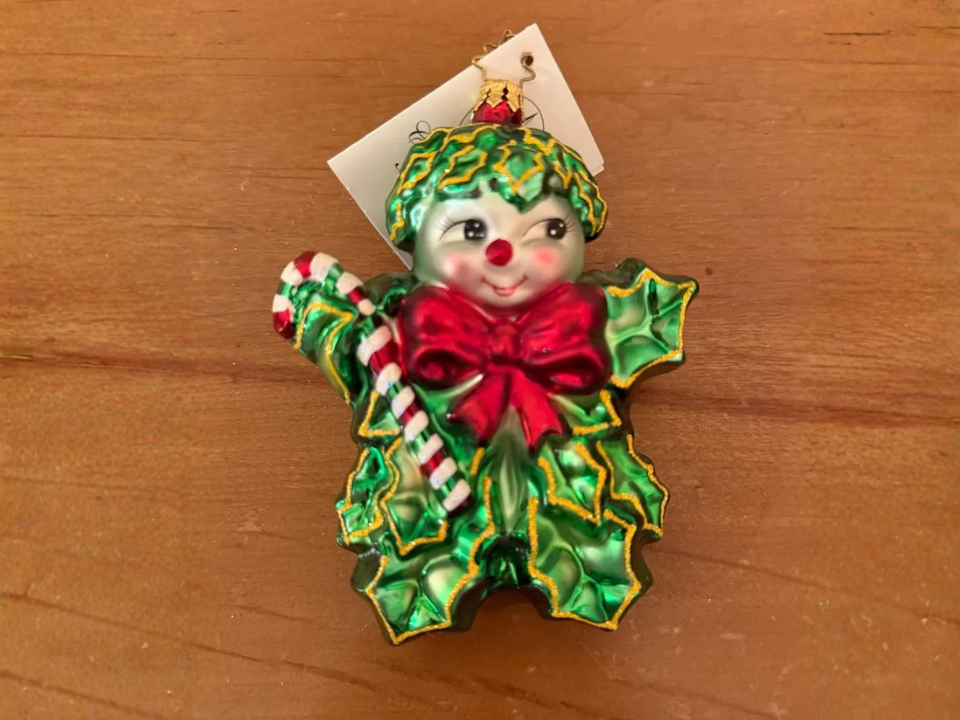
Old World-style ornaments by Radko often feature classic holiday themes with intricate details. These are made of hand-blown glass and may include beads or glitter for added effect. Vintage Old World Radko items can range from $120 to $400 or more. Pieces that were part of a limited production run tend to draw the most interest.
Old World series pieces were inspired by holiday traditions from around Europe. The combination of glasswork and thematic detail appeals to many collectors. Keeping the original box can increase value when selling. Some shapes like Santas or snow globes are especially popular.
Shiny Brite Mercury Glass Ornaments
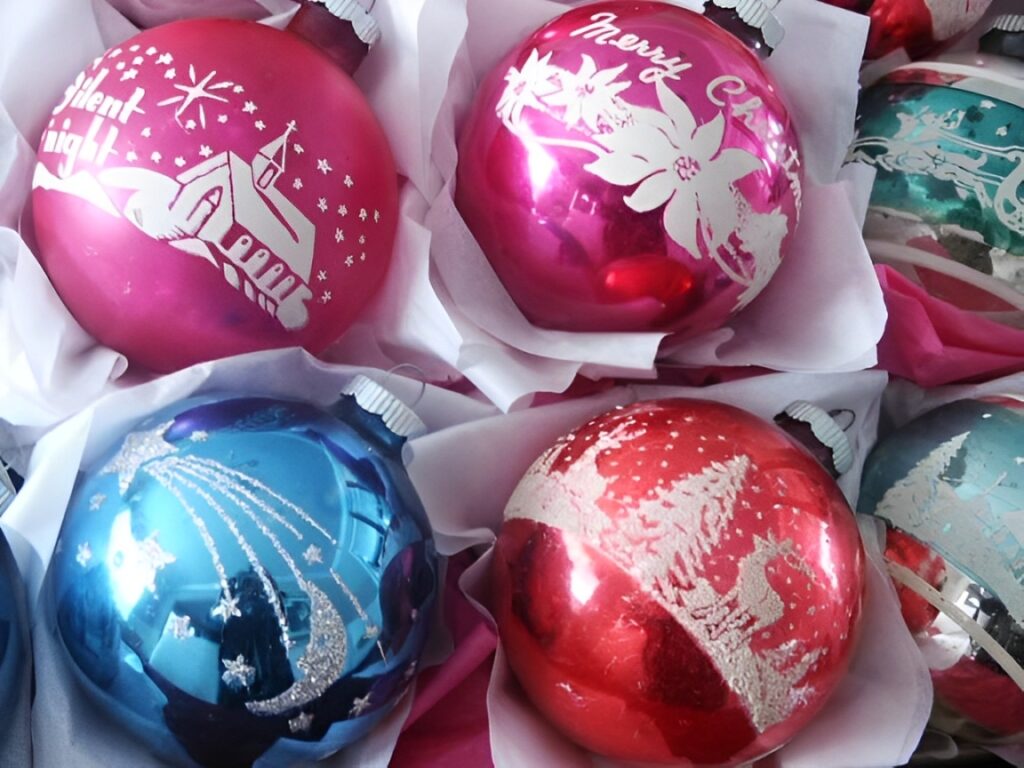
Shiny Brite mercury glass ornaments were among the first widely sold glass decorations in the United States after World War II. These ornaments are usually made of blown glass with a reflective silver interior that gives them a glowing shimmer. A set of original Shiny Brite ornaments in good condition can fetch around $50 to $200 each depending on color and design. Many collectors look for rare shapes like rocket ships or berries, which tend to draw strong interest.
The fragile nature of the glass means intact pieces with original caps are especially prized. Shiny Brite was a brand name that became linked to holiday nostalgia for many families. You can often find them at antique shows and estate sales if you pay attention to detail. Some rare hand-painted versions have been known to bring in $300 or more.
German Feather Tree Ornaments
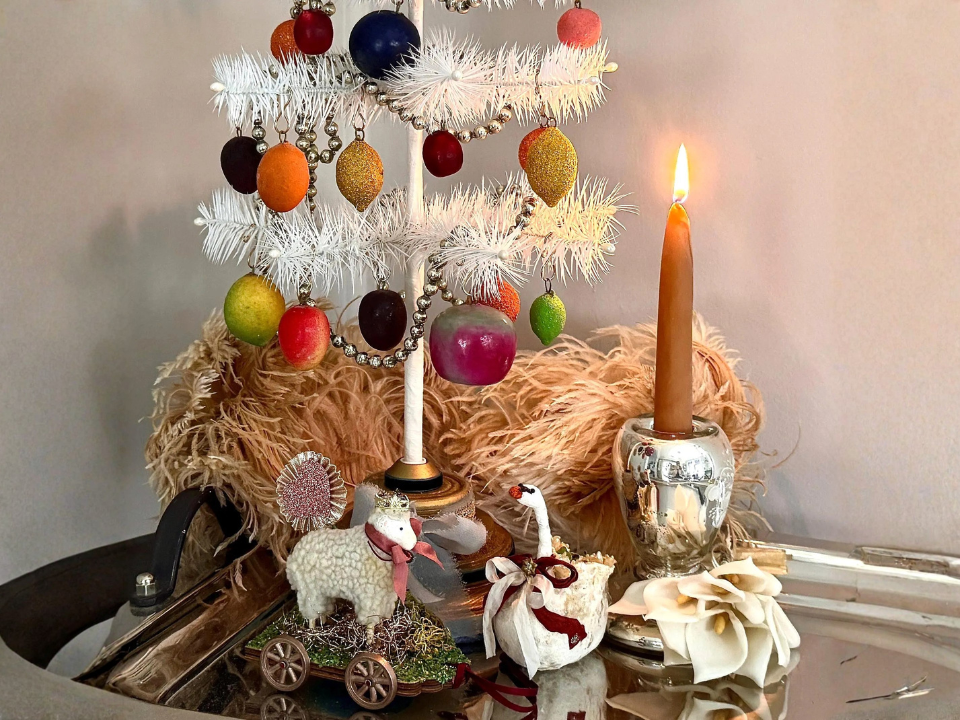
German feather tree ornaments include small blown glass shapes made to accompany miniature feather trees popular in the early 1900s. They are often made of hand-blown glass in shapes like fruits, cones, or berries. A group of these ornaments can fetch $100 to $300 or more, depending on rarity and condition. Pieces with original silvered interiors and vibrant paint are preferred.
Feather trees were a popular decoration in German households and later in American homes. The tiny ornaments were designed to hang securely on the sparse branches. Because of their age, undamaged ones are uncommon. Collectors look for sets that reflect original color schemes.
Vintage Flocked Velvet Ornaments by Hallmark
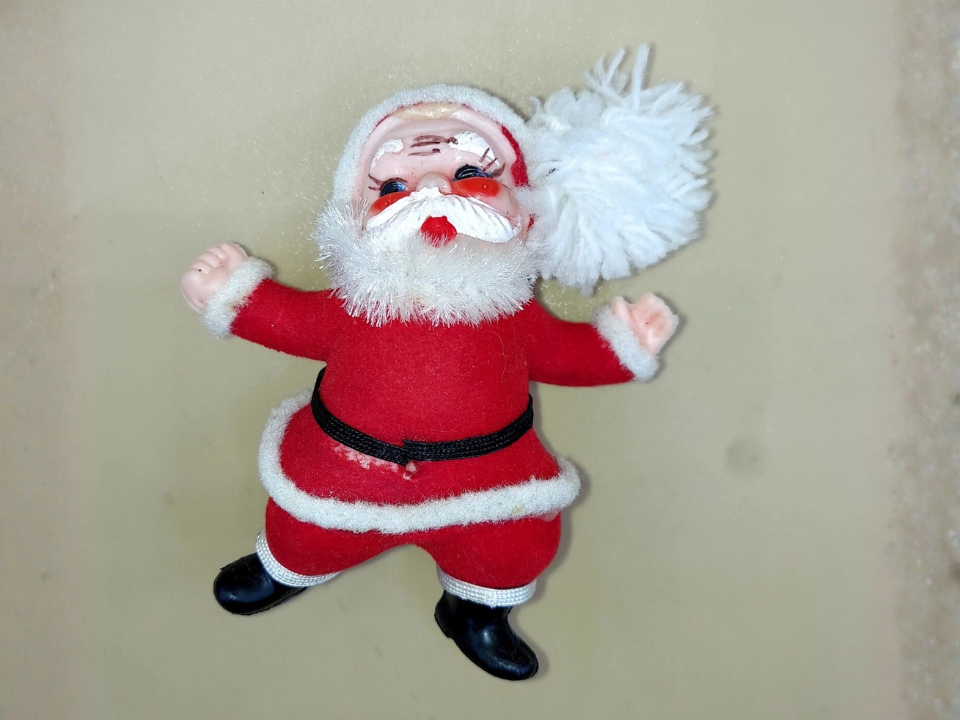
Hallmark made flocked velvet ornaments in the 1970s and 1980s that have become collectible. These ornaments are usually made with a soft velvet texture over a firm core with bright holiday designs. Vintage Hallmark ornaments in good shape often sell for $50 to $150. Some limited editions with unique shapes or characters fetch more.
Hallmark introduced many themed ornaments that tied into popular culture. The velvety surface gives them a tactile appeal. Original packaging can make a noticeable difference in the sale price. These ornaments often show up in holiday collections passed down through families.
Shiny Brite Indent Ornaments
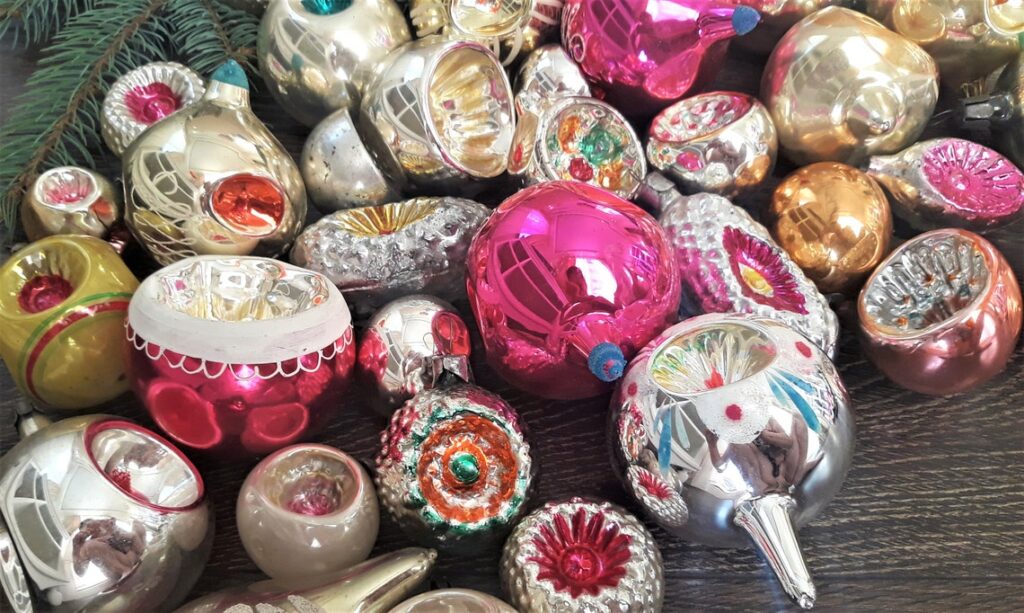
Indent ornaments by Shiny Brite feature concave centers that reflect light in interesting patterns. They are made of blown glass with a pressed design that gives them their name. These indent pieces typically range from $60 to $200 depending on color and condition. Rare patterns like scallops or stars may command higher values.
The indented design was popular through the 1940s and 1950s. Like other glass ornaments, they need to be intact for collectors to be interested. Some show a mix of painted and reflective finishes. Sets with matching shapes and colors are attractive to buyers.
Antique Mercury Glass Finials
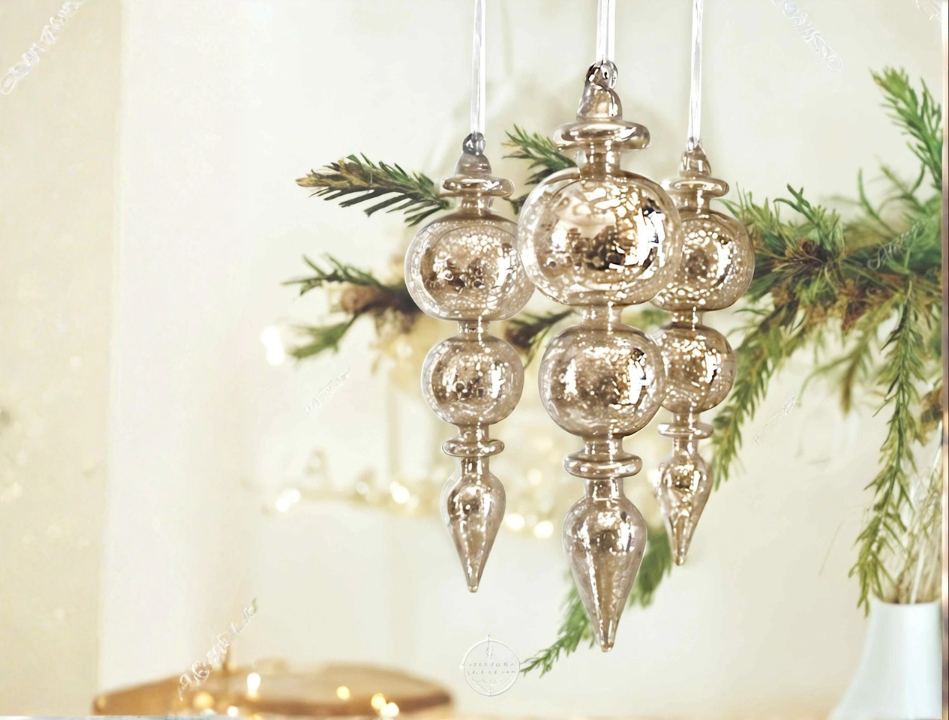
Mercury glass finial ornaments were made as both tree toppers or larger hanging pieces in the early 1900s. These are made of double-walled glass with a silvered interior to give a reflective finish. Older intact finials can sell from $200 to $800. The more detailed or rare shapes, like pointed spire,s tend to draw attention.
Mercury glass was widely used in early holiday decor and is prized for its luminous look. The craftsmanship of older pieces makes them desirable. Damage or loss of silvering lowers the value significantly. Finding original hanging loops adds to the appeal.
Goebel Hummel Figural Ornaments
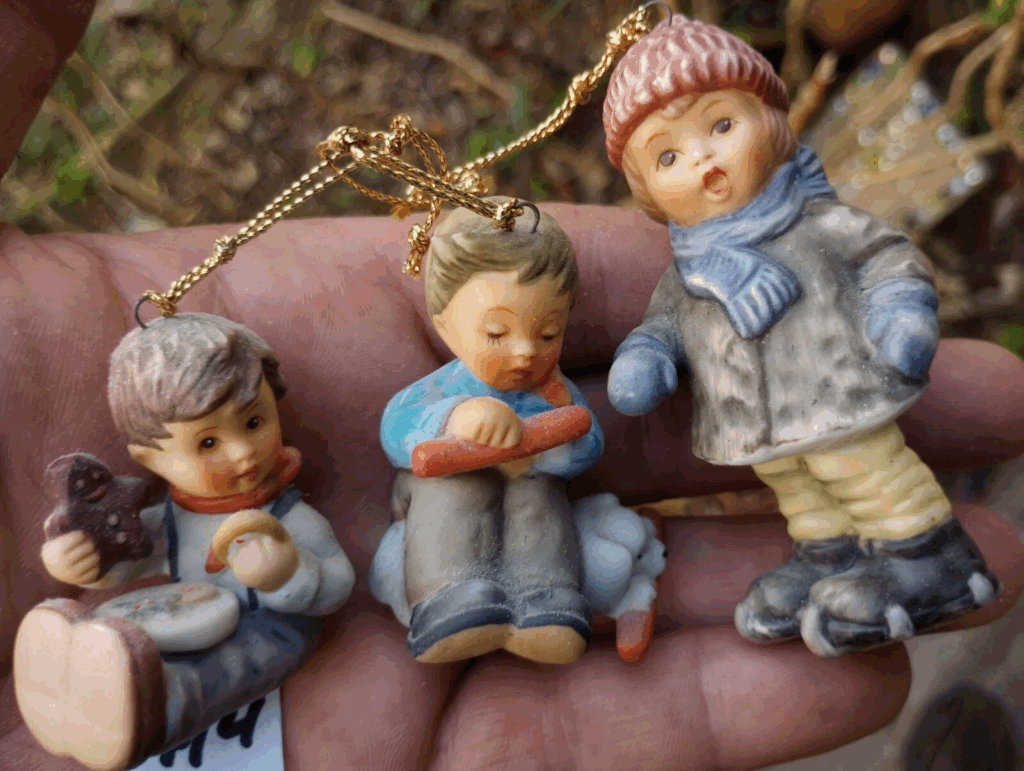
Goebel Hummel figural ornaments are based on popular figurines by the German maker and were released in holiday form. These are often porcelain with finely painted details and recognizable character designs. Older Hummel ornaments in excellent condition often range from $100 to $400. Limited edition holiday versions may command even more.
Goebel was famous for Hummel figures before branching into seasonal items. The porcelain construction gives them a weighty feel compared with glass. Collectors enjoy the connection to the broader Hummel brand. Original boxes and certificates can raise value.
Vintage Blenko Glass Ornaments
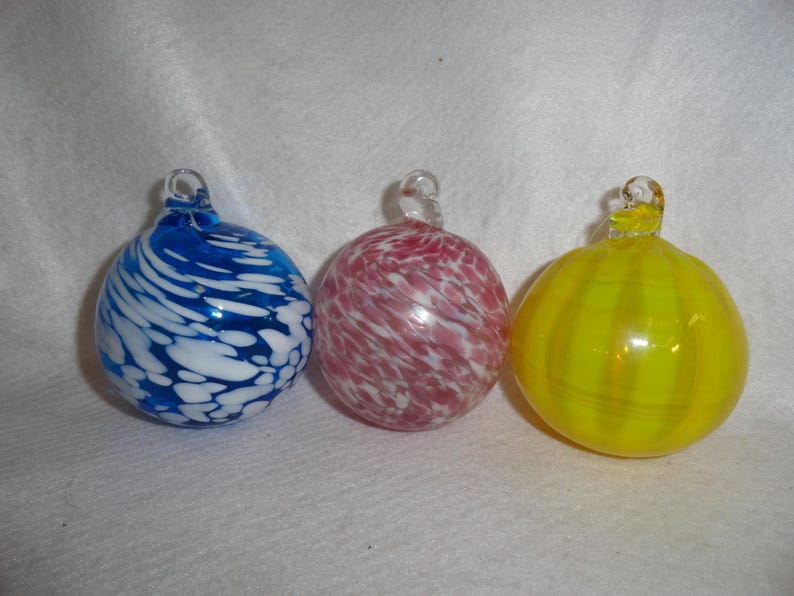
Blenko glass ornaments from the 1960s and 1970s show off bold colors and thick hand-blown glass. These are typically heavier pieces with a textured or organic shape. Prices for vintage Blenko ornaments often range from $70 to $300 per piece. Unique shapes and color runs tend to get collectors’ interest.
Blenko is an American glassmaker known for art glass designs. The holiday ornaments reflect the company’s style during that era. Because they are thicker and more sturdy, they survive better than some fragile versions. Pieces with rare colors like amber or teal often trade at higher prices.
Vintage Radko Character Baubles
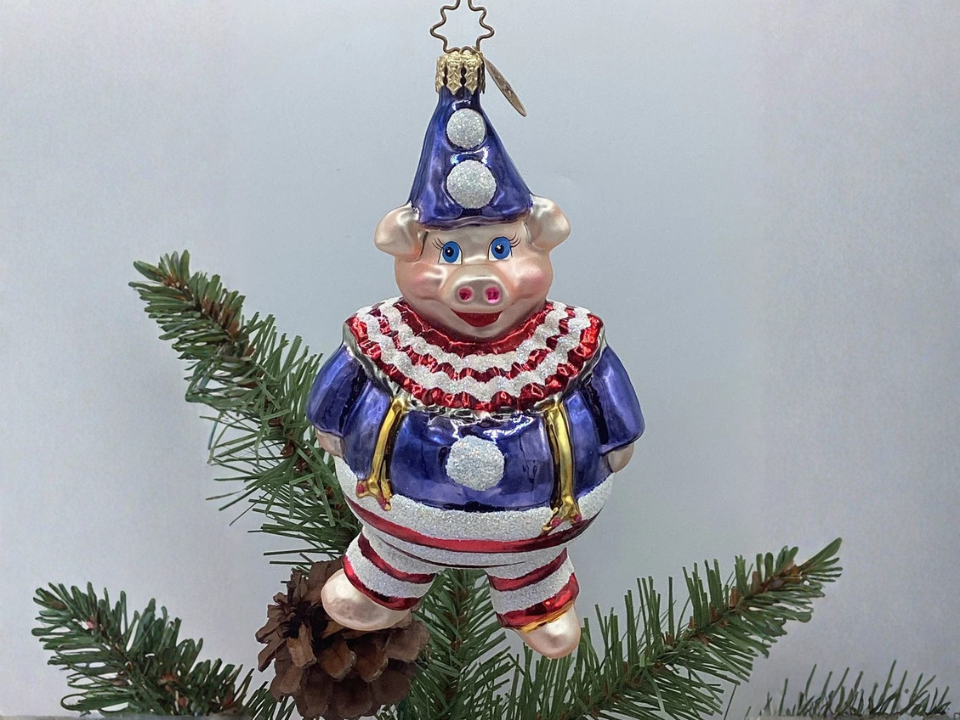
Older Radko character baubles, especially from early series, show detailed holiday figures hand-finished by artisans. These glass baubles can include Santas, animals, or storybook scenes. Early Radko baubles in their original boxes commonly sell for $80 to $300 each. Series with numbered editions are especially looked at by seasoned collectors.
This grew into a well-known brand for festive ornaments in the late 20th century. The hand finishing gives each piece a unique quality. Collectors often try to complete sets from a particular year. The condition of the paint and adornments makes a big difference in price.
Antique Spun Cotton Ornaments
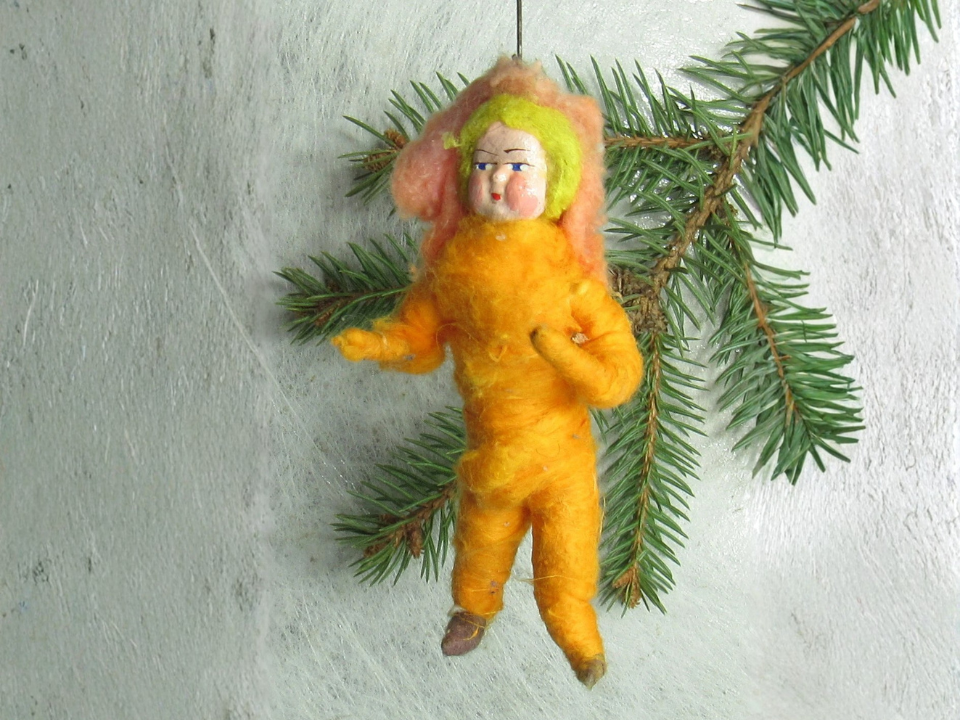
Spun cotton ornaments from the 1920s and 1930s often feature figures made with cotton batting and paint. These are typically shaped like angels, snowmen, or children with stands or clips. Well-preserved originals can command prices from $100 to $500. The softness and vintage aesthetic make them appealing for themed collections.
Spun cotton was an early holiday decoration material before plastic became widespread. These pieces show a charming, handmade look. Because the cotton ages, those that remain intact and vibrant are rare. Displaying them in protective cases helps keep them in good condition for years.
This article originally appeared on Avocadu.