
17 Succulents That Enjoy a Slow Return to Brighter Light
When it comes to succulents, many thrive in bright light, but some need a little more time to adjust when transitioning from low to brighter conditions. These plants are sensitive to sudden changes in light, which can cause stress or even harm their delicate leaves. Giving them a slow return to brighter light helps them acclimate, ensuring they stay healthy and vibrant. Whether you are moving them to a sunnier spot indoors or gradually introducing them to outdoor sunlight, a gentle approach is key. These succulents have unique qualities that make them ideal for gradual light changes.
This post may contain affiliate links, which helps keep this content free. Please read our disclosure for more info.
Jade Plant
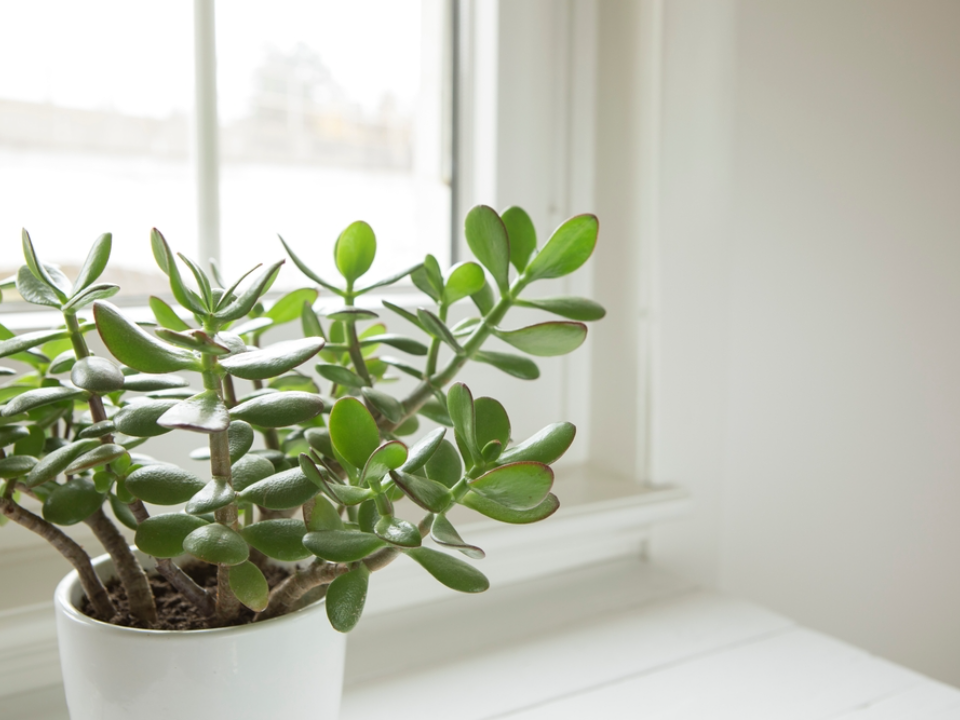
The jade plant is a popular succulent known for its thick, glossy leaves that are often a rich green. This plant thrives in bright light but does best with a gradual increase in exposure. When moved into a brighter environment, it should be given time to adjust, as sudden changes can cause the leaves to burn.
Jade plants are well-suited to indirect light and can tolerate periods of low light. However, they will grow stronger and more vibrant when exposed to brighter, indirect sunlight. Overwatering is a common mistake, as jade plants prefer a dry soil environment. They should be watered sparingly, with enough time for the soil to dry completely between waterings.
Echeveria
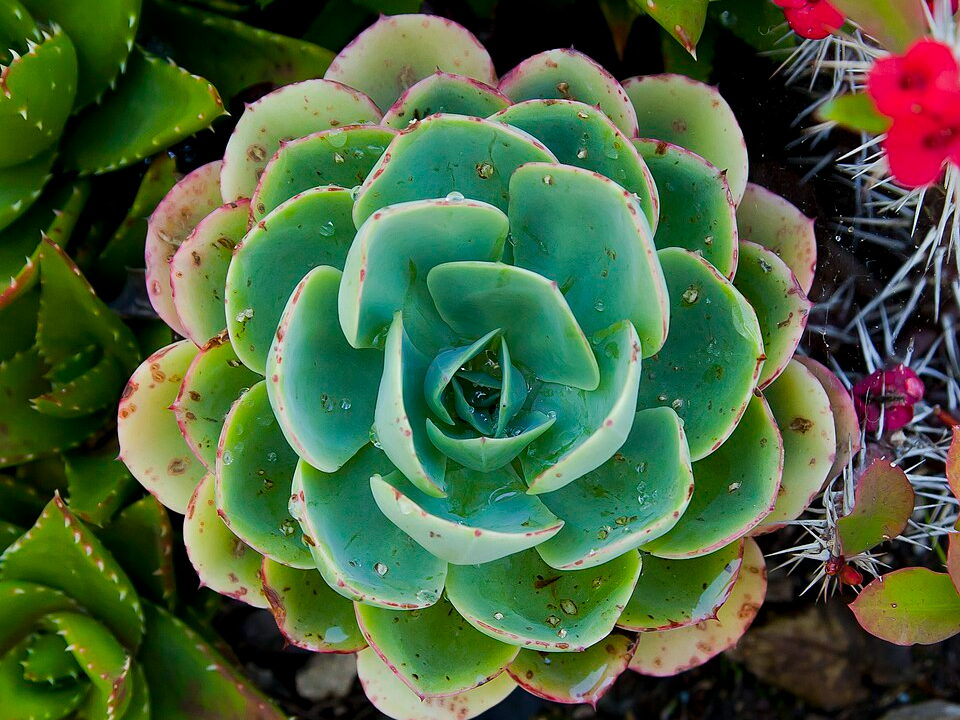
Echeveria is a genus of rosette-forming succulents that are loved for their colorful, fleshy leaves. They need bright, indirect light but should be reintroduced to more direct sunlight gradually. Sudden exposure to intense sun can cause the leaves to scorch, so it is important to allow the plant time to adapt.
Echeveria comes in a variety of colors, from soft pinks to deep purples, and these hues are most vibrant when the plant gets sufficient light. It is a drought-tolerant plant, preferring to dry out completely between waterings. Echeveria does well in a well-draining soil mix and can be used in both containers and landscapes. Its unique, compact form makes it a popular choice for indoor gardens.
Crassula Perfoliata
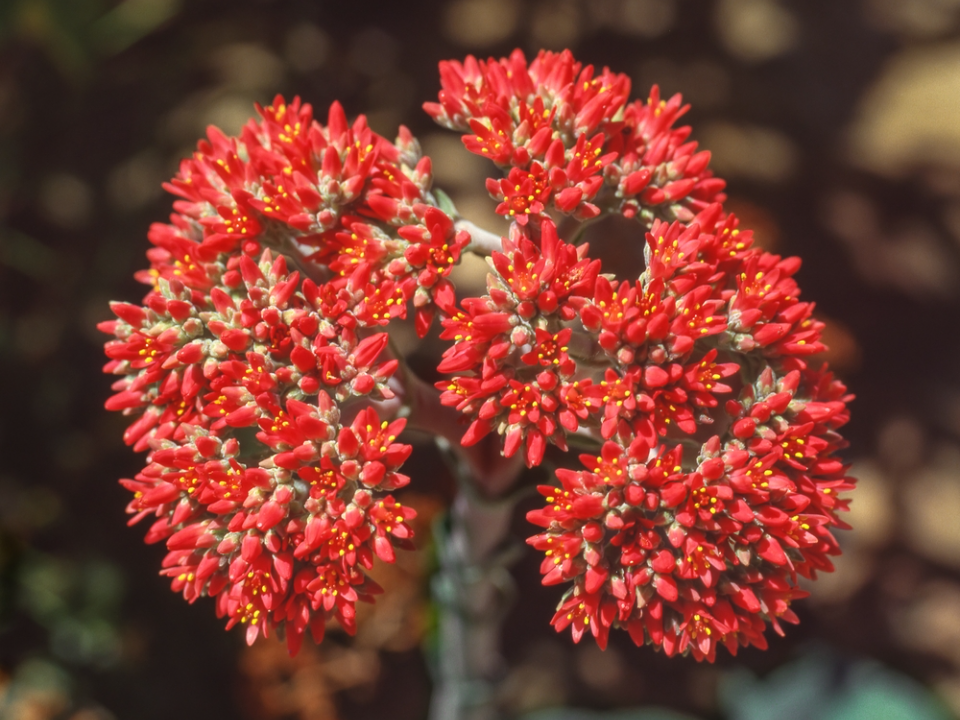
The propeller plant, with its distinct, fan-like leaves, requires a careful balance of light. When returning it to brighter light, it should be done gradually to prevent the leaves from burning. This succulent’s striking appearance makes it a conversation piece in any garden or home. In its natural habitat, the propeller plant thrives in full sun, but indoors, it prefers indirect light.
Over time, it can handle direct sunlight once it has acclimated. Like other succulents, it prefers dry conditions, so watering should be kept to a minimum. This plant is perfect for small spaces as it stays compact and easy to maintain.
Haworthia
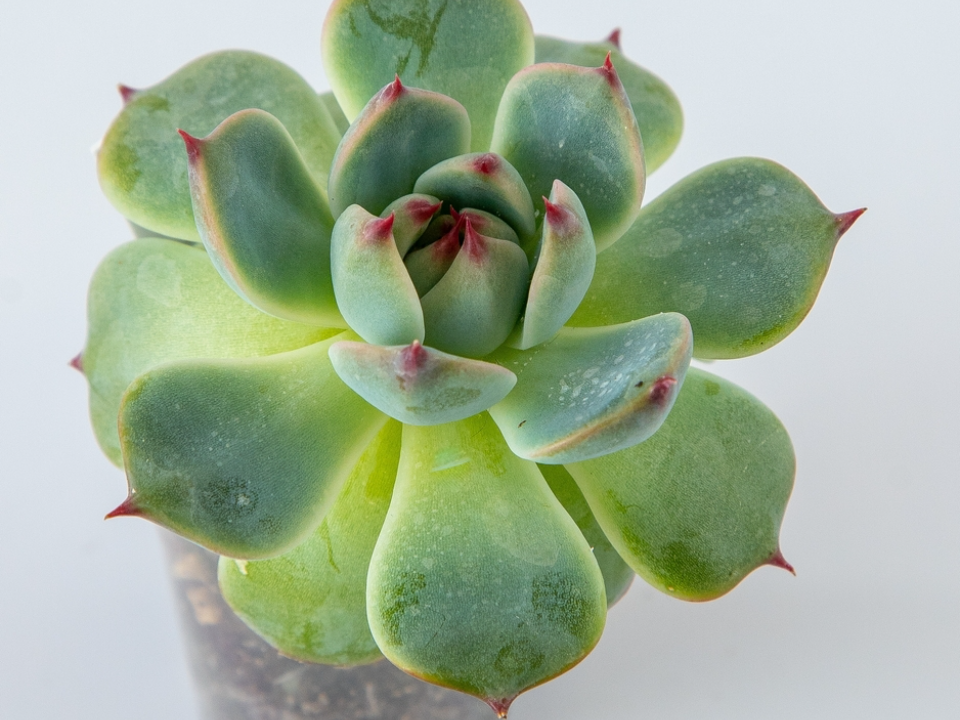
Haworthia is a small, slow-growing succulent that can tolerate low light but thrives when it is gradually exposed to brighter light. Its thick, fleshy leaves are often striped or have a translucent window-like effect that helps it absorb light. When placed in a brighter spot, it should be introduced to direct sunlight slowly, as sudden exposure may cause damage.
Haworthia is a hardy plant that thrives in well-draining soil and should only be watered when the soil has dried out completely. It is an ideal plant for indoor environments, as it does not require much maintenance. This succulent is known for its compact size, making it perfect for desks or small pots.
Sedum
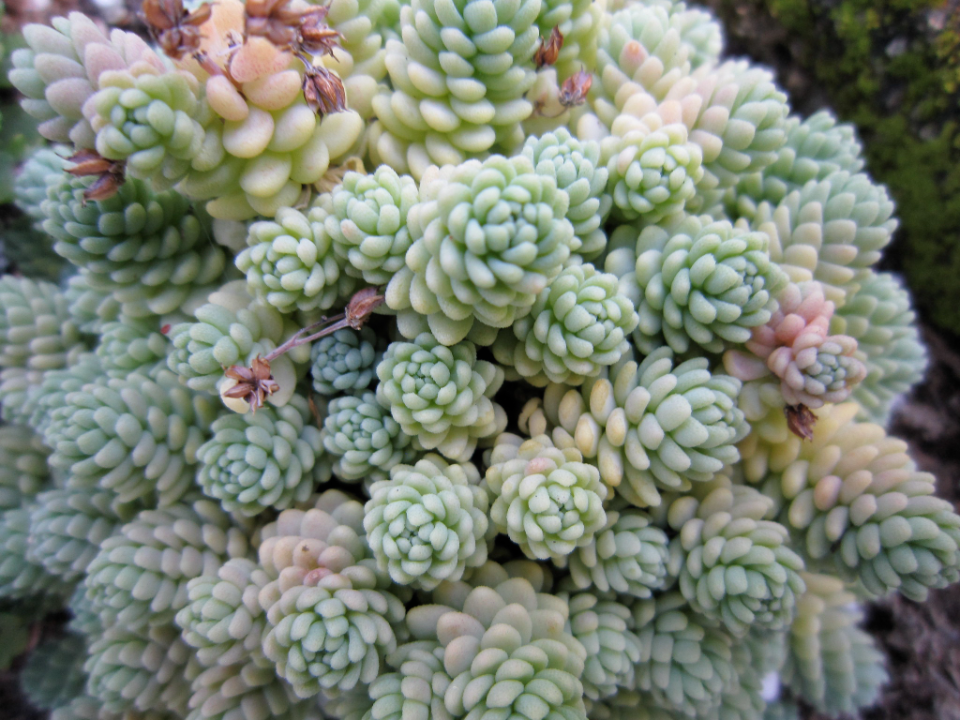
Sedum, often referred to as stonecrop, is a hardy succulent that can thrive in a variety of light conditions. It is known for its ability to slowly adapt to brighter light after being in the shade. Sedum’s fleshy leaves store water, allowing it to survive in dry conditions. This succulent prefers indirect light but can tolerate full sunlight once it has been gradually introduced.
Sedum is a perfect plant for outdoor gardens, especially in dry or rocky environments. It is often used as ground cover due to its spreading nature. It requires very little maintenance and is highly drought-tolerant, making it a great choice for low-water landscapes.
Graptopetalum paraguayense
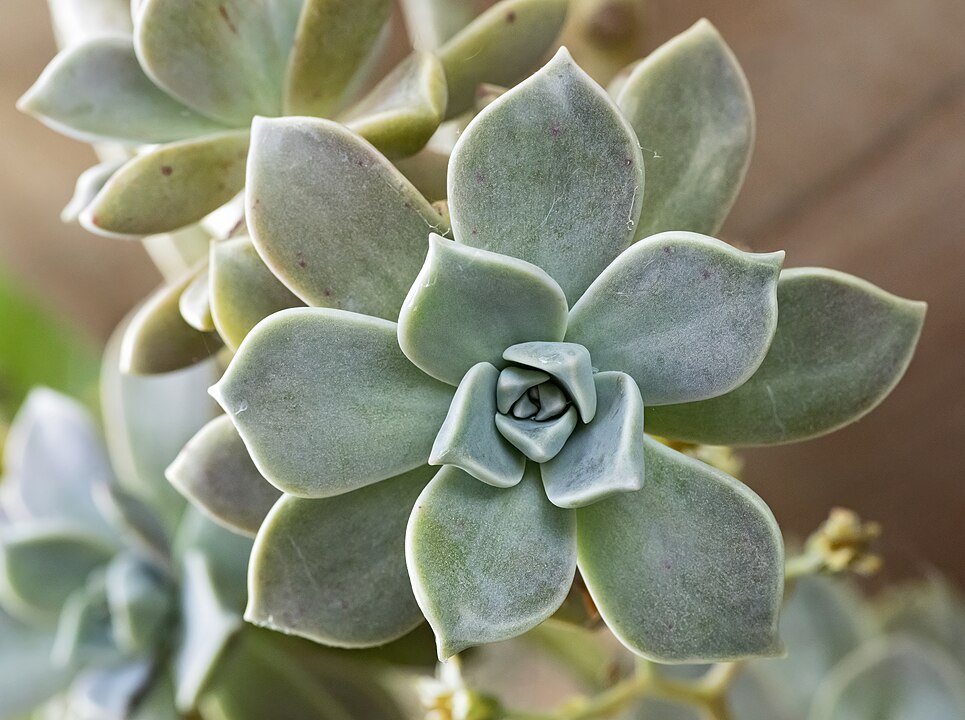
The ghost plant is a striking succulent with pale, almost translucent leaves that give it a ghostly appearance. It prefers bright but indirect light, and it can adapt to brighter conditions gradually. Sudden exposure to intense sunlight can cause the leaves to turn brown, so a slow transition is key.
This succulent is perfect for hanging baskets or as ground cover. It is highly drought-tolerant and can go without water for long periods. Ghost plants require well-draining soil and thrive in dry conditions. They are easy to propagate, making them a great choice for gardeners looking to expand their collection.
Zebra Cactus
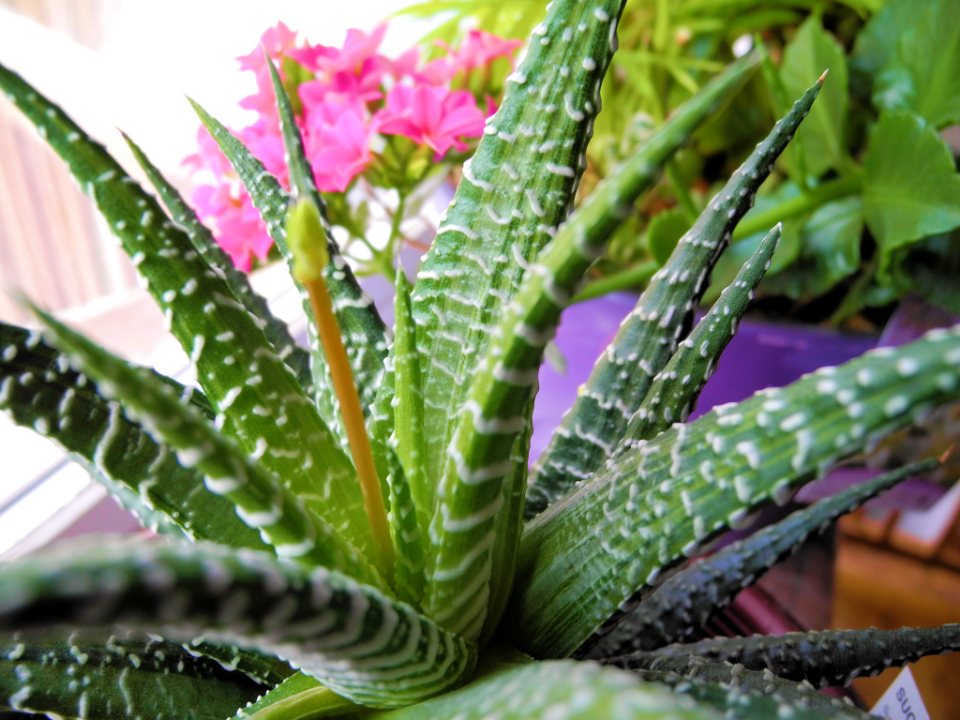
The zebra cactus, named for the white horizontal stripes on its dark green leaves, is another succulent that enjoys a slow return to brighter light. It does well in indirect light but will grow more vibrant in brighter conditions, as long as the transition is gradual. The zebra cactus can withstand periods of low light, but it thrives when exposed to brighter, indirect sunlight.
It is a slow-growing plant that prefers dry conditions, so overwatering should be avoided. This succulent’s compact size makes it ideal for small pots or windowsills. It requires little maintenance and can be an excellent choice for both beginner and experienced gardeners.
Agave
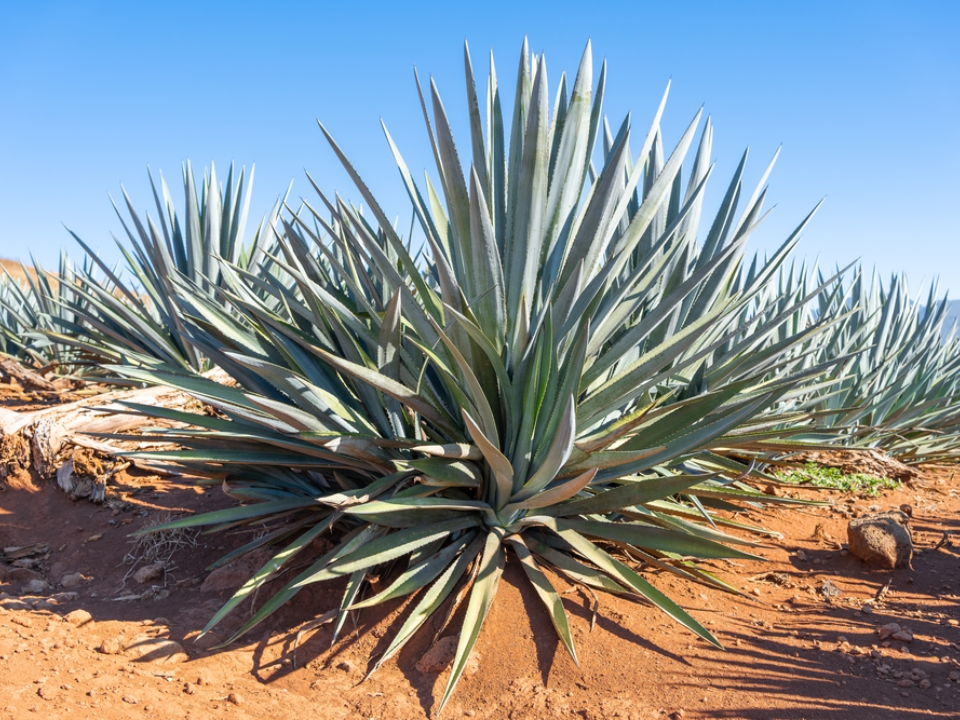
Agave is a large, dramatic succulent that requires a slow return to bright light, especially if it has been kept in a low-light area for a while. It can tolerate full sun once it has adapted to the new conditions. Agave’s thick, pointed leaves store water, making it a highly drought-tolerant plant.
This succulent is perfect for warm climates but can also thrive indoors with adequate light. It should be watered sparingly, as it is prone to root rot if kept in overly wet conditions. Agave adds a bold architectural element to any space, making it an ideal choice for gardens and home décor alike. Its slow-growing nature means it will provide long-term beauty.
Kalanchoe
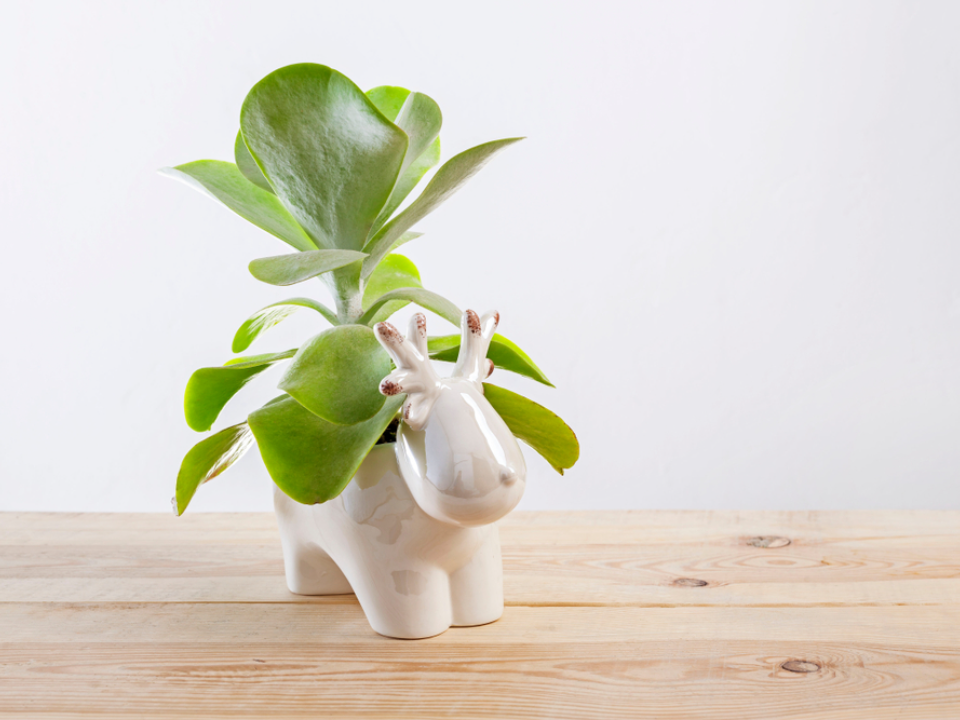
Kalanchoe is a vibrant succulent that produces small, colorful flowers in addition to its fleshy, rounded leaves. This plant enjoys bright light, but when reintroduced to brighter conditions, it should be done gradually to prevent leaf burn.
Kalanchoe can tolerate periods of low light, but it will bloom more profusely in brighter environments. It is important to allow the soil to dry out completely before watering, as kalanchoe is susceptible to root rot. This succulent makes a great indoor plant and thrives in containers or hanging baskets. Its colorful blooms make it a popular choice for adding a pop of color to any space.
Crassula arborescens
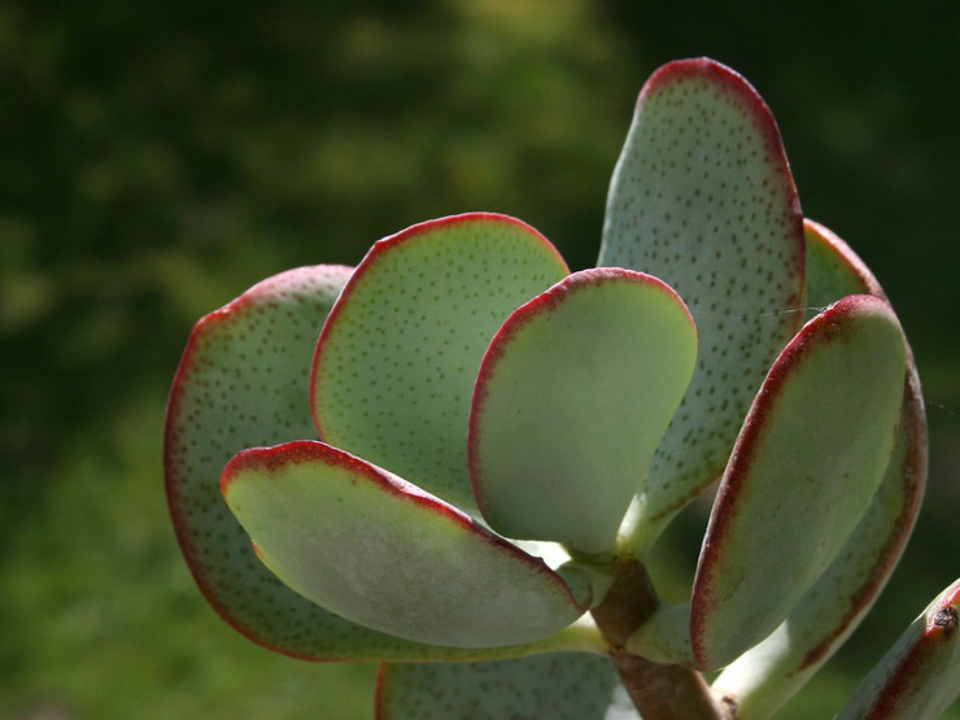
The silver jade plant is a stunning succulent with thick, silvery-green leaves that have a striking appearance. It does well in moderate light but thrives in brighter light if given time to adjust. When transitioning to brighter conditions, it should be exposed to indirect sunlight before moving to direct light.
This slow-growing plant is perfect for those looking for a low-maintenance succulent. It requires minimal watering, with the soil being allowed to dry completely between waterings. The silver jade plant can live for many years, making it an excellent addition to any indoor or outdoor succulent garden.
String of Pearls
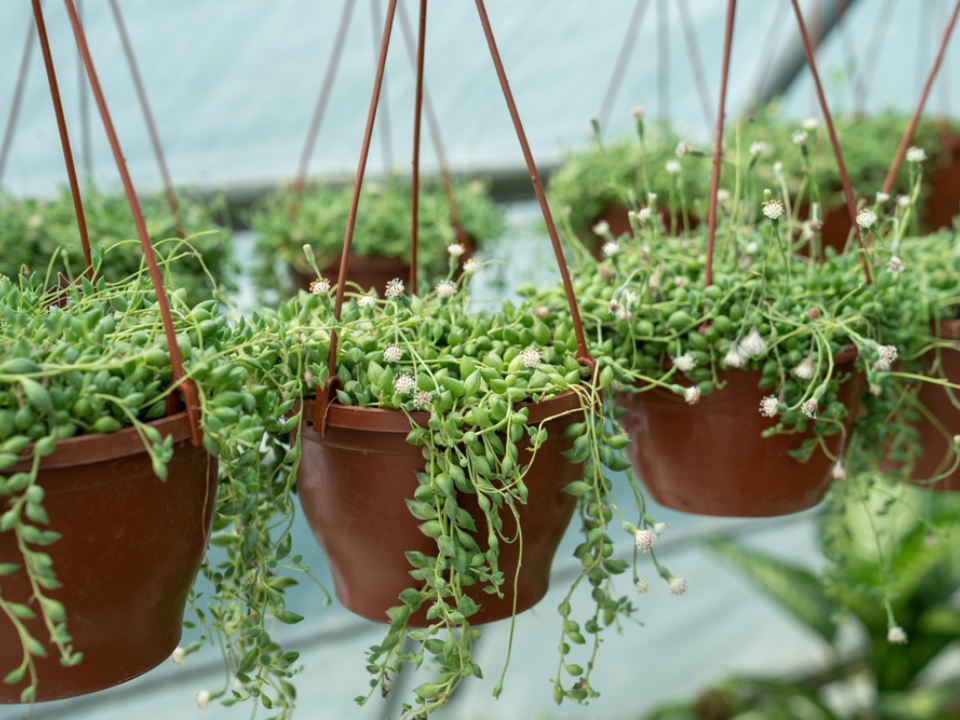
The string of pearls is a unique succulent known for its trailing vines and round, bead-like leaves. This plant enjoys bright light but should be gradually acclimated to it after being kept in a shadier environment. Sudden exposure to full sun can scorch the leaves, so it is important to ease it into the new light conditions.
String of pearls does best in a well-draining soil mix and prefers to dry out completely between waterings. Its distinctive appearance makes it an attractive addition to hanging baskets or as a trailing plant on shelves. This succulent is a slow grower but can spread over time with proper care.
Moonstone
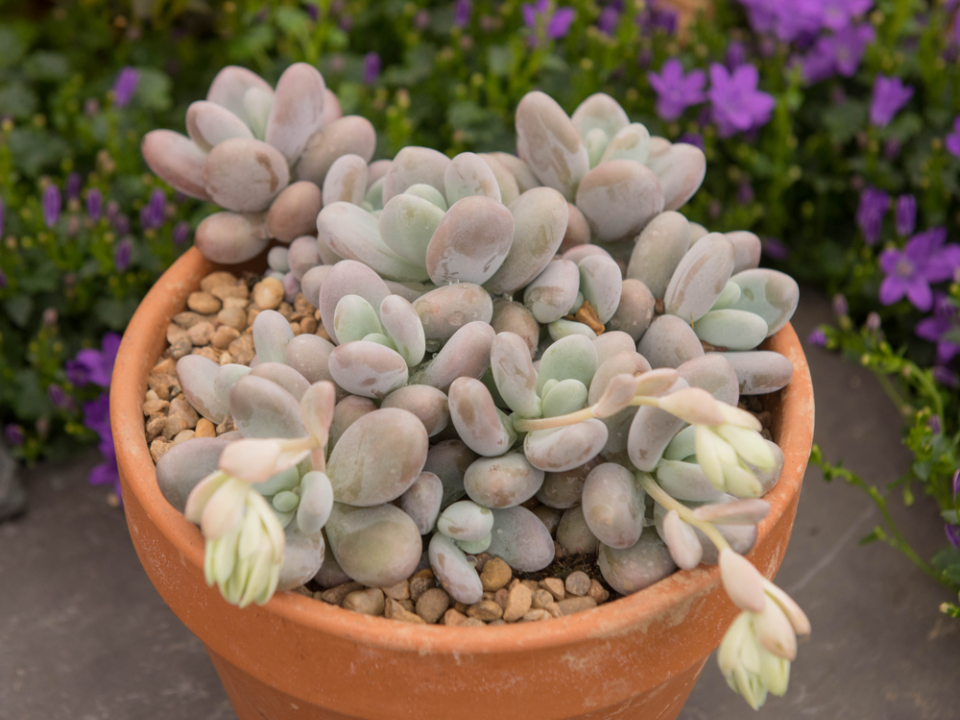
Moonstone is a pale, powdery succulent with rosettes of thick, glaucous leaves. It thrives in bright, indirect light but should be gradually introduced to brighter light to prevent leaf burn. Moonstone’s unique appearance adds a soft, ethereal touch to any space. It prefers dry conditions, and like other succulents, should be watered sparingly.
This plant can be grown both indoors and outdoors, but it should be protected from direct afternoon sun in warmer climates. Moonstone is known for its ease of care, making it a great choice for beginner gardeners. It is a slow-growing plant, making it an excellent long-term addition to your succulent collection.
Aloe ‘Blue Elf’
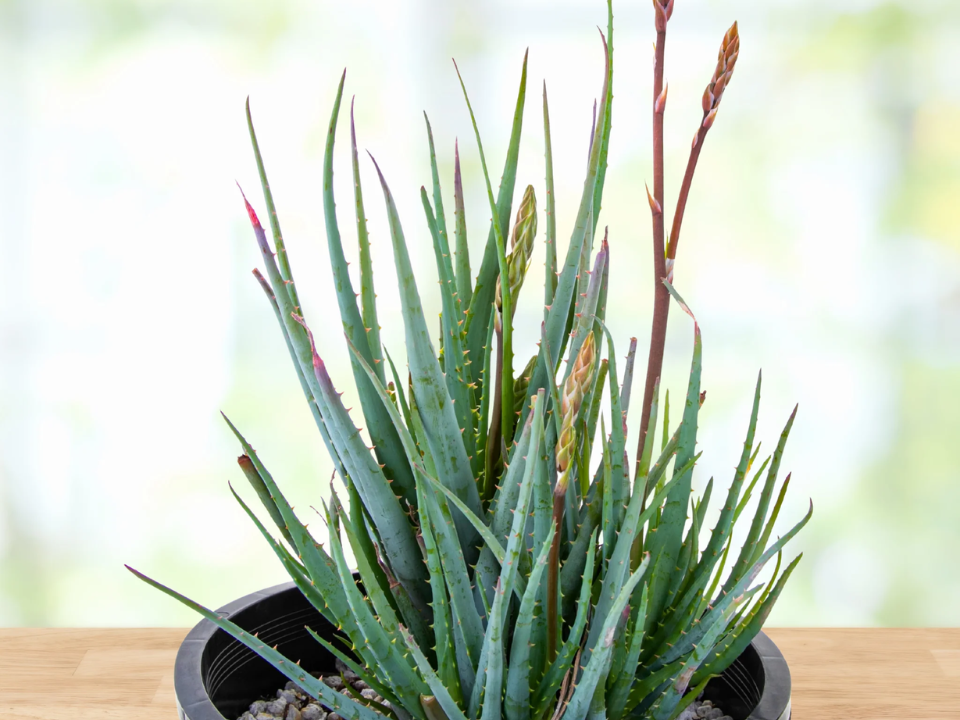
Aloe ‘Blue Elf’ is a small, compact succulent with blue-green leaves that have orange-tipped spines. This plant enjoys bright light but should be given time to adjust when transitioning to brighter conditions. Aloe ‘Blue Elf’ can tolerate full sun once it has acclimated, but it is best introduced to direct light gradually to avoid leaf scorch.
This variety of aloe is perfect for small spaces and grows well in containers. Like other aloe species, it prefers well-drained soil and should be watered sparingly. It is a hardy plant that can handle periods of drought, making it ideal for busy gardeners. Aloe ‘Blue Elf’ is also known for its ability to purify the air, adding both beauty and functionality to your space.
Cotyledon orbiculata (Propeller Plant)
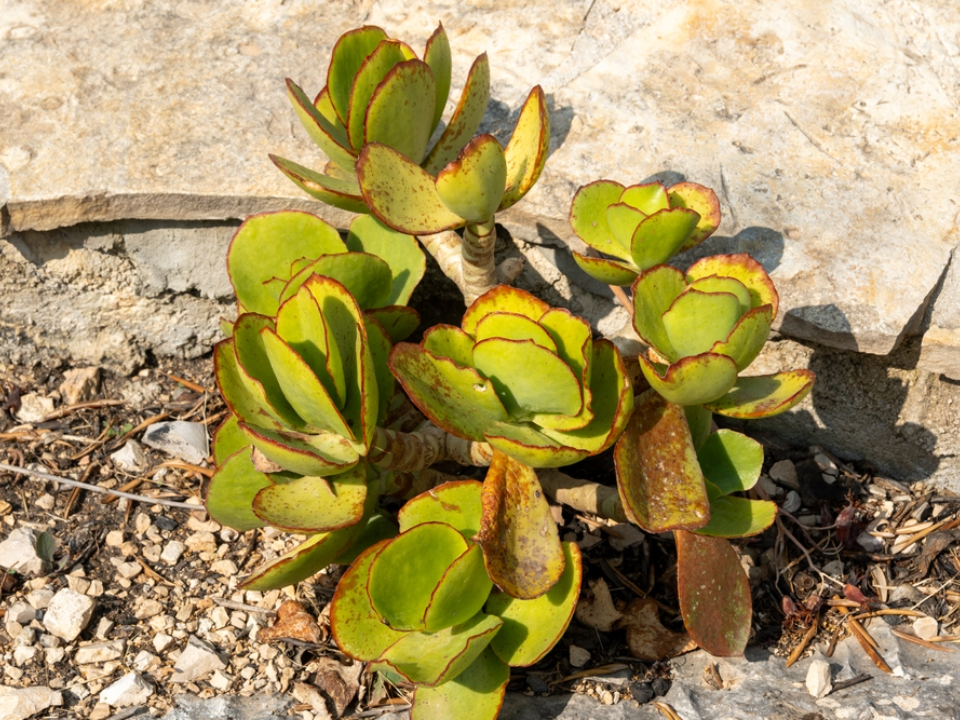
Cotyledon orbiculata, also known as the propeller plant, is a striking succulent with fan-like, blue-green leaves that resemble propellers. It enjoys bright, indirect light and should be slowly introduced to more intense sunlight to avoid leaf damage. This plant can tolerate periods of drought and prefers a well-draining soil mix.
It is a slow-growing succulent that adds unique texture and form to any collection. Cotyledon orbiculata is perfect for containers or as a small focal point in a garden. It requires minimal watering, with the soil allowed to dry out completely between waterings. This succulent thrives in warmer environments but can adapt to a range of indoor conditions.
Echeveria ‘Lola’
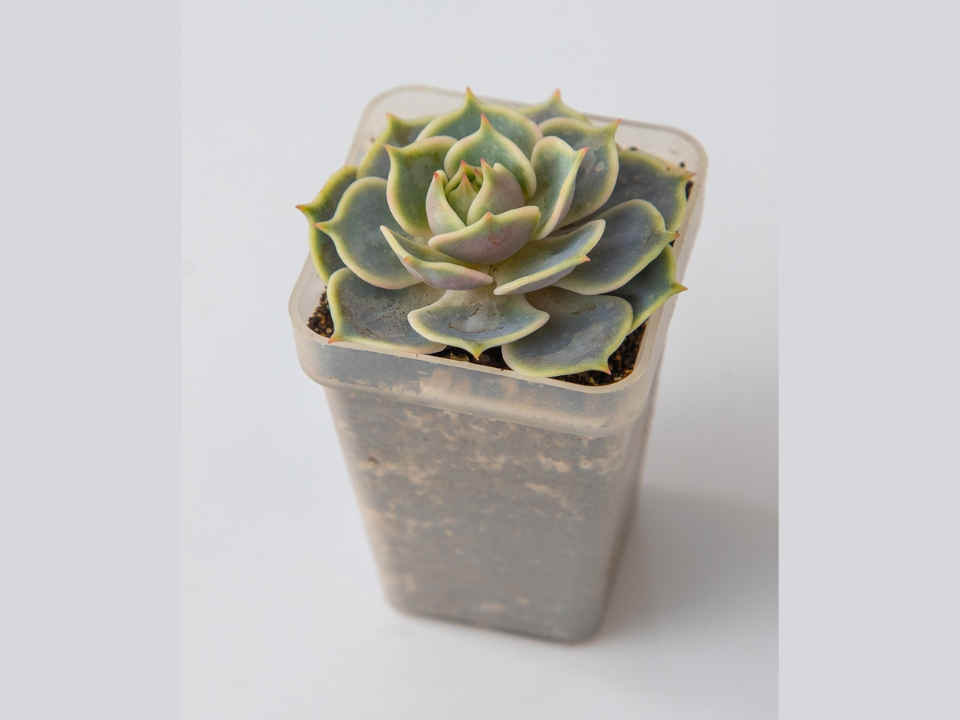
Echeveria ‘Lola’ is a beautiful succulent with rosettes of silvery-pink leaves that are a popular choice among succulent enthusiasts. This plant thrives in bright light but should be introduced to more direct sunlight gradually to avoid sunburn. Echeveria ‘Lola’ is known for its ability to maintain its vibrant color when exposed to adequate light. It prefers dry conditions and should be watered only when the soil has dried out.
This succulent is perfect for windowsills or small containers and can be used to create stunning succulent arrangements. Echeveria ‘Lola’ is relatively low-maintenance, requiring only occasional pruning and light care to thrive.
Aeonium ‘Zwartkop’ (Black Rose)
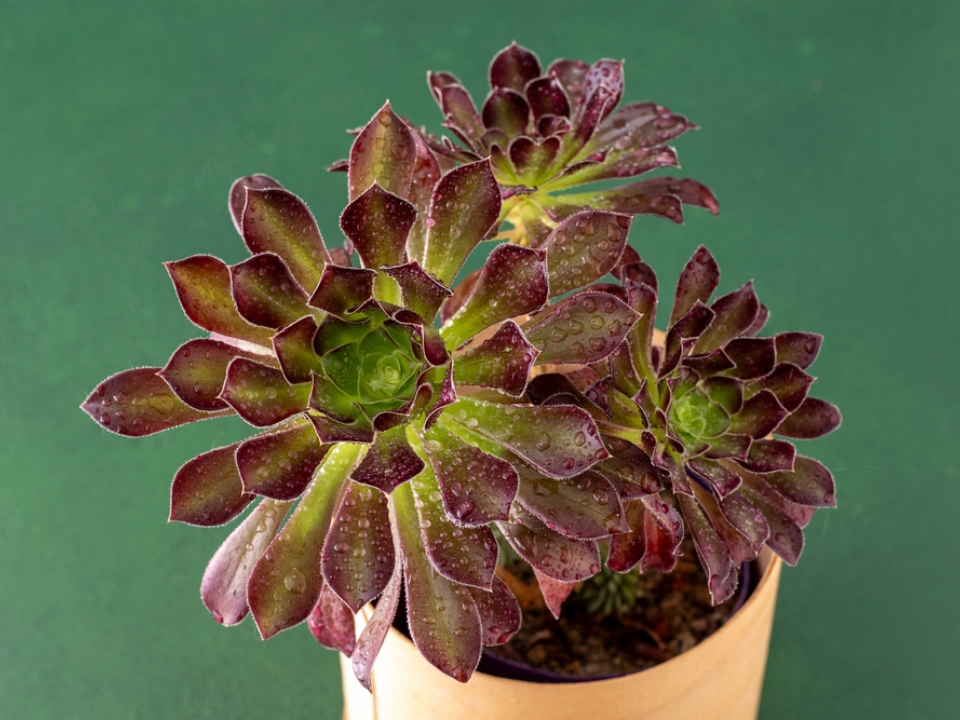
Aeonium ‘Zwartkop’ is a striking succulent with deep purple, almost black rosettes that are accentuated by green edges. It prefers bright light but should be introduced to more direct sunlight gradually to avoid leaf damage. This succulent is perfect for those who want to add drama and contrast to their garden or indoor space. It requires well-draining soil and minimal watering, as it can tolerate periods of drought.
Aeonium ‘Zwartkop’ thrives in areas with mild climates but can also do well indoors with proper light exposure. This plant’s unique color and form make it a popular choice for succulent arrangements and garden displays.
Sedum morganianum (Burro’s Tail)
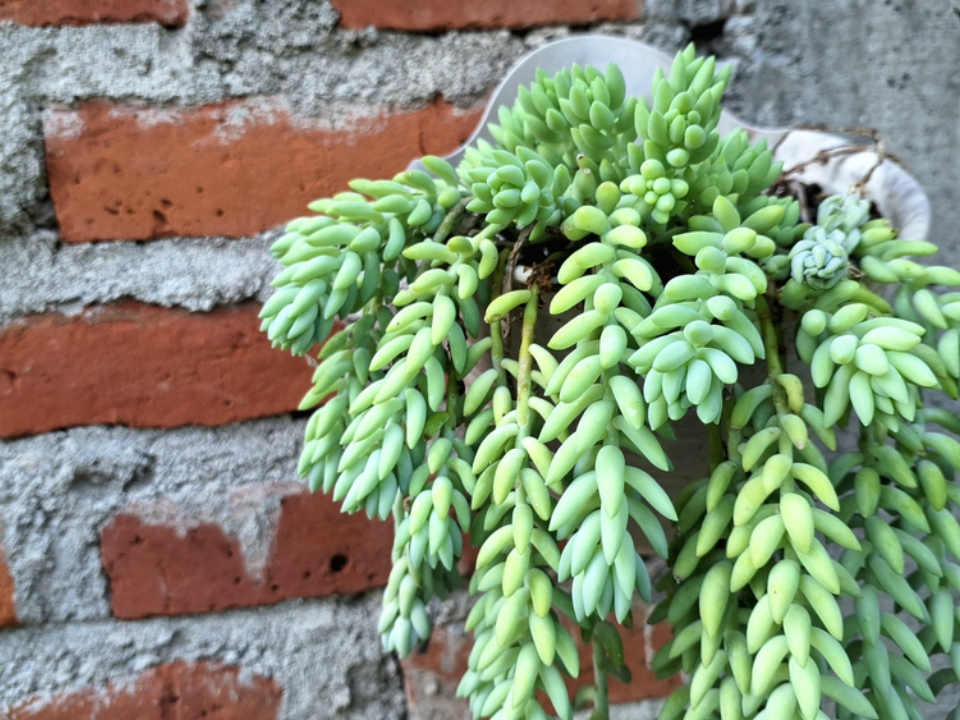
Sedum morganianum, commonly known as burro’s tail, is a trailing succulent with long, fleshy, blue-green leaves that resemble beads on a string. It enjoys bright, indirect light and should be acclimated to direct sunlight slowly to avoid damage. This succulent is perfect for hanging baskets or containers where its trailing stems can cascade freely.
Sedum morganianum thrives in dry conditions and prefers to be watered sparingly. It is an ideal plant for those looking to add a touch of elegance to their home or garden. The plant can tolerate periods of drought, making it low-maintenance and easy to care for. It is also known for its ability to tolerate a wide range of temperatures, making it versatile in various environments.
This article originally appeared on Avocadu.