
15 Plants That Tolerate Frost And Still Put On New Growth
Just because it’s cold outside doesn’t mean your garden has to go dormant. There are a number of frost-tolerant plants that not only survive the chill but continue to thrive. With a little planning, you can enjoy fresh growth even in the depths of winter. These hardy plants are ideal for anyone who wants to keep their garden looking full and vibrant.
This post may contain affiliate links, which helps keep this content free. Please read our disclosure for more info.
Hellebore
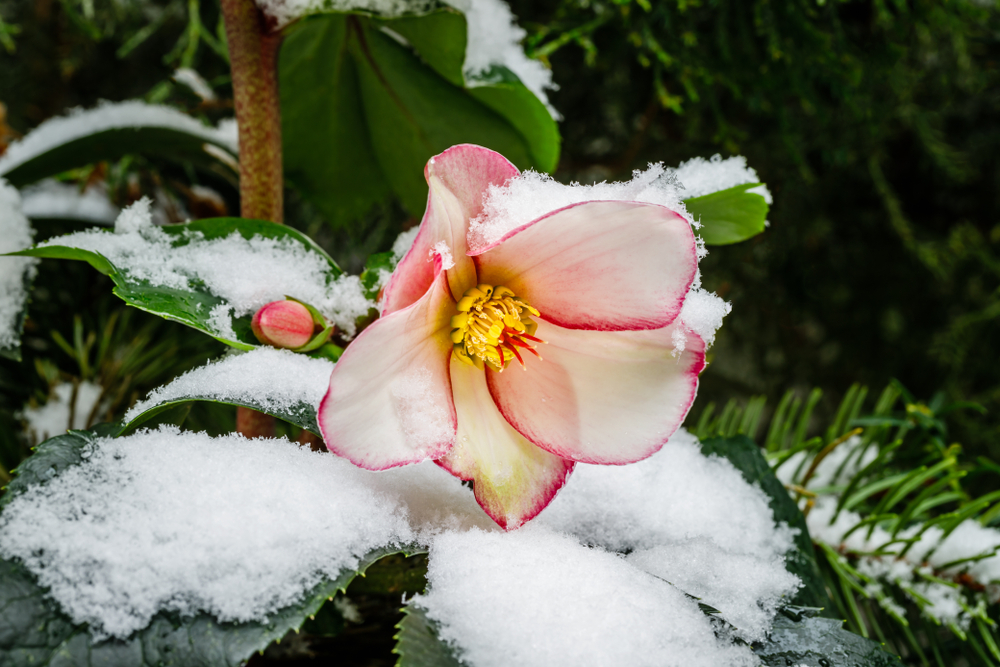
Hellebores are known for their ability to bloom even in the coldest months. These perennials thrive in shaded areas and can endure frost, making them an excellent addition to your garden in late winter or early spring. The thick, leathery leaves and delicate flowers are a beautiful contrast against a frosty backdrop. Hellebores can continue to grow and produce stunning blooms while many other plants are dormant.
These plants prefer well-drained soil and can handle a variety of garden conditions, from woodland to rock gardens. They are also relatively low maintenance, which makes them ideal for gardeners who want to enjoy year-round beauty with minimal effort. Hellebores come in a wide range of colors, from soft whites to deep purples, adding vibrancy even in the chill. With the right care, they can live for many years, providing long-lasting beauty in your garden.
Winter Jasmine
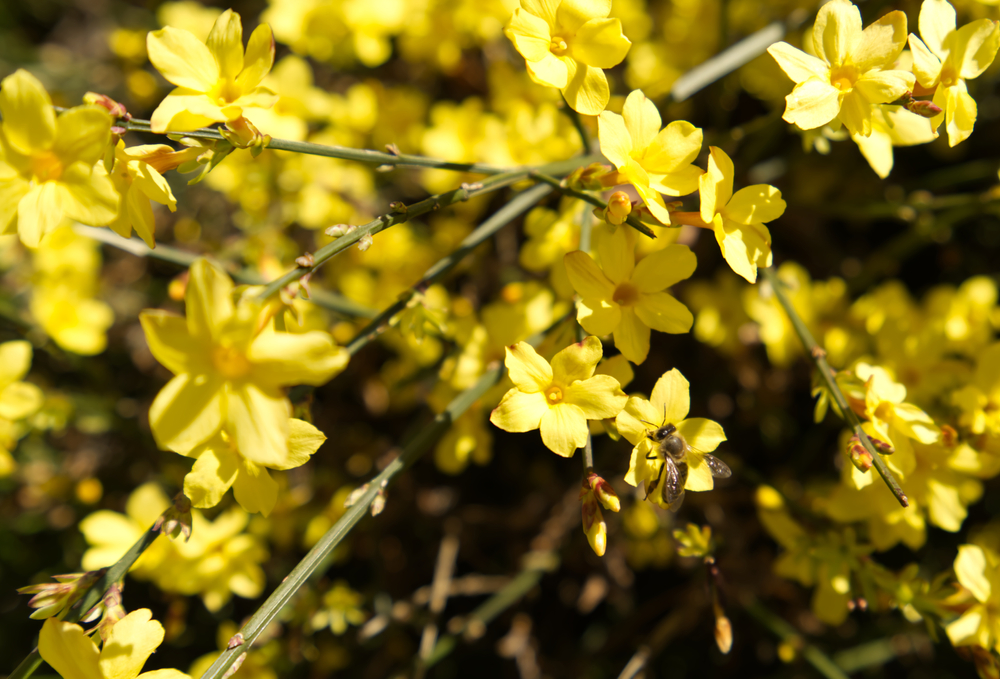
Winter Jasmine is a hardy shrub that thrives in the cold, offering cheery yellow blooms even when the temperature drops. It is a deciduous shrub, meaning it will shed its leaves in the winter, but the blooms still appear on the bare stems, creating a burst of color during the cold months. Known for its resilience, Winter Jasmine can tolerate frost and grow in a variety of conditions, from sunny to partially shaded areas. It has a trailing habit that works well in hanging baskets or cascading over garden walls.
This plant requires well-drained soil and will grow best with a moderate amount of sunlight, especially during the cooler months. Although Winter Jasmine prefers slightly acidic to neutral soil, it can adapt to various pH levels, making it suitable for most gardens. For maximum flower production, prune it back after flowering to maintain its shape and encourage new growth. As the temperatures rise in spring, the plant continues to put on fresh growth, ensuring a colorful garden throughout the year.
Pansies
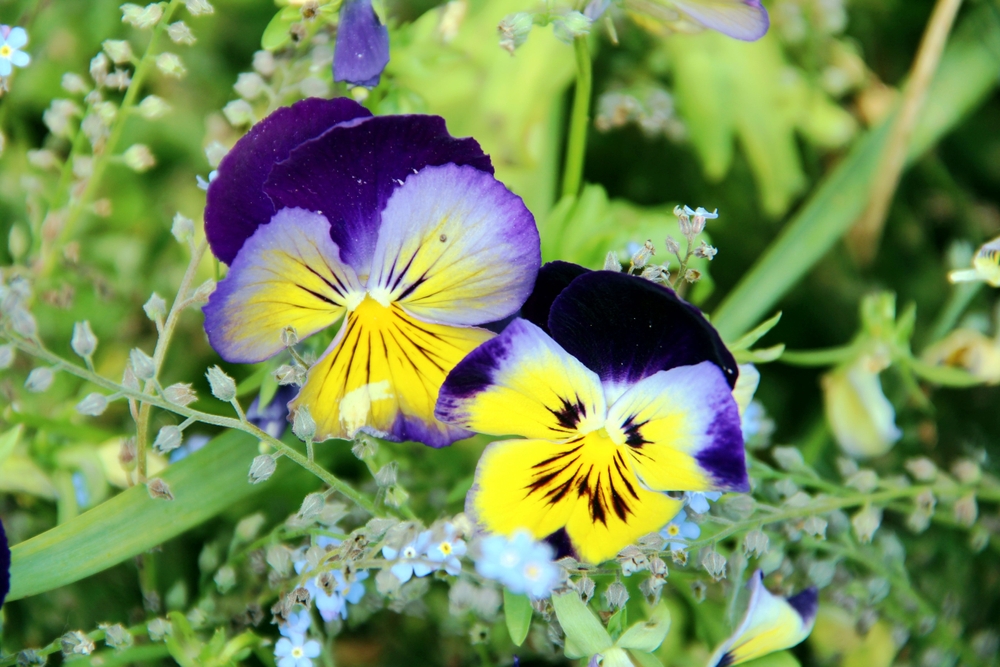
Pansies are known for their ability to withstand frost while providing vibrant colors during the colder months. They can bloom through light frosts and even the first snow, making them perfect for early spring and late fall planting. These flowers come in a range of colors and patterns, from rich purples to bright yellows, giving your garden a lively feel even when the temperatures drop. Pansies thrive in cool weather, and their growth slows down only in extreme heat.
Plant them in well-drained, nutrient-rich soil, and they will reward you with continuous blooms for several months. Pansies are often used in bedding displays, containers, and hanging baskets, where their cheerful flowers can brighten up any space. While they are frost-tolerant, they do require regular watering, especially in drier conditions. Their resilience and vibrant blooms make them a favorite for gardeners looking to add color to their winter garden.
Lavender
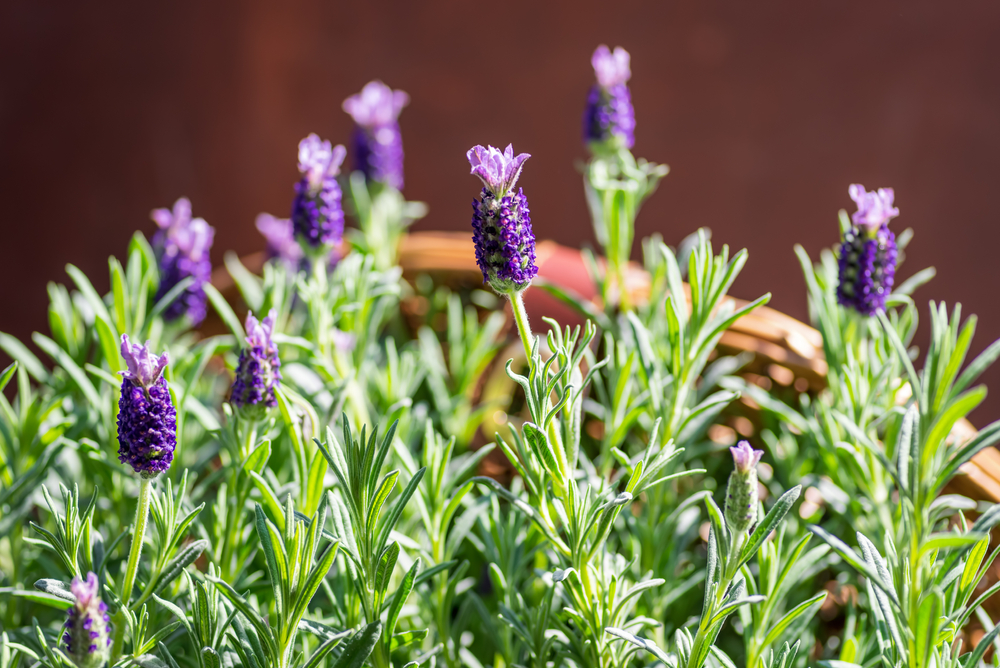
Lavender is a hardy herb that can tolerate frost, making it an ideal addition to gardens in cooler climates. While it may not continue blooming in the winter, it still grows steadily through the colder months. Its silvery-green foliage adds an attractive, muted backdrop to frost-dusted gardens. As temperatures warm up, lavender will begin producing its signature purple flowers, filling the air with its calming scent.
Lavender thrives in well-drained soil and needs plenty of sunlight to encourage robust growth. It is also drought-tolerant, making it low-maintenance once established. While some varieties may be more cold-sensitive than others, most types can withstand moderate frost and continue to grow during the colder months. Its natural resistance to pests and diseases makes lavender a great choice for those seeking a hardy and aromatic plant for their garden.
Thyme
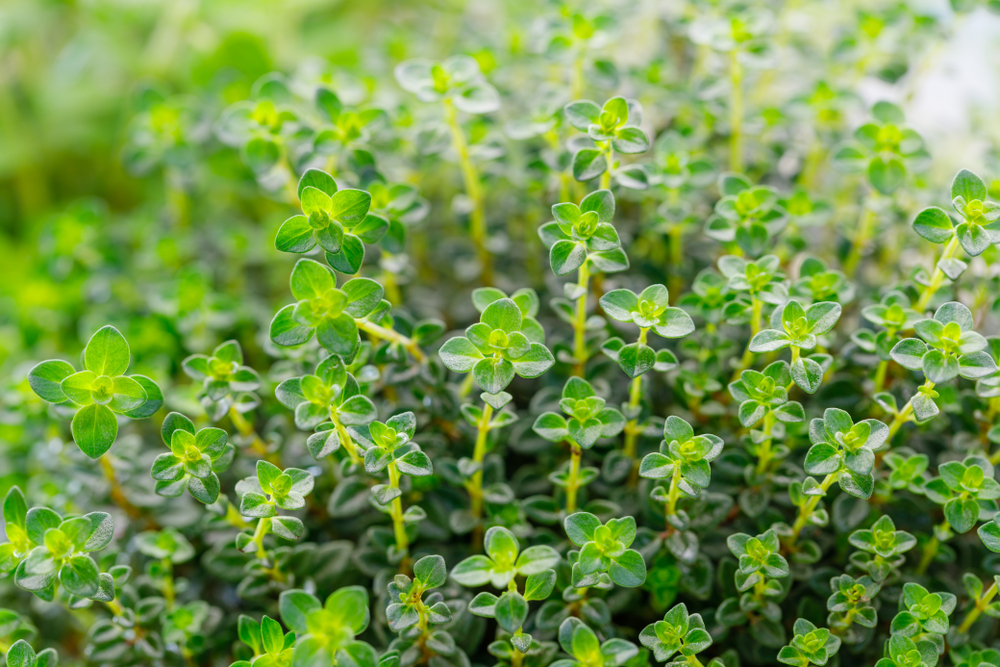
Thyme is another herb that can handle frost and continue to grow in cooler temperatures. Its small, aromatic leaves and tiny flowers make it an excellent ground cover for winter gardens. Thyme is a perennial herb, meaning it comes back year after year, offering fresh growth as the temperature rises. In addition to being frost-tolerant, thyme can also withstand drought, making it an easy-to-grow plant for gardeners with a range of conditions.
Plant thyme in well-drained soil with plenty of sunlight, and it will thrive even in the cold months. It is a versatile herb that works well in kitchen gardens or as a low-maintenance addition to flower beds. Thyme also benefits from regular pruning, which encourages new growth and prevents it from becoming too woody. It is a valuable herb in both the culinary and ornamental gardens, offering long-lasting flavor and beauty.
Sedum (Autumn Joy)
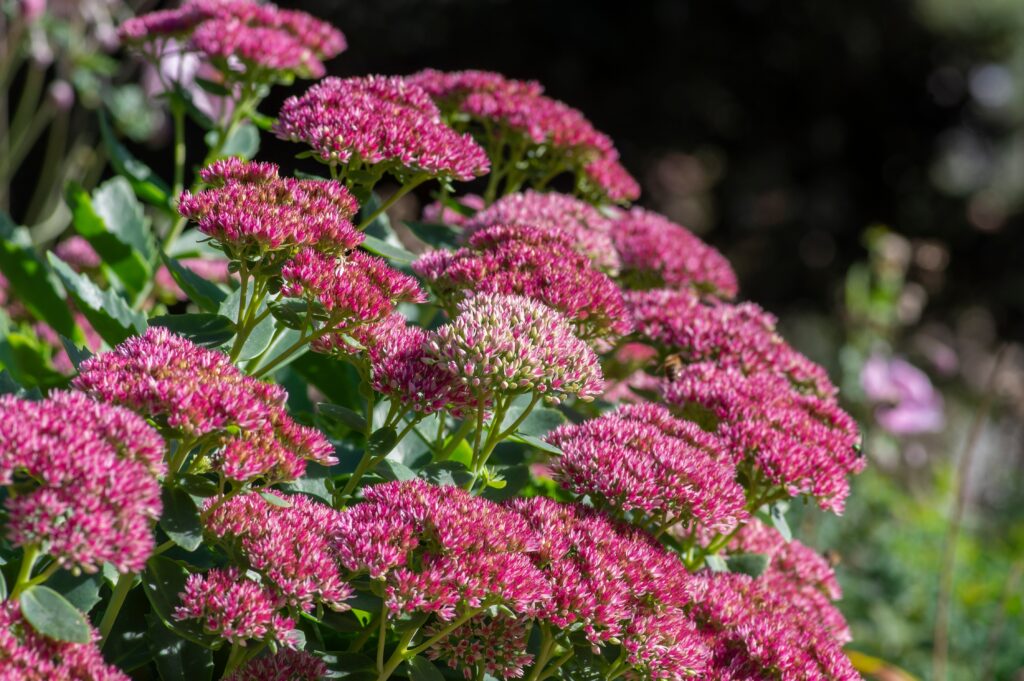
Sedum, especially varieties like Autumn Joy, are well-known for their frost tolerance and ability to continue growing in cooler temperatures. The succulent leaves of sedum store water, allowing them to survive through cold spells and provide hardy foliage throughout the winter. As the weather warms, sedum will begin to bloom in shades of pink and red, adding a touch of color to your garden. It’s a great plant for late-season interest, as it continues to grow when many other plants have gone dormant.
This plant thrives in full sunlight and can handle a range of soil conditions, including poor, dry soils. Sedum is extremely low-maintenance, requiring very little attention once established. It is also an excellent choice for gardeners who want to attract pollinators, as bees and butterflies are often drawn to its late-season blooms. Sedum’s ability to withstand frost and offer continued growth makes it a standout addition to any garden.
Cabbage (Ornamental)
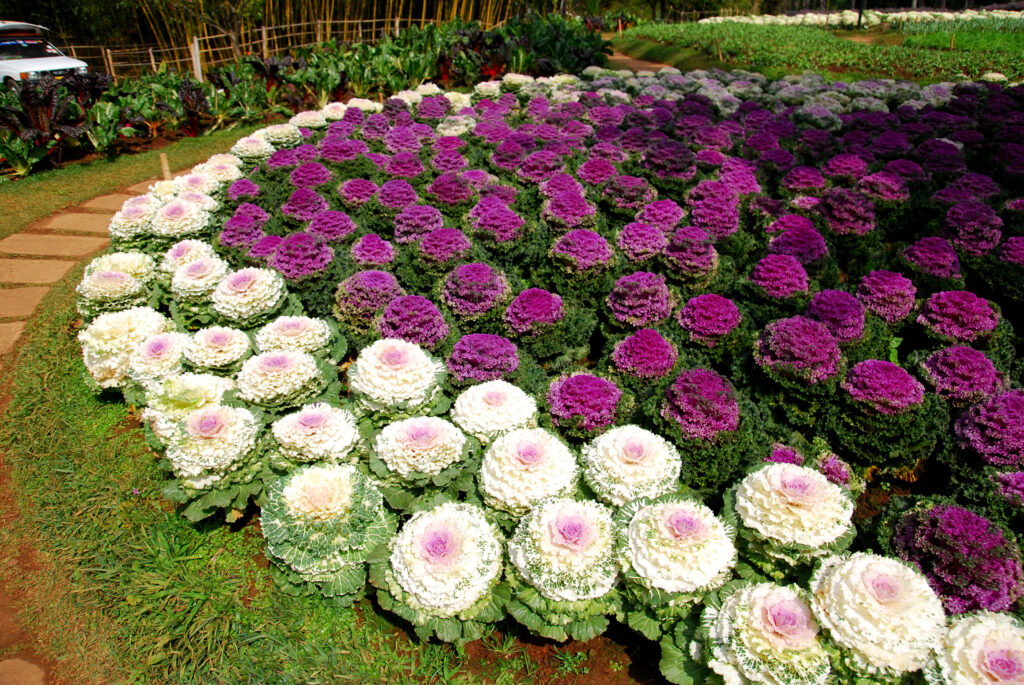
Ornamental cabbage is a hardy plant that can tolerate frost and still grow throughout the colder months. Its vibrant, ruffled leaves range in colors from deep purples to bright whites, creating a striking contrast against a winter landscape. Ornamental cabbage can withstand temperatures as low as 20°F, making it an ideal choice for gardeners who want to add color and texture to their winter garden. These plants continue to grow and develop their vibrant leaves as the temperature drops, bringing life to the garden in the cold months.
This plant thrives in well-drained soil and can handle both sun and partial shade. Ornamental cabbage is often used in containers, garden beds, and mixed with other winter-hardy plants. While they are fairly easy to care for, they do require regular watering, especially in drier winter conditions. Their striking foliage and ability to tolerate frost make them a great choice for adding color to your garden when most plants are dormant.
Creeping Jenny
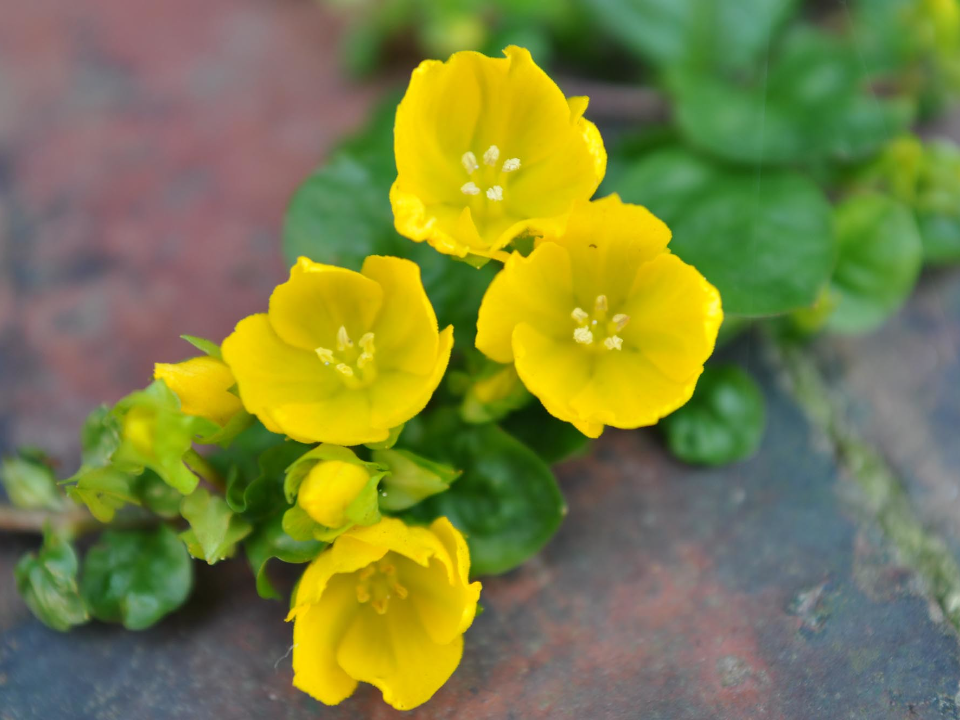
Creeping Jenny is a low-growing perennial that flourishes in cooler temperatures and can survive light frost. Its bright green or golden leaves create a cheerful ground cover that thrives even in the winter months. This plant spreads easily, creating a vibrant carpet of color in shady or partially sunny areas. Creeping Jenny’s resilience to frost and ability to grow in a variety of soil conditions make it an excellent choice for winter gardens.
It thrives in moist, well-drained soil and does well in both full sun and partial shade. Creeping Jenny is an ideal plant for hanging baskets, containers, and as ground cover in garden beds. It continues to grow through the cooler months, and its trailing vines add an interesting texture to your garden. While it’s a hardy plant, Creeping Jenny does need to be trimmed back in the spring to encourage fresh growth.
Heuchera (Coral Bells)
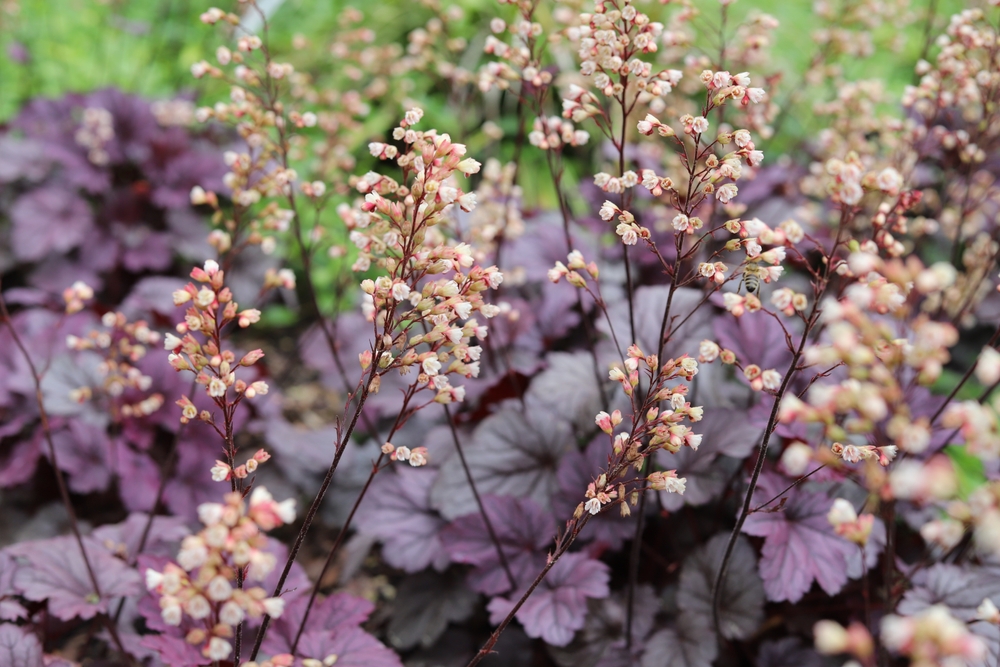
Heuchera, commonly known as coral bells, is a versatile plant that tolerates frost and keeps growing through the colder months. Its colorful foliage, ranging from deep reds to soft greens, adds vibrancy to gardens in late fall and winter. Heuchera continues to grow and flourish even when the temperature drops, making it a great plant for winter interest. The small, bell-shaped flowers that bloom in late spring and summer further enhance its appeal.
This perennial thrives in well-drained, moist soil and does best in partial shade. Heuchera can handle a variety of soil types, making it a good choice for gardeners with different garden conditions. It requires minimal care once established, only needing an occasional trim to remove dead foliage. The plant’s hardy nature and stunning foliage make it a great addition to any frost-tolerant garden.
Kale (Ornamental)
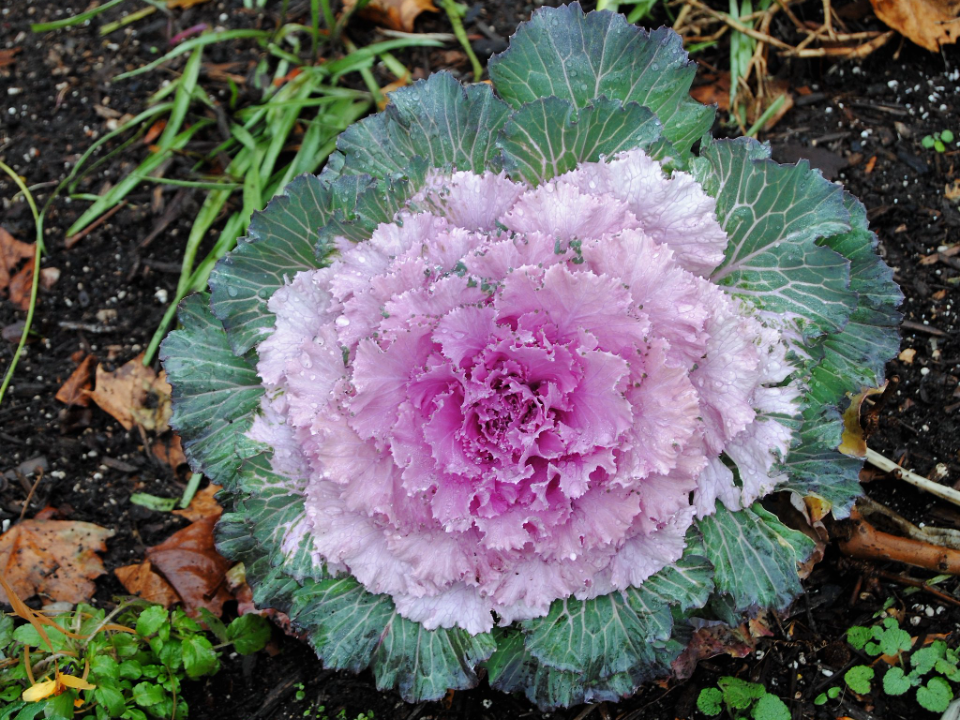
Ornamental kale is a frost-tolerant plant that continues to grow in cooler temperatures, offering a burst of color even in the late fall and winter. With its brightly colored, ruffled leaves in shades of purple, pink, and white, ornamental kale adds beauty and texture to gardens during the cold months. This plant thrives in cold weather and can survive light frosts, providing a lively contrast to the often dull winter landscape. It also makes an excellent addition to garden beds, containers, and hanging baskets.
Ornamental kale is easy to grow in well-drained, nutrient-rich soil. It prefers full sun to partial shade, and regular watering ensures its growth even in the cooler months. While it is mostly grown for ornamental purposes, its edible leaves make it a dual-purpose plant. With the right care, ornamental kale can brighten up your garden all winter long.
Hops
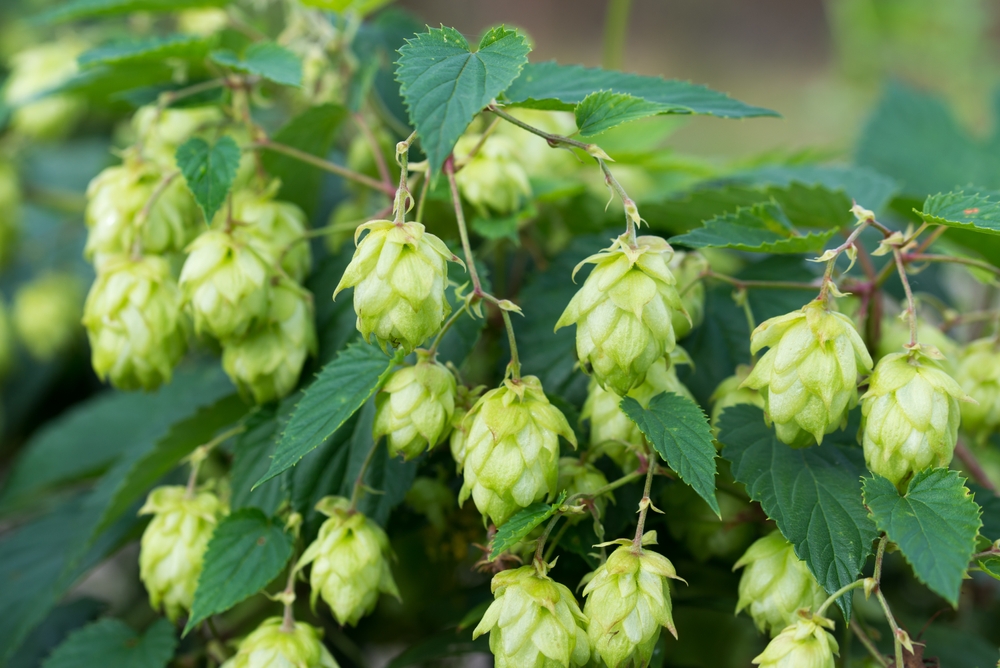
Hops, the plant used in brewing beer, are quite frost-tolerant and can continue growing in cooler temperatures. Known for their vigorous growth, hops climb trellises and fences, making them ideal for vertical gardens. Their unique foliage adds texture to the garden, and they continue to grow through the winter, often putting out new shoots in the spring. Hops thrive in well-drained soil and benefit from a sunny location to maximize their growth.
Once established, hops require minimal maintenance, making them a low-effort plant for gardeners. They also attract pollinators such as bees, adding ecological value to your garden. The vibrant green leaves and unique cones produced by hop plants are great for adding seasonal interest. They are best grown in areas with mild winters, but wide varieties can withstand colder temperatures with ease.
Armeria (Sea Thrift)
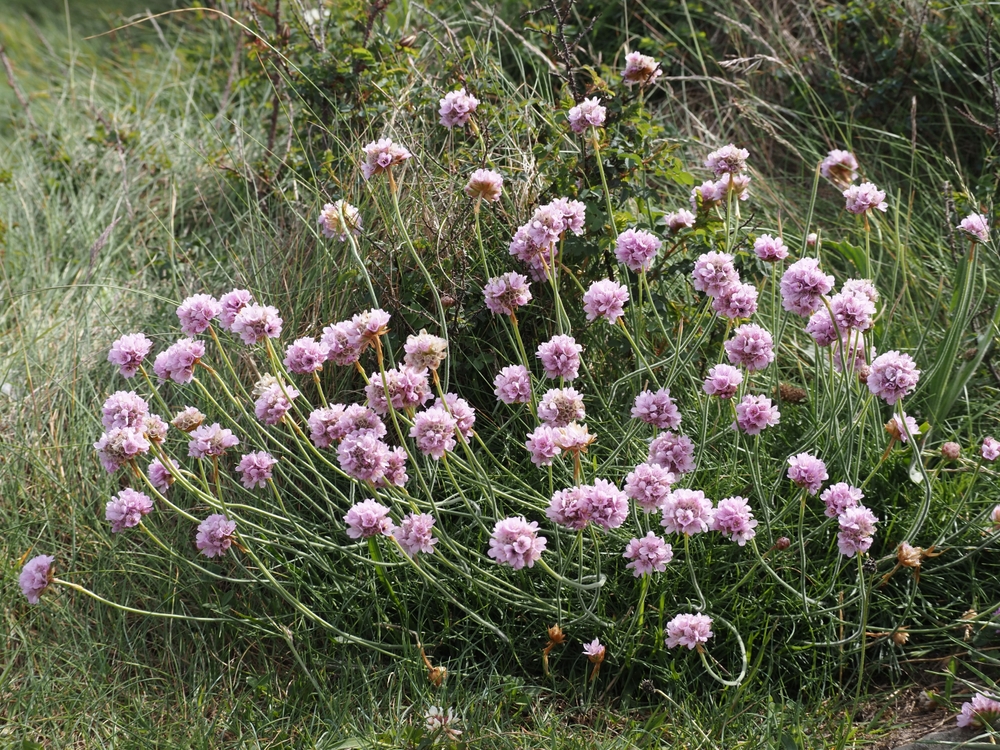
Armeria, or sea thrift, is a hardy perennial that tolerates frost and continues to grow even in colder temperatures. With its compact growth habit and striking pink or white flowers, it adds vibrant color to winter gardens. Sea thrift is an excellent choice for coastal gardens, as it thrives in well-drained, sandy soil and can handle both salt and frost. Its ability to endure the cold makes it perfect for gardeners looking for winter interest in their garden beds.
This plant requires little care once established and does best in full sunlight. It is also drought-tolerant, making it ideal for low-maintenance gardeners. While it blooms most profusely in spring and early summer, its foliage remains attractive through the winter months. Sea thrift is a tough plant that adds color and texture to your garden, even in the coldest weather.
Pine (Dwarf Varieties)
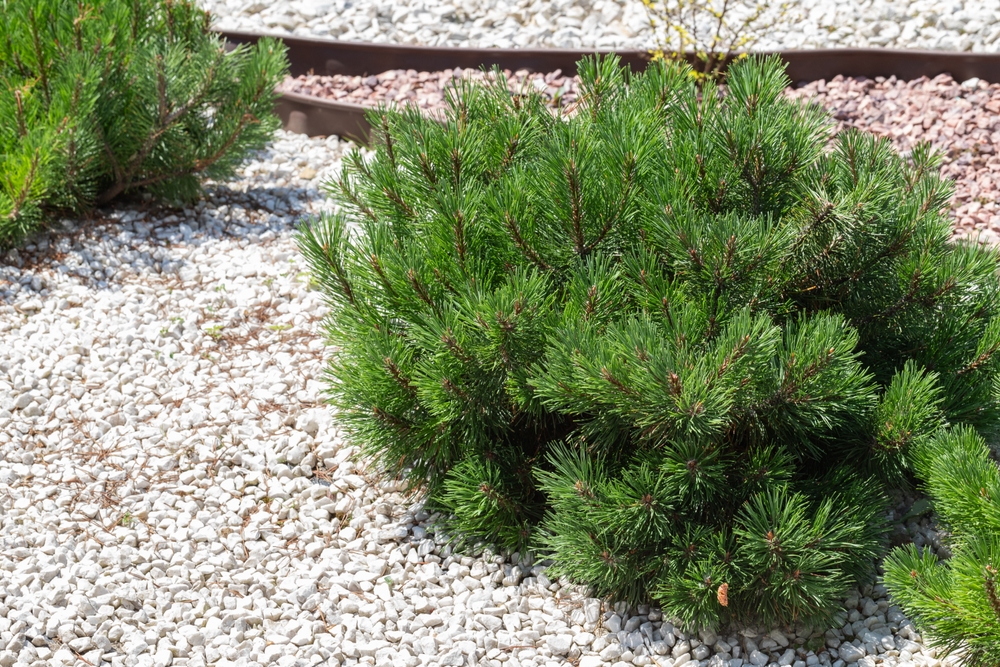
Dwarf pine varieties are small, evergreen trees that tolerate frost and grow steadily through the winter. These trees are perfect for small gardens, providing year-round interest with their unique shapes and dense foliage. Dwarf pines continue to grow through cold spells, making them a valuable addition to any winter landscape. Their compact size allows them to be used in a variety of settings, from rock gardens to container plantings.
Dwarf pines thrive in well-drained soil and can tolerate a range of light conditions, from full sun to partial shade. They are particularly suited for colder climates, as they are naturally adapted to surviving in freezing temperatures. Their slow growth and low maintenance requirements make them ideal for gardeners who want a hardy evergreen that will thrive even in challenging conditions.
Snowdrop
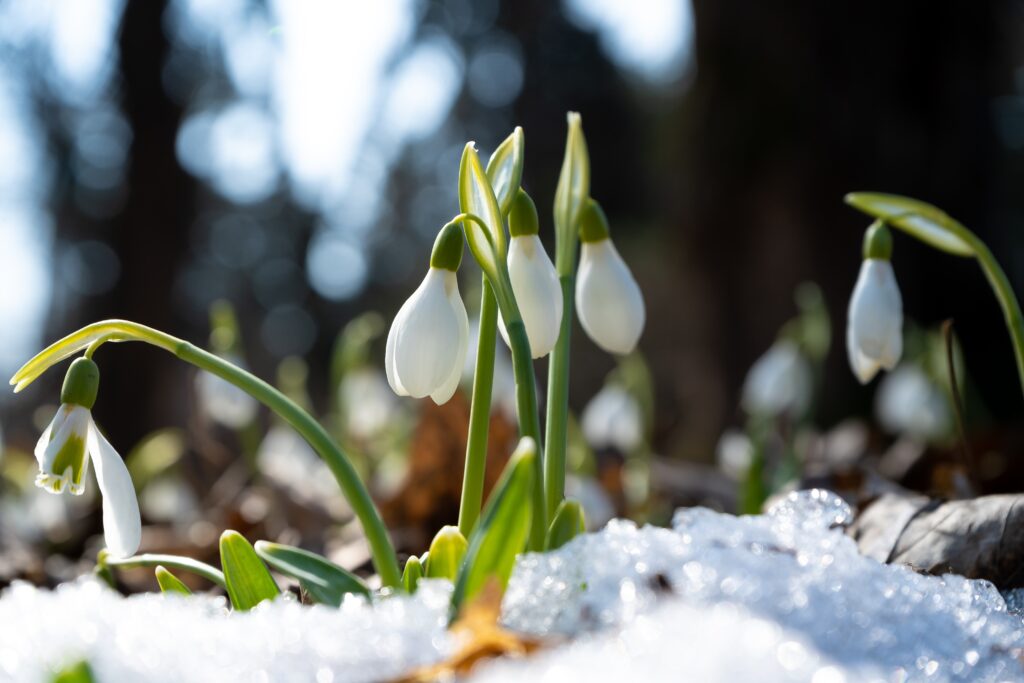
Snowdrops are one of the first flowers to bloom in spring, often emerging from the ground even while snow is still on the ground. These delicate, white flowers can tolerate frost and bloom in the coldest months, offering a hopeful sign that spring is on its way. Snowdrops grow best in well-drained, slightly acidic soil and prefer partial to full shade. Despite the chill, they continue to grow and spread, creating a carpet of flowers in early spring.
These plants are low-maintenance and require little attention once established. Snowdrops are excellent for naturalizing in woodland gardens or as a border plant. Their ability to withstand frost and grow early in the season makes them an excellent choice for gardeners who want to enjoy the first blooms of the year. Snowdrops can live for many years with proper care, providing a lasting addition to your garden.
Cotoneaster
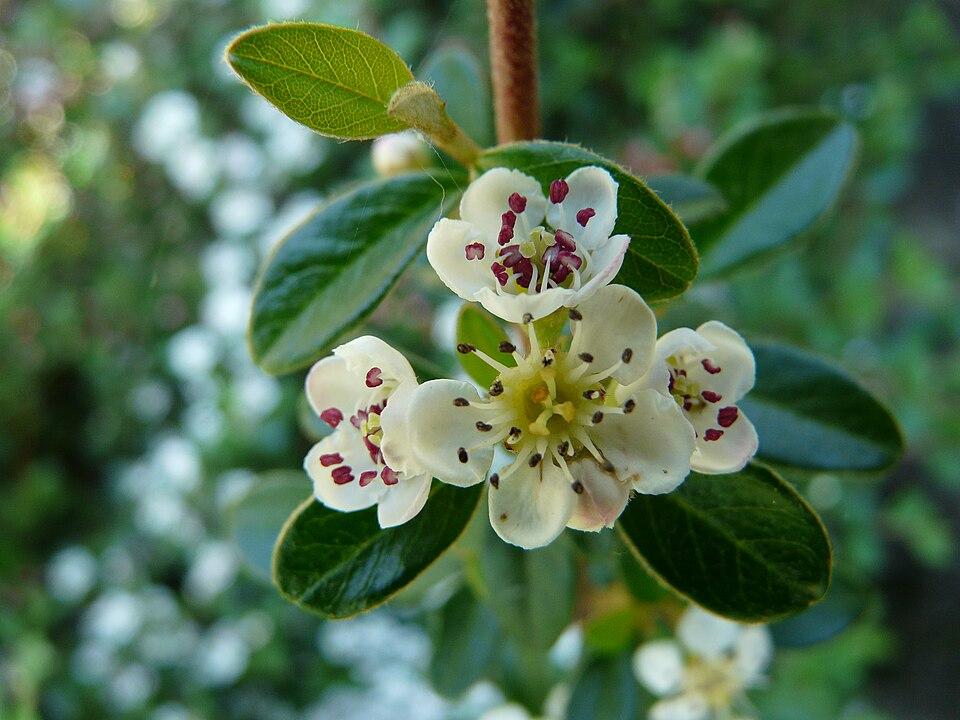
Cotoneaster is a frost-tolerant shrub that provides year-round interest with its dense foliage and vibrant berries. It continues to grow through the colder months, with its leaves remaining attractive even in the winter. Cotoneaster thrives in well-drained soil and is highly adaptable to different growing conditions, making it a versatile addition to your garden. Its frost tolerance and vibrant red berries in the winter make it a standout in cold-season landscapes.
This plant prefers full sun to partial shade and requires minimal care once established. Cotoneaster is an excellent choice for hedges, ground cover, or even cascading over walls and fences. The berries provide winter food for birds, adding an ecological benefit to your garden. With its ability to thrive through frost and provide visual interest year-round, Cotoneaster is a valuable addition to any garden.
This article originally appeared on Avocadu.