
11 Budget-Friendly Garden Projects That Make Spring Easier
Spring gardening does not have to strain your budget or your schedule. With a few practical projects focused on repurposing materials, starting plants from seed, and choosing low-maintenance solutions, you can prepare your garden without overspending. Simple changes such as composting, rainwater collection, and recycled containers can make planting season smoother and more organized. These affordable garden ideas help you save money while setting up a yard that works better all season long.
This post may contain affiliate links, which helps keep this content free. Please read our disclosure for more info.
Start Seeds Indoors Using Recycled Containers
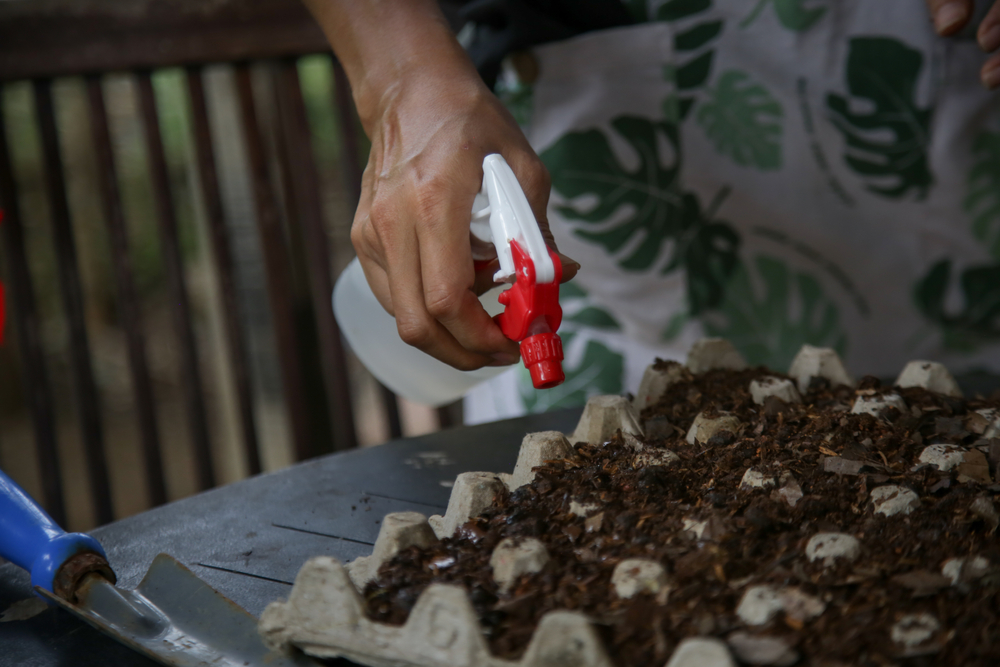
Starting seeds indoors using recycled containers is one of the most practical ways to save money before spring even begins. Yogurt cups, egg cartons, plastic salad boxes, and even milk jugs can be cleaned, poked with drainage holes, and filled with seed starting mix. These simple containers create a controlled space where seeds can germinate without exposure to cold soil or late frosts. By the time outdoor temperatures settle, you already have healthy seedlings with established root systems.
Growing plants from seed costs far less than purchasing individual transplants at a garden center. A single seed packet can produce dozens of plants for the price of one nursery-grown pot. This approach also allows you to plan succession planting, so you have crops ready to rotate into garden beds throughout the season. Over time, saving containers and starting seeds indoors becomes a routine that reduces spring expenses and gives you stronger, better acclimated plants.
Build Raised Beds from Reclaimed Wood
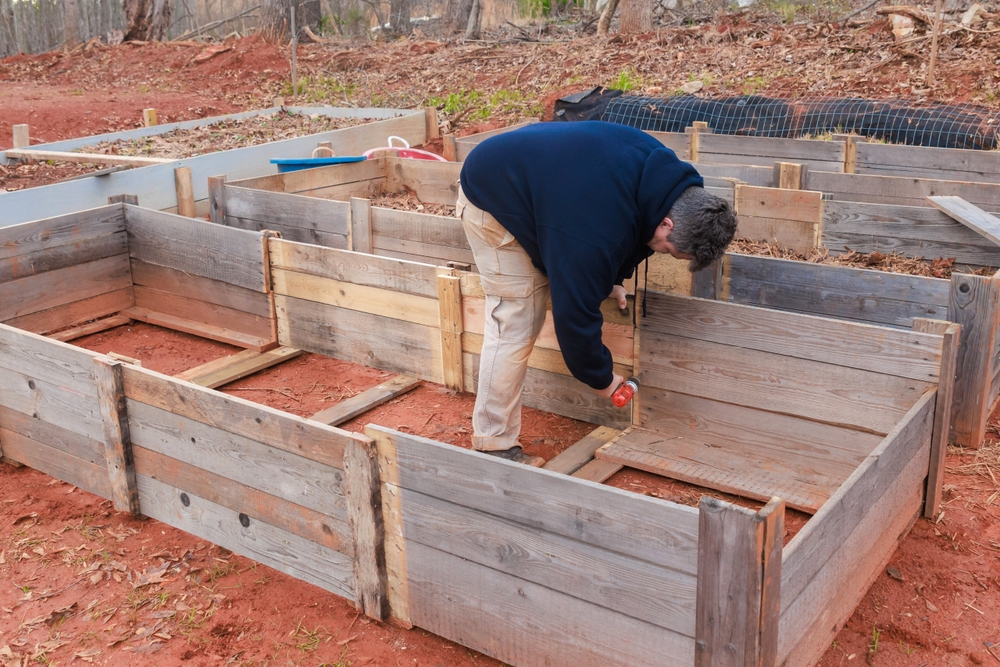
Building raised beds from reclaimed wood is a practical way to create structure in your garden without spending heavily on new materials. Old fence boards, unused decking, or heat-treated pallets can be repurposed into simple frames that define planting areas. Even basic rectangular boxes held together with screws provide better soil control than planting directly in compacted ground. This project gives scrap materials a new purpose while improving the overall layout of your garden.
Raised beds warm more quickly in early spring because the soil sits above ground level and drains well after rain. That extra warmth allows earlier planting of greens, carrots, and other cool-season crops. Since you fill the beds with compost-rich soil from the start, you reduce the need for constant amendments later. Over several seasons, raised beds become low-maintenance spaces that simplify planting, watering, and harvesting.
Create a Compost Bin from Old Pallets
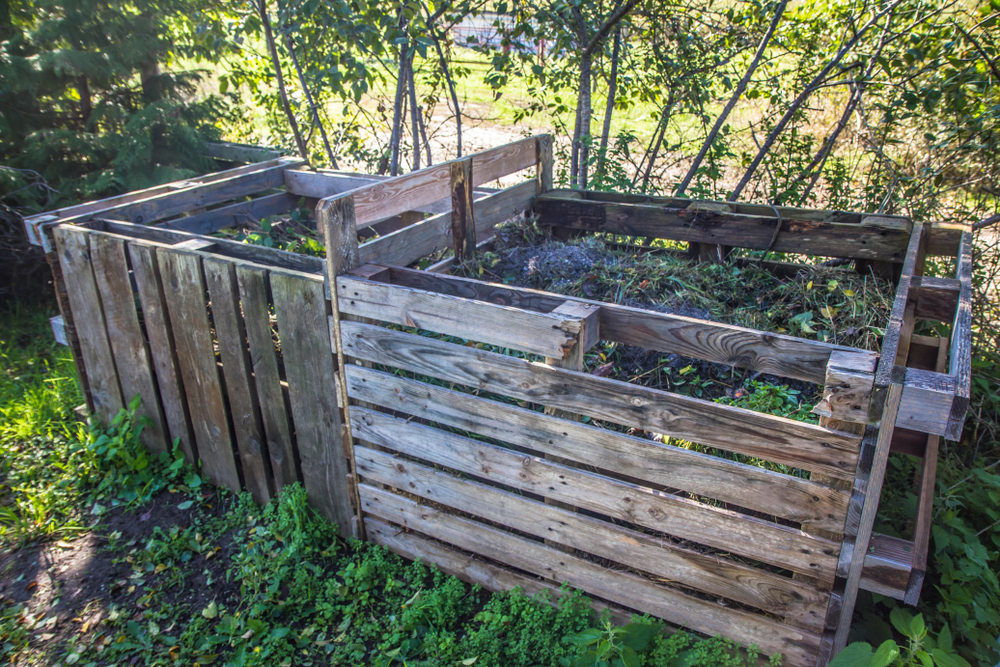
A compost bin made from old pallets is a practical way to recycle kitchen scraps and yard debris into valuable garden material. By standing three or four pallets upright and fastening them together, you create an open-air structure that allows airflow while keeping compost contained. Leaves, vegetable peels, grass clippings, and small prunings can all be layered inside. This setup requires little more than occasional turning and moisture monitoring.
By spring, partially broken-down compost can be added to garden beds to improve soil texture and fertility. This reduces reliance on bagged fertilizers and soil blends from the store. Compost also improves water retention, which helps plants during dry spells. Over time, maintaining a compost system becomes one of the most dependable and cost-saving habits in the garden.
Install a Simple Rain Barrel System
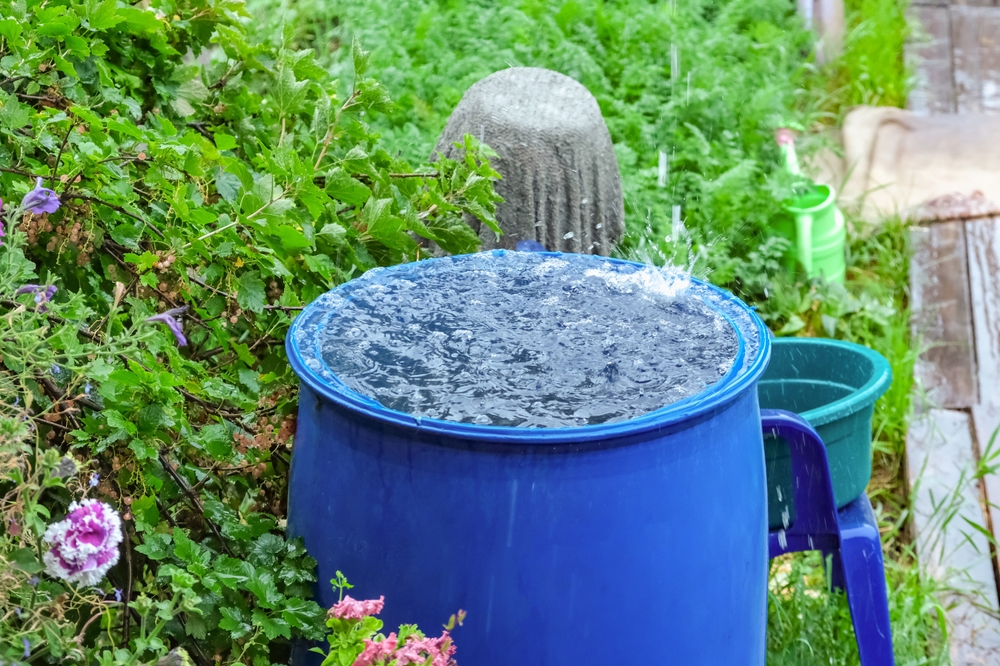
A rain barrel system can be assembled using a food-grade barrel placed under a downspout to collect runoff from your roof. With a spigot attached near the base and a simple mesh screen on top, you create a clean water source for garden use. This stored rainwater can be used for seedlings, container plants, and raised beds throughout spring. It is a practical way to repurpose rainfall that would otherwise run off into storm drains.
Collected rainwater reduces dependence on municipal water, especially during dry weeks. It also helps lower water bills over the course of the growing season. Since the system has no complex parts, maintenance is minimal once installed. Year after year, this simple project supports consistent watering while keeping costs under control.
Use Cardboard for Sheet Mulching
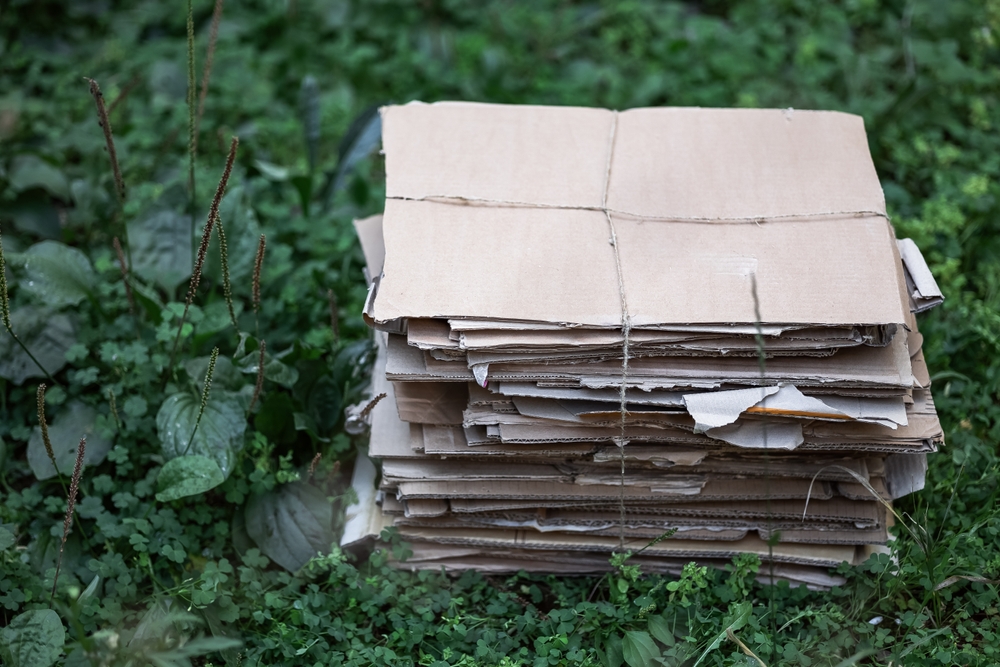
Sheet mulching with cardboard is an easy way to prepare new planting areas without heavy digging. Flattened boxes lay directly over grass block sunlight and slowly smothering weeds beneath them. A layer of compost or soil placed on top creates an instant planting surface. This method makes use of materials that are often thrown away after deliveries.
As the cardboard breaks down, it feeds soil organisms and improves the structure below the surface. By spring, previously grassy areas can become workable garden beds with far less labor. The thick base layer reduces weed growth throughout the season, which cuts back on maintenance. This long-term approach saves both time and money while steadily improving soil quality.
Divide Perennials Instead of Buying New Plants
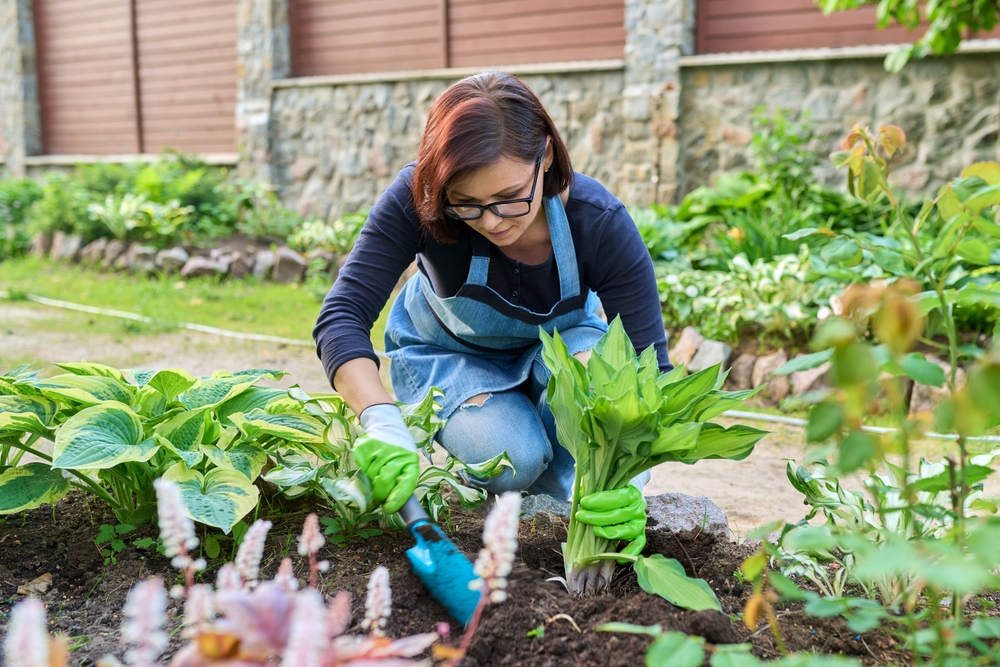
Dividing established perennials in early spring is one of the simplest ways to expand your garden without spending money. Plants such as hostas, daylilies, coneflowers, and ornamental grasses naturally form large clumps over time. Carefully lifting and separating these clumps into smaller sections creates multiple new plants from one original. Each division can be replanted in bare spots or shared with neighbors.
This process keeps mature plants vigorous by preventing overcrowding. The newly divided sections settle in quickly because they already have established root systems. Instead of purchasing additional plants each spring, you multiply what you already own. Over several seasons, this approach fills garden beds naturally and keeps your plant collection thriving.
Make DIY Plant Supports from Pruned Branches
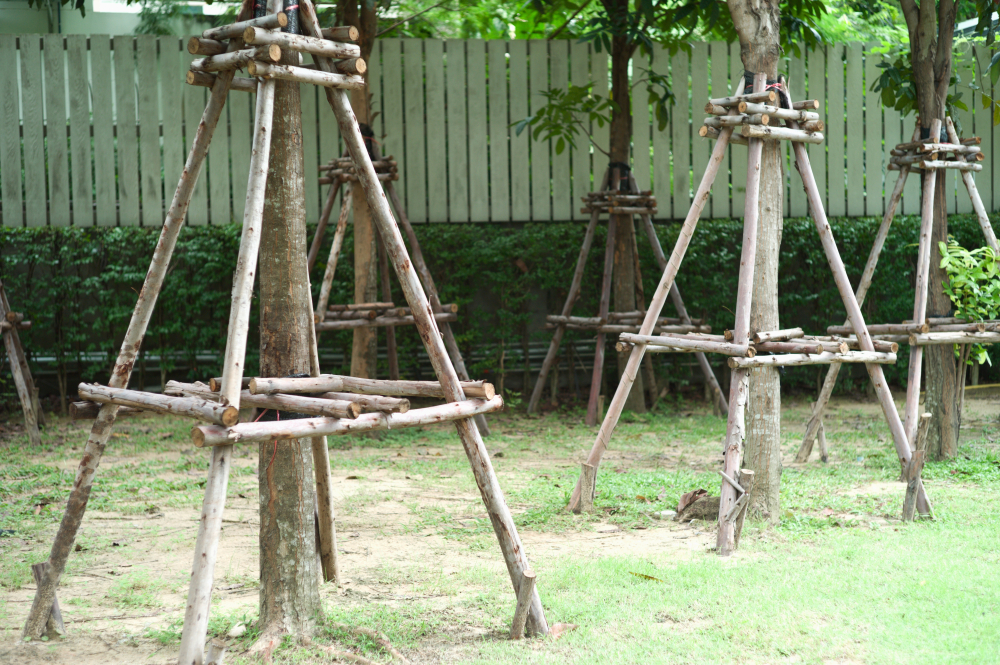
Pruned branches from trees and shrubs can be repurposed into sturdy plant supports. Straight sticks work well as stakes for tomatoes and peppers, while forked branches can be arranged into teepee structures for climbing beans. This avoids the cost of buying metal cages or plastic trellises. It also gives yard waste a second purpose before it fully dries out.
Natural branch supports blend into the garden and break down over time without creating waste. They provide a reliable structure during windy spring days when young plants are still establishing. Since you collect materials during routine pruning, there is no additional expense involved. Each year, you can repeat the process and adjust the supports based on the needs of your crops.
Create Gravel or Wood Chip Pathways from Leftover Materials
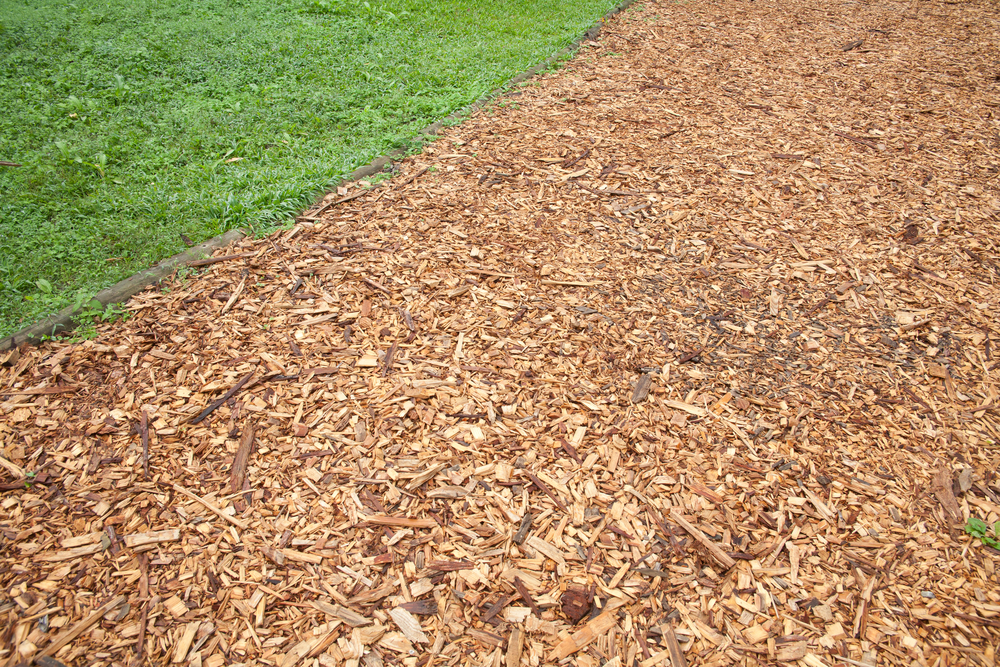
Garden pathways do not need expensive pavers to be effective. Leftover gravel, broken concrete pieces, or free wood chips from local tree services can be used to define clear walking paths between beds. Laying down cardboard first helps suppress weeds, then topping it with gravel or chips creates a stable surface. This keeps mud off your shoes during wet spring weather.
Defined paths protect your planting areas from soil compaction caused by foot traffic. When soil stays loose, roots grow deeper, and water drains more evenly. Over time, wood chips slowly break down and improve the soil along the edges of beds. This project keeps maintenance simple while making the garden easier to move through during busy spring weeks.
Install Drip Irrigation Using Basic Tubing Kits
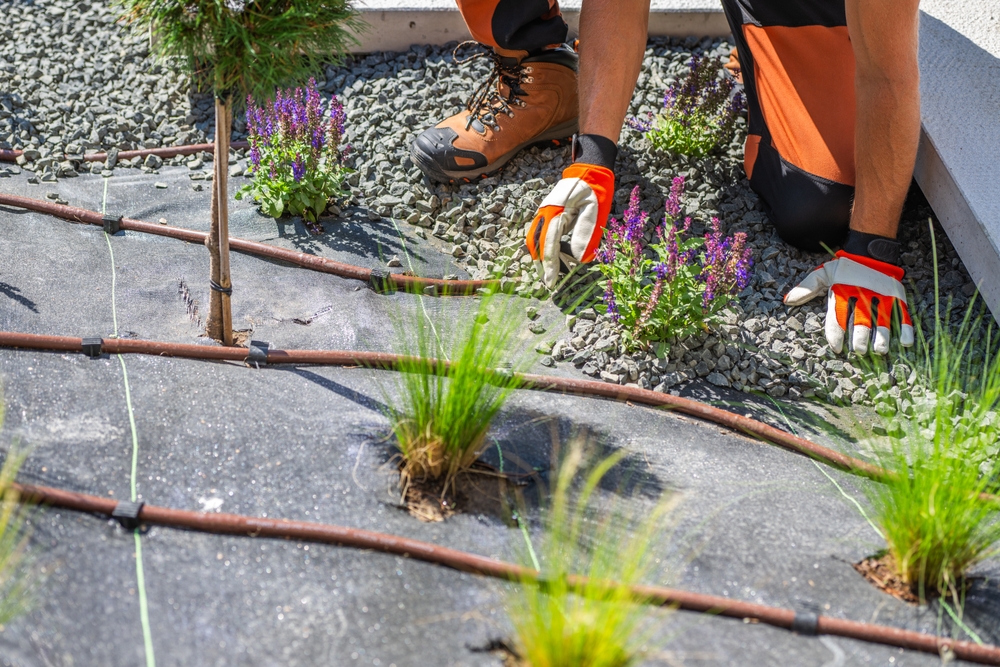
Simple drip irrigation kits are often affordable and can be expanded gradually. Basic tubing connected to an outdoor faucet delivers water directly to the base of plants instead of spraying entire areas. This reduces wasted water and limits moisture on leaves, which helps prevent common spring diseases. Even a small setup for raised beds can make daily watering much easier.
Drip systems provide consistent moisture without the need for constant supervision. Once in place, watering becomes more predictable, especially during dry stretches. Over time, this method reduces water use and keeps plants healthier with less effort. It is a long-term solution that saves time throughout the growing season.
Build Vertical Trellises from Repurposed Materials
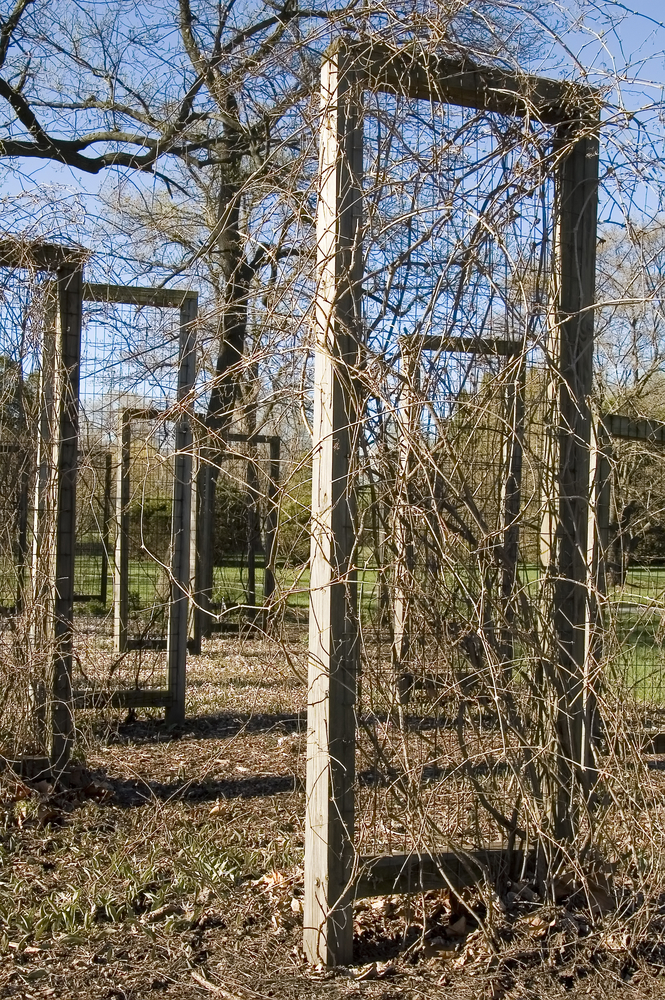
Vertical growing saves space and increases air circulation around plants. Old ladders, wire fencing, or scrap wood can be turned into trellises for peas, cucumbers, and beans. Leaning a ladder against a fence or attaching fencing to wooden stakes creates sturdy climbing structures at little cost. This approach makes use of items that might otherwise sit unused.
Growing upward keeps fruit off the ground, reducing rot and pest problems. It also makes harvesting easier since the produce hangs at eye level. In early spring, cool-season climbers benefit from improved airflow and light exposure. Over several seasons, vertical structures continue to serve multiple crops with very little upkeep.
Start a Perennial Herb Corner
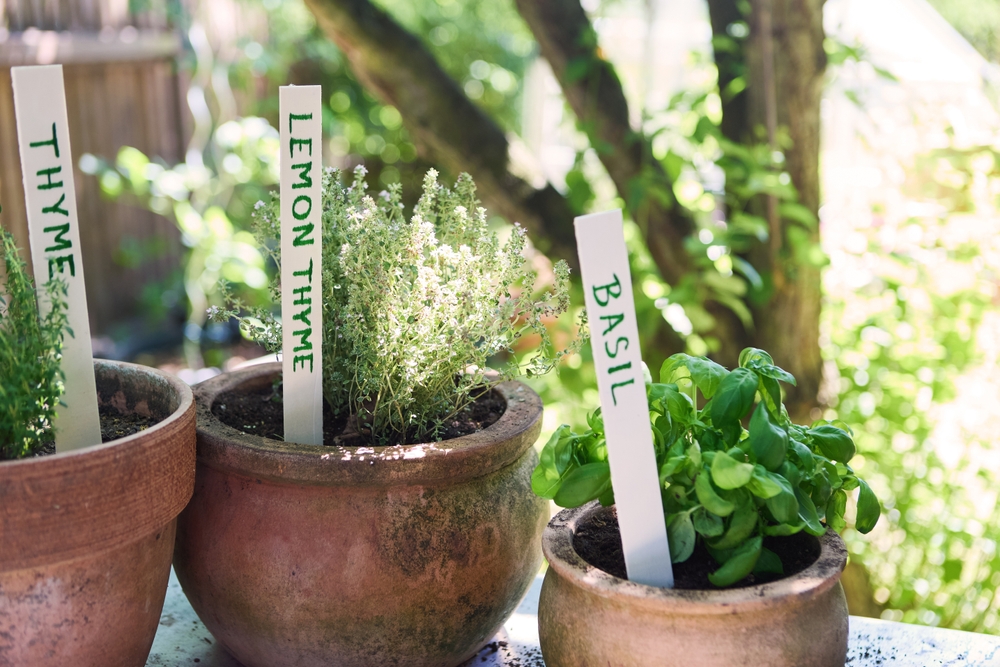
Planting perennial herbs such as rosemary, thyme, oregano, and chives creates a long-term food source that returns each spring. Instead of buying fresh herbs weekly, you harvest directly from your garden. Many of these herbs can be grown from seed or small cuttings, which keeps startup costs low. Once established, they require minimal care beyond occasional trimming.
Perennial herbs thrive with basic soil preparation and consistent sunlight. They tolerate cool spring temperatures and begin producing early in the season. Over time, these plants spread gently, filling small spaces with useful greenery. This project supports low-maintenance gardening while providing reliable harvests year after year.
This article originally appeared on Avocadu.