
10 Late-Winter Garden Pests to Watch For and How to Prevent Them
Late winter garden pests often start appearing during the first warm spells, even before spring fully arrives. Many insects and small animals overwinter in soil, mulch, or plant stems, then become active as temperatures rise. Without natural predators in full force yet, these early pests can spread quickly and damage tender new growth. Knowing what to watch for and how to prevent problems now can help protect your plants before the growing season takes off.
This post may contain affiliate links, which helps keep this content free. Please read our disclosure for more info.
Aphids
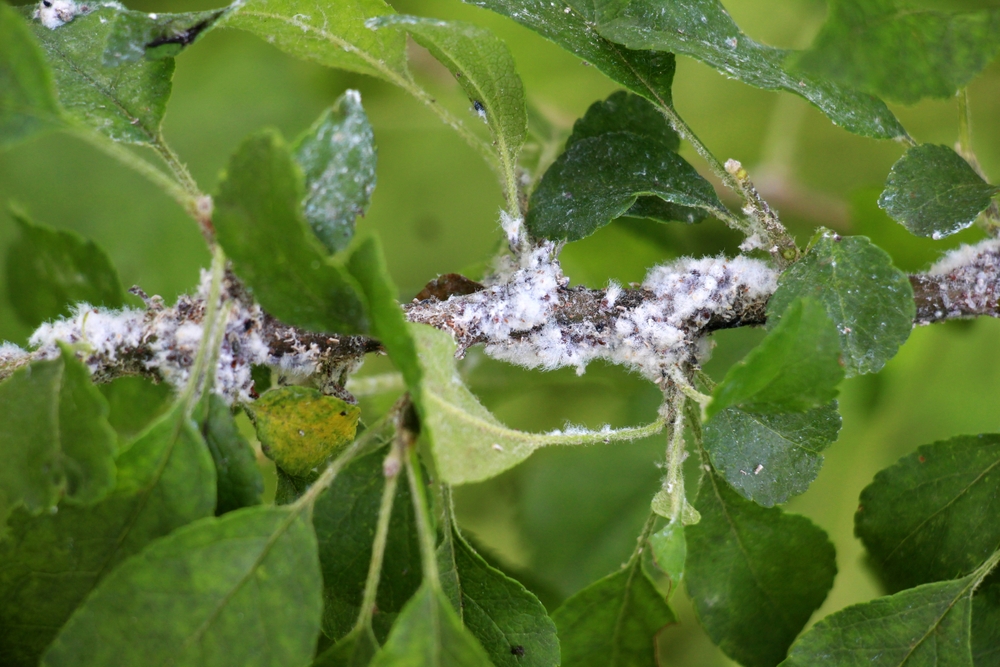
Aphids overwinter as eggs attached to stems or as adults sheltered in protected plant areas, waiting for sap to begin flowing again. As soon as shrubs, perennials, or vegetables push soft new growth during late winter warm spells, these insects gather along stems and leaf undersides. Their feeding weakens young shoots and can cause curling, distorted leaves. Because beneficial insects are still limited at this time of year, aphid populations can expand quickly before you even notice them.
Prevention begins with regular inspection of new growth every few days once temperatures begin fluctuating above freezing. A steady stream of water from a hose can remove many aphids before colonies grow large. Pruning out heavily infested tips reduces their numbers and slows reproduction. Avoid excessive nitrogen fertilizer in late winter, since overly soft growth tends to attract heavier infestations.
Spider Mites
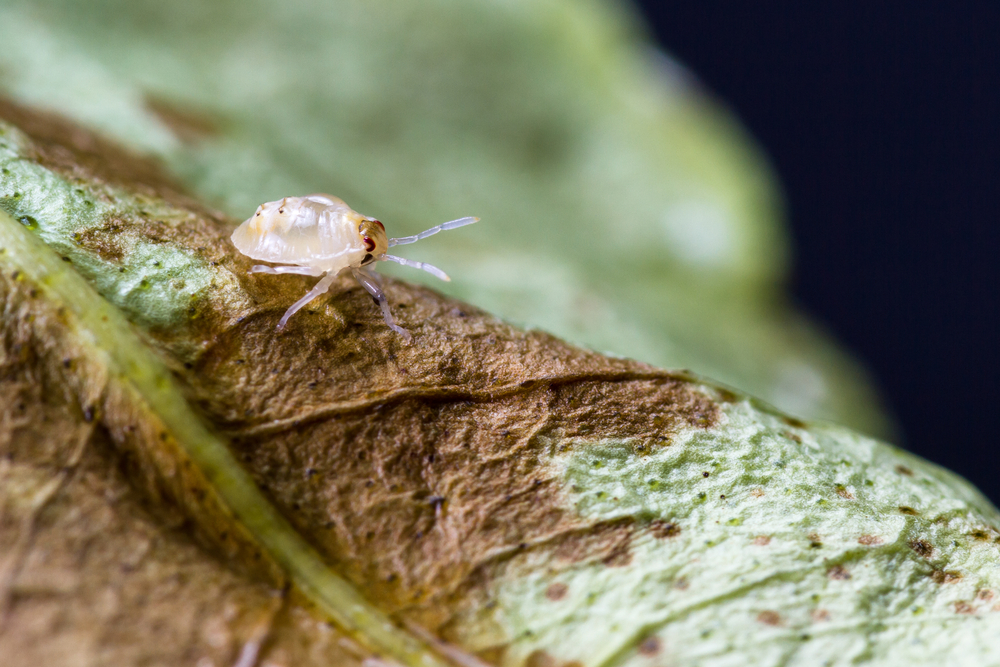
Spider mites survive winter tucked into bark cracks, leaf litter, or greenhouse structures, emerging when days grow slightly warmer and drier. They feed by piercing leaf tissue and sucking out plant fluids, which causes speckled, pale foliage that may look dusty or faded. In dry late winter air, their populations can build quickly, especially on evergreens or houseplants that are brought outdoors during mild days. Fine webbing often appears between leaves and stems when numbers increase.
To prevent outbreaks, raise humidity around vulnerable plants and avoid allowing soil to dry excessively. Rinse foliage periodically with water to dislodge mites and reduce dust, which encourages their activity. Remove and discard heavily damaged leaves before populations spread. Keeping plants well watered and free from stress makes them less attractive to infestation.
Scale Insects
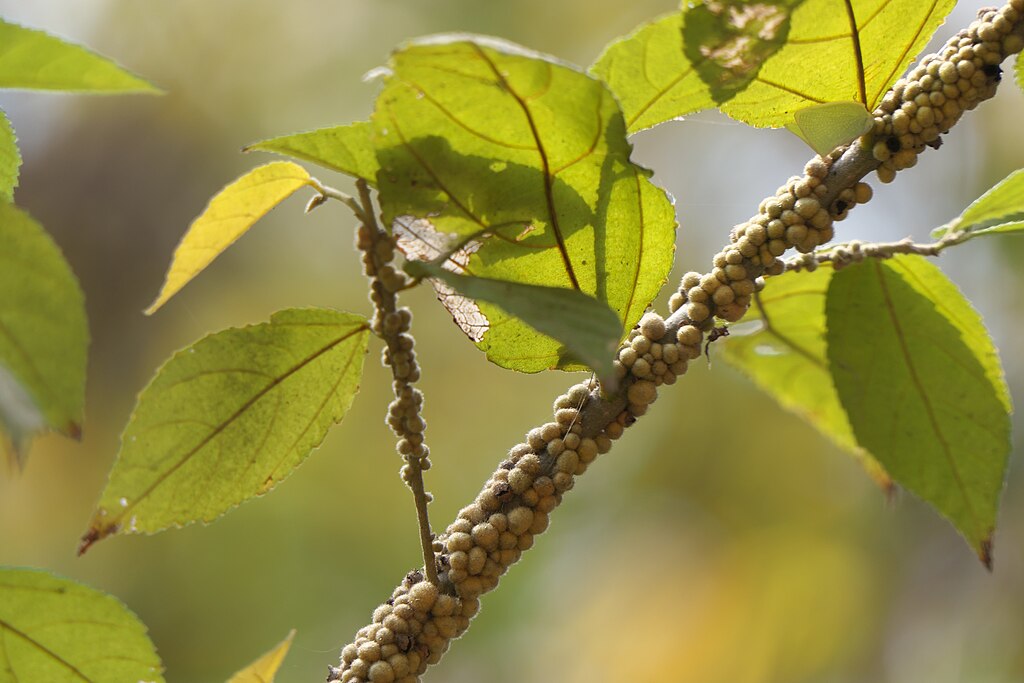
Scale insects overwinter attached to stems and branches, protected by hard or waxy coverings that shield them from cold. As late winter sunlight increases, they begin feeding again, drawing sap from shrubs and fruit trees. Infested branches may show sticky residue or black sooty mold forming on surfaces beneath them. Because they remain stationary, scale insects are often overlooked until damage becomes noticeable.
Inspect woody plants carefully for small bumps along stems and twigs. Applying horticultural oil during dormant periods can smother overwintering scale before they become active. Pruning out heavily infested branches helps reduce their spread. Maintaining good air circulation around plants also discourages buildup.
Slugs
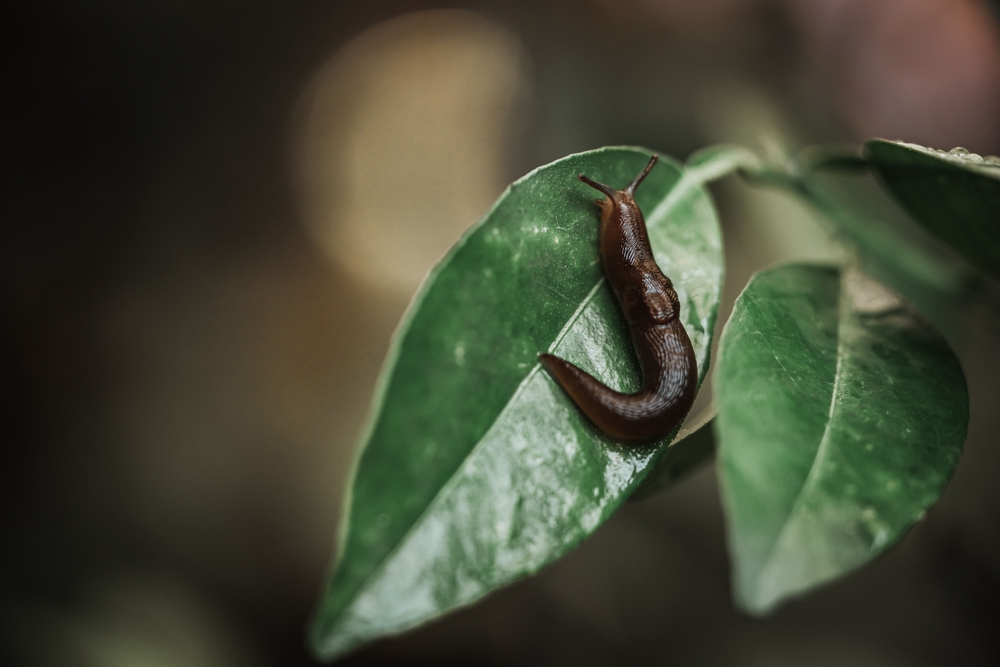
Slugs overwinter as eggs in soil or hidden beneath mulch, stones, and garden debris. During damp late winter days, they emerge to feed on tender seedlings and new foliage. Their feeding leaves irregular holes and slimy trails that are often first noticed in the morning. Since predators like birds and beetles may not yet be fully active, slug damage can escalate quickly.
Prevention involves clearing excess debris and reducing thick mulch layers that provide hiding spots. Handpicking during early morning or evening can significantly lower their numbers. Copper barriers or rough materials around vulnerable plants can deter movement. Improving drainage in garden beds also reduces the damp conditions slugs prefer.
Cutworms
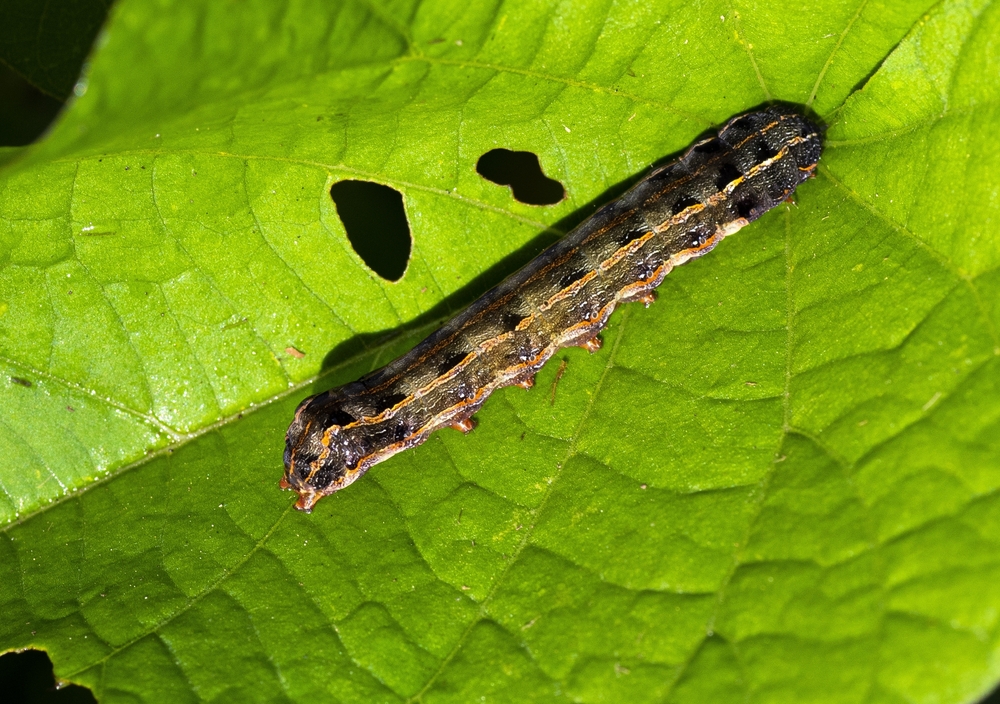
Cutworms spend winter as larvae or pupae in the soil, becoming active as temperatures rise. They feed at night, cutting down young seedlings at the soil level, which leaves plants collapsed by morning. Late winter vegetable beds are especially vulnerable when seedlings are just emerging. Because the damage happens quickly, gardeners may not notice the culprit until several plants are lost.
Turn over soil in late winter to expose overwintering larvae to cold and predators. Install simple collars made of cardboard or plastic around seedlings to block feeding. Remove weeds early, since they serve as alternate food sources. Regular inspection at dusk can help identify and remove active larvae.
Rodents Such as Mice and Voles
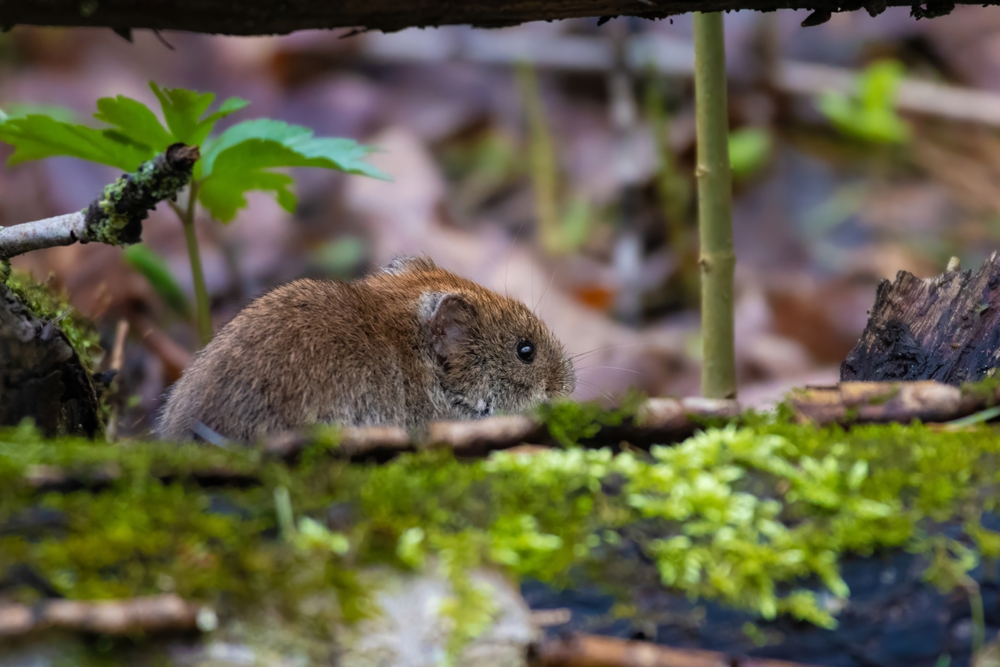
Mice and voles shelter in thick mulch and beneath snow cover during winter, feeding on roots and bark. As snow melts in late winter, damage often becomes visible as gnawed stems or girdled trunks. Young trees and newly planted shrubs are especially vulnerable. These rodents may continue feeding until natural predators become more active.
Keep mulch pulled a few inches away from plant bases to reduce shelter. Use protective tree guards around young trunks to prevent bark damage. Clearing tall grass and debris removes hiding spots near garden beds. Monitoring regularly for tunnels or droppings allows early intervention.
Whiteflies
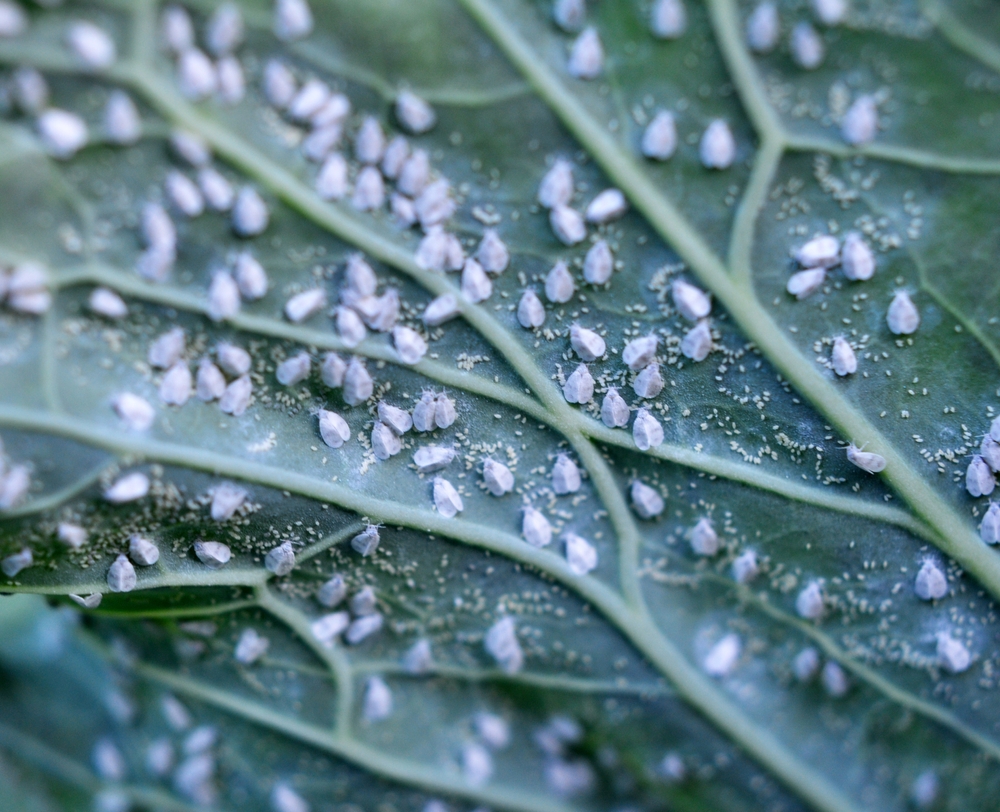
Whiteflies often overwinter in greenhouses or on sheltered plants, becoming active during warmer spells. They gather on leaf undersides and flutter up in small clouds when disturbed. Feeding weakens plants and leaves behind sticky residue that can lead to mold growth. Because natural predators are scarce in late winter, populations may grow unnoticed indoors or under covers.
Inspect the undersides of leaves frequently and isolate infested plants. Yellow sticky traps can help monitor and reduce adult numbers. Washing foliage with water can remove many insects before infestations spread. Keeping plants spaced properly improves airflow and reduces favorable conditions.
Thrips
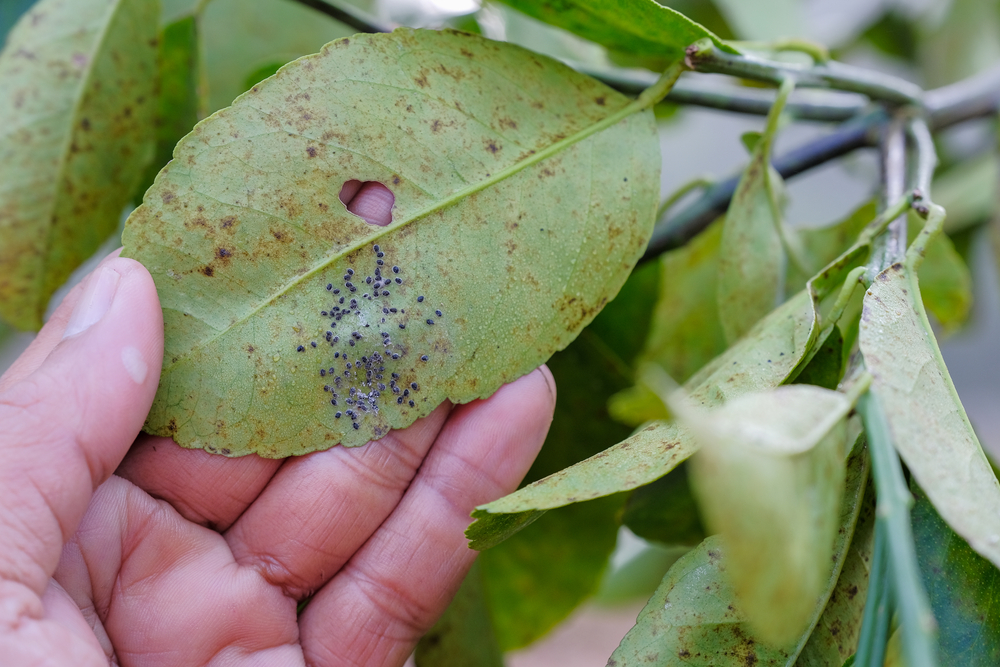
Thrips survive winter in plant debris or soil, emerging as temperatures fluctuate upward. They feed on buds and young leaves, causing silvery streaks and distorted growth. Late winter flowering plants can suffer bud damage before blooming begins. Since these insects are small and fast-moving, they can spread quickly across closely planted areas.
Remove plant debris from beds before growth resumes. Prune damaged buds early to limit spread. Sticky traps can help detect early activity. Maintaining plant health reduces susceptibility to feeding injury.
Cabbage Worms and Loopers
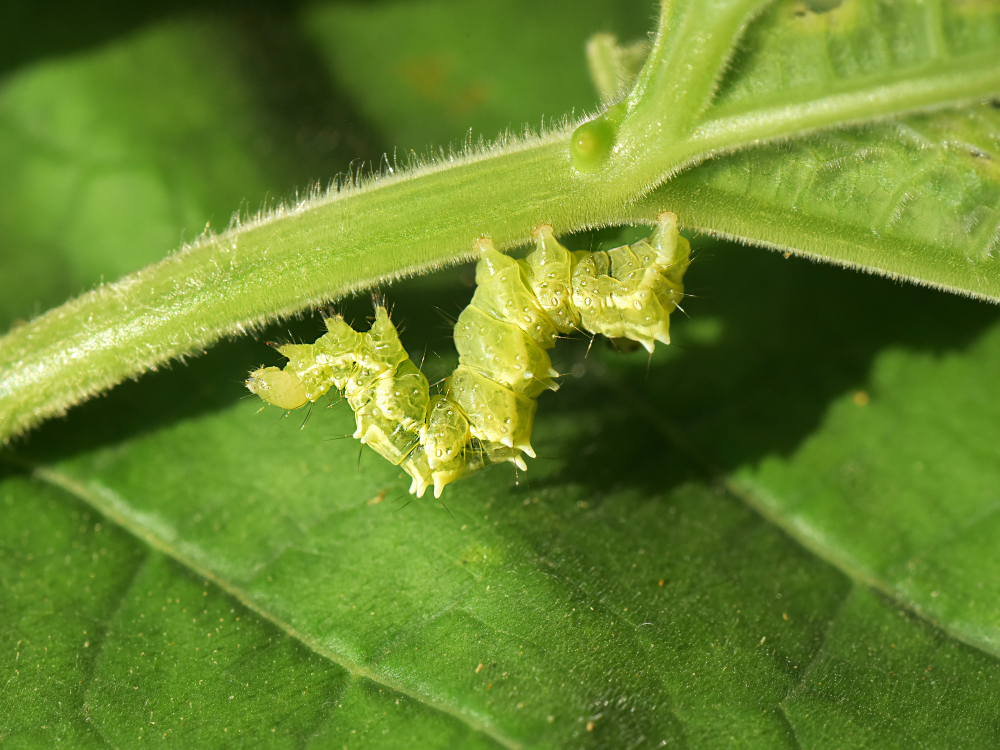
These pests overwinter as pupae in soil or attached to plant remnants. In late winter vegetable beds, they begin emerging and target brassicas such as kale and cabbage. Early feeding may go unnoticed until holes appear in leaves. Because many gardeners start cool-season crops at this time, the timing aligns with their emergence.
Clear out old crop residues thoroughly before planting. Use lightweight row covers to block egg laying. Inspect leaves regularly and remove larvae by hand. Rotating crops each season helps break their life cycle.
Leaf Miners
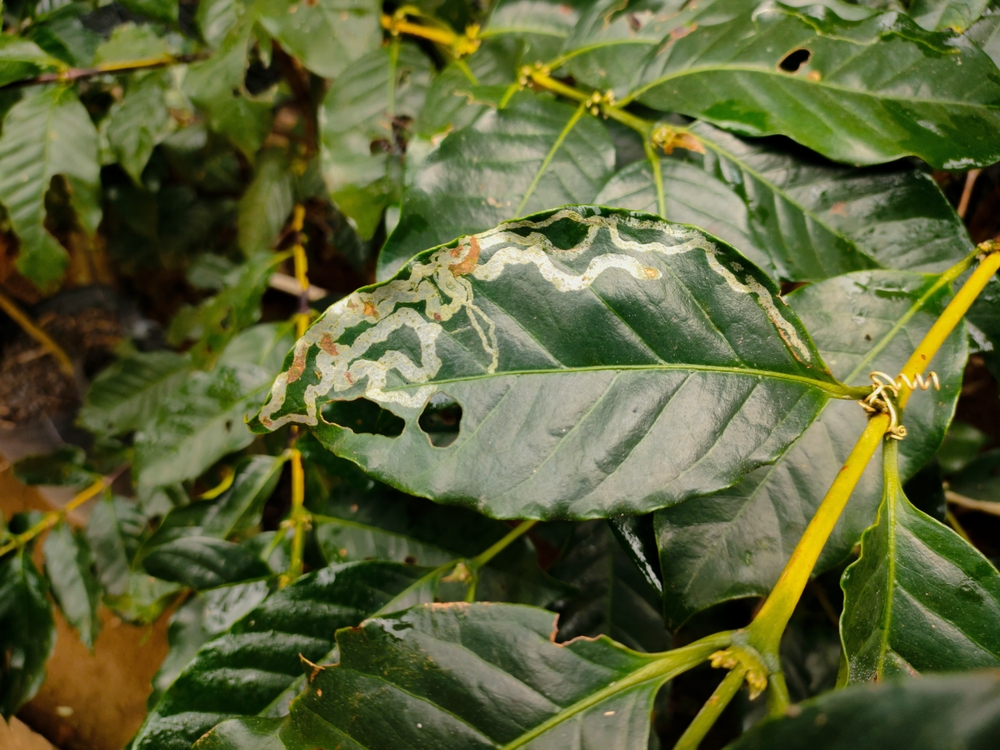
Leaf miners overwinter as pupae in soil or within fallen leaves. As temperatures rise, adults lay eggs on fresh foliage, and larvae tunnel between leaf surfaces. These winding trails reduce photosynthesis and weaken young plants. Late winter greens and ornamentals are frequent targets.
Remove and discard affected leaves promptly to interrupt development. Clean up fallen foliage from previous seasons. Floating row covers can prevent adult insects from reaching plants. Healthy soil supports stronger plants that recover more easily from minor damage.
This article originally appeared on Avocadu.